A Lost Northern California Town That Whispers Stories Of Long Ago
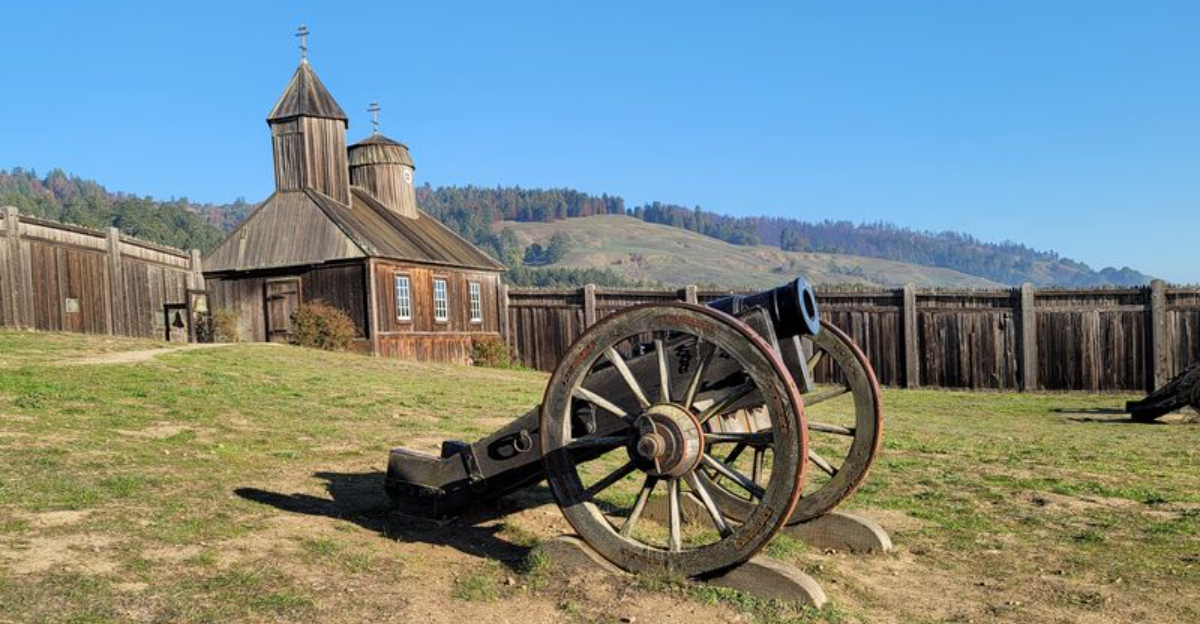
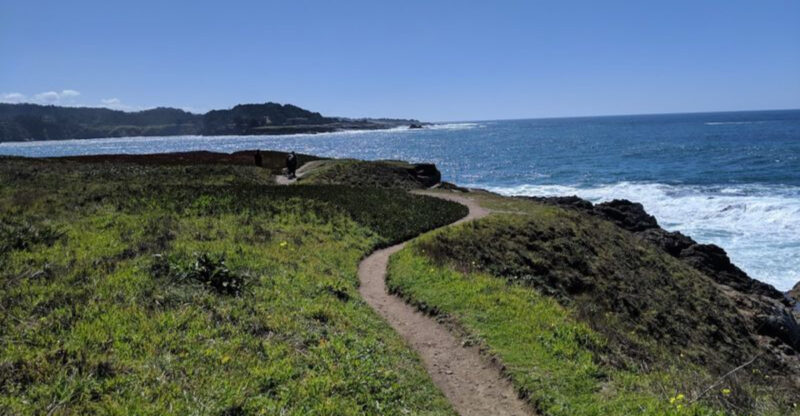
Waves crash along the rugged Sonoma County coast. A wooden fortress rises above the cliffs like it doesn’t belong. Fort Ross feels frozen in time.
Russian settlers built this remote colony in 1812, creating the southernmost edge of their Pacific empire far from home.
What followed was a rare cultural crossroads.
Russians, Native Alaskans, and local indigenous communities lived and worked side by side on this isolated shoreline.
Today, the reconstructed walls still hold that layered history. Weathered buildings creak in the ocean wind. Fog rolls through the compound.
Walking the grounds feels less like visiting a museum and more like stepping into a forgotten chapter of California’s past, one shaped by global ambition long before the Gold Rush changed everything.
It’s quiet. Remote. And strangely powerful. The kind of place that feels discovered rather than visited.
1. Russian Colony Established In 1812
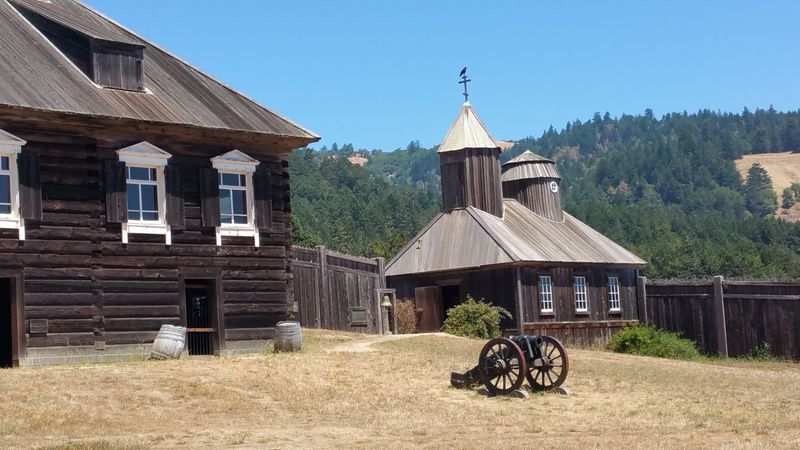
The Russian-American Company planted its flag on this coastal bluff more than two centuries ago with grand ambitions.
Founded in March 1812, Fort Ross served as the southernmost outpost of Russian expansion in North America, strategically positioned to support colonies thousands of miles north in Alaska.
The settlement received its name from an old spelling of Russia, and the location offered access to rich hunting grounds and fertile agricultural land.
Establishing a permanent settlement here required immense effort and resources transported across vast distances.
Russian settlers brought expertise in construction, shipbuilding, and trade that transformed this remote coastline into a bustling international hub.
The colony represented Russia’s attempt to secure reliable food sources for Alaskan settlements where harsh conditions made agriculture nearly impossible.
Building the fort involved cooperation between Russian managers, skilled craftsmen, and indigenous laborers who contributed local knowledge.
The original structures included residential buildings, warehouses, workshops, and defensive walls designed to protect inhabitants from potential threats.
Today’s reconstructed fort stands as testament to the ambition and determination of those early settlers who carved out a home in unfamiliar territory far from their native land.
2. Diverse Cultural Melting Pot
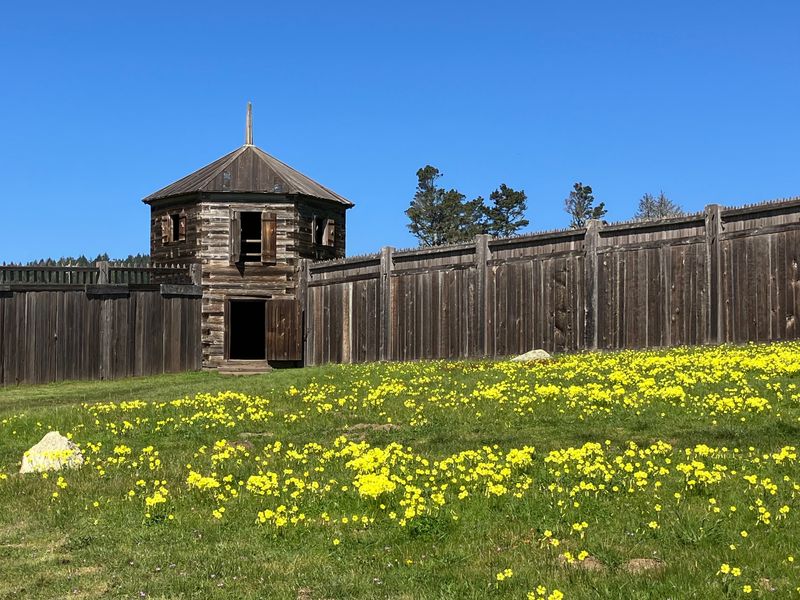
Fort Ross brought together people from vastly different backgrounds who somehow forged a functioning community.
Russians provided leadership and technical skills while Aleut hunters from Alaska contributed their expertise in marine mammal hunting.
The Kashaya Pomo people, indigenous to this coastal region, shared essential knowledge about local plants, weather patterns, and survival strategies that proved invaluable to newcomers.
Cultural exchange happened daily as these groups worked side by side, shared meals, and learned each other’s languages.
Intermarriage between Russian men and Native women created family bonds that strengthened community ties and facilitated communication across cultural divides.
The settlement developed its own unique culture that blended Russian Orthodox traditions with indigenous practices and Aleut customs.
Archaeological evidence reveals how different cultural groups maintained distinct living areas while participating in shared economic activities.
Russian managers occupied the finest quarters inside the stockade while Aleut families lived in traditional barabaras and Kashaya people maintained connections to nearby villages.
This multicultural experiment demonstrated both the possibilities and tensions of frontier coexistence, creating social dynamics unlike anything else in early California.
3. Fur Trading And Sea Otter Hunting
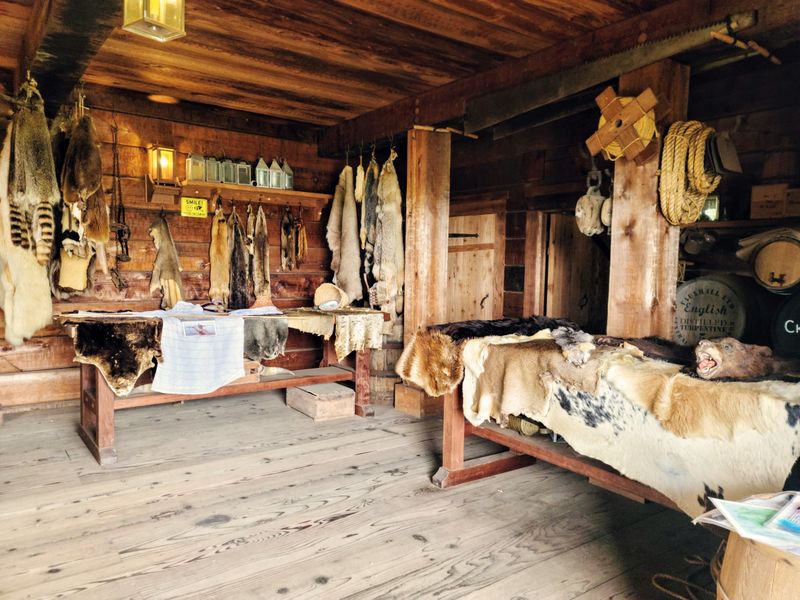
Sea otter pelts drove the economic engine that powered Fort Ross throughout its existence.
These luxurious furs commanded astronomical prices in Asian markets, particularly China, where wealthy buyers prized their softness and warmth above all other materials.
Aleut hunters brought from Alaska possessed unmatched skills in pursuing these elusive marine mammals through dangerous coastal waters.
Hunting parties ventured out in baidarkas, traditional kayaks that allowed silent approaches to sea otter colonies.
The hunters employed sophisticated techniques passed down through generations, understanding currents, weather patterns, and animal behavior that meant the difference between success and failure.
Peak hunting years saw thousands of pelts processed and shipped annually, generating substantial profits for the Russian-American Company.
Environmental consequences of this intensive hunting became apparent within two decades as sea otter populations plummeted.
The near-extinction of these animals in California waters contributed significantly to Fort Ross’s eventual decline and abandonment.
Modern conservation efforts have helped sea otters recover somewhat, though populations remain far below historical levels, serving as a reminder of the settlement’s lasting environmental impact on the region.
4. Agricultural Innovation And Shipbuilding
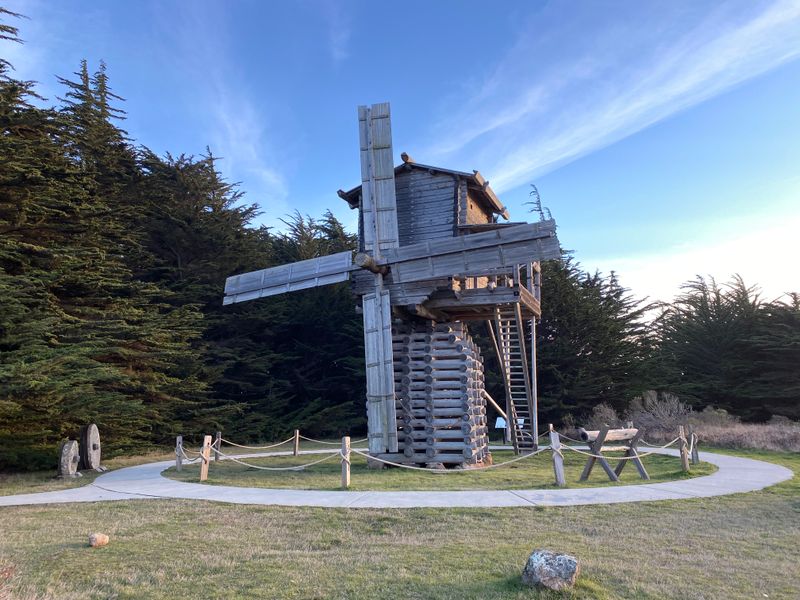
Beyond hunting, Fort Ross pioneered agricultural and industrial activities that transformed California’s economic landscape.
Russians introduced the region’s first windmills, revolutionary technology that ground grain more efficiently than any method previously used in Spanish California.
These towering structures became landmarks visible from ships passing along the coast, symbols of Russian technological advancement.
Shipbuilding operations at Fort Ross produced several ocean-going vessels constructed entirely from local timber.
Craftsmen built California’s first significant shipyard here, launching ships that sailed as far as Alaska, Hawaii, and South America.
The technical expertise required for these projects impressed even Spanish officials who initially viewed the Russian presence with suspicion and concern.
Agricultural experiments tested various crops to determine what thrived in coastal conditions. Settlers planted wheat, barley, vegetables, and fruit trees while raising cattle, sheep, and other livestock.
Some efforts succeeded while others failed due to foggy summers and unpredictable weather patterns.
The knowledge gained through these trials benefited later settlers who learned from Russian successes and failures, though Fort Ross never achieved the agricultural self-sufficiency its founders envisioned.
5. Sale To John Sutter In 1841
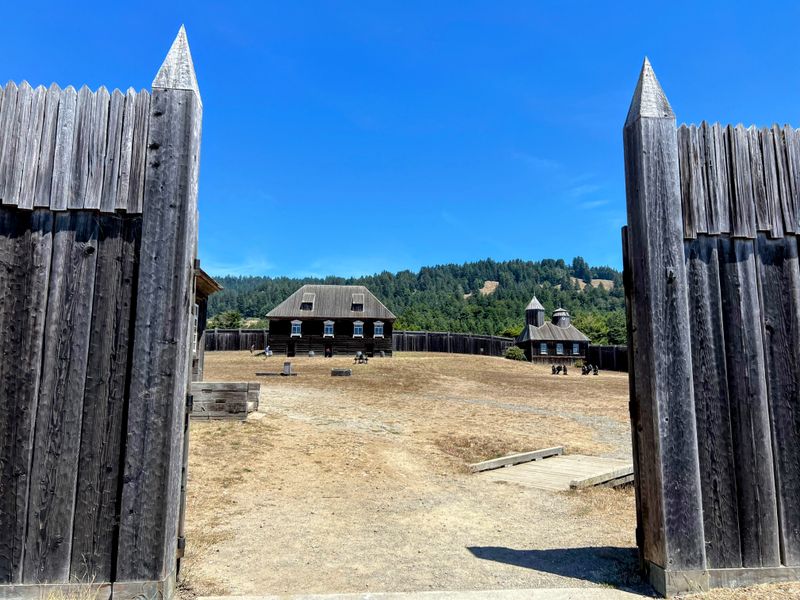
Economic reality forced the Russian-American Company to abandon its California dreams after nearly three decades.
Declining sea otter populations eliminated the primary source of revenue while agricultural operations failed to generate expected profits.
Company officials decided to cut losses and sell the entire settlement, buildings, equipment, livestock, and all remaining assets to the highest bidder.
John Sutter, a Swiss immigrant with grand ambitions of building his own empire in California’s interior, purchased Fort Ross for $30,000.
The deal included all structures, agricultural equipment, livestock, weapons, and other movable property.
Sutter transported much of this material to his settlement near present-day Sacramento, where some of it later played roles in California’s Gold Rush era.
The sale marked the end of Russian presence in California and closed this unique chapter in West Coast history.
Russians departed peacefully, leaving behind empty buildings that gradually deteriorated over subsequent decades.
Sutter’s purchase proved significant for California’s development, though he eventually lost everything during the chaotic Gold Rush years. The transaction represented a pivotal moment when one colonial dream ended and another began.
6. The Historic Rotchev House
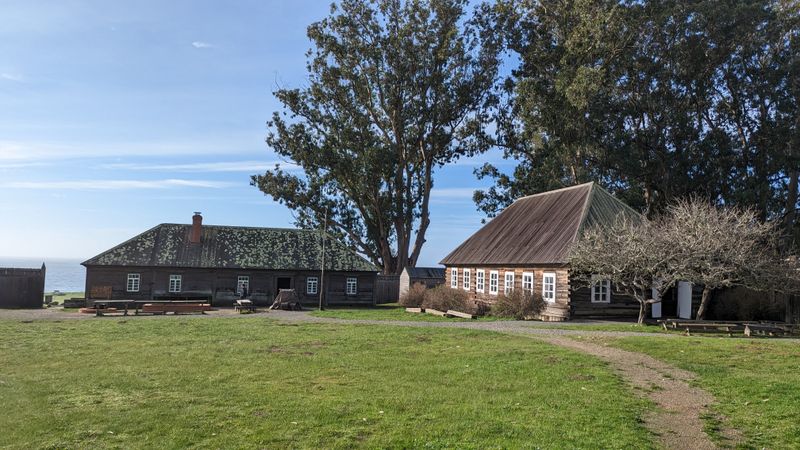
Standing as the sole surviving structure containing construction techniques dating back to the Russian era, the Rotchev House connects visitors directly to Fort Ross’s original inhabitants.
Constructed around 1836, this wooden structure served as home to Alexander Rotchev, the settlement’s last manager, and his wife Elena, accomplished in arts and sciences.
The house represents the finest residential architecture built at Fort Ross, reflecting the status and responsibilities of its occupants.
Architectural details reveal both Russian building traditions and adaptations to California conditions.
The structure features thick wooden walls, small windows designed to retain heat, and a layout typical of Russian colonial housing.
Careful preservation work has maintained original elements while protecting the building from weather damage and decay that claimed other structures.
Walking through the Rotchev House today offers intimate glimpses into daily life for Fort Ross’s elite residents.
Period furnishings and interpretive displays help visitors imagine evening meals, social gatherings, and quiet moments when the Rotchevs contemplated their isolated existence.
The house stands as a tangible link to real people who lived extraordinary lives in this remote outpost, making history feel personal rather than abstract.
7. The Russian Orthodox Chapel
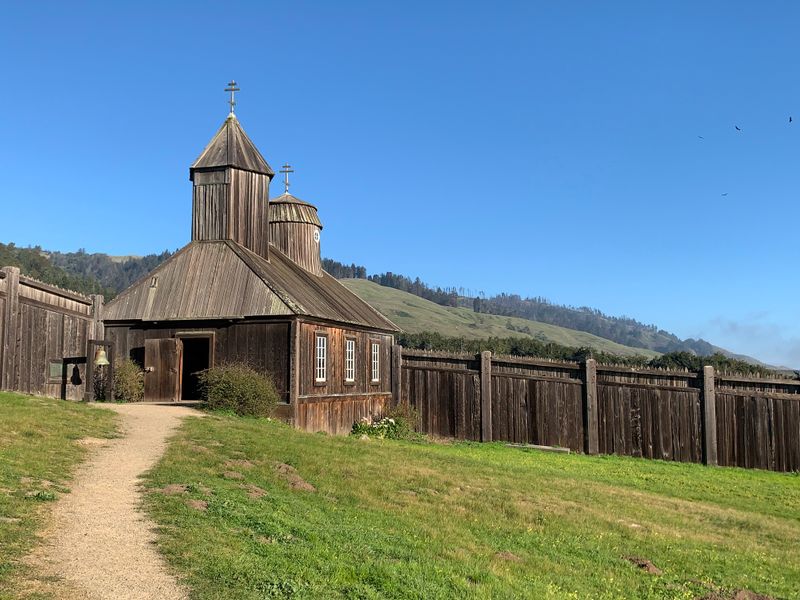
Religious faith provided spiritual comfort to Fort Ross inhabitants far from their homeland. The original Russian Orthodox chapel, built in 1825, served as the community’s religious center where settlers gathered for services, baptisms, weddings, and funerals.
The distinctive onion dome topped with an Orthodox cross proclaimed Russian religious identity to anyone approaching by land or sea.
Tragedy struck in 1970 when fire destroyed this historic structure, devastating historians and preservationists.
The loss eliminated one of California’s most significant Russian colonial buildings and a rare example of Orthodox architecture in North America.
Community determination to preserve Fort Ross’s heritage led to immediate reconstruction planning and fundraising efforts.
The reconstructed chapel, completed in 1973, faithfully reproduces the original design using traditional construction methods and materials.
Modern visitors can enter this sacred space and experience the atmosphere that provided solace to homesick settlers.
Orthodox icons, religious artifacts, and careful attention to historical detail make the chapel feel authentic despite its relatively recent construction.
The building demonstrates how communities value and preserve cultural heritage even after devastating losses.
8. Archaeological Discoveries And Research
Beneath Fort Ross’s surface lies a treasure trove of artifacts and structural remains that continue revealing settlement secrets.
Archaeological excavations conducted over decades have uncovered foundations of buildings, trash pits filled with discarded items, and personal possessions lost or abandoned by inhabitants.
Each discovery adds pieces to the puzzle of understanding daily life in this multicultural community.
Researchers have found Russian ceramics, Native American tools, trade beads, buttons, animal bones, and countless other objects that illuminate economic activities and cultural interactions.
Analysis of these materials reveals what people ate, how they dressed, what goods they valued, and how different cultural groups maintained distinct identities while living in close proximity.
Scientific techniques allow archaeologists to date artifacts precisely and trace their origins across continents.
Ongoing research continues at Fort Ross as new technologies enable more sophisticated analysis of previously excavated materials.
Ground-penetrating radar helps locate buried structures without disturbing the soil while advanced chemical analysis reveals information about diet, health, and manufacturing processes.
These investigations ensure that Fort Ross remains a living laboratory where historians continually refine understanding of Russian California and its complex social dynamics.
9. Cultural Interactions And Intermarriage
Personal relationships across cultural boundaries shaped Fort Ross society in profound ways that official records barely hint at.
Russian men, who vastly outnumbered Russian women at the settlement, frequently married or formed partnerships with Native women from local tribes and Aleut communities.
These unions created families that bridged cultural divides and facilitated communication between groups with vastly different traditions.
Children born from these relationships grew up bilingual or trilingual, moving easily between cultural worlds that remained foreign to many adults.
They served as interpreters, mediators, and cultural brokers who helped prevent misunderstandings and conflicts.
Family ties created obligations and loyalties that transcended ethnic boundaries, strengthening community cohesion in ways formal agreements never could.
Cultural exchange flowed in multiple directions as Russians adopted Native foods, clothing adapted to local conditions, and survival strategies while Native peoples acquired Russian tools, agricultural techniques, and religious practices.
Women played crucial roles in this exchange, teaching Russian husbands about local plants, preparing traditional foods, and maintaining connections to indigenous communities.
These intimate relationships humanize Fort Ross’s history, revealing that behind official company records lived real people navigating complex social situations with creativity and resilience.
10. Fort Ross State Historic Park Today
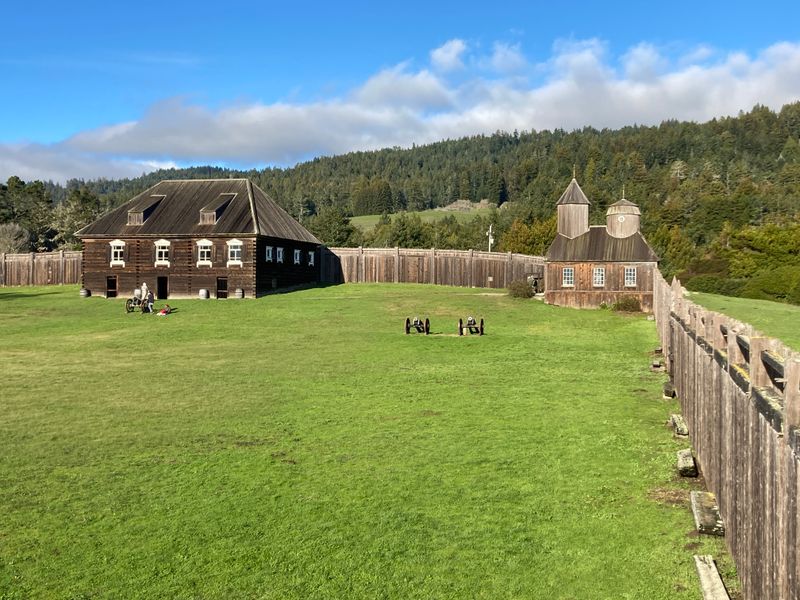
Modern preservation efforts have transformed Fort Ross into an accessible window on California’s multicultural past.
Designated as a National Historic Landmark and protected as a California State Historic Park, the site welcomes visitors year-round to explore reconstructed buildings, exhibits, and coastal trails.
The address is 19005 Coast Highway in Jenner, making it accessible to travelers exploring Sonoma County’s dramatic coastline.
Park rangers and volunteer interpreters bring history alive through demonstrations, guided tours, and educational programs.
Visitors can examine period tools, try traditional crafts, and learn about the daily challenges settlers faced in this remote location.
Special events throughout the year celebrate Russian heritage, Native cultures, and the unique history that unfolded here.
The park’s dramatic setting enhances the historical experience as visitors stand where Russians, Aleuts, and Kashaya people once worked and lived.
Ocean views, coastal bluffs, and surrounding wilderness look much as they did two centuries ago, helping modern visitors imagine life at this isolated outpost.
Fort Ross serves educational purposes while honoring the diverse peoples whose stories converged on this remarkable piece of California coastline, ensuring their experiences remain accessible to future generations.