This Massive California Art Warehouse Is Why Artists Are Making Road Trips
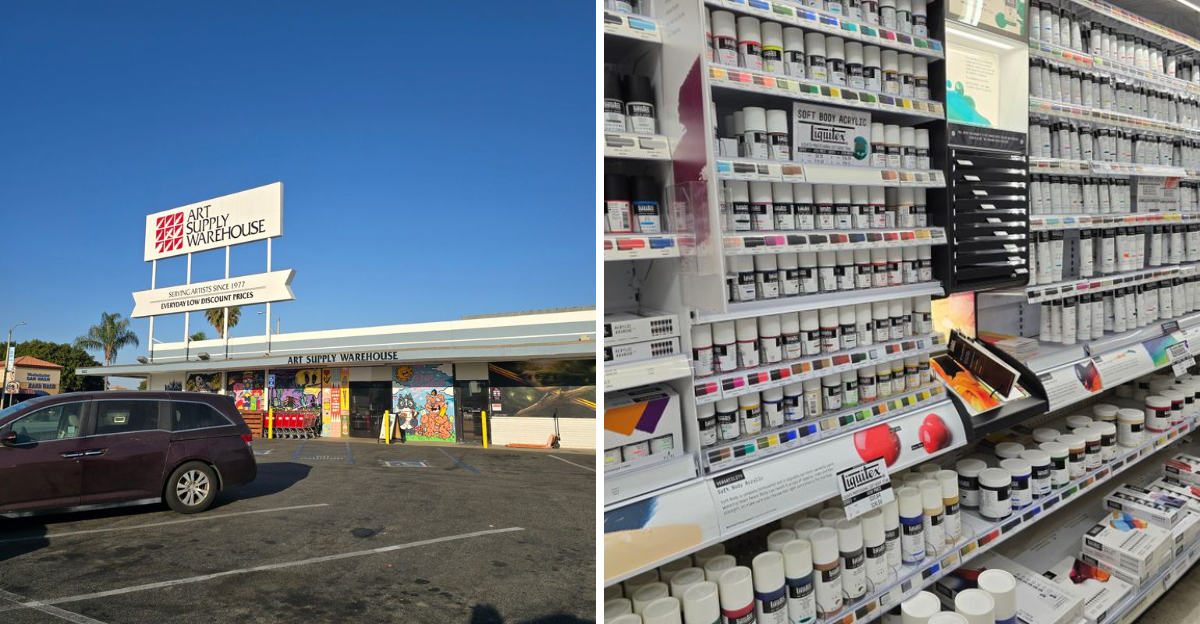
Creatives don’t just shop here. They plan the trip. Cars get loaded with empty trunks and big expectations, all pointed toward one massive art supply warehouse in California that artists treat like creative ground zero.
Walking inside feels overwhelming in the best way. Paint tubes stretch in endless rows. Canvases tower to the ceiling.
Entire aisles cater to oil painters, watercolorists, sculptors, illustrators, and mediums most shoppers didn’t even know existed. The scale alone turns a supply run into an experience.
Professionals arrive with bulk lists and leave stocked for months. Hobbyists wander wide-eyed, discovering new tools, pigments, and papers that instantly spark fresh ideas.
The warehouse model keeps prices far below traditional art stores, making premium materials accessible to beginners and working artists alike.
Word spread fast. Social media hauls. Studio tour shoutouts. Artist forums buzzing about deals and selection. What started as a practical supply source has grown into a full creative pilgrimage.
The Art Supply Warehouse in Westminster the journey isn’t just about buying materials. It’s about stepping into a space where inspiration hits before you even pick up a brush.
1. Warehouse Scale Redefines Shopping Experience
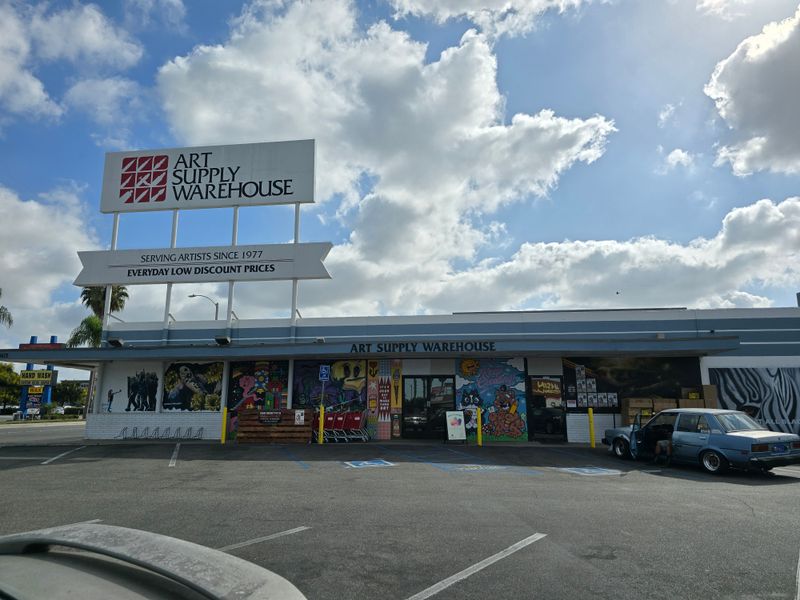
Walking into the Art Supply Warehouse at 6672 Westminster Blvd., Westminster, CA 92683 resets expectations instantly. The space opens wide like a distribution hangar built for creativity instead of cargo. Aisles run long and uninterrupted.
Shelving rises high with inventory stacked deep rather than displayed sparingly. Natural light filters through while industrial fixtures keep color accuracy sharp across every department.
Supplies group by medium instead of brand, making comparison shopping fast and intuitive. Oil painters browse full pigment ranges in one zone. Watercolorists move through papers, palettes, and paints without leaving their section.
Sculptors find clay, armatures, and carving tools organized around workflow rather than packaging. Bulk carts replace handheld baskets, signaling that visitors rarely shop small. Teachers load semester supplies. Studio managers restock production materials.
Hobbyists arrive curious and leave with more than planned. The warehouse layout removes boutique pressure. No hovering sales tactics. No cramped aisles.
Just space to explore at your own pace. Staff circulate for technical help, not upselling. The scale alone transforms routine supply shopping into something immersive, practical, and creatively energizing.
2. Bulk Pricing Makes Premium Materials Affordable
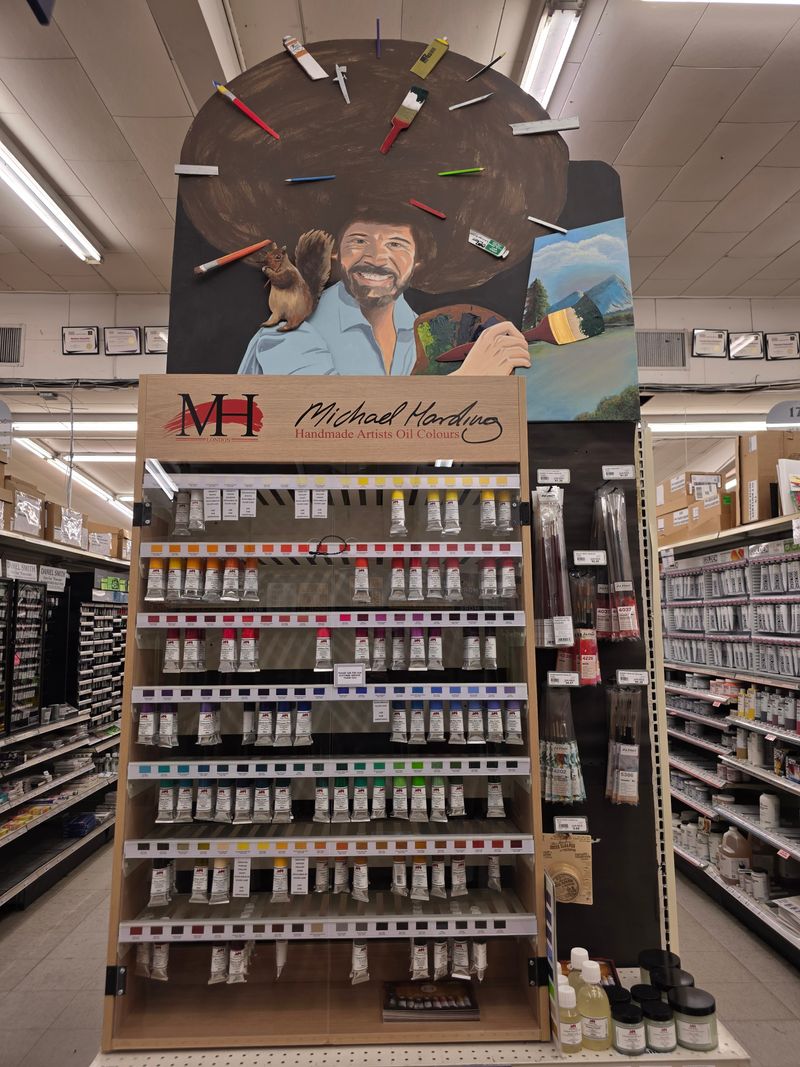
Premium art supplies often come with price tags that limit experimentation, but the Westminster warehouse flips that reality through bulk economics. Buying paint individually at boutique stores adds markup at every step. Here, volume purchasing changes the math.
Multi-tube paint packs reduce per-unit costs dramatically. Professional pigments become accessible even for artists working within tight budgets.
Canvas bundles stacked on pallets sell in quantity, lowering costs compared to single stretched frames elsewhere. Brushes packaged in sets provide better value than piecemeal buying.
Manufacturers ship wholesale, eliminating extra distribution fees that inflate traditional retail pricing. Those savings pass directly to customers.
Working artists benefit most. Large commissions require consistent materials, and bulk pricing allows studios to stock months of inventory without financial strain. Art teachers and community programs stretch funding further by purchasing classroom quantities in one trip.
Seasonal sales and clearance zones add deeper discounts on discontinued colors or overstocked items. Membership perks and loyalty incentives reward repeat customers who rely on the warehouse as their primary supplier.
The result balances affordability with quality. Artists no longer choose between budget and performance. They access professional materials at prices that encourage experimentation, growth, and larger creative output.
3. Every Medium Imaginable Under One Roof
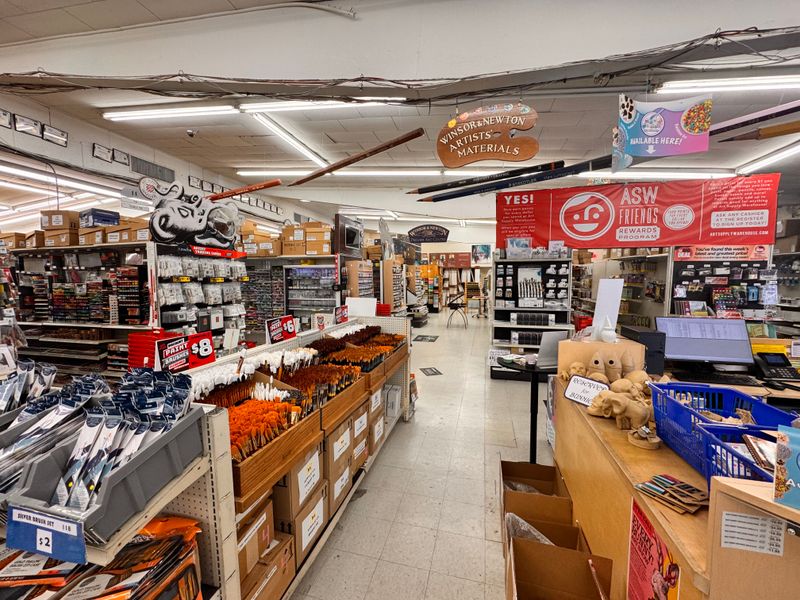
Selection drives the warehouse reputation as much as pricing. Instead of prioritizing only painting and drawing, the Westminster facility stocks materials for nearly every artistic discipline practiced today. Entire aisles dedicate themselves to specialized mediums rarely found in standard art stores.
Printmakers browse brayers, carving tools, lino blocks, archival inks, and press accessories grouped in one zone. Ceramic artists move through clay bodies, glazes, stains, and kiln tools without leaving their section.
Fiber artists discover dyes, weaving tools, felting supplies, and textile paints organized for easy comparison.
Illustrators and designers access technical pens, drafting templates, specialty markers, and rendering papers.
Mixed-media creators find adhesives, substrates, found-object materials, and experimental surfaces ready for exploration. Even niche practices like encaustic painting, gilding, and resin work receive dedicated inventory clusters.
This depth eliminates the need to piece together supplies from multiple stores or gamble on online orders without testing materials first.
Artists working across disciplines complete full project shopping in one visit. Beginners discover entirely new mediums simply by wandering unfamiliar aisles.
The warehouse doesn’t just stock supplies. It exposes creatives to possibilities they hadn’t considered, expanding practice through proximity to tools and techniques under one massive roof.
4. Professional Artists Rely On Consistent Stock
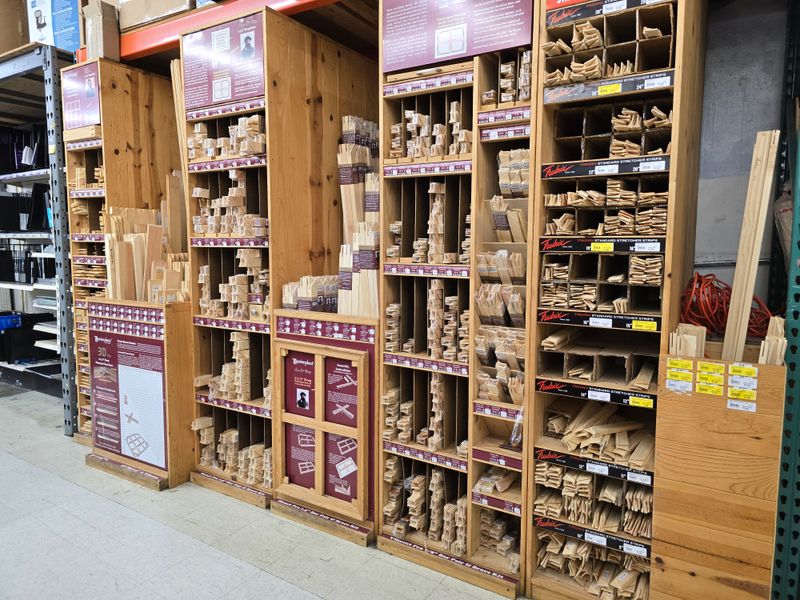
Reliability matters as much as selection for working professionals. Commissioned artists, muralists, and production studios depend on consistent access to the exact materials they use daily. Running out mid-project or losing a trusted brand creates costly delays.
The Westminster warehouse solves that through deep inventory management. Core paint lines remain fully stocked across complete color ranges, not just bestselling hues.
Canvas inventory spans sizes from small studies to mural-scale panels available year-round. Brushes, mediums, varnishes, and primers stay replenished through ongoing manufacturer partnerships.
Artists build workflows around that reliability. They know replacement materials will match previous purchases without substitution. Deadlines feel less stressful when supply continuity is guaranteed.
Staff track product demand and coordinate restocks before shortages hit shelves. Special orders fill gaps when niche materials fall outside regular inventory. That responsiveness transforms the warehouse into a supply partner rather than just a retailer.
For professionals whose income depends on delivery timelines, this consistency proves invaluable. Instead of chasing materials across multiple vendors, they make one trip knowing everything needed to complete current and future work will be waiting in stock.
5. Road Trip Culture Builds Artist Community
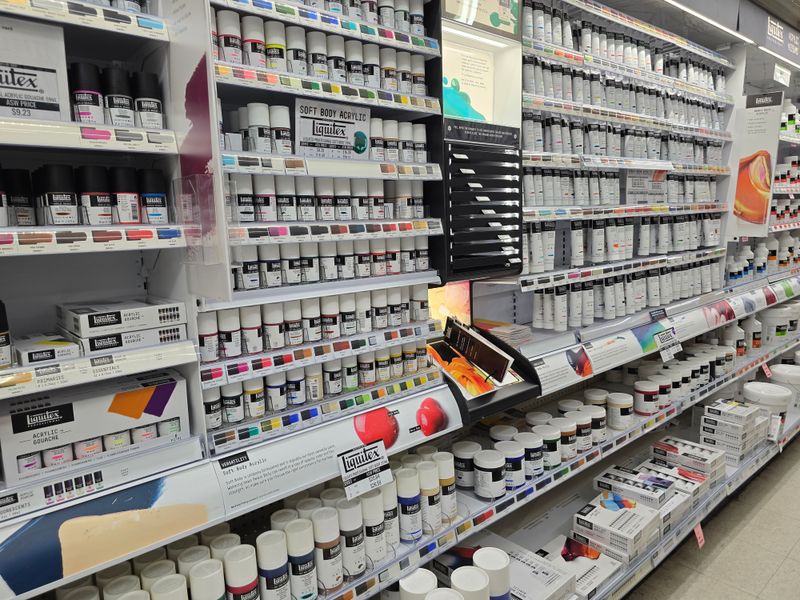
What starts as a supply run often becomes a social ritual. Artists plan group road trips to Westminster, turning practical shopping into shared creative outings. Carpools split fuel costs while building anticipation before arrival.
Empty trunks signal serious restocking plans. Inside, conversations spark naturally. Strangers compare brush brands. Painters debate pigment density.
Sculptors trade clay recommendations. The warehouse becomes an informal networking hub fueled by shared passion rather than scheduled events. Social media amplifies the culture. Haul videos showcase bulk finds. Studio tours tag supply sources.
Artist forums buzz with pricing tips and inventory alerts. The warehouse gains reputation not through ads but through community storytelling.
Some creatives schedule quarterly visits, aligning trips with project cycles or exhibition prep. Others treat the journey as creative reset days, pairing shopping with studio planning.
Friendships form in checkout lines and supply aisles. Collaborations begin over product discussions. The trip becomes part of artistic lifestyle rather than errand.
The warehouse doesn’t just sell materials. It hosts moments where artists connect, exchange knowledge, and reinforce the sense that creative practice thrives stronger within community.
6. Westminster Location Serves Southern California Hub
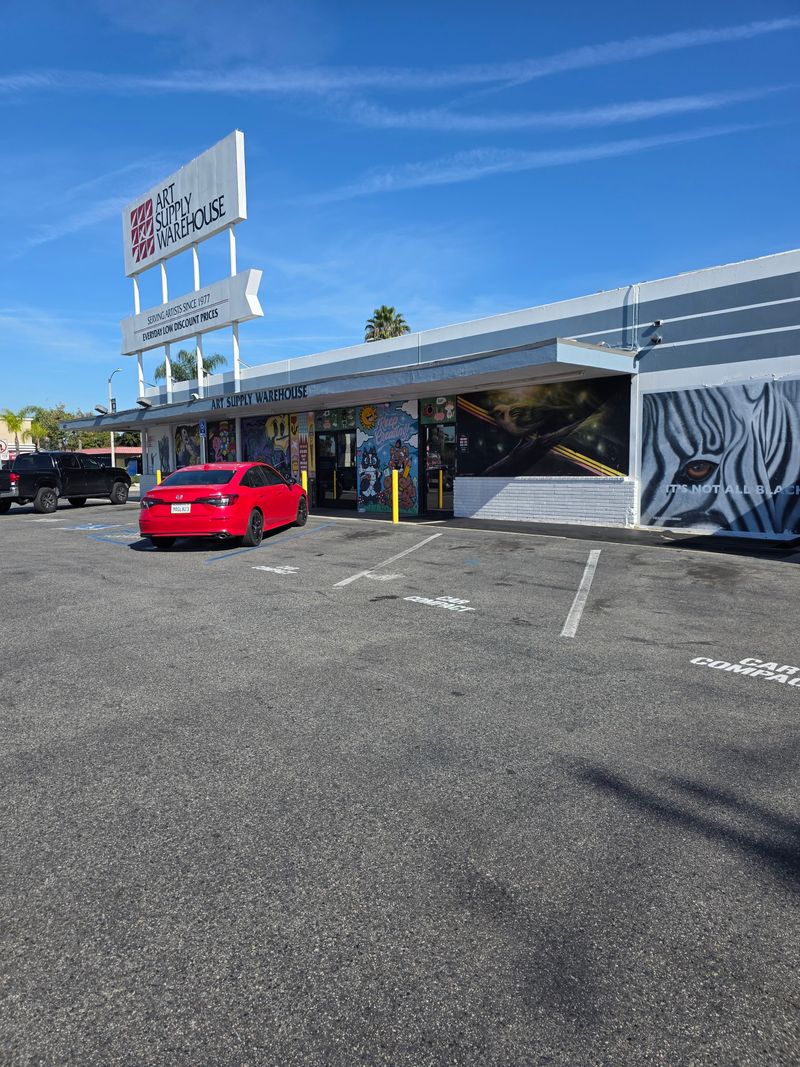
Positioned in Orange County, the Westminster warehouse anchors Southern California’s supply landscape. Its location between Los Angeles and San Diego makes it accessible from both major creative hubs. Artists regularly drive hours knowing the selection justifies the distance.
The facility reflects regional diversity. Fine artists shop alongside street muralists, tattoo designers, illustrators, and art students. Inventory adapts to that mix, stocking everything from traditional oils to large-scale spray paint systems.
Operating hours (10:00 AM–6:00 PM) accommodate creatives balancing studio time with day jobs. Evening visits remain common, especially before major project deadlines. Parking infrastructure supports high visitor volume, with space for vehicles arriving ready to load bulk supplies.
The internal layout flows logically from entrance to checkout, minimizing congestion while encouraging exploration of departments visitors may not initially seek. Regulars develop efficient routes through their preferred sections before browsing new arrivals.
Art schools, studios, and creative collectives treat the warehouse as a foundational resource. Its reputation spreads through word of mouth as the place serious artists go when quality, pricing, and scale all matter.
7. Sustainability Focus
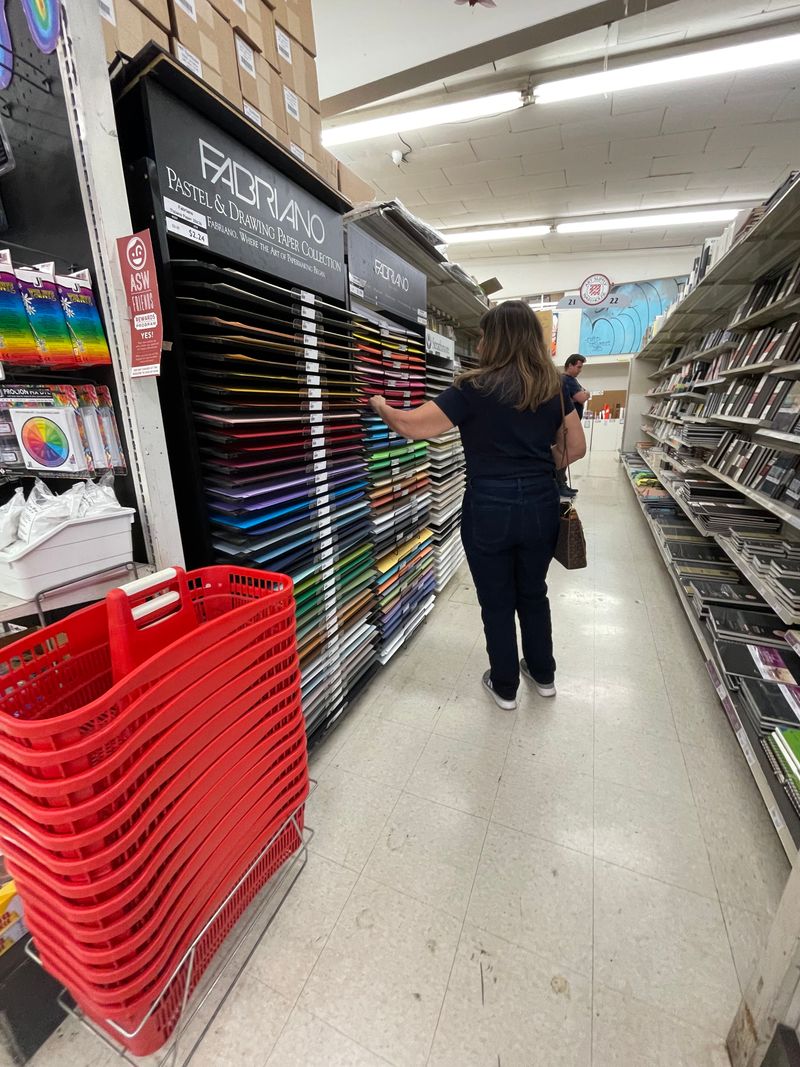
Sustainability drives the creative experience inside this Westminster art supply warehouse, transforming bulk retail into an eco-conscious destination.
The distribution-style layout highlights greener materials at scale. Recycled canvases stack on pallets. Responsibly sourced papers line extended shelving rows. Entire sections focus on sustainable mediums rather than mixed inventory.
Artists find water-based paints, low-VOC pigments, and ethically produced supplies alongside brushes made from recycled or cruelty-free fibers. Reclaimed wood, repurposed plastics, and mixed-media materials open new possibilities for lower-impact projects.
Teachers and studio leaders often arrive with supply lists and leave stocked with bulk recycled sketchbooks, refillable tools, and classroom packs designed to balance cost with environmental responsibility.
High-volume purchasing keeps prices accessible, removing the premium barrier that often surrounds sustainable art materials.
The atmosphere feels practical but purpose-driven. Shoppers trade reuse ideas in the aisles while staff guide them toward eco-friendly alternatives that fit their work.
Workshops and demos reinforce the mission, showing how sustainability can extend beyond supplies into everyday studio habits.
The result feels bigger than retail. Artists leave equipped, inspired, and more mindful of the materials shaping their next creations.
8. Specialty Supply Zones Add Depth To The Warehouse Experience
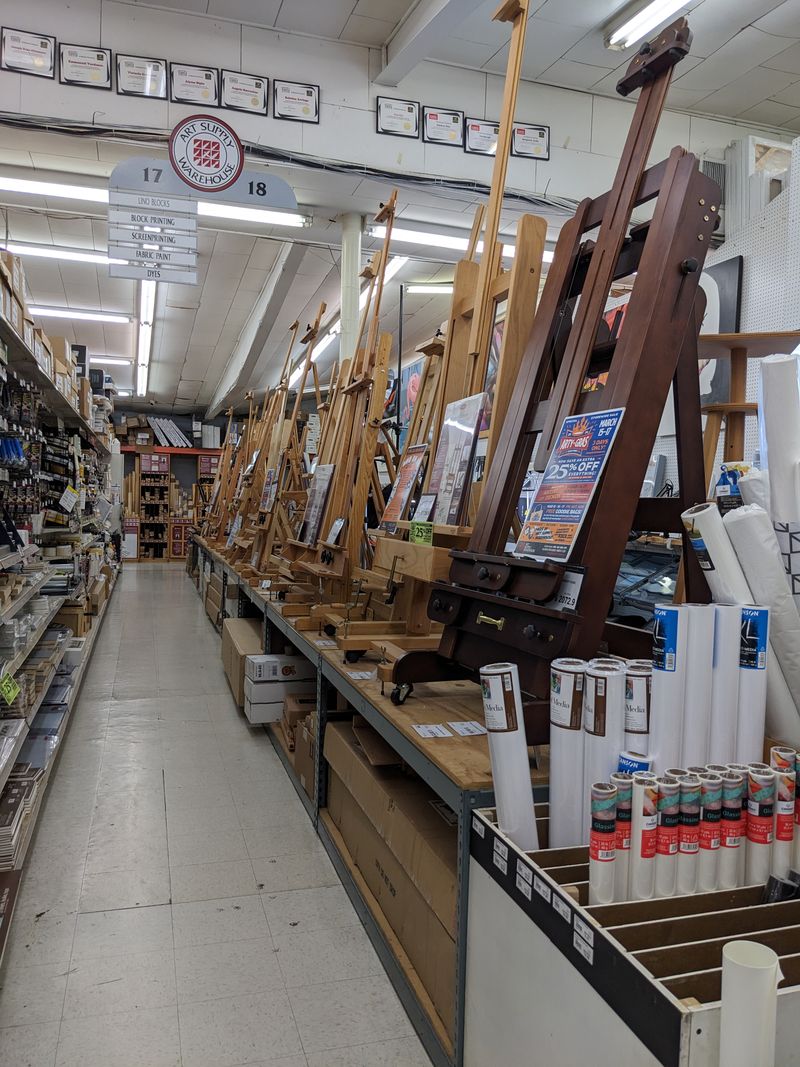
Beyond sheer size, the Westminster warehouse builds its reputation on how deeply it stocks each creative niche.
Instead of scattering specialty tools across mixed aisles, the space carves out focused supply zones where artists can dive fully into their medium.
Airbrush artists find compressors, paints, cleaning systems, and replacement parts all in one section. Printmakers browse carving tools, brayers, inks, and papers without jumping departments.
Calligraphers, muralists, resin artists, and miniature painters each get dedicated inventory clusters built around how they actually work.
The layout feels intentional. Less browsing. More immersion. Artists comparison-shop brands side by side, testing weight, texture, and pigment load before committing to bulk buys.
Staff members assigned to these zones bring medium-specific knowledge, helping shoppers troubleshoot product compatibility or technique challenges.
That depth transforms the warehouse from a general supply stop into a precision resource. Professionals track down exact tools.
Beginners discover entire practices they hadn’t considered trying. The specialization adds another layer to the road trip appeal.
Artists don’t just come for volume. They come knowing whatever they create, this warehouse likely stocks an entire aisle built just for it.
9. Educational Resources Beyond Product Sales
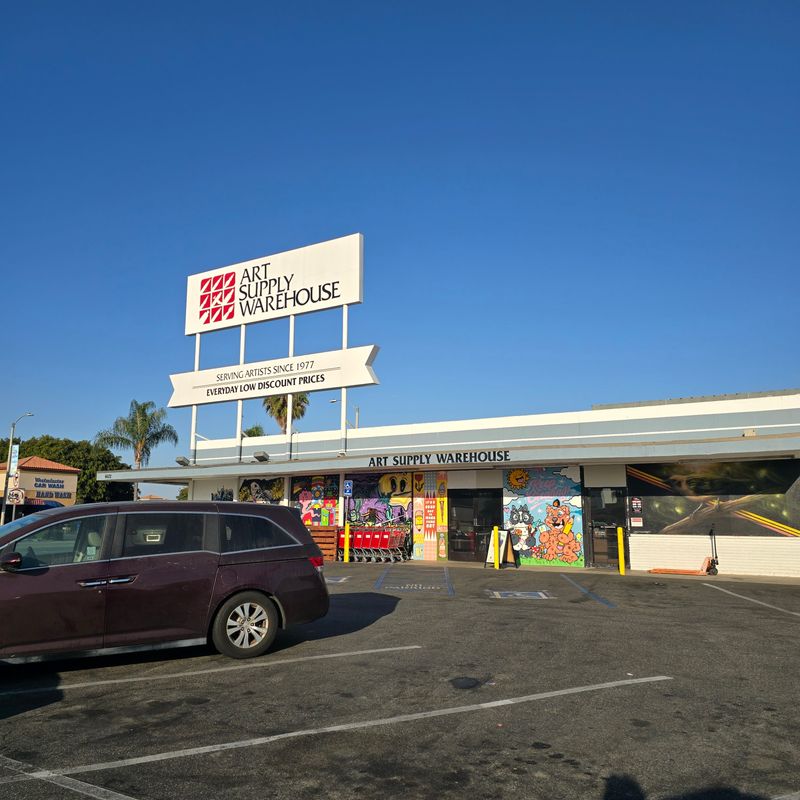
Beyond retail, the Westminster warehouse invests in artist development through hands-on learning opportunities. Workshops introduce techniques tied directly to products sold in-store, helping customers understand how materials perform before committing to bulk purchases.
Manufacturer representatives host live demos showcasing pigment behavior, surface prep methods, and medium compatibility. Artists test tools in real time, eliminating guesswork that often leads to wasted materials.
Staff consultations add another layer of guidance. Many employees come from professional art backgrounds and advise shoppers on supply selection based on project goals. Conversations shift from sales to technique, fostering trust and long-term loyalty.
Video stations loop tutorials covering foundational skills and advanced applications. Topics range from color theory to archival varnishing practices. Free classes and seasonal clinics draw both beginners and seasoned professionals seeking refinement.
This educational layer transforms the warehouse from a purchasing stop into a creative resource center. Artists leave not only stocked but better informed, more confident, and ready to maximize every material they bring back to the studio.
10. Digital Shopping Complements Physical Warehouse Visits
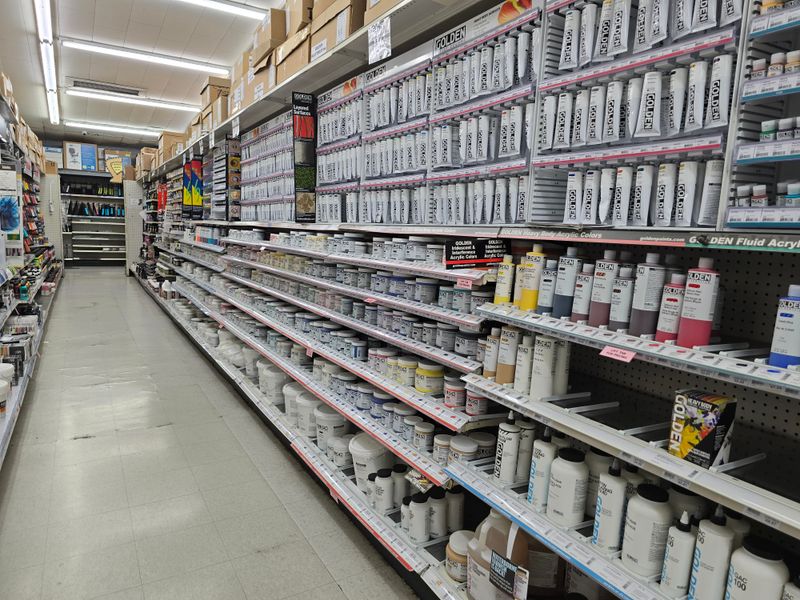
While the physical scale drives road trips, digital tools extend the warehouse reach beyond in-person visits. The online catalog mirrors in-store inventory, allowing artists to research products before making the drive. Detailed specs, color charts, and compatibility notes streamline planning.
Virtual carts save supply lists for pickup, reducing time spent navigating aisles during high-volume visits. Artists arrive with prebuilt orders and use remaining time to explore new materials.
Shipping services accommodate bulk purchases for those unable to travel. Packaging systems protect canvases, paints, and fragile tools during transit without inflating delivery costs.
Email alerts notify customers when favorite brands go on sale or restocks arrive. Purchase histories help artists reorder consistent materials without searching from scratch.
The digital layer enhances rather than replaces the warehouse experience. Artists still value touching paper textures and testing brush flex in person. But online access ensures continuity between visits.
Together, physical scale and digital convenience create a hybrid supply ecosystem supporting artists whether they shop by road trip or restock between projects from home.