This Spellbinding College In North Carolina Looks Just Like Hogwarts
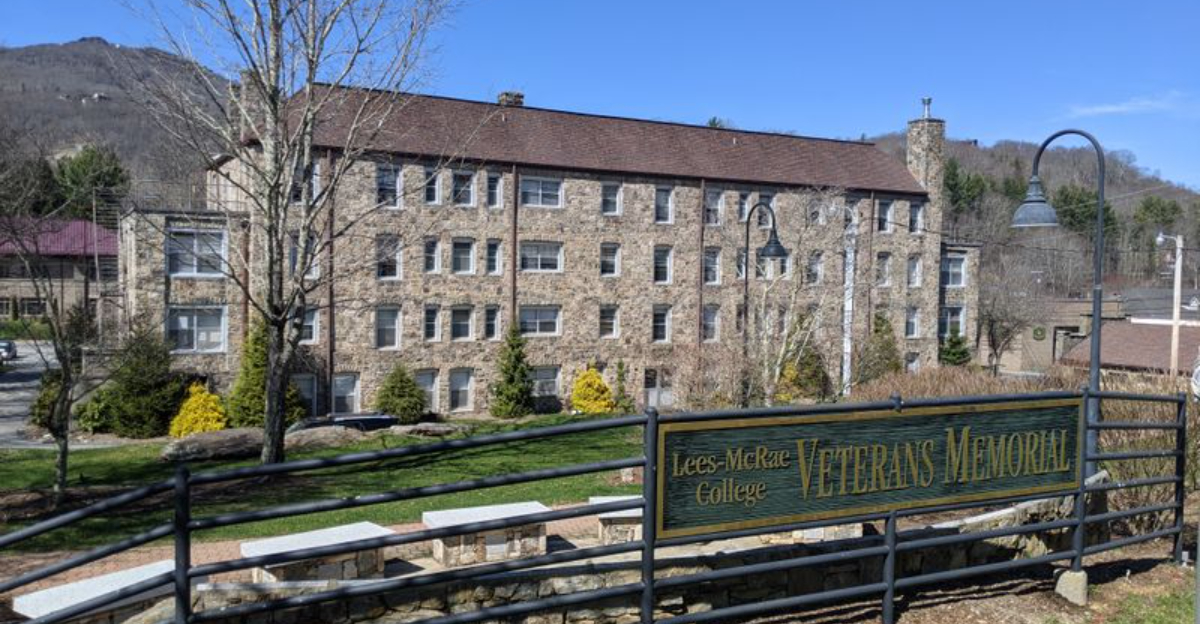
Imagine walking through stone archways and Gothic towers that could have been plucked straight from the pages of a fantasy novel. Hidden in the Blue Ridge Mountains, a real college campus channels serious Hogwarts energy with its majestic architecture and mountain mist.
North Carolina holds a magical secret that even Dumbledore would approve of, and it’s perched at nearly 4,000 feet above sea level. Lees-McRae College at 191 Main St W, Banner Elk, isn’t just another pretty campus, it’s where historic stone buildings meet breathtaking mountain views in ways that make you wonder if you’ve stumbled into a storybook.
Founded over a century ago, this enchanting institution at combines academic excellence with an atmosphere so captivating that visitors often do double-takes. Whether you’re a prospective student, architecture enthusiast, or simply someone who appreciates places where beauty and education intertwine, this mountain campus delivers an experience worth exploring.
The resemblance to everyone’s favorite wizarding school isn’t just coincidence, it’s woven into every weathered stone and towering spire that dots this remarkable landscape.
1. Native Stone Architecture That Transports You
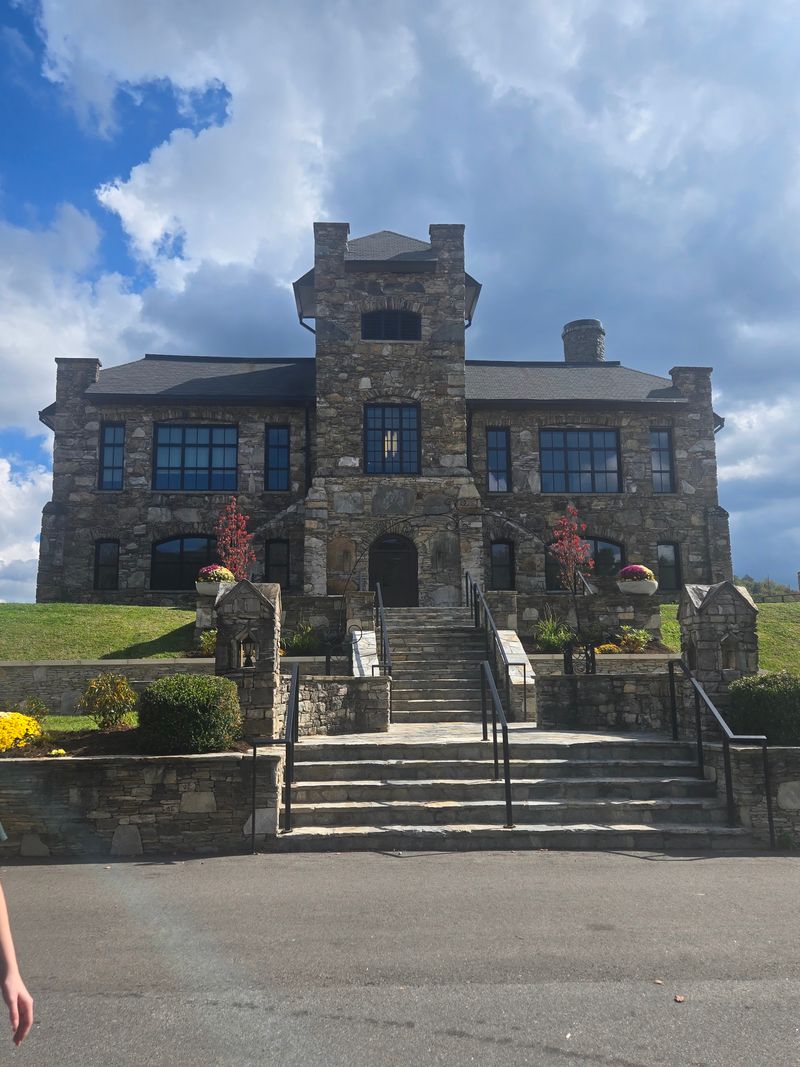
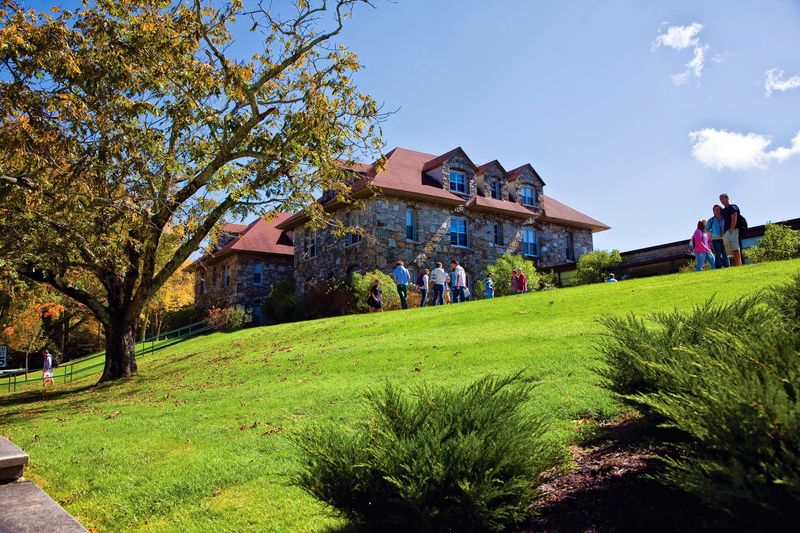
Walking onto campus feels like stepping through a portal into another era entirely. The native stone buildings at Lees-McRae College create an atmosphere so enchanting that first-time visitors often stop mid-stride to take it all in.
Craftsmen quarried local stone over a century ago to construct these magnificent structures. Each rock tells a story of Appalachian heritage and architectural dedication that modern construction simply can’t replicate.
The texture and color variations in the stonework create visual interest from every angle.
Morning fog rolling through the mountains adds an extra layer of mystique to these buildings. Light plays across the rough-hewn surfaces differently throughout the day, revealing new details with each passing hour.
The architecture doesn’t just look magical, it genuinely transports you to a place where education and enchantment coexist.
These aren’t replica structures built to mimic something else. They’re authentic historic buildings that happen to evoke the same wonder as fictional castles, proving that reality can be just as captivating as imagination.
2. Tufts Tower Stands Guard Over Campus
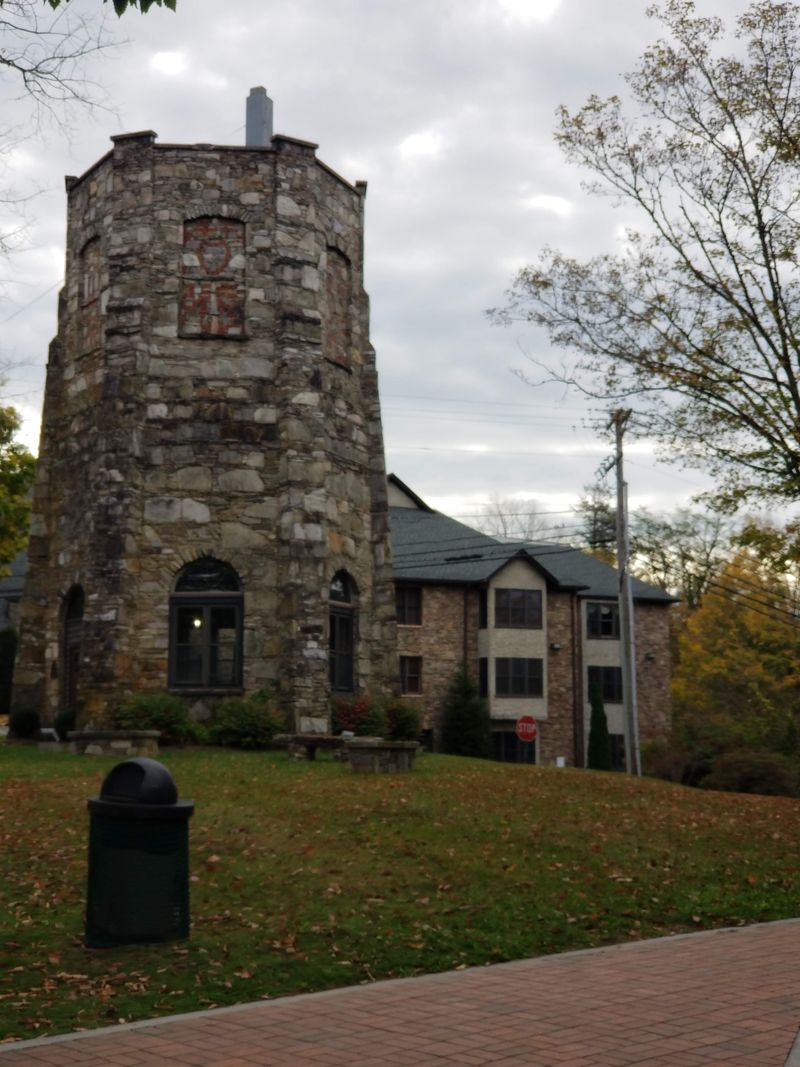
Rising above the campus like a sentinel from another time, Tufts Tower commands attention and respect. Originally constructed as a water tower, this stone structure now houses campus chimes that ring out across the mountains.
Its transformation from utilitarian necessity to beloved landmark showcases the college’s ability to honor history while embracing change.
The tower’s silhouette against mountain sunsets creates postcard-perfect moments throughout the year. Students and visitors alike use it as a navigation point and meeting landmark.
Its distinctive architecture makes it instantly recognizable from various campus vantage points.
Named after the college’s founder, Reverend Edgar Tufts, the tower represents more than just stone and mortar. It symbolizes the vision of education reaching upward and outward into the community.
The chimes that now emanate from its heights mark time for generations of students pursuing their dreams.
Photographers find endless inspiration in this structure’s ability to capture both strength and grace simultaneously.
3. The Highest Campus Elevation On The East Coast
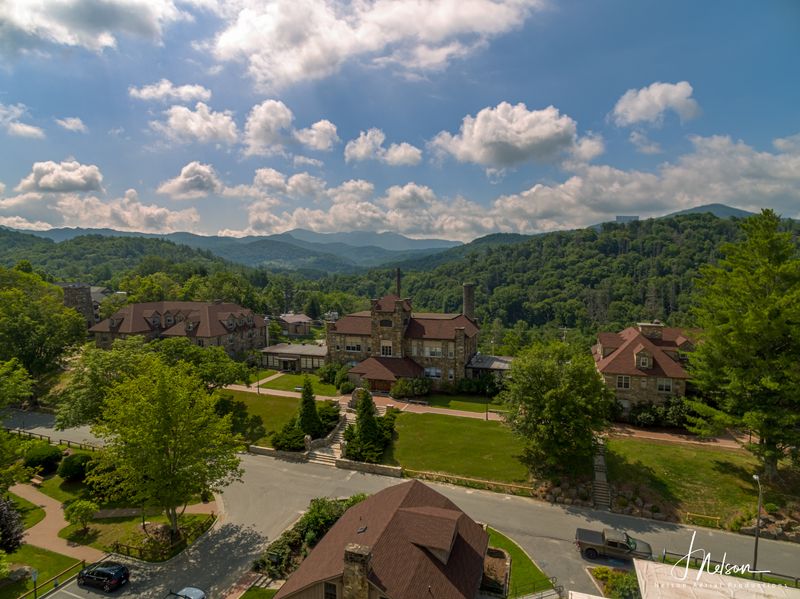
Breathing feels different at nearly 4,000 feet above sea level, crisper, cleaner, somehow more invigorating. Lees-McRae College claims the distinction of being the highest elevation campus on the entire East Coast.
This isn’t just a fun fact to share at parties; it fundamentally shapes the entire campus experience.
Mountain views stretch for miles in every direction, creating a natural amphitheater of peaks and valleys. Weather patterns shift dramatically, with clouds sometimes rolling through campus at eye level.
The elevation brings cooler temperatures even in summer, making outdoor activities comfortable year-round.
Students studying here literally rise above the everyday hustle of lower elevations. The thin mountain air seems to sharpen focus and inspire contemplation.
Sunrise and sunset paint the sky with colors that lowland dwellers rarely witness.
This lofty position creates a sense of being removed from ordinary concerns while remaining connected to something greater. The mountains become classmates in their own right, teaching lessons about perspective and perseverance.
4. The Rock House Built In 1920
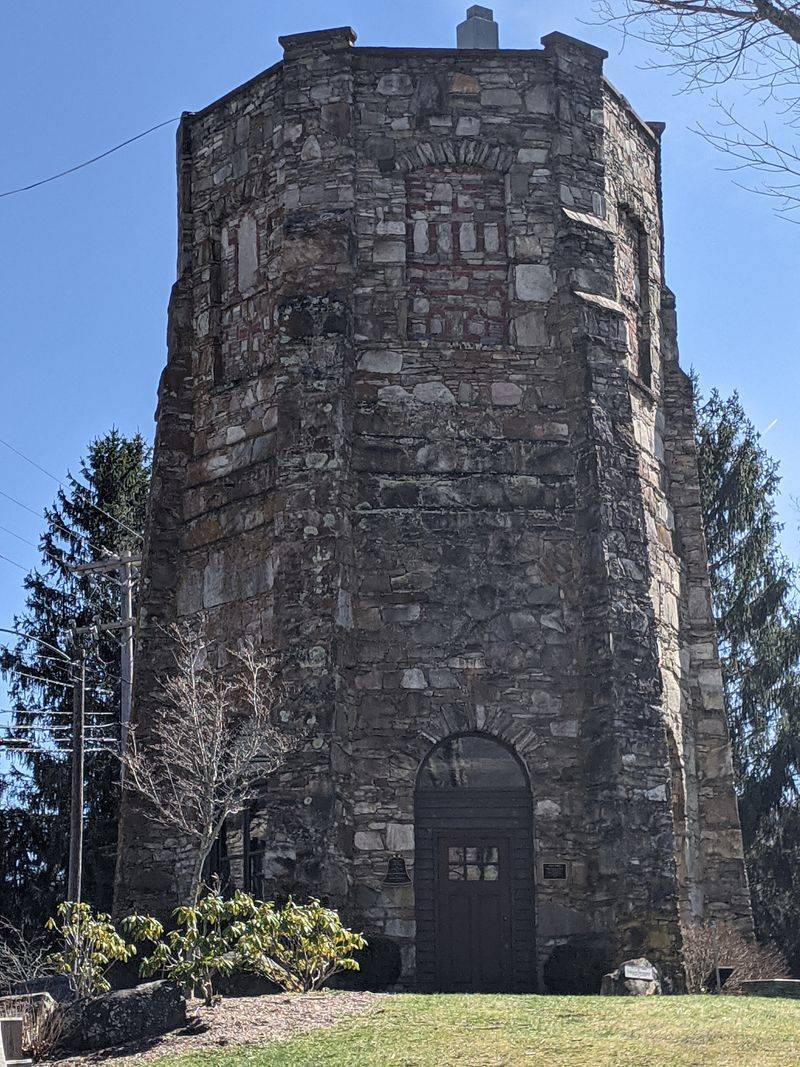
Some buildings whisper their history, but the Rock House practically shouts it from every carefully placed stone. Constructed in 1920 entirely from native materials, this structure embodies the resourcefulness and craftsmanship of early Appalachian builders.
Its walls have witnessed a century of college life, seasons, and transformations.
The building’s design reflects practical mountain living adapted for educational purposes. Thick stone walls provide natural insulation against harsh winters and summer heat alike.
Small windows positioned strategically let in light while minimizing heat loss during cold mountain nights.
Walking past the Rock House feels like brushing against living history. You can almost imagine the hands that lifted each stone into place, the conversations shared during its construction.
Modern students pass by daily, often unaware they’re walking beside a structure that predates their grandparents.
Preservation efforts keep the Rock House standing strong, maintaining its original character while ensuring structural integrity. It serves as a reminder that quality craftsmanship transcends trends and time periods.
5. Historic Residence Halls Named For States
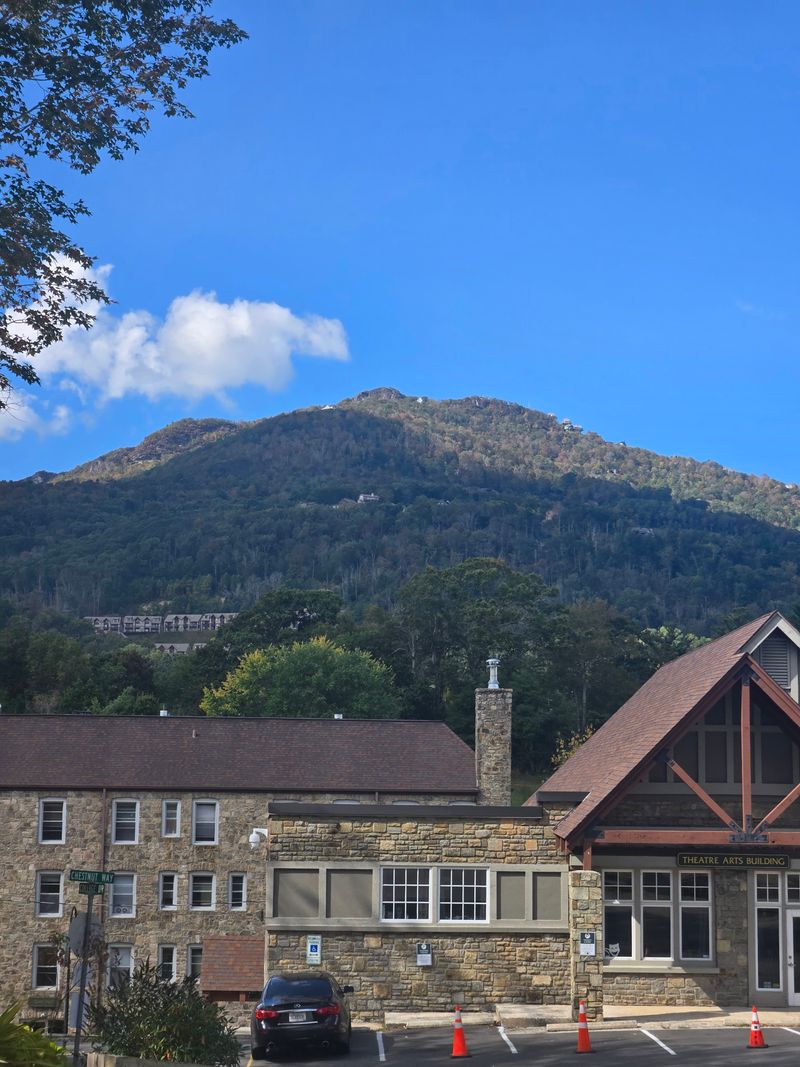
Tennessee Residence Hall, Virginia Residence Hall, and the North Carolina Building form a geographic tribute across campus. These stone dormitories don’t just house students, they create communities named after the states that helped shape the college’s early identity.
The naming convention reflects the institution’s regional roots and broader educational mission.
Each hall maintains its own personality while sharing the same magical architectural DNA. Stone facades weathered by mountain storms give them a character that new construction simply cannot replicate.
Students living in these halls become part of a legacy spanning multiple generations.
The interiors have been updated for modern comfort, but original architectural elements remain visible throughout. Exposed stone walls in common areas remind residents they’re living inside pieces of history.
High ceilings and sturdy construction create spaces that feel both grand and welcoming.
Choosing which residence hall to call home becomes part of each student’s personal story. The state names foster friendly rivalries and hall pride that energize campus life throughout the academic year.
6. Founded In 1900 By Reverend Edgar Tufts
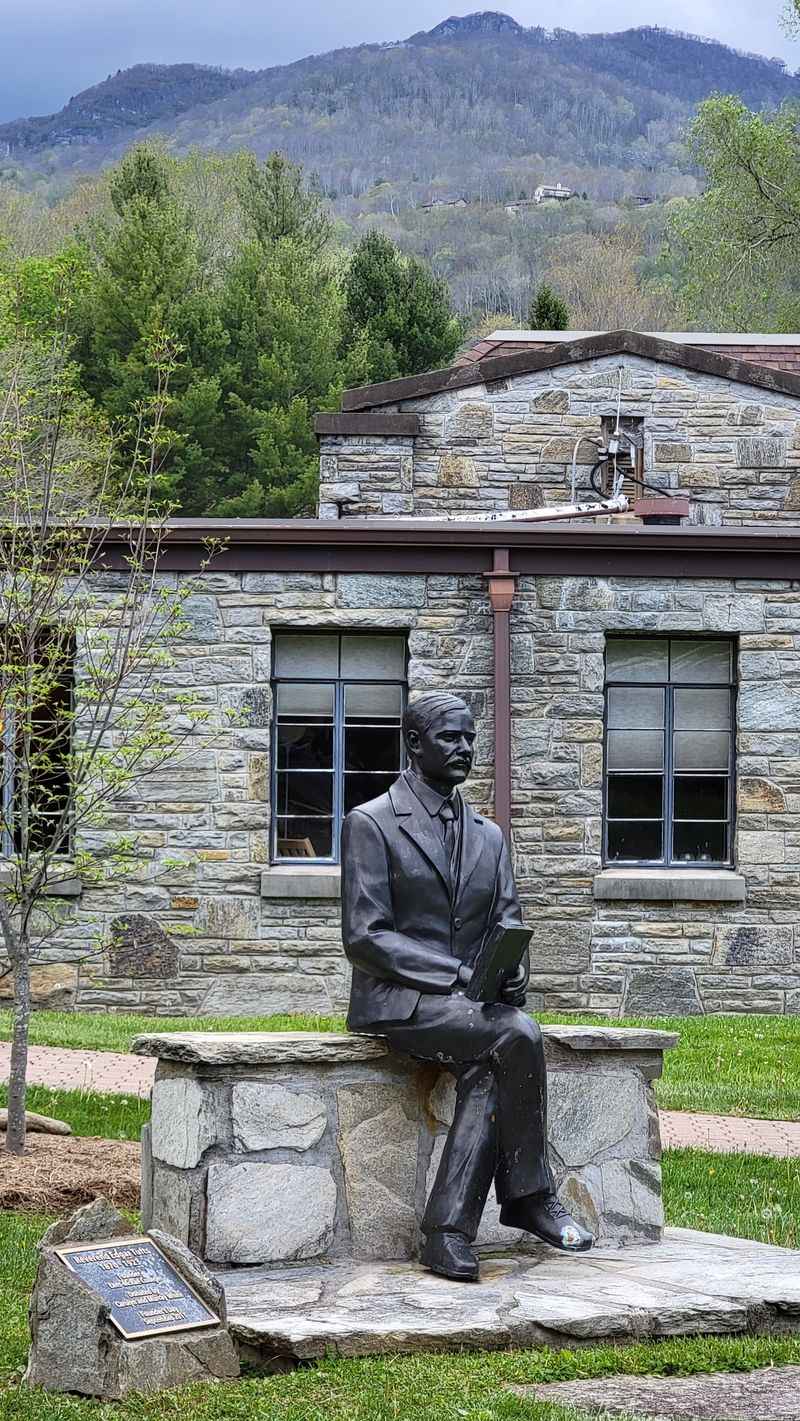
Every great institution begins with a vision, and Reverend Edgar Tufts possessed vision in abundance. In 1900, he established what would become Lees-McRae College with a mission focused on Appalachian education and service.
His dream was to create opportunities for mountain youth who might otherwise lack access to higher education.
The reverend understood that education could transform not just individuals but entire communities. He chose this challenging mountain location deliberately, bringing learning directly to those who needed it most.
His founding principles of service, accessibility, and academic excellence still guide the college today.
Starting college required more than just vision, it demanded tremendous faith and determination. Early years brought hardships that would have discouraged lesser spirits, but Tufts persevered.
His commitment to the region’s young people never wavered despite financial and logistical challenges.
The college’s continued existence over 120 years later stands as a testament to the strength of his original vision. Modern students benefit from opportunities that began with one person’s belief in education’s transformative power.
7. Twenty-Seven Majors Including Wildlife Biology
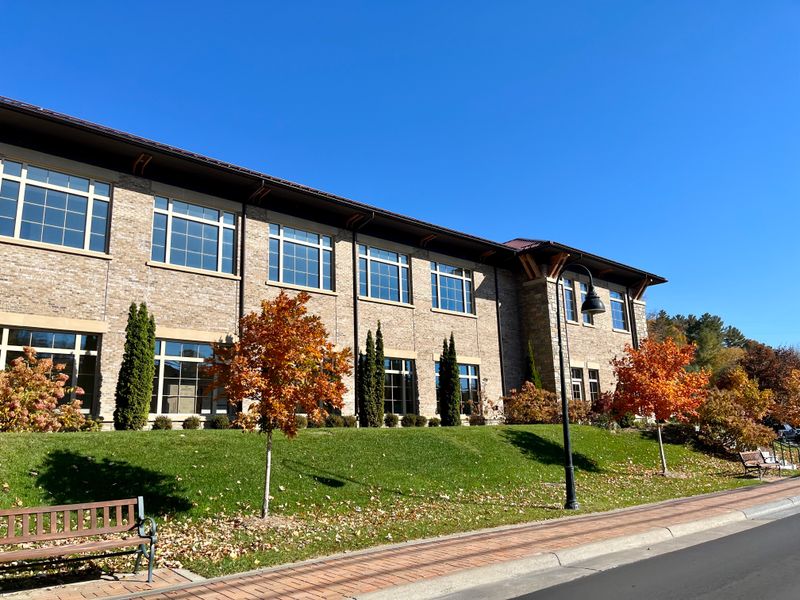
Choosing a major becomes an adventure when you’ve got 27 distinct paths to explore. Lees-McRae College offers programs ranging from traditional business and education to unique specialties like Wildlife Biology and Wildlife Rehabilitation.
The curriculum reflects both classic academic foundations and innovative programs tailored to the mountain environment.
Wildlife Biology students literally have their laboratory surrounding the campus in every direction. The Blue Ridge Mountains provide endless opportunities for field research and hands-on learning experiences.
Observing animal behavior doesn’t require a bus trip when nature exists right outside classroom windows.
Other distinctive programs include Ski Industry Business and Instruction, perfectly suited to the region’s winter sports culture. Students can study subjects that directly connect to the local economy and lifestyle.
This geographical advantage turns the entire region into an extended classroom.
The variety ensures that students with diverse interests find their academic home here. Whether drawn to performing arts, nursing, criminal justice, or environmental science, meaningful programs await.
Small class sizes mean personalized attention regardless of chosen major.
8. Bobcats Compete In Twenty-Seven Varsity Sports
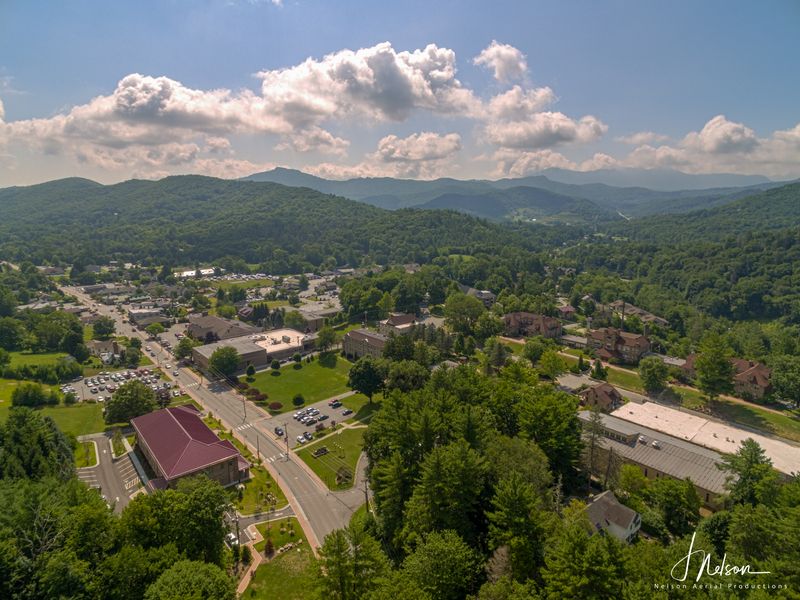
Athletic prowess runs deep at this mountain institution where Bobcats roam the playing fields and courts. Twenty-seven varsity sports programs give student-athletes incredible opportunities to compete at high levels while pursuing their education.
The commitment to athletics matches the dedication to academics, creating well-rounded individuals prepared for life’s challenges.
From soccer fields to basketball courts, from cycling trails to lacrosse pitches, sports facilities dot the campus. The Bobcats have earned national recognition for their competitive spirit and achievements.
Teams regularly advance to championship tournaments, bringing pride to the entire college community.
Mountain terrain provides natural advantages for training, especially in endurance sports and outdoor athletics. Altitude training at this elevation builds cardiovascular strength that translates to a competitive edge.
Student-athletes develop mental toughness alongside physical skills in this demanding environment.
The college recently topped the AORE Campus Challenge for Outdoor Recreation and Education, showcasing excellence beyond traditional sports. This recognition highlights how the institution integrates its mountain location into comprehensive athletic and recreational programming that benefits all students.
9. Sustainability Initiatives Earn National Recognition
Protecting the mountain environment that makes this campus special isn’t just talk, it’s action. Lees-McRae College has implemented comprehensive sustainability initiatives that earned recognition from The Princeton Review.
Recycling programs, energy-efficient lighting, and water conservation measures demonstrate commitment to environmental stewardship.
Students see sustainability practices integrated into daily campus life, not just discussed in classrooms. Recycling bins appear throughout facilities, making responsible waste disposal convenient and habitual.
LED lighting reduces energy consumption while improving visibility across campus grounds.
Water conservation takes on special significance in mountain ecosystems where watersheds feed entire regions. The college’s efforts protect local streams and rivers that countless communities depend upon downstream.
These initiatives teach students that individual actions create collective impact.
Environmental responsibility aligns perfectly with the college’s Appalachian heritage and outdoor focus. Students graduate understanding that enjoying natural beauty carries responsibilities for preservation.
The campus serves as a living laboratory for sustainable practices that students can implement throughout their lives and careers.
10. Experiential Learning Through Internships And Research
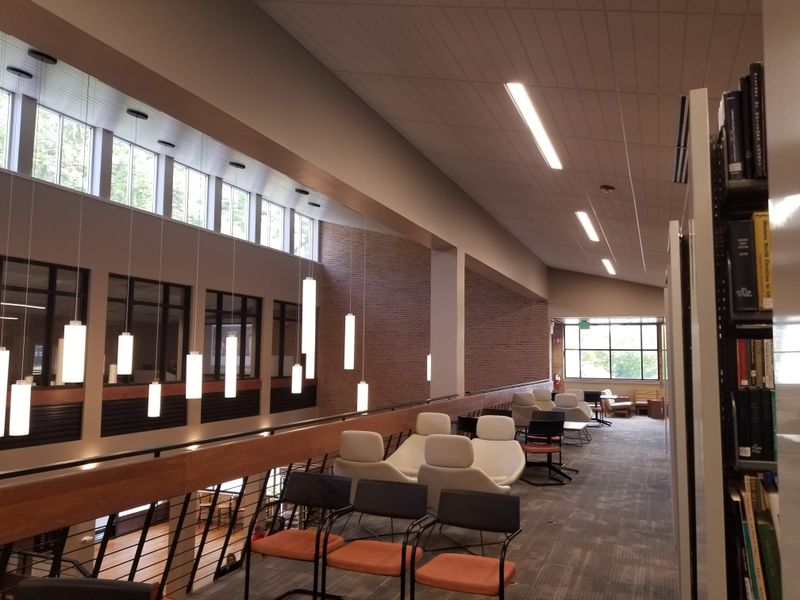
Books and lectures provide foundations, but real learning happens when theory meets practice. Lees-McRae College emphasizes experiential learning through internships, research projects, and study abroad programs that prepare students for actual careers.
The philosophy recognizes that employers value hands-on experience as much as academic credentials.
Local businesses, nonprofits, and organizations partner with the college to provide meaningful internship opportunities. Students gain professional experience while still in school, building resumes and professional networks simultaneously.
Many internships lead directly to job offers upon graduation.
Research projects allow students to work alongside faculty mentors on real scientific inquiries. Contributing to actual research publications gives undergraduates experiences typically reserved for graduate students elsewhere.
This approach develops critical thinking and problem-solving skills that transcend specific disciplines.
Study abroad programs expand horizons beyond the Appalachian mountains to international contexts. Students return with global perspectives that enrich classroom discussions and personal worldviews.
These combined experiences create graduates who enter the workforce confident and capable rather than intimidated and unprepared.
11. Mountain Day Celebrates Appalachian Heritage
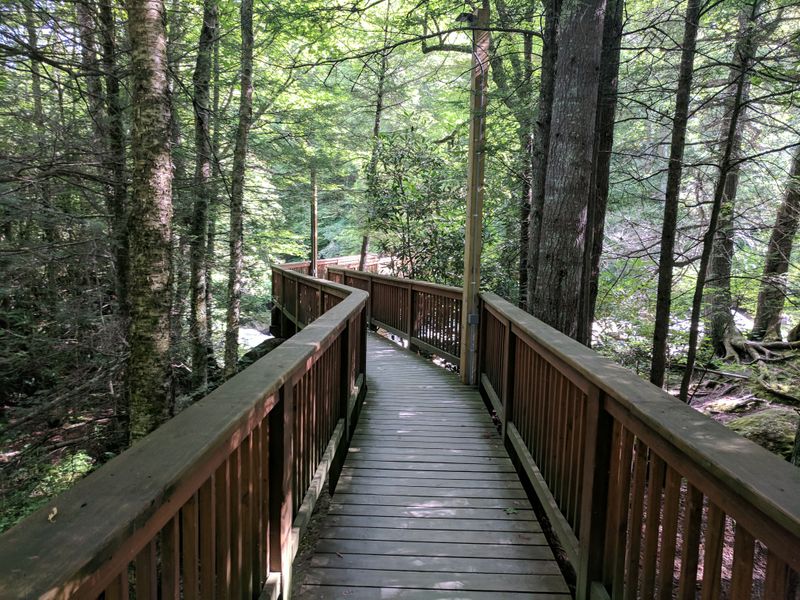
One special day each year, regular classes pause for something equally educational but entirely different. Mountain Day at Lees-McRae College dedicates itself to community service and celebrating Appalachian heritage.
This tradition strengthens connections between the college and surrounding communities while honoring regional culture.
Students fan out across the region to volunteer on various service projects. Some might help elderly residents with home repairs, while others work on trail maintenance or environmental restoration.
The diversity of projects ensures everyone finds meaningful ways to contribute.
Appalachian heritage celebrations include traditional music, crafts, and storytelling that preserve cultural traditions. Students learn about the region’s history directly from community elders and tradition-bearers.
These personal connections create understanding that textbooks alone cannot provide.
Mountain Day embodies the college’s founding mission of service to the Appalachian region. It reminds everyone that education serves purposes beyond individual advancement, it strengthens entire communities.
Students carry this service ethic with them long after graduation, becoming engaged citizens wherever life takes them.
12. International Students From Twenty-Four Countries
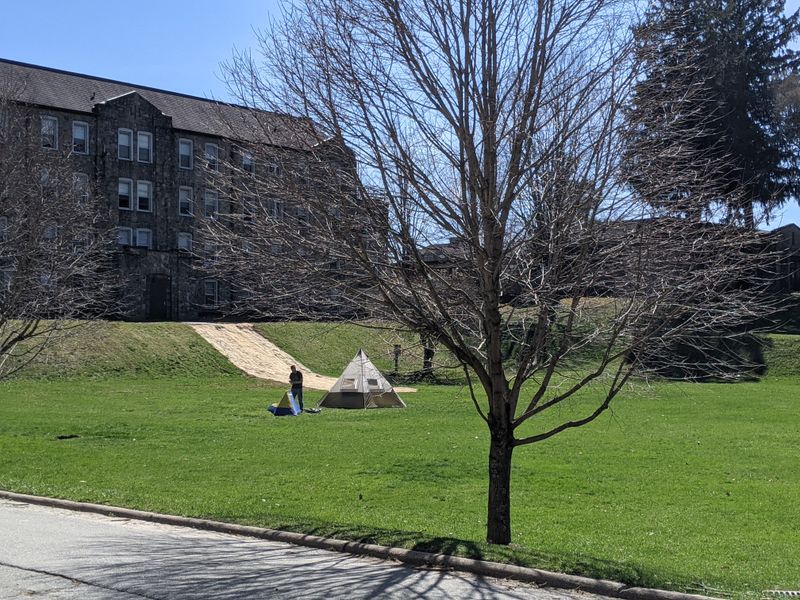
Global perspectives flourish in unexpected places, including this mountain campus that attracts students from 24 countries. International enrollment brings cultural diversity that enriches everyone’s educational experience.
Classroom discussions gain depth when participants bring truly different worldviews shaped by varied backgrounds.
Students from across continents choose Lees-McRae, at 191 Main St W, Banner Elk, for its unique combination of academic quality and mountain setting. Some come from countries with similar mountainous terrain, while others experience such landscapes for the first time.
The shared campus experience creates bonds that transcend national boundaries.
International students contribute traditions, perspectives, and questions that challenge assumptions and broaden understanding. Domestic students gain global awareness without leaving North Carolina.
Friendships formed here often span continents and last lifetimes.
The college provides support services helping international students adjust to American academic culture and mountain living. Language assistance, cultural programming, and dedicated advisors ensure success for students far from home.
This inclusive environment prepares all students for increasingly interconnected global careers and communities.
13. Record Growth With Over 900 Students Enrolled
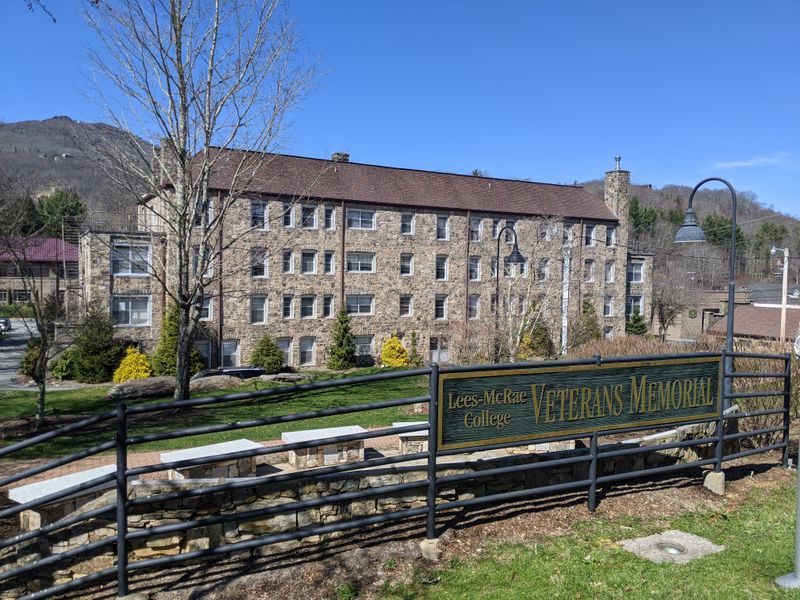
Success stories write themselves when institutions deliver on their promises, and recent numbers tell an impressive tale. The 2024-25 academic year brought record growth to Lees-McRae College with over 900 students enrolled.
Even more remarkably, the retention rate reached 69 percent, the highest since 2005.
These statistics represent more than numbers on administrative reports. Each percentage point reflects individual students choosing to return, finding value in their educational experience.
High retention indicates student satisfaction with academics, campus life, and overall college experience.
Growth stems from word-of-mouth recommendations, improved programming, and the college’s unique mountain location. Prospective students increasingly seek institutions offering distinctive experiences rather than cookie-cutter education.
Lees-McRae’s combination of Gothic architecture, mountain setting, and personalized attention proves increasingly attractive.
The upward trajectory suggests a bright future for this historic institution. Increased enrollment provides resources for enhanced programming while maintaining the small class sizes that make education personal.
This growth phase positions the college to serve even more students seeking magical mountain learning experiences.