This 87,000-Acre State Park In California Is One Of America’s Secret Wonders
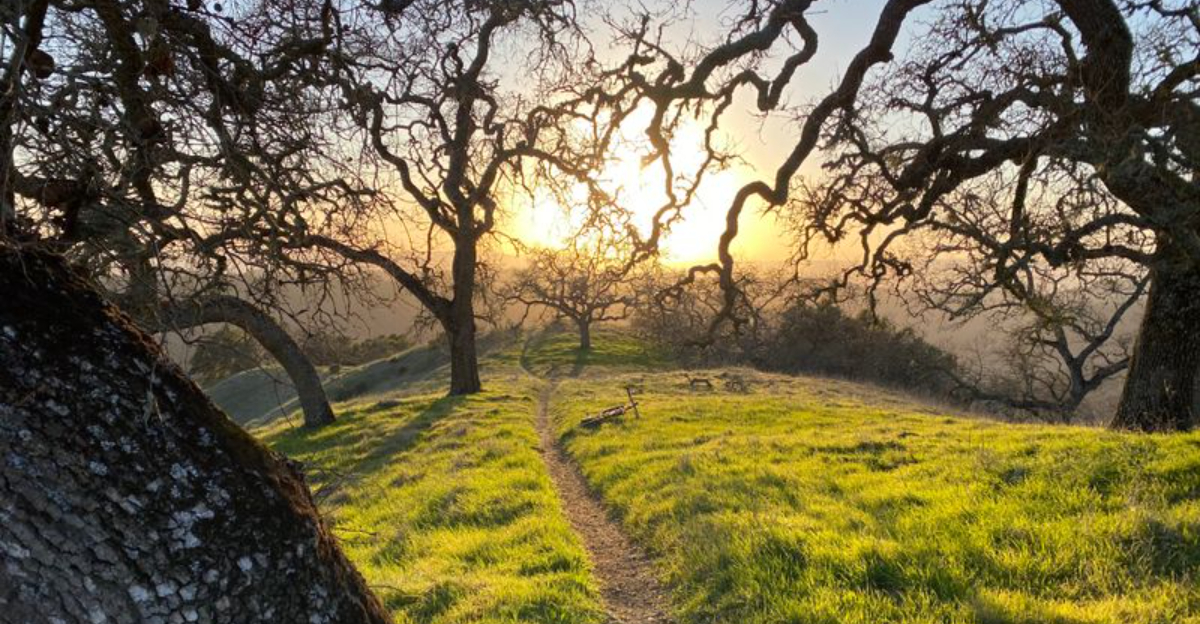
Most people have never heard of one of California’s largest and wildest landscapes. Vast hills roll for miles. Rugged canyons cut deep into the terrain. Silence replaces the noise of everyday life almost instantly.
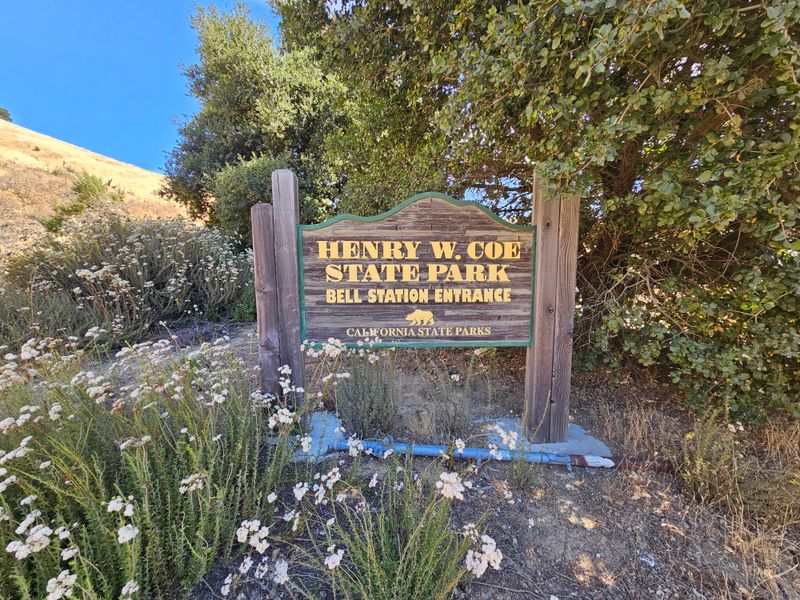
Henry W. Coe State Park stands as a true hidden giant, stretching across an enormous expanse of untamed backcountry.
Visitors arrive expecting scenic trails. They quickly realize the scale feels far bigger, far wilder, and far more remote than imagined.
Oak-studded ridges rise toward the horizon. Wildflower meadows burst with seasonal color. Valleys plunge so deep they seem endless.
Trails climb, twist, and descend through landscapes that feel completely untouched by modern development.
Wildlife roams freely across the park’s vast interior. Cell service disappears. Crowds vanish. The experience becomes immersive in a way few places still offer.
This California wilderness delivers something increasingly rare: total solitude, raw beauty, and the unmistakable feeling of discovering a landscape the rest of the world overlooked.
1. Northern California’s Largest State Park
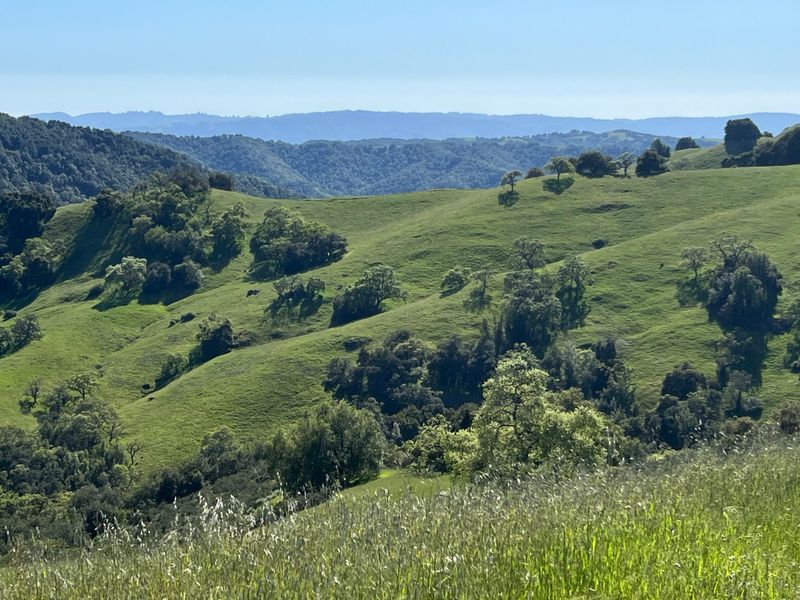
Stretching across more than 87,000 acres of wild terrain, Henry W. Coe State Park claims the title of northern California’s largest state park.
The park sits in the Diablo Range south of San Jose, where civilization quickly fades into untamed wilderness.
Scale becomes difficult to comprehend when standing at a vista point and realizing the land visible in every direction belongs to the same protected area.
The park’s boundaries encompass an area larger than many cities, yet it remains remarkably undeveloped and pristine.
Most visitors arrive expecting a typical state park experience and find themselves stunned by the sheer vastness of the landscape.
The size means that even on busy weekends, hikers can walk for hours without encountering another person.
This massive acreage protects countless ecosystems and provides habitat for wildlife that needs space to thrive.
The park’s size also means that planning becomes essential, as distances between points can be deceiving and trails can stretch for many miles.
Rangers emphasize that visitors should prepare as if entering true backcountry, because that’s exactly what they’re doing when they venture beyond the main entrance area.
2. Diverse Terrain Across Elevation Changes
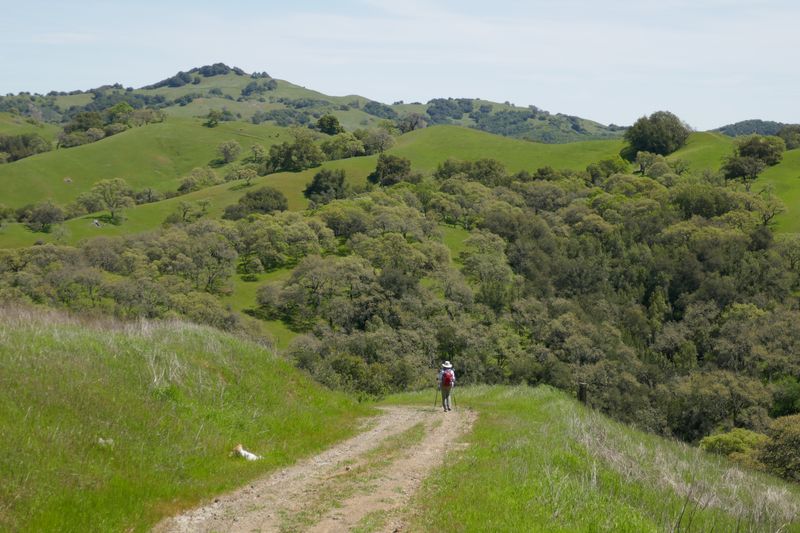
Elevations within the park range from 710 feet at the southeastern boundary to 3,560 feet on the slopes of Mount Stakes in the northeastern section.
This dramatic variation creates distinct climate zones and plant communities within a relatively compact area.
Lower elevations feature oak woodlands and grasslands that turn golden brown in summer and vibrant green after winter rains.
Mid-elevation areas support denser vegetation including manzanita, chamise, and mixed forests that provide shade and habitat diversity.
Higher ridges offer cooler temperatures and coniferous forests that contrast sharply with the sun-baked valleys below.
The steep canyons carved by seasonal streams create microclimates where moisture-loving plants thrive even during dry months.
Hikers moving through the park experience these changes firsthand as they climb from valley floors to ridge tops.
The terrain can be punishing, with trails that gain and lose thousands of feet of elevation over relatively short distances.
Understanding these elevation changes helps visitors plan appropriate routes and prepare for conditions that can vary significantly depending on where they’re hiking within the park’s boundaries.
3. Ancient Human History Spanning Millennia
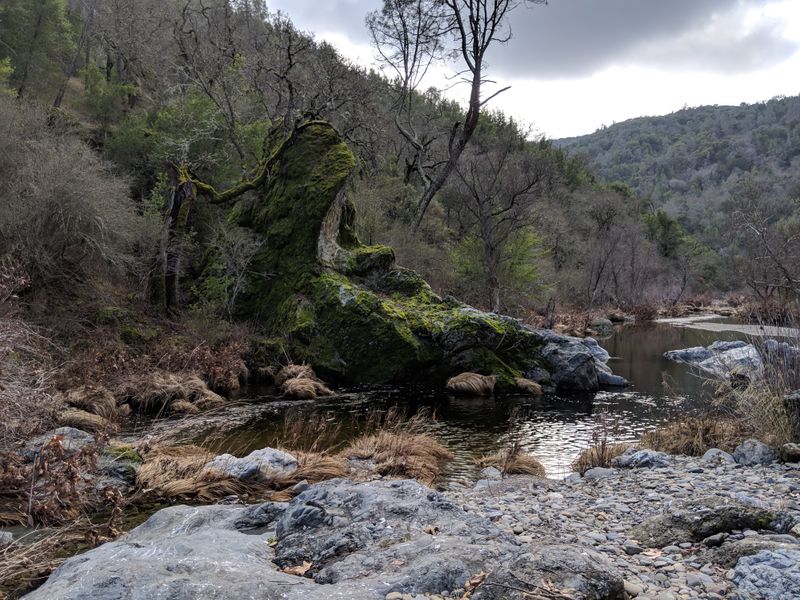
Evidence suggests humans have inhabited this land for at least 10,000 years, making it one of the oldest continuously occupied areas in California.
The Poverty Flat Site, a prehistoric village within park boundaries, has earned listing on the National Register of Historic Places.
Native American groups lived throughout these hills, leaving behind grinding stones, tool fragments, and other artifacts that archaeologists continue to study.
The abundance of water sources, oak trees producing acorns, and game animals made this region ideal for sustaining communities.
Seasonal camps allowed groups to follow food sources and take advantage of different resources as they became available throughout the year.
The landscape still bears subtle marks of this long occupation, though visitors need trained eyes to recognize them.
Park regulations strictly protect all archaeological sites and artifacts, making it illegal to disturb or remove anything of historical significance.
Interpretive programs sometimes highlight the human history of the area, helping modern visitors understand the deep connection between people and this land.
Walking the same ridges and valleys that sustained communities for thousands of years adds profound meaning to any visit.
4. Wildlife Haven For Diverse Species
Black-tailed deer browse through oak woodlands while wild turkeys scratch for food in grassy clearings throughout the park. Coyotes patrol the ridges at dawn and dusk, their howls echoing across valleys in haunting choruses.
Bobcats hunt smaller prey in the chaparral, and mountain lions roam the most remote areas, rarely seen but definitely present.
Over 170 bird species have been recorded within park boundaries, making it a premier destination for birdwatchers seeking both common and rare species.
Raptors including golden eagles, red-tailed hawks, and turkey vultures soar on thermals above the ridges.
Smaller birds fill the oak trees and brush, with their songs providing a constant soundtrack during spring and early summer.
The park’s large size and limited human presence allow wildlife populations to behave naturally without constant disturbance.
Visitors should practice proper food storage and maintain safe distances from all animals, remembering they’re guests in these creatures’ home territory.
Early morning and late afternoon offer the best chances for wildlife sightings, though any time spent quietly observing can reward patient visitors with memorable encounters.
5. Over 200 Miles Of Trails
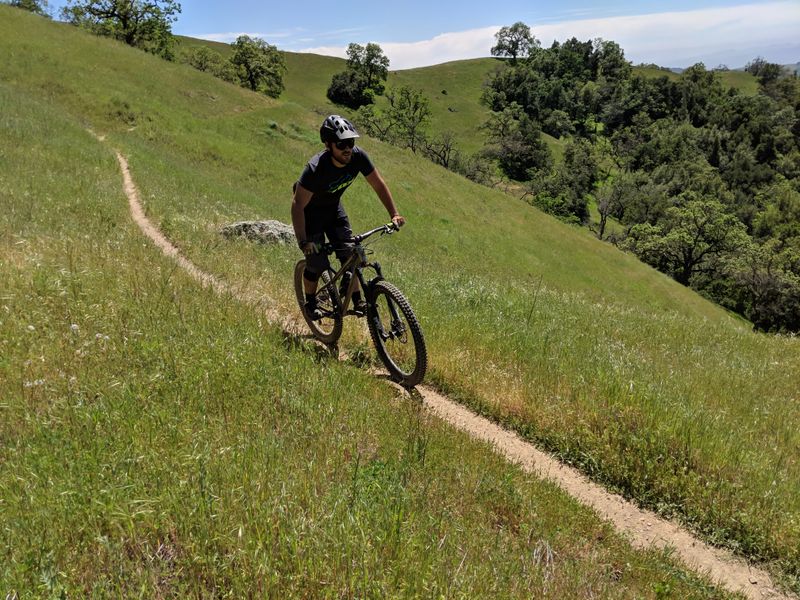
More than 200 miles of trails crisscross the park, offering routes suitable for hiking, mountain biking, and horseback riding.
Trail difficulty ranges from moderate day hikes near the headquarters to extremely challenging multi-day backpacking routes through remote wilderness.
Many trails follow old ranch roads that date back to the property’s agricultural past, while others are single-track paths that climb steep ridges or descend into narrow canyons.
The trail system connects various lakes, ponds, and springs scattered throughout the park.
Spring brings the best hiking conditions, with moderate temperatures, flowing streams, and wildflowers carpeting the hillsides.
Summer heat can make hiking dangerous, especially on exposed ridges where temperatures regularly exceed 100 degrees.
Trail maps are essential because the park’s size and similar-looking terrain can disorient even experienced hikers.
Cell phone coverage is nonexistent in most areas, making GPS devices and traditional navigation skills important for safety.
Rangers recommend that visitors new to the park start with shorter trails near the headquarters before attempting longer or more remote routes that require serious preparation and backcountry experience.
6. Varied Camping Options For Every Visitor
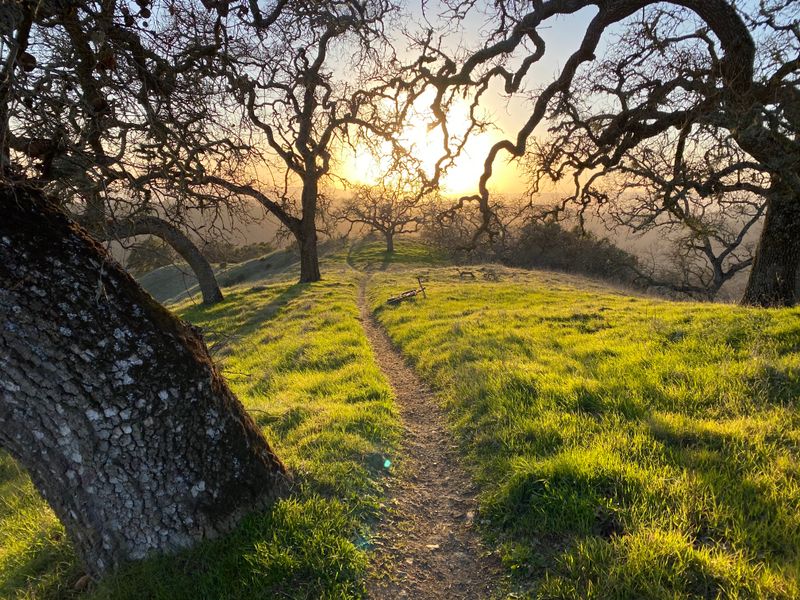
Drive-in campsites near the park headquarters provide convenient access for visitors who want amenities like restrooms and water.
These developed sites work well for families and those new to camping who appreciate having facilities nearby.
Group campsites accommodate larger parties planning gatherings or educational trips where multiple people need space to camp together.
Backpacking sites scattered throughout the remote areas offer primitive camping for those seeking solitude and adventure.
Horse camps include corrals and areas designed specifically for visitors traveling with their animals. Each camping option requires reservations, especially during peak seasons when demand exceeds availability.
Primitive campsites lack running water and modern facilities, requiring visitors to carry everything they need and practice strict leave-no-trace principles.
The park’s backcountry camping policy allows experienced backpackers to camp in designated areas far from developed facilities.
Weather conditions can change rapidly, making appropriate gear essential regardless of which camping option visitors choose.
Rangers provide information about current conditions and help match camping choices to visitor experience levels and comfort requirements.
7. Rich Plant Diversity Across Seasons
Native oaks dominate much of the landscape, with blue oaks, valley oaks, and live oaks each preferring different elevations and exposures.
These trees provide food and habitat for countless species while shaping the visual character of the park.
Manzanita and chamise thrive in the chaparral zones, their woody stems and small leaves adapted perfectly to hot, dry summers.
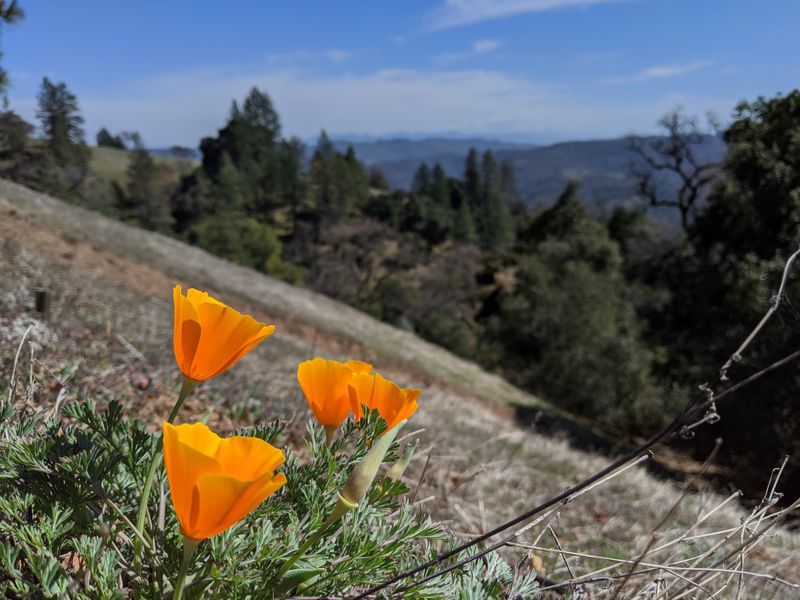
Spring transforms the grasslands into carpets of wildflowers, with poppies, lupines, and countless other species creating stunning displays.
The timing of wildflower blooms depends on winter rainfall and spring temperatures, with peak displays typically occurring between March and May.
Shaded canyon bottoms support ferns, mosses, and moisture-loving plants that contrast with the drought-adapted species on exposed slopes.
Plant diversity reflects the park’s varied elevations, exposures, and soil types, creating a botanical laboratory that rewards careful observation.
Visitors interested in plant identification should bring field guides or use plant identification apps while they have cell service.
The changing seasons bring different plants into prominence, making repeat visits throughout the year reveal new aspects of the park’s botanical richness.
8. Orestimba Wilderness Area
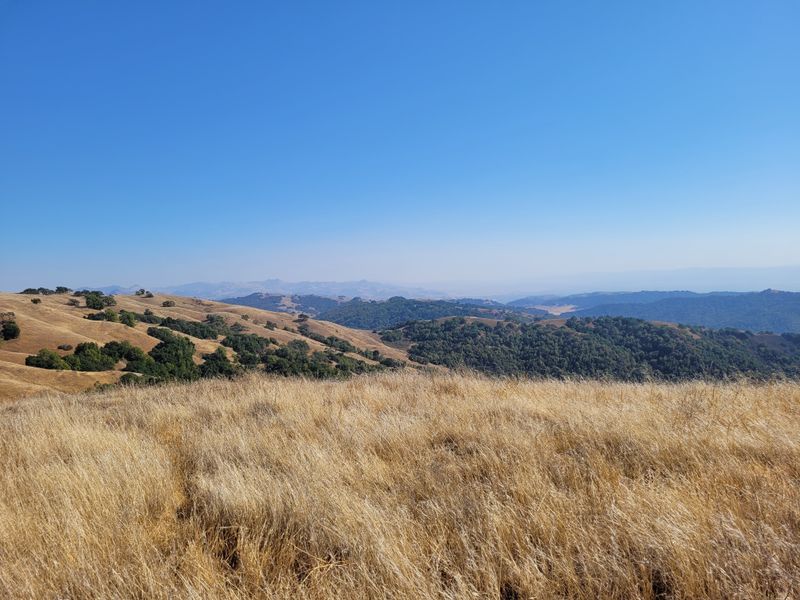
Approximately 22,000 acres within the park have been designated as the Orestimba Wilderness, a protected area where nature dominates and human impact remains minimal.
This wilderness designation provides the highest level of protection, restricting certain activities to preserve the area’s wild character.
Access to the Orestimba Wilderness requires serious preparation and backcountry skills, as trails are primitive and facilities nonexistent.
The terrain is rugged and demanding, with steep climbs, uncertain water sources, and navigation challenges that test even experienced wilderness travelers.
Those who venture into this remote section find solitude that’s increasingly rare in California’s crowded outdoor spaces.
The wilderness provides critical habitat for species that need large, undisturbed territories to survive and thrive.
Regulations prohibit mountain biking and motorized vehicles within wilderness boundaries, preserving the area for hikers and horseback riders only.
The remoteness means that self-rescue may be necessary in emergencies, as help can be hours or days away.
Visitors planning wilderness trips should file detailed itineraries with park rangers and carry appropriate safety equipment including maps, compass, first aid supplies, and emergency communication devices.
9. Historic Pine Ridge Ranch Legacy
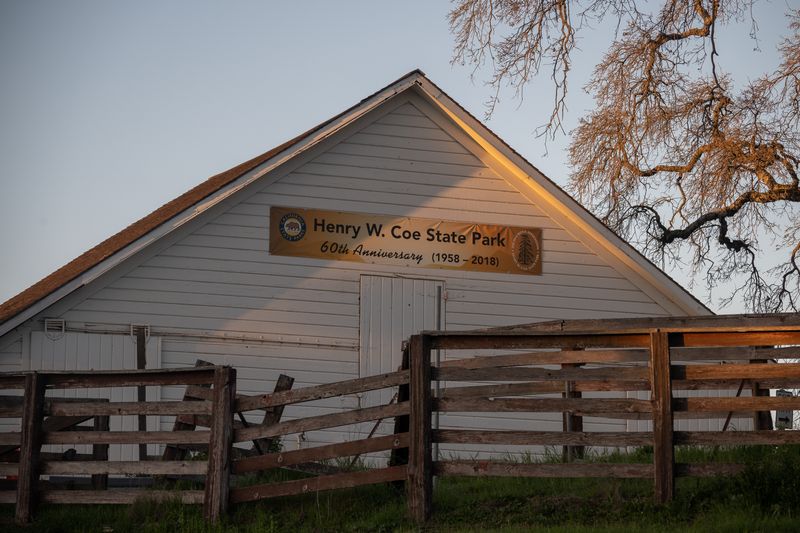
Henry Willard Coe Jr. and his family established Pine Ridge Ranch in 1905, creating a working cattle operation across these rugged hills.
The ranch remained in family hands for nearly half a century, with the Coes adapting to the challenging terrain and unpredictable climate.
In 1953, the family donated the property to Santa Clara County, beginning its transformation from private ranch to public parkland.
The state of California took over management in 1958, establishing it as an official state park and beginning the process of expanding its boundaries.
Original ranch buildings still stand near the park headquarters, providing tangible connections to the property’s agricultural past.
The Coe family’s legacy lives on not just in the park’s name but in the preservation of this vast landscape for public enjoyment.
Interpretive displays at the visitor center share stories of ranch life and the family’s decision to preserve rather than develop their land.
The ranch roads they built now serve as trails, and the ponds they created for livestock now provide water for wildlife.
Understanding this history adds depth to any visit, connecting today’s recreation to yesterday’s hard work and foresight.
10. Fire History And Ongoing Restoration
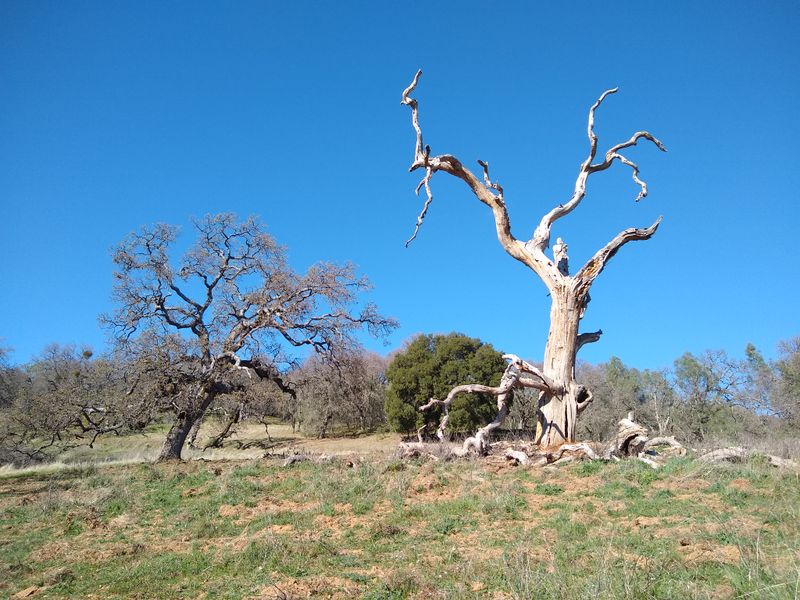
The Lick Fire in 2007 burned over 47,000 acres within park boundaries, dramatically altering large sections of the landscape.
The fire moved quickly through dry vegetation during hot weather, creating intense heat that killed many trees and altered soil conditions.
Restoration efforts began immediately after the fire was contained, with park staff and volunteers working to repair trails, control erosion, and monitor vegetation recovery.
Natural regeneration has been surprisingly robust in many areas, with native plants returning without human intervention.
Some sections still show obvious fire scars more than 15 years later, with standing dead trees and altered plant communities. Other areas have recovered so completely that visitors might not realize fire once swept through.
The fire history demonstrates both the destructive power of wildfire and the resilience of native ecosystems adapted to periodic burning.
Park managers now use controlled burns and other techniques to reduce fuel loads and decrease the risk of catastrophic fires.
Visitors hiking through previously burned areas witness ecological succession firsthand, seeing how nature rebuilds itself after major disturbances.
The fire’s impact reminds everyone that wilderness is dynamic, constantly changing through natural processes.
11. Fishing Opportunities In Lakes And Ponds
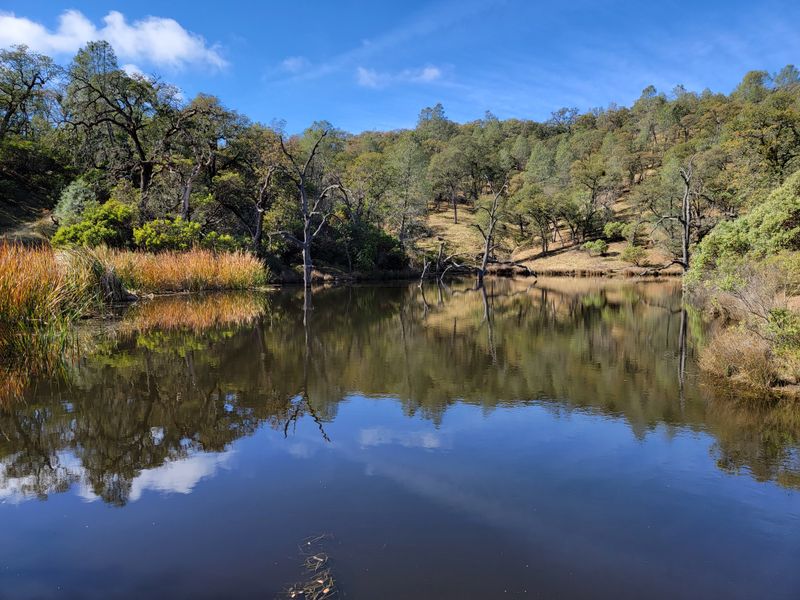
Several lakes and ponds scattered throughout the park provide fishing opportunities for anglers willing to hike to reach them.
Most of these water bodies were originally created as stock ponds for cattle but now serve recreational purposes and provide wildlife habitat.
Fish species present include bass, bluegill, and catfish, though populations and sizes vary significantly between different water bodies.
Water levels fluctuate dramatically between wet and dry years, with some ponds shrinking to small pools or drying completely during drought periods.
California fishing licenses are required for anyone 16 years or older, and state fishing regulations apply throughout the park.
The best fishing typically occurs in spring when water levels are highest and temperatures remain moderate.
Reaching fishing spots often requires substantial hiking with elevation gain, making these outings more physically demanding than typical fishing trips.
Anglers should practice catch-and-release for most species to maintain fish populations in these relatively small water bodies.
The combination of fishing and hiking appeals to visitors who enjoy both activities and don’t mind working for their catches.
Pack out all fishing line and tackle to protect wildlife from entanglement and ingestion hazards.
12. Visitor Centers And Educational Resources
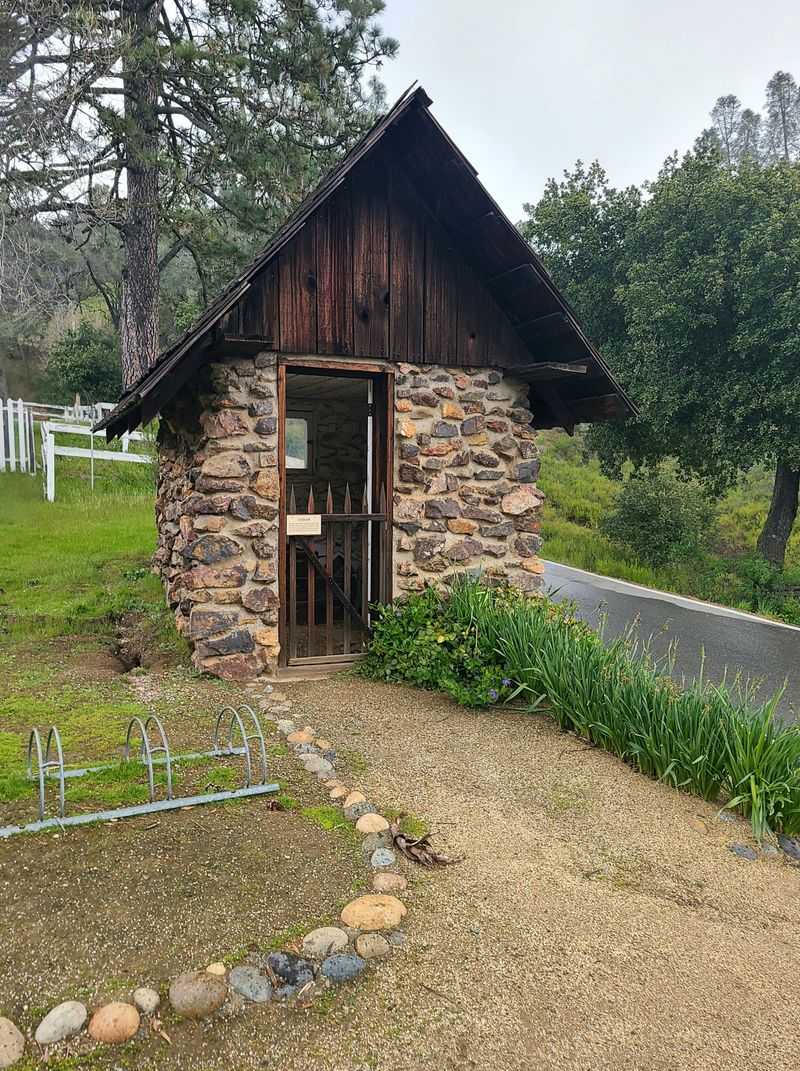
The main visitor center at the Coe Ranch entrance provides essential information, trail maps, and educational exhibits about the park’s natural and cultural history.
Staff and volunteers answer questions, help visitors plan appropriate trips based on their abilities, and provide current conditions updates.
A smaller facility at the Hunting Hollow entrance serves visitors entering from the eastern side of the park.
Both centers sell maps, books, and other items that help visitors better understand and appreciate what they’re seeing. Educational exhibits cover topics ranging from wildlife and plants to human history and fire ecology.
The centers also serve as emergency contact points where visitors can check in before extended trips and report back upon return.
Operating hours vary by season, with reduced schedules during winter months when visitation drops significantly.
The Pine Ridge Association, a nonprofit support group, operates a small store at the main visitor center with proceeds supporting park programs and improvements.
Rangers emphasize that stopping at the visitor center before heading into the park can prevent problems and enhance the overall experience by helping visitors make informed decisions about where to go and what to expect during their visit.