The Historic Restaurant In California Has The Best Prime Rib On The Pacific Coast
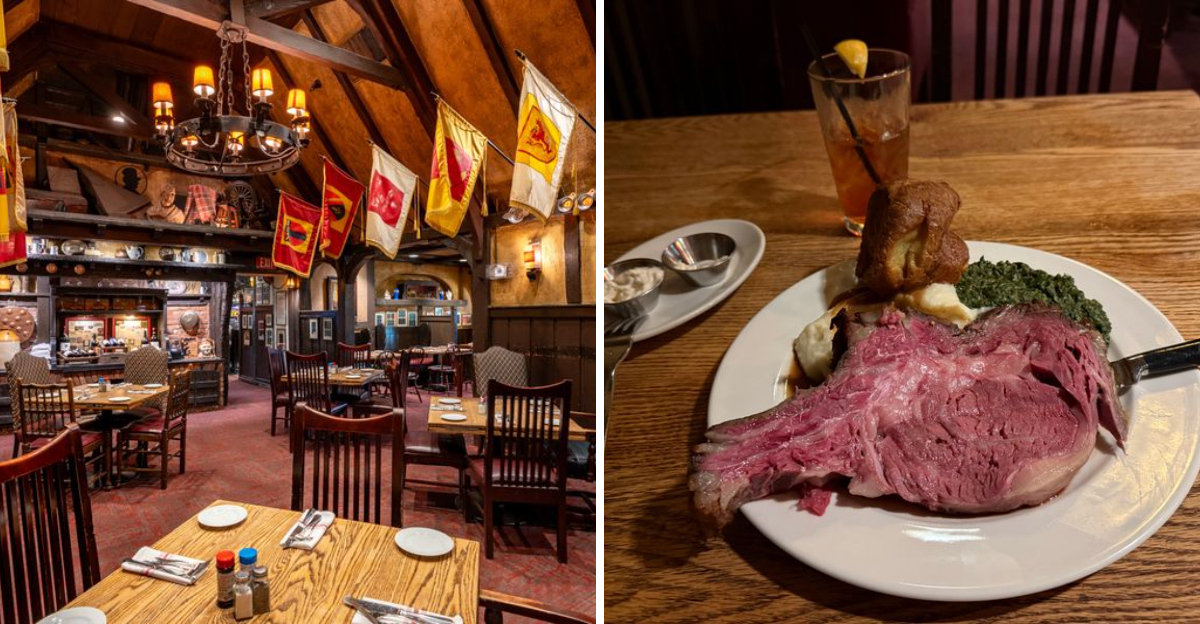
A century of secrets lives behind the doors of one of California’s most storied dining rooms.
The Tam O’Shanter feels frozen in time the moment guests step inside, where flickering light, carved wood, and old-world charm create an atmosphere modern restaurants can’t replicate.
Prime rib aromas drift through the air, rich and unmistakable, drawing diners in the same way they have for generations.
Every booth, every beam, every corner seems to hold a story waiting to be told. This is not just dinner. It feels like stepping into living history.
Hollywood legends once filled these tables. Walt Disney counted himself among the regulars, returning again and again to his favorite seat after long studio days.
The tradition never faded. Recipes stayed. The experience stayed. The crowds never stopped coming.
California dining heritage thrives here, not polished behind glass but served nightly on carving boards.
Guests arrive for the famed cuts of beef, but they leave talking about the atmosphere, the legacy, and the rare feeling of discovering a place where time never really moved on.
1. A Century Of Culinary History At Tam O’Shanter
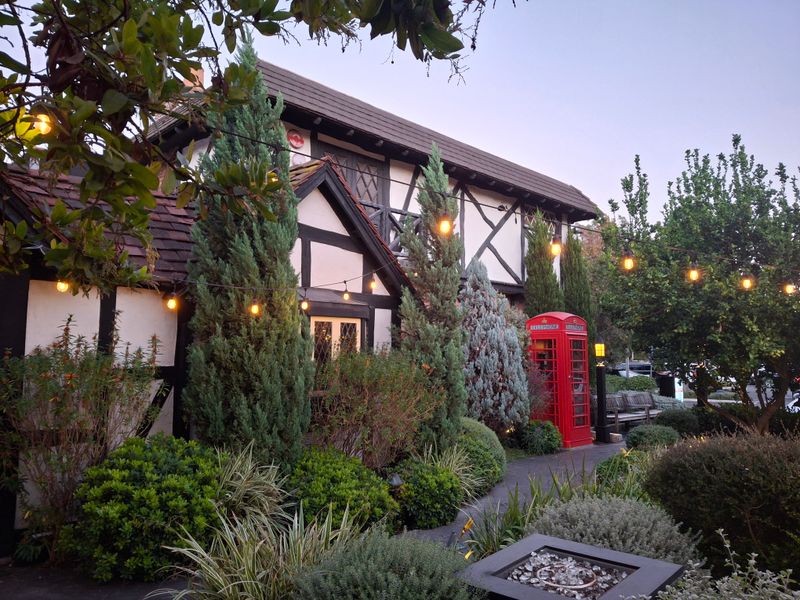
Opening its doors in 1922, this restaurant has witnessed Los Angeles transform from a sprawling town into a sprawling metropolis.
The building itself tells a story through its Tudor-style design, with dark wooden beams crossing white stucco walls and a steep shingled roof that looks like it belongs in the Scottish Highlands.
The restaurant sits at 2980 Los Feliz Boulevard in the Atwater Village neighborhood, where it has remained a constant presence through changing times and shifting food trends.
Walking up to the entrance, guests notice the careful preservation of original architectural details that transport them to another time.
The heavy wooden door opens into a dining room where exposed beams stretch across the ceiling and wrought iron fixtures cast warm light across the space.
Stone fireplaces anchor the main dining areas, creating cozy alcoves where families and friends gather around sturdy wooden tables. The longevity of this establishment speaks to more than just good food.
Generations of Los Angeles families have celebrated milestones here, from birthdays to anniversaries, creating layers of memories within these walls.
The commitment to maintaining both the building and the menu has kept the restaurant relevant without chasing fleeting trends or modernizing away its character.
2. The Legendary Prime Rib Selection
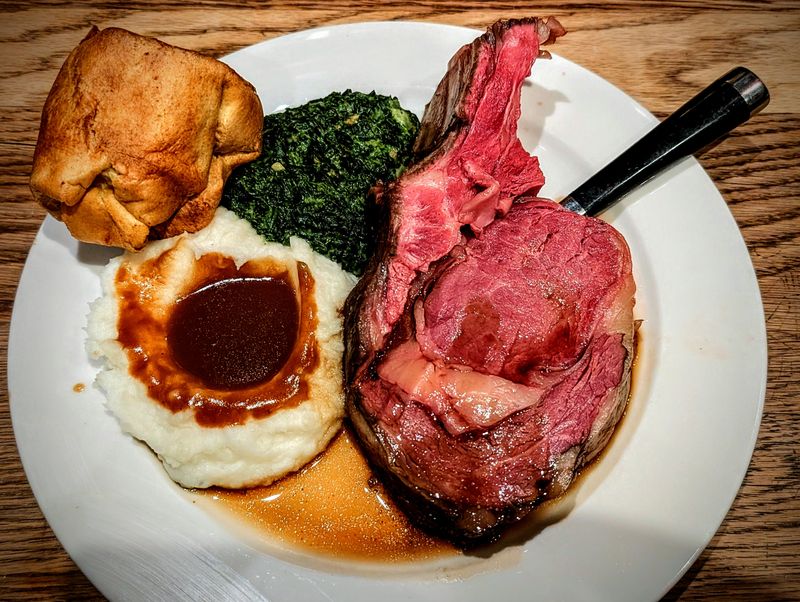
Prime rib has been the cornerstone of the menu since the beginning, prepared using methods that have changed little over the decades.
The restaurant offers four distinct cuts to suit different appetites and preferences, each slow-roasted to develop a flavorful crust while keeping the interior tender and juicy.
The Tam O’Shanter Cut serves as the signature option, generous enough to satisfy without overwhelming, while the English Cut provides a leaner alternative for those who prefer less marbling.
The California Cut increases the portion size considerably, appealing to heartier appetites or those planning to share.
The Prince Charlie Cut represents the most substantial offering, a true celebration of beef that arrives at the table with impressive presence.
Every cut comes with the same accompaniments: creamy mashed potatoes, freshly prepared horseradish that brings a sharp kick, and a choice between creamed spinach or creamed corn.
The preparation process begins hours before service, with large roasts seasoned simply and placed in the oven to cook slowly.
This patient approach allows the natural flavors of the beef to develop fully, creating the tender texture and rich taste that have made the prime rib famous along the Pacific Coast.
The carving happens tableside for some orders, adding a theatrical element to the dining experience.
3. Walt Disney’s Favorite Table
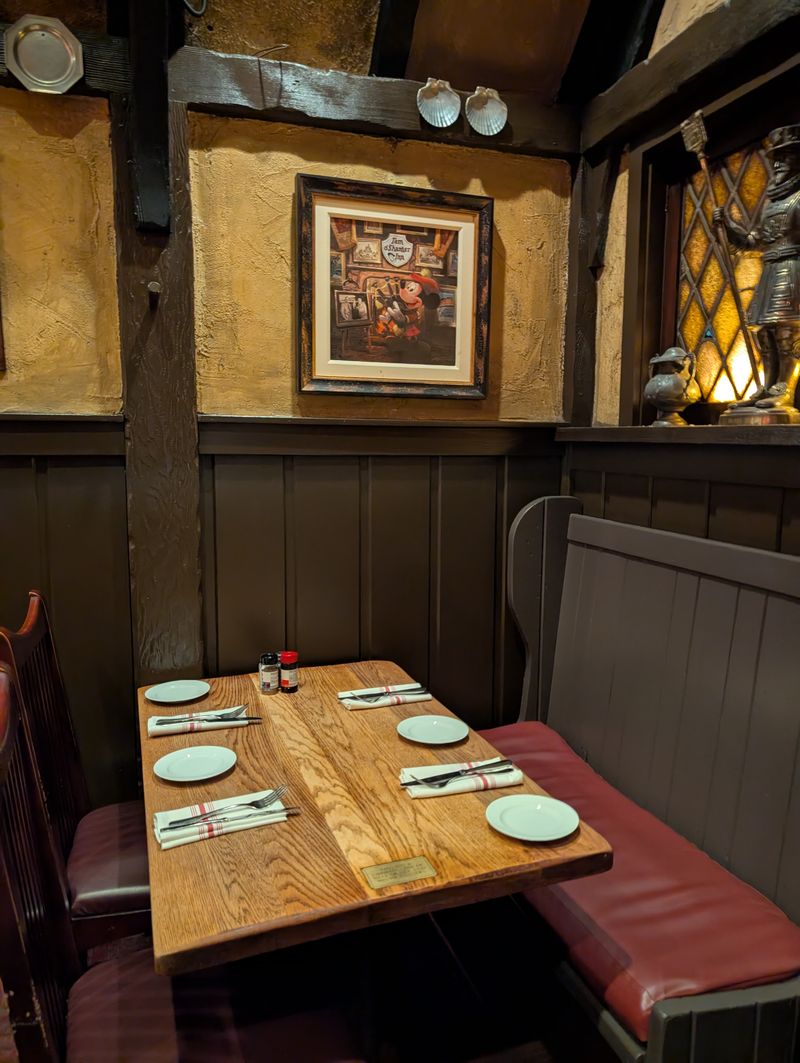
Table 31 holds special significance in the restaurant’s history as the preferred spot of Walt Disney, who lived nearby and dined here regularly throughout his life.
The animator and entertainment pioneer would slip into this corner booth after long days at his studio, enjoying the privacy and comfort the restaurant provided.
Today, a plaque marks the table, and framed artwork celebrating the restaurant’s centennial and its connection to Disney adorns the wall nearby.
Disney’s patronage began in the early years of his career and continued even as his fame grew. The restaurant staff respected his need for a quiet meal, allowing him to relax without interruption or fanfare.
Stories passed down through generations of servers recall Disney sketching ideas on napkins between bites of prime rib, finding inspiration in the peaceful atmosphere.
The booth itself remains largely unchanged from Disney’s era, with its dark leather seating and intimate positioning that shields diners from the busier areas of the restaurant.
Visitors often request this table specifically, hoping to sit where creativity and comfort once intersected.
The connection to Disney adds another layer to the restaurant’s historical significance, linking it to one of California’s most influential cultural figures and reminding guests that great ideas can emerge in unexpected places.
4. Scottish-Inspired Comfort Food
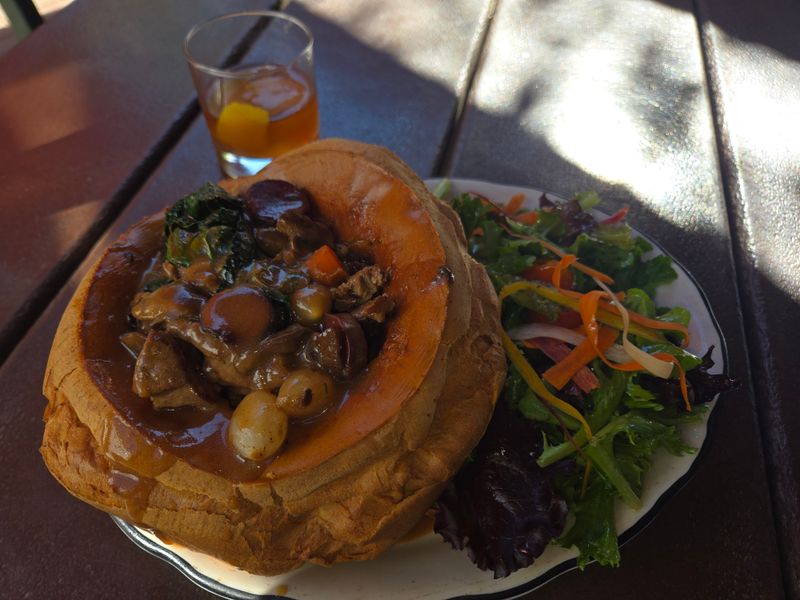
Beyond prime rib, the menu explores Scottish culinary traditions with dishes rarely found in Southern California restaurants.
Toad in the Hole stands out as a hearty option featuring diced filet of beef combined with carrots, onions, and kale, all swimming in a rich gravy that brings depth and warmth to every bite.
The dish arrives in a deep bowl, steam rising from the generous portion, accompanied by a side of mixed greens that provides a fresh contrast.
The name might puzzle first-time visitors, but the dish itself speaks clearly through its comforting flavors and substantial ingredients.
Each component cooks long enough to become tender while maintaining its distinct texture, creating a medley that feels nourishing rather than heavy.
The gravy ties everything together, seasoned with care to enhance rather than mask the natural flavors of the vegetables and beef.
Other menu items continue the Scottish theme, from shepherd’s pie to fish dishes prepared with traditional techniques.
The kitchen maintains authenticity without becoming overly formal or precious about the preparations. Portions reflect the generous spirit of Scottish hospitality, ensuring guests leave satisfied.
The commitment to these recipes demonstrates respect for the culinary heritage that inspired the restaurant’s founding, offering tastes that connect modern diners to traditions from across the Atlantic.
5. Tudor Atmosphere And Cozy Ambiance
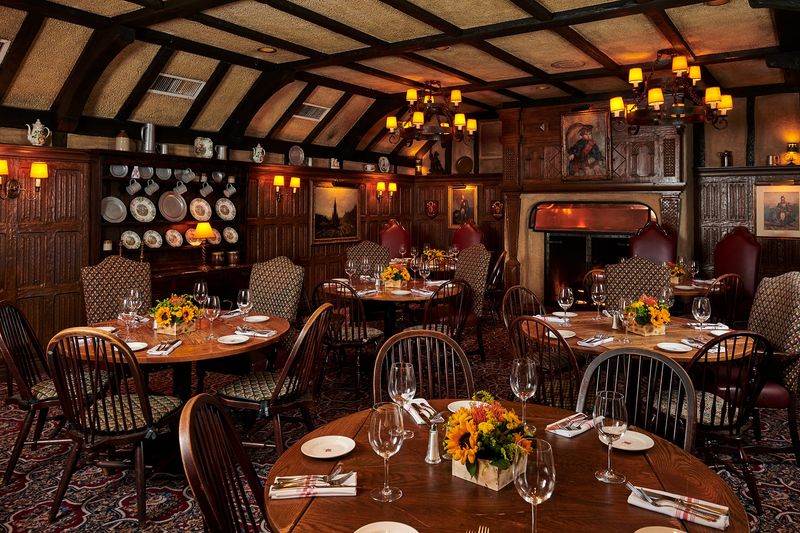
The interior design creates an environment that feels removed from the surrounding Los Angeles streets, transporting diners to a countryside inn through architectural details and thoughtful decoration.
Exposed wooden beams cross the ceiling in geometric patterns, their dark finish contrasting with lighter walls and creating visual interest overhead.
Stone fireplaces provide focal points in the main dining areas, their mantels decorated with copper pots and other period-appropriate objects.
Lighting comes primarily from wrought iron fixtures that cast a warm glow without being too bright, allowing for comfortable conversation and creating an intimate mood even during busier service times.
The tables themselves are sturdy wood, many of them booths with high backs that provide privacy between parties.
White linens cover each table, adding a touch of formality while maintaining the overall casual comfort of the space.
The walls display various artifacts and photographs that document the restaurant’s history, from vintage menus to images of past celebrations.
These decorative elements serve as conversation starters and visual reminders of the establishment’s longevity.
The overall effect balances historic preservation with practical functionality, creating a space where guests can enjoy a special meal without feeling overly formal or constrained by stuffy traditions.
6. Practical Dining Experience Details
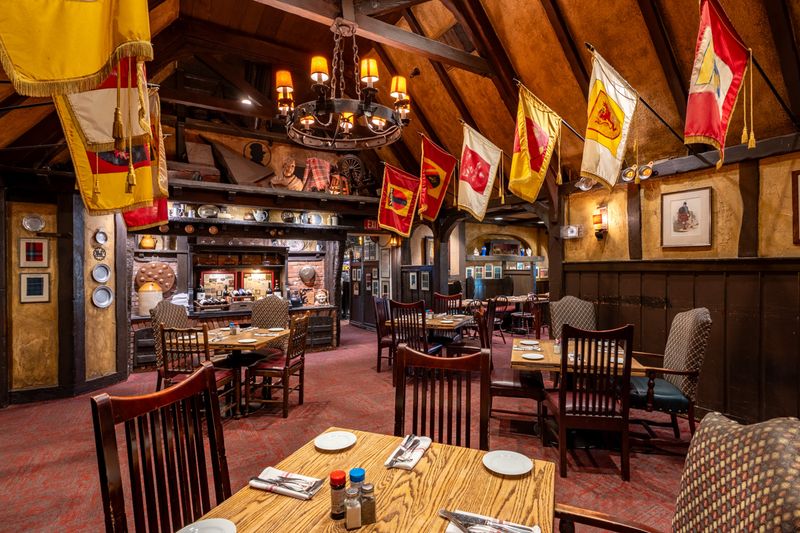
Service at the restaurant follows a rhythm that prioritizes attention without hovering, allowing guests to enjoy their meals at their own pace.
Servers demonstrate knowledge of the menu and can guide diners through the various prime rib cuts and preparation styles.
The kitchen operates efficiently even during peak hours, though the slow-roasted nature of the signature dishes means patience becomes part of the experience.
Seating arrangements accommodate different group sizes, from intimate two-person tables to larger areas suitable for family gatherings or celebrations.
Reservations are strongly recommended, especially for weekend dinners when the restaurant fills quickly with both longtime regulars and curious newcomers.
Walk-in guests may face significant wait times, though the bar area provides a comfortable place to pass the time.
The noise level remains moderate even when the restaurant is full, thanks to the acoustic dampening provided by the exposed beams and fabric elements throughout the space.
Conversations can happen without shouting, and the overall atmosphere stays relaxed rather than rushed. Parking is available in the restaurant’s lot, though spaces can be limited during busy periods.
The location on Los Feliz Boulevard provides relatively easy access from various Los Angeles neighborhoods, making it a feasible destination for diners throughout the metro area.
7. Enduring Appeal Across Generations
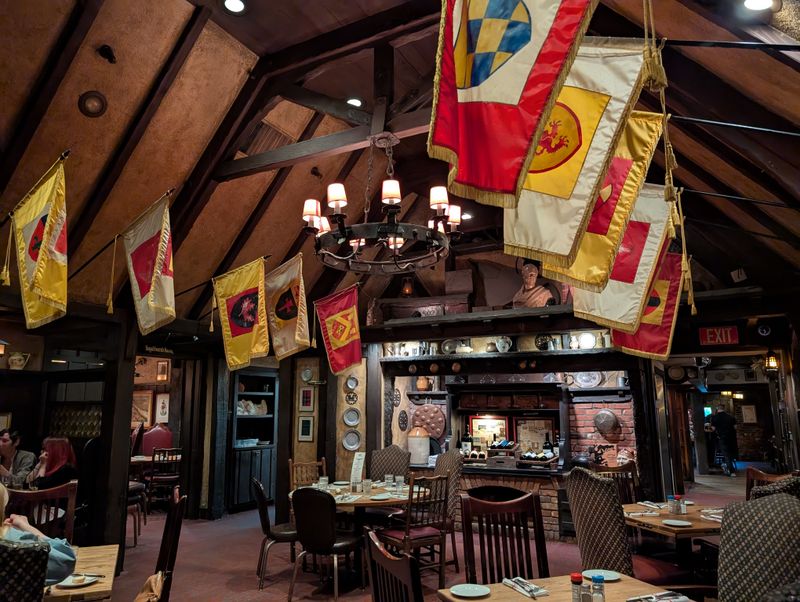
Families return to this restaurant across decades, creating traditions that span generations and establishing the kind of loyalty that transcends typical dining preferences.
Grandparents bring grandchildren to the same tables where they once celebrated their own childhood milestones, sharing stories about how the restaurant looked and felt in earlier times.
The consistency of the menu and atmosphere allows for these meaningful connections, providing a stable reference point in a city that constantly changes.
The restaurant’s survival through economic downturns, shifting food trends, and the challenges of maintaining an independent establishment speaks to its deep roots in the community.
Rather than updating the concept or chasing modern dining movements, the ownership has maintained the original vision with only necessary adjustments.
This steadfastness has become part of the appeal, offering an alternative to restaurants that reinvent themselves every few years.
New generations discover the restaurant through word of mouth, online reviews, or chance encounters while exploring the Atwater Village neighborhood.
Many arrive expecting a nostalgic curiosity and leave as converts to the enduring quality of well-prepared prime rib and genuine hospitality.
The combination of historic significance, culinary consistency, and authentic atmosphere ensures that the Tam O’Shanter remains relevant not as a relic but as a living example of what makes certain restaurants timeless.
8. Scottish Traditions That Still Shape The Dining Experience
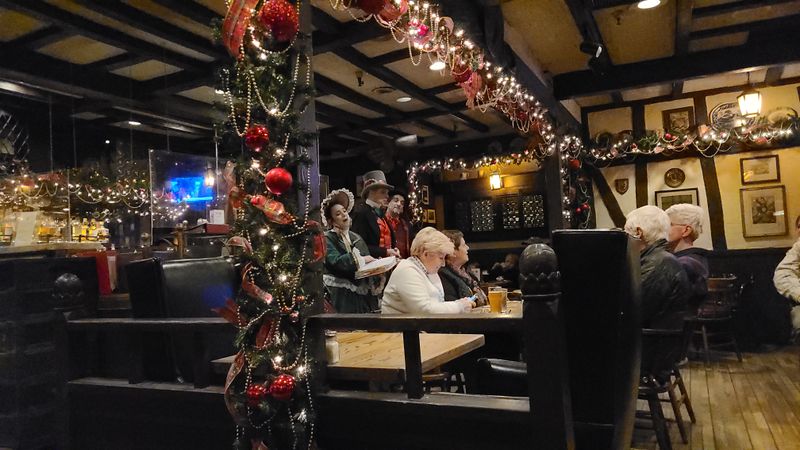
Weekend evenings transform the dining room when bagpipers in full Highland dress walk between the tables playing traditional Scottish melodies.
Conversations pause. Heads turn. The entire room seems to shift its attention as the music fills the space.
The haunting notes echo off the wooden beams and stone fireplaces, creating a transportive atmosphere that feels far removed from modern California dining. Guests don’t just hear the performance. They feel it.
This entertainment tradition connects directly to the restaurant’s Scottish roots, honoring the cultural identity that shaped its original concept more than a century ago.
The experience reinforces that the theme here isn’t decorative. It’s lived. Children watch wide-eyed as the musicians pass. Adults smile, raise glasses, and tap along to the rhythm. The moment becomes communal, shared by every table in the room.
The performances add theatrical flair without overwhelming the meal itself, striking a balance between spectacle and comfort.
Many guests plan visits around bagpipe nights, turning birthdays, anniversaries, and milestones into cultural celebrations that feel both festive and timeless.
9. What To Know Before You Go
Planning ahead makes the experience smoother, especially for first-time visitors eager to secure a table in this historic dining room.
Reservations are strongly recommended, particularly on weekends and performance nights when demand climbs quickly.
Dinner service draws the largest crowds, with prime rib carving hours considered the peak experience.
Arriving earlier in the evening often means shorter waits and a more relaxed pace. Parking is available on site, though spaces can fill during busy periods.
Many regulars suggest allowing extra time to settle in, explore the interior, and take in the historic details before being seated.
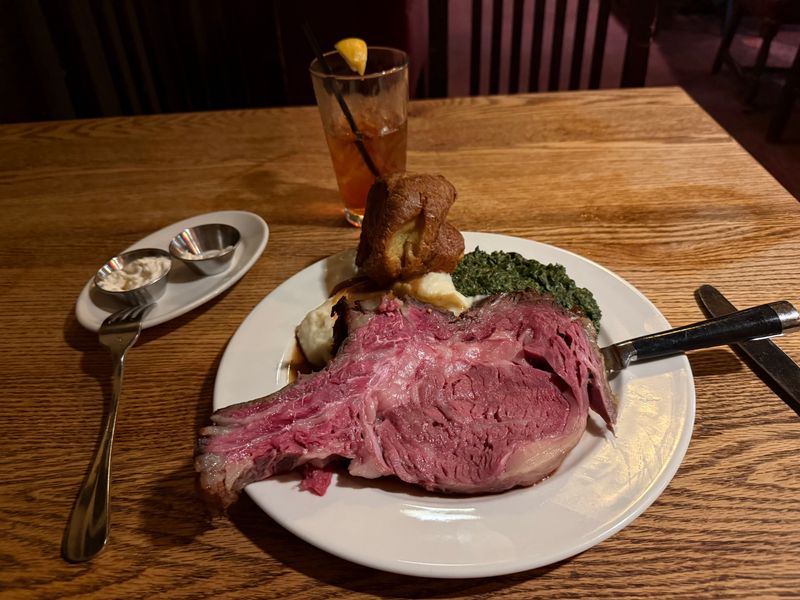
Every prime rib dinner arrives with the restaurant’s famous Yorkshire pudding, prepared from a recipe that has remained unchanged since opening day.
The golden exterior gives way to a soft, airy center designed to absorb rich juices from the carving board.
Kitchen staff bake batches continuously to ensure each serving arrives hot and fresh. That attention to timing has become part of the legend.