This Easy 1-Mile Hike In California Is So Stunning, You’ll Be Dreaming About It For Days
Some hikes make you work for the view. This one pulls you in before you’ve even gone far.
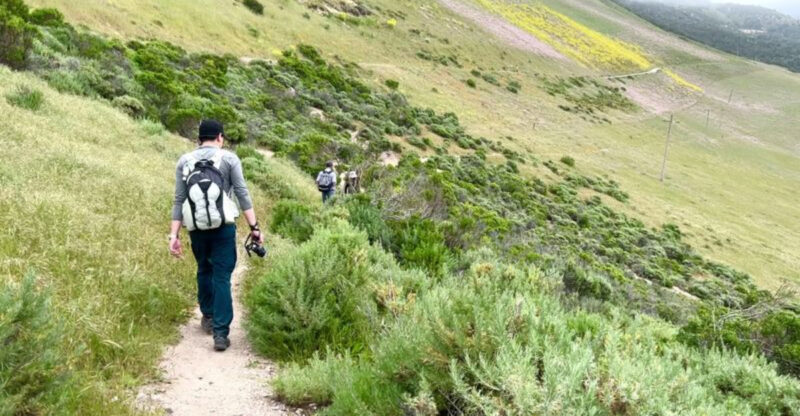
The trail runs along California’s rugged coastline and begins inside shadowy coastal forest where cool ocean air and shifting light create an almost cinematic mood.
The atmosphere feels hushed from the start – the kind of quiet that makes you slow down without thinking about it.
Then the path dips. The trees begin to thin. The sound of waves grows louder. And just when you think you know what kind of hike this is, the landscape shifts completely.
A hand-carved tunnel appears in the rock, dark and narrow, like a passage into somewhere hidden on purpose. You step through, footsteps echoing, anticipation building with every step. On the other side, the Pacific explodes into view.
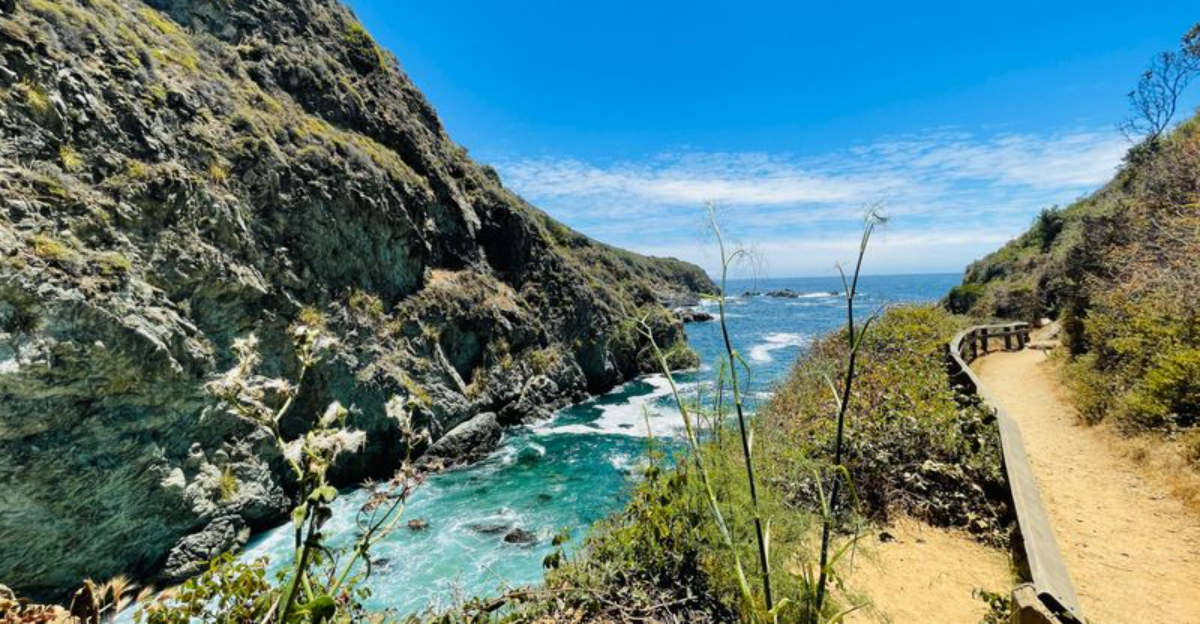
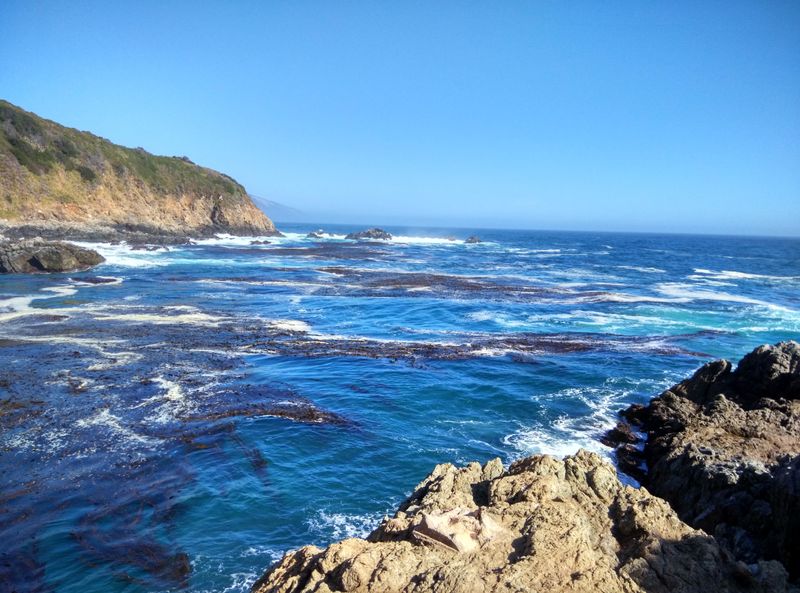
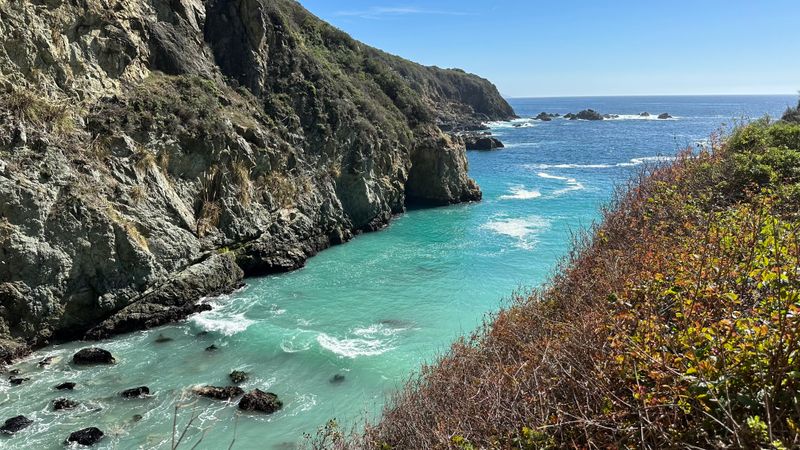
Turquoise water churns against jagged cliffs. Kelp forests sway beneath the surface. The cove feels wild, dramatic, and strangely secluded – especially for a hike that takes less than an hour round trip.
Partington Cove Trail proves that distance has nothing to do with impact.
Between the tunnel, the crashing surf, and the sense of discovery around every turn, it delivers far more than its short mileage suggests.
1. Trailhead Location Along Highway 1
Locating the starting point requires some attention since no official parking lot exists.
The trailhead sits along Highway 1 roughly two miles north of Julia Pfeiffer Burns State Park and about six miles south of Nepenthe Restaurant.
Drivers need to watch for available pullout spaces on the highway shoulder, which can fill quickly during peak visiting hours.
Arriving early in the morning or later in the afternoon increases your chances of finding convenient parking.
The highway moves fast in this section, so pulling off safely matters more than grabbing the closest spot.
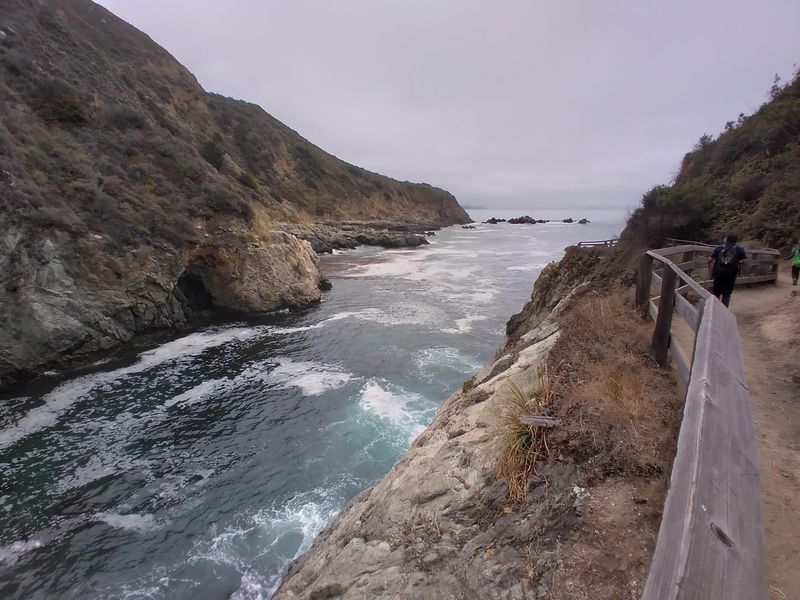
Once parked, the trail entrance appears clearly marked with signs directing hikers down toward the cove.
Big Sur’s dramatic coastline stretches in both directions from this point, offering stunning views even before you begin descending. The parking situation reflects the trail’s popularity without diminishing its charm.
Weekday visits typically present fewer challenges than weekend attempts, though any day can surprise you with available spaces.
Planning extra time for parking helps reduce stress and lets you start your hike in a relaxed frame of mind rather than rushing from your vehicle.
2. Moderate Trail Difficulty With Elevation Changes
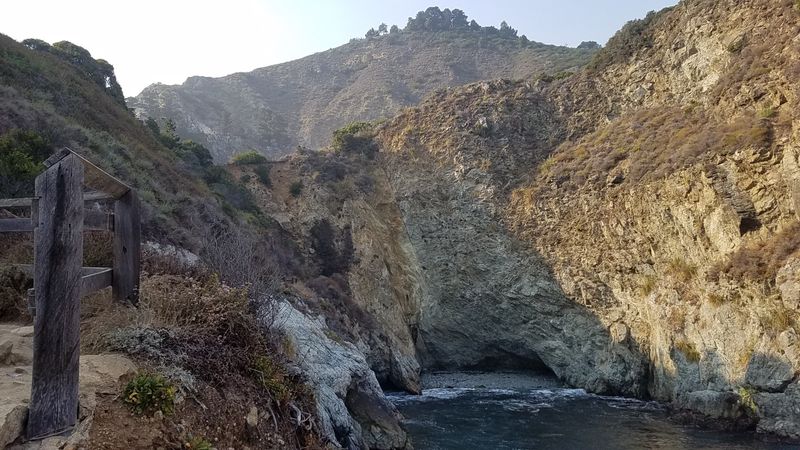
The trail spans approximately 1.1 miles round trip, which sounds deceptively simple on paper. What makes it moderately challenging is the 341-foot elevation change concentrated into that short distance.
Hikers descend fairly steeply on the way down, which feels easy enough until you remember that every foot dropped must be climbed back up.
Most people complete the entire hike in roughly 40 to 50 minutes, though lingering at the cove easily extends that timeframe.
The path itself maintains good condition with gravel and packed earth forming the main surface. Proper footwear makes a noticeable difference since loose rocks appear in sections and the grade demands secure footing.
The return climb tests your endurance more than the initial descent, so pacing yourself matters. Taking breaks on the way back up feels perfectly reasonable and gives you chances to admire the forest canopy overhead.
The moderate rating suits most fitness levels, though anyone with knee concerns should consider the downhill and uphill portions carefully.
Children handle the trail well when supervised, and the relatively short distance prevents fatigue from becoming a major issue for younger hikers.
3. Hand-Carved Historic Tunnel Through Solid Rock
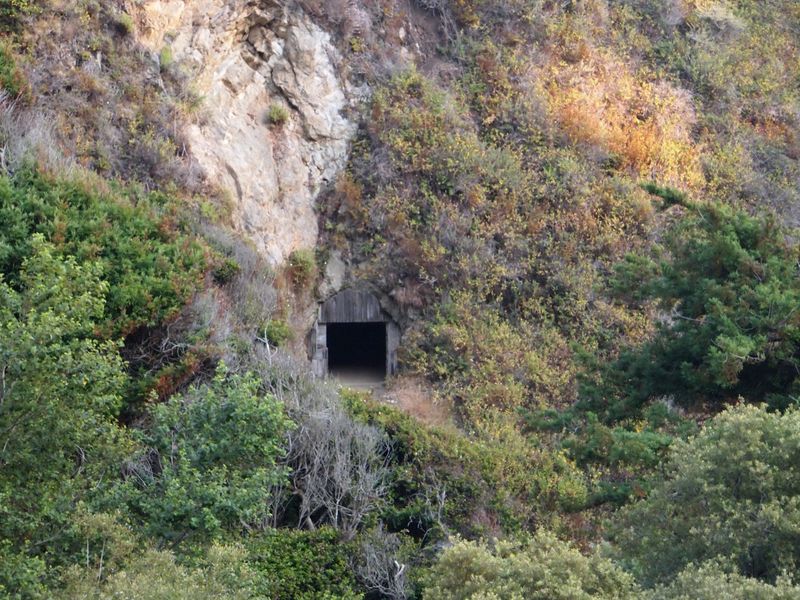
Walking through a tunnel carved entirely by hand in the 1880s creates an unexpected moment of connection with the past.
John Partington commissioned this 60-foot passage through solid rock to facilitate his tanbark oak business.
Workers chiseled through the stone without modern equipment, creating a route that still serves hikers over a century later.
The tunnel’s cool darkness provides welcome relief on warm days and adds an element of adventure to the journey.
Natural light filters through from both ends, so the passage never feels claustrophobic or particularly dark.
The rock walls bear marks from the original carving process, visible reminders of the labor invested in this route.
Before Partington created this shortcut, transporting materials to waiting ships required much longer and more difficult routes.
The tunnel represents practical problem-solving from an era when physical labor shaped the landscape directly.
Modern visitors benefit from that 19th-century innovation every time they pass through on their way to the cove.
The structure remains remarkably stable and safe, requiring no special equipment or lighting to navigate.
Touching the cool stone walls connects you directly to California’s coastal history in a tactile and memorable way.
4. Turquoise Waters And Kelp Forest Views
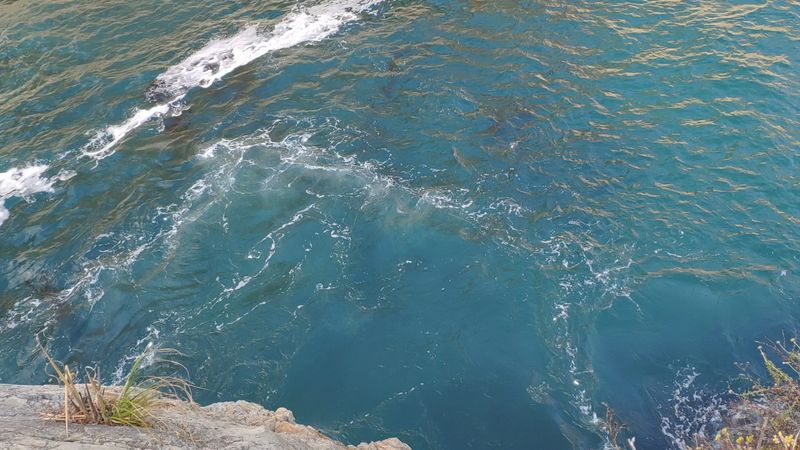
The cove’s water displays remarkable clarity and color that photographs struggle to fully capture. Turquoise and deep blue hues shift with the light and wave action, creating a constantly changing palette.
Kelp forests grow thick just offshore, their brown fronds swaying with the current and providing habitat for countless marine creatures.
Standing at the cove’s edge allows you to peer down through several feet of water when conditions cooperate. The visibility reveals rocks, sand, and kelp in surprising detail.
The color intensity depends partly on weather and time of day, with sunny conditions producing the most vivid displays.
Kelp forests serve as crucial ecosystems along California’s coast, supporting fish, invertebrates, and marine mammals. From the cove, you can observe these underwater forests without getting wet.
The contrast between the bright water and dark rocks creates natural drama that draws photographers and nature enthusiasts alike.
Swimming or wading isn’t recommended due to strong currents and unpredictable waves, but the view alone justifies the hike.
The cove faces west, making it particularly beautiful during afternoon and evening hours when the sun angles across the water. The marine environment feels vibrant and alive even when viewed from the safety of the shore.
5. Multiple Side Paths For Exploration
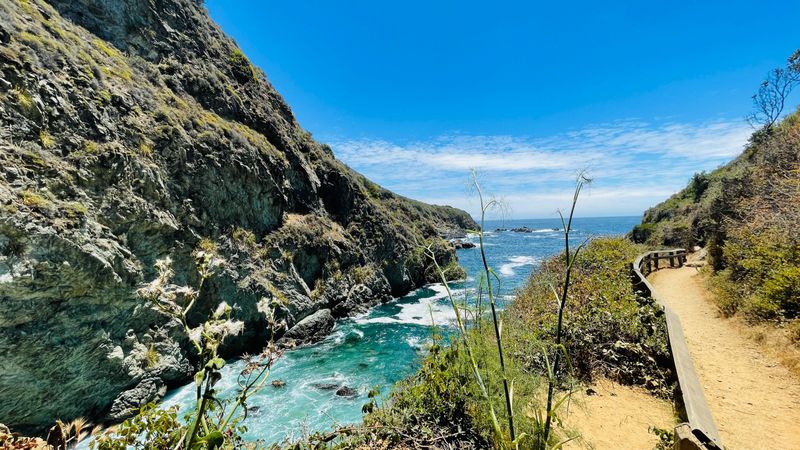
Before reaching the main cove area, hikers encounter several branching paths that reward curiosity. One side trail leads to a rocky beach section where tide pools form during low water.
Another path follows Partington Creek upstream toward a seasonal waterfall that cascades down the hillside during wetter months.
A third option continues directly to the cove itself through the historic tunnel. Exploring all three branches adds minimal distance but significantly enriches the experience.
The creek path offers shade and the sound of running water, creating a completely different atmosphere from the exposed coastal areas.
The rocky beach section provides tide pool exploration opportunities for those interested in marine life up close.
Each side path presents its own character and rewards, so budget extra time if you want to explore thoroughly. The trails remain well-defined enough to prevent confusion about routes back to the main path.
Some visitors choose to investigate different branches on separate visits, giving them reasons to return.
The variety within such a compact area makes the hike feel larger and more diverse than its actual mileage suggests.
Families with children particularly appreciate having multiple areas to explore rather than a single destination.
The side paths transform a simple out-and-back hike into a small adventure with choices and discoveries along the way.
6. Wildlife Viewing Opportunities
The cove and surrounding waters support remarkable wildlife diversity that makes every visit unique.
Sea otters frequently appear in the kelp beds, floating on their backs while cracking open shellfish on their chests.
Harbor seals sometimes haul out on the rocks or swim through the cove waters. Various seabird species nest along the cliffs and hunt in the productive waters.
Bringing binoculars enhances wildlife watching significantly, though many animals come close enough to observe with the naked eye.
Otters seem particularly unbothered by human presence when they’re focused on feeding. The kelp forests attract fish that in turn draw larger predators, creating a visible food chain.
Patient observers often spot more wildlife than those who rush through the area. Sitting quietly at the cove for ten or fifteen minutes allows animals to resume normal behavior after your arrival.
The marine environment remains active throughout the year, though different seasons bring different species.
Spring and early summer often feature nesting birds, while fall brings migrating species through the area. The protected cove creates relatively calm conditions that wildlife clearly appreciate.
Even when specific animals don’t appear, the knowledge that this thriving ecosystem exists just offshore adds dimension to the visit.
The combination of accessible viewing points and rich habitat makes wildlife encounters likely rather than merely possible.
7. Year-Round Access And Seasonal Changes

The trail remains open throughout the entire year, offering four distinct seasonal experiences. Winter brings dramatic storm watching opportunities when waves crash against the rocks with particular force.
Spring covers the hillsides with wildflowers and sends Partington Creek flowing at its fullest. Summer provides the warmest weather and clearest water visibility, though crowds increase accordingly.
Fall often delivers the best combination of pleasant weather and fewer visitors. Each season transforms the landscape in subtle but noticeable ways.
Winter rains green up the coastal vegetation and fill the seasonal waterfall, while summer dries the hillsides to golden brown.
The ocean’s mood changes seasonally too, with winter swells creating more dramatic wave action and summer typically bringing calmer conditions.
Temperature variations between seasons remain moderate due to the coastal location, rarely reaching extremes in either direction.
The trail’s accessibility year-round means you can return multiple times to experience these seasonal differences firsthand.
Winter visitors should prepare for potential rain and muddy conditions, while summer hikers need sun protection and water.
The cove faces west, so sunset timing shifts with the seasons and affects lighting conditions.
Visiting during different times of year reveals how dynamic this seemingly permanent landscape actually is.
The year-round access makes the trail a reliable option regardless of when you find yourself traveling through Big Sur.
8. No Dogs Allowed Policy
Dog owners need to know before arriving that pets cannot accompany them on this trail. The restriction applies to all dogs regardless of size, temperament, or leash status.
The policy protects both wildlife and the natural environment while also addressing safety concerns on the narrow paths and steep sections.
Many Big Sur trails enforce similar restrictions, so checking regulations before heading out saves disappointment. The rule receives consistent enforcement, and rangers or other hikers will likely point out violations.
Leaving dogs in parked cars along Highway 1 isn’t a safe or legal alternative, particularly during warmer months.
The restriction might feel frustrating for those who prefer hiking with their pets, but it serves important purposes.
Wildlife viewing opportunities improve when dogs aren’t present to disturb animals. The trail’s moderate difficulty includes sections where managing a dog could prove challenging.
Nesting seabirds and marine mammals along the coast need protection from disturbance that even well-behaved dogs might cause.
Planning your Big Sur itinerary with this restriction in mind allows you to identify dog-friendly alternatives nearby.
Several other area hikes do welcome leashed dogs, so your pet doesn’t have to miss out on all the coastal scenery.
Respecting the no-dog policy helps preserve the experience for all visitors and protects the natural resources that make the trail special.
9. Safety Considerations At The Cove
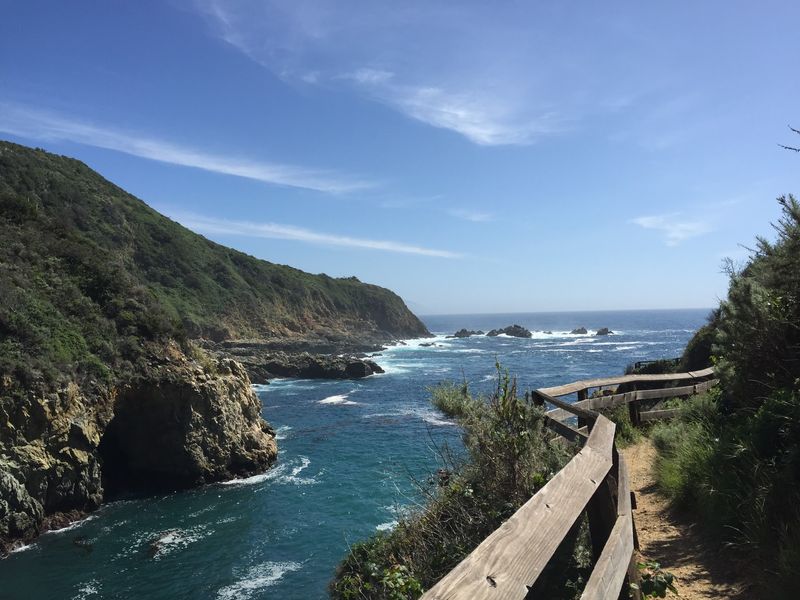
Admiring the cove’s beauty from the rocks requires awareness of real hazards. Swimming or wading isn’t recommended under any conditions due to strong currents, unpredictable waves, and cold water temperatures.
Sneaker waves can appear suddenly and sweep people off rocks without warning. The rocky terrain becomes slippery when wet, increasing fall risks near the water’s edge.
Maintaining a safe distance from the surf zone protects you from unexpected wave surges. The ocean’s power often exceeds what it appears capable of from a distance.
Cold Pacific water temperatures pose hypothermia risks even during summer months, making any unplanned immersion dangerous.
Children need close supervision near the water and on the rocky areas. The trail’s moderate difficulty includes some exposure where footing matters and attention prevents accidents.
Wearing appropriate footwear with good traction helps prevent slips on loose gravel or smooth rock surfaces.
The return climb demands energy, so saving enough stamina for the uphill portion prevents exhaustion-related mishaps. Carrying water remains important even on this short hike, particularly during warmer weather.
Cell phone service proves unreliable in many Big Sur locations, so self-reliance matters more than usual.
Understanding and respecting the ocean’s power allows you to enjoy the cove safely while avoiding unnecessary risks.
The stunning scenery creates the best memories when experienced from secure vantage points rather than precarious positions.
10. Proximity To Other Big Sur Attractions

Partington Cove’s location along Highway 1 places it within easy reach of numerous other Big Sur highlights.
Julia Pfeiffer Burns State Park sits just two miles south and features the famous McWay Falls, where a waterfall drops directly onto a beach.
Nepenthe Restaurant lies six miles north, offering meals with spectacular views. This central position makes the cove trail an excellent addition to a full day of Big Sur exploration.
Many visitors combine several stops into a single coastal drive, and the relatively short hiking time at Partington Cove fits well into such itineraries.
The trail provides a more intimate and less crowded experience than some of the area’s most famous attractions.
Its proximity to other sites means you can easily adjust your plans based on parking availability or personal energy levels.
The concentration of natural beauty along this stretch of Highway 1 ranks among California’s most impressive. Planning a route that includes multiple stops maximizes your experience of Big Sur’s diversity.
The cove offers something different from waterfall views or restaurant overlooks, adding variety to your day.
The entire Big Sur coast rewards exploration, and Partington Cove represents one of many treasures worth discovering.
Its accessible nature and nearby alternatives make it particularly valuable for first-time visitors still learning the area’s geography and options.