14 Charming Food Towns In California You Need To Explore Before They Get Too Popular
Some of the most unforgettable meals happen where you least expect them. You’re driving through a quiet stretch of highway. Maybe you weren’t even planning to stop.
Then a small-town bakery window catches your eye. Or a corner café with a handwritten menu. Or a decades-old diner that looks unchanged in the best way.
California has a way of hiding extraordinary food in places most travelers pass without a second glance.
Main Streets stay calm. Parking is easy. The pace feels slower the moment you step inside. But the flavors tell a different story entirely.
Mountain towns serve pies still warm from the oven. Coastal kitchens plate seafood caught that same morning.
Family-run taquerias, historic steakhouses, and farm-to-table cafés turn local ingredients into meals people remember for years.
Many of these spots are still wonderfully under the radar. No long lines. No months-long reservations. Just honest food made by people who care deeply about what they serve.
You come for a quick stop. You leave planning your next visit before you even reach the highway again.
1. Los Alamos
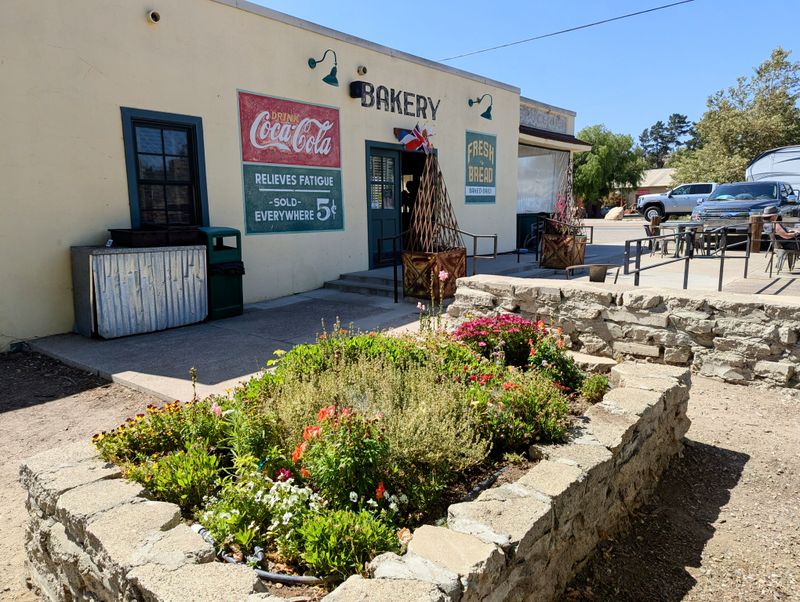
Old Western storefronts line a single street where some of the most exciting cooking in Santa Barbara County happens daily.
Los Alamos sits along Highway 101 between Santa Barbara and Paso Robles, and its compact downtown packs an impressive number of bakeries, restaurants, and wine tasting rooms into just a few blocks.
Bob’s Well Bread Bakery at 550 Bell Street serves crusty sourdough loaves and flaky pastries that draw people from hours away, with lines forming early on weekend mornings.
The town’s transformation from quiet stopover to food destination happened gradually as chefs recognized the potential in its affordable spaces and proximity to wine country.
Bell’s restaurant offers French-inspired dishes using Central Coast ingredients, while other spots serve everything from wood-fired pizza to inventive tacos.
Most dining happens at communal tables or outdoor patios where conversations with strangers feel natural.
Weekday visits offer a quieter experience than weekends when wine tourists flood the area. Parking fills up quickly after 11 AM on Saturdays, so arriving early makes exploring easier.
The casual atmosphere means dress codes don’t exist, and most places welcome walk-ins though calling ahead helps during busy periods. Several shops sell local olive oils, jams, and other products perfect for bringing the flavors home.
2. Ojai
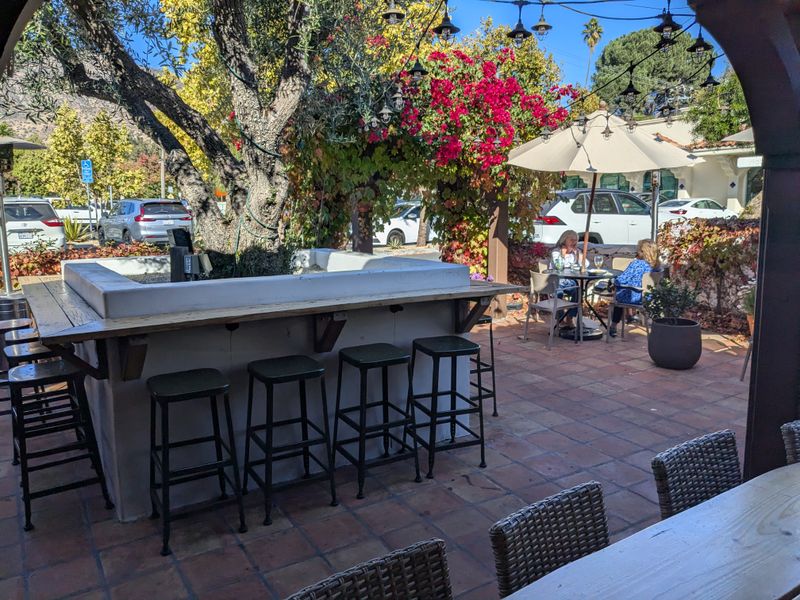
Mountains create a natural bowl around this artistic community where the light shifts in ways that have attracted painters for decades.
Ojai sits about 30 minutes inland from Ventura, and its downtown Arcade feels like stepping into a slower era with covered walkways connecting locally-owned shops and cafes.
The Sunday farmers market brings growers from surrounding valleys with produce that reflects the region’s Mediterranean climate, from citrus to avocados to stone fruits depending on season.
Restaurants here lean heavily on those farm connections, with menus changing based on what’s available each week.
The Nest at 401 E Ojai Avenue serves breakfast and lunch focusing on organic ingredients prepared simply, while evening dining options range from Italian to Thai to California cuisine.
Most establishments occupy small spaces where seating fills quickly, especially during the popular spring and fall months when temperatures hover in the comfortable range.
Midweek visits provide easier access to popular spots and better parking along Ojai Avenue. The town’s compact layout makes everything walkable once you find a spot, though the surrounding areas require driving.
Many visitors combine food exploration with gallery browsing or hiking in nearby Los Padres National Forest. Casual attire works everywhere, and the overall vibe emphasizes relaxation over formality.
3. Nevada City
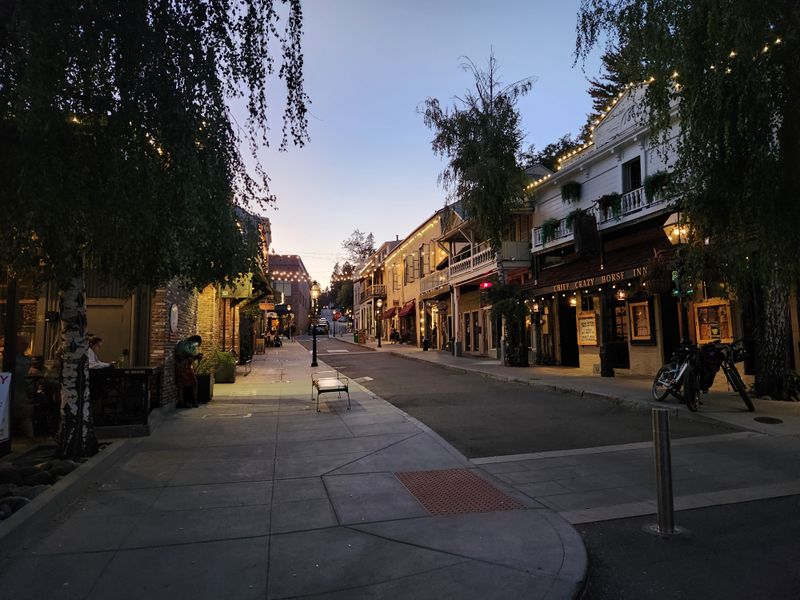
Victorian buildings climb steep hillsides in this former Gold Rush settlement where modern food sensibilities meet historic architecture.
Nevada City sits in the Sierra Nevada foothills about an hour northeast of Sacramento, and its downtown National Historic District contains dozens of preserved 19th-century structures now housing restaurants, bakeries, and specialty food shops.
Broad Street forms the main commercial corridor where brick sidewalks and period lampposts create an atmosphere that feels distinctly different from typical California towns.
The food scene reflects both the area’s rural character and the creative people who’ve settled here over recent decades.
Three Forks Bakery & Brewing Company at 211 Commercial Street offers naturally leavened breads and pastries alongside locally-roasted coffee, with seating that spills onto the sidewalk during warm months.
Other spots serve farm-to-table dinners, wood-fired pizzas, and international cuisines adapted to available ingredients.
Summer brings the most visitors, but fall offers cooler temperatures and beautiful foliage without the crowds. Winter can mean snow, which adds charm but requires careful driving on the winding roads leading into town.
Most restaurants operate on limited hours during slower seasons, so checking ahead prevents disappointment. The elevation creates temperature swings between day and night, making layers essential even in summer.
4. Healdsburg
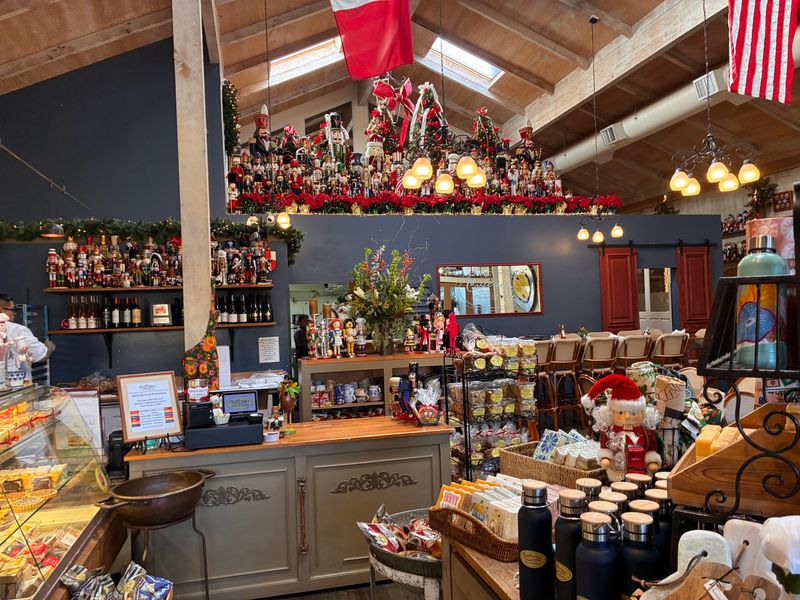
Three significant wine regions converge near this Sonoma County town where serious food and casual atmospheres coexist comfortably. Healdsburg centers on a traditional plaza surrounded by tasting rooms, restaurants, and shops that draw both wine enthusiasts and food lovers throughout the year.
The town’s location at the meeting point of Dry Creek, Russian River, and Alexander valleys means access to exceptional produce, meats, and dairy from surrounding farms.
Restaurants range from elegant dining rooms to casual bistros, with many chefs having earned reputations that extend well beyond the region. Costeaux French Bakery at 417 Healdsburg Avenue has served pastries and breads since 1923, maintaining techniques that produce consistently excellent results.
Newer establishments continue opening, each bringing different approaches to showcasing local ingredients. Most places maintain a welcoming atmosphere despite the upscale food, with dress codes remaining relaxed even at pricier spots.
Weekday lunches offer better availability than weekend dinners when reservations become essential at popular restaurants. Summer brings warm days perfect for patio dining, though temperatures can climb into the 90s during heat waves.
Spring and fall provide ideal weather with fewer tourists competing for tables. The downtown area allows easy walking between destinations once parked, though finding spaces requires patience during peak times.
5. Mammoth Lakes
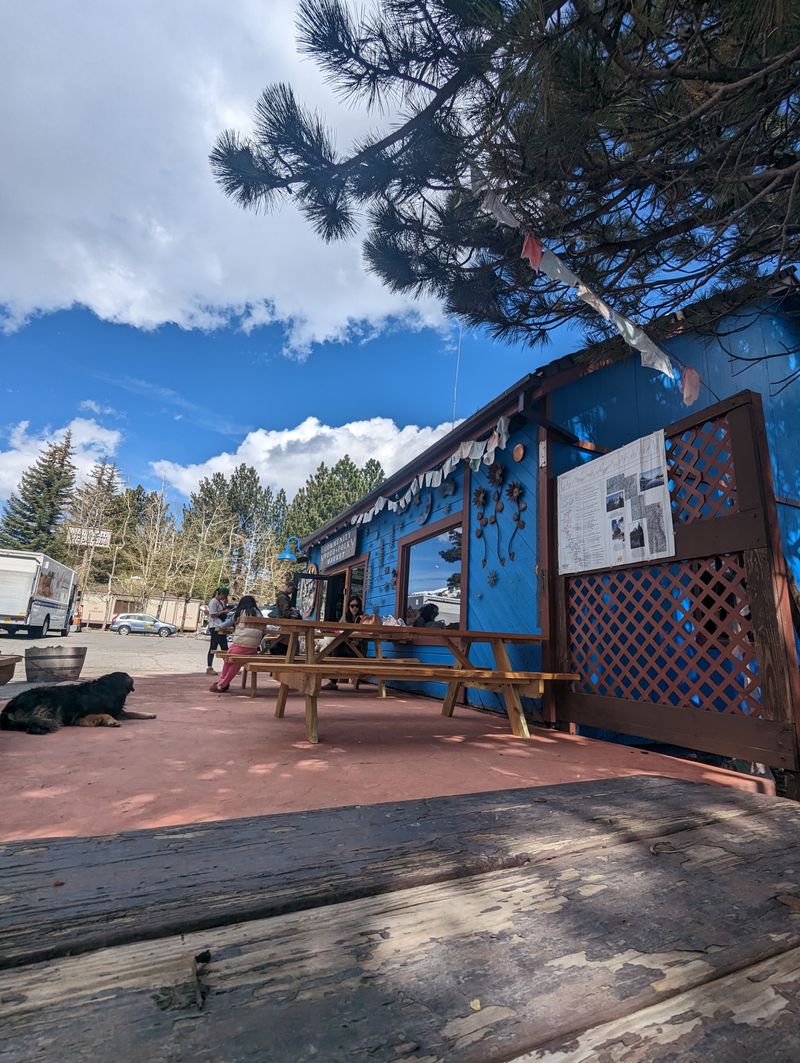
Alpine air and outdoor recreation define this Eastern Sierra town where hearty meals fuel mountain adventures year-round.
Mammoth Lakes sits at 8,000 feet elevation, and its food scene has evolved beyond typical ski resort fare to include creative cooking that takes advantage of the short but intense growing season.
The Village at Mammoth serves as a pedestrian-friendly hub with restaurants, though additional options scatter throughout the surrounding area.
Menus tend toward comfort foods that satisfy appetites built through skiing, hiking, or biking, with portions generally running large.
Stellar Brew & Natural Cafe at 3280 Main Street offers organic breakfast and lunch options including house-made granola and fresh-pressed juices, providing lighter alternatives to heavier mountain food.
Evening dining ranges from Italian to Asian fusion to steakhouse classics, with most establishments maintaining casual atmospheres where ski pants and hiking boots fit right in.
Winter brings the biggest crowds, particularly during holiday periods and powder days when lift lines translate to restaurant waits.
Summer offers a completely different experience with wildflowers, fishing, and mountain biking replacing snow sports.
Shoulder seasons in spring and fall mean fewer people but limited restaurant hours as some businesses close temporarily. The altitude affects cooking times and alcohol tolerance, something to keep in mind when planning meals.
6. Paso Robles
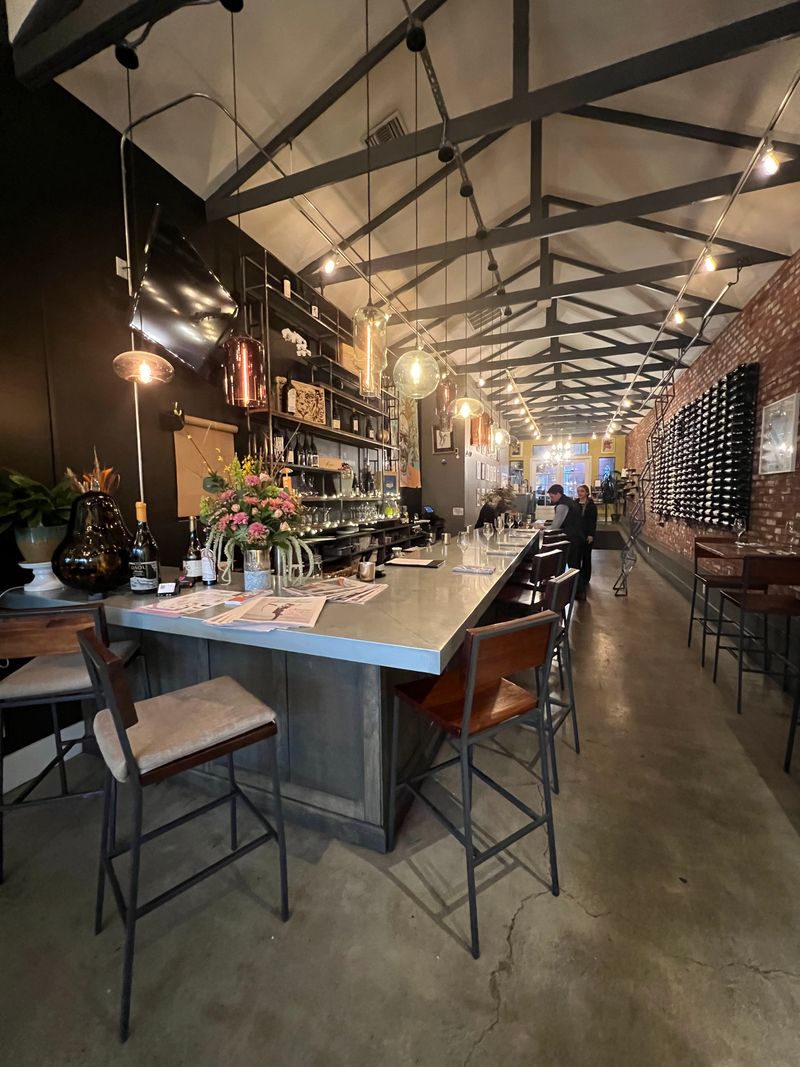
Rolling hills covered in grapevines surround this Central Coast city where wine production drives an increasingly sophisticated restaurant scene.
Paso Robles occupies a unique position between San Francisco and Los Angeles, and its downtown square maintains a small-town feel despite growing recognition for both wines and food.
The region’s hot days and cool nights create ideal conditions for growing everything from grapes to olives to almonds, giving chefs access to exceptional local products.
Thomas Hill Organics at 1313 Park Street showcases the farm-to-table approach that defines much of the area’s better dining, with vegetables often picked the same day they appear on plates.
The restaurant occupies a historic building near the park square where outdoor seating allows enjoying the Mediterranean-like climate during most months.
Other establishments range from barbecue joints to upscale bistros, with many incorporating local wines into both cooking and beverage programs.
Summer temperatures frequently exceed 100 degrees, making spring and fall more comfortable for exploring the downtown on foot. Weekends bring wine tourists who fill tasting rooms and restaurants, particularly during harvest season in late summer and early fall.
Weekday visits provide easier parking and shorter waits at popular spots. Most restaurants dress casually despite the quality of food, reflecting the agricultural roots that still define the area.
7. Morro Bay
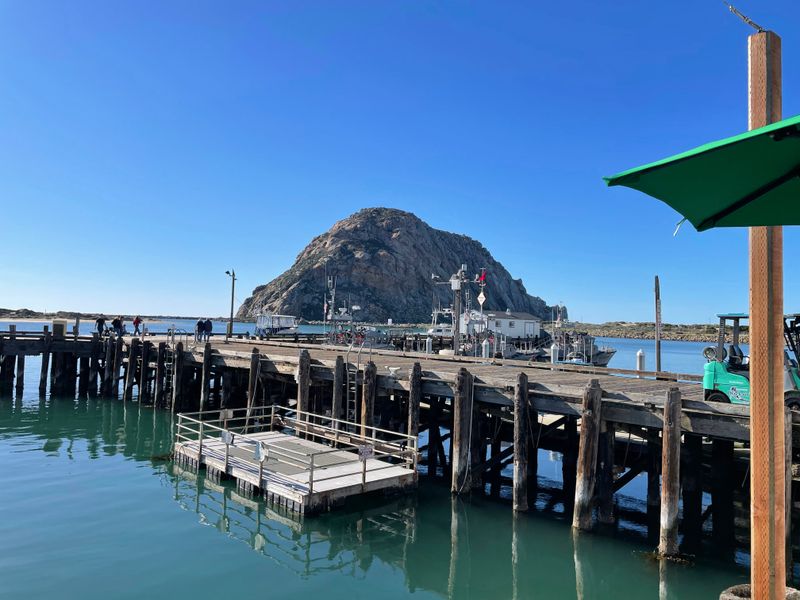
A massive volcanic rock rises from the ocean beside this working fishing port where seafood restaurants line the waterfront.
Morro Bay sits along Highway 1 between San Luis Obispo and Big Sur, and its Embarcadero street offers direct views of boats unloading catches that appear on dinner plates within hours.
The 576-foot Morro Rock dominates every view, creating a dramatic backdrop for meals enjoyed at outdoor tables.
Seafood naturally dominates menus, with local favorites including rockfish, halibut, and Dungeness crab when in season.
Tognazzini’s Dockside Restaurant at 1235 Embarcadero serves fish and chips alongside more elaborate preparations, with windows overlooking the harbor where commercial fishing boats tie up between trips.
The casual atmosphere extends to most waterfront dining, where the smell of salt air and sound of sea lions create an authentically coastal experience. Several spots offer fish markets where visitors can buy fresh catch to cook themselves.
Summer brings fog that often doesn’t burn off until afternoon, keeping temperatures cool but sometimes obscuring views. Spring and fall typically offer clearer skies and warmer days perfect for waterfront dining.
Winter storms can be dramatic to watch from restaurant windows while eating hot chowder. Parking along the Embarcadero fills quickly on nice weekends, with side streets offering alternatives within easy walking distance.
8. Ferndale
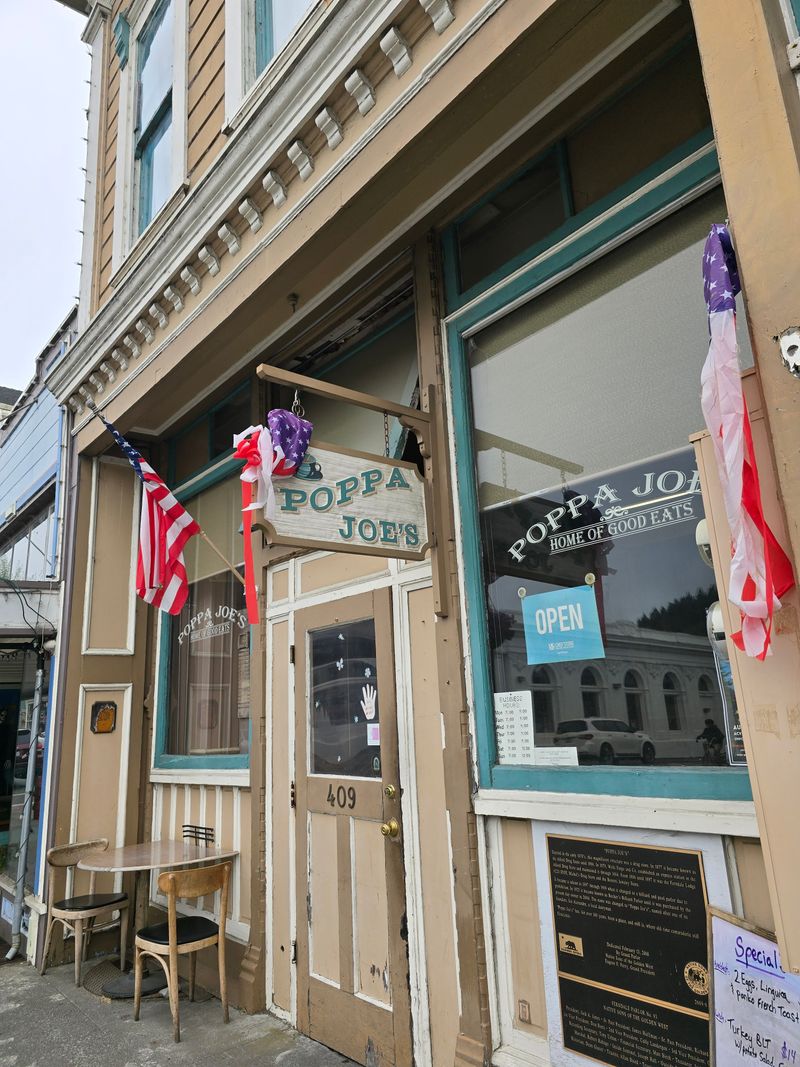
Perfectly preserved Victorian buildings create a storybook setting in this Humboldt County town where dairy farming heritage meets artistic sensibility.
Ferndale sits about 20 minutes south of Eureka, and its Main Street looks much as it did a century ago with ornate commercial buildings painted in period colors.
The surrounding countryside produces exceptional dairy products and beef from cattle grazing year-round on coastal pastures.
Restaurants emphasize local ingredients with menus that change based on seasonal availability from nearby farms and ranches.
Poppa Joe’s at 409 Main Street serves breakfast and lunch in a casual setting where locals and visitors mix freely, with house-made pies that showcase traditional baking techniques.
Evening dining options remain limited compared to larger towns, with most establishments closing by 8 PM even on weekends. The small scale means quality varies less than in bigger destinations where numerous choices exist.
Summer provides the driest weather, though coastal fog remains common even during warmer months. Winter brings substantial rainfall that keeps the landscape green but can make driving on winding roads more challenging.
The remote location means planning ahead for meals, as options outside town require significant driving. Most businesses accept cash and cards, though cell service can be spotty.
The quiet atmosphere attracts people seeking a slower pace rather than nightlife or entertainment.
9. Julian
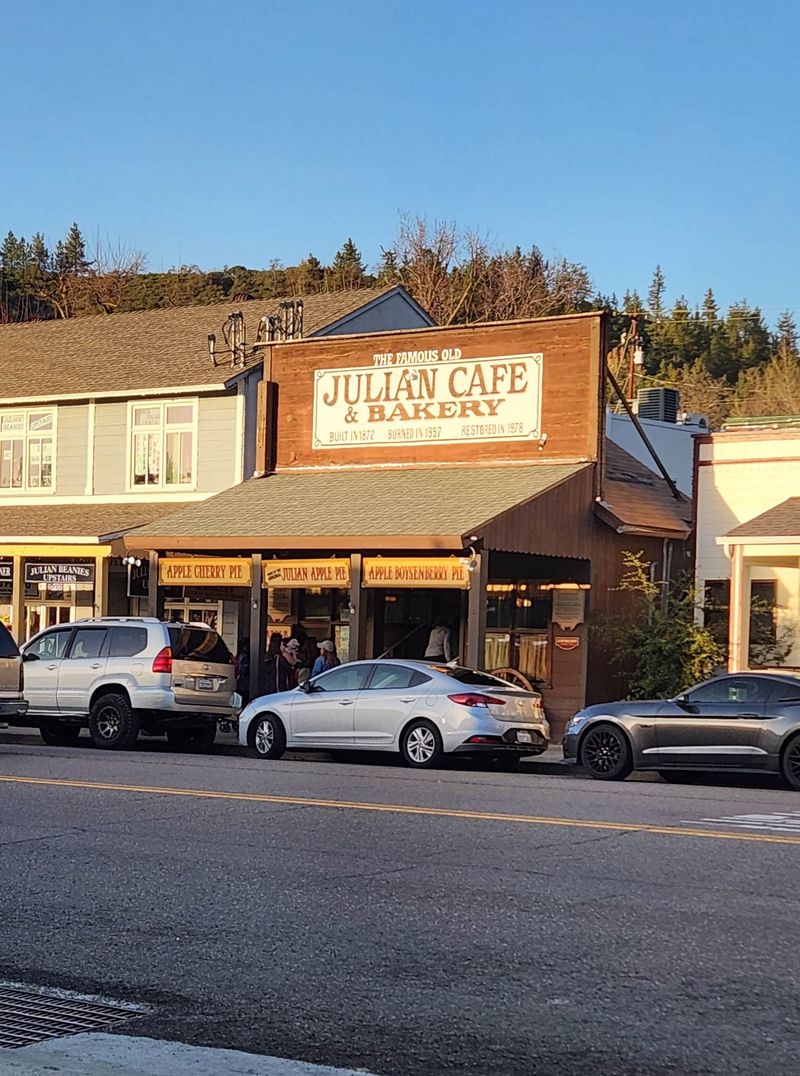
Apple orchards blanket the hillsides around this former gold mining town where pie has become the main attraction.
Julian sits in the Cuyamaca Mountains about an hour east of San Diego, and autumn brings crowds seeking fresh-picked apples and the warm pies that local bakeries produce daily.
The elevation provides cooler temperatures than the desert below, with occasional winter snow adding to the mountain charm.
Multiple bakeries compete for the title of best apple pie, each using slightly different recipes and techniques passed down through generations.
Julian Cafe & Bakery at 2112 Main Street has served pies since 1984, with apple varieties changing based on harvest timing throughout the fall.
Beyond sweets, the town offers casual dining ranging from burgers to barbecue to home-style meals that emphasize comfort over sophistication.
Most establishments occupy historic buildings along Main Street where wooden sidewalks and Old West storefronts maintain the 19th-century atmosphere.
October weekends bring the biggest crowds during peak apple season, with traffic backing up on the two-lane roads leading into town. Weekdays and other seasons offer a much calmer experience with shorter lines at bakeries.
Winter can bring snow that occasionally closes roads temporarily. Summer provides warm days perfect for combining meals with hiking in nearby Cuyamaca Rancho State Park. Most shops and restaurants operate on limited winter hours.
10. Half Moon Bay
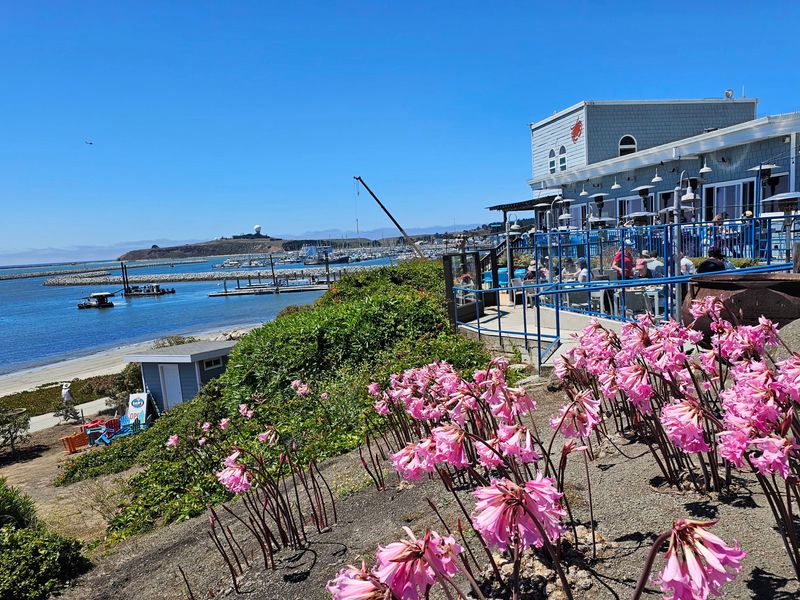
Coastal agriculture and commercial fishing shape the food culture in this San Mateo County town where fog often shrouds morning markets.
Half Moon Bay sits along Highway 1 about 30 miles south of San Francisco, and its Main Street maintains a separate identity from the highway corridor where chain businesses cluster.
Local farms produce artichokes, Brussels sprouts, and pumpkins that thrive in the cool maritime climate, appearing on restaurant menus and at roadside stands.
Sam’s Chowder House at 4210 CA-1 overlooks the ocean where floor-to-ceiling windows frame views of waves and occasional whale sightings during migration seasons.
The restaurant serves New England-style seafood adapted to West Coast ingredients, with outdoor fire pits providing warmth on chilly evenings.
Downtown options include Italian trattorias, Mexican restaurants, and cafes serving locally-roasted coffee alongside pastries. The casual beach town atmosphere extends to even the nicer establishments where reservations help but aren’t always essential.
Summer brings the famous fog that keeps temperatures cool even when inland areas swelter. Fall offers the clearest skies and warmest days, plus the October pumpkin festival that draws huge crowds.
Winter storms create dramatic ocean viewing from restaurant windows. Spring produces wildflowers on coastal bluffs and the best weather for combining meals with beach walks.
Parking downtown requires patience on weekends but improves significantly on weekdays.
11. Dunsmuir
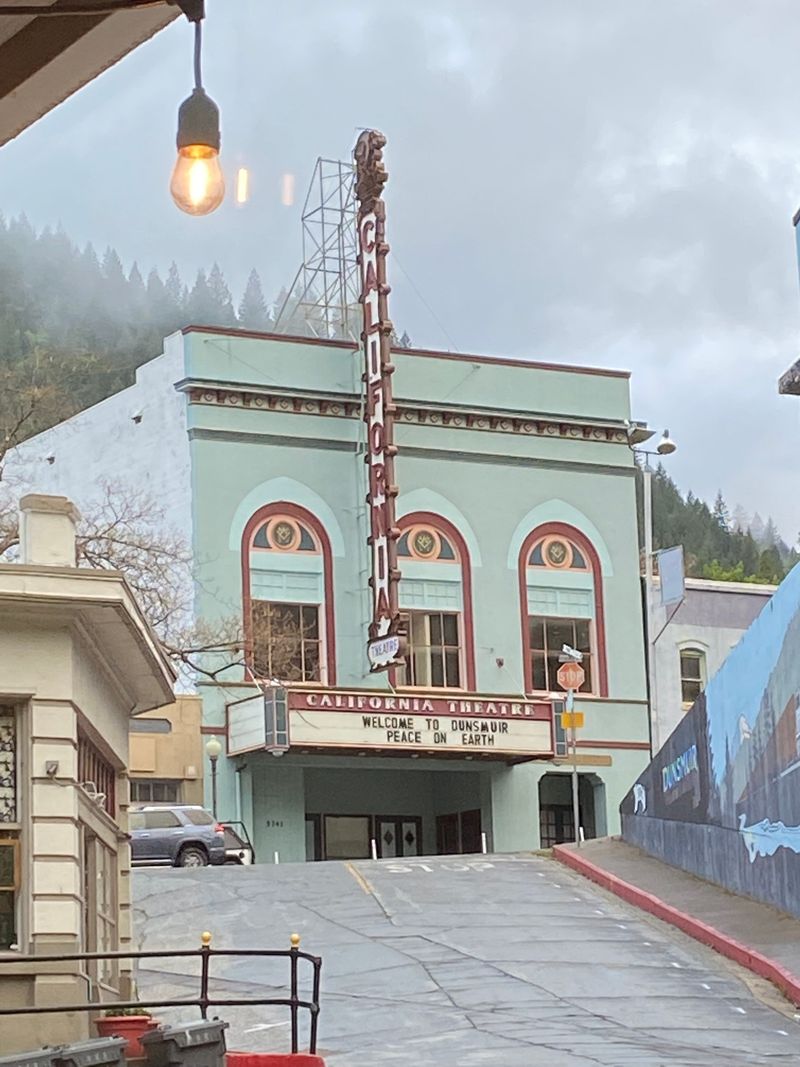
Railroad history and mountain recreation define this Shasta Cascade town where the Sacramento River runs directly through downtown.
Dunsmuir sits along Interstate 5 about an hour north of Redding, and its compact downtown occupies just a few blocks where historic buildings house restaurants and shops.
The surrounding forests and river provide ingredients and inspiration for cooking that emphasizes the region’s natural abundance.
Cafe Maddalena at 5801 Sacramento Avenue serves Mediterranean-inspired dinners Thursday through Sunday in an intimate space where reservations become essential during summer months.
The restaurant occupies a century-old building with exposed brick and warm lighting that creates a romantic atmosphere unexpected in such a small mountain town.
Other options include brewpubs, diners, and cafes serving simpler fare to hikers, anglers, and travelers passing through on the interstate. Most places maintain casual dress codes and welcoming attitudes toward families and outdoor enthusiasts.
Summer brings the most visitors taking advantage of river access and nearby trails, with restaurants staying busy through dinner service. Winter can mean snow and icy conditions that make driving challenging, though the town takes on a particularly scenic quality when blanketed in white.
Spring runoff creates impressive waterfalls visible from town, while fall offers comfortable temperatures and brilliant foliage.
The small size means limited options, so checking restaurant hours before arriving prevents disappointment.
12. Solvang
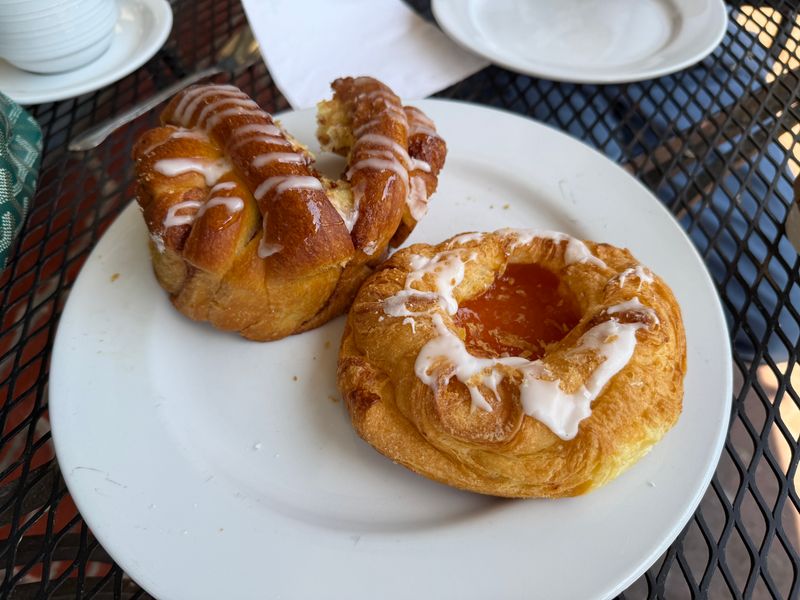
Danish architecture and European baking traditions create a unique atmosphere in this Santa Barbara County town where windmills dot the skyline.
Solvang was founded by Danish immigrants in 1911, and the downtown maintains its Scandinavian theme with half-timbered buildings, cobblestone sidewalks, and shops selling imported goods.
Bakeries form the heart of the food scene, producing Danish pastries, cookies, and breads using recipes brought from the old country.
Olsen’s Danish Village Bakery at 1529 Mission Drive has operated since 1970s, serving traditional aebleskiver and kringle alongside American favorites adapted to Danish techniques.
The smell of butter and cinnamon drifts through streets lined with outdoor cafes where people watch tourists explore the compact downtown.
Beyond sweets, restaurants serve Danish open-faced sandwiches, schnitzel, and other European dishes alongside California cuisine that reflects the surrounding wine country. Most establishments welcome walk-ins, though popular spots fill quickly on weekends.
Summer brings warm temperatures and the biggest crowds, particularly during special events that celebrate Danish culture. Spring offers beautiful weather and the nearby wildflower blooms that carpet surrounding hills.
Fall harvest season means wine tastings at numerous nearby wineries complement town dining. Winter remains relatively mild with occasional rain.
The tourist-oriented nature means prices run higher than in less-discovered towns, though quality generally justifies the cost. Parking fills downtown but overflow lots provide alternatives within short walking distance.
13. Truckee
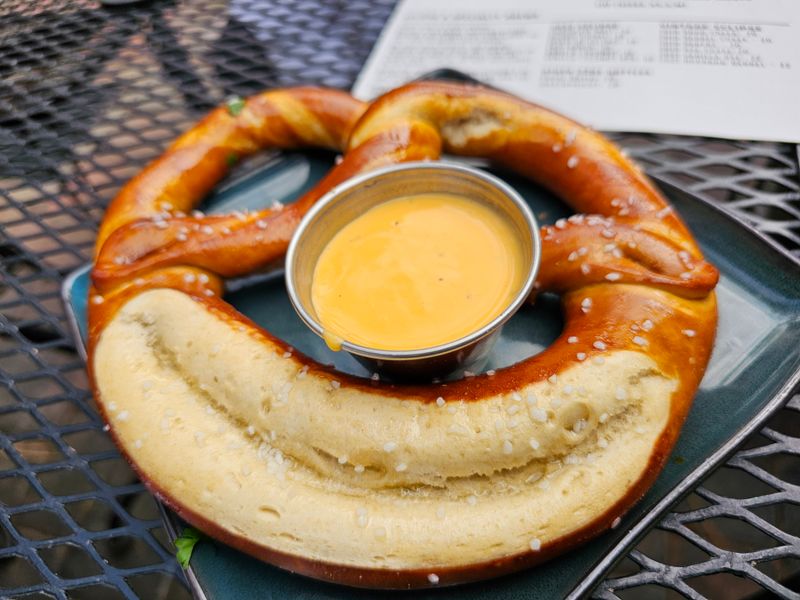
Railroad heritage meets modern mountain culture in this Sierra Nevada town where historic downtown buildings now house restaurants serving adventurers year-round.
Truckee sits along Interstate 80 about 30 minutes north of Lake Tahoe, and its Commercial Row preserves the character of the 19th-century settlement that served transcontinental railroad workers.
The elevation and climate create challenges for local food production, but chefs have built connections with growers in surrounding valleys to source quality ingredients.
FiftyFifty Brewing Company at 10242 Church Suite 100 combines craft beer with elevated pub food in a space that fills with skiers during winter and hikers during summer.
The casual atmosphere and hearty portions reflect the active lifestyle that draws most visitors, with menus emphasizing proteins and carbohydrates that fuel outdoor activities.
Downtown offers additional options including pizza, Thai food, Mexican cuisine, and upscale American cooking. Most places maintain relaxed dress codes where technical outdoor gear fits perfectly.
Winter brings massive crowds during ski season, particularly on powder days and holiday weeks when reservations become essential. Summer offers a completely different experience with mountain biking, paddling, and hiking replacing snow sports.
Shoulder seasons in spring and fall mean fewer people but unpredictable weather and some business closures. The altitude affects both cooking and alcohol tolerance.
Parking downtown requires patience during busy periods, with peripheral lots offering alternatives that require short walks.
14. Lompoc
Flower fields and emerging vineyards surround this northern Santa Barbara County city where agricultural roots remain visible despite recent wine industry growth.
Lompoc sits in a valley that opens to the Pacific Ocean about 20 miles west, and its downtown has begun attracting restaurants and tasting rooms that complement the working-class character.
The cool maritime influence creates ideal conditions for growing Pinot Noir and Chardonnay, with numerous wineries establishing presence in renovated industrial spaces.
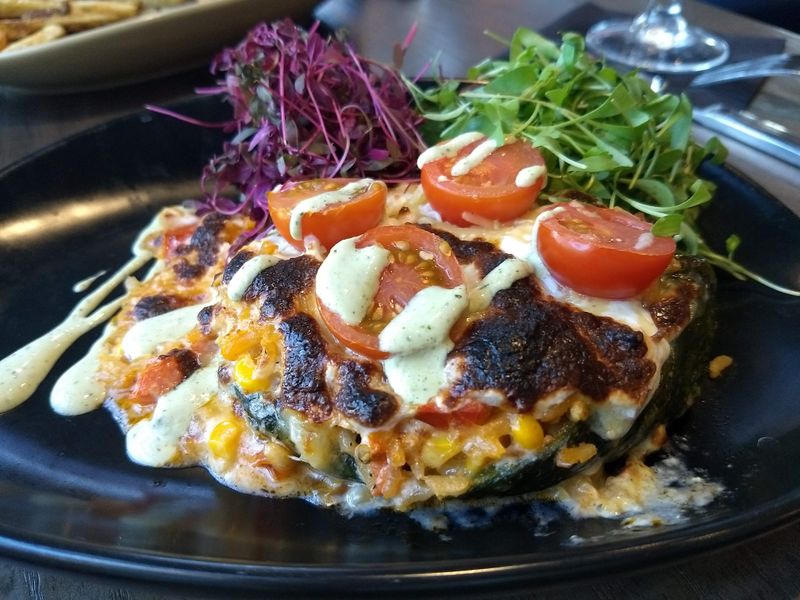
Valle Eatery + Bar at 1201 North H Street serves food in a sophisticated space where locals gather for elevated cooking and generous portions. The restaurant occupies a building downtown where murals and independent shops create a slowly revitalizing commercial district.
Evening dining options remain more limited than in nearby tourist towns, with most establishments serving straightforward American or Mexican food rather than elaborate cuisine.
The unpretentious atmosphere and lower prices compared to coastal areas make Lompoc appealing for budget-conscious food lovers.
Summer brings the famous flower fields into bloom, creating colorful landscapes visible from surrounding roads. Fall harvest means wine tasting rooms host special events and release new vintages.
Winter can bring substantial rain that keeps the valley green. Spring offers mild temperatures perfect for exploring both town and countryside.
The less-discovered status means crowds remain manageable even during peak seasons, with parking readily available throughout downtown.