Best Places In California To See Wild Elephant Seals
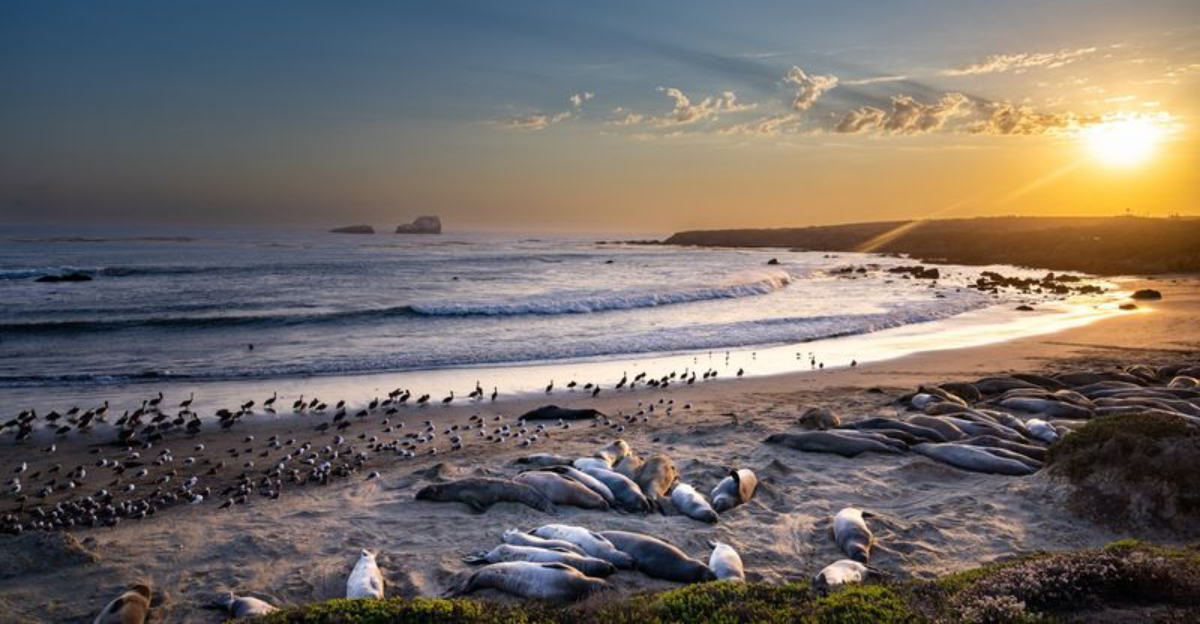
It’s not every day you lock eyes with a creature the size of a small car. But along the California coast, that moment isn’t rare. It’s unforgettable.
Picture massive elephant seals sprawled across windswept beaches, their echoing calls carrying over the surf while dominant bulls clash for territory just yards away.
It feels raw. Untamed. Almost prehistoric. These aren’t zoo encounters or distant wildlife sightings. They’re front-row views into one of North America’s most dramatic natural spectacles.
Thousands of northern elephant seals gather here each year, transforming quiet stretches of shoreline into living, breathing arenas of survival, courtship, and renewal.
Once hunted to the brink of extinction in the 1890s, their comeback is one of conservation’s greatest success stories.
Today, their population has surged past 200,000, and California has become one of the only places in the world where you can watch their story unfold in real time.
From protected rookeries reached by guided walks to scenic coastal pullouts where viewing platforms overlook the sand, the state offers rare, respectful access to these ocean giants.
It’s the kind of wildlife experience that feels less like sightseeing and more like stepping into a nature documentary, only this time, you’re standing right there on the shore.
1. Why California Is One Of The Best Places To See Wild Elephant Seals
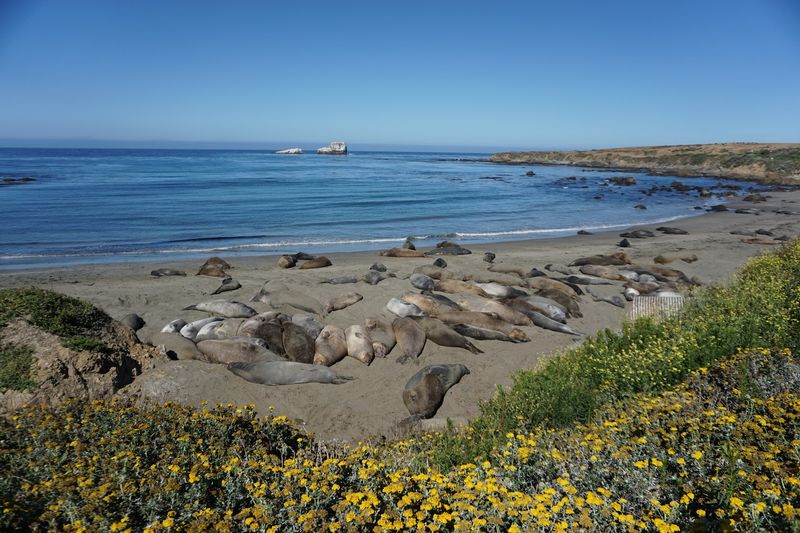
Northern elephant seals choose California beaches for reasons that make perfect sense when you understand their lifecycle.
The protected coves and offshore islands provide sheltered spots where females can give birth and nurse their pups without constant wave action threatening the newborns.
Males need stable ground for their dramatic battles, and the state’s geography delivers exactly that. Water temperature plays a bigger role than most people realize.
The cold California Current brings nutrient-rich waters that support the fish and squid populations elephant seals hunt during their months at sea.
Between breeding seasons, these animals dive repeatedly to depths exceeding 5,000 feet, holding their breath for up to two hours while feeding in the darkness.
Conservation laws enacted in the early 1900s allowed elephant seal populations to recover from fewer than 100 individuals to thriving colonies visible from public viewing areas today.
The Marine Mammal Protection Act of 1972 strengthened these protections, making it illegal to disturb seals and ensuring they could use beaches without human interference.
State parks and coastal preserves now manage access carefully, balancing wildlife protection with public education. Accessibility sets California apart from other elephant seal habitats.
Several major viewing sites sit within two hours of urban areas, and most require no special permits or strenuous hikes.
Families can introduce children to marine mammal conservation without booking expensive boat tours or traveling to remote islands.
2. Año Nuevo State Park
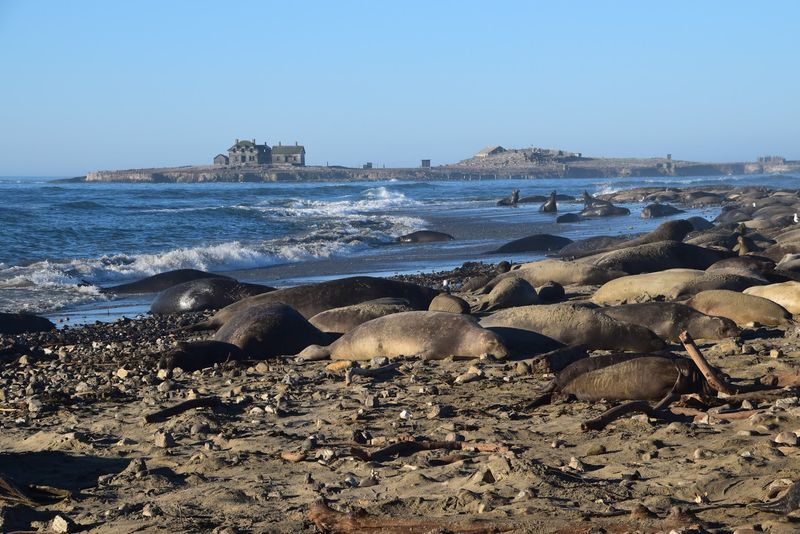
Sand dunes rise and fall along the trail leading to one of California’s most famous elephant seal colonies.
Año Nuevo State Park protects a critical breeding ground where hundreds of seals gather each winter on beaches and the offshore island.
The reserve sits roughly 20 miles north of Santa Cruz, making it reachable for day trips from the Bay Area.
Guided walks become mandatory from mid-December through March when breeding activity peaks and territorial males pose potential dangers to uninformed visitors.
Rangers lead groups of up to 25 people on three-mile round-trip hikes, sharing insights about seal behavior while maintaining safe distances.
These naturalist-led experiences typically last two and a half hours, and reservations fill quickly during peak weekends.
Outside breeding season, visitors can explore the area independently using self-guided permits available at the park entrance.
April through November brings molting seals and juveniles practicing their social skills without the intense drama of winter battles.
The elephant seal overlook provides views without requiring the full hike, though closer encounters reward those who complete the sandy trail. Weather conditions shift rapidly along this exposed coastline.
Layered clothing handles morning fog that often burns off by midday, and sturdy shoes grip better than sandals on uneven terrain.
Binoculars enhance the experience since viewing guidelines require staying at least 50 yards from the animals at all times.
3. Piedras Blancas Elephant Seal Rookery
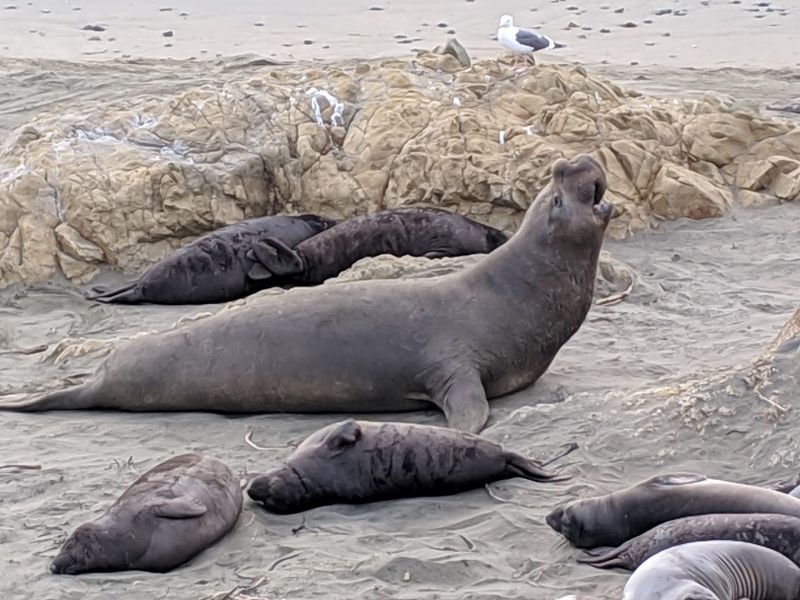
Highway 1 curves along the coast just north of San Simeon, and suddenly hundreds of elephant seals appear on the beach below.
Piedras Blancas Elephant Seal Rookery offers the most accessible viewing in California, with pullouts and boardwalks positioned right beside the colony.
No reservations, entrance fees, or advance planning interrupt the spontaneity of stopping whenever the urge strikes.
Year-round residency makes this location unique among elephant seal sites.
While populations fluctuate with breeding and molting cycles, some seals remain present every month, giving travelers flexibility that other rookeries cannot match.
January and February bring peak numbers during pupping season, but April through August showcases molting adults and September through November features juvenile seals returning from their first ocean journeys.
Friends of the Elephant Seal, a volunteer organization, staffs the viewing area most days with trained docents who answer questions and provide spotting scopes for closer looks.
Their visitor center sits in nearby San Simeon, offering educational displays and gift shop proceeds that fund conservation programs.
The organization also maintains a webcam for virtual viewing when physical visits prove impossible. Parking fills rapidly on winter weekends when tour buses add to the regular traffic.
Midweek mornings offer quieter experiences, and the seals care nothing about human schedules, so weekday visits miss nothing important.
The viewing boardwalk accommodates wheelchairs and strollers, making this one of the most family-friendly wildlife viewing opportunities on the West Coast.
4. Point Reyes National Seashore
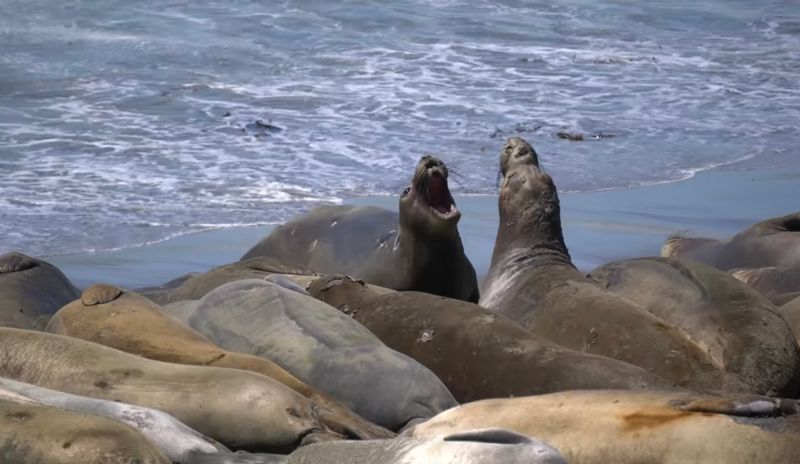
Marin County’s Point Reyes peninsula juts into the Pacific, creating diverse habitats where elephant seals established multiple colonies.
The Elephant Seal Overlook near Chimney Rock provides the most reliable viewing, positioned on cliffs above beaches where seals haul out to breed, molt, and rest.
South Beach Overlook offers another vantage point, though seals appear more sporadically at this location.
Chimney Rock Trail rewards hikers with more than just seal sightings during the walk to the overlook.
Wildflowers blanket the headlands from March through May, and gray whales migrate past the point from December through April.
The trail spans 1.8 miles round-trip with moderate elevation changes, and strong winds frequently whip across the exposed terrain.
Breeding season from December through March brings the most dramatic scenes as bulls battle and cows nurse pups on the beaches below.
Molting season arrives later, with adults hauling out from April through August to shed their skin in ragged patches.
Juveniles often lounge on the beaches during fall months, building strength before their next deep-ocean feeding expedition.
The Point Reyes Lighthouse sits nearby, adding historical interest to wildlife viewing trips. Parking remains limited at the Chimney Rock trailhead, and rangers close the road when lots fill to capacity.
Weekend mornings during breeding season see the heaviest crowds, making early arrival essential for securing a spot.
5. Channel Islands National Park
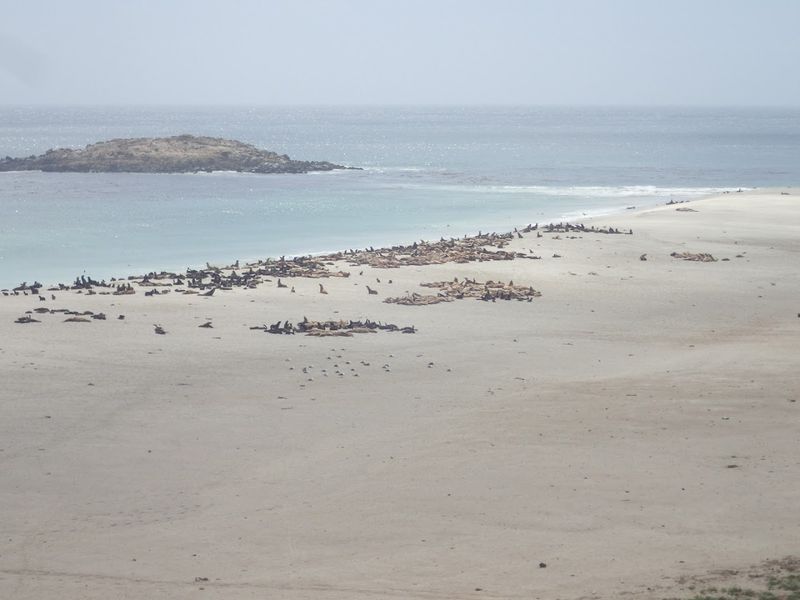
San Miguel Island rises from the Pacific 55 miles off the Ventura coast, hosting one of California’s most significant elephant seal rookeries in a setting few visitors ever reach.
Getting there requires a three-hour boat ride through open ocean, followed by a ranger-led hike across the island to viewing areas.
The remoteness filters out casual tourists, creating intimate wildlife encounters for those willing to make the journey.
Point Bennett on the island’s western tip concentrates marine mammal life like nowhere else in the Northern Hemisphere.
Elephant seals share beaches with California sea lions, harbor seals, and northern fur seals, creating a symphony of barks, roars, and snorts.
During peak seasons, more than 30,000 pinnipeds crowd the coastline, representing five different species in one extraordinary location.
Island Packers operates concessionaire boat service from Ventura Harbor, offering day trips and overnight camping options.
Weather determines whether boats can land safely, and winter swells frequently cancel scheduled departures.
Spring and fall provide the most reliable conditions, though visitors must accept that ocean travel involves inherent unpredictability.
National Park Service rangers guide all hikes to Point Bennett, controlling group sizes to minimize disturbance to wildlife.
The five-mile trek crosses uneven terrain with significant elevation changes, requiring good physical fitness and sturdy footwear.
Fog often shrouds the island, and temperatures remain cool even during summer months, making warm layers essential regardless of season.
6. Best Time Of Year To See Wild Elephant Seals In California
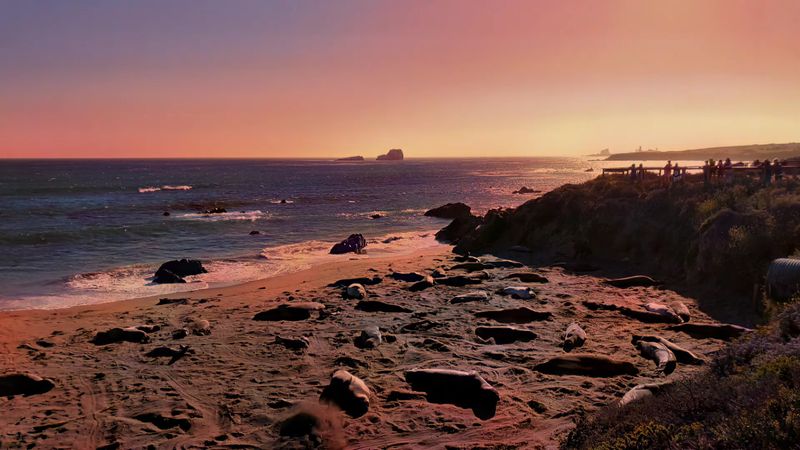
December kicks off the most dramatic period in the elephant seal calendar when massive bulls arrive to establish territories.
Males weighing up to 5,000 pounds clash violently, rearing up and slamming their chests together while roaring through their inflated proboscises.
These battles determine breeding rights, and dominant bulls may mate with dozens of females during a single season.
January and February focus on births and nursing as females deliver pups conceived the previous year.
Newborns weigh about 75 pounds and gain ten pounds daily while nursing on milk containing 55 percent fat. Mothers fast throughout the month-long nursing period, losing up to a third of their body weight.
Pups transition from black coats to silver-gray as they mature, and weaned pups remain on beaches for several weeks before entering the ocean.
Molting season arrives in waves from April through August as different age and sex groups haul out to shed old skin.
Adults look particularly ragged during this process, lying motionless for days while new skin emerges.
Subadults and juveniles molt later in summer, creating opportunities to observe younger seals learning social hierarchies.
Fall months from September through November see reduced beach populations as seals spend more time feeding at sea. Juveniles practice hauling out, and some adults rest between foraging trips.
These quieter periods offer relaxed viewing without breeding season crowds, though seeing large congregations requires visiting during winter or spring peaks.
7. Where To Find Breeding Colonies
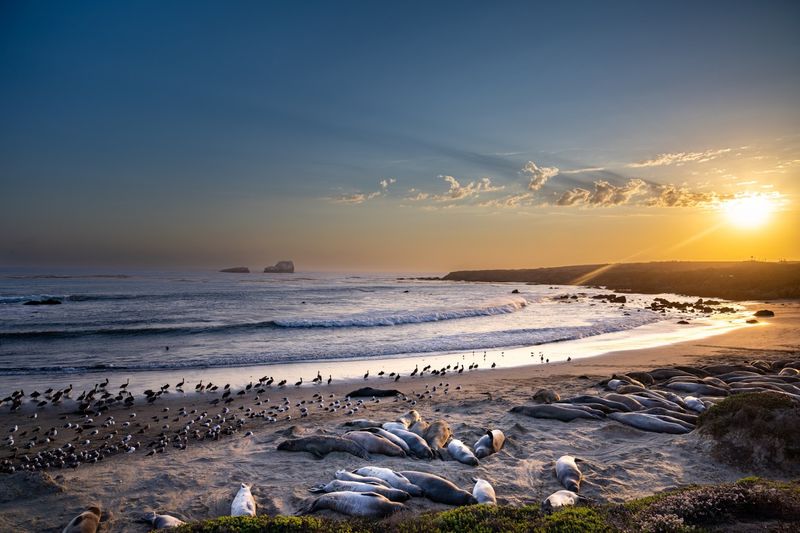
Breeding colonies concentrate in specific locations where geography provides the protection and space these massive animals require.
Año Nuevo State Park hosts one of the largest mainland colonies, with hundreds of seals gathering on beaches and the offshore island.
The protected cove creates calm conditions essential for newborn pups still learning to navigate their environment.
Piedras Blancas near San Simeon developed more recently as a breeding site, with seals establishing the colony only in the 1990s.
The population has exploded to several thousand individuals, making it the most easily observed major rookery in the state.
Eight miles of coastline now host breeding activity, spreading seals across multiple beaches visible from Highway 1 pullouts.
Point Reyes National Seashore supports breeding colonies at several locations within the park, though Chimney Rock provides the most reliable viewing access.
The protected beaches below the cliffs offer shelter from prevailing winds while maintaining enough separation from human activity.
Drakes Beach occasionally hosts breeding seals, though access restrictions increase during sensitive periods.
San Miguel Island represents the most pristine breeding habitat, with minimal human disturbance and abundant space for thousands of seals.
The island’s remote location and difficult access preserve conditions similar to those elephant seals encountered before human development altered California’s coast.
Several beaches around the island host breeding activity, with Point Bennett concentrating the largest numbers.
8. Tips For Viewing Elephant Seals Safely
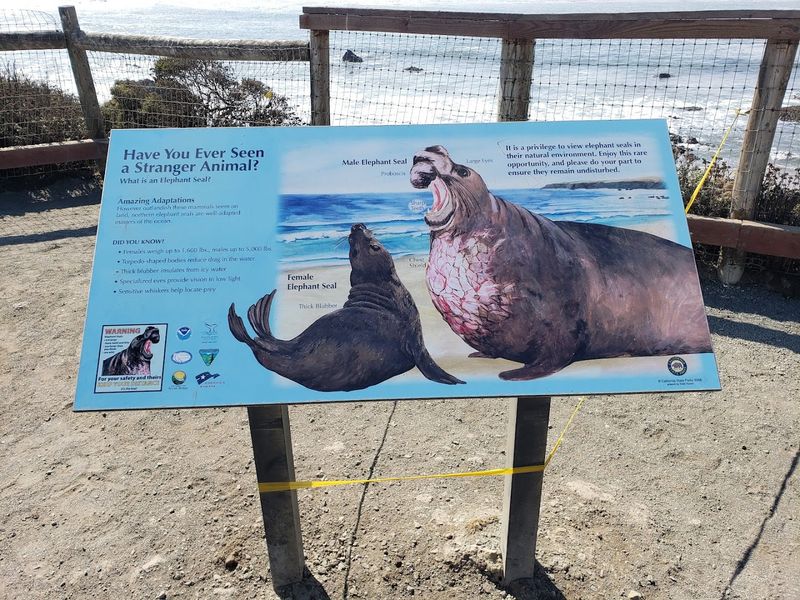
Fifty yards represents the minimum safe distance between humans and elephant seals, a recommendation set by NOAA (though, Año Nuevo Park recommends 25 yards).
These animals move faster than their bulk suggests, and bulls defending territories have charged people who ventured too close.
Telephoto lenses and binoculars bring seals closer without risking safety or disturbing natural behaviors. Staying on designated trails and viewing platforms protects both visitors and habitat.
Trampling damages fragile dune ecosystems that buffer beaches from erosion, and wandering visitors may inadvertently separate mothers from pups.
Rangers and volunteer docents monitor popular viewing areas, providing guidance and enforcing regulations designed to protect wildlife.
Noise levels matter more than many people realize when observing sensitive wildlife.
Loud voices, shouting, and sudden movements can startle seals, potentially triggering stampedes that may cause fleeing, trampling, or pup abandonment.
Speaking quietly and moving deliberately shows respect for the animals while improving viewing opportunities as relaxed seals display more natural behaviors.
Never position yourself between a seal and the ocean, cutting off its escape route. Blocked seals may charge rather than retreat, and their teeth can inflict serious wounds despite their awkward appearance on land.
Dogs must remain leashed or left at home since their presence agitates seals and violates regulations at most viewing locations. Weather appropriate clothing enhances comfort during extended viewing sessions.
Coastal conditions change rapidly, with morning fog giving way to afternoon sun or sudden wind shifts bringing temperature drops.
9. Planning A Coastal Elephant Seal Road Trip
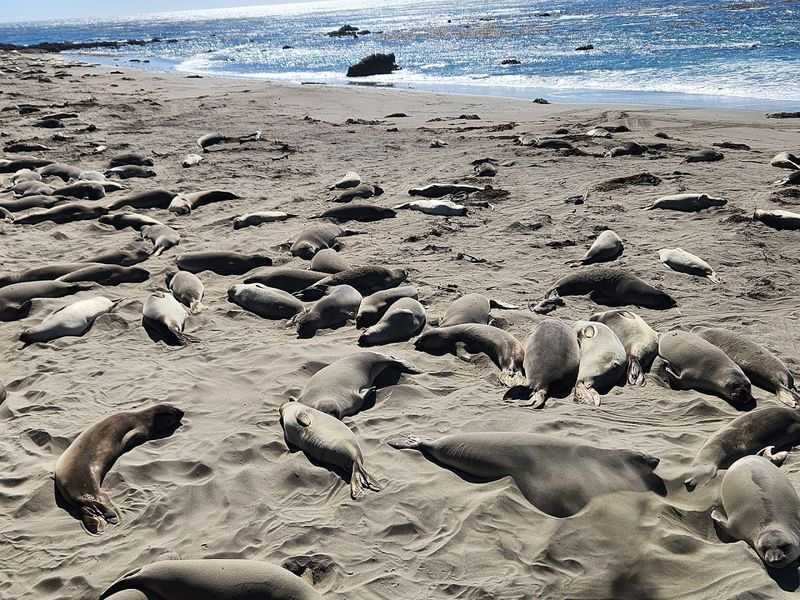
Highway 1 connects major elephant seal viewing sites along a route showcasing California’s most dramatic coastal scenery.
Starting in the San Francisco Bay Area, drivers can visit Point Reyes National Seashore before continuing south through Año Nuevo State Park and eventually reaching Piedras Blancas near San Simeon.
The full route spans roughly 250 miles and requires multiple days to experience properly without exhausting rushing.
Lodging options range from campgrounds within state parks to hotels in nearby towns like Half Moon Bay, Santa Cruz, and Cambria.
Booking accommodations well ahead becomes essential during peak viewing season from December through March when rooms fill quickly.
Some visitors prefer staying in a central location and making day trips rather than moving hotels every night.
Timing visits to coincide with low tide improves viewing at some locations where seals haul out on beaches exposed by receding water. Tide charts available online or at visitor centers help plan optimal viewing windows.
Morning light often provides better photography conditions before harsh midday sun creates unwanted shadows and glare.
Food and fuel require advance planning along remote coastal stretches where services appear infrequently. Packing snacks and water prevents hunger-driven detours that eat into viewing time.
Cell phone coverage drops in and out along much of Highway 1, making downloaded maps and printed directions valuable backups. Combining elephant seal viewing with other coastal attractions maximizes trip value.