21 Best Places To Visit In California In March
March hits California like a switch flipping on. One week the landscape feels quiet. The next, it’s bursting with color, movement, and light.
Hillsides glow with wildflowers, waterfalls roar back to life on granite cliffs, and coastal air carries that first hint of spring warmth. It’s the season when the entire state feels awake again.
You can wander through blazing poppy fields in the morning, stand beneath snow-capped peaks by midday, and end the day watching the sun sink into the Pacific. Few places offer that kind of contrast in a single stretch of road, and even fewer deliver it with weather this comfortable.
California in March feels cinematic without even trying. The crowds haven’t fully arrived.
The summer heat hasn’t taken hold. What you get instead is that sweet spot where everything is blooming, flowing, and quietly showing off.
Trails feel fresher. Scenic drives feel greener. Even familiar destinations carry a different kind of energy, like you’re seeing them at the exact right moment.
If there’s a time when the Golden State feels most alive, most colorful, and most rewarding to explore, March makes a very strong case.
1. Antelope Valley California Poppy Reserve
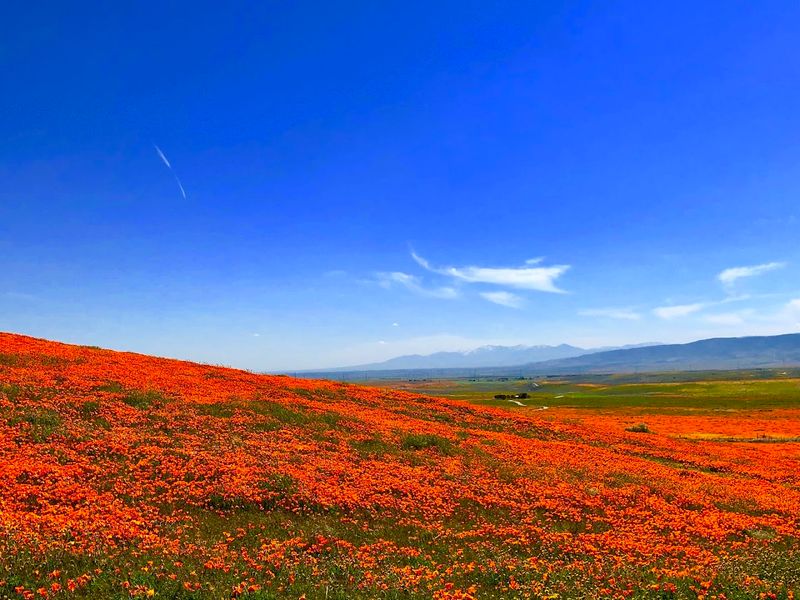
Hillsides explode with brilliant orange as California poppies blanket the landscape in one of nature’s most stunning displays. Peak bloom typically arrives mid-March through April, transforming the reserve into a photographer’s paradise.
Eight miles of trails wind through the 1,781-acre reserve, offering close encounters with wildflowers without disturbing their delicate roots. Mornings bring the most vibrant colors before afternoon winds cause petals to fold inward.
Weekday visits provide a quieter experience since weekends can draw significant crowds during peak bloom years. The visitor center shares insights about the reserve’s ecology and bloom predictions.
Parking fills quickly on sunny March weekends, so arriving before 10 AM ensures easier access. The reserve sits at 3,000 feet elevation, where temperatures remain comfortable for walking even as spring progresses.
2. Anza-Borrego Desert State Park
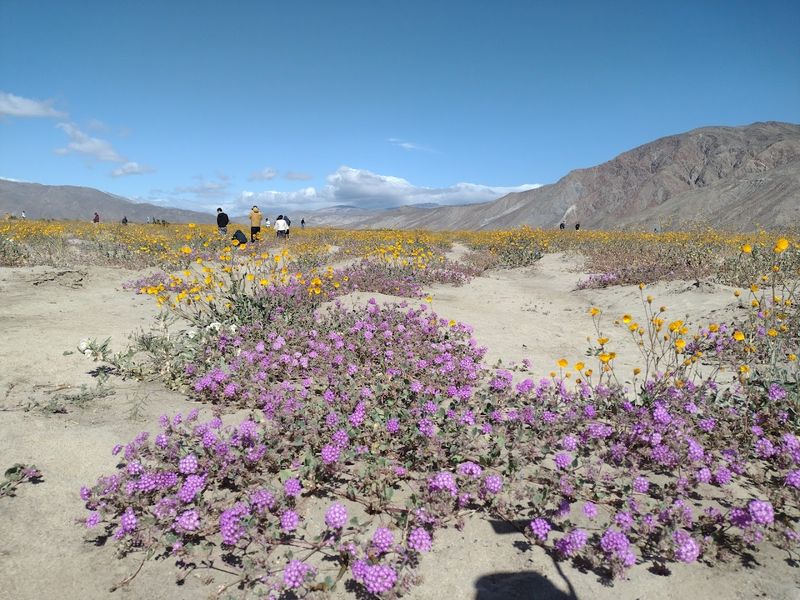
California’s largest state park awakens each March with a wildflower spectacle that varies dramatically from year to year based on winter rainfall. When conditions align, the desert floor becomes a tapestry of purple verbena, yellow brittlebush, and delicate desert lilies.
Over 600,000 acres of protected wilderness offer countless hiking options, from easy nature trails to challenging backcountry routes. The park’s vastness means visitors can find solitude even during popular bloom periods.
Borrego Springs serves as the main base for exploring, with the visitor center providing current bloom reports and trail recommendations. Desert nights remain cool in March, making camping particularly pleasant under star-filled skies.
Daytime temperatures hover in the comfortable 70s and 80s, perfect for exploration before summer heat arrives. Early morning light creates magical photography conditions as it illuminates flowering cacti and ocotillo.
3. Yosemite National Park
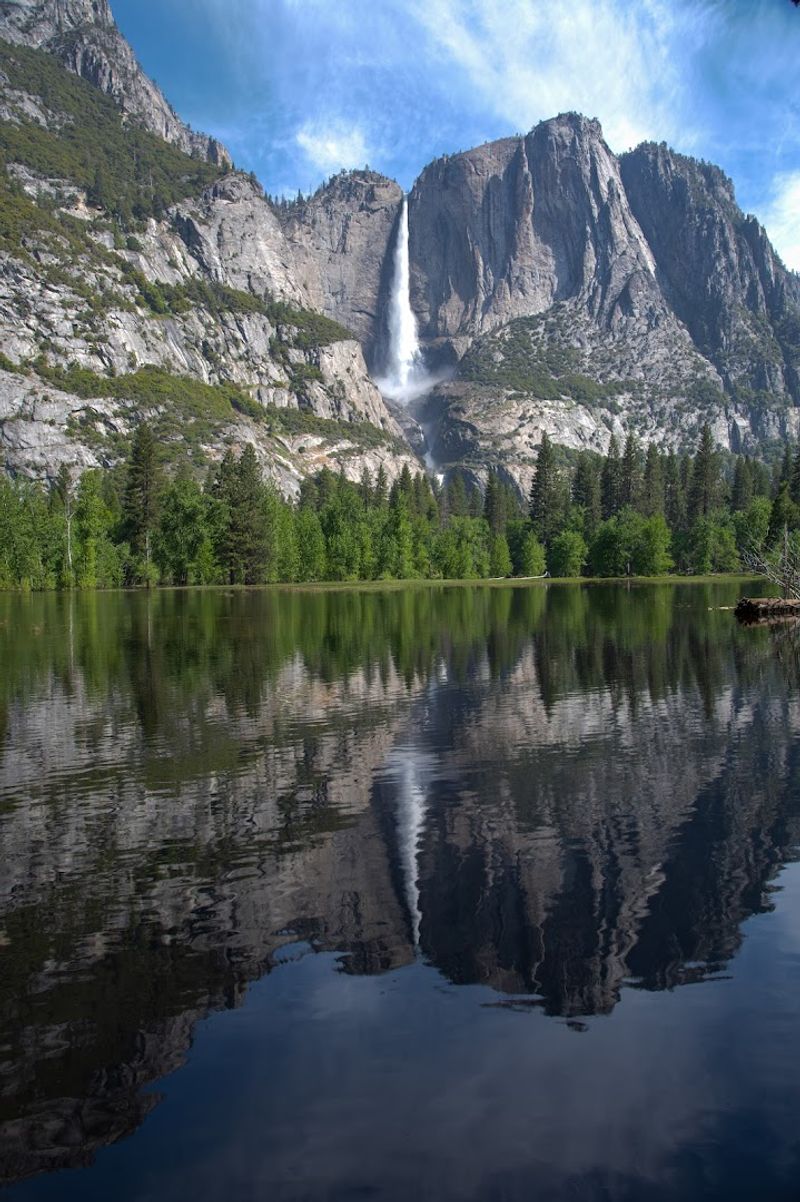
Waterfalls thunder with snowmelt power during March, creating some of the year’s most dramatic displays throughout the valley. Yosemite Falls, Bridalveil Fall, and countless seasonal cascades reach their impressive peak flow as winter snow begins melting.
Crowds remain manageable compared to summer months, allowing more peaceful experiences at iconic viewpoints like Tunnel View and Glacier Point. Some higher elevation roads may still be closed, but the valley floor offers plenty of accessible beauty.
March weather brings unpredictable conditions, from sunny days perfect for hiking to sudden snowstorms that dust the valley in fresh white. Layered clothing and flexible plans help visitors adapt to changing conditions.
Wildlife becomes more active as spring approaches, with black bears emerging from winter dens and deer grazing in meadows. The park’s granite walls appear especially striking when backlit by afternoon sun against lingering snow patches.
4. Joshua Tree National Park
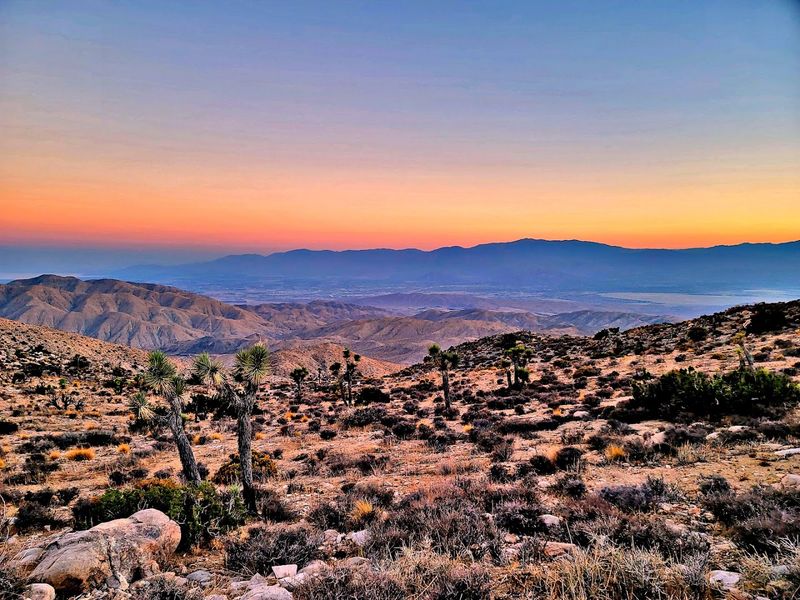
March delivers ideal conditions for exploring this desert wonderland, with daytime temperatures in the 70s making hiking comfortable across varied terrain. The park’s namesake Joshua trees may begin blooming late in the month, adding creamy white flowers to their spiky silhouettes.
Two distinct desert ecosystems meet here, creating unusual biodiversity where the higher Mojave Desert transitions into the lower Colorado Desert. This convergence produces fascinating plant combinations rarely seen elsewhere.
Rock formations throughout the park attract climbers from around the world, while casual visitors enjoy scrambling on boulders and discovering hidden valleys. Sunset paints the rocks in warm tones that seem to glow from within.
Night skies offer spectacular stargazing opportunities, with minimal light pollution revealing the Milky Way in stunning clarity. Morning visits often provide the best wildlife viewing as desert creatures emerge during cooler hours.
5. Channel Islands National Park
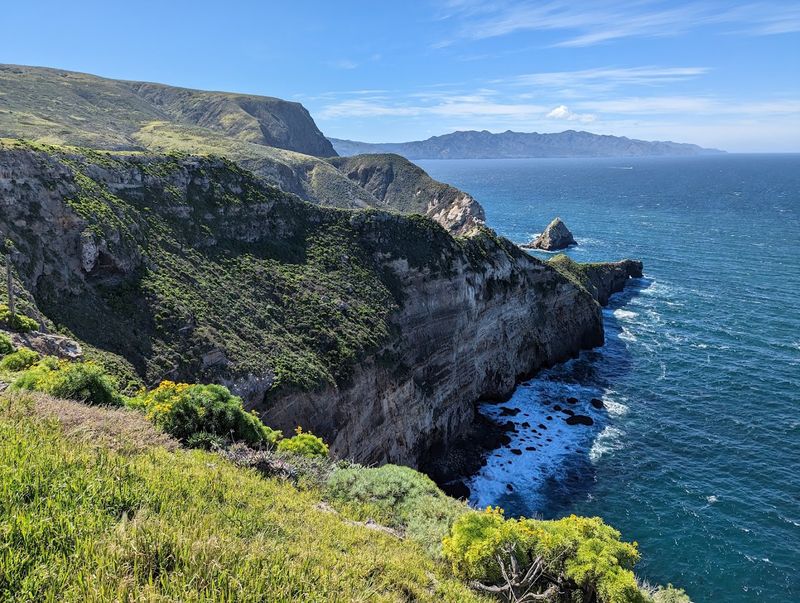
Five islands off the Southern California coast create an isolated ecosystem often called the Galapagos of North America. March brings comfortable temperatures for exploring these windswept landscapes, with wildflowers beginning to color the coastal bluffs.
Island foxes, found nowhere else on Earth, roam freely across several islands and show little fear of human visitors. Marine life thrives in surrounding waters, where seals, sea lions, and migrating gray whales may be spotted.
Reaching the islands requires a boat or plane trip, with concessionaires operating from Ventura and Oxnard harbors. The journey itself often reveals dolphins and seabirds following vessels across the channel.
Anacapa Island offers the easiest day trip option, with a short boat ride leading to dramatic cliff views and a historic lighthouse. Santa Cruz Island provides more extensive hiking opportunities for those seeking longer adventures.
6. Lassen Volcanic National Park
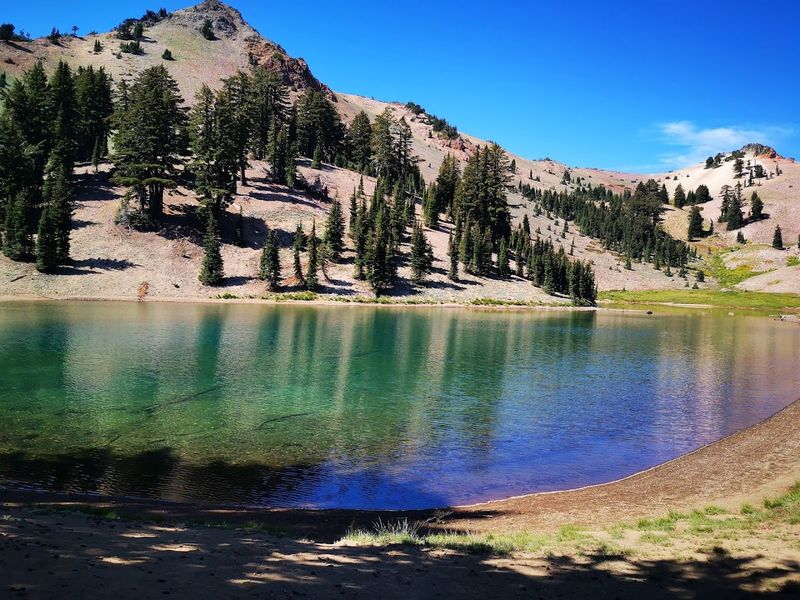
Active volcanic features bubble and steam throughout this geologically dynamic park, where visitors can witness Earth’s powerful forces firsthand. March typically finds the park still deep in snow, with Highway 89 remaining closed through higher elevations.
The southwest entrance area stays accessible year-round, providing winter and early spring access to features like Sulphur Works and nearby trails. Snowshoeing and cross-country skiing offer peaceful ways to explore the winter landscape.
Lassen Peak, the world’s largest plug dome volcano, dominates the skyline at 10,457 feet elevation. The mountain’s last major eruption occurred between 1914 and 1917, leaving behind fascinating volcanic evidence.
Hydrothermal areas create striking contrasts where hot springs and fumaroles melt surrounding snow, producing otherworldly scenes. March visitors should prepare for true winter conditions, with tire chains often required and temperatures remaining below freezing.
7. Pinnacles National Park
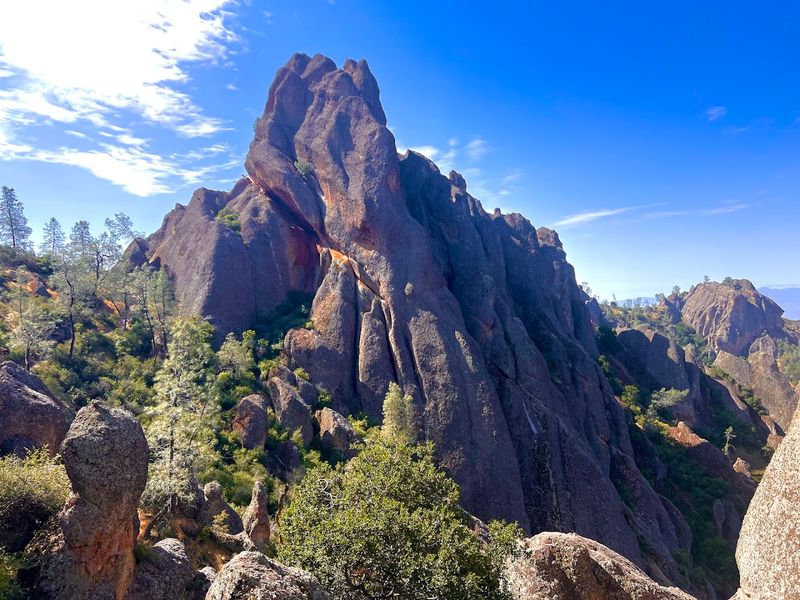
Towering rock spires created by ancient volcanic activity provide a dramatic backdrop for March wildflower displays. The park’s unique geology supports diverse plant life that begins blooming early in spring, painting hillsides with color.
Two separate entrances on east and west sides are not connected by road through the park, requiring visitors to choose their approach carefully. The east side offers easier access to popular formations like the High Peaks.
Talus caves formed by fallen boulders create exciting exploration opportunities, though some may be closed seasonally to protect roosting bats. California condors soar overhead, part of a successful reintroduction program.
March temperatures make hiking pleasant before summer heat arrives, with trails ranging from easy walks to challenging scrambles. Rock climbers appreciate the park’s unique volcanic formations, which provide hundreds of established routes across varied difficulty levels.
8. Mount Shasta
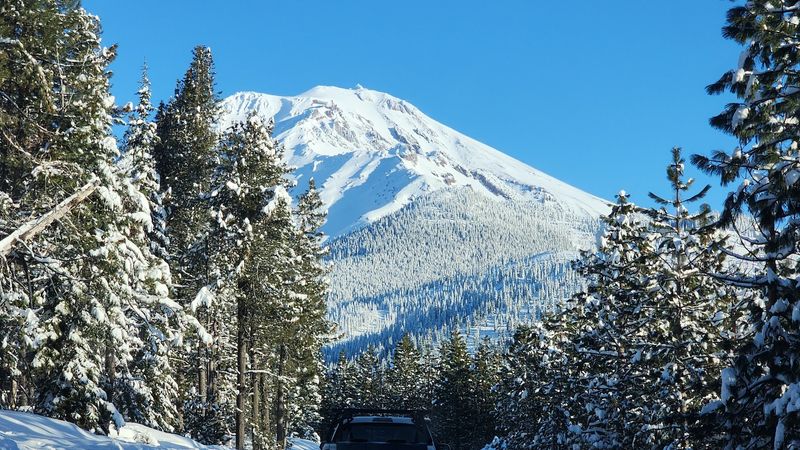
A massive stratovolcano rises 14,179 feet above Northern California, dominating the landscape for miles in every direction. March finds the mountain still deeply covered in snow, creating postcard-perfect views from surrounding communities.
The town of Mount Shasta sits at the mountain’s base, offering numerous viewpoints and access to winter recreation areas. Bunny Flat provides a popular starting point for snowshoers and backcountry skiers exploring lower slopes.
Five glaciers cling to the mountain’s upper reaches, remnants of the last ice age that continue shaping the peak. Clear March days offer spectacular visibility, with the mountain’s white summit contrasting sharply against blue skies.
Spiritual seekers have long been drawn to Mount Shasta, attributing mystical properties to the volcanic peak. More practical visitors appreciate the excellent skiing at nearby Mt. Shasta Ski Park, which typically operates through March.
9. Shasta Lake
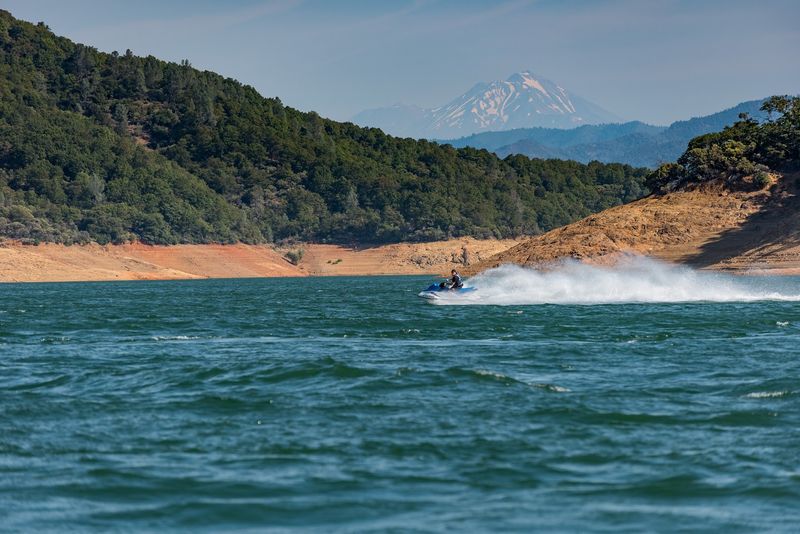
California’s largest reservoir stretches across 30,000 acres when full, creating a water recreation paradise surrounded by forested mountains. March sees the lake filling with snowmelt, raising water levels after winter drawdowns.
Houseboating season begins picking up as weather improves, though March temperatures remain cool enough that many visitors wait for warmer months. The lake’s 370 miles of shoreline create countless coves and inlets to explore.
Shasta Dam, one of the tallest dams in the United States, holds back the lake’s waters and offers tours showcasing Depression-era engineering. The dam’s visitor center provides historical context and impressive views.
Four major rivers feed the lake, creating varied fishing opportunities for species including bass, trout, and catfish. March weather can be unpredictable, with sunny days alternating with rain, so flexibility helps when planning water activities.
10. Burney Falls
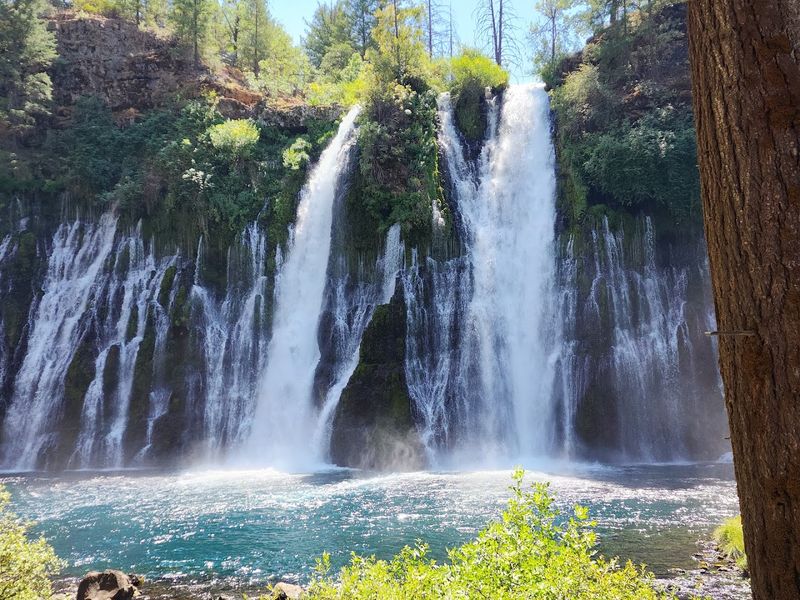
Water cascades 129 feet over a moss-covered cliff in a display that never fails to impress visitors. Underground springs contribute 100 million gallons daily, ensuring the falls flow year-round with remarkable consistency.
Theodore Roosevelt called Burney Falls the eighth wonder of the world, and March visitors understand why as snowmelt increases the already impressive flow. Mist from the falls creates a microclimate supporting lush vegetation rarely seen in this volcanic region.
A short quarter-mile trail leads from the parking area to the falls overlook, making this natural wonder accessible to visitors of all abilities. A longer loop trail descends to the base, offering different perspectives and closer encounters with the thundering water.
The falls sit within McArthur-Burney Falls Memorial State Park, which offers camping and additional hiking opportunities. March temperatures remain cool, making the short hike comfortable while the falls perform at peak power.
11. Lake Havasu Shoreline At Parker Dam Area
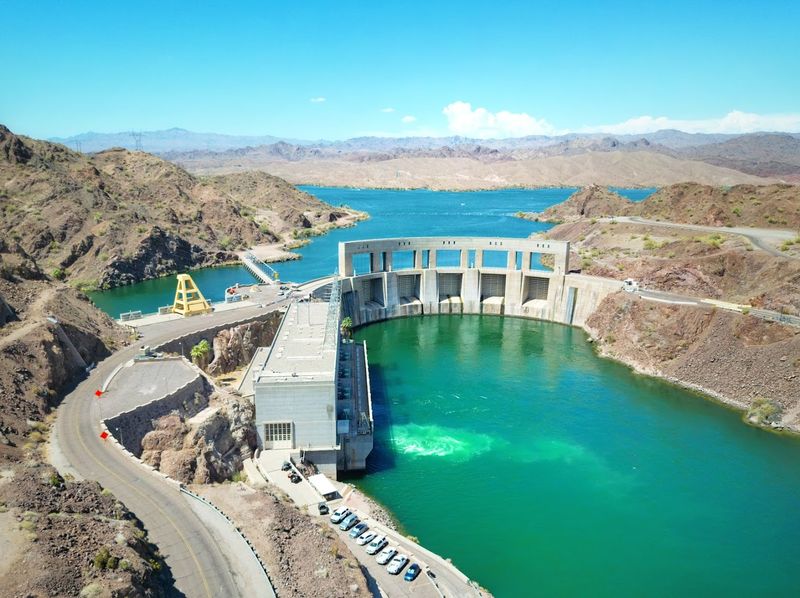
The Colorado River widens into a long reservoir behind Parker Dam, creating a desert oasis along California’s eastern border. March brings pleasant temperatures perfect for shoreline exploration before summer heat makes the desert challenging.
Parker Dam holds back Lake Havasu’s waters, with much of the lake extending into Arizona while the western shore remains in California. The California side offers quieter beaches and less development than the Arizona side.
Water temperatures remain cool in March, but sunshine warms the air to comfortable levels for hiking along shoreline trails. The surrounding desert landscape begins showing signs of spring, with wildflowers emerging after winter rains.
Boating activity picks up as the month progresses, though March sees fewer watercraft than peak summer months. The area’s remote location means darker night skies perfect for stargazing after sunset paints the desert in warm tones.
12. Santa Cruz
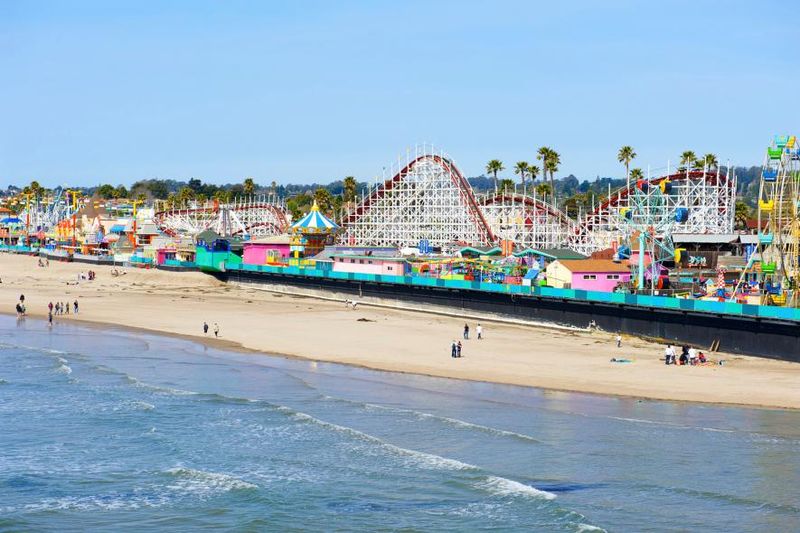
A classic California beach town combines natural beauty with vintage amusement park charm along Monterey Bay. The Beach Boardwalk offers nostalgic rides including the historic Giant Dipper wooden roller coaster.
March weather tends toward mild and partly cloudy, with temperatures in the 60s making beach walks pleasant even if swimming remains cold. The boardwalk operates on weekends during March, with full daily operations beginning later in spring.
Natural Bridges State Beach showcases a remaining rock arch and serves as an important monarch butterfly wintering site, though most butterflies depart by March. Tide pools along the coast reveal marine life during low tides.
Downtown Santa Cruz offers eclectic shopping and dining, with a laid-back vibe reflecting the town’s surf culture roots. The Santa Cruz Wharf extends into the bay, providing fishing opportunities and seafood restaurants with ocean views.
13. Capitola
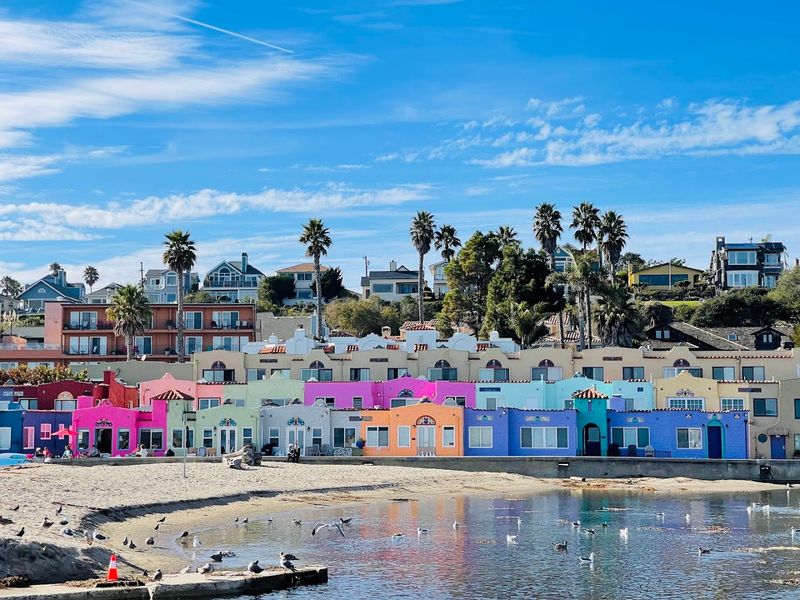
Brightly painted houses line the beach in this charming village, creating a Mediterranean atmosphere unique along the California coast. Capitola Village centers around a small beach protected by surrounding cliffs, where Soquel Creek meets the ocean.
March brings quieter streets compared to summer crowds, allowing visitors to explore boutique shops and waterfront restaurants at a relaxed pace. The Capitola Wharf extends into Monterey Bay, popular with fishermen and sunset watchers.
Esplanade Park follows the coastline, offering benches perfect for watching waves and enjoying the village’s colorful architecture. The compact village layout makes walking the preferred transportation method.
Rispin Mansion, a historic landmark, adds architectural interest on the cliffs above the village. March weather may bring occasional rain, but breaks between storms offer beautiful light for photography and pleasant temperatures for coastal exploration.
14. Paso Robles
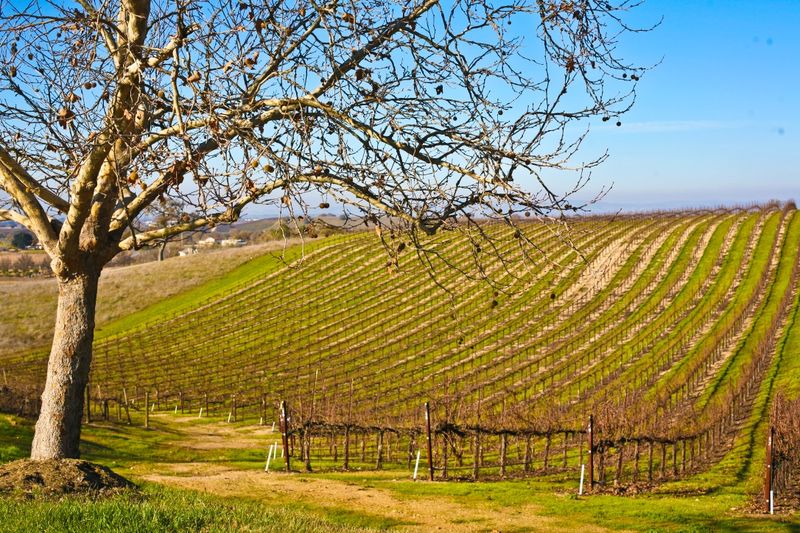
Rolling hills covered in vineyards create a pastoral landscape in California’s Central Coast wine region. March marks the beginning of spring growth in the vines, with mustard flowers often blooming yellow between rows.
Over 200 wineries dot the region, ranging from small family operations to larger estates with impressive tasting rooms. The area gained fame for Zinfandel and Rhone varietals, though diverse microclimates support many grape types.
Downtown Paso Robles centers around a historic park square, lined with tasting rooms, restaurants, and shops in preserved buildings. The town maintains a welcoming, unpretentious atmosphere despite growing wine tourism.
March temperatures remain moderate, making this an ideal time for touring wine country before summer heat arrives. Many wineries offer outdoor tasting areas where visitors can enjoy wines while taking in vineyard views and fresh spring air.
15. Julian
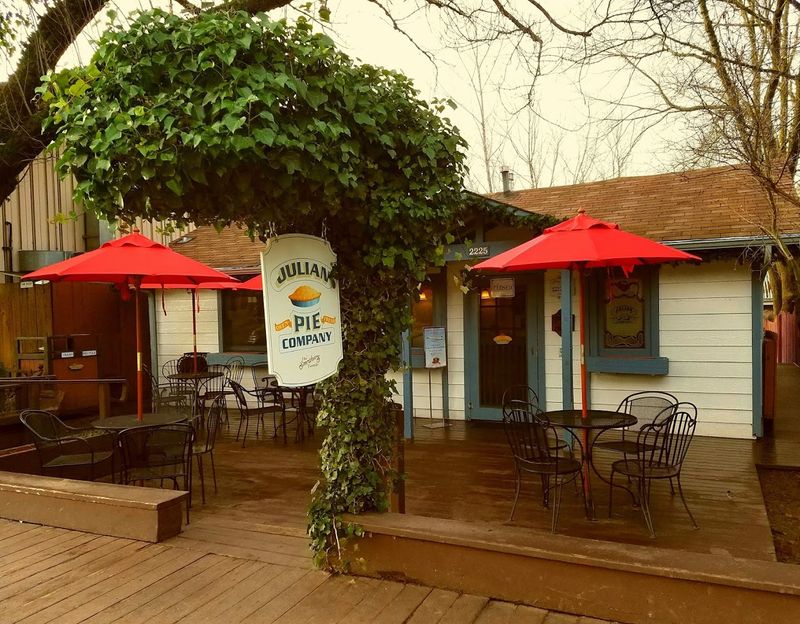
A historic gold rush town sits at 4,200 feet elevation in the mountains east of San Diego, where apple orchards replace the desert landscape. Julian’s main street preserves 19th-century character with wooden sidewalks and vintage storefronts.
Apple pie made this town famous, with several bakeries competing for the title of best pie in Julian. March falls outside peak apple season, but the pies continue year-round using stored fruit.
Surrounding mountains offer hiking opportunities through oak woodlands and pine forests, with wildflowers beginning to emerge in lower elevations. The town’s elevation means cooler temperatures than nearby desert areas, occasionally bringing March snow.
Historic gold mines offer tours revealing the area’s mining heritage, while antique shops and local artisans provide browsing opportunities. Weekends bring day-trippers from San Diego, but weekday visits offer quieter exploration of this mountain community.
16. Idyllwild
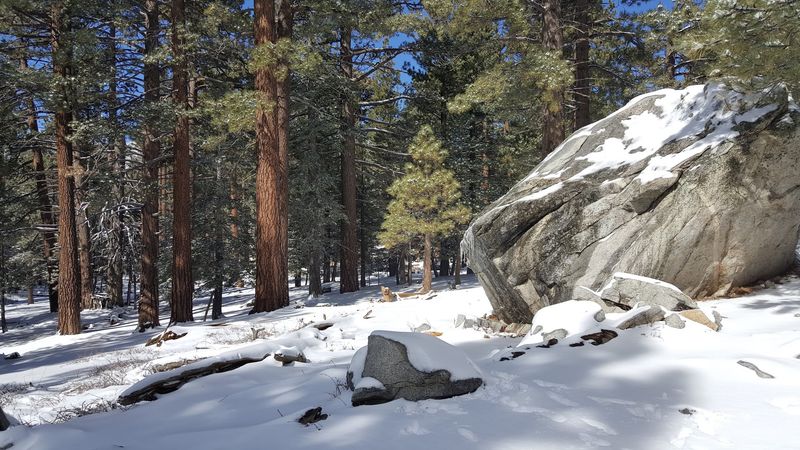
Pine-scented air and artistic character define this mountain community nestled at 5,400 feet in the San Jacinto Mountains. March weather brings a mix of winter and spring conditions, with possible snow alternating with sunny days.
The village center offers galleries, cafes, and shops with a bohemian mountain town vibe that attracts artists and outdoor enthusiasts. Hiking trails radiate from town into surrounding wilderness, including paths leading toward 10,834-foot San Jacinto Peak.
Idyllwild Nature Center provides environmental education and easy walking trails suitable for families. The center’s grounds showcase native plants and offer opportunities for spotting local wildlife.
March visitors should prepare for variable mountain weather, with temperatures ranging from below freezing to pleasant 60s depending on conditions. The town’s elevation creates a refreshing escape from desert heat while remaining accessible from Palm Springs area.
17. Mount Laguna
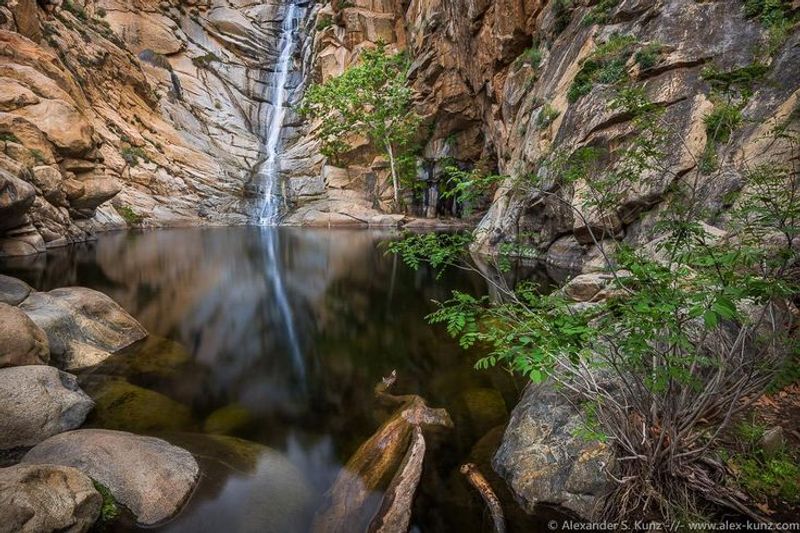
High mountain meadows at 6,000 feet elevation offer a surprising alpine environment just an hour from San Diego. March finds this area transitioning between winter and spring, with snow possible early in the month giving way to emerging wildflowers.
Cleveland National Forest surrounds Mount Laguna, providing extensive hiking and camping opportunities through pine and oak woodlands. The Pacific Crest Trail passes through the area, allowing day hikers to experience a section of this famous long-distance route.
Laguna Mountain Lodge serves as a base for exploring the area, with a small store and restaurant. The community remains small and primarily residential, with recreation being the main draw.
Desert View Trail offers spectacular overlooks eastward toward the Anza-Borrego Desert thousands of feet below, creating dramatic elevation contrasts. Spring weather brings unpredictable conditions, so visitors should prepare for both cold and mild temperatures.
18. Lake Arrowhead
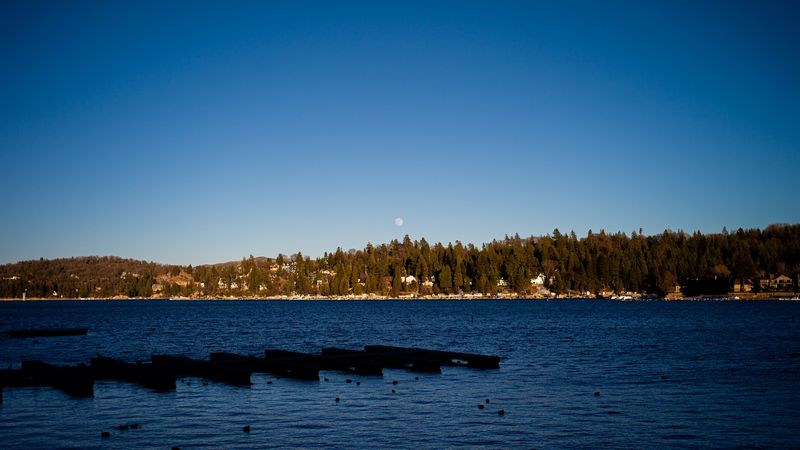
A private lake sits at 5,106 feet elevation in the San Bernardino Mountains, surrounded by pine forest and mountain homes. The village of Lake Arrowhead offers shopping and dining with an alpine resort atmosphere.
March weather brings a mix of late winter and early spring conditions, with snow possible but increasingly rare as the month progresses. The lake itself remains private, with access limited to property owners, but the surrounding area offers public recreation.
Lake Arrowhead Village features shops, restaurants, and a small beach area where visitors can enjoy lakeside atmosphere. The village’s architecture evokes a European alpine setting, enhanced by the mountain backdrop.
Nearby hiking trails provide access to forest views and seasonal waterfalls when snowmelt increases creek flows. The Rim of the World Scenic Byway passes through the area, offering dramatic views during the mountain drive.
19. Temecula Wine Country
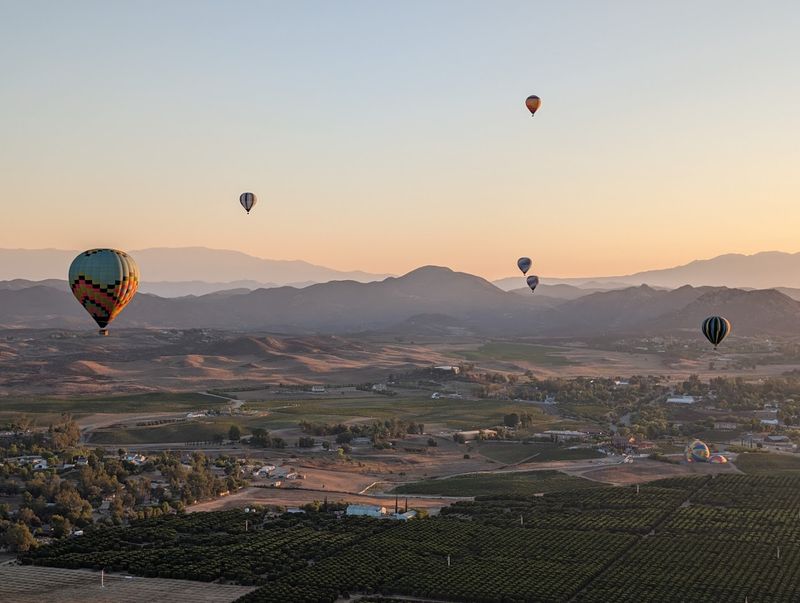
Southern California’s premier wine region spreads across rolling hills between San Diego and Los Angeles. March brings spring growth to the vineyards, with mustard and wildflowers adding color between vine rows.
Over 40 wineries welcome visitors for tastings, many featuring Mediterranean-style architecture and expansive views across the valley. The region specializes in Italian and Spanish varietals that thrive in the warm climate.
Hot air balloons drift over the valley during calm morning hours, offering a unique perspective on wine country from above. Many wineries open their grounds for picnicking, allowing visitors to enjoy purchased wines alongside vineyard views.
Old Town Temecula preserves the area’s western heritage with antique shops, restaurants, and weekend entertainment. March temperatures remain comfortable for wine touring, typically reaching the 70s during afternoon hours without summer’s intense heat.
20. Sutter Buttes
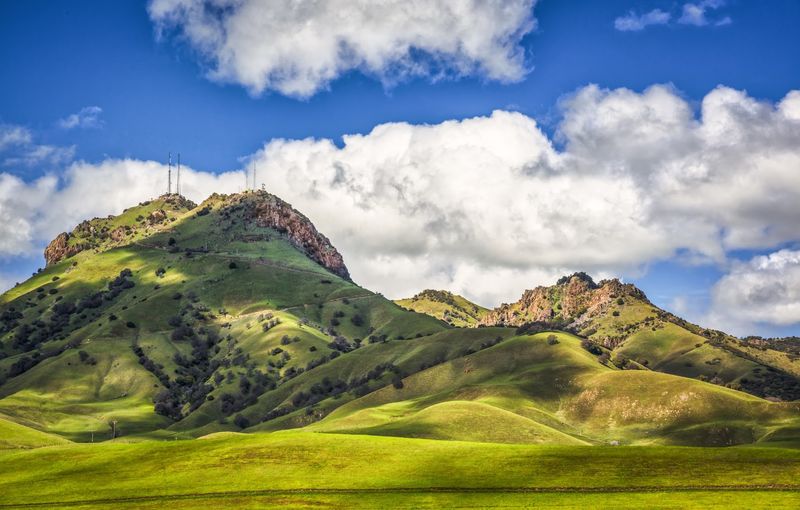
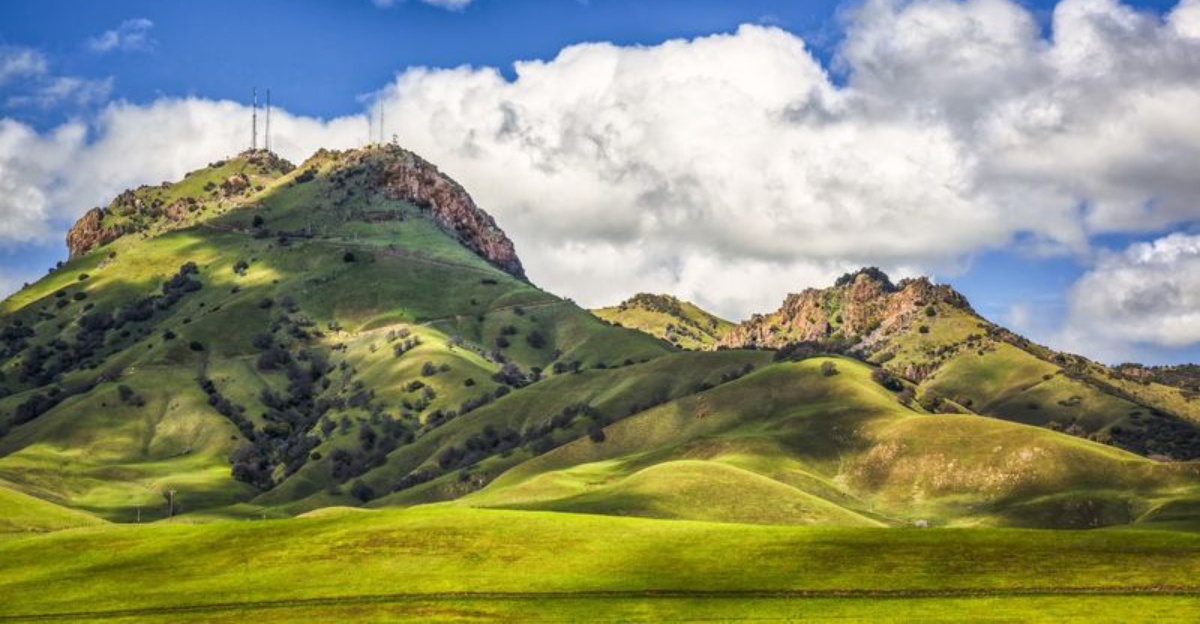
The world’s smallest mountain range rises abruptly from the flat Sacramento Valley floor, creating a dramatic geological anomaly. These volcanic peaks reach 2,000 feet above surrounding farmland, formed by eruptions 1.6 million years ago.
Private property covers most of the Sutter Buttes, with public access available only through guided tours led by Middle Mountain Foundation. March tours offer opportunities to explore this unique landscape when wildflowers begin blooming.
The buttes create their own microclimate, capturing moisture that supports vegetation distinct from the surrounding valley. Oak woodlands and grasslands cloak the slopes, providing habitat for diverse wildlife.
Native American tribes considered the buttes sacred, calling them Histum Yani or Middle Mountains of the World. The peaks remain visible for miles across the flat valley, serving as a landmark for travelers.
21. Mono Lake
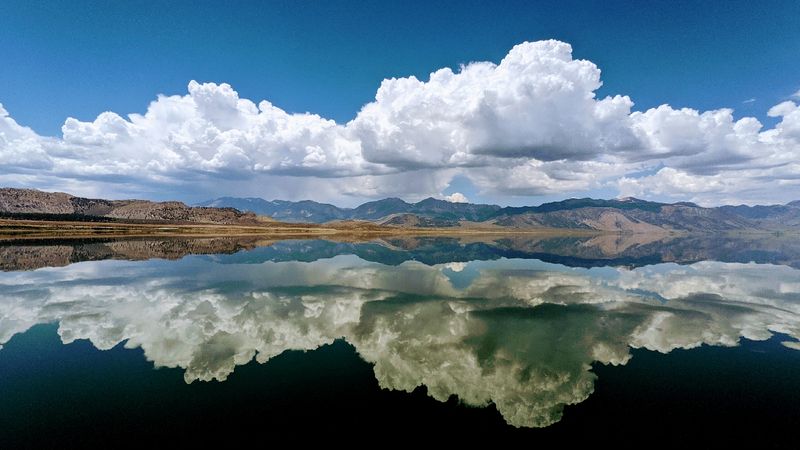
Bizarre limestone towers rise from the surface of an ancient alkaline lake, creating an otherworldly landscape at 6,400 feet elevation. These tufa formations developed underwater over centuries, exposed when water levels dropped due to Los Angeles water diversions.
Mono Lake sits in the Eastern Sierra, with snow-capped peaks providing a dramatic backdrop to the alien-looking tufa spires. March finds the area transitioning from winter to spring, with variable weather and spectacular light conditions.
The lake’s high salinity and alkalinity support unique brine shrimp and alkali fly populations, which in turn feed millions of migratory birds. The South Tufa area offers the most accessible viewing of the formations via a short boardwalk trail.
Mono Basin Scenic Area Visitor Center provides context about the lake’s ecology and conservation history. March visitors should prepare for wind, which frequently sweeps across the exposed lake basin.