This Abandoned Oklahoma Town Makes Even Locals Nervous
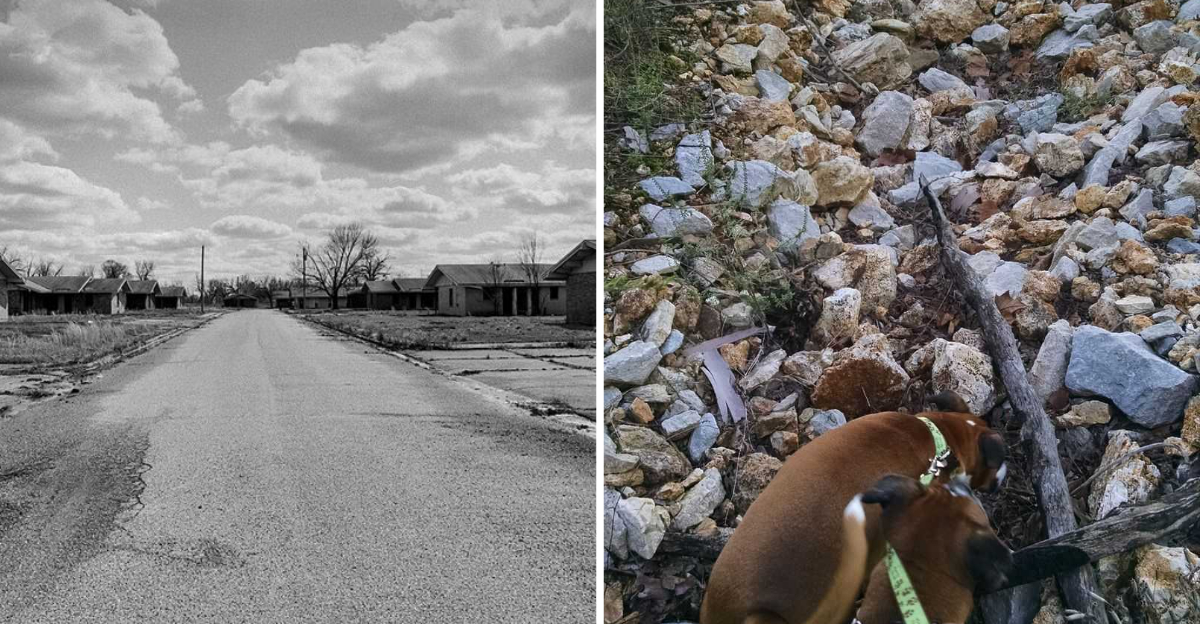
I did not expect Picher to feel so immediate, as if the town had not finished leaving yet. The road narrowed, the wind picked up, and the landscape seemed to hold its breath the closer I got.
Standing near the remnants of Picher, Oklahoma, I realized how different this place felt from ghost towns built for postcards.
The buildings leaned inward, worn down by weather and time, but still stubbornly present. I could hear the grass moving, the boards creaking, and my own footsteps sounding louder than they should.
There is a feeling here that you are interrupting something rather than discovering it. History does not sit neatly on plaques or paths, but lingers in broken foundations and half standing walls.
Every direction looks the same until it suddenly does not. The silence feels layered, carrying stories that were never resolved.
It is the kind of place that reminds you how quickly communities can vanish.
If you decide to visit Picher, bring respect, caution, and company, and remember that some ghost towns ask to be observed carefully rather than explored freely.
1. The Boomtown That Rose Overnight
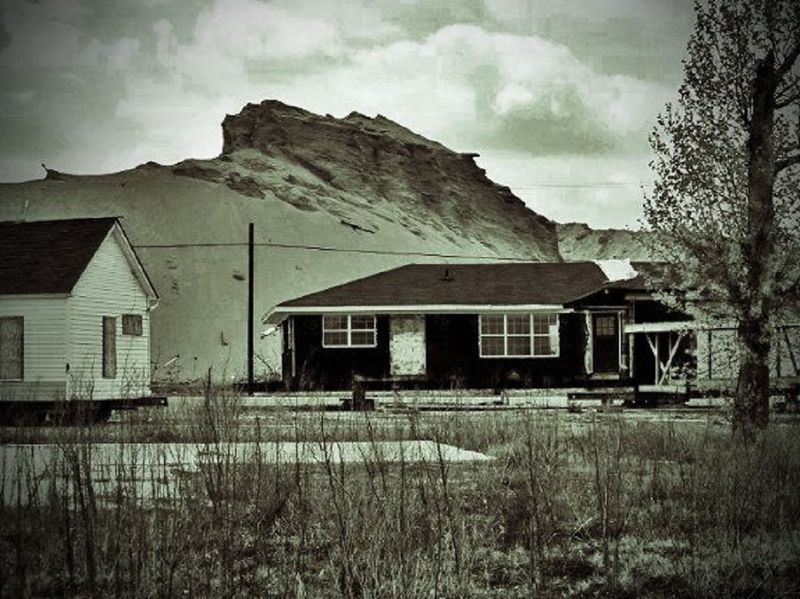
Picher, Oklahoma began with a rush. Lead and zinc lay beneath the prairie like buried treasure, and prospectors descended with drills, maps, and big plans. Within a few years after 1913, streets appeared, schools opened, bars clattered with voices, and the boomtown swagger set in.
You can picture the noise. Railcars squealed. Smelters breathed heat.
By the 1920s almost 20,000 people called this place home, and it supplied metals that armed two world wars. The town believed the good times would last, because the ground paid out every day.
But the ground was being carved hollow. Mines tunneled under homes, streets, and shops, pushing deeper for ore while leaving weakened room and pillar skeletons. No one wanted to imagine what would happen when those pillars failed and the earth sighed.
Standing there now, it is hard to match the silence to the old numbers. Churches are shells. The grid of roads still frames the town, but the energy has leaked away.
You walk and feel a hum that is not sound, just memory pressing against your skin.
The story is not only about profit and progress. It is about what happens when a boom writes checks that a body and a landscape cannot cash. Picher rose fast, too fast, and the bill came due across generations.
Still, the pride lingers in the dust. People met spouses here. They learned trades, coached ball teams, and bought houses that felt like forever. The collapsed chapters are real, but so were the bright ones.
That contrast makes you nervous. If a place can glow this hot then flicker out, what is safe? The boom built a legend, and legends always cost something dear.
2. Toxic Mountains Called Chat
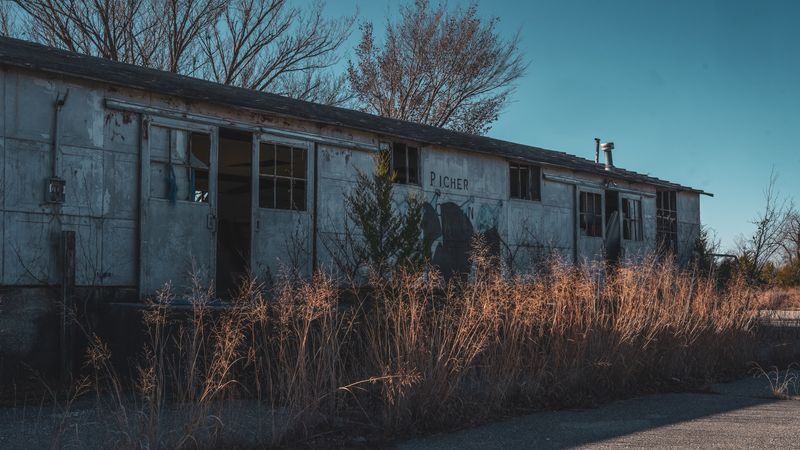
Those pale hills are not dunes. They are chat piles, crushed rock left from processing lead and zinc ore. Kids once sledded down them, and trucks used the gravel for driveways and playgrounds without thinking twice.
Then the tests came back. Lead dust in the soil, in the air, in the kitchen, on the swing set. The Environmental Protection Agency stepped in during 1981 and pinned the label no town wants: Superfund site.
That word sticks to your tongue. Chat looks harmless in soft light. But the particles are tiny and persistent. Winds lift them.
Tires grind them. Shoes carry them inside, and the exposure quietly stacks up, especially for children whose bodies absorb more and faster.
Standing at the base of a pile, you feel a weird pull. It is striking, almost beautiful with its chalky waves and sculpted ridges. Then you spot a sign warning you off, and the beauty turns into a dare that you should not take.
The piles remake the skyline. They swallow horizons, turn sunsets into gray smears, and give roads a lunar vibe. You taste dust even when you are not sure there is dust in the air.
People tell stories about growing up here. Summers on the chat. Bikes carving lines down the slopes.
They did not know. Parents did not know. The realization arrived slowly, too slowly, and it hurts to hear.
Now the piles stand as evidence. Not only of mining, but of decisions that valued speed over caution. You leave them behind, but a fine dust follows, and your nerves do not quiet until miles click by.
3. A Town Declared Unlivable
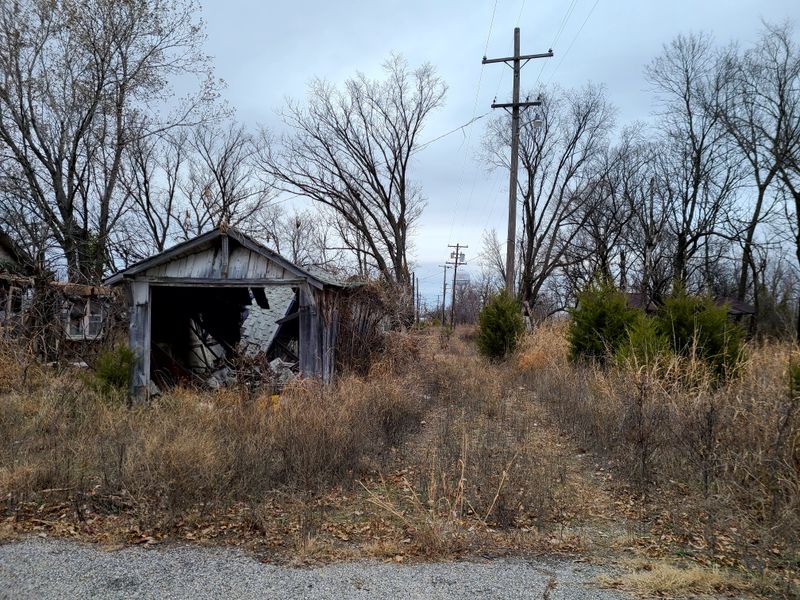
Imagine waking up one day and learning your hometown is not safe to live in. That is what Picher faced as the science stacked up. Lead in soil, lead in dust, and water issues tied to acid mine drainage confronted families who just wanted normal.
The EPA mapped hot spots. Health studies showed kids with elevated blood lead levels, the kind that steals attention, learning, and energy. The numbers were brutal.
Sixty three percent affected, according to reports that still sting to read.
Officials began buyouts. Houses that once held holidays and repair projects turned into bargaining chips and line items. You would stand on a porch and look down a street where every other home had a spray painted X or a notice fluttering on the door.
Relocation is not simple. Jobs, grandparents, memories, and church pews were rooted deep. But the risk kept shouting.
When a place is labeled uninhabitable, your heart fights your head, and the head wins late but firm. Walking there now, the grid survives. Mailboxes lean. Foundations peek from grass. A basketball goal still waits, rim bent, net gone, like a hand raised for a pass that will not come back.
It does not feel like failure. It feels like a forced surrender to chemistry and geology. That is maybe the hardest part: nobody can argue the periodic table into mercy.
An empty town is a loud teacher. It says do not ignore warning signs. It says ask what sits in the soil before you plant your life. And it says this could happen anywhere the ground gives riches too easily.
4. The Mines Beneath Your Feet
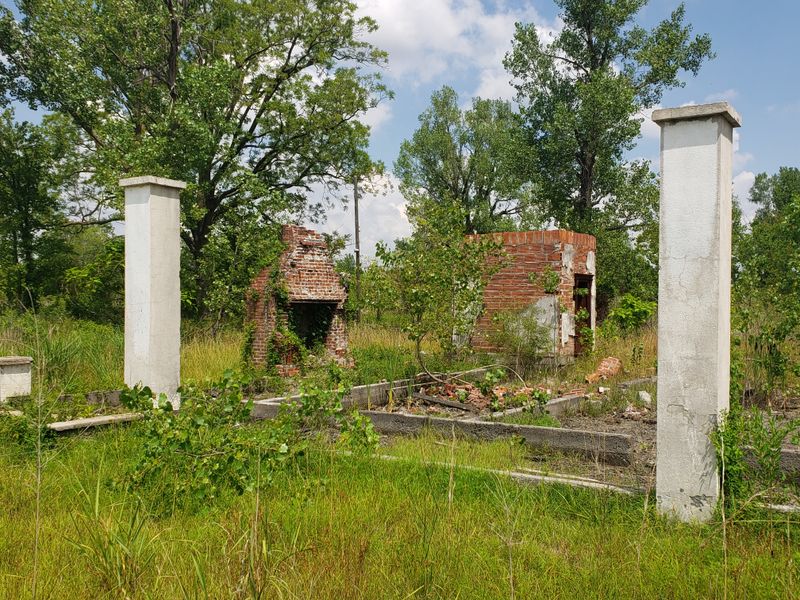
Beneath Picher stretches a honeycomb. Room and pillar mining carved square miles of voids under homes and streets. Pillars of ore were left to hold up the roof, but over decades some thinned, sloughed, and failed.
You feel it when you walk. Earth should feel certain, and here it hints at secrets. Subsidence is not dramatic until it is. One day a yard sags. Another day a road dips. Everyone reads the cracks like weather.
Maps show the old workings in patchwork layers. Some tunnels flooded after pumps shut down, bringing orange tinted acid mine drainage to Tar Creek. That color is a warning, a stream carrying the mine’s afterlife into plain view.
Engineers have long debates about stabilization. Fill the voids? Seal the water? The scale is massive, and budgets shrink when headlines fade. Meanwhile gravity keeps doing what it has always done.
Standing on a corner, you size up the risk. It looks ordinary until you remember the quilt of empty rooms beneath you. A truck rumbles past and the mind imagines weight pushing through thin ground.
The miners back then were not villains. They worked for a wage, followed the ore, and believed in toughness over worry. But the calculus discounted tomorrow, and tomorrow eventually shows up to collect.
Here is the truth that makes you nervous. You cannot see the threat, but it is real. The mine is like a ghost landlord, invisible and decisive, shaping what stays and what must go.
5. The EF-4 Tornado That Ended Denial
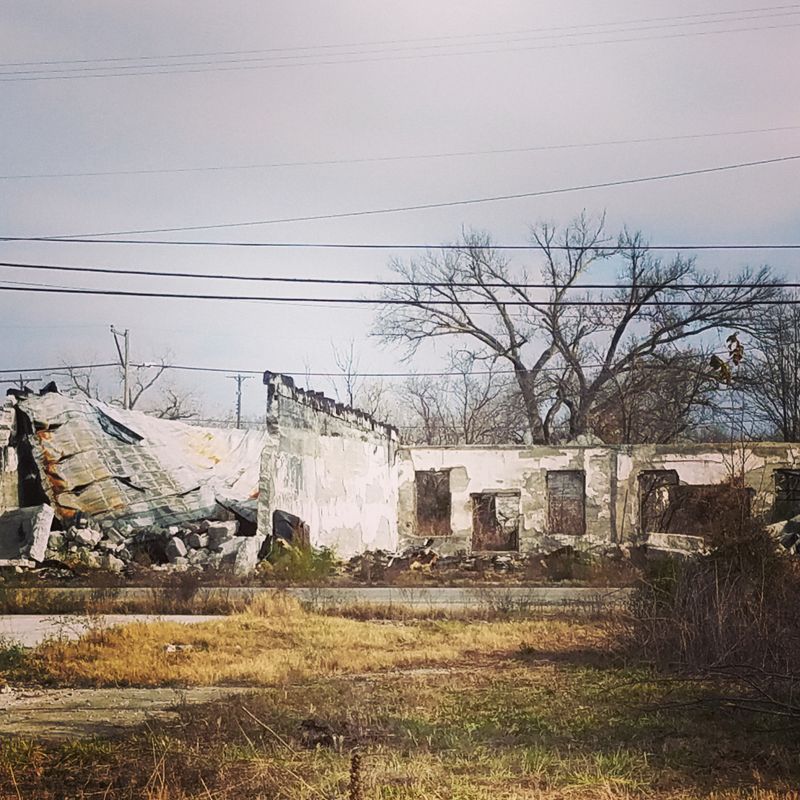
In May 2008, the sky tore open. An EF 4 tornado ripped across Picher and nearby Cardin, turning fragile certainty into splinters. The storm killed residents, injured many more, and erased blocks already weakened by time and contamination.
People talk about the sound. A freight train roar, then glass, then nothing. You can still trace the scar in aerial photos. What the mine started, the wind finished, forcing a final decision on whether to rebuild or leave.
After the storm, officials accelerated buyouts. Some families who had held on for love or habit finally packed. Grief shared space with resignation. When the wind helps the science make the case, there is not much arguing left.
Walking those streets later, you sense how disaster compresses choices. Insurance adjusters. Crews cutting gas lines. Volunteers handing out bottled water and hugs. The town felt both crowded and empty at once.
Tornadoes are part of Oklahoma life. People rebuild all the time. But here the underlying hazard was not weather alone. The ground and the dust had already stacked the deck.
That is why the tornado looms so large in Picher’s story. It was the undeniable moment, the last bend in the road. Afterward the official closing happened quickly, and silence filled the map.
When you hear the sirens anywhere else, you think shelter. In Picher, the sirens also echo with a lesson. Climate and industry intersect in ways we cannot wish away.
6. Tar Creek Runs The Color Of Warning
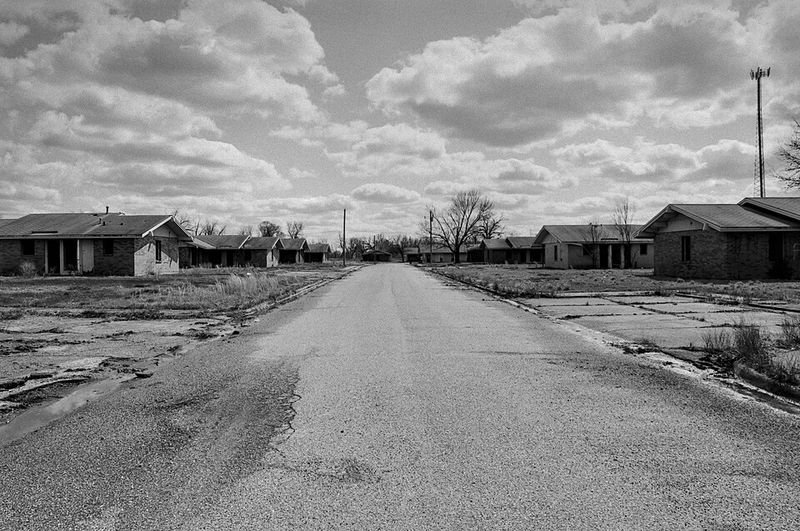
Tar Creek is the town’s mirror. It reflects what the mines left behind. The water carries iron and other metals that stain rocks orange and coat the creek bed like rusted paint.
You stand on the bank and smell a metallic tang. Fish struggle here. Plants along the edge look tired. The creek flows on anyway, past fences and under bridges, its color telling the story even when people look away.
Cleanup has unfolded in phases. Agencies have removed chat from yards, capped contaminated spots, and studied how to slow the drainage. Progress feels both real and too slow when you are staring at water the color of a warning light.
Locals remember swimming before the stains. Kids catching minnows. Families picnicking in the shade.
Memory edits gently, but the photos do not lie. The change is right there in the brown orange sheen.
It is tempting to think nature will just heal. And yes, creeks fight back, microbes work, floods flush. But chemistry is stubborn here, fed by flooded tunnels and seeping shafts that keep the tap open.
Standing with you, I would say listen to the creek. It is not dramatic every second. It is persistent. You hear a trickle, see a swirl, and you understand how steady damage is the scariest kind.
Tar Creek’s color is a promise and a plea. We can do better upstream, in policy and design. Let this ribbon of orange mark the line we do not cross again.
7. Schools, Churches, And A Vanished Routine
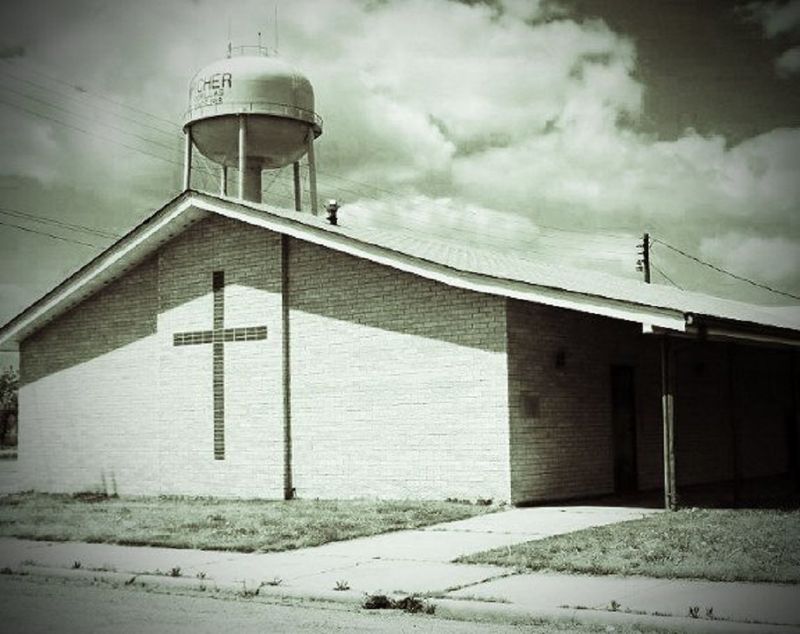
The scariest part is not the chat or the maps. It is the everyday that vanished. Schools closed. Churches emptied. The small routines of life dissolved like chalk in rain.
Walk past the old high school site and you can almost hear a band warming up. Lockers slamming, a teacher saying last bell, a game night under bright lights. Now it is quiet, and the mascot is a ghost on peeling paint.
Church lots sit open. Fellowship halls that once smelled like coffee and potlucks are hollow. Faith did not fail here. Space did. Community pushed out by risk, not by choice or quarrel.
What do you do with a life that no longer fits the map? People carried keepsakes and left built things. A porch swing. A dented mailbox. Quilts stitched with initials. The heart relocates slower than a moving truck.
Every ghost town has a rhythm. Picher’s is domestic and tender. It is the echo of routines interrupted. No final bell rang, just a fade that took years and then one bad storm.
You feel protective walking here. You lower your voice in the open air, like a library rule applies. The ground is delicate, and so are the memories tied to it.
In that hush, you sense the weight of ordinary life. It is what makes the place feel haunted. Not by specters, but by the shape of days that will never return.
8. A Cautionary Tale Written In Dust
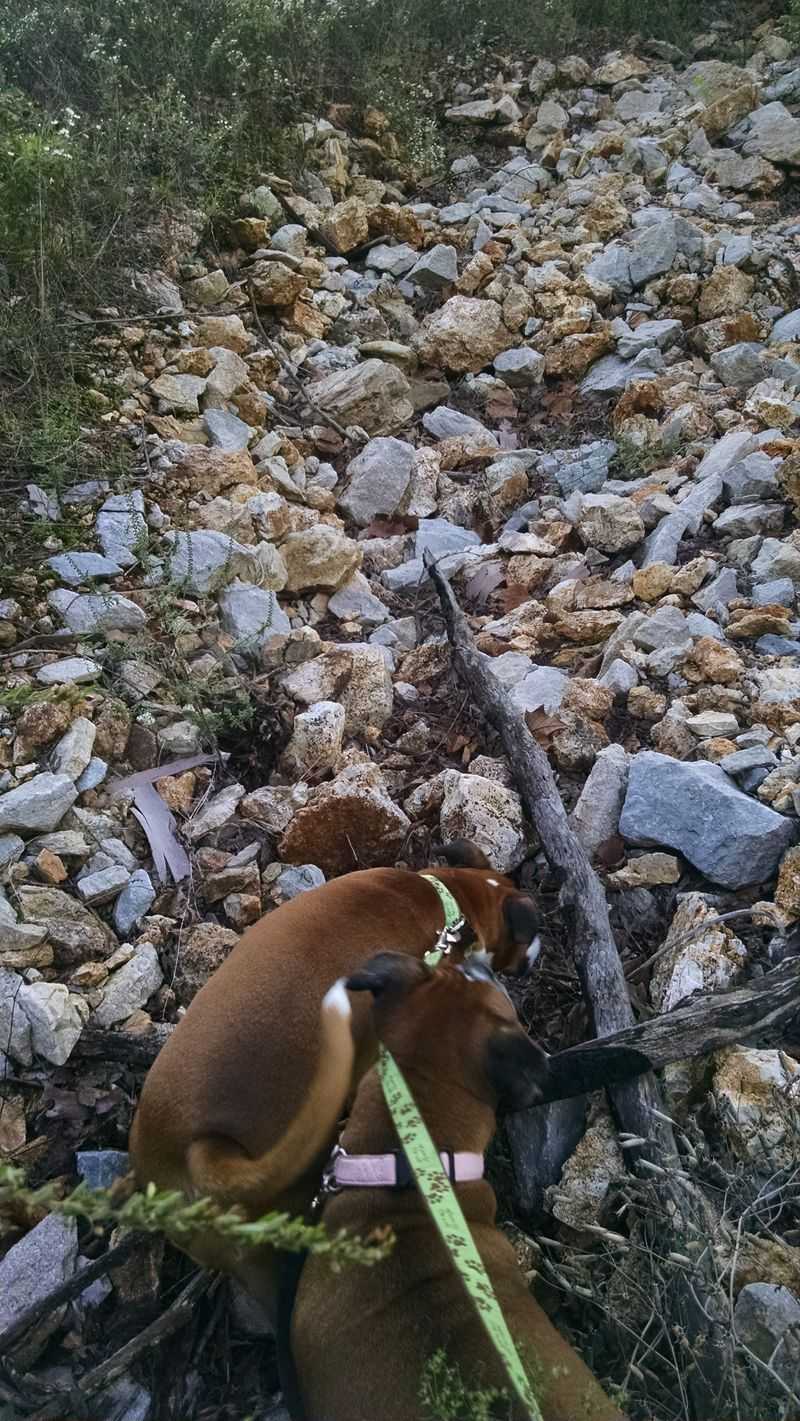
Oklahoma’s Picher is not just a tragedy. It is a manual written in dust, with chapters on speed, oversight, and the true price of extraction. You read it by walking, by breathing a little shallower, by paying attention. Regulations came late. Testing came later. Buyouts later still.
The gap between action and consequence is the space where harm grows, and that is the lesson you carry away like grit on your shoes.
There were heroes here. Nurses who checked blood levels. Teachers who adapted. Volunteers who showed up after the tornado with gloves and calm. The story is not only failure. It is also care.
But care works best upstream. Before the shaft. Before the pile. Before the creek goes orange. That is where the next Picher can be prevented rather than mourned.
When people ask if it is safe to visit, the honest answer is complicated. Hazards remain. Signs warn you. Common sense says keep your distance. Respect the land and the limits.
Still, standing at the edge, you absorb the meaning. Towns are fragile when their foundations are ignored. That is true underfoot and on paper, in budgets and in bylaws.
So you leave with resolve. Listen early. Act sooner. Value health over hurry. Let Picher be the story that changed the ending somewhere else.
9. What Remains On The Map
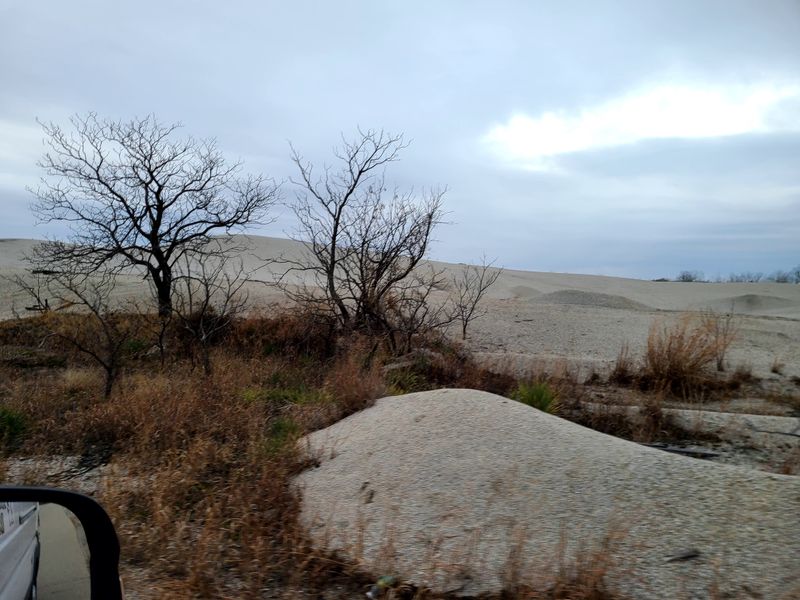
Open a map and the name is still there. Picher. A label without a living town behind it. On the ground you find slabs, signposts, a few stubborn structures, and the relentless prairie edging in.
The last business closed in 2015, long after the crowds left. Roads persist, because roads are hard to kill. They lead you past emptiness and into memory.
You try to imagine addresses, birthdays, first cars rolling out onto this same asphalt. Wildlife moves in. Grasses reclaim corners. A fox cuts across a lot like it owns the deed.
Nature is quick to repossess, even when the soil needs careful handling. It is tempting to hunt for souvenirs. Do not. This place asks for respect.
Taking pieces from a Superfund site is a bad idea and a bad look. You can carry the story out without carrying the dust.
From above, the geometry tells the tale. A tidy grid gone hollow. Order without occupants. It is art and evidence at once, stark and weirdly elegant.
If you visit, keep it brief, stay smart, and stick to public rights of way. Let your curiosity be gentle. Snap a photo, breathe shallow, and leave the land as you found it.
Picher remains on the map because history remains. You cannot erase a place that taught this much. The pin is a reminder and a promise, pointing at a truth we cannot afford to forget.
10. Voices That Will Not Fade
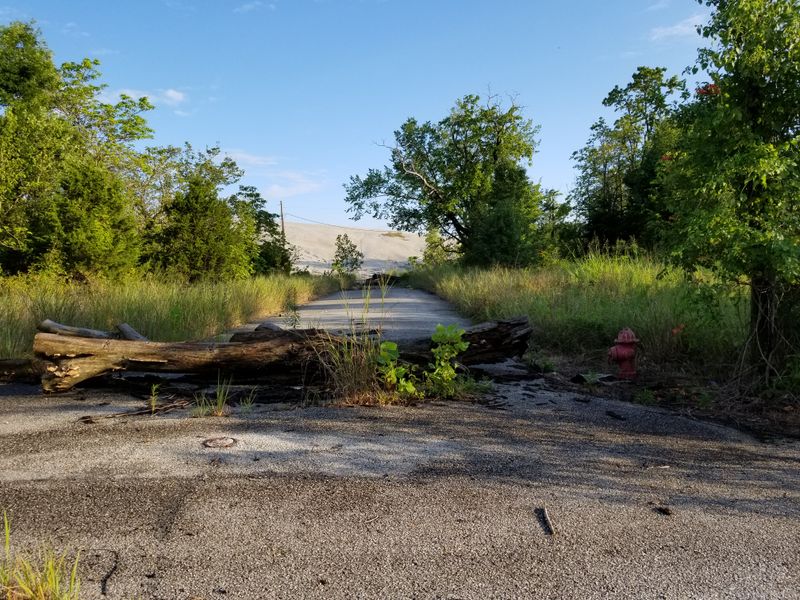
Listen long enough and you hear them. Former residents tell stories that do not line up neatly. Pride lives with anger.
Love for the town sits right next to a vow never to raise kids in harm’s way again. At reunions and online groups, people swap photos. Marching bands. Parade floats.
Fishing trips on weekends. Then come the doctor visits, the test results, the maps with red zones marked like wounds.
These voices complicate any clean narrative. They will not let Picher turn into a simple warning label. It was a home.
It had jokes, rivalries, biscuits, and scraped knees. Reducing it to ruins misses the point. But the hard truths stay loud. Elevated blood lead levels. Tornado sirens.
Buyout papers. A church service where the pastor prays for a safe move. You feel the weight of those lines even if you did not live them.
When you walk away, take the stories with you. Tell them straight. Say the town mattered and still matters. Say lessons looked like people, not just charts and filings.
In that way, the voices keep working. They guard other towns, other creeks, other maps. They make it harder to shrug and easier to act when warning lights blink.
And maybe that is the best legacy a ghost town can claim. Not fear, but focus. Not silence, but testimony.
Picher speaks, and we should keep listening.