Meet Bears Up Close In North Carolina This Weekend
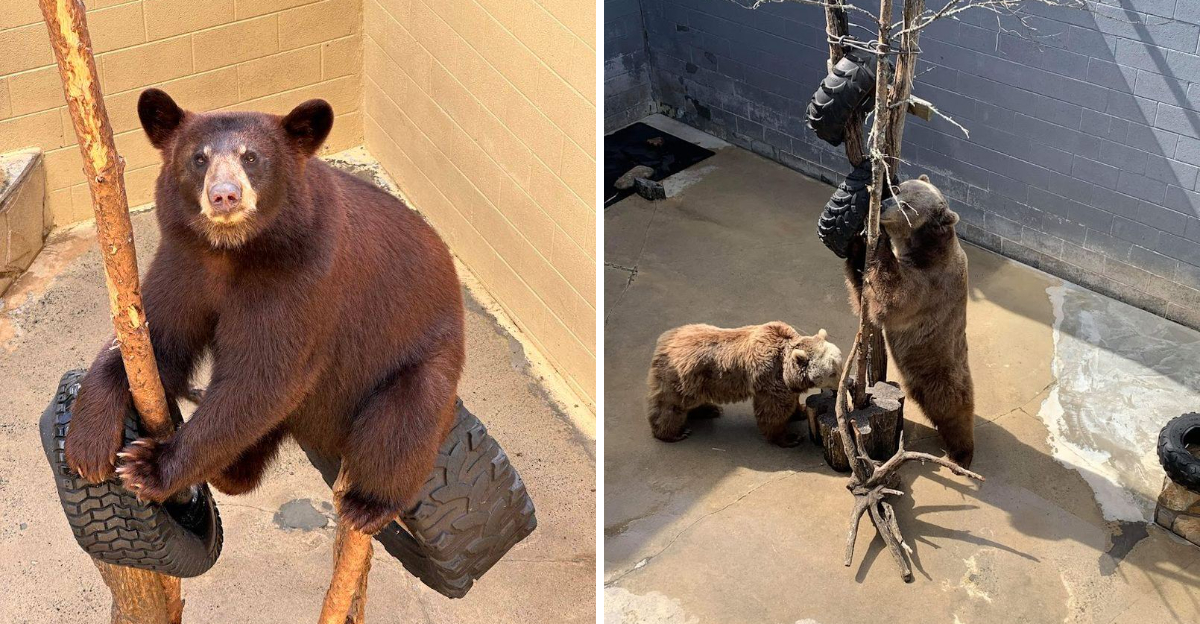
Watching a bear wave back at you from just a few feet away creates a moment most people never forget. Cherokee Bear Zoo offers an experience that brings visitors face-to-face with grizzly bears in ways few other places can match.
The small roadside attraction has been drawing families and animal lovers to the Smoky Mountains for years, offering close encounters that spark wonder and curiosity. Bears up close in North Carolina become more than just wildlife, they become part of a memorable weekend adventure.
Located at 1204 Tsalagi Road, Cherokee, this compact zoo lets visitors feed bears apples and watch these massive animals interact up close. The facility also includes goats, foxes, and other animals that add variety to the visit.
Entry fees stay affordable at six dollars for adults, making it accessible for families looking for budget-friendly activities. The experience combines education with hands-on interaction, creating memories that stick with kids and adults alike long after the visit ends.
1. Adult Bears Wave Back At Visitors
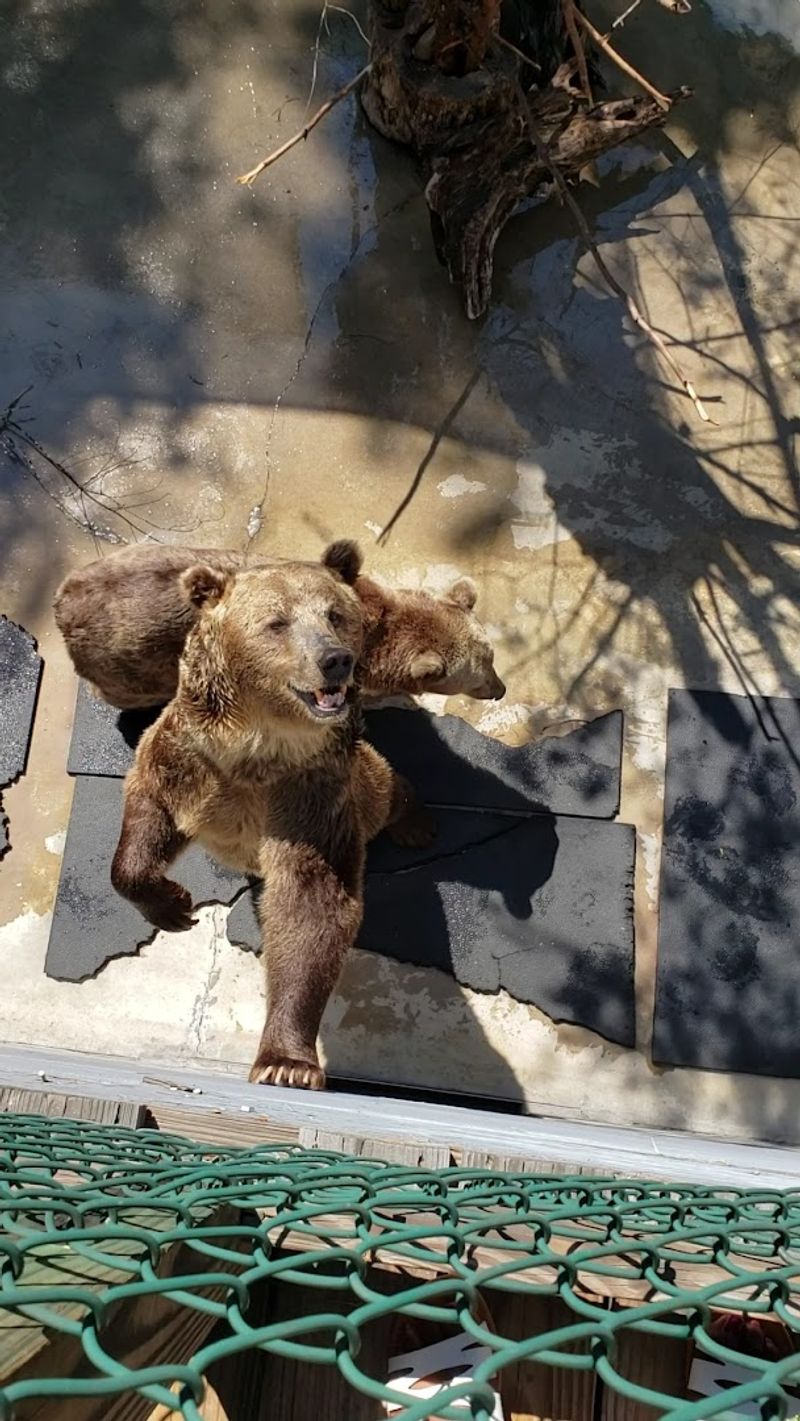
Several adult grizzly bears call this facility home, and many of them have learned to wave at visitors who approach their enclosures. The bears stand on their hind legs and motion with their paws, creating an interactive moment that feels almost personal.
This behavior developed over time as the animals associated human presence with feeding opportunities.
Visitors can purchase food trays for one dollar that include apple slices, whole wheat bread, and lettuce. The bears respond enthusiastically when they spot someone carrying food, often moving to the edge of their enclosure and performing their signature wave.
Some guests report receiving multiple waves from different bears during a single visit.
The waving behavior adds an element of connection that makes the experience feel more engaging than simply observing animals from a distance. Many families return specifically to see if the bears remember them from previous visits.
The interaction creates photo opportunities that capture the personality of these large animals in unexpected ways.
2. Baby Bear Photo Opportunities Available
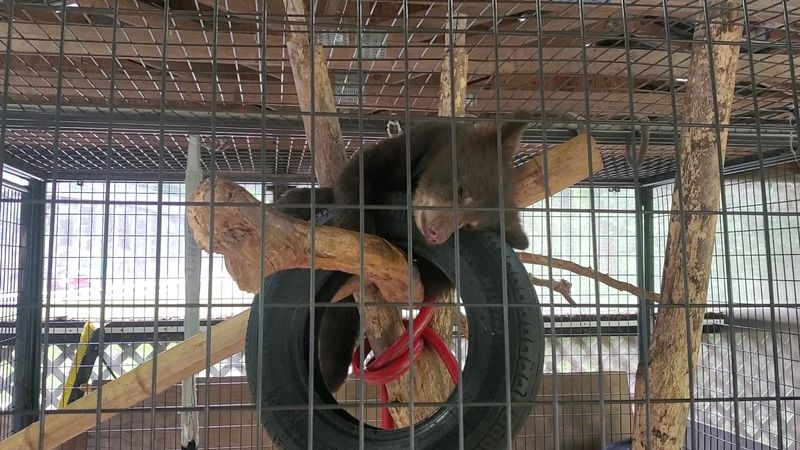
A baby bear cub named Luna has grown into one of the zoo’s most photographed residents over the years. Visitors can pay twenty-five dollars to take pictures while interacting with young bears when available.
The photo sessions happen in a controlled setting with staff supervision to ensure safety for both visitors and animals.
Many families consider the photo opportunity a highlight of their visit, especially for children who dream of getting close to wildlife. The experience lets visitors see how soft bear fur feels and observe the animals’ behavior at a young age.
Parents often return years later to show their children photos from their own childhood visits.
Staff members familiar with the animals handle all interactions during photo sessions. The bears used for photos have been raised at the facility since they were cubs, creating familiarity with human presence.
Some guests report that seeing the same bear grow from a small cub into a full-sized adult during return visits adds emotional connection to the experience. The photos serve as tangible reminders of an unusual wildlife encounter most people never have the chance to experience.
3. Small Scale Keeps Visits Short
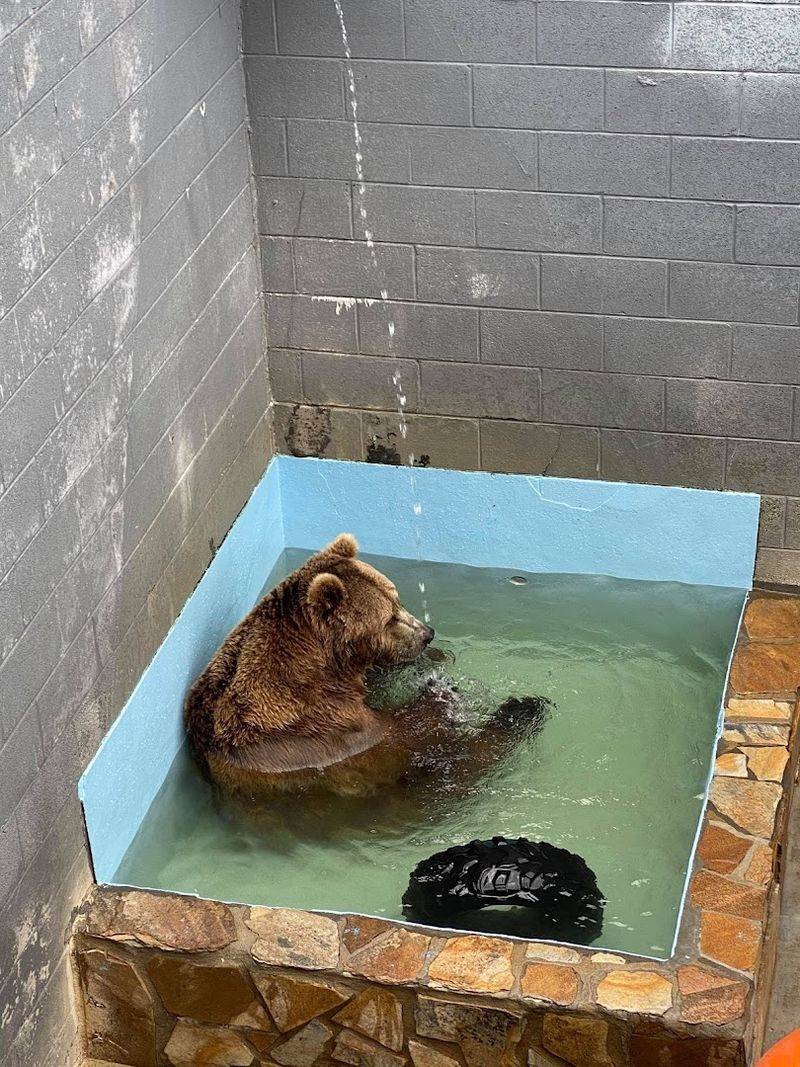
The entire facility can be toured in about thirty to forty-five minutes, making it suitable for families with young children or those with limited time. The compact layout means visitors walk short distances between animal exhibits without extensive hiking or prolonged standing.
This size works well for quick stops during longer road trips through the Smoky Mountains.
The zoo includes bear enclosures, a goat petting area, and exhibits housing foxes and other small animals. Everything sits within easy walking distance, and shade covers most viewing areas.
The quick visit format appeals to families who want animal encounters without committing several hours to a large zoo experience.
Some visitors appreciate the brevity, while others wish for more exhibits to extend their time. The scale allows staff to maintain close oversight of all areas simultaneously.
Shorter visits also mean lower fatigue levels for children, reducing the likelihood of meltdowns that often occur during longer outings. The facility’s size makes it manageable for elderly visitors or those with mobility concerns who might struggle with expansive zoo grounds.
Many guests combine their visit here with other Cherokee area attractions to fill out a complete day.
4. Owner Presence Adds Personal Touch
The owner frequently works on-site, checking tickets, answering questions, and maintaining the facility. His presence creates a personal atmosphere that differs from corporate-run attractions.
Visitors often mention interactions with him in their reviews, noting his willingness to share information about the bears and other animals.
He explains that all bears at the facility were raised from cubs rather than captured from the wild. His knowledge about individual animals comes from years of direct care and observation.
He tracks feeding amounts, monitors animal health, and handles daily operations with a small staff team.
The hands-on ownership style means visitors can ask specific questions about the animals and receive detailed answers. Some guests appreciate learning about the challenges of maintaining a small wildlife facility.
Others value the transparency about where animals came from and how they receive care. The owner’s dedication shows in how he discusses the bears’ personalities and individual quirks.
His involvement creates accountability that visitors notice when they see clean enclosures and healthy-looking animals. The personal connection he establishes with regular visitors keeps families returning across multiple generations.
5. Goat Petting Area Included
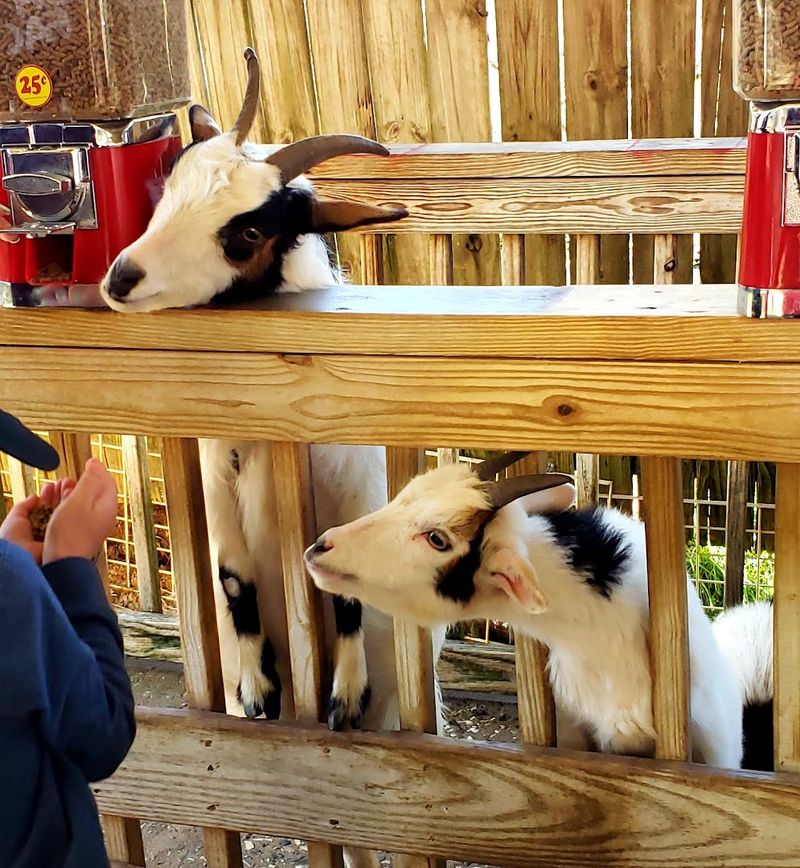
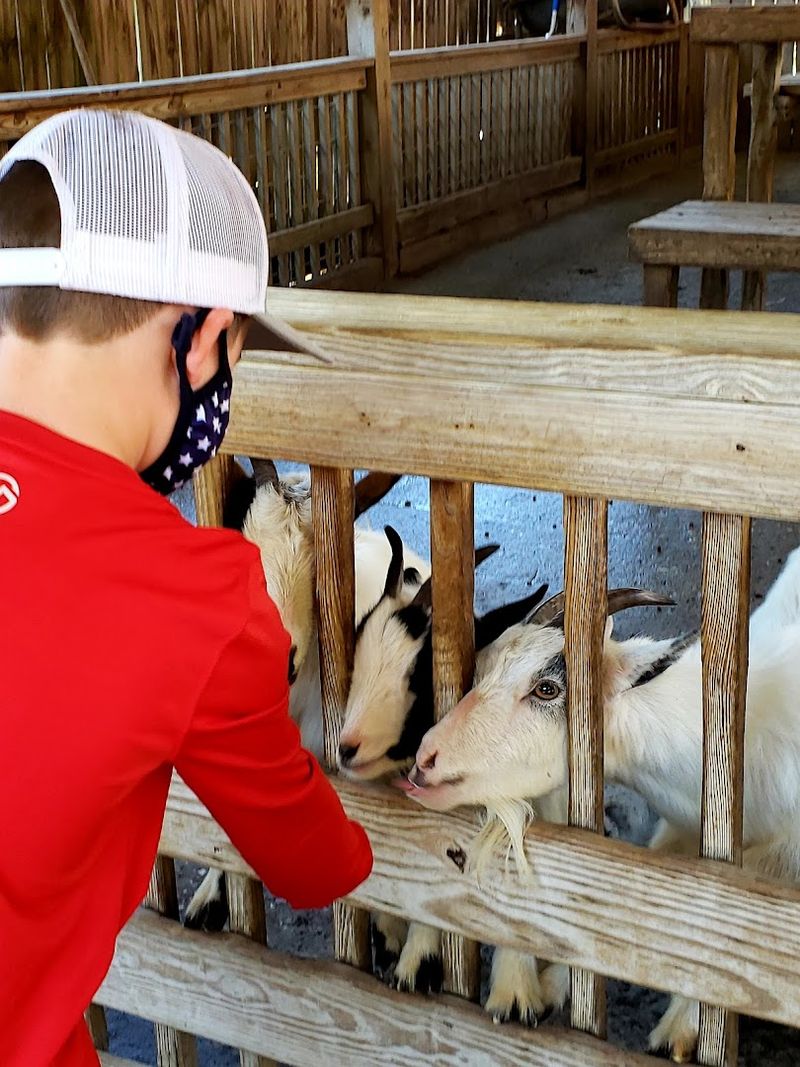
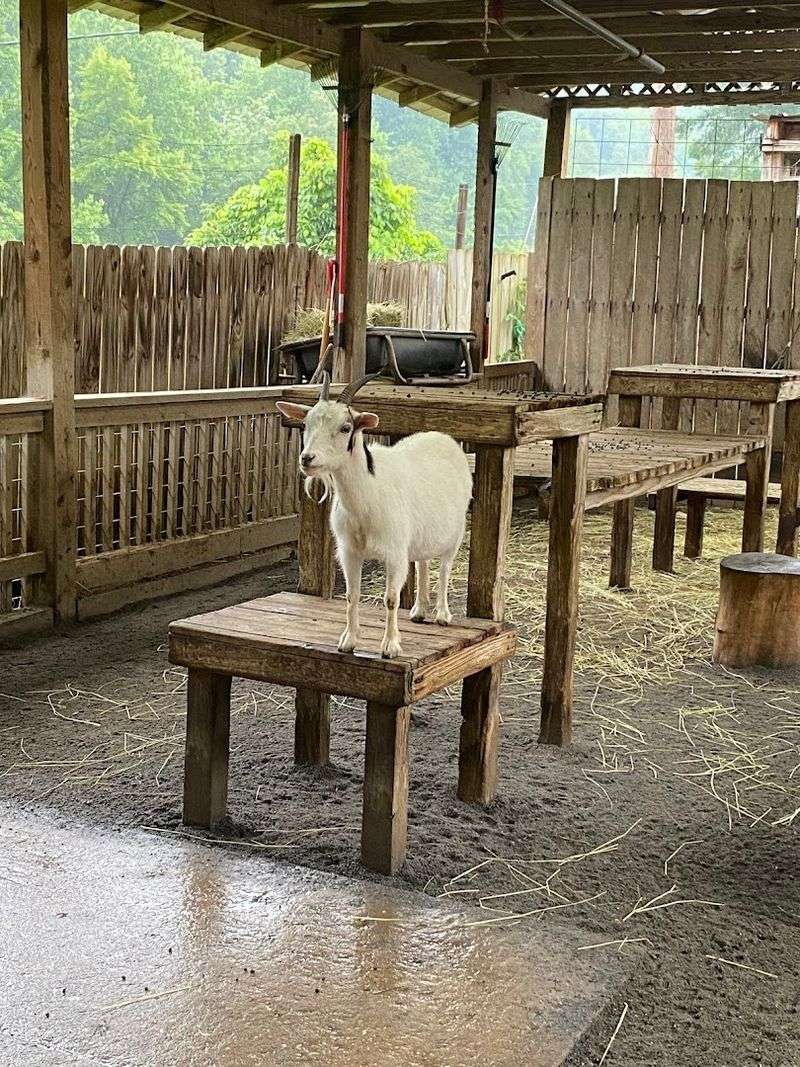
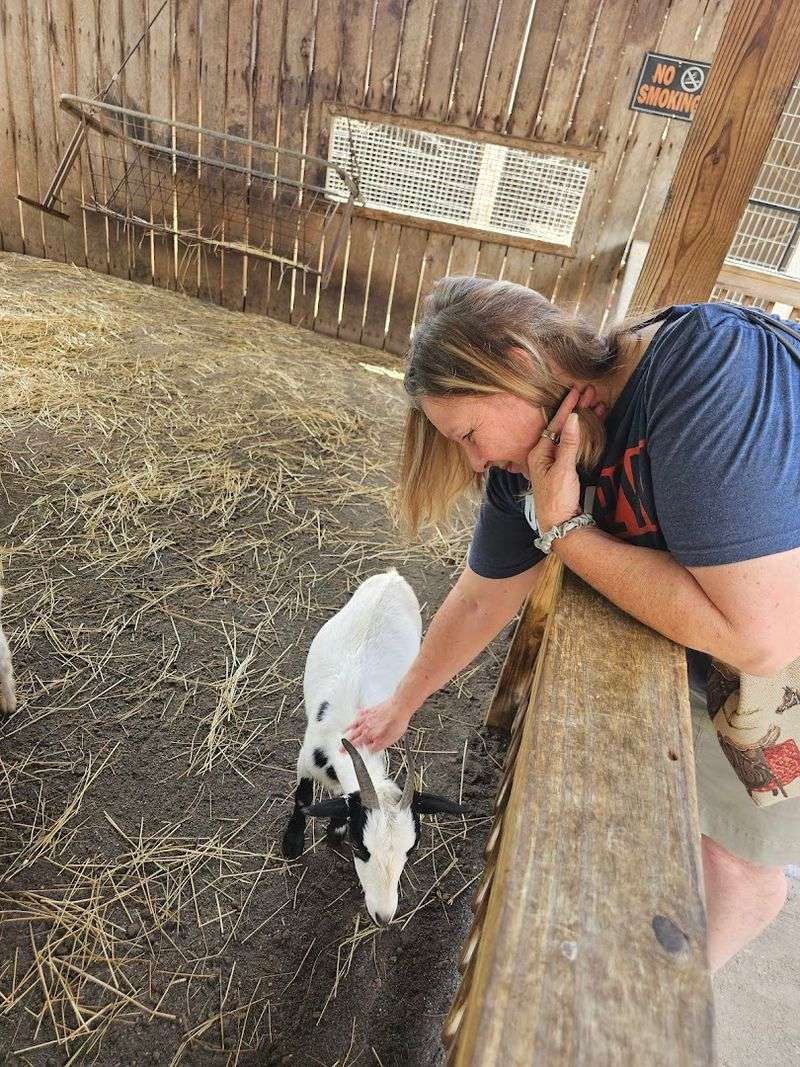
Nigerian Dwarf goats roam a designated petting area where children can interact directly with the animals. The goats eagerly approach visitors, especially those carrying food.
Their smaller size makes them less intimidating for young children experiencing their first animal encounters.
The goats accept the same food trays sold for bear feeding, giving families dual-purpose value for their purchase. Kids can hand-feed the goats or simply pet them while they eat.
The animals show friendly dispositions and seem accustomed to constant human interaction throughout the day.
Parents often use the goat area as a gentler introduction before moving to the bear exhibits. The contrast between petting small goats and watching massive bears creates variety in the overall experience.
Some visitors spend equal time with both species, while others focus primarily on the bears. The goat enclosure stays clean with fresh bedding visible during operating hours.
Multiple goats mean children don’t have to wait turns for interaction opportunities. The petting area provides a calming activity for kids who might feel nervous around the larger animals.
Families traveling with very young children sometimes spend most of their visit in this section.
6. Fox And Monkey Exhibits Present
Foxes live in a circular enclosure that allows visitors to observe their behavior from multiple angles. The foxes display typical patterns like pacing the perimeter of their space, particularly during busy visiting hours.
Their reddish coats and bushy tails attract attention from children fascinated by animals they rarely see up close.
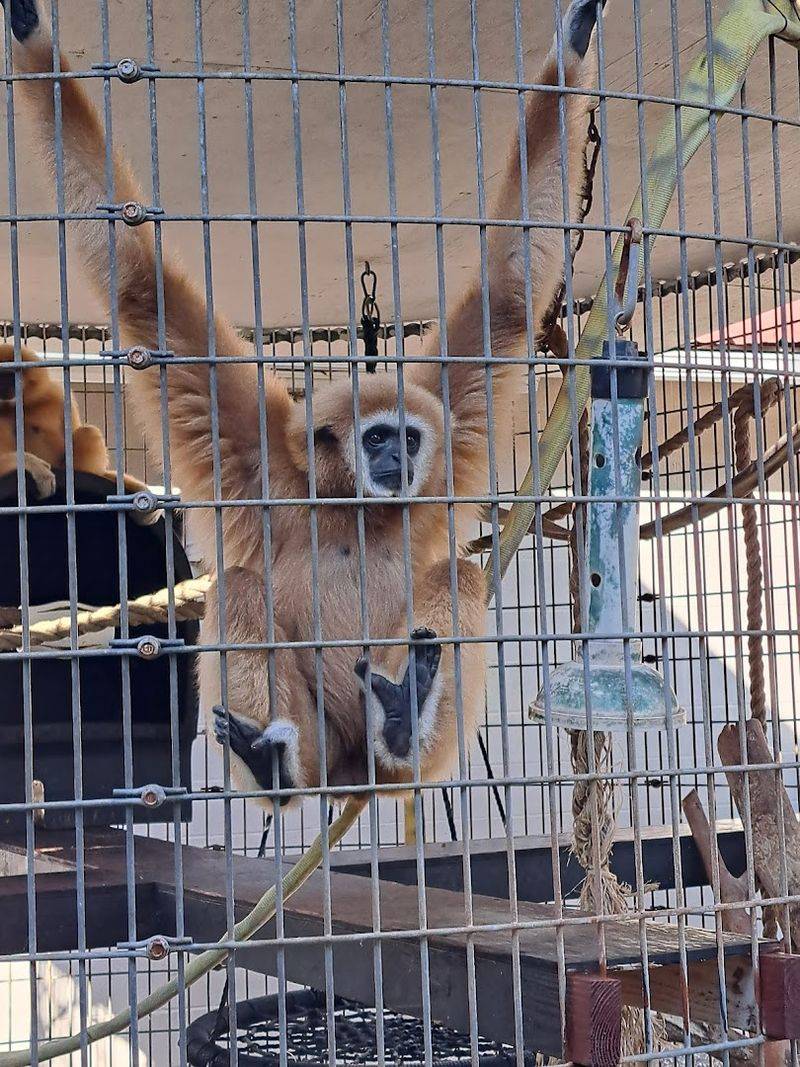
The facility also houses monkeys in a separate exhibit area. These primates add diversity to the animal collection beyond the main bear attraction.
Visitors walking through the zoo encounter these exhibits between the bear enclosures and the exit area.
Some guests express concern about enclosure sizes for these smaller animals compared to what larger facilities provide. The foxes’ circular habitat measures approximately ten feet in diameter according to visitor observations.
The monkeys have their own dedicated space with climbing features. Both species appear in numerous visitor photos despite the bears being the primary draw.
Children often remember seeing multiple animal types during their visit, not just bears. The variety helps hold attention spans for families with kids of different ages.
Some visitors focus more on these smaller animals than others do, depending on personal interests and previous wildlife experience.
7. Gift Shop Exit Route
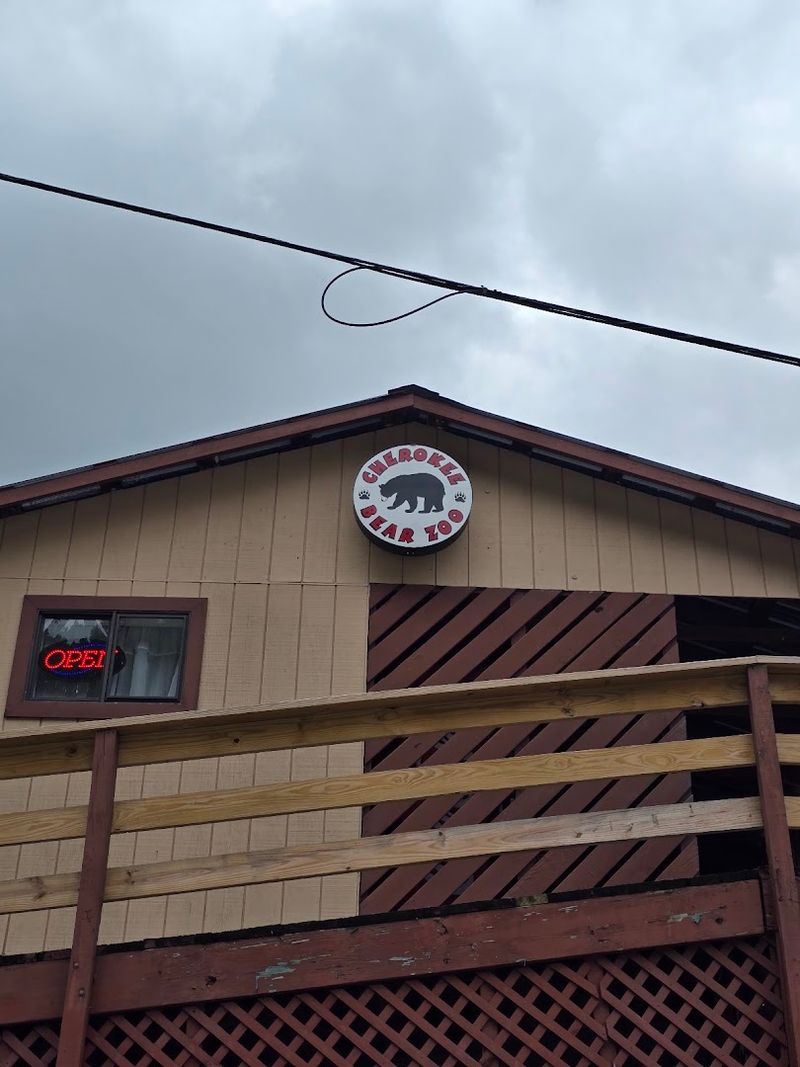
The visit concludes by walking through a gift shop stocked with bear-themed merchandise and local souvenirs. The shop features stuffed animals, t-shirts, postcards, and other items related to the Smoky Mountains region.
An ice cream counter operates within the shop, offering treats for visitors finishing their tour.
The exit-through-shop design follows common zoo and attraction layouts that encourage souvenir purchases. Parents often reward children with small items or ice cream after they complete the animal viewing portion.
The shop stays organized and clean according to multiple visitor accounts.
Bathrooms accessible from the shop area receive positive mentions for cleanliness in several reviews. The facilities matter particularly for families with young children who need frequent restroom access.
The shop provides a climate-controlled space where visitors can cool down after walking through outdoor exhibits. Some guests browse merchandise while others head directly to vehicles.
The ice cream counter sees steady business during warm weather months when families visit the area. Prices for shop items align with typical tourist attraction markups.
The shop functions as both a retail space and a transition area between the zoo experience and departure.
8. Feeding Stations Bring Bears Close
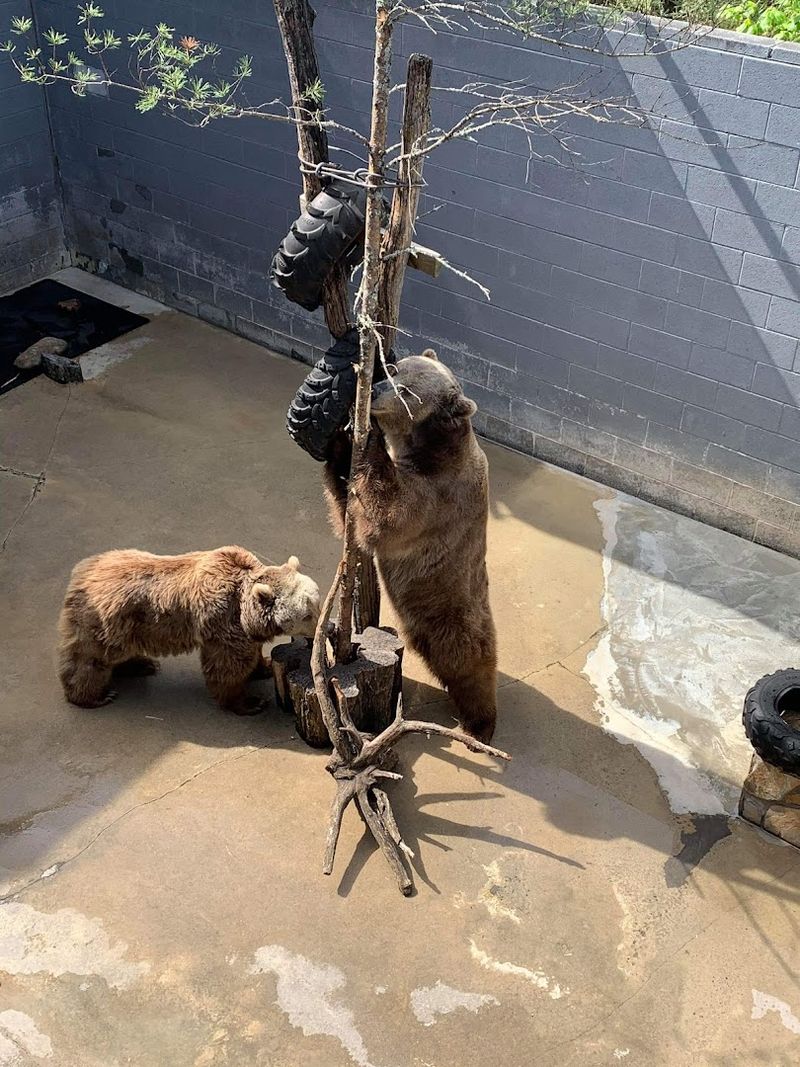
Feeding stations positioned around the bear enclosures allow visitors to offer food directly to the animals. The setup brings bears within arm’s reach, separated only by the enclosure barriers designed for safety.
Bears approach the feeding areas eagerly, especially during peak visiting hours when food availability increases.
Food trays cost one dollar and contain a mixture of apple slices, bread, and vegetables that meet the bears’ dietary needs. Some visitors also use quarter-operated dispensers that provide pellet-style food similar to what zoos use for large animals.
The feeding process takes only minutes, but watching the bears eat up close reveals details about their size, strength, and eating habits.
Staff members monitor feeding to ensure animals receive appropriate amounts throughout the day. The owner tracks how much food gets sold during operating hours to calculate proper supplemental feeding at closing time.
This system helps maintain consistent nutrition while allowing visitors to participate in the feeding experience. The hands-on nature of feeding creates lasting impressions for children experiencing their first bear encounter.
9. Cash Payment System In Place
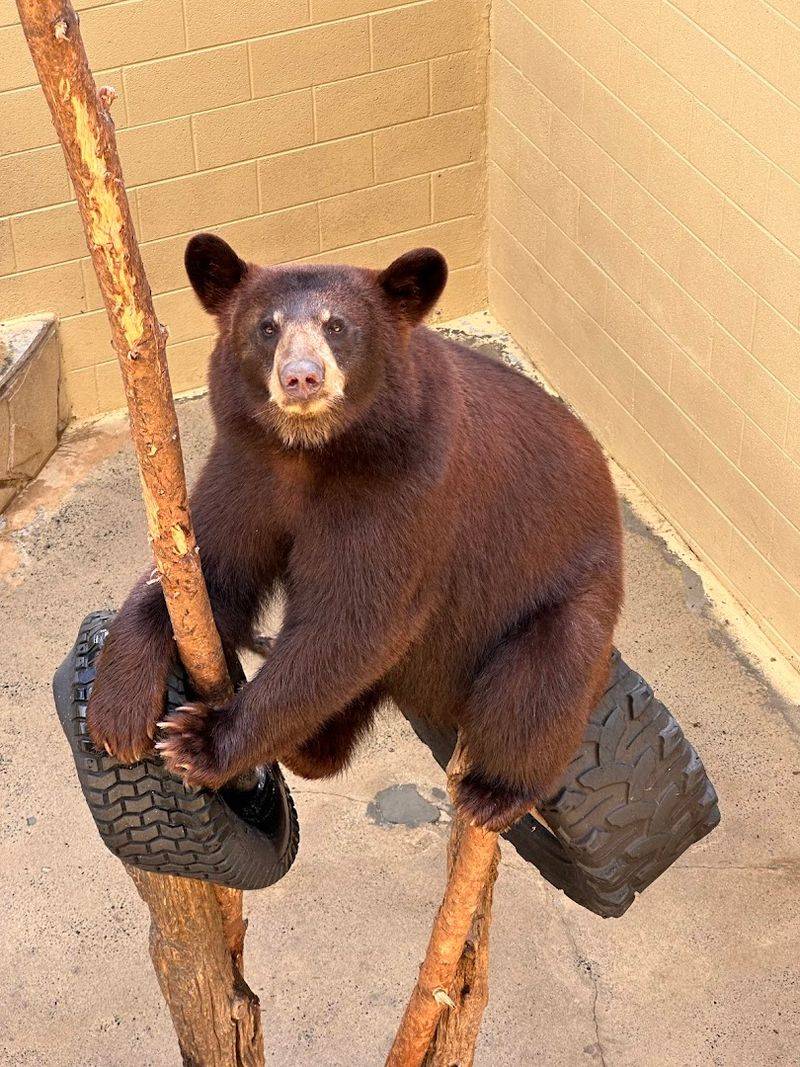
The zoo operates on a cash-only basis for admission and food purchases. Visitors who arrive without cash can use a free ATM located on the premises.
This payment system reflects the facility’s small-scale, family-run operation style that keeps overhead costs low.
Adult admission costs six dollars, while children three and under enter free. Food trays sell for one dollar, and quarter machines dispense additional animal food.
The photo opportunity with baby bears carries a twenty-five-dollar fee when available. All prices remain posted clearly at the entrance and near the ticket counter.
The cash requirement catches some visitors off guard in an increasingly digital payment world. Reviews mention the free ATM as a helpful convenience for those unprepared with physical currency.
The straightforward pricing structure eliminates confusion about costs before entry. Some families budget for multiple food trays since kids often want to feed the bears more than once.
The low admission price makes spontaneous visits affordable even for larger families traveling together. Having exact change speeds up the entry process during busy periods when multiple families arrive simultaneously.
10. Location Along Smoky Mountain Routes
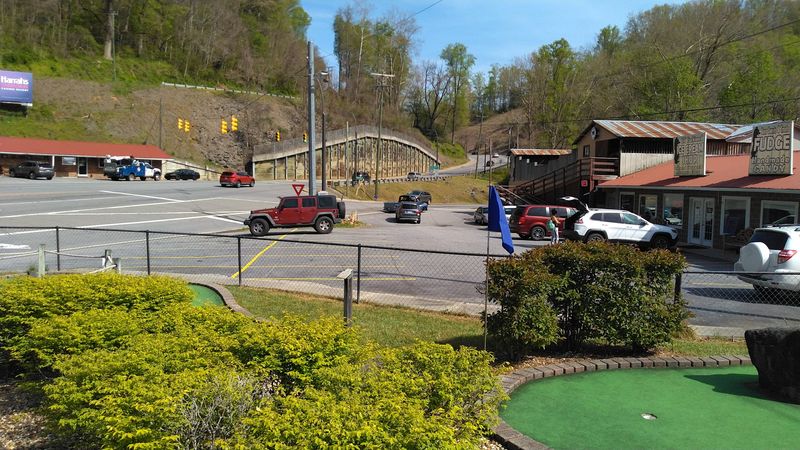
The zoo sits along routes commonly traveled by families driving through Great Smoky Mountains National Park. Its location on the North Carolina side makes it accessible for those staying in Cherokee or passing through from Tennessee.
The facility appears suddenly along the roadside, marked by signage that catches attention from passing vehicles.
Many visitors discover the zoo while exploring the Cherokee area rather than planning specifically to visit. The convenient location allows for spontaneous stops without significant detours from main travel routes.
Families staying in Pigeon Forge or Gatlinburg can reach the facility by driving through the national park.
The roadside attraction style means limited parking directly at the site. Spaces fill quickly during peak tourist seasons, particularly summer months and fall foliage periods.
The location puts visitors within reach of other Cherokee attractions like museums and cultural sites. Some families build entire day trips around exploring Cherokee with the zoo as one stop.
The mountain setting provides scenic surroundings that enhance the overall visit experience. Easy highway access makes the location suitable for travelers towing campers or driving larger vehicles.
The facility benefits from heavy tourist traffic flowing through the region during vacation seasons.
11. Mixed Reviews On Enclosure Conditions
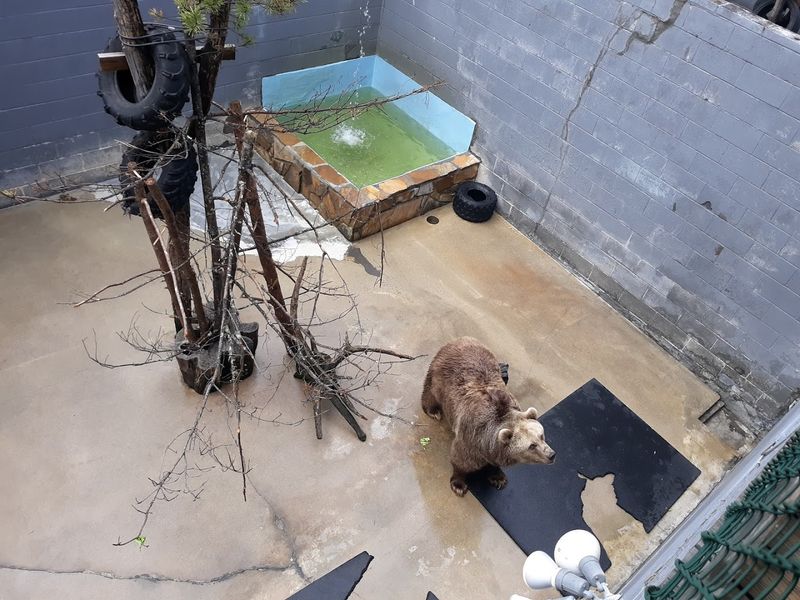
Visitor opinions diverge sharply regarding the conditions in which animals live at the facility. Some reviews praise clean enclosures and healthy-looking animals, while others express concern about space limitations and concrete surfaces.
The bears live in enclosures with concrete flooring rather than natural ground covering.
Water areas exist within the bear habitats, though their size varies by enclosure. The concrete construction facilitates cleaning and maintenance but differs from natural bear environments.
Some visitors note the lack of grass, trees, or other natural elements within the enclosures.
Supporters point to the bears’ apparent responsiveness and activity levels as signs of adequate care. Critics argue that pacing behaviors and limited space indicate stress or insufficient environmental enrichment.
The facility operates under USDA licensing requirements for exhibitors, though it faced regulatory action years ago. Current visitors report seeing clean conditions without strong odors.
Staff members maintain the enclosures throughout operating hours. The debate about appropriate animal housing standards continues among guests who visit.
Some families feel comfortable with what they observe, while others leave feeling conflicted about supporting the facility. The mixed perspectives reflect broader conversations about wildlife in captivity and appropriate care standards.
12. Seasonal Operating Schedule
This zoo at 1204 Tsalagi Road, Cherokee, operates seasonally with specific opening and closing times that vary throughout the year. Current information indicates an eleven o’clock morning opening time on Fridays, with the facility closed on Thursdays.
Exact schedules change based on season and weather conditions typical to the mountain region.
Visitors planning trips should verify operating hours before traveling to avoid arriving when the facility is closed. The seasonal schedule reflects patterns common among smaller tourist attractions in mountain areas.
Winter months may see reduced hours or temporary closures depending on weather and visitor traffic.
Peak season typically aligns with summer vacation months and fall color viewing periods when tourist traffic in Cherokee increases. Spring and early summer bring moderate crowds as families begin regional travel.
The operating schedule allows the owner and staff to manage the facility during times when visitor numbers justify remaining open. Some travelers report arriving to find the zoo closed outside posted hours.
Calling ahead using the provided phone number helps confirm availability before making the drive. The seasonal nature means the experience remains available primarily during warmer months when families vacation in the Smoky Mountains.
Planning visits during confirmed open periods ensures the trip doesn’t result in disappointment.
13. Affordable Family Activity Option
The six-dollar adult admission and free entry for children three and under makes this attraction budget-friendly compared to larger zoos. Families with multiple children can visit without spending significant amounts on admission alone.
The one-dollar food trays add minimal cost while enhancing the interactive experience.
Total expenses for a family of four typically range between fifteen and thirty dollars depending on how many food trays they purchase. This pricing structure appeals to families seeking affordable activities during mountain vacations when costs accumulate quickly.
The value proposition centers on close animal encounters rather than extensive exhibits or facilities.
Some visitors compare the cost favorably against ticket prices at major theme parks or large metropolitan zoos. The brief visit duration means families get concentrated experience without extended time commitments.
Budget-conscious travelers appreciate finding quality animal interactions at accessible price points. The photo opportunity with baby bears represents the most expensive single item at twenty-five dollars.
Families can skip that add-on and still enjoy feeding bears and petting goats for minimal cost. The affordability factor contributes to repeat visits from families who return annually during Cherokee area trips.
Low prices remove financial barriers that might prevent some families from experiencing close wildlife encounters.