This California Flower Farm Reopens In February And It Is Pure Bloom Overload
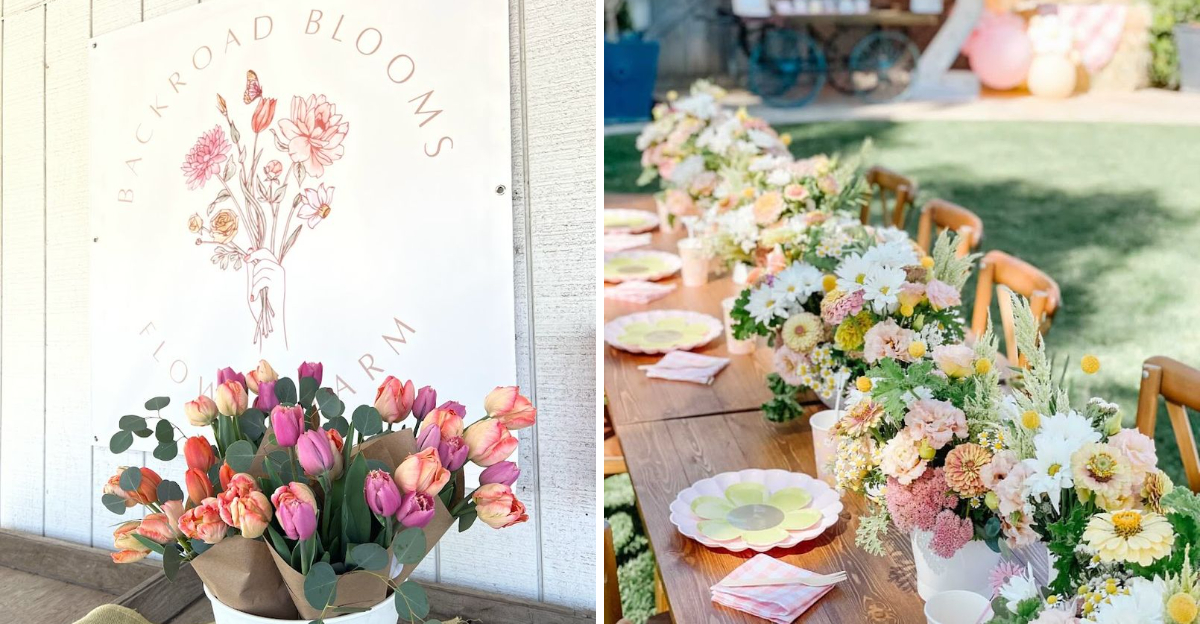
Gray winter days don’t last forever here. February flips the switch. Out in California’s Central Valley, rows that looked quiet just weeks earlier burst into color almost overnight.
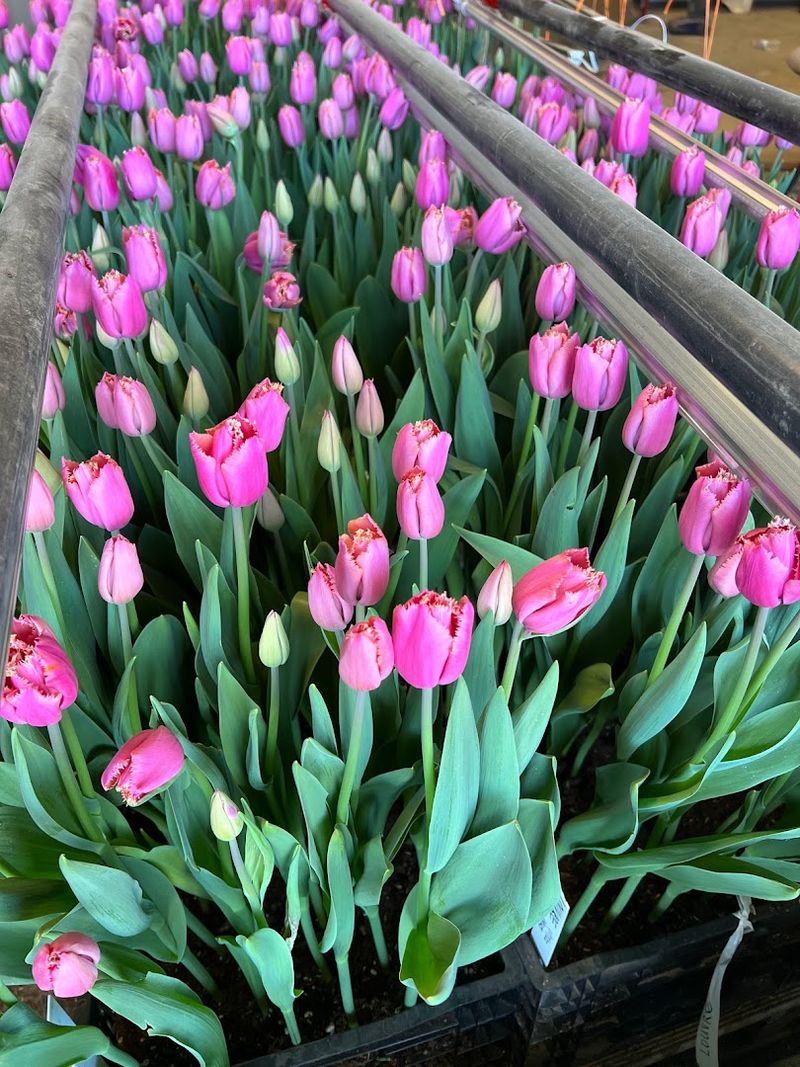
Tulips stretch toward the sun in bold reds, soft blush tones, creamy whites, and deep purples. The fields feel alive again.
Backroad Blooms Flower Farm in Oakdale reopens for the season with a return that feels bigger than flowers.
Months of planning and planting finally show up all at once. Every row reflects patience. Every stem represents work done long before visitors ever step onto the property.
Walking between the blooms hits differently. Petals glow in the morning light. The scent of fresh growth lingers in the air. Cameras come out, but so do long pauses – the kind where you just stand there and take it in.
It’s one of those California bloom seasons that makes you want to drop everything and drive toward open farmland.
No casual wandering here, which makes the experience feel earned. Bouquets, workshops, and seasonal events create moments that go beyond snapping a photo.
You leave holding armfuls of color – and the quiet reminder that even after winter, something beautiful always comes back.
1. Mother-Daughter Team Behind The Farm
Running a flower farm takes more than just a love of plants.
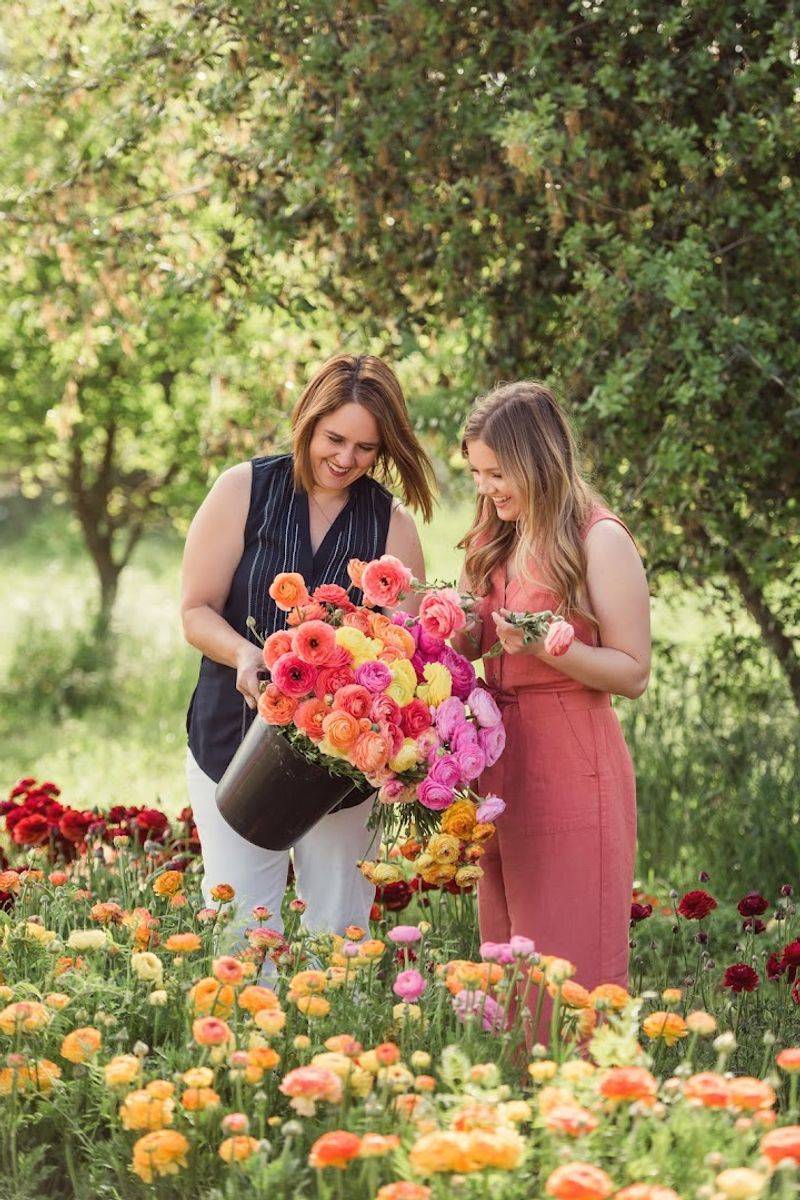
Backroad Blooms operates as a family venture where a mother and daughter work side by side to manage every aspect of the business, from planting seeds to arranging bouquets for customers.
Their partnership brings together two generations of knowledge and energy.
The mother often brings years of gardening experience and an eye for design, while the daughter contributes fresh ideas and handles much of the social media presence that keeps customers informed about what’s blooming and when.
Working together on a farm means long days during peak season and constant problem-solving when weather or pests threaten the crops.
The duo splits responsibilities based on their strengths, with one focusing more on field work and the other managing logistics and customer communication.
This kind of collaboration creates a personal touch that customers notice.
When someone orders a bouquet from this farm at 10040 CA-120, Oakdale, CA 95361, they know it was grown and arranged by people who genuinely care about the quality and beauty of what they’re putting together, not a faceless corporation.
2. February Reopening And Tulip Season
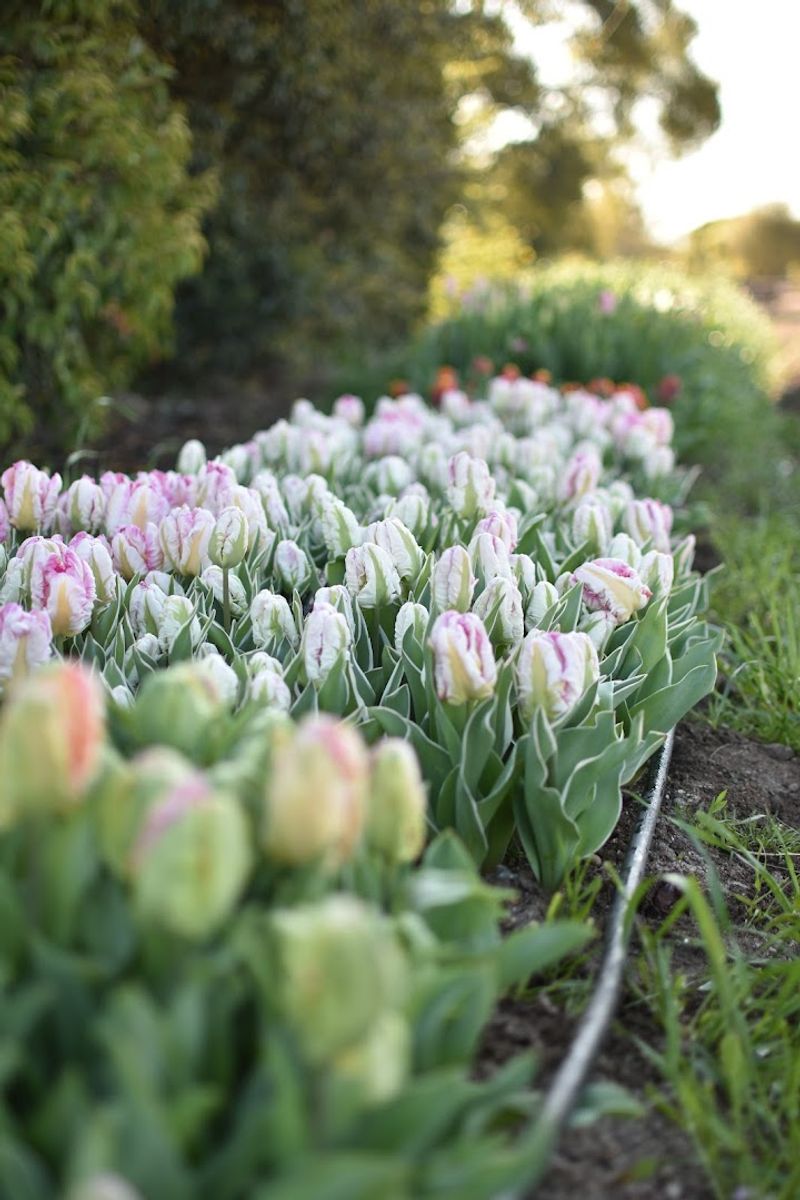
February signals the start of the growing season at Backroad Blooms. The farm reopens its operations after the winter pause, and tulips take center stage as the first major crop to reach full bloom.
Tulips thrive in the cooler temperatures that linger in the Central Valley during late winter.
The farm plants multiple varieties to create a spectrum of colors that includes classic reds and yellows alongside softer pinks, purples, and even bi-colored blooms that show off stripes or gradients.
Timing matters with tulips because their window of perfection is relatively short. The flowers reach peak beauty for only a few weeks, and the farm monitors them closely to ensure they’re cut at just the right moment for maximum freshness and vase life.
For customers, this reopening represents the first chance in months to access fresh, locally grown flowers.
The anticipation builds through the winter, and when the farm announces that tulip season has arrived, orders start coming in quickly from people eager to bring that burst of color into their homes.
3. Central Valley Climate Advantage
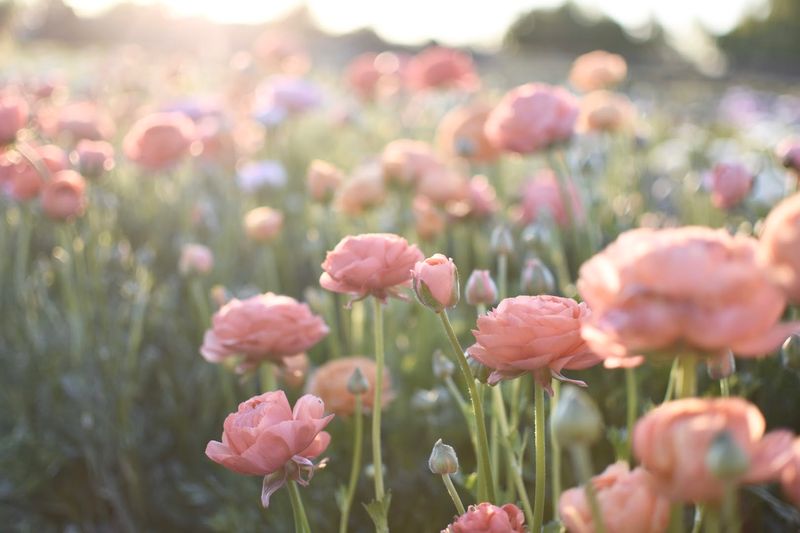
Geography plays a huge role in what can grow successfully on any farm. Backroad Blooms benefits from its location in California’s Central Valley, a region known for fertile soil and a climate that supports an unusually wide range of crops.
The valley experiences hot, dry summers and mild winters with occasional frost.
This pattern allows the farm to grow flowers that might struggle in other parts of the country, including varieties that prefer cooler springs but can tolerate the valley’s intense summer heat if managed properly.
Rainfall in the valley is limited, which means irrigation systems become essential.
The farm uses controlled watering to ensure each plant gets the moisture it needs without waste, a practice that’s both environmentally responsible and practical given California’s ongoing water concerns.
The valley’s long growing season extends the farm’s productive period compared to regions with harsher winters or shorter summers.
This advantage translates into more opportunities throughout the year to grow different types of flowers and serve customers with fresh blooms across multiple seasons.
4. Specialty Cut Flower Focus
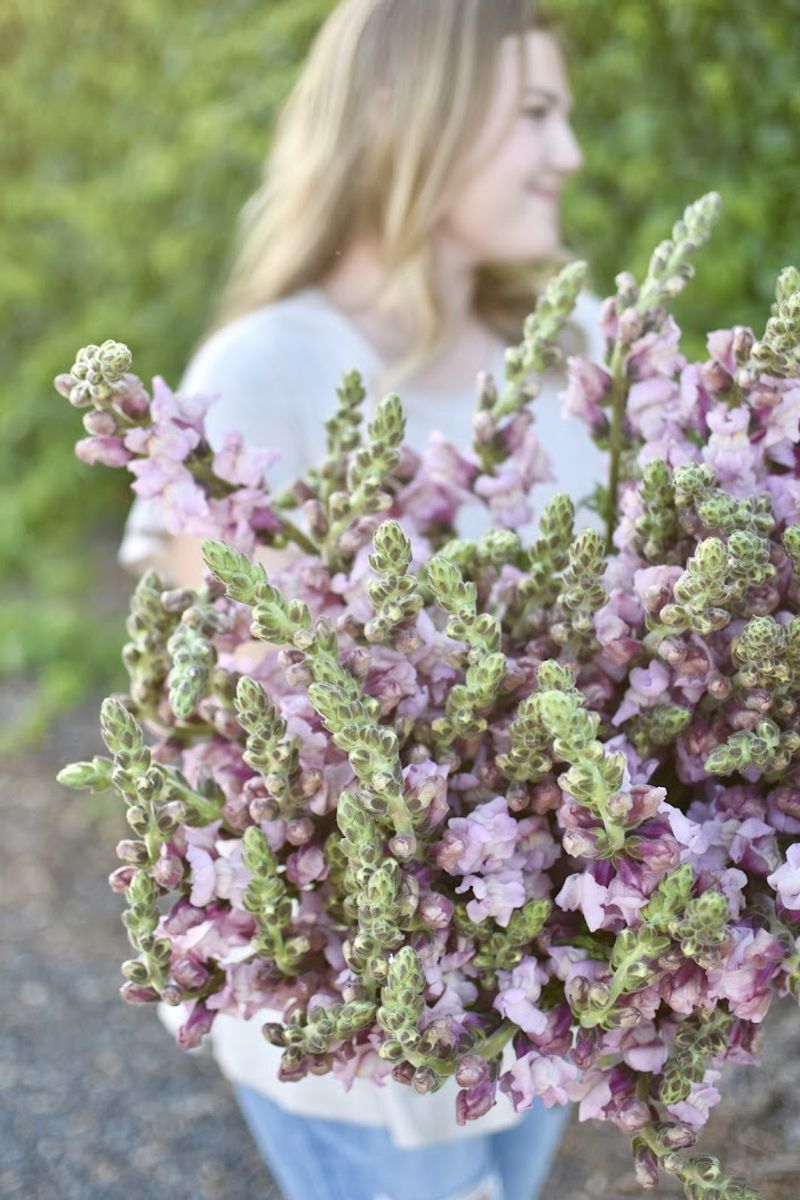
Not all flowers are created equal when it comes to cutting and arranging. Backroad Blooms specializes in varieties that are specifically grown for their performance as cut flowers, meaning they last longer in a vase and maintain their appearance after being harvested.
Specialty cut flowers often include blooms that aren’t typically found in standard grocery store bouquets.
The farm grows ranunculus with their layers of paper-thin petals, anemones with dark centers that create striking contrast, and other varieties chosen for their unique colors, shapes, or textures.
Growing these flowers requires different techniques than mass-market varieties.
The farm pays attention to stem length, bloom size, and timing to ensure each flower is cut at the optimal stage for longevity and visual impact.
Customers who seek out specialty cut flowers are usually looking for something beyond the ordinary.
They want arrangements that stand out, whether for a special event or simply to bring something distinctive into their everyday space, and the farm delivers on that expectation through careful variety selection.
5. Hand-Tied Bouquets And Custom Arrangements
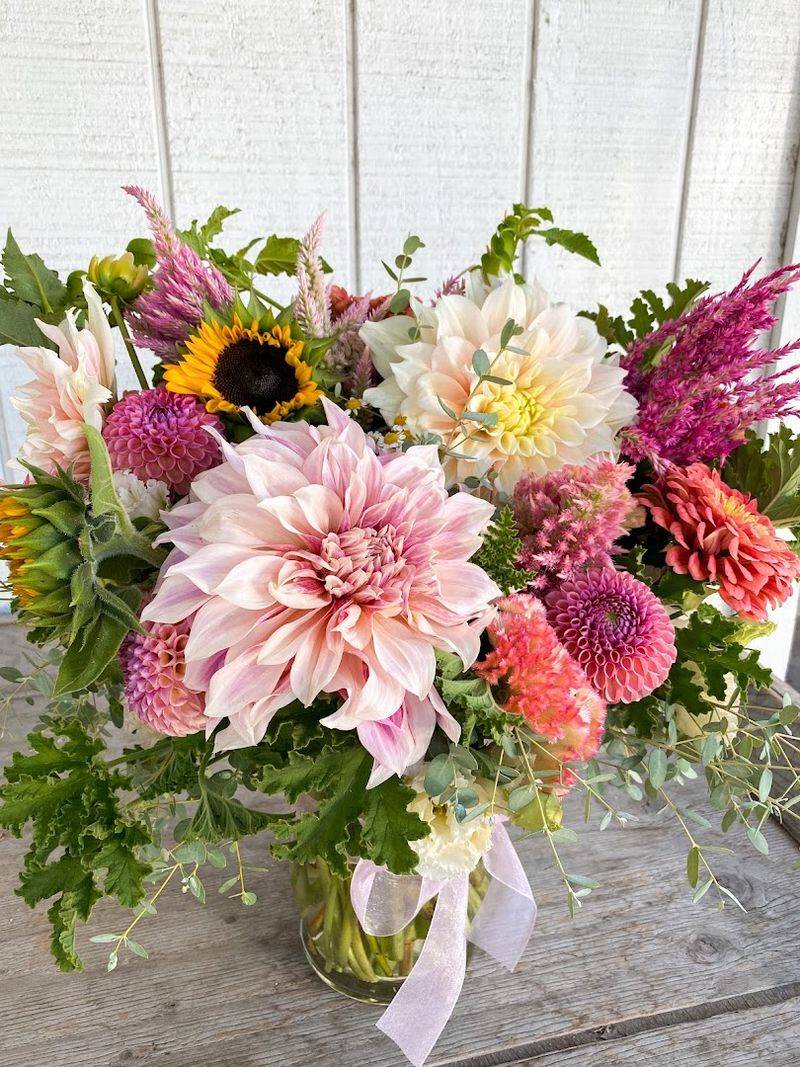
Arranging flowers is its own skill set. Backroad Blooms offers hand-tied bouquets that showcase the natural beauty of the blooms without excessive filler or artificial embellishments.
Hand-tying involves gathering stems in a specific pattern that creates a balanced, rounded shape.
The arranger rotates the bouquet while adding each stem, building up layers that spiral outward from the center and create a professional look that holds its shape even after the customer unwraps it.
Custom arrangements go a step further by incorporating specific color schemes, flower types, or sizes based on what a customer requests.
These might be designed for weddings, anniversaries, or other occasions where the flowers need to match a particular vision or theme.
The farm’s approach emphasizes the flowers themselves rather than elaborate packaging or non-floral elements.
This keeps the focus on the blooms and allows their natural colors and forms to take center stage, which appeals to customers who appreciate simplicity and authenticity in their floral designs.
6. Bouquet Vouchers For Winter Gifting
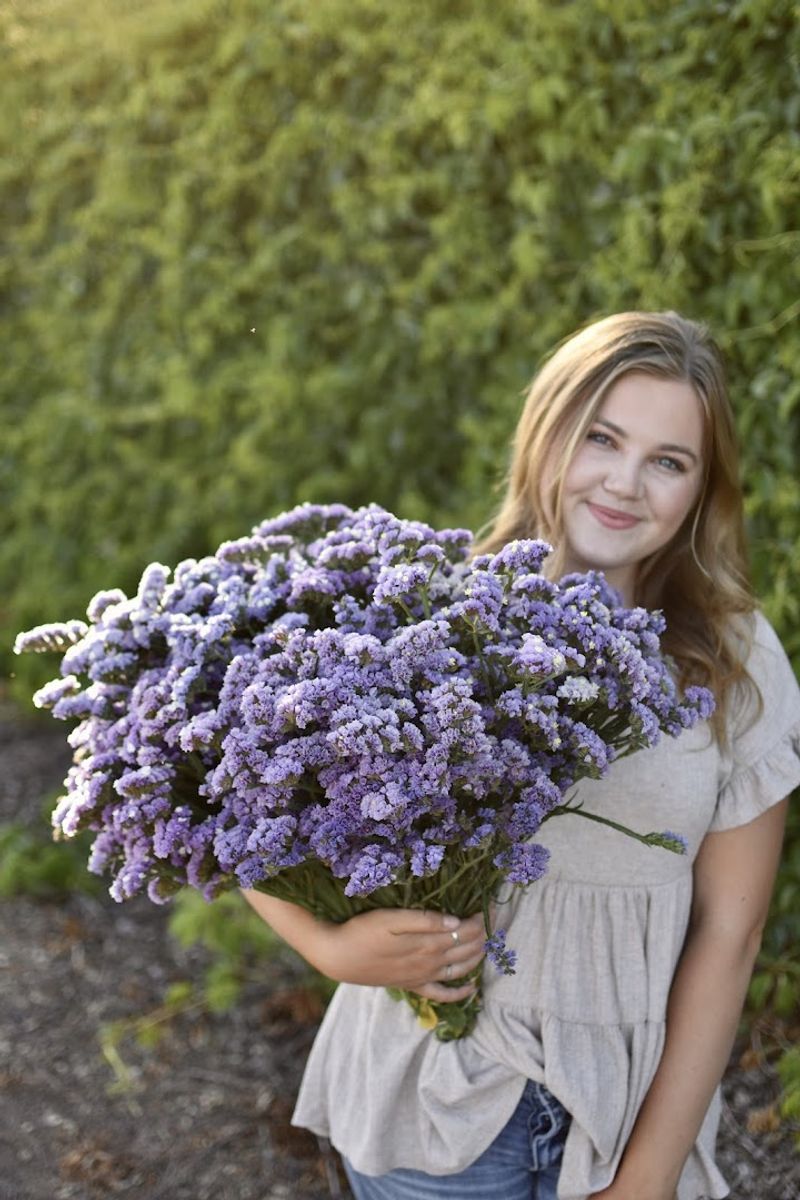
Gift-giving gets complicated when the item is seasonal or perishable.
Backroad Blooms solves this problem by offering bouquet vouchers during the winter months, allowing someone to give the promise of fresh flowers without worrying about timing or freshness.
These vouchers work like gift certificates specifically for bouquets.
The recipient can redeem them once the farm reopens in February or later in the season when their preferred flowers are available, giving them control over when they receive their blooms.
For the gift-giver, vouchers eliminate the stress of coordinating delivery dates or guessing which flowers the recipient might prefer.
They’re particularly useful for holiday shopping in December when the farm isn’t producing its main flower crops but people still want to give something meaningful.
The farm announces voucher availability through their social media channels and newsletter.
This system works well for their business model since it generates revenue during the slower winter period while ensuring customers get the freshest possible flowers when they actually redeem their vouchers.
7. Winter Wreaths In Early December
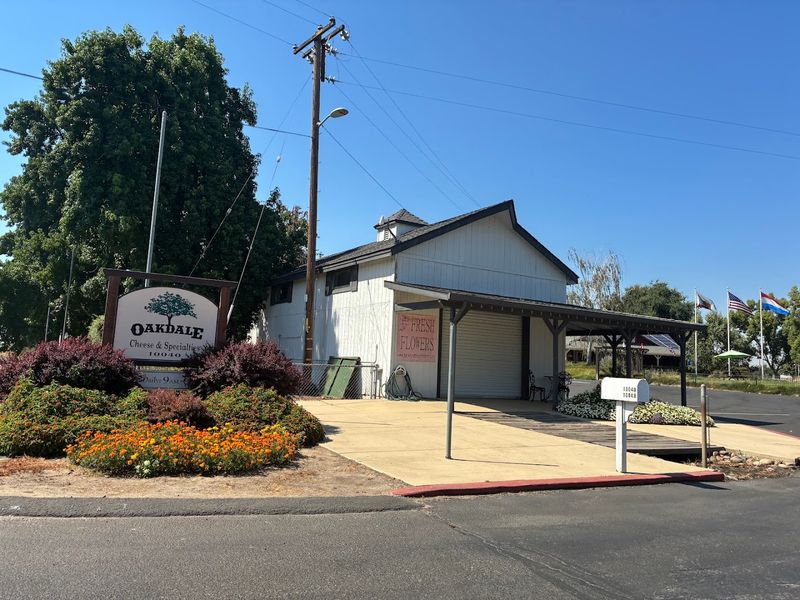
December brings a shift in what the farm produces. While cut flowers take a break, Backroad Blooms creates winter wreaths during the first week of the month, offering customers a seasonal product that fits the holiday period.
These wreaths typically incorporate evergreen branches, berries, seed pods, and other natural materials that hold up well in winter weather.
The farm sources materials that can withstand cold temperatures and maintains their appearance throughout the holiday season without wilting or losing color.
Sales happen quickly and operate on a first-come, first-served basis.
The farm announces wreath availability on Instagram, and interested customers need to act fast since the limited production window means quantities are restricted.
This approach to winter wreaths shows how the farm adapts its offerings to match what can realistically be produced during different times of the year.
Rather than trying to force flower production in winter or leaving customers with no options, they pivot to a product that makes sense for the season and still showcases their design skills.
8. Workshop Events And Educational Opportunities
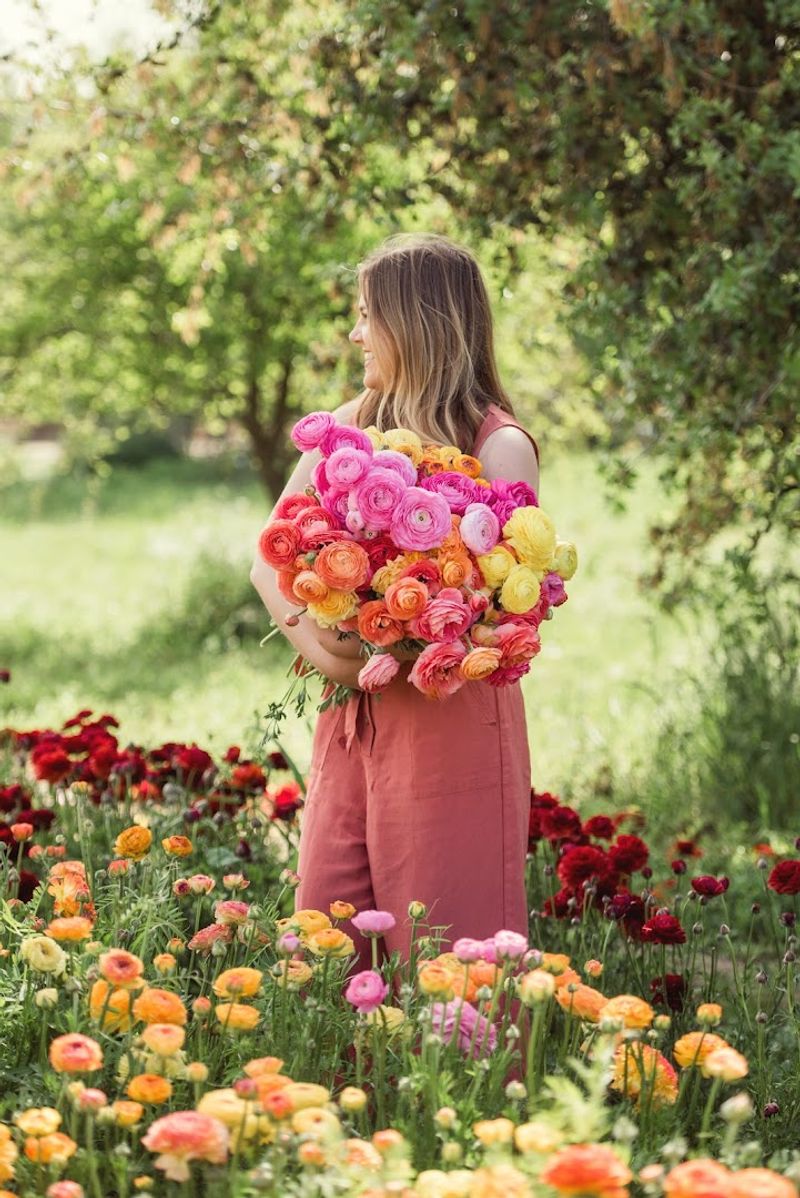
Learning by doing creates a different kind of connection to flowers than simply buying a finished bouquet.
Backroad Blooms occasionally hosts workshops where participants learn hands-on techniques for arranging, growing, or working with cut flowers.
These events are announced through the farm’s social media accounts and newsletter rather than following a fixed schedule.
The timing depends on the farm’s workload, bloom availability, and seasonal considerations, so interested participants need to watch for announcements rather than expecting regular monthly sessions.
Workshop topics might cover bouquet design, seasonal flower selection, proper cutting and conditioning techniques, or other skills related to working with fresh flowers.
Participants typically leave with their own arrangements and new knowledge they can apply at home.
The educational aspect appeals to people who want to move beyond just appreciating flowers and actually understand the work behind them.
These workshops provide access to the farm’s expertise in a format that’s interactive and personal, creating a deeper appreciation for the entire process from field to vase.
9. Not Open For General Public Visits
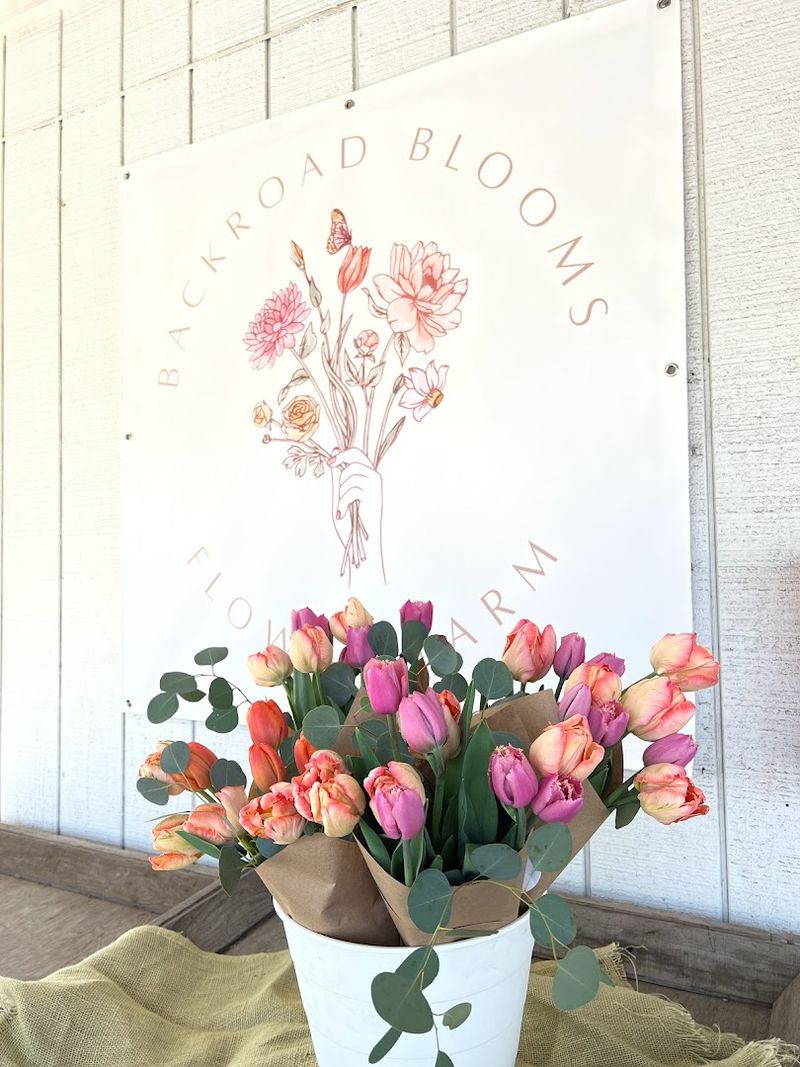
Managing expectations matters when running any business. Backroad Blooms makes it clear that the farm is not open for casual walk-in visits, which helps prevent misunderstandings and protects their working space.
This policy exists for practical reasons.
Operating a farm requires focused time for planting, maintenance, harvesting, and processing flowers.
Constant interruptions from visitors would disrupt the workflow and could potentially damage crops or create safety concerns.
Many customers assume flower farms operate like pick-your-own orchards or pumpkin patches where public access is part of the business model.
By stating upfront that visits aren’t available, the farm helps people understand that their operations are structured differently and directs them toward the actual ways they can engage, like workshops or bouquet orders.
This approach also maintains the farm’s capacity to focus on quality.
Instead of splitting attention between hospitality and farming, they can dedicate their energy to growing the best possible flowers and creating beautiful arrangements for customers who order them through the proper channels.
10. Social Media And Newsletter Communication
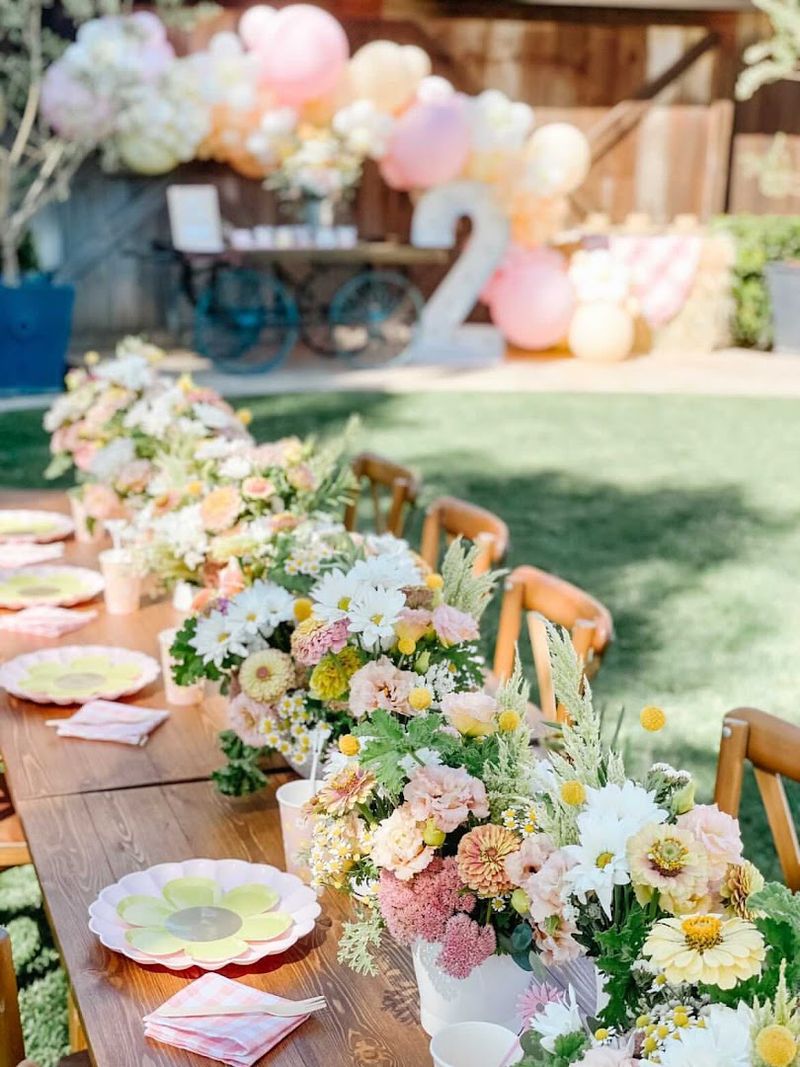
Staying connected with customers requires consistent communication.
Backroad Blooms uses Instagram, Facebook, and email newsletters to share updates, announce availability, and give followers a behind-the-scenes look at farm life. Social media serves multiple purposes for the farm.
It functions as an announcement platform for time-sensitive information like wreath sales or workshop openings, but it also builds community by sharing photos of what’s currently blooming and glimpses of the daily work that goes into maintaining the operation.
The newsletter provides a more direct line to people who want reliable updates without having to monitor social media constantly.
Subscribers receive information about upcoming seasons, special offerings, and other news delivered straight to their inbox on a schedule the farm controls.
This communication strategy works particularly well for a seasonal business where availability changes throughout the year.
Followers who stay engaged through these channels know when to expect tulips in February, when wreaths will drop in December, and when workshops might be scheduled, allowing them to plan accordingly and not miss out on limited offerings.
11. Oakdale Location In Central Valley
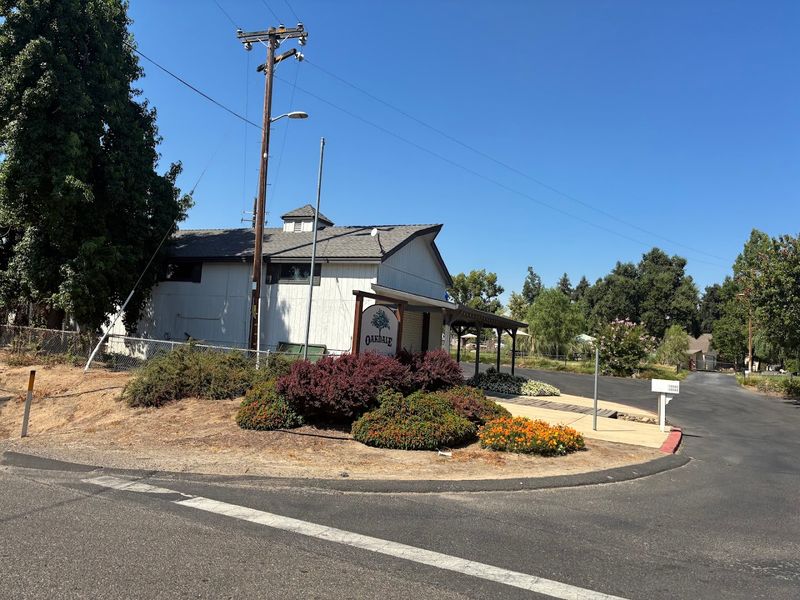
Location shapes a farm’s identity. Backroad Blooms operates in Oakdale, a city in Stanislaus County that sits firmly in California’s agricultural heartland where farming has been a way of life for generations.
Oakdale’s position in the Central Valley places it among some of the most productive farmland in the country.
The area is known primarily for dairy, nuts, and row crops, but the same conditions that support those industries also create opportunities for specialty agriculture like cut flower farming.
The town itself maintains a rural character despite being within reach of larger cities.
This setting provides the space and resources a flower farm needs while still allowing access to customers throughout the region who are looking for locally grown flowers.
Being based in Oakdale connects the farm to a broader agricultural community.
Other farmers in the area face similar challenges with water, weather, and market conditions, creating a shared understanding and support network that helps small operations like Backroad Blooms navigate the realities of farming in California.
12. Sustainable Growing Practices And Water Management
Water scarcity defines California agriculture. Backroad Blooms operates in a state where every drop counts, and responsible farming means using irrigation systems that deliver water directly to plant roots without waste.
Drip irrigation and similar targeted watering methods reduce water use compared to overhead sprinklers or flood irrigation.
These systems place water exactly where it’s needed, minimizing evaporation and runoff while ensuring plants receive consistent moisture throughout their growing cycle.
Sustainable practices extend beyond just water.
The farm likely considers soil health, pest management approaches that minimize chemical use, and crop rotation strategies that prevent soil depletion, though specific methods vary based on the farm’s particular setup and philosophy.
For customers who care about environmental impact, knowing that their flowers were grown with attention to resource conservation adds value beyond just the beauty of the blooms.
Supporting farms that prioritize sustainability becomes a way to align purchasing decisions with personal values while still enjoying fresh, locally grown products.