This North Carolina Space Destination Lets You Travel The Galaxy In An Afternoon
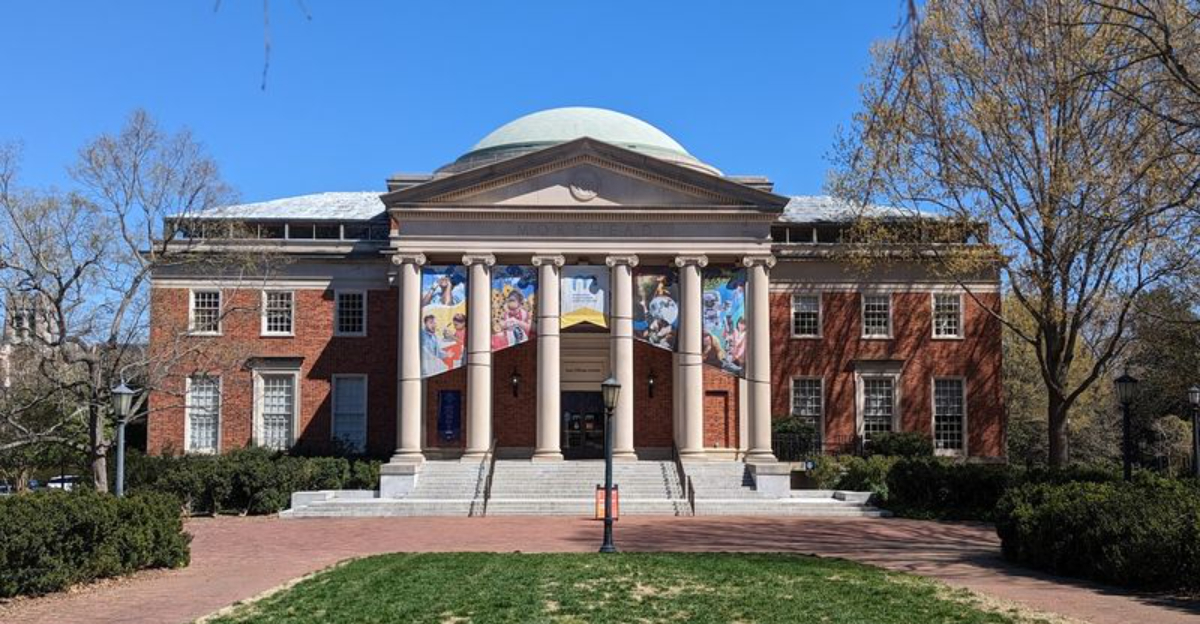
Space exploration doesn’t require a rocket ship when you know where to look. Morehead Planetarium and Science Center brings the cosmos down to earth through immersive shows, hands-on exhibits, and programs that transform complex science into accessible adventure.
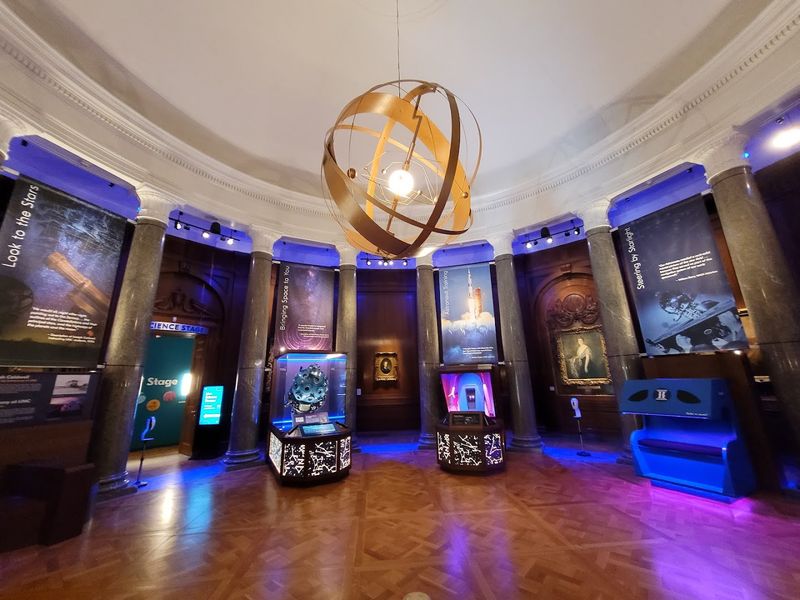
Families, students, and curious visitors discover everything from distant galaxies to microscopic worlds under one historic roof. North Carolina offers few destinations where astronaut history meets cutting-edge technology quite like this.
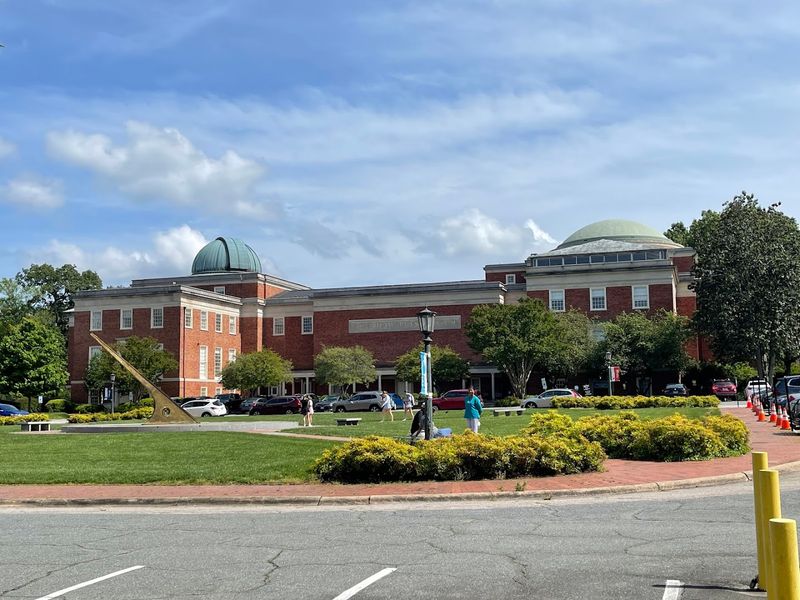
The center has trained actual space travelers and continues inspiring future scientists through interactive learning experiences that make astronomy feel personal rather than distant. Located at 250 E Franklin St, Chapel Hill, this University of North Carolina campus landmark welcomes visitors ready to explore beyond ordinary museum visits and into realms where science sparks imagination.
1. Historic Astronaut Training Ground
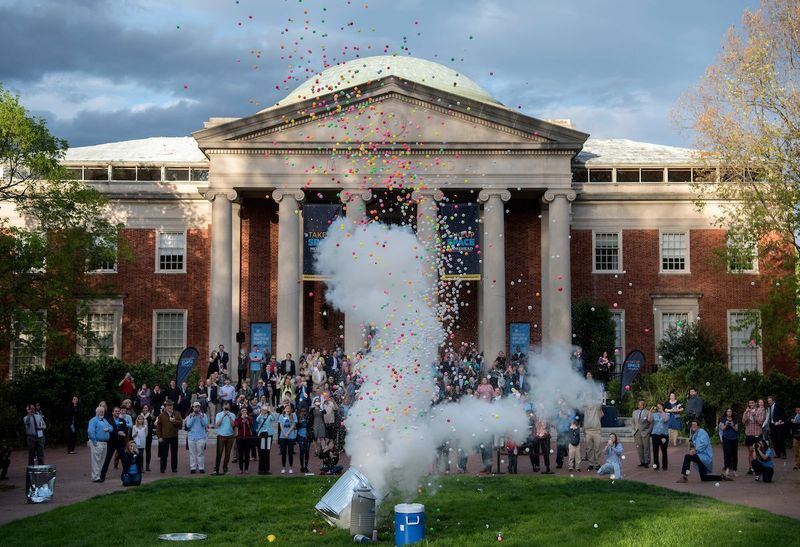
Between 1959 and 1975, this facility served as the celestial navigation training center for American space programs. Neil Armstrong, Buzz Aldrin, and Alan Shepard walked these halls before making history beyond Earth’s atmosphere.
Mercury, Gemini, Apollo, Skylab, and Apollo-Soyuz astronauts learned star navigation techniques that would guide them through space missions.
The training connection adds weight to every visit. Knowing that moon-walking legends studied in the same building creates a tangible link to space exploration history.
Display materials throughout the center reference this astronaut legacy without overwhelming the current educational mission.
Visitors often pause to imagine those early space pioneers sitting in the same seats during training sessions. The planetarium dome that helped astronauts prepare for navigation challenges now educates the public about those same stars.
This dual purpose as both training facility and public science center makes the location historically significant beyond typical museums.
2. Fulldome Planetarium Theater Experience
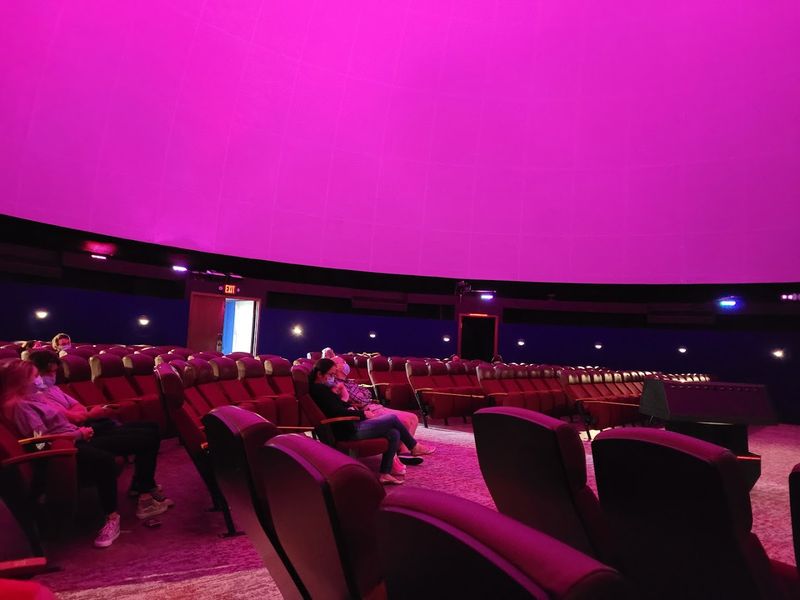
The 68-foot dome theater surrounds viewers with digital projections that transform ceiling space into cosmic canvas. State-of-the-art technology creates immersive journeys through nebulae, past planets, and across light-years in minutes.
Shows like Astronaut, Carolina Skies, and Cosmic Colors offer different perspectives on space exploration and celestial phenomena.
Reclining seats angle upward so necks stay comfortable during shows lasting 45 minutes to an hour. The dome’s curved surface eliminates flat-screen boundaries and places audiences inside the action rather than watching from outside.
Sound systems complement visuals with narration and effects that enhance without overwhelming.
Younger children handle the immersive environment differently than older visitors. Some find the all-encompassing projections thrilling while others need a moment to adjust to the unusual viewing format.
The theater accommodates various age groups through carefully designed programming that matches content complexity to audience development levels.
3. Interactive Science Exhibits
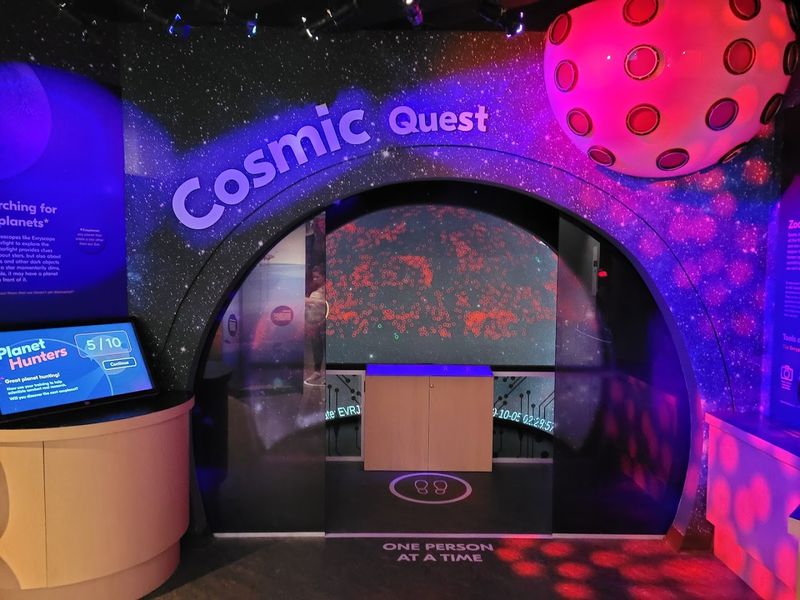
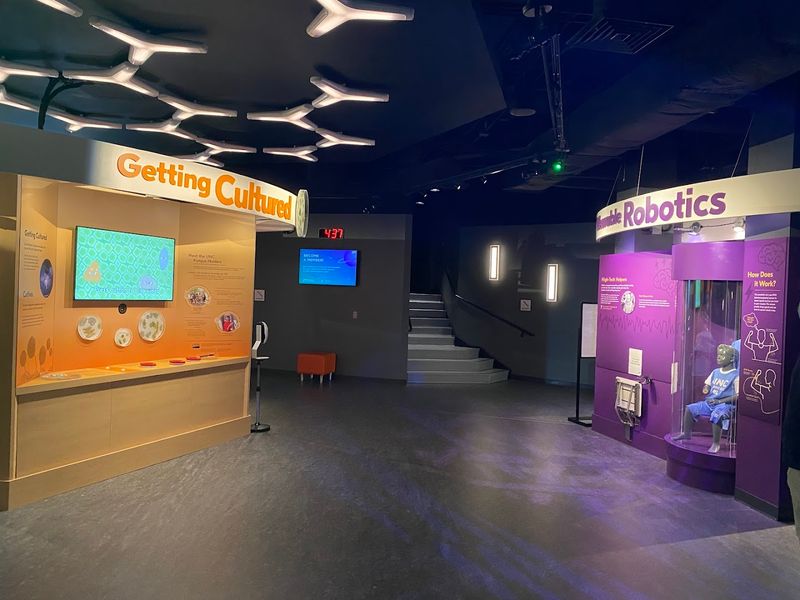
Zoom In: Science at the Extremes takes visitors from microscopic cellular structures to cosmic-scale phenomena. Touchscreens, physical manipulatives, and visual displays encourage exploration through multiple learning styles.
The Ancient Carolinians exhibit connects regional history to broader scientific understanding of human development and cultural evolution.
Interactive areas have evolved over recent years with rotating installations that keep repeat visitors engaged. Tactile elements appeal especially to younger learners who process information through physical interaction.
Digital components add depth for older students ready to explore concepts beyond surface-level explanations.
Not every exhibit functions perfectly every day according to visitor feedback. Maintenance challenges affect interactive displays more than static ones.
Staff members monitor exhibit areas and assist when technical issues arise, though some visitors encounter non-functioning elements during their visits. The hands-on nature means exhibits receive heavy use that occasionally requires repair or replacement.
4. Science LIVE! Demonstrations
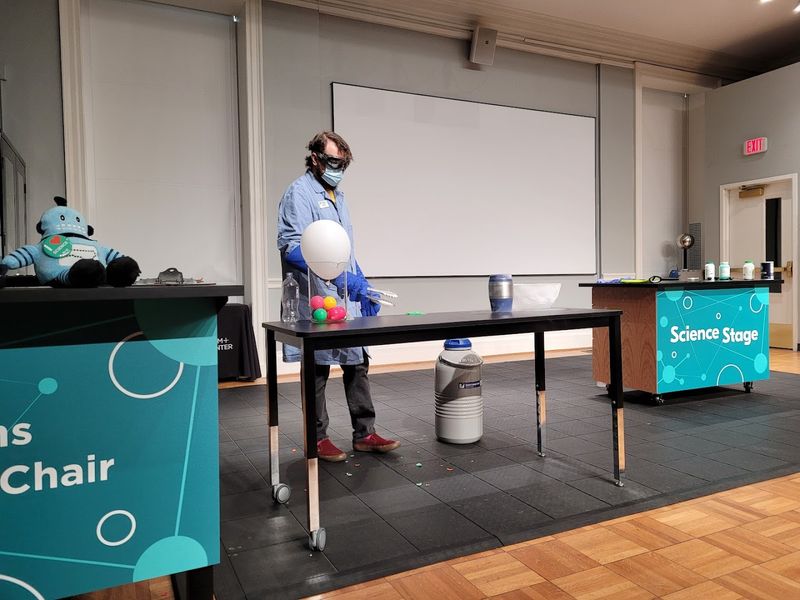
Educator-led programs on the Science Stage bring chemistry, physics, and other disciplines to life through experiments and demonstrations. Audience participation turns passive watching into active learning as volunteers assist with select activities.
The live format allows presenters to adjust explanations based on audience questions and engagement levels.
Shows typically run 30 to 45 minutes with content appropriate for elementary through middle school comprehension. Demonstrations might include chemical reactions, physics principles, or biology concepts presented through visual experiments.
The informal theater setting feels less intimidating than classroom environments while delivering educational content.
Presenters often include university students gaining teaching experience alongside professional educators. This mix brings enthusiasm and fresh perspectives to science communication.
Some demonstrations involve minor safety considerations like protective eyewear or maintaining distance from certain experiments. The stage setup ensures audience members observe safely while still seeing details clearly enough to understand processes.
5. Monthly Skywatching Events
Partnership with local astronomy clubs brings monthly opportunities to observe celestial objects through telescopes. Weather-dependent sessions typically occur after sunset when darkness allows optimal viewing of planets, moon features, and deep-sky objects.
Experienced amateur astronomers guide participants through telescope operation and help locate targets worth observing.
These events happen outdoors rather than inside the planetarium dome. Actual stargazing under real skies complements the simulated dome shows by connecting digital presentations to observable reality.
Participants learn to identify constellations, understand celestial motion, and appreciate what telescopes reveal beyond naked-eye viewing.
Cloud cover occasionally forces cancellations or shortened sessions. The program schedule lists dates but reminds participants that clear skies cannot be guaranteed.
Dress recommendations suggest layers since evening temperatures drop even during warmer months. Families with young children should consider whether their kids can stay engaged during evening hours when energy levels typically decline.
6. Teen Science Café Programs
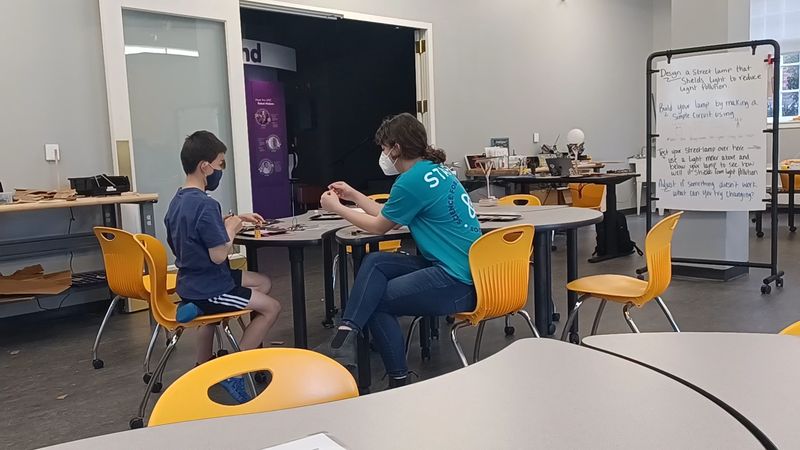
High school students engage directly with working scientists through monthly café-style discussions. Topics span STEM fields from technology and engineering to biology and environmental science.
The informal format encourages questions and dialogue rather than lecture-style presentations that dominate traditional classroom settings.
Scientists share their career paths, current research, and real-world applications of their work. Students hear about challenges, failures, and successes that shape scientific careers.
This honest perspective helps teenagers understand science as a human endeavor rather than a collection of facts in textbooks.
The café model creates community among students interested in similar fields. Peer connections formed during these sessions can lead to study groups, project collaborations, or simply finding others who share enthusiasm for science topics.
Some participants return monthly while others attend sporadically based on topic interest. The program aims to maintain accessibility without requiring long-term commitment that might discourage participation.
7. Mobile Planetarium Outreach
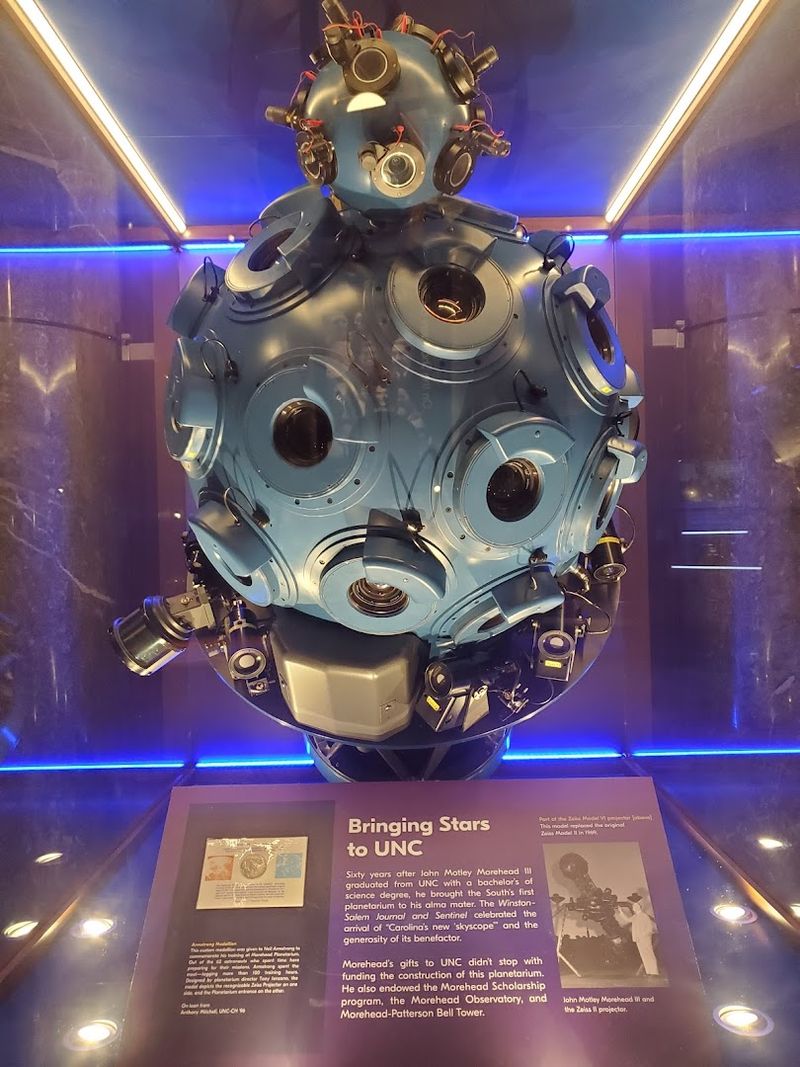
PLANETS Portable Planetarium Program extends dome theater experiences to schools and community groups unable to visit the Chapel Hill location. The inflatable dome structure sets up in gymnasiums, cafeterias, or other spaces with sufficient ceiling height.
Groups enter the temporary planetarium for shows similar to those presented in the permanent facility.
This outreach removes transportation barriers that prevent some students from accessing planetarium education. Rural schools, under-resourced districts, and community organizations benefit from programs brought directly to their locations.
The portable system maintains educational quality while adapting to various venue conditions.
Scheduling requires coordination between the center and host organizations. Groups must provide appropriate space and meet technical requirements for safe dome operation.
The mobile program serves a different audience than the main facility, focusing on educational access rather than general public entertainment. Schools typically book these visits as part of curriculum units related to astronomy, space science, or earth science topics.
8. Enrichment Classes For School Groups
Interactive classes designed specifically for school groups allow students to explore astronomy, earth science, and physics through hands-on activities. Morehead educators lead sessions that align with curriculum standards while providing experiences unavailable in typical classrooms.
Classes supplement planetarium shows rather than replacing them, offering deeper engagement with specific topics.
Teachers coordinate visits that combine dome shows with enrichment activities for comprehensive field trip experiences. The structured format helps educators justify the time away from regular school schedules by ensuring clear educational outcomes.
Pre-visit materials help teachers prepare students, while post-visit resources extend learning back in the classroom.
Group size limitations ensure each student receives adequate attention during activities. Advance booking is necessary since the center accommodates multiple school groups throughout the academic year.
Pricing structures for educational groups differ from general admission, making these programs accessible to schools with limited field trip budgets. The center balances educational mission with operational costs through this tiered approach.
9. North Carolina Science Festival Hub
Morehead organizes the month-long North Carolina Science Festival that spreads hundreds of events across the state. The festival highlights how science impacts education, culture, and economy throughout the region.
Events range from hands-on demonstrations to expert lectures, reaching audiences far beyond those who visit the planetarium directly.
Festival programming intentionally varies to engage different age groups and interest levels. Some events target early learners while others challenge high school students or appeal to adult science enthusiasts.
The distributed model brings science programming to communities that lack permanent science centers or museums.
Coordination involves partnerships with universities, libraries, businesses, and community organizations statewide. This collaborative approach builds science literacy across diverse populations rather than concentrating resources in a single location.
The festival’s success depends on volunteer support and organizational networks that extend Morehead’s educational impact beyond its physical facility. Annual festival timing typically falls during April, though specific dates and participating locations vary each year.
10. Age-Appropriate Show Selection
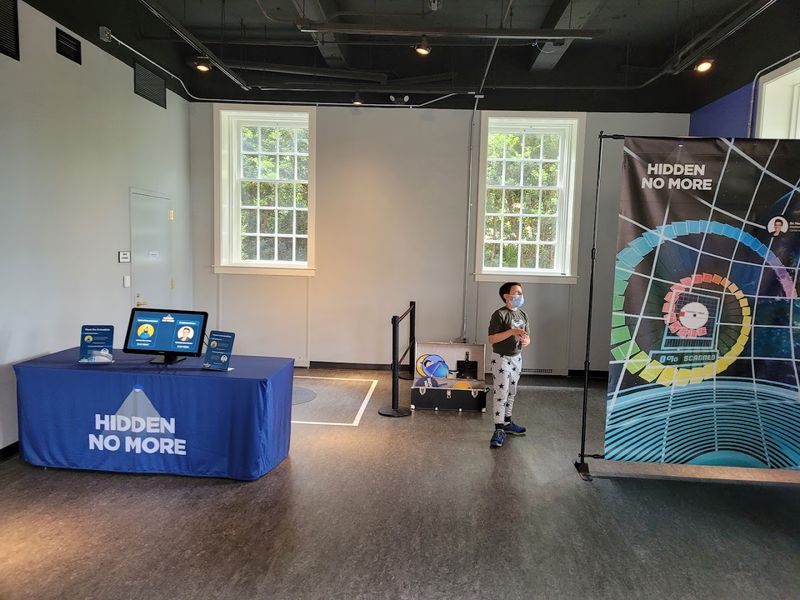
Programming spans from Magic Tree House Space Mission for younger children to Supermassive Black Holes: Uncovering the Invisible for adults and older students. Content complexity, pacing, and presentation style adjust to match developmental stages.
Parents can select shows that match their children’s attention spans and comprehension levels rather than hoping one program fits all ages.
Show descriptions on the website and at the facility indicate recommended age ranges. Staff members can suggest options when families arrive, uncertain about which program best suits their group.
Some shows incorporate storytelling elements that engage younger viewers, while others focus on scientific concepts that challenge older audiences.
Mixed-age families sometimes split up to attend different shows scheduled simultaneously. The facility layout allows this flexibility, though it requires coordinating meeting times afterward.
Single parents or guardians with children of very different ages face harder choices about which show to prioritize. Membership options become more valuable for families planning multiple visits to experience various programs over time.
11. Science On Stage Live Programs
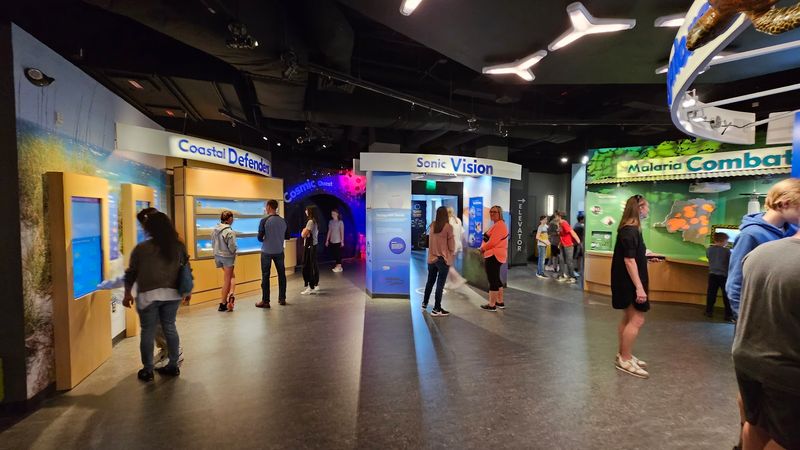
Educator-led stage programs present scientific foundations through experiments and demonstrations that invite audience participation. The live format creates spontaneity that recorded presentations cannot match.
Presenters respond to audience energy and questions, adjusting pacing and detail levels based on real-time feedback.
Programs typically explore chemistry, physics, or biology through visible phenomena that illustrate abstract concepts. Demonstrations might include changes in matter states, forces and motion, or biological processes made observable through magnification or chemical indicators.
The theatrical presentation style makes science feel entertaining while maintaining educational integrity.
University students often serve as presenters, bringing enthusiasm and recent training in science communication. Their relative youth sometimes helps them connect with younger audience members who see science careers as achievable rather than distant possibilities.
Professional educators provide consistency and depth of experience that complements the student presenter’s energy. This mentorship model serves both audiences and emerging science communicators, developing teaching skills.
12. Morehead Observatory Research Telescope
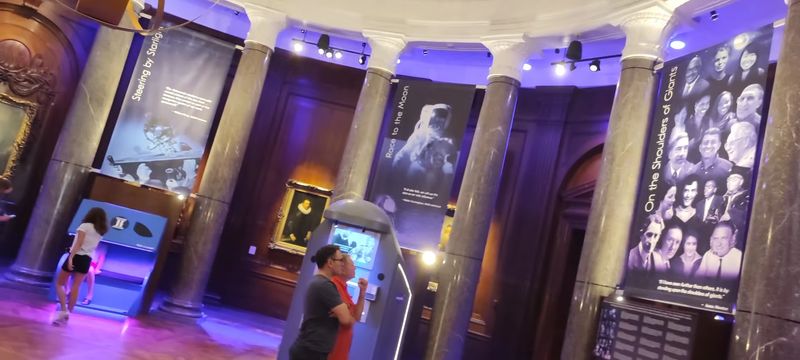
A 24-inch Perkin-Elmer reflecting telescope operates from the top floor observatory supporting University of North Carolina research programs. The instrument focuses on bright star spectroscopy and optical counterparts of Gamma Ray Bursts.
Physics and Astronomy Department faculty and students conduct observations that contribute to scientific literature and student training.
Public access to the research telescope occurs during special events rather than regular operating hours. The working observatory serves academic research first, with educational outreach as a secondary function.
This priority ensures the equipment remains available for serious astronomical work while occasionally offering public glimpses of professional astronomy in action.
The telescope represents the facility’s dual nature as both a public science center and university research asset. Visitors sometimes gain access during open house events or special programs that showcase how professional astronomers use instruments.
These opportunities remain limited compared to the regular planetarium programming, making them special occasions rather than standard visit components.
13. Limited Operating Hours And Planning Considerations
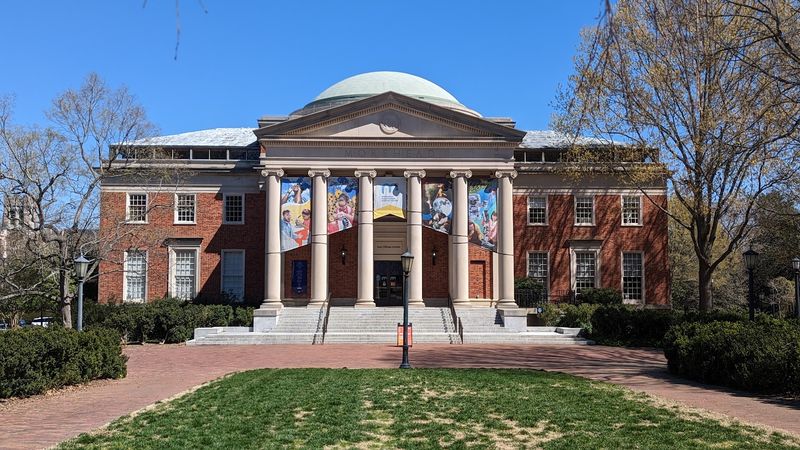
The center opens Friday primarily through Sunday with limited weekday access. Friday hours run from 2:30 to 6 PM, Saturdays from 10 AM to 6 PM, and Sundays from 1 to 6 PM.
Monday through Thursday closures mean weekday visitors must plan around these restricted hours or visit during special events that occasionally open the facility outside regular schedules.
The university campus location at 250 E Franklin St, Chapel Hill, means parking can be challenging during academic terms. Limited on-site paid parking is available, and spaces fill during busy periods.
Alternative parking requires walking from campus lots or public areas, adding time to visit planning.
Show schedules and exhibit access require checking current information before visiting. Some reviews note disappointment when visitors arrive expecting more extensive exhibits than currently available.
Admission costs apply even without attending planetarium shows, though the value proposition feels stronger when including dome theater experiences in the visit.