A North Carolina Overlook That Feels Like The Top Of The World
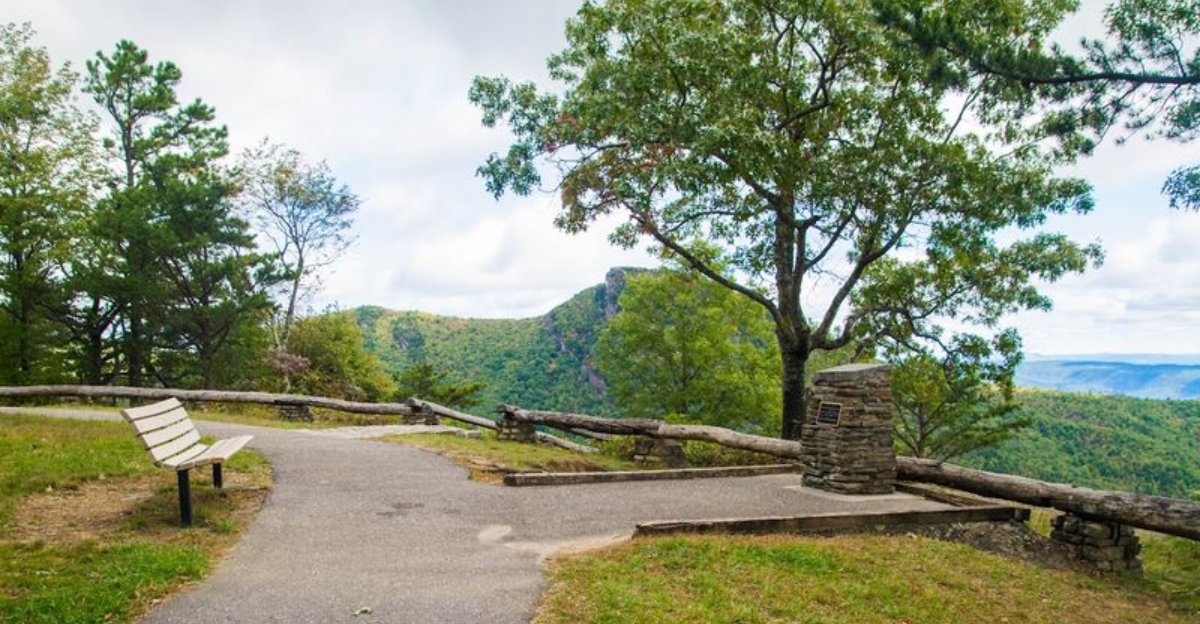
Standing at the edge of Linville Gorge feels like stepping into a postcard that somehow got better in real life. Wiseman’s View Scenic Overlook delivers one of those rare mountain experiences where the view actually exceeds the hype, with dramatic cliffs dropping 1,500 feet straight down to the Linville River below.
North Carolina knows how to do overlooks right. The panorama stretches across Hawksbill and Table Rock Mountains, creating a scene so stunning that photographers arrive before dawn just to capture the first light hitting the peaks.
Located in Marion, this scenic spot sits tucked inside Pisgah National Forest, where the wilderness feels wild, but the overlook itself remains surprisingly accessible. Whether visiting for sunrise colors, mysterious Brown Mountain Lights, or simply a moment of mountain peace, this place offers something that feels both humbling and uplifting at once.
The short paved trail makes the view reachable for nearly everyone, turning what could be a challenging mountain experience into something welcoming without losing any of the natural drama that makes the gorge so special.
1. Paved Accessibility Trail
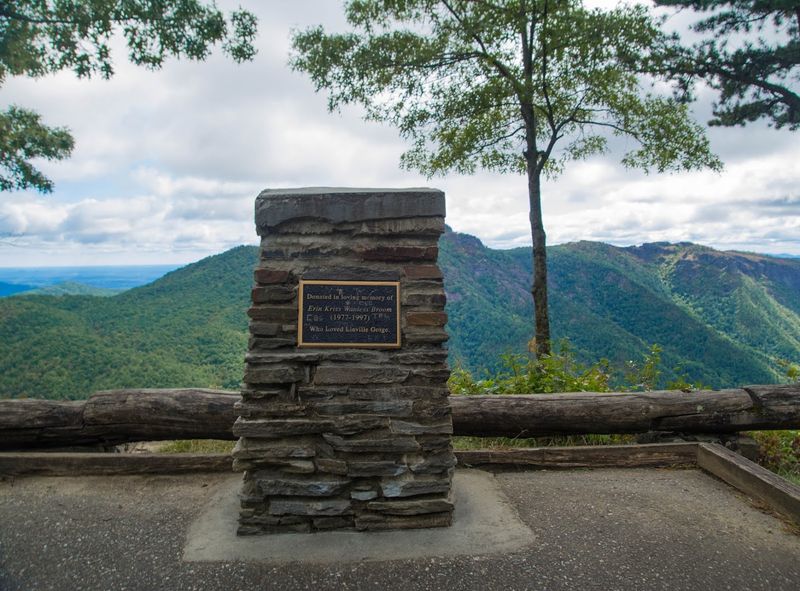
Most mountain overlooks require scrambling over rocks or navigating steep dirt paths. Wiseman’s View breaks that pattern with a paved trail that welcomes visitors of all mobility levels.
The smooth path stretches roughly 0.2 miles from the parking area to the main viewing platform. Wheelchair users can roll right up to some of the best views in the Blue Ridge without assistance.
Families pushing strollers find the surface equally accommodating.
Benches line portions of the trail for those who need rest breaks. The grade stays mostly level, though a few gentle slopes appear near the overlook itself.
Handrails provide extra stability where the trail edges closer to drop-offs.
This accessibility feature turns the overlook into a destination for grandparents, young children, and anyone who might otherwise skip rugged mountain viewpoints. The paved surface also performs well in light rain, though wet leaves can create slippery spots during autumn.
Early morning dew sometimes makes the pavement slick near sunrise hours.
Visitors often express surprise at finding such a well-maintained accessible path in a wilderness area. The trail design proves that dramatic natural beauty and inclusive access can coexist without diminishing either experience.
2. Linville Gorge Panorama
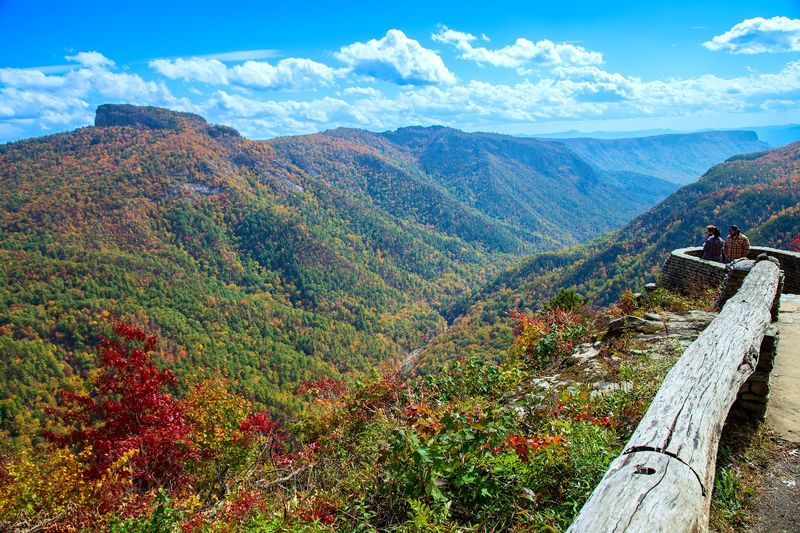
The gorge earned its nickname as the Grand Canyon of the East for good reason. From the overlook platform, the view plunges straight down through layers of ancient rock formations to where the Linville River carves its path 1,500 feet below.
Hawksbill Mountain rises directly across the gorge, its distinctive rocky summit creating a dramatic focal point. Table Rock Mountain sits nearby, both peaks forming the famous profile that defines this landscape.
The scale of the scene takes a moment to register fully.
Morning light fills the gorge gradually, illuminating different rock faces as the sun climbs higher. Afternoon brings sharper shadows that emphasize the depth and texture of the cliffs.
Evening light softens everything into layers of purple and blue ridges stretching toward the horizon.
The river itself appears as a thin silver thread at the bottom during most seasons. After heavy rains, the water becomes more visible and the sound of distant rapids sometimes carries up to the overlook.
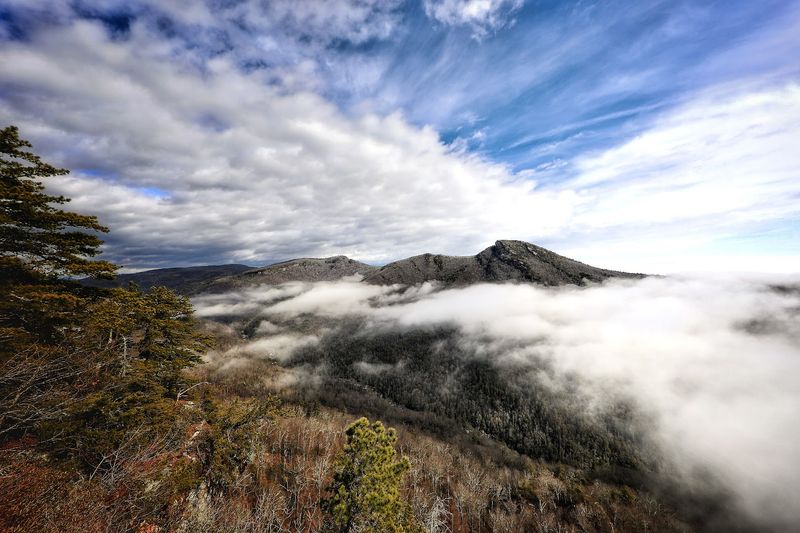
Fog occasionally fills the gorge completely, creating an otherworldly scene where mountain peaks float above white clouds.
3. Sunrise Photography Spot
Photographers arrive at the parking lot well before dawn, headlamps bobbing along the trail in darkness. The overlook faces east, positioning it perfectly for catching first light as it transforms the landscape from shadow to color.
Dawn typically begins with subtle pink and orange tones spreading across the horizon. As the sun approaches the ridgeline, the light intensifies rapidly.
The moment when rays first strike the opposite peaks creates the most dramatic shots.
Weekday mornings tend to be less crowded than weekends, sometimes offering solitary sunrise experiences. The paved trail makes hauling camera equipment relatively easy compared to backcountry locations.
Tripods set up easily on the flat viewing areas.
Cloud patterns significantly affect each sunrise, with partly cloudy conditions often producing the most interesting light shows. Clear mornings deliver reliable color but less drama.
Foggy conditions create entirely different opportunities, with mist glowing in the early light.
Temperature drops noticeably at this elevation before dawn, even during summer months. Photographers often wear layers that get shed quickly once the sun rises and warms the overlook platform.
4. Brown Mountain Lights Mystery
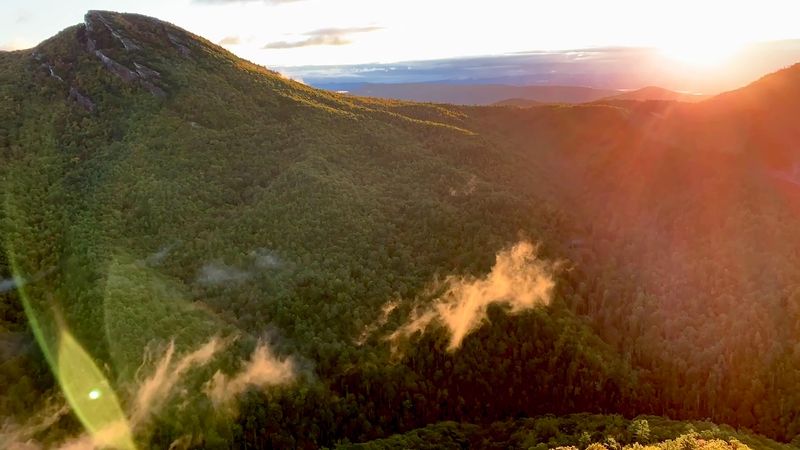
Strange lights have been reported in this area for over a century, appearing as glowing orbs that float above Brown Mountain. Scientists have proposed various explanations ranging from refracted vehicle lights to atmospheric phenomena, but the mystery persists.
Wiseman’s View offers one of the better vantage points for attempting to spot these elusive lights. The overlook faces the right direction and sits at an ideal elevation.
Sightings remain unpredictable and many visitors never see anything unusual.
Those hoping to catch a glimpse should arrive after full darkness on clear nights. The lights supposedly appear as yellowish or reddish orbs that move slowly across the ridgeline.
Some witnesses describe them as bright, while others report barely visible glows.
Peak observation times traditionally fall during September and October, though reports come from all seasons. New moon periods offer the darkest skies and potentially better viewing conditions.
Patience becomes essential, as hours may pass without any activity.
The mystery adds an extra dimension to nighttime visits beyond simple stargazing. Whether the lights represent unexplained natural phenomena or have more mundane causes, the stories surrounding them enhance the overlook’s appeal.
5. Stargazing Platform
Light pollution from nearby towns stays minimal at this elevation and remote location. The dark sky reveals stars in quantities that surprise visitors accustomed to urban areas.
On moonless nights, the Milky Way stretches clearly across the sky.
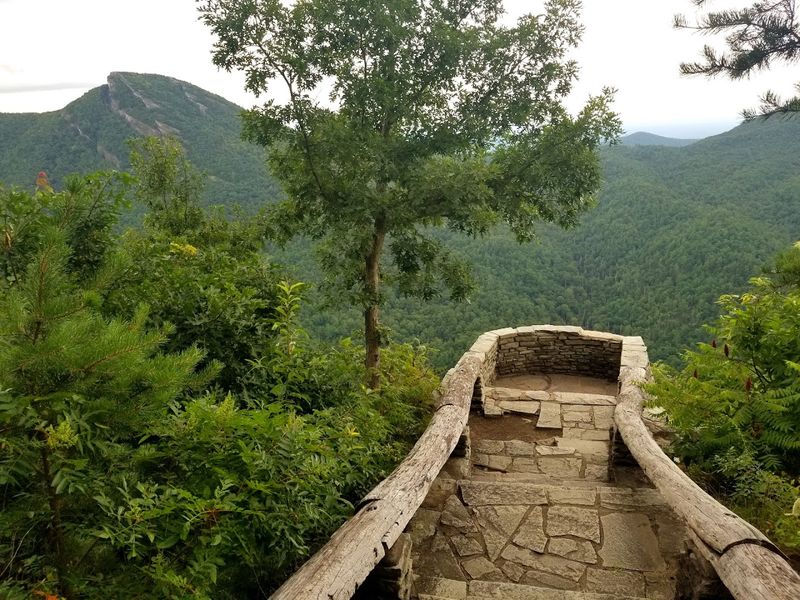
The paved viewing platform provides stable ground for setting up telescopes or simply lying back to watch meteor showers. August’s Perseids and December’s Geminids both put on shows visible from this spot.
Regular stars appear bright enough for easy constellation identification.
Cool mountain air at night makes warm clothing essential even during summer visits. Temperatures can drop 20 degrees or more after sunset.
The elevation also means thinner air that sometimes causes mild altitude effects in sensitive individuals.
Red flashlights help preserve night vision while moving around the overlook. The absence of artificial lighting means total darkness away from the parking area.
Eyes need roughly 20 minutes to fully adjust to night conditions.
Winter offers the longest dark periods but also the coldest temperatures and potentially icy trail conditions. Summer nights stay warmer but sunrise arrives earlier, shortening the stargazing window considerably.
6. Seasonal Foliage Changes
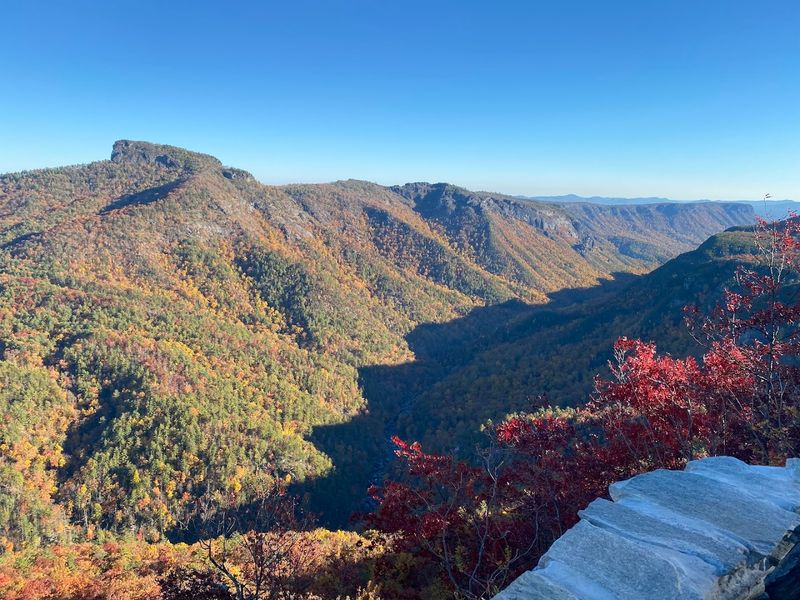
October transforms the gorge into a patchwork of red, orange, and gold as hardwood forests reach peak color. The elevation difference between the overlook and river bottom means colors change at different rates, creating layers of autumn progression.
Peak foliage timing varies yearly but typically falls in mid to late October. Early October shows initial color changes at higher elevations.
By early November, most leaves have dropped and brown dominates the landscape.
Spring brings a different show as trees leaf out in waves of fresh green. Dogwoods and redbuds add white and pink blooms to the mix.
The progression runs opposite to fall, with lower elevations greening up first.
Summer cloaks everything in deep green, limiting distant views somewhat as full foliage fills in. Winter strips the trees bare, actually improving visibility across the gorge.
Rock formations and topographic details become more apparent without leaf cover.
Each season attracts different visitor levels, with fall being by far the busiest. Weekday visits during peak color season help avoid the worst crowds.
Early morning always offers the most peaceful experience regardless of season.
7. Wildlife Observation Area
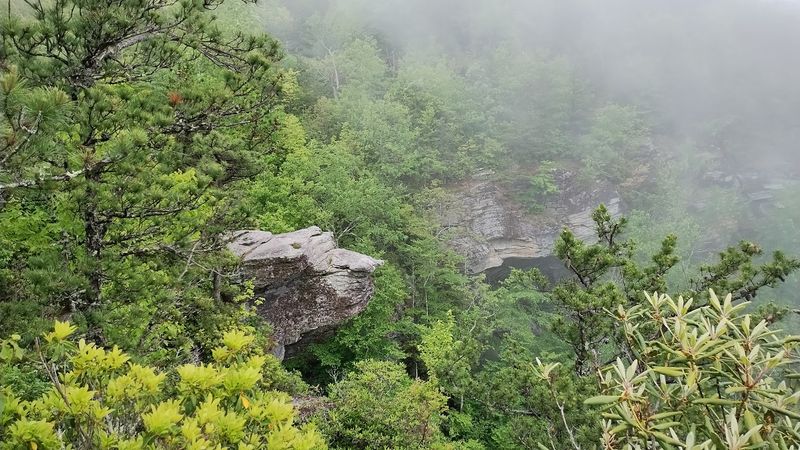
Black bears roam throughout Pisgah National Forest, including the areas around Wiseman’s View. Early morning and evening hours provide the best chances for spotting wildlife.
Bears typically avoid the overlook itself but may appear along the access road or in the parking area.
White-tailed deer browse the forest edges frequently, especially during dawn and dusk. Their populations remain healthy throughout the region.
Smaller mammals like chipmunks and squirrels actively forage around the parking lot and trail.
Raptors ride thermal currents rising from the gorge, sometimes soaring at eye level with the overlook. Hawks, turkey vultures, and occasional eagles all use these air currents.
Watching birds fly below the viewing platform creates an unusual perspective.
Seasonal bird migrations bring different species through the area. Spring and fall offer the most variety as warblers and other songbirds pass through.
Ravens and crows remain year-round, their calls echoing across the gorge.
Proper wildlife etiquette means maintaining distance and never feeding animals. Bears that become habituated to human food become dangerous and often require removal.
Storing all food items in vehicles protects both visitors and wildlife.
8. Unpaved Access Road Challenge
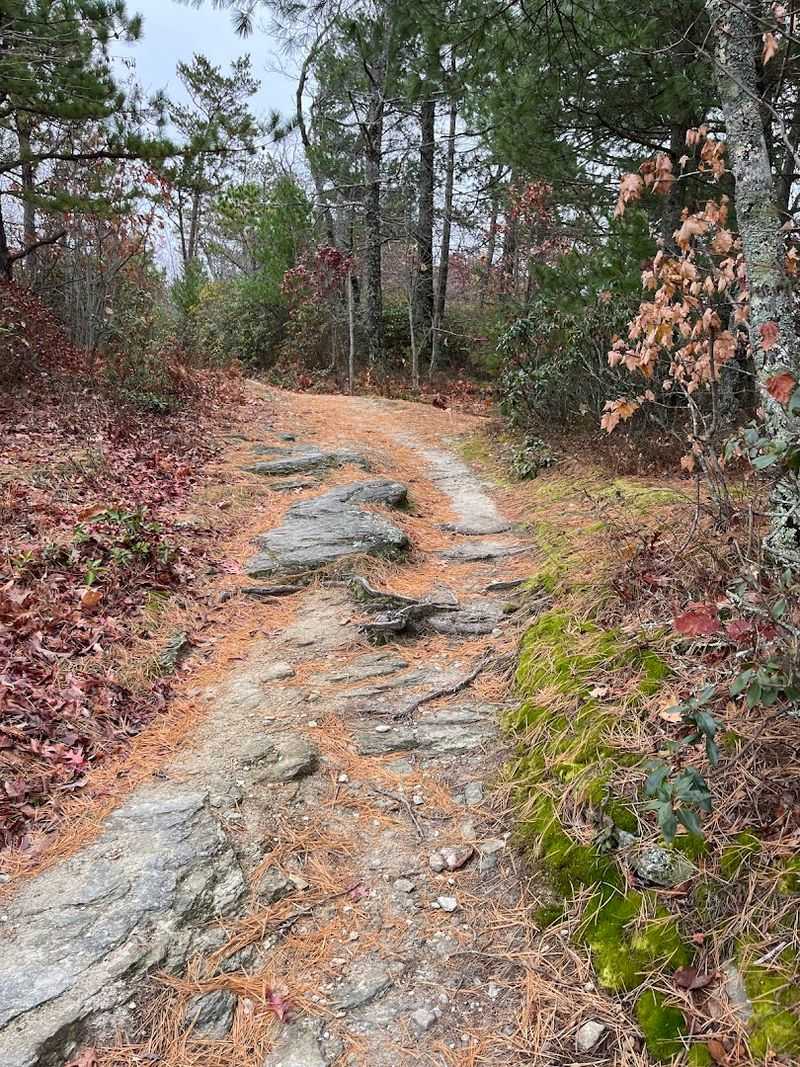
Getting to the overlook requires navigating approximately four miles of unpaved forest road known as Kistler Memorial Highway. The road condition varies significantly depending on recent weather and maintenance schedules.
Deep ruts and washouts appear regularly, especially after heavy rain.
Vehicles with higher ground clearance handle the route more easily than sedans. Four-wheel drive helps but matters less than clearance in most conditions.
Some visitors in standard cars make it through carefully, while others turn back after encountering particularly rough sections.
The worst spots typically occur on uphill grades where water runoff carves channels across the road. Drivers need to choose lines carefully to avoid bottoming out.
Speeds rarely exceed 10-15 mph on the roughest stretches.
Dry summer conditions generally provide the easiest passage. Spring mud and fall leaves can hide road damage.
Winter ice makes the road treacherous and sometimes impassable. Recent storm damage may close the road entirely until repairs happen.
The rough access actually serves as a natural crowd control mechanism. Many casual visitors turn back, leaving the overlook less crowded than it would be with paved access all the way to the parking area.
9. Picnic Benches With Views
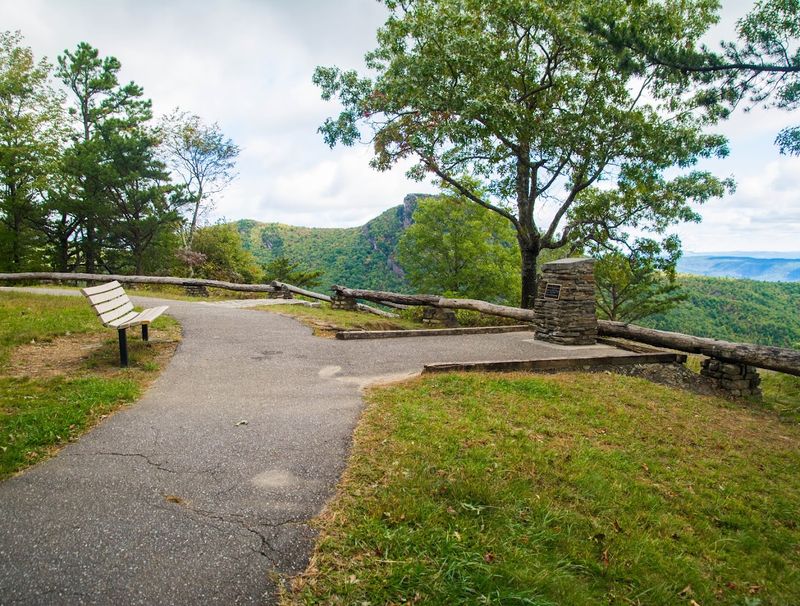
Several benches sit along the trail and near the main viewing area, providing spots to rest and enjoy packed meals. The benches face the gorge, turning lunch into a scenic experience.
Smooth paved surfaces around the seating areas accommodate coolers and picnic supplies.
No tables exist at the site, just individual benches at various points. The main overlook platform has the most seating options.
Shaded spots remain limited, making sun protection important during midday visits.
Visitors must pack out all trash since no receptacles exist on site. The lack of facilities means bringing everything needed for the visit.
Water, snacks, and meals all need to come from elsewhere.
Morning picnics after sunrise attract photographers who stay for breakfast. Lunch visits work well for families making a day trip from nearby towns.
Evening meals at sunset create memorable experiences, though the return drive happens in darkness.
Wind sometimes picks up on the exposed overlook platform, making lightweight items difficult to manage. Securing napkins and papers prevents them from blowing into the gorge.
Cooler weather makes hot beverages especially welcome during picnic stops.
10. Historical Wiseman Connection
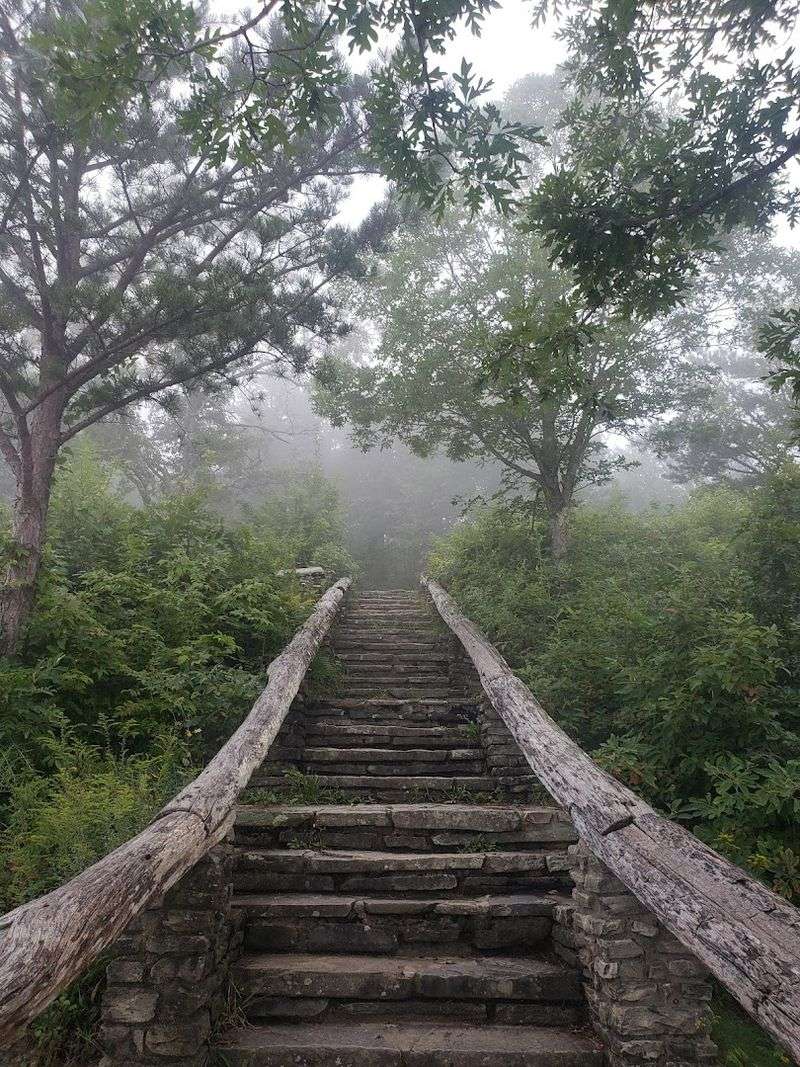
The overlook takes its name from William Wiseman, believed to be an 18th-century settler in the region. Historical records remain somewhat sparse, leaving much of his story to local tradition and speculation.
The Wiseman family name appears in various historical documents related to early settlement patterns.
Exactly why this particular viewpoint carries his name stays unclear. Some accounts suggest he owned land in the area or used the spot regularly.
Other stories claim he simply appreciated the view during his time in the mountains.
Early settlers in this region faced significant challenges clearing land and establishing homesteads. The rugged terrain that makes modern visitors gasp with delight made daily life extremely difficult for pioneers.
Subsistence farming on mountain slopes required backbreaking work.
The surrounding wilderness once supported Cherokee populations before European settlement pushed them westward. Evidence of their presence exists throughout the region in place names and archaeological sites.
The layers of human history add depth to the natural scenery.
Modern visitors benefit from infrastructure and access that would have seemed impossible to early inhabitants. The paved trail and maintained overlook represent significant investment in preserving public access to this remarkable view.
11. Limited Amenities Reality
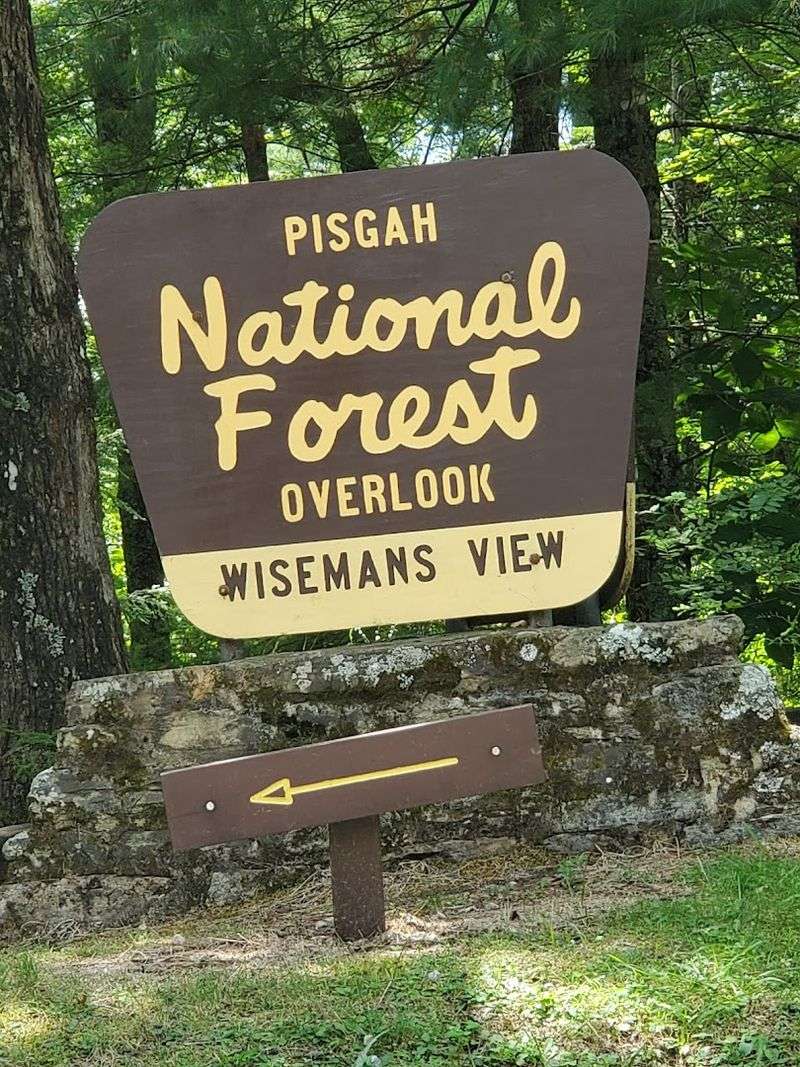
The parking area includes a vault toilet, but no running water or flush facilities exist. The primitive bathroom serves basic needs but offers minimal comfort.
Toilet paper availability varies, so bringing personal supplies makes sense.
No water sources exist anywhere at the site. Visitors need to bring adequate hydration for their visit, especially during warm weather.
The nearest stores and restaurants sit several miles away along paved roads.
Cell phone coverage remains spotty to nonexistent in many areas around the overlook. Emergency communications may require driving back toward main highways.
This remoteness adds to the wilderness experience but requires extra preparation.
The parking lot holds perhaps 20-30 vehicles when full. Overflow parking spills onto road shoulders during peak visitation periods.
No designated RV or trailer parking exists, though some visitors manage to fit larger vehicles.
No trash cans mean practicing strict leave-no-trace principles. Everything brought in must be carried back out.
The Forest Service relies on visitor cooperation to keep the area clean and pristine.
These minimal amenities reflect the overlook’s location within designated wilderness areas. The trade-off between convenience and preservation tips heavily toward protecting the natural environment.
12. Nearby Trail Connections
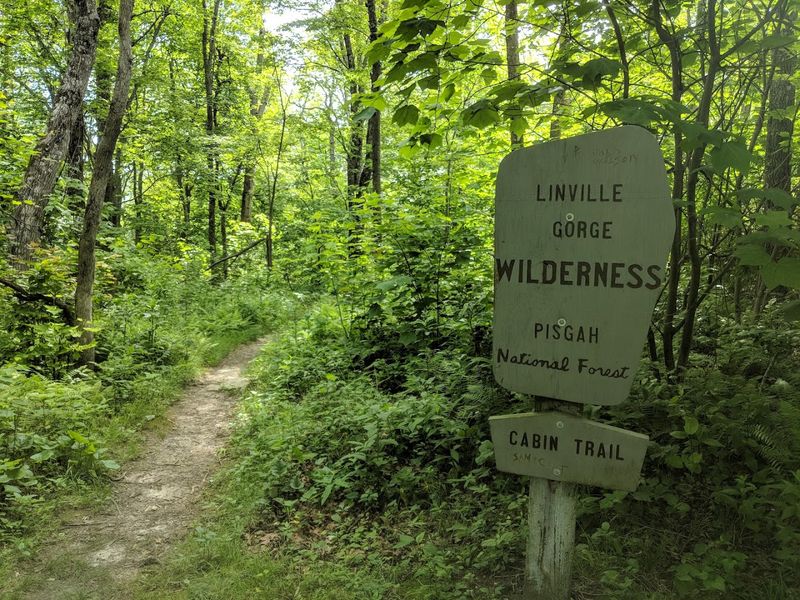
Linville Gorge Wilderness contains dozens of hiking trails ranging from easy walks to strenuous backcountry routes. The overlook itself serves as just one destination within a much larger trail network.
Serious hikers often use Wiseman’s View as a starting or ending point for longer adventures.
Trails descending into the gorge drop steeply through challenging terrain. Routes to the river bottom require significant elevation loss and gain.
These paths demand good physical conditioning and proper hiking boots.
Table Rock Trail, one of the area’s most popular hikes, begins from a different trailhead but connects to the broader trail system. Hawksbill Mountain offers another challenging summit hike.
Both peaks visible from Wiseman’s View can be reached via maintained trails.
Backcountry camping permits may be required for overnight trips in certain areas. The wilderness designation means minimal trail maintenance and occasional difficult navigation.
Topographic maps and compass skills become essential for longer explorations.
Day hikers can find shorter options that explore the rim without descending into the gorge. These routes offer additional viewpoints and forest scenery.
Trail conditions vary seasonally, with spring and fall generally providing the most comfortable hiking temperatures.