Inside Florida’s And The World’s Largest Butterfly Conservatory Where Reality Softens
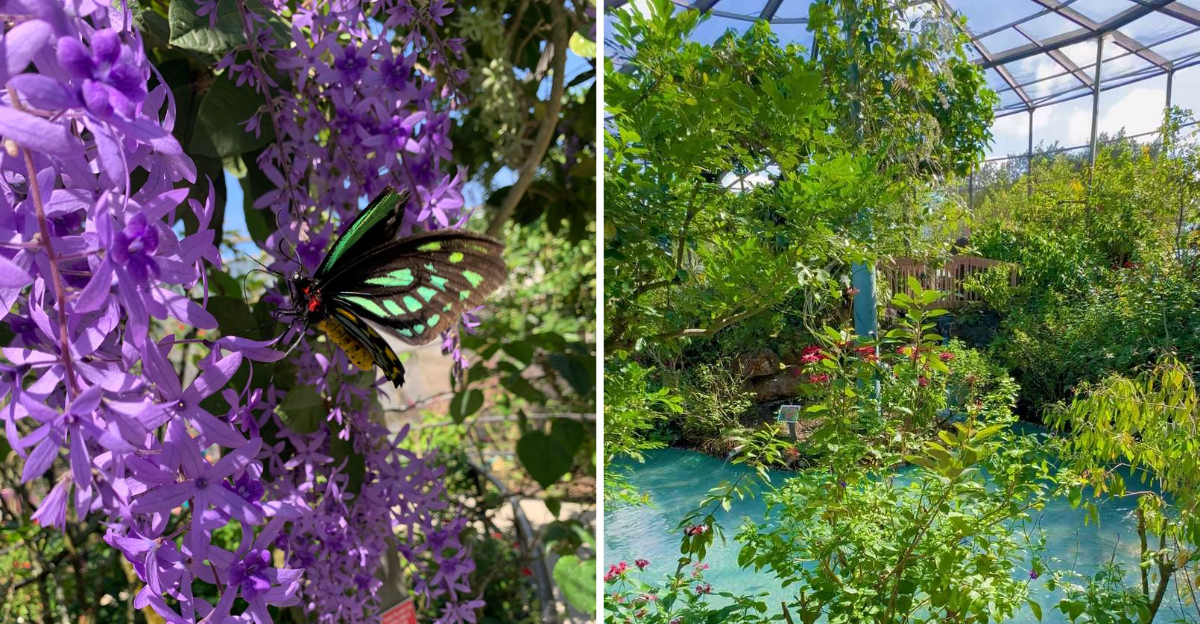
The world outside feels loud. Inside, everything slows. Butterfly World in Coconut Creek isn’t something you rush through – it’s something you step into and immediately feel. The temperature softens.
The light turns golden and filtered. Color surrounds you from every direction. Then the movement begins.
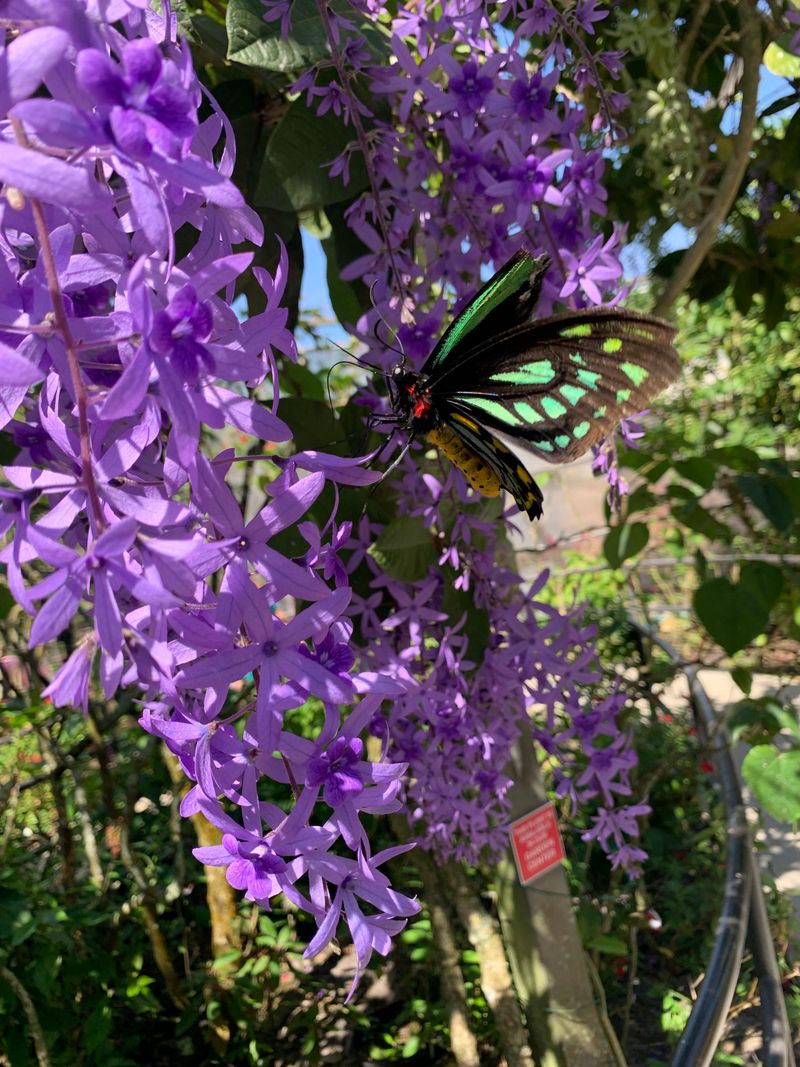
Hundreds of butterflies glide freely through the air, landing on leaves, flowers, and sometimes right beside you. There’s no glass barrier between you and the experience.
No ropes. No staged moments. Just wings drifting past at eye level like you’ve wandered into their world instead of the other way around.
It’s quiet in a way that makes you lower your voice without thinking. You stop walking because there’s no need to hurry. Something beautiful is always happening within arm’s reach.
What makes it unforgettable isn’t spectacle – it’s immersion. The feeling of being surrounded, not observing. Of watching color move through the air like living confetti.
If you’re looking for a Florida experience that feels completely removed from theme parks and noise, this is where you go to breathe, slow down, and let the moment unfold around you.
1. Crossing Into The Tropical Rain Forest Aviary
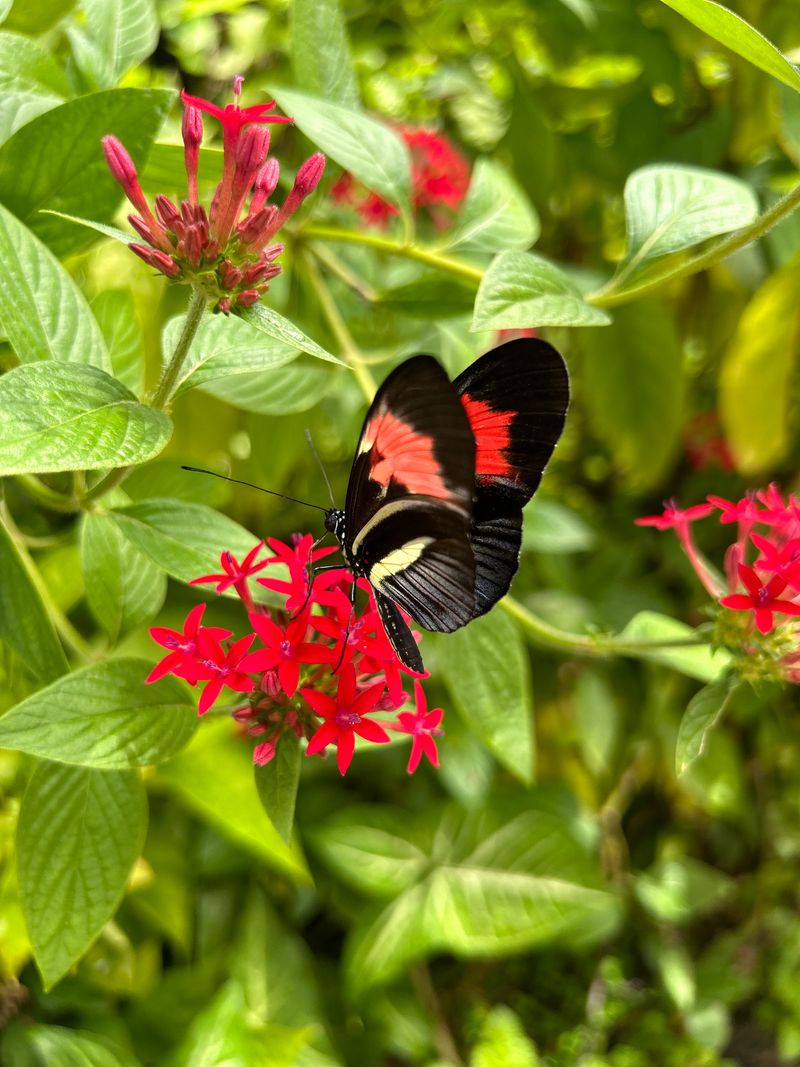
The moment you step into the Tropical Rain Forest Aviary at Butterfly World, the air shifts. Warmth wraps around you and the scent of damp leaves and nectar drifts under the high canopy.
Sunlight slips through screens of foliage, touching every wing like a spotlight, and suddenly you feel slow, present, open.
This space is soaring, with a 30 foot roof and a volume that feels like an indoor sky. Waterfalls hush along stone and bridges carry you over koi and shadowed pools. Butterflies slip past your shoulder as if your path is part of theirs, not the other way around.
I watch zebra longwings trace looping paths while blue morphos flash like living sapphires. It is not a display, it is a neighborhood, and you are the quiet guest.
Stand still for a breath and they test your patience, drawing closer until curiosity settles on your sleeve.
Giant leaves splay open like umbrellas, and orchids hold tiny lanterns of pollen. Every few steps a sign tells a story, but the aviary itself does the teaching.
You feel humidity beading on your forearms and realize you have matched the pace of wings. There is no rush here. The biggest sound is water and the soft clap of moth wings mistaken for silence.
Your eyes adjust and color multiplies, as if the aviary keeps secrets that reveal themselves only when you stop naming them and start listening.
2. 20,000 Wings In Motion
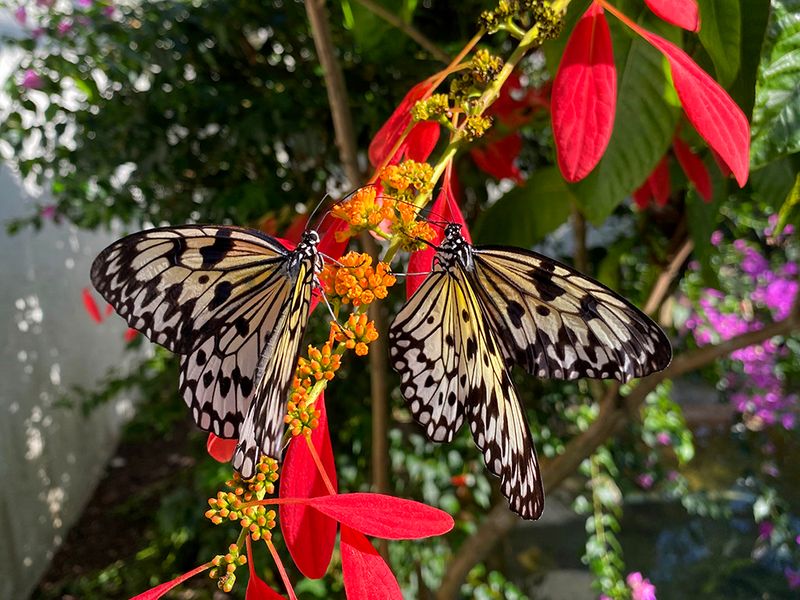
Numbers do not usually make me feel things, but 20,000 butterflies at this Florida place will rearrange your sense of scale. Here they do not gather, they bloom, rising out of hibiscus and pentas like confetti with intent.
You can hear them if you listen, a soft hush when a cloud of wings rearranges the light. About 50 species share this place, each with its own tempo. Monarchs drift. Sulphurs dart. Longwings sketch invisible cursive in the air.
You try to follow one and end up following dozens, because the story is never a single butterfly, it is the chorus.
Every bloom feels like a tiny stage. Staff keep the nectar fresh and the plants thriving, so the show never thins.
You move slowly to disturb as little as possible, and the butterflies allow you to pass like a breeze. The effect is surreal without tipping into fantasy. Real bodies, real wings, real purpose.
They land to sip, they angle to warm themselves, they lift when a shadow crosses, and each motion comes from a life that weighs almost nothing yet alters your mood.
I stand near a bank of lantana and wait. A swirl rises from green leaves and drifts through the sun, turning the air into stained glass.
Your eyes water, not from emotion exactly, but from the sheer density of color moving as if it has a heartbeat.
3. Life Cycle Lab: From Egg To Wing
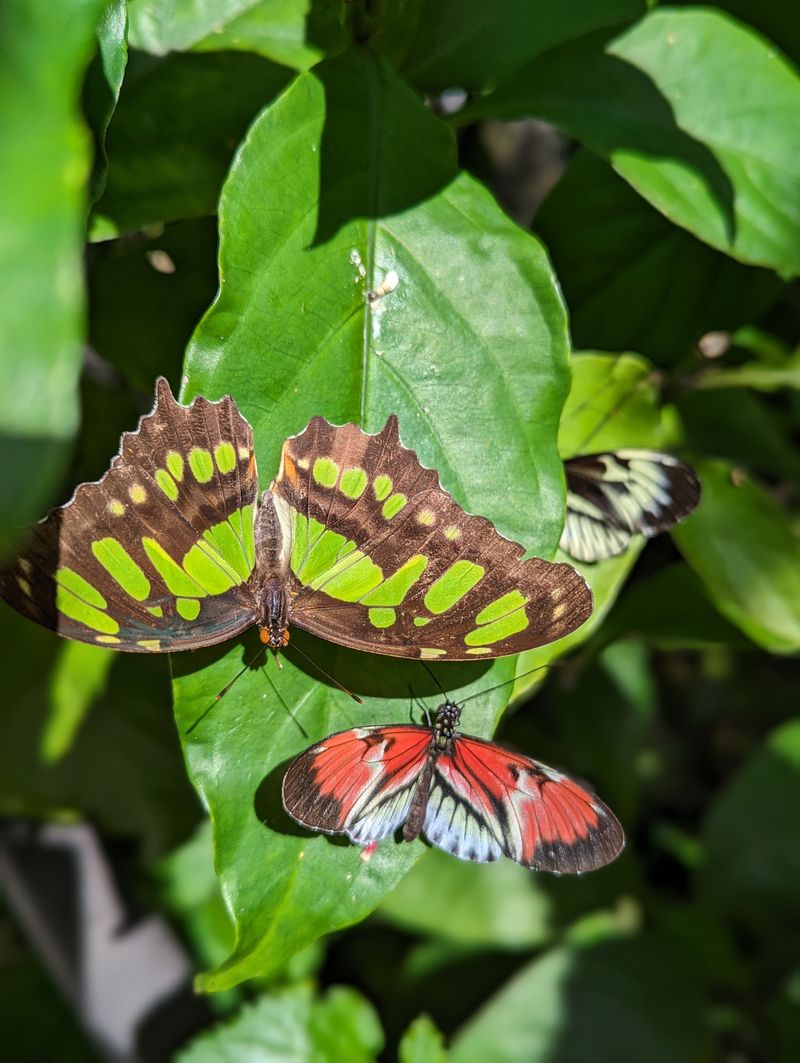
Behind a glass window, the miracle slows down so you can catch it. Eggs cling to leaves like punctuation marks. Caterpillars chew with single minded focus, a tiny metronome of future color.
Rows of chrysalises hang like ornaments, each one a promise. Some look like jade, some like crumpled paper, some speckled with gold that seems unreal until you see the butterfly inside twitch.
It is patient work, and the staff let the timing stay sacred. When emergence begins, the room holds its breath. A new butterfly unfurls soft, damp wings and presses them open like a book.
Veins darken, color settles, and the first flutter is so delicate you lean closer without meaning to. Kids crowd the glass. Adults do too.
You can read the panels, and you should, but it is the slow choreography that locks in your memory. Transformation becomes mechanical and magical at once.
I love the way the process anchors the rest of the park. Out in the gardens the flight feels endless. In here, you remember this abundance has a sequence, a labor, a quiet countdown that begins as a dot on a leaf and ends in sky.
4. Tropical Gardens And Nectar Trails
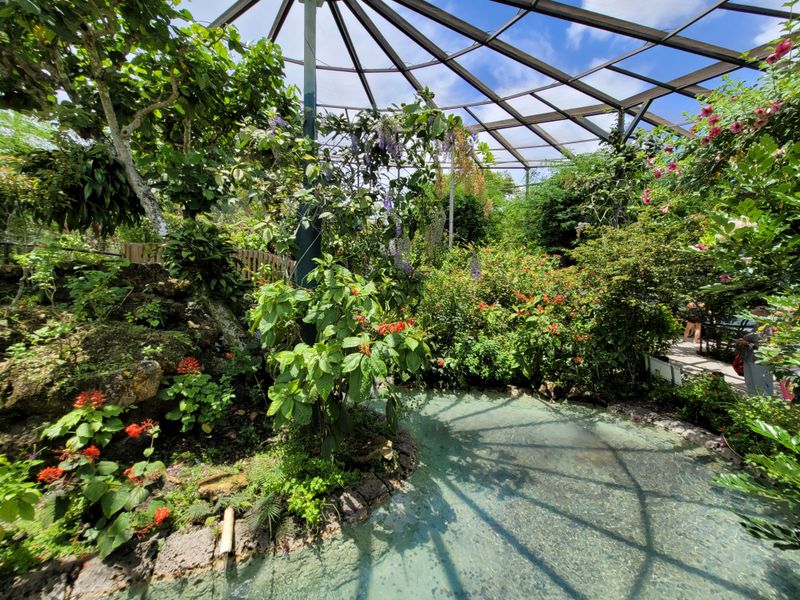
The gardens at 3600 West Sample Road are not decoration, they are the engine. Nectar plants line the paths the way streetlights line a boulevard, guiding every flight.
Pentas and lantana blaze, passionflower curls into its own script, and hibiscus cups hold sunlight like juice.
I drift from bench to bench, letting the gardens choose my pace. Everything hums with pollinators, and the color palette shifts with each turn.
There is shade, there is heat, and there is always another bloom around the bend. Informational signs help beginners recognize host plants and nectar sources. The more you learn, the more the place unlocks.
A quick glance becomes a practiced scan for eggs, frass, and tiny caterpillars hiding under green. The design feels generous. Curves create reveals, and every corner makes space for a small surprise.
Sometimes it is a hanging passionfruit. Sometimes it is a dragonfly parked like a sentinel on a reed. What stays with me is how you start to walk softer without being told. Gardens ask for that.
Butterflies reward it. In this living classroom, the path is a conversation, and the flowers do most of the talking while the wings translate in color.
5. The Hummingbird And Lorikeet Encounters
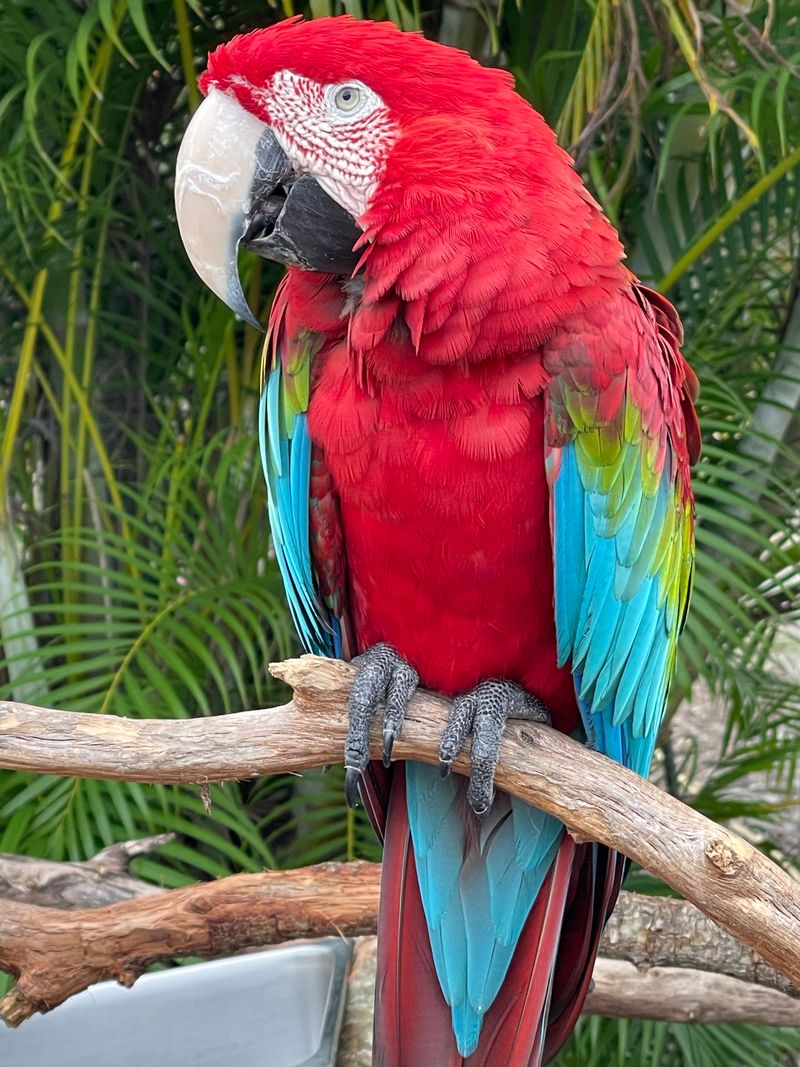
Butterfly World is not just about butterflies. In the lorikeet encounter, color acquires a voice.
Parrots land with confidence on arms and shoulders, eyes bright, beaks busy, and the nectar cups in your hand make instant friends out of shy strangers.
Hummingbirds work a different lane. They do not perch on you, they draw lines through air, stitching flowers to flowers with needle speed.
You watch their throats pulse and hear a tiny engine where you expected silence. Staff keep the encounters calm and safe. The rules are simple and kind.
Hold still. Offer the cup. Let the bird decide. That consent makes the moment feel better, more human even while you are the visitor. Sound is part of the memory. Lorikeets chatter with comedic timing.
Hummingbirds hum like a secret. Between them, your sense of scale stretches again, from heavy laughter to hovering heartbeat.
I leave these spaces with sticky fingers and a grin. The birds do not perform, they join you for a minute and then they go.
It is the perfect reminder that sharing a space does not mean owning it, and that is the beauty of this park.
6. The Research And Breeding Program
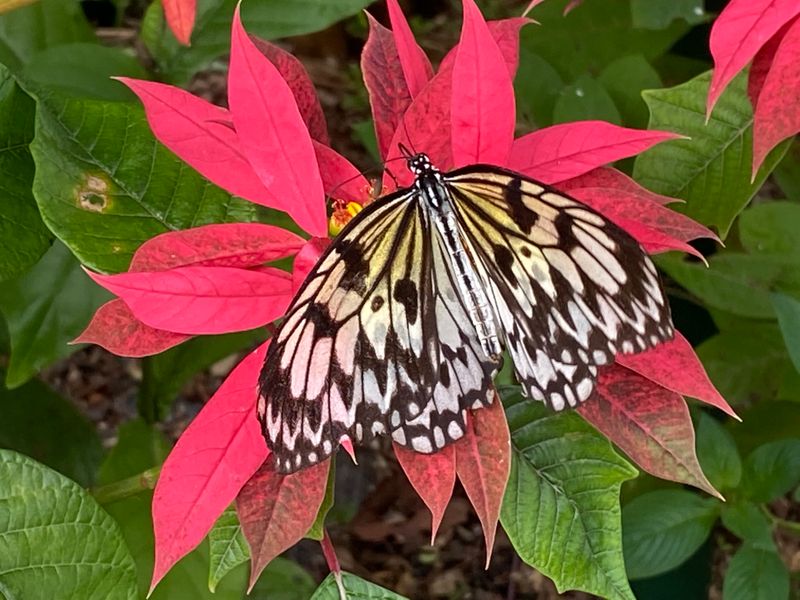
Peek behind the curtain and you find the heartbeat of Butterfly World. Beyond the showy flights lies a careful routine of breeding and research.
Eggs are tracked, caterpillars are reared on specific host plants, and data is logged with the patience of gardeners and scientists combined.
This work keeps the aviaries alive and diverse. It also supports education about declining habitats and responsible gardening at home.
When you learn which native plants support which species, your backyard becomes a small extension of this place. Displays explain why host plants matter. Monarchs require milkweed.
Zebra longwings lean on passionvine. Without the right leaves, wings do not happen, and that message lands quickly when you see tiny mouths at work.
Staff talk about responsible sourcing and ethics. The butterflies here are nurtured rather than taken from the wild.
The goal is a thriving population that teaches, delights, and seeds new advocates for conservation. I like knowing there is science under the spectacle. It grounds the wonder and gives it context.
You leave feeling entertained, yes, but also recruited, as if the exit gate is a handoff and your garden is the next chapter in the research.
7. Bridges, Waterfalls, And Quiet Corners
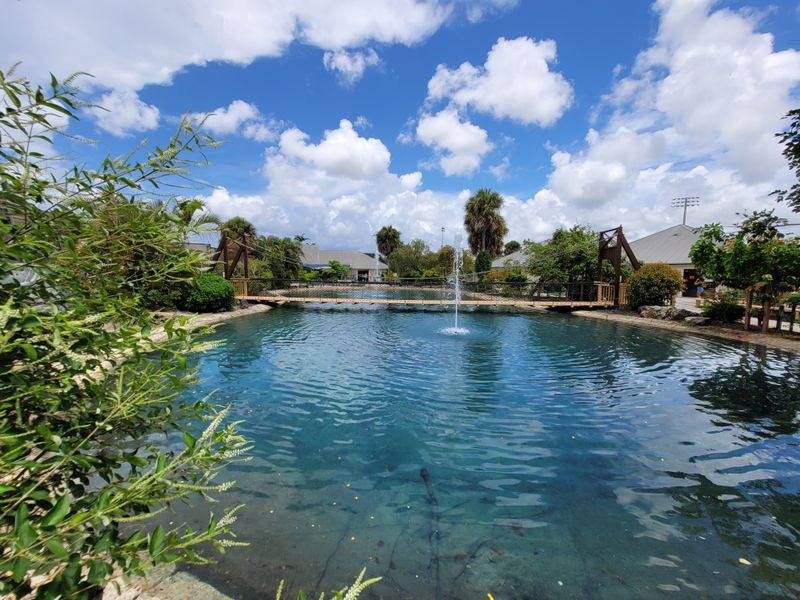
There is an architecture to calm here. Bridges arch over koi that glow like coins. Waterfalls hush the conversations into whispers, and even the excited kids soften their footsteps under the spell of mist and motion.
I trace the wooden planks and stop at the rail to watch ripples fold the sky into pieces. The plants lean in, as if they want to see too.
Dragonflies skim, turtles surface, and life stacks in layers you can read with your eyes. The quiet corners are my favorite finds. A tucked bench framed by giant philodendron.
A nook beneath orchids heavy with bloom. These spaces let your nervous system catch up. Butterflies use them too. Shade, water, and shelter make a triangle of rest that feels intentional.
The whole park is staged for flight, but it is also staged for a good exhale.
By the time you cross the last bridge you have walked through several versions of calm. The kind made by water, by leaves, by color, and by space. You leave lighter, which might be the best architecture of all.
8. Historic First: Opened In 1988
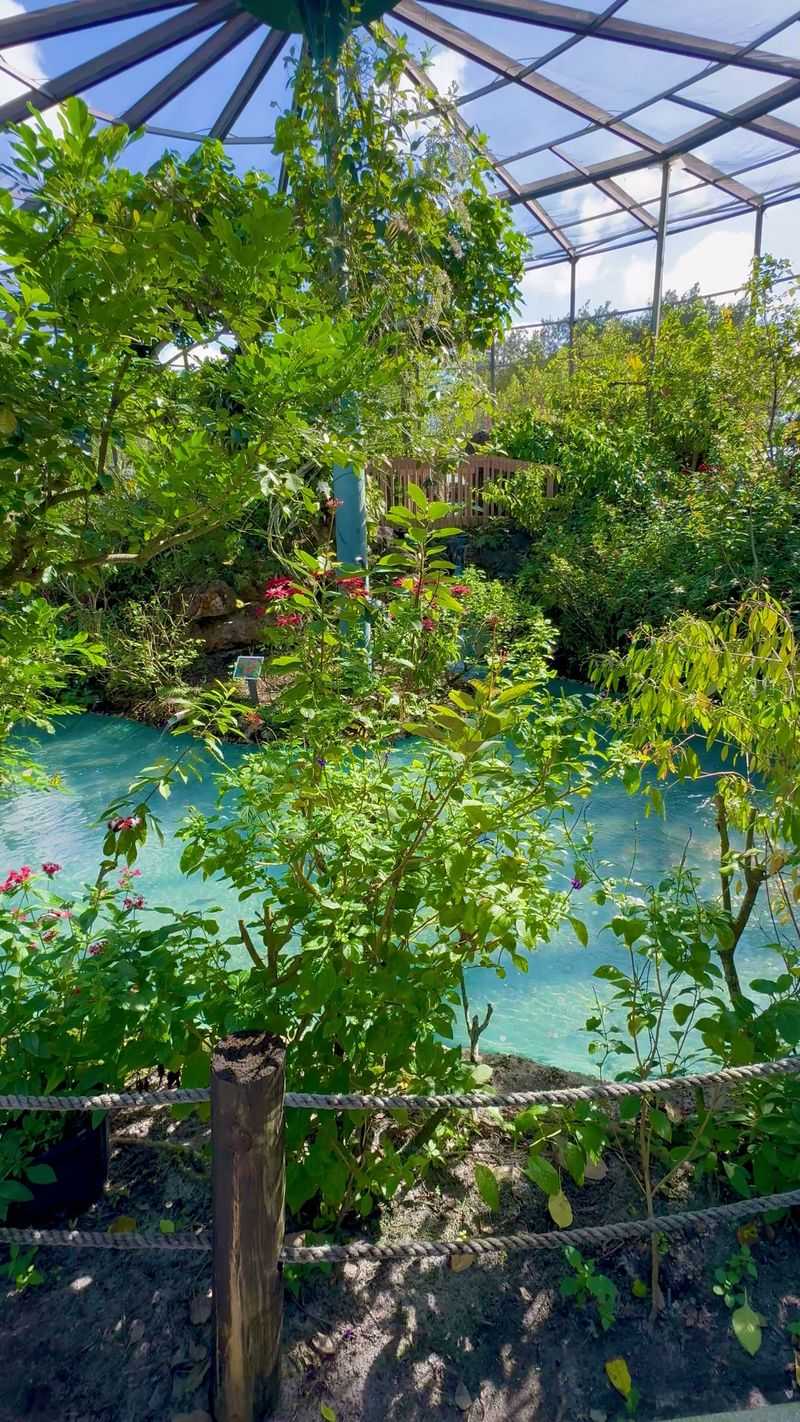
Butterfly World opened in 1988, the first butterfly house in the United States. That fact changes how you walk the grounds.
You are moving through a prototype that became a standard, and the ambition still shows in the scale.
From the start, the idea was audacious. Build a living museum where delicate animals could thrive and people could feel wonder on demand.
Decades later, the model continues to attract families, photographers, and anyone needing a mental reset.
It was not just a business plan. It was a statement that nature can be curated without being caged into silence.
Aviaries got taller. Plant lists got wiser. The team learned, adjusted, and built a place that keeps rewriting its own guidebook. Knowing the year matters because endurance matters. Trends fade.
Habit becomes heritage. When you read the small plaques and see the older structures beside the new, you can feel how many hands kept this dream intact.
I like to picture the first visitors stepping inside and gasping the same way people do now. That continuity is the proof 1988 is not old news here. It is the root system feeding all this color, still quietly doing the work.
9. Planning Your Visit
The park sits within Tradewinds, so watch for entrance details and follow signs toward Butterfly World. Parking, paths, and maps make the day simple, but the butterflies will slow you in the best way.
Check hours before you go because weather can tweak schedules. Bring water, light layers, and a camera or just your eyes.
Flash is not necessary. Patience is. If you move with care, the moments come to you. Families do well here. Strollers roll easily, benches are plentiful, and the staff are generous with answers.
Short breaks between aviaries help kids reset and sharpen their attention again. Local tip: scan the gift shop for native plant guides. Then walk the gardens once more and match the pages to the leaves you see.
Your next Saturday might include planting a butterfly pantry at home.
When you leave, the city noise feels louder, but you carry a small hush in your pocket. That is the souvenir I like most. Wings on your mind, color in your eyes, and a path back whenever you need it.