North Carolina Museums Are Calling This Spring, Explore Exhibits You’ll Remember
Spring breathes new life into museums across the Tar Heel State, and this season is packed with exhibits that demand a visit. From the awe-inspiring skeletons of prehistoric giants to hands-on science experiments that spark curiosity in kids and adults alike, North Carolina museums offer experiences that delight every sense.
Art lovers can wander through contemporary galleries that challenge perspectives, while history buffs explore carefully preserved artifacts, from Civil War relics to historic ships. Each location blends education with wonder, making learning feel effortless and immersive.
Interactive displays, guided tours, and seasonal programs ensure that every visit is unique and memorable. Whether tracing the path of ancient creatures, marveling at modern creativity, or stepping into pivotal moments of the past, these cultural hubs promise discoveries that linger long after you leave.
1. North Carolina Museum of Natural Sciences, Raleigh
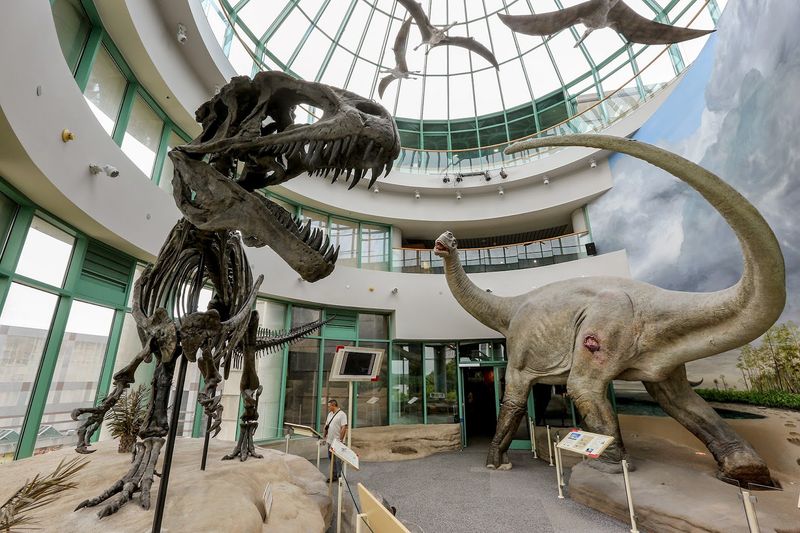
Free admission opens doors to four floors packed with exhibits that captivate all ages. The museum sits at 11 W Jones St, Raleigh, right next to the State Capitol building in the heart of downtown.
Two connected buildings house everything from towering dinosaur skeletons to working research laboratories visible through clear glass walls.
The Dueling Dinosaurs exhibit showcases an unprecedented fossil discovery where predator and prey were preserved together in stone, offering paleontologists rare insights into prehistoric behavior. Blue Whales, running through January 2026, features life-sized models and interactive digital displays that bring Earth’s largest animals into vivid focus.
Visitors often spend entire days exploring without seeing everything, and the museum never charges for general admission.
A café on the fourth floor serves reasonably priced food, though healthy options remain limited. Live-animal programs add movement and sound to the experience, while the butterfly conservatory creates a warm tropical atmosphere where colorful wings flutter past visitors.
Restrooms, elevators, and escalators appear on every floor, ensuring accessibility throughout. Parking becomes free on weekends, making Saturday and Sunday visits especially convenient for families planning extended explorations.
2. Discovery Place Science, Charlotte

Hands-on exhibits fill this Charlotte science center where touching and experimenting replace traditional museum rules. Interactive displays encourage visitors to push buttons, turn cranks, and test scientific principles firsthand, transforming abstract concepts into tangible experiences.
Children and adults alike find themselves drawn into activities that make physics, biology, and chemistry feel accessible rather than intimidating.
This museum at 168 W 6th St, Charlotte, focuses on engaging multiple senses simultaneously, with exhibits that combine visual displays, physical interaction, and sometimes unexpected sounds or textures. Science demonstrations scheduled throughout the day add live energy to the space, with staff members explaining complex topics through experiments that produce immediate, visible results.
Technology exhibits showcase innovations that connect to everyday life, helping visitors understand how scientific principles shape modern conveniences.
Comfortable seating areas scattered throughout provide rest spots for families pacing their visit, and climate control keeps indoor spaces pleasant regardless of outdoor temperatures. The facility maintains clean, well-organized galleries that prevent the overwhelmed feeling some museums create.
School groups frequently visit during weekdays, so weekend mornings often provide quieter exploration opportunities for families preferring less crowded environments. Multiple floors mean substantial walking, making comfortable footwear practical for anyone planning a thorough exploration.
3. Bechtler Museum of Modern Art, Charlotte
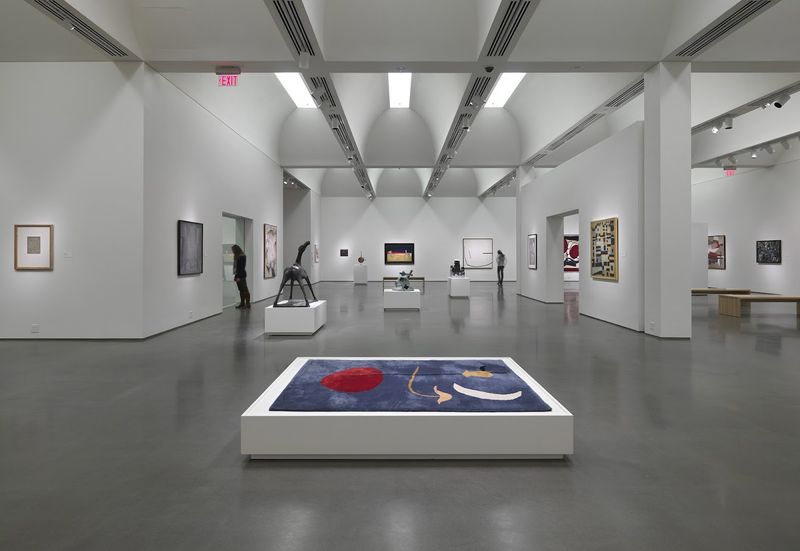
Compact yet thoughtfully curated, this modern art museum, at 420 S Tryon St, Charlotte, presents European and American works from the mid-20th century in an intimate setting. The building itself reflects modernist principles with clean lines and deliberate use of natural light that changes how artworks appear throughout the day.
Three floors contain paintings, sculptures, and decorative objects selected from the Bechtler family collection, offering concentrated doses of artistic innovation without overwhelming visitors.
Artists represented include Picasso, Warhol, Miró, and Calder, among others, who shaped modern art movements. The museum’s smaller scale allows careful attention to individual pieces rather than rushing through endless galleries.
Quiet rooms encourage contemplation, with seating positioned to facilitate extended viewing of specific works. Wall text provides context without excessive academic language, making the art approachable for visitors without formal art history backgrounds.
Located in Charlotte’s Uptown district, the museum sits within walking distance of other cultural venues, making it easy to combine with nearby attractions. Weekday afternoons tend toward quieter attendance compared to weekend crowds.
The museum maintains comfortable temperatures and soft lighting that reduce eye strain during extended visits. Staff members remain available to answer questions without hovering, creating a welcoming atmosphere for both experienced museum-goers and first-time visitors exploring modern art.
4. Greensboro Science Center, Greensboro
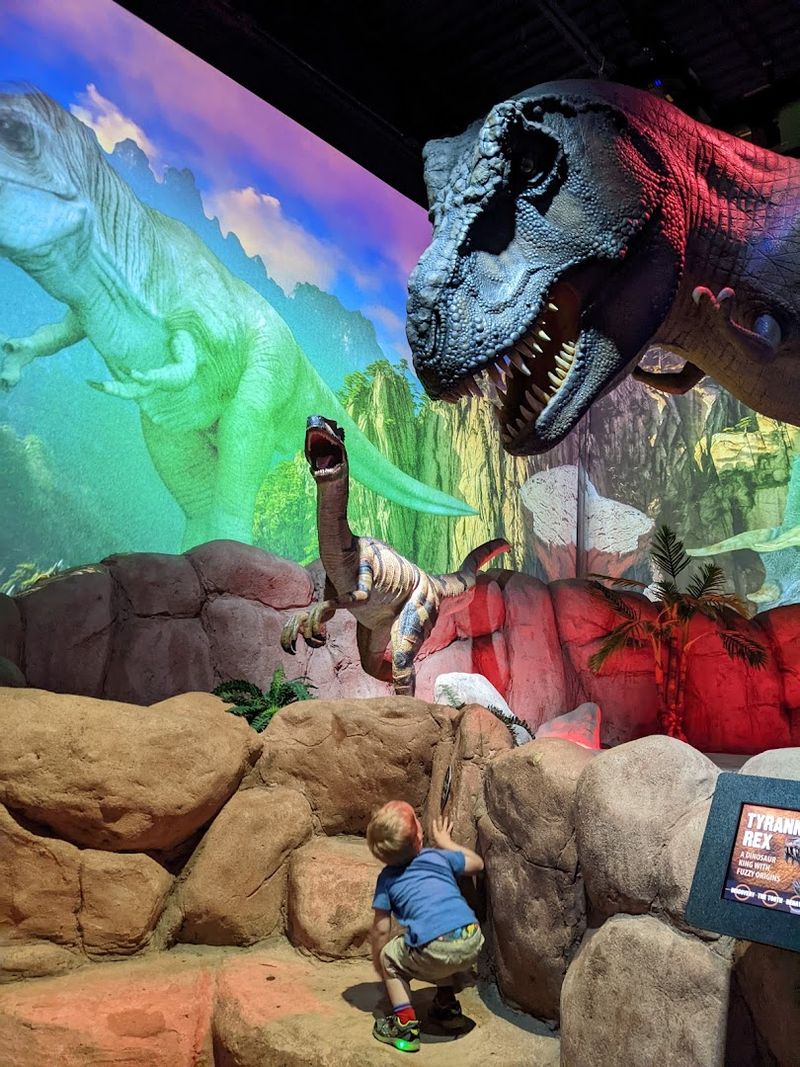
Three attractions merge into one admission-covered experience where aquarium tanks, zoo habitats, and science exhibits create varied encounters throughout the day. Animals swimming behind thick glass transition to outdoor enclosures where red pandas, penguins, and other creatures move through naturalistic settings.
The combination prevents monotony, as different environments shift the sensory experience from quiet observation to active learning.
Interactive science exhibits explain natural phenomena through hands-on demonstrations, while animal keeper talks scheduled at various times provide insider perspectives on care and behavior. The aquarium section features local and exotic species, with tunnel walkways placing visitors beneath swimming fish and rays.
Zoo pathways wind through landscaped areas where shade trees and benches offer rest spots between animal viewing stations.
A ropes course and dinosaur gallery add adventure elements beyond traditional science center offerings. Families with young children appreciate the variety, as shifting between activities maintains engagement better than single-focus venues.
Food service on-site provides convenient meal options, though bringing snacks remains practical for longer visits. Comfortable walking shoes become essential given the substantial ground to cover, and weather-appropriate clothing matters since portions of the zoo remain outdoors.
Weekday mornings at 4301 Lawndale Dr, Greensboro, generally see lighter crowds compared to weekend afternoons when local families fill the pathways.
5. Museum of the Albemarle, Elizabeth City

Regional history comes alive through exhibits documenting the Albemarle area’s development from indigenous settlements through modern times. Located in Elizabeth City, at 501 S Water St, this museum preserves stories specific to northeastern North Carolina’s coastal communities, focusing on maritime traditions, agricultural practices, and cultural evolution.
Artifacts range from Native American tools to 20th-century household items, creating tangible connections to past generations who shaped the region.
Boat-building traditions receive particular attention, reflecting the area’s relationship with surrounding waterways. Photographs and personal accounts add a human dimension to historical timelines, moving beyond dates and facts into lived experiences.
Rotating exhibits ensure repeat visitors encounter fresh material, while permanent collections provide foundational context about the region’s identity. The museum’s manageable size allows thorough exploration without exhaustion, typically requiring two to three hours for complete viewing.
Free admission removes financial barriers, making the museum accessible to school groups and families managing tight budgets. Knowledgeable staff members often share additional stories beyond written exhibit text, enhancing understanding through personal enthusiasm for local history.
The museum maintains comfortable temperatures and adequate seating for visitors needing rest breaks. Parking presents no challenges, and the building’s single-level layout accommodates visitors with mobility considerations.
Weekday visits often provide quieter environments for those preferring contemplative exploration over crowded experiences.
6. North Carolina Museum of Art, Raleigh
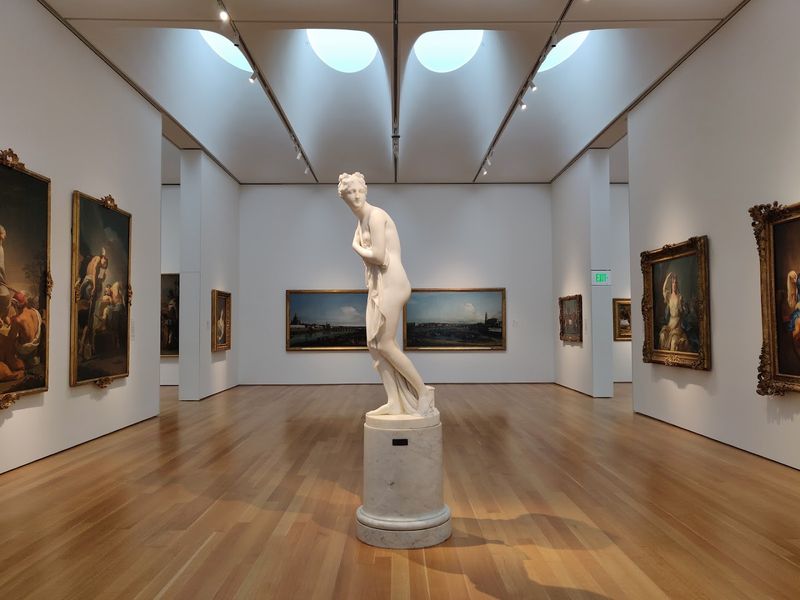
Expansive galleries house collections spanning ancient Egyptian artifacts through contemporary installations, creating a comprehensive art historical journey under one roof. The museum sits at 2110 Blue Ridge Rd, Raleigh, surrounded by 164 acres of parkland where outdoor sculptures dot walking trails that extend the artistic experience beyond interior walls.
Free general admission welcomes visitors to explore European paintings, American art, African works, and rotating special exhibitions without financial pressure.
Natural light floods many galleries through carefully designed windows and skylights, revealing colors and textures that artificial lighting alone cannot capture. Seating positioned throughout galleries invites extended contemplation of individual works, acknowledging that meaningful engagement requires time rather than rushed viewing.
The museum’s scale demands selective focus unless visitors allocate multiple hours for thorough exploration.
A café provides meal and snack options, and outdoor seating during pleasant weather extends dining into the surrounding landscape. The museum store offers art books, prints, and gifts for those wanting tangible reminders of their visit.
Parking lots accommodate numerous vehicles, though weekend afternoons may require patience in finding spaces. Weekday mornings typically see lighter attendance, creating quieter environments for focused viewing.
Comfortable shoes prove essential given the walking required to navigate all gallery spaces and outdoor trails.
7. Nasher Museum of Art, Durham
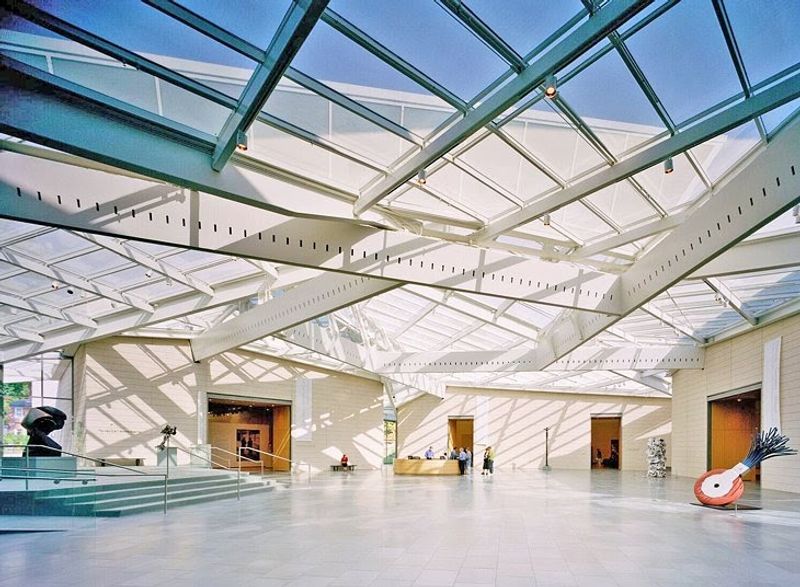
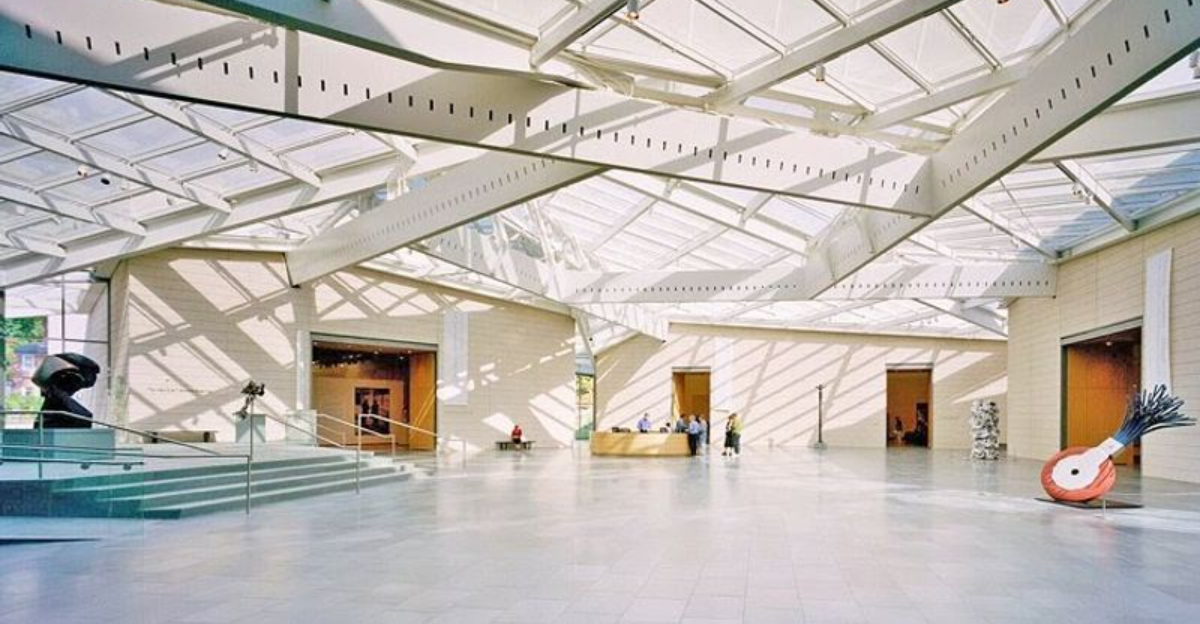
University-affiliated yet publicly accessible, this museum presents diverse collections ranging from ancient to contemporary art within a striking contemporary building. Located on Duke University’s campus, at 2001 Campus Dr, Durham, the Nasher combines academic rigor with public engagement, offering exhibitions that challenge conventional perspectives while remaining approachable for general audiences.
The building’s architecture features dramatic angles and abundant natural light that creates dynamic viewing conditions changing throughout the day.
Collections include African art, pre-Columbian works, medieval pieces, and contemporary installations, with rotating exhibitions ensuring fresh experiences for repeat visitors. Educational programming extends beyond wall labels, with lectures, workshops, and family activities adding depth to visual encounters.
The museum’s scale allows thorough exploration within two to three hours, preventing the exhaustion larger institutions sometimes create.
Admission fees remain modest, with free admission on Thursdays removing financial barriers for weekly visitors. A café serves light meals and beverages, providing convenient refueling without leaving the museum.
Outdoor sculptures on the surrounding grounds invite post-gallery walks through landscaped areas. University parking regulations apply, so checking visitor parking information before arrival prevents confusion.
Weekday visits outside academic event schedules typically offer quieter gallery experiences. The museum maintains comfortable temperatures and provides seating in galleries and common areas for visitors needing rest during their exploration.
8. Reynolda House Museum of American Art, Winston-Salem
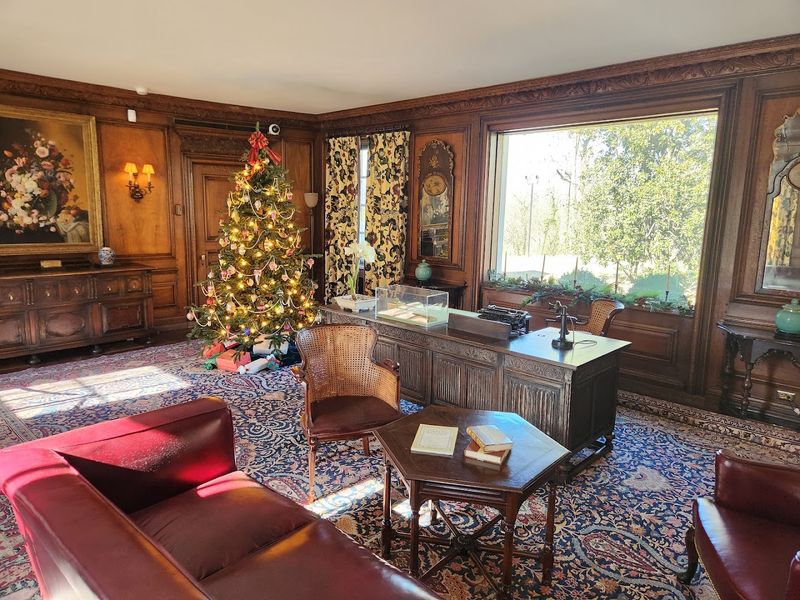
A 1917 estate transformed into an art museum preserves both architectural splendor and significant American paintings within its historic rooms. The house at 2250 Reynolda Rd, Winston-Salem, belonged to R.J.
Reynolds tobacco family members, and period furnishings remain alongside displayed artworks, creating layered viewing experiences where domestic history and artistic achievement intersect. Formal gardens surrounding the house extend the aesthetic experience outdoors through carefully maintained landscapes.
The collection focuses on American art from colonial times through the present day, with particular strength in paintings from the 18th through 20th centuries. Works by Georgia O’Keeffe, Frederic Church, and Jacob Lawrence hang in rooms that once served domestic functions, adding intimate scale to art viewing.
The house’s original architectural details, woodwork, fireplaces, and built-in features, provide constant visual interest beyond the displayed art.
Walking trails through the estate grounds offer quiet reflection spaces and connect to nearby Reynolda Village shops and restaurants. Admission fees support ongoing preservation, and guided tours are available at scheduled times provide historical context, enriching self-guided exploration.
The museum’s manageable size allows complete viewing within two hours. Parking facilities accommodate visitors easily, and the single primary level with elevator access ensures accessibility.
Weekday mornings provide peaceful visiting conditions compared to busier weekend afternoons when both the museum and the surrounding village attract crowds.
9. Asheville Art Museum, Asheville
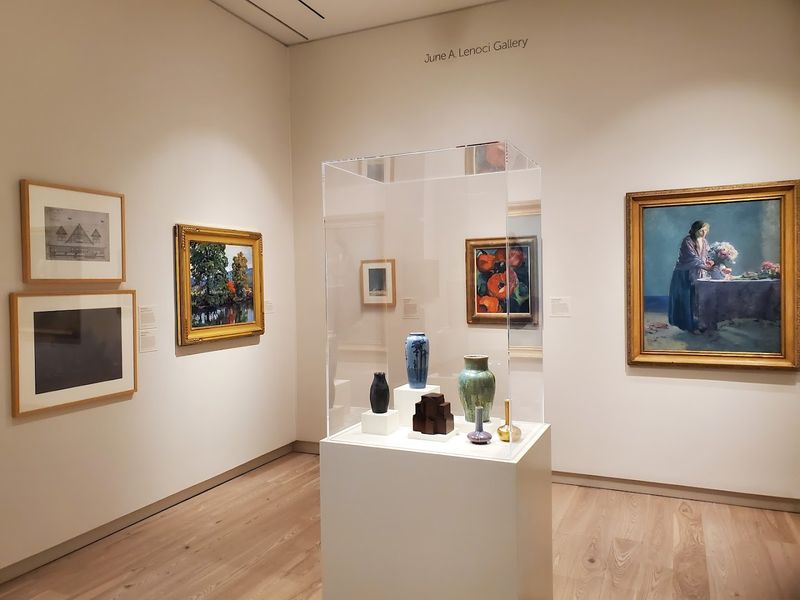
Recently expanded facilities bring contemporary design to downtown Asheville’s arts district, at 2 S Pack Square, housing American art with particular emphasis on 20th and 21st-century works. The museum’s modern architecture contrasts with the surrounding historic buildings, creating a visual dialogue between past and present.
Light-filled galleries showcase paintings, sculptures, and craft objects, with special attention to artists connected to western North Carolina’s thriving creative communities.
Studio craft receives significant representation, reflecting the region’s strong tradition in ceramics, fiber arts, and other handmade objects that blur boundaries between art and functional design. Rotating exhibitions ensure changing content alongside permanent collection displays, rewarding repeat visitors with fresh encounters.
Educational spaces and a rooftop sculpture terrace add dimension beyond traditional gallery viewing, encouraging varied ways of engaging with art.
The museum’s central location makes walking from nearby parking or other downtown destinations practical, and the building’s accessibility features accommodate all visitors. Admission fees remain reasonable, with free admission days scheduled monthly.
A museum shop offers locally made crafts and art books. Climate-controlled galleries provide comfortable viewing regardless of outdoor weather, particularly welcome during Asheville’s variable mountain conditions.
Weekday visits typically allow more contemplative experiences compared to weekend crowds drawn by Asheville’s tourism appeal. The museum generally requires two to three hours for a thorough exploration of all galleries and the rooftop terrace.
10. Battleship North Carolina, Wilmington

A decommissioned World War II battleship permanently moored across from downtown Wilmington, at 1 Battleship Rd NE, offers rare opportunities to explore a massive naval vessel from deck to engine rooms. The ship served in Pacific theater operations and now preserves that history through self-guided tours, allowing visitors to walk through crew quarters, climb steep ladders between levels, and stand where sailors once operated complex weapons systems.
The sheer scale impresses immediately, with the vessel’s length and height creating perspectives impossible to capture in photographs.
Nine decks open for exploration reveal living conditions, battle stations, and mechanical systems that kept the ship operational during wartime service. Narrow passageways and steep stairs require reasonable mobility and comfortable shoes, as the tour involves substantial climbing and ducking through low doorways.
Memorial plaques throughout honor crew members who served, adding a personal dimension to the massive machinery surrounding visitors.
Outdoor portions of the tour mean weather considerations matter, with summer heat and winter cold affecting comfort levels during extended visits. Adequate time allocation proves essential, as thorough exploration easily consumes three to four hours.
The ship’s location provides views across the Cape Fear River toward Wilmington’s downtown skyline. Admission fees support the ongoing preservation of this historic vessel.
Weekday visits generally encounter smaller crowds compared to weekends when families and tour groups fill the decks and interior spaces.
11. International Civil Rights Center & Museum, Greensboro

The former Woolworth building, where four college students staged a historic lunch counter sit-in, now houses a museum documenting the Civil Rights Movement’s pivotal moments. The preserved lunch counter where the 1960 protest occurred remains the museum’s emotional center, providing a direct connection to the courage displayed by young people challenging segregation.
Exhibits trace the movement’s broader context, from earlier resistance efforts through legislative victories and ongoing struggles for equality.
Guided tours led by knowledgeable staff add personal perspectives and historical details beyond written displays, creating more engaging experiences than self-guided viewing alone provides. The museum presents difficult historical realities honestly, including violence and systemic oppression, making it more appropriate for older children and adults prepared for serious content.
Multimedia presentations combine photographs, video footage, and recorded testimonies that bring historical events into vivid focus.
The building’s location at 134 S Elm St, Greensboro, in downtown Greensboro, places it within walking distance of restaurants and other attractions, though the museum’s emotional weight may leave visitors wanting quiet reflection rather than immediate additional activities. Admission fees support the museum’s educational mission.
Tours typically last 90 minutes to two hours, requiring sustained attention and emotional engagement. Weekday visits often provide more intimate group sizes compared to busier weekends, allowing more interaction with tour guides and deeper processing of presented information.
12. Airborne & Special Operations Museum, Fayetteville
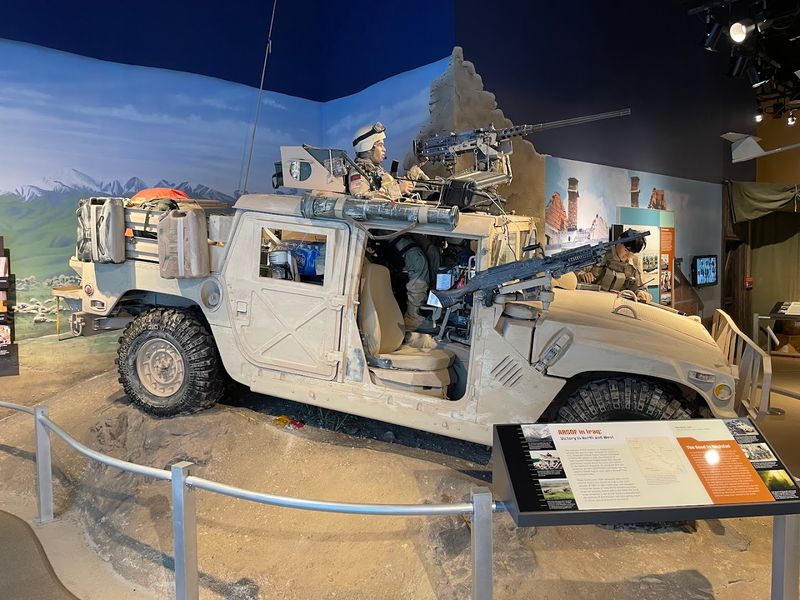
Military history comes alive through exhibits documenting airborne and special operations forces from World War II through present-day conflicts. Located near Fort Bragg in Fayetteville, at 100 Bragg Blvd, the museum preserves stories of paratroopers, special forces, and other elite units through artifacts, personal accounts, and immersive displays.
A simulator experience puts visitors inside aircraft during combat jumps, creating a visceral understanding of what soldiers faced during operations.
Uniforms, weapons, equipment, and personal items displayed throughout galleries provide tangible connections to service members’ experiences. The museum balances technical military information with human stories, ensuring accessibility for visitors without military backgrounds while offering depth that veterans and military enthusiasts appreciate.
Free admission makes the museum accessible to all visitors, and the building’s modern design creates comfortable viewing environments with good lighting and clear exhibit organization.
Motion simulators and interactive displays appeal particularly to younger visitors, though the museum’s focus on combat operations means content addresses serious, sometimes difficult subjects. The museum typically requires two to three hours for complete exploration.
Ample parking accommodates visitors easily, and the building’s accessibility features ensure all guests can navigate exhibits. Weekday visits often provide quieter experiences compared to weekends when military families and tourist groups increase attendance.
The museum’s proximity to Fort Bragg adds authenticity, as active military presence in the area connects historical exhibits to ongoing service.