This Charming California Town Feels Almost Too Perfect To Be Real, Especially In March

Golf carts instead of traffic jams. Ocean air instead of freeway noise.
Just off the Southern California coast, this tiny island town feels like it exists in its own softer world. In Avalon, life moves at the speed of the tide, not the clock.
You hear seagulls instead of horns. You walk everywhere. You breathe deeper. March might be the island’s best-kept secret.
The crowds thin out. The sun lingers. The breeze is cool but gentle, and the harbor sparkles without the summer rush.
Mediterranean-style buildings glow in the afternoon light, boats sway lazily in the marina, and every street feels made for wandering without a plan.
Getting there is part of the magic – a ferry slicing across blue water or a quick helicopter ride that makes the mainland disappear behind you. By the time you arrive, you already feel lighter.
Avalon doesn’t try too hard. It doesn’t have to. It’s beautiful in a way that feels effortless. Relaxed but refined.
Polished yet personal. Visitors come for the views and stay for the rhythm – slow mornings, long lunches, sunset walks along the water.
And in March, it feels like you’ve stumbled onto something almost too perfect.
Sometimes the most peaceful escape in California isn’t a faraway flight – it’s a short ride across the water to a place that reminds you how good slowing down can feel.
1. Comfortable Weather Without Summer Heat
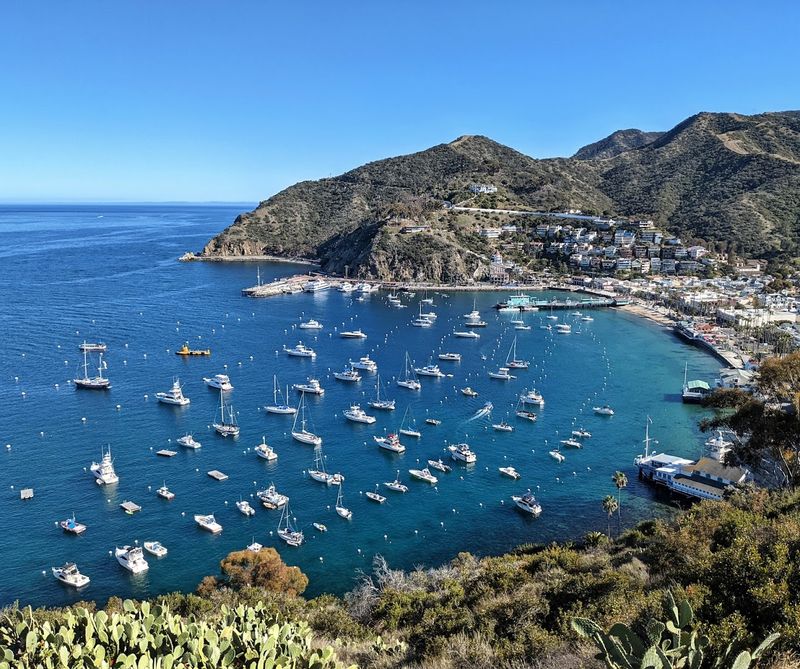
March weather in Avalon strikes a balance that makes outdoor exploration comfortable throughout the day.
Temperatures hover around 60 degrees Fahrenheit, warm enough for walking tours and outdoor dining but cool enough to avoid the wilting heat that can arrive later in the season.
Mornings might call for a light jacket or sweater, which becomes unnecessary by midday when the sun reaches its full strength.
The mild conditions make this month ideal for activities that might feel too strenuous in summer heat.
Hiking the island’s interior trails becomes more appealing when temperatures stay moderate, and exploring the town on foot feels pleasant rather than exhausting.
Visitors can spend entire days outside without seeking air-conditioned refuge. Evening temperatures drop only slightly, allowing for comfortable outdoor dining and sunset watching along the waterfront.
The lack of extreme temperature swings means packing becomes simpler, with versatile layers handling most situations.
March also brings lower humidity than summer months, creating crisp air that enhances visibility across the channel toward the mainland.
This weather pattern extends the usable hours of each day, since neither midday heat nor early darkness cuts into exploration time.
2. Minimal Rainfall And Clear Skies

Rainfall becomes increasingly rare as March progresses in Avalon, with the month typically receiving slightly more than 2 inches of precipitation spread across only a handful of days.
Most visitors experience entirely dry conditions during their stays, allowing outdoor plans to proceed without weather-related adjustments.
When rain does arrive, it usually passes quickly rather than settling in for extended periods. Clear skies dominate the month, bringing an average of more than eight hours of daily sunshine.
This abundance of bright weather enhances the visual appeal of the island’s turquoise waters and white buildings, creating postcard-worthy conditions for photography.
The clarity also improves visibility for activities like glass-bottom boat tours, where seeing underwater features depends on good light penetration.
Dry conditions make beach visits more comfortable, since sand stays loose rather than becoming damp and heavy. Trails remain in good condition without muddy patches that can develop during wetter months.
The combination of sunshine and low humidity creates comfortable conditions for sitting outdoors at cafes or on benches overlooking the harbor.
Consistent weather patterns also mean fewer last-minute cancellations of boat tours and outdoor activities that operators might postpone during stormier periods.
3. Extended Daylight For Exploration
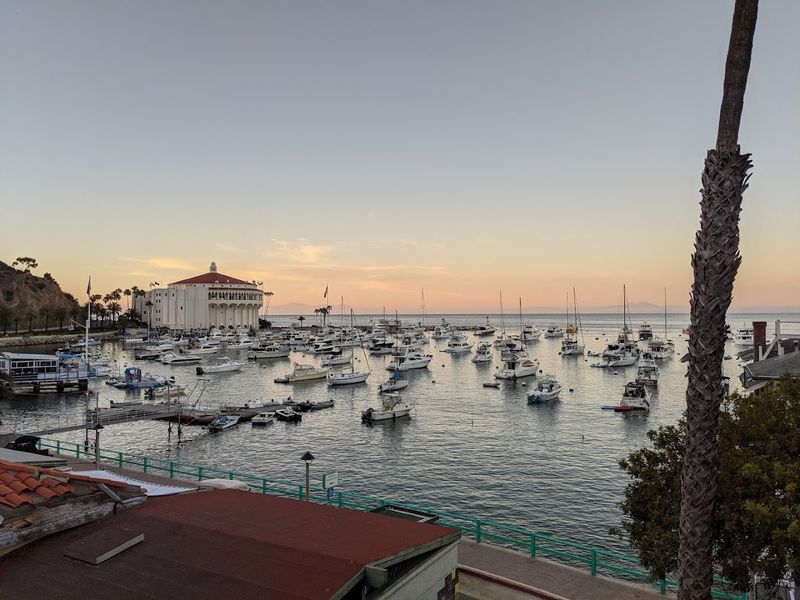
Daylight hours expand noticeably as March moves toward the spring equinox, providing more usable time for sightseeing and activities.
The month begins with roughly twelve hours between sunrise and sunset, a significant increase from the shorter winter days.
This extended light allows visitors to fit more experiences into each day without feeling rushed or losing hours to darkness.
Morning light arrives early enough that breakfast spots and morning tours can start at reasonable hours.
The sun rises around 6:20 AM at the beginning of March, creating opportunities for early risers to enjoy quiet moments along the waterfront before crowds gather.
Photographers particularly appreciate the soft morning light that bathes the harbor and surrounding hills.
Evenings remain bright well into the dinner hour, with sunset occurring around 5:50 PM early in the month and progressively later as March continues.
This timing allows for afternoon activities that extend naturally into early evening without sudden darkness cutting plans short.
Families with children benefit from the longer days, which provide flexibility for naps or breaks without sacrificing exploration time.
The balanced daylight also creates pleasant transitions between day and evening, with golden hour light enhancing the town’s already picturesque qualities.
4. Cool Ocean Temperatures For Different Activities
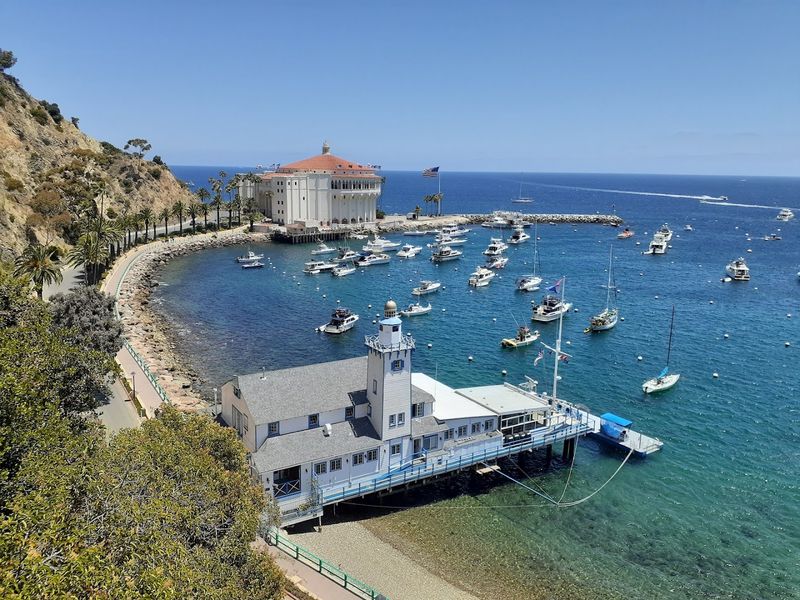
Ocean temperatures in March average around 59 degrees Fahrenheit, too cool for comfortable swimming for most visitors but perfectly suited for other water activities.
The brisk water keeps beaches less crowded than summer months, creating a more peaceful atmosphere for those who prefer quieter coastal experiences. Visitors who do venture in for quick dips report invigorating rather than relaxing swims.
Kayaking and stand-up paddleboarding become popular alternatives to swimming, allowing people to enjoy the water without full immersion.
The cool temperatures actually benefit these activities by making exertion more comfortable, since paddlers generate body heat through movement.
Wetsuits extend the possibilities for those interested in snorkeling or longer water exposure, with rental shops providing appropriate gear.
Glass-bottom boat tours offer ways to appreciate the underwater environment without getting wet, showcasing kelp forests and marine life visible through clear March waters.
The cooler season brings different fish species closer to shore, creating varied viewing opportunities compared to warmer months.
Beach walks and tide pooling remain comfortable activities, with the water temperature only affecting those who wade in.
The ocean conditions also mean fewer swimmers in the water, which can make beach areas feel more spacious and relaxed for sunbathing or picnicking.
5. Moderate UV Exposure Requiring Protection
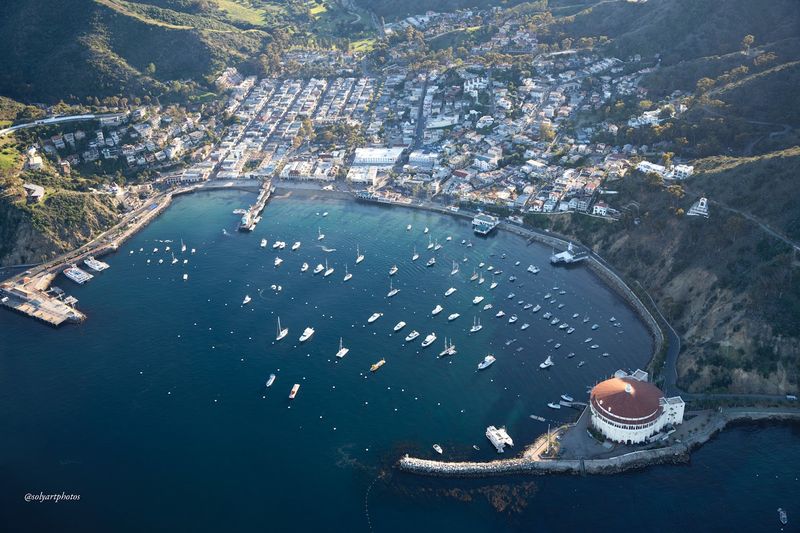
March brings a moderate UV index averaging around 4, which falls into the category requiring sun protection despite not reaching summer’s intense levels.
The combination of clear skies, reflective water surfaces, and extended time outdoors can lead to sunburn for those who underestimate the exposure.
Visitors sometimes forget protection because temperatures feel mild, but UV radiation remains significant even on cooler days.
Sunscreen becomes essential for anyone spending more than short periods outside, particularly during midday hours when the sun reaches its highest point.
The island’s walkable nature means people often spend entire days outdoors without realizing how much cumulative exposure they receive.
Hats and sunglasses provide additional protection while also improving comfort during bright conditions.
The moderate UV levels make March safer than peak summer months for extended outdoor activities, but protection remains necessary rather than optional.
Families with young children should pay particular attention, since kids accumulate sun exposure during beach play and exploration without always noticing until damage occurs.
Shaded areas along the waterfront and in town provide breaks from direct sun. Visitors can enjoy outdoor dining and sightseeing more comfortably than in high summer, but should still reapply sunscreen regularly throughout the day for adequate protection.
6. Historic Casino Building Architecture
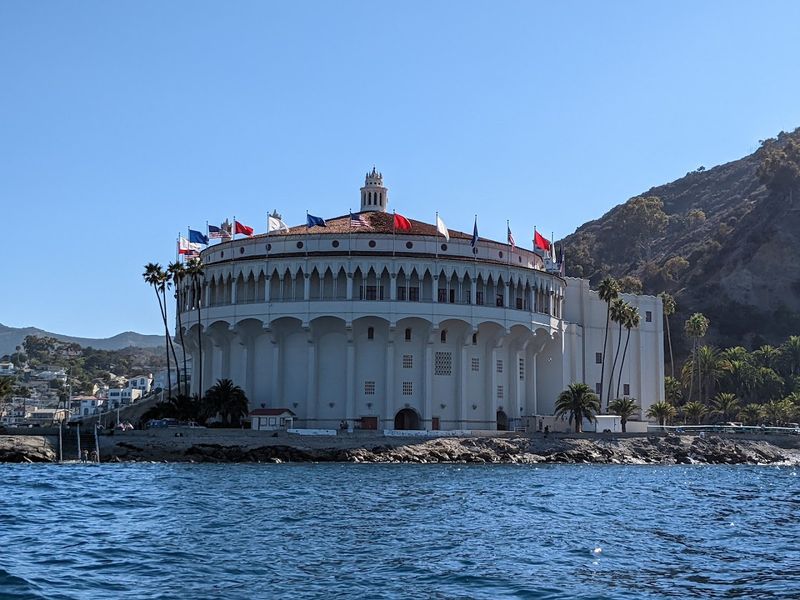
The Catalina Casino stands as Avalon’s most recognizable landmark, a circular Art Deco building completed in 1929 that dominates the northern end of the harbor.
Despite its name, the structure never housed gambling, with “casino” referring to the Italian word for gathering place.
The building’s distinctive white facade and red tile roof create a striking contrast against the blue water and sky, making it instantly recognizable in photographs.
Inside, the Casino houses a movie theater on the ground level that still shows films using its original screen, one of the largest in the world when installed.
The upper level contains a ballroom with a 180-foot diameter dance floor, where big band performances once drew crowds during the building’s golden era.
March visitors can tour the facility to learn about its history and architectural details, including the elaborate murals and period fixtures preserved throughout.
The location at the end of the waterfront promenade makes it a natural destination for walks from downtown Avalon.
The structure’s curves and proportions exemplify the optimistic design aesthetic of the late 1920s, creating a sense of grandeur that enhances the town’s overall character.
Evening lighting highlights the building’s architectural features, making it particularly photogenic during sunset hours.
7. Descanso Beach Club Amenities
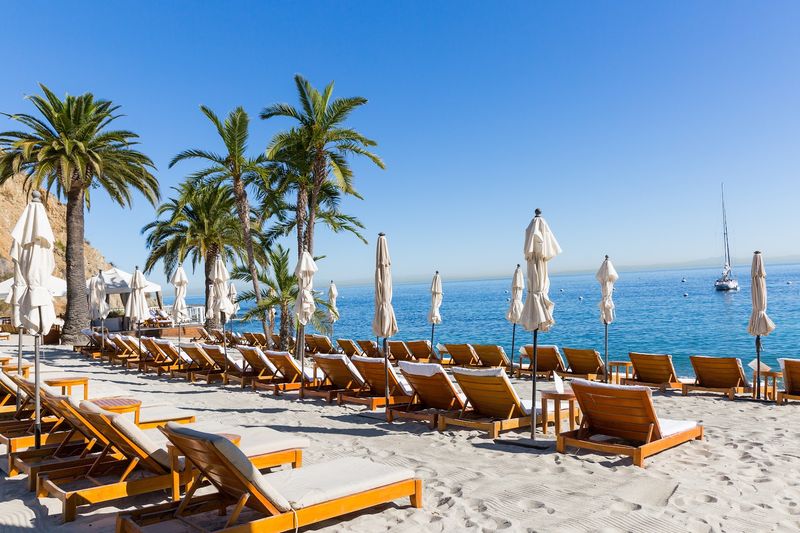
Descanso Beach sits in a protected cove just beyond the Casino building, offering the island’s most developed beach facility with rentals and amenities that make water activities accessible.
The beach club provides kayaks, stand-up paddleboards, and snorkel gear, eliminating the need for visitors to transport their own equipment to the island.
March’s mild weather makes this an ideal time to try these activities without the crowds that pack the beach during summer months.
The gentle surf conditions at Descanso make it particularly suitable for beginners trying paddling sports for the first time.
The sandy bottom and gradual depth increase create a forgiving environment for learning, while the surrounding cliffs provide wind protection that keeps water conditions calmer than more exposed beaches.
Beach chair and umbrella rentals allow visitors to establish comfortable base camps for the day. Food and beverage service means people can spend extended time at the beach without leaving for meals.
The beach faces southeast, capturing morning and midday sun while the surrounding topography provides some afternoon shade.
March visitors often find they can secure preferred spots without the early-morning competition that characterizes peak season visits.
The beach’s proximity to downtown Avalon makes it easily accessible by foot, requiring only a short walk beyond the main waterfront area.
8. Ferry And Helicopter Access Options
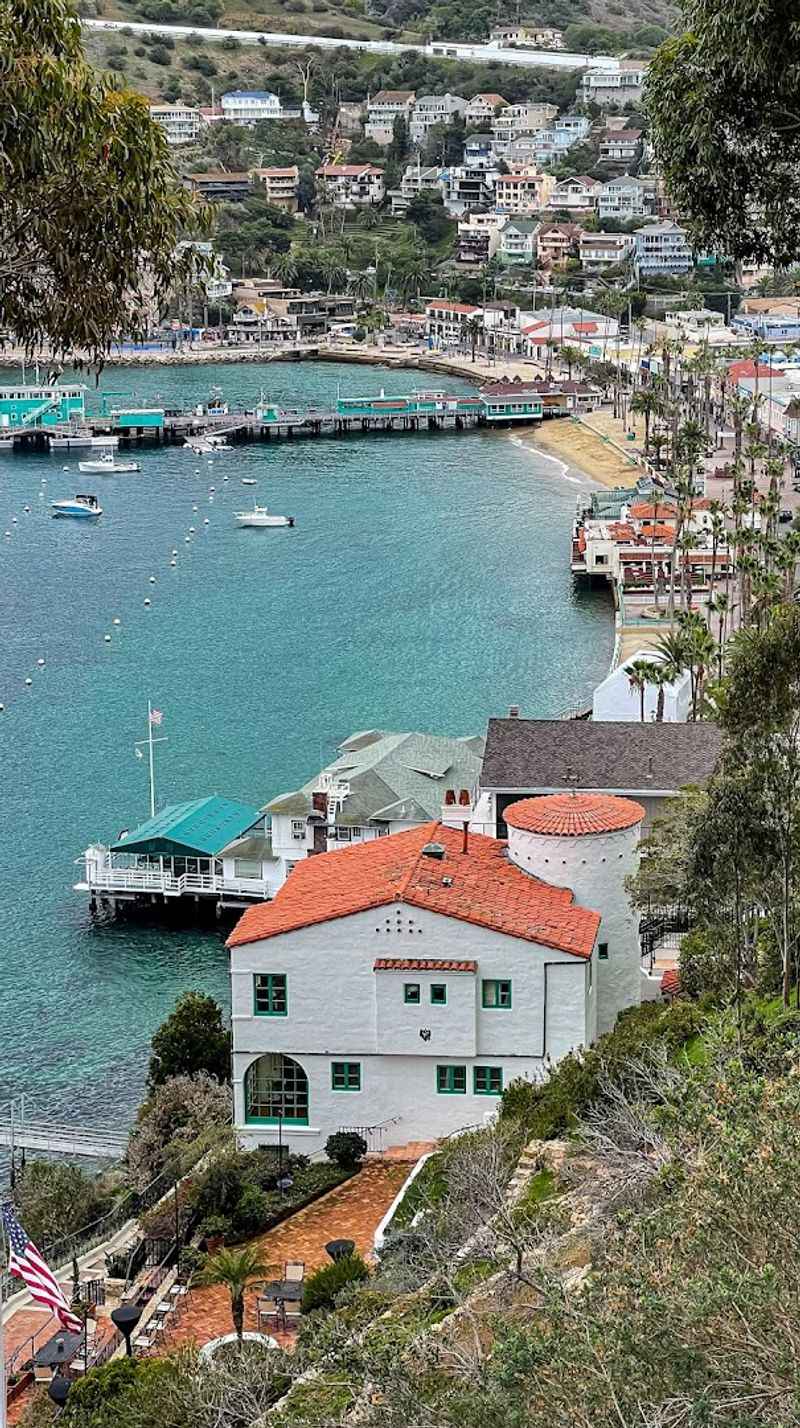
Reaching Avalon requires choosing between high-speed passenger ferries or helicopter service, with each option offering distinct advantages.
The Catalina Express operates multiple daily departures from several mainland ports, with the journey taking approximately one hour depending on the departure point.
March typically sees less crowded boats than summer, making it easier to secure outdoor seating with optimal views during the crossing.
Ferry travel provides an experience that becomes part of the adventure rather than just transportation.
The gradual approach to the island allows passengers to watch Avalon emerge from the distance, with the Casino building and surrounding hills becoming progressively more detailed.
Some crossings offer opportunities to spot dolphins or flying fish, adding wildlife encounters to the journey.
Helicopter service reduces travel time to about fifteen minutes, landing passengers at a heliport in town. This option appeals to those with limited time or who prefer to minimize water travel.
The aerial perspective during approach showcases the island’s topography and the contrast between developed Avalon and the wild interior.
Both transportation methods require advance booking during March, though availability tends to exceed summer demand.
The boat crossing can encounter rough water, so those prone to seasickness might prefer the helicopter option or choose morning departures when ocean conditions typically remain calmer.
9. Golf Cart Transportation Culture
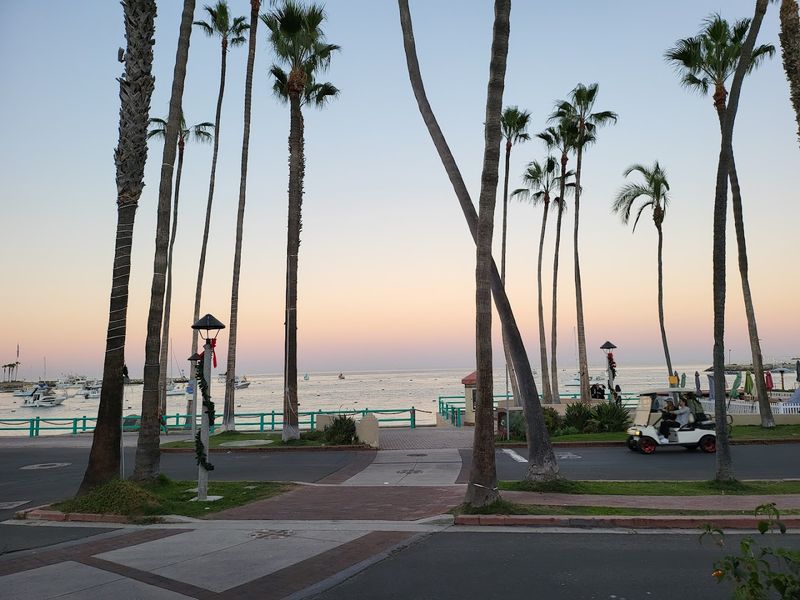
Avalon’s streets feature more golf carts than automobiles, creating a distinctive transportation culture that reinforces the town’s relaxed character.
Visitors can rent carts for exploring areas beyond comfortable walking distance, though the compact downtown remains easily navigable on foot.
The slower pace of cart traffic contributes to the overall sense of being somewhere fundamentally different from typical California communities. Rental companies offer various cart sizes and styles, from basic two-seaters to larger family models.
March’s mild weather makes cart driving particularly pleasant, with comfortable temperatures and minimal rain reducing the drawbacks of open-air transportation.
The vehicles provide access to hillside neighborhoods and viewpoints that would require significant uphill walking otherwise.
Cart use requires some adjustment for first-time visitors, since the vehicles lack the speed and protection of cars.
Streets designed for mixed pedestrian and cart traffic create a pedestrian-friendly environment where walking feels safe and natural.
Parking becomes simpler with carts, which fit into smaller spaces than automobiles. The limited number of cars on the island relates to strict residency requirements for vehicle permits, maintaining the golf cart culture as a defining feature of Avalon life.
Visitors quickly adapt to the slower pace, finding that cart speeds match the overall rhythm of island time.
10. Small-Town Resort Community Balance

Avalon maintains a population of approximately 3,460 year-round residents, creating a genuine small-town feel despite the tourism-based economy.
This balance between resort amenities and authentic community life distinguishes Avalon from purely tourist destinations that lack permanent populations.
Visitors encounter locals going about daily routines alongside vacationers, adding depth to the experience beyond typical resort interactions.
The compact size means the same faces appear repeatedly, with shop owners, restaurant staff, and service providers often recognizing repeat visitors.
March’s lower tourist volume allows this small-town character to shine more clearly than during packed summer months when sheer numbers can overwhelm the intimate scale.
Local events and activities continue year-round, not just during peak season, giving visitors glimpses into actual island life.
The community’s isolation on an island creates a self-sufficiency and interdependence among residents that visitors can sense.
Essential services, schools, and civic facilities serve the permanent population, not just tourists, maintaining the infrastructure of a functioning town. This authenticity prevents Avalon from feeling like a theme park version of a coastal community.
The tourism economy supports local livelihoods while the resident population ensures the town retains character beyond its resort identity, creating an appealing combination that feels both welcoming and genuine.