California’s Oldest State Park Is Filled With Redwoods That Are Over 1,000 Years Old
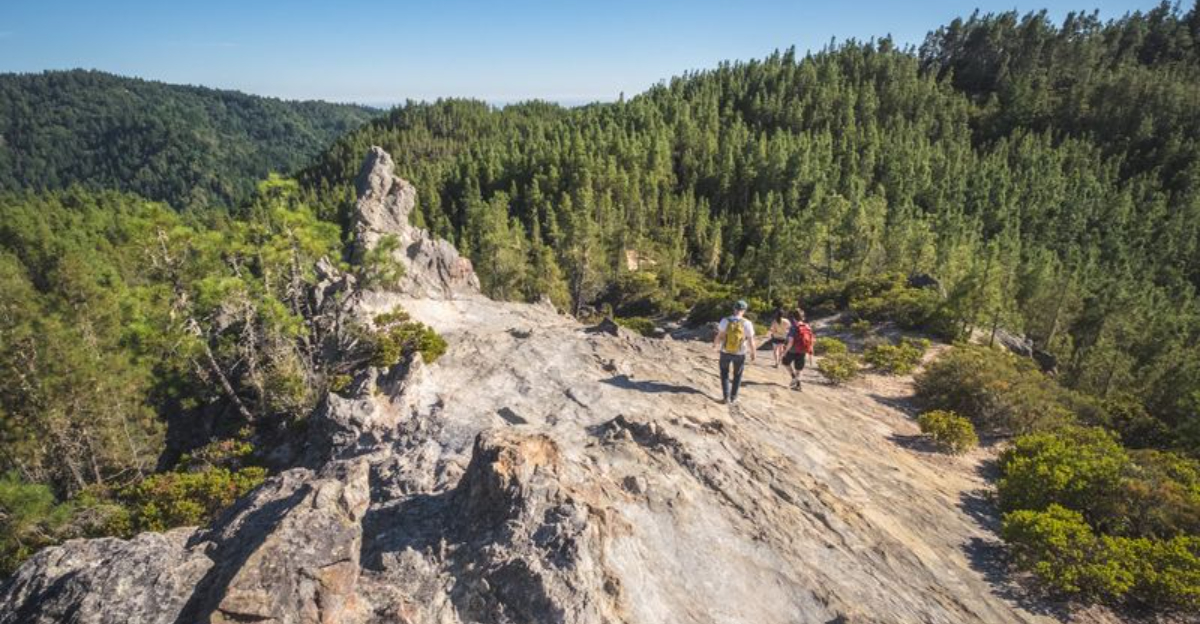
They’ve been standing here for over 1,000 years. Before highways. Before cities. Before California was even California.
Deep in the Santa Cruz Mountains, these towering redwoods rise so high they blur into the sky. The air feels cooler. Quieter. Almost sacred. You don’t just see the trees here – you feel them.
Big Basin isn’t just another park. It’s where giants live.
Massive trunks stretch wider than cars. Sunlight filters through layers of green hundreds of feet overhead. The forest floor smells earthy and ancient, like time itself slowed down and decided to stay awhile.
Somehow, even after wildfire swept through these mountains, the redwoods are still here. Strong. Sprouting new life from blackened bark. A reminder that resilience can be breathtaking.
Walking among them changes your pace without you realizing it. Your voice lowers. Your steps soften. You look up more than you look at your phone.
If you need a reminder of how wild and beautiful California still is, stand beneath a thousand-year-old redwood and let the forest speak.
This isn’t just a scenic stop. It’s perspective.
1. California’s First State Park Established in 1902
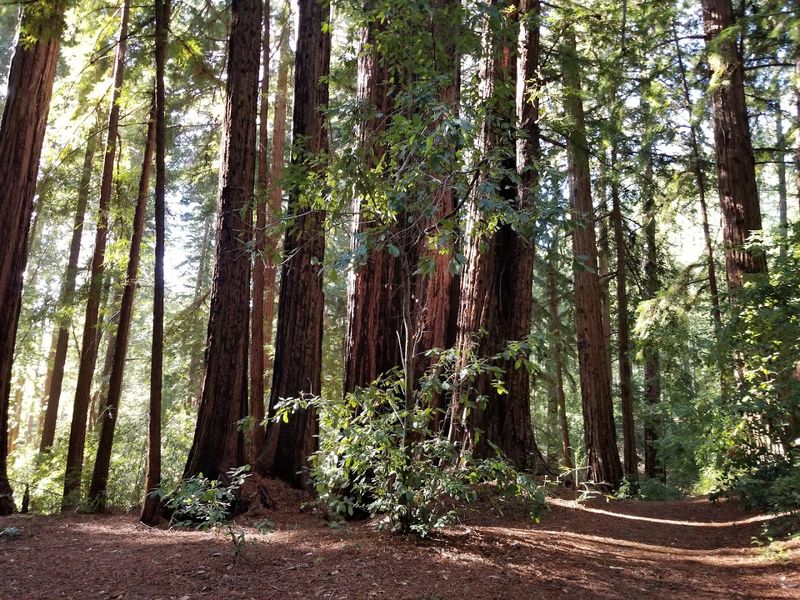
Big Basin Redwoods State Park earned its place in conservation history when it officially opened as California’s inaugural state park in 1902.
Forward-thinking activists and concerned citizens rallied together at the turn of the 20th century, recognizing that logging companies threatened to destroy the magnificent old-growth redwood forests forever.
The Sempervirens Club, founded in 1900, led the charge to save these irreplaceable trees through fundraising and political advocacy.
Preserving this land required tremendous effort and cooperation between private donors, local governments, and state officials.
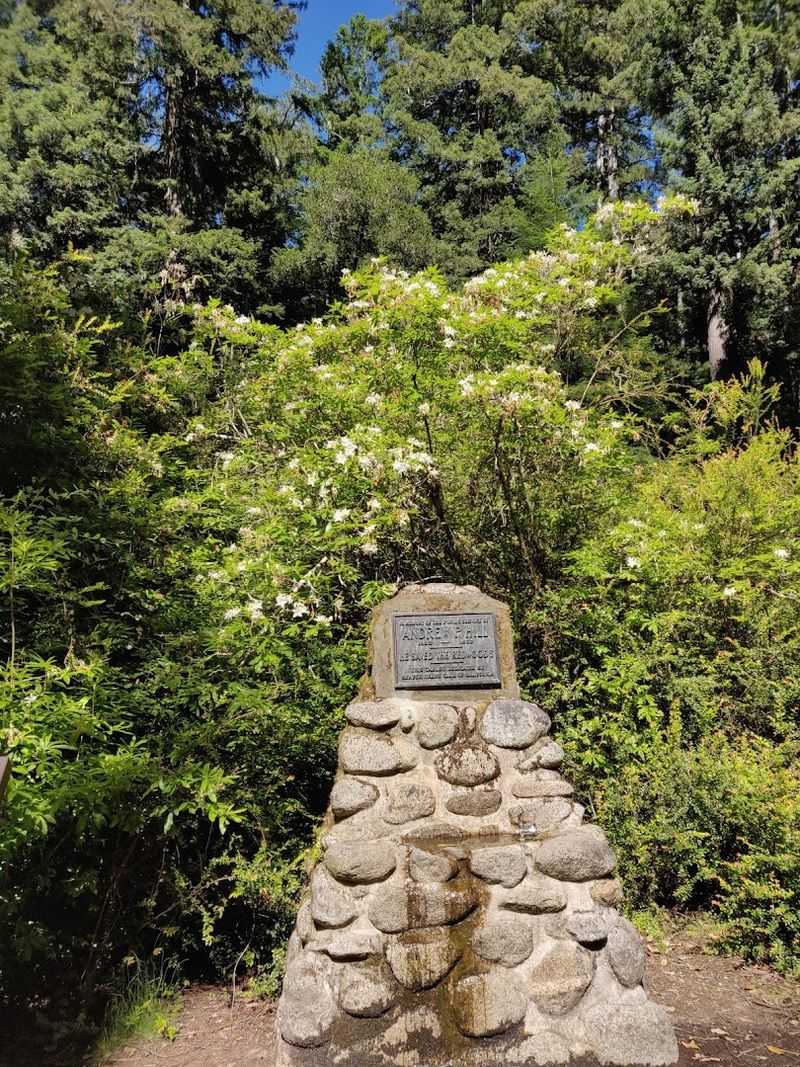
Andrew P. Hill, a photographer who captured images of the threatened redwoods, played a crucial role in galvanizing public support for the conservation movement.
His photographs helped people understand what would be lost if action wasn’t taken immediately. The establishment of Big Basin marked a turning point in environmental protection efforts across California.
This pioneering achievement set a precedent for creating additional state parks throughout the region, ultimately leading to the extensive park system that exists today.
The park’s creation demonstrated that ordinary citizens could organize effectively to protect natural resources from commercial exploitation.
Today, visitors can appreciate the foresight of those early conservationists who fought to preserve this landscape.
Their legacy continues to benefit countless people who seek connection with nature and ancient forests.
2. Ancient Coast Redwoods Over 1,000 Years Old
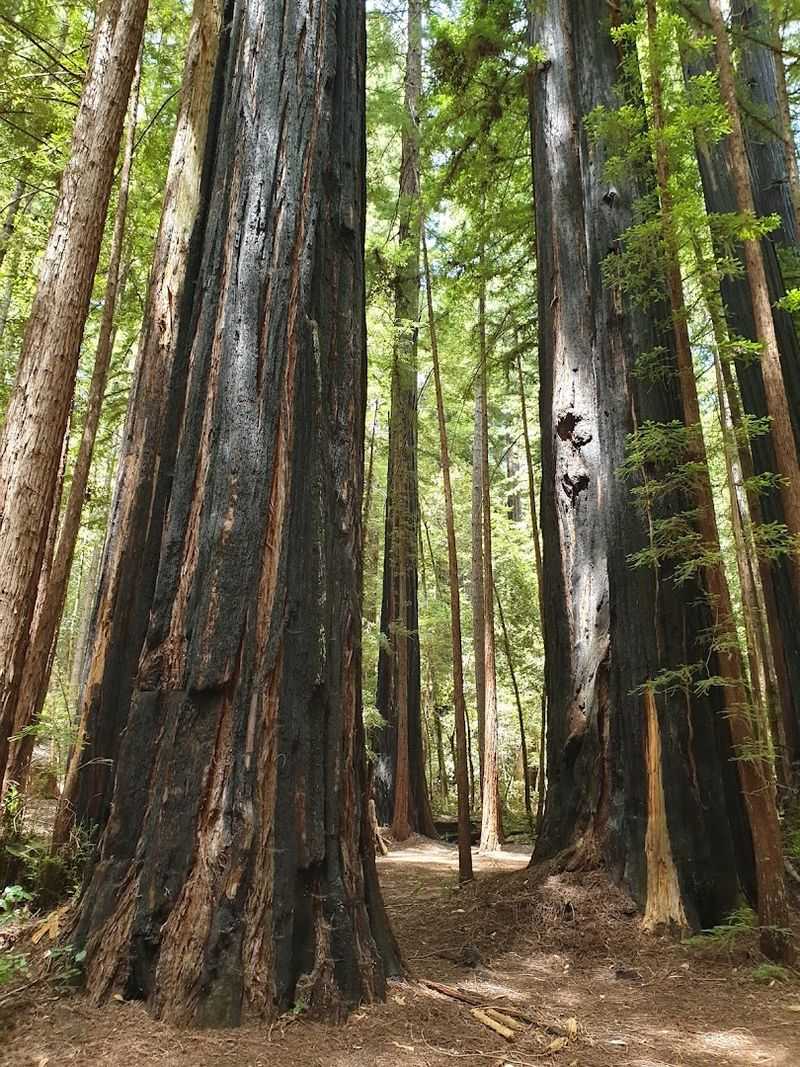
Coast redwoods growing throughout Big Basin have been standing since before medieval times in Europe.
Some specimens are estimated to be between 1,000 and 2,500 years old, placing their germination during periods when ancient civilizations were building empires across distant continents.
The oldest trees in the park began growing when Roman influence still shaped much of the known world. These ancient giants achieve their remarkable longevity through several unique adaptations.
Redwood bark can grow up to 12 inches thick, providing insulation against fire, disease, and insect damage.
The trees also contain high levels of tannins, which naturally resist decay and protect against fungi that typically attack other species. Walking among these living monuments provides a humbling perspective on human existence.
A single tree may have lived through countless generations of wildlife, weathered hundreds of storms, and survived numerous wildfires throughout its millennium-long lifespan.
The continuity represented by these organisms connects present-day visitors to distant historical periods.
Scientists study these ancient specimens to understand climate patterns, ecological changes, and forest dynamics over extended timeframes.
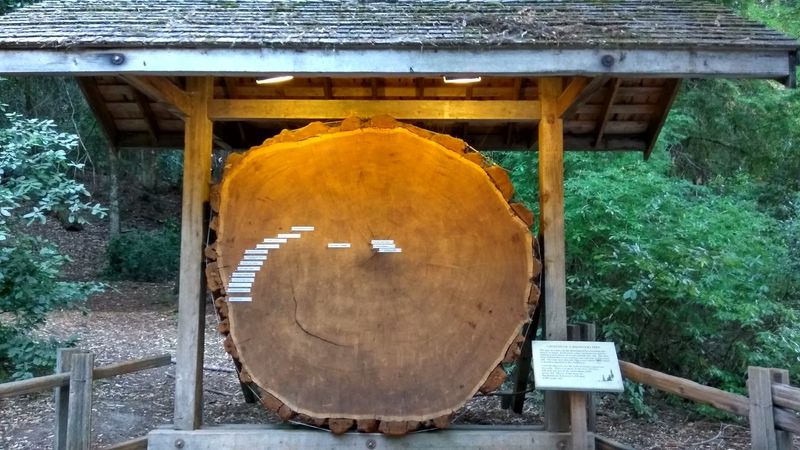
Growth rings within the wood record environmental conditions year by year, creating a natural archive of regional history.
The preservation of these elderly trees allows researchers to decode centuries of environmental information.
3. Massive Trunks Measuring 50 Feet In Circumference
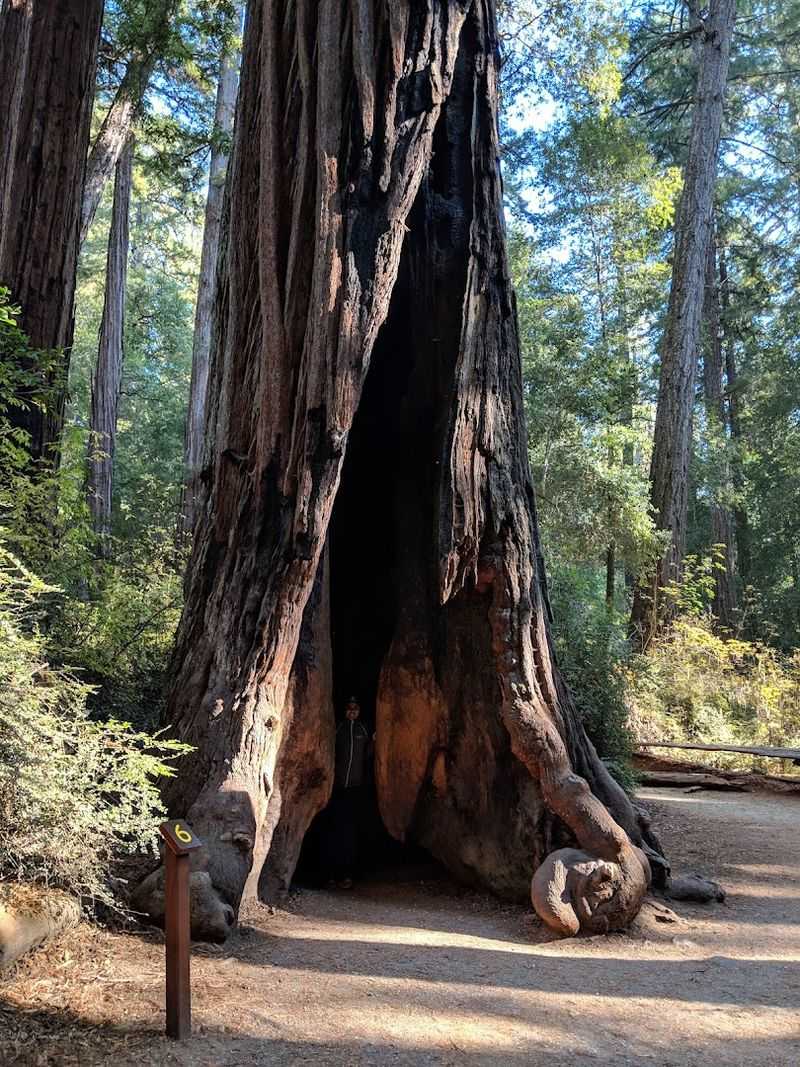
The circumference of the largest redwoods in Big Basin stretches so wide that multiple people linking hands can barely encircle the base. Some trunks measure up to 50 feet around, creating natural landmarks within the forest.
The sheer volume of wood contained in a single tree boggles the mind when you consider the centuries of growth required to build such mass.
Redwoods achieve these impressive dimensions through continuous growth over many centuries. Unlike most trees that slow their growth significantly as they age, healthy redwoods continue adding new wood layers throughout their lives.
The cambium layer beneath the bark produces new cells year after year, gradually expanding the trunk diameter.
Visitors often photograph themselves standing next to these enormous trunks to capture the dramatic size difference.
The bark surface appears deeply furrowed and fibrous, with a spongy texture that feels surprisingly soft to the touch.
Moss and small ferns sometimes grow in the crevices, adding green accents to the reddish-brown bark. The structural engineering required to support such massive trunks involves sophisticated biological systems.
Internal wood fibers are arranged to provide maximum strength while remaining flexible enough to sway in strong winds.
This combination of rigidity and flexibility allows the trees to withstand powerful storms that would topple less adaptable species.
4. Park Spans Over 18,000 Acres Of Diverse Terrain
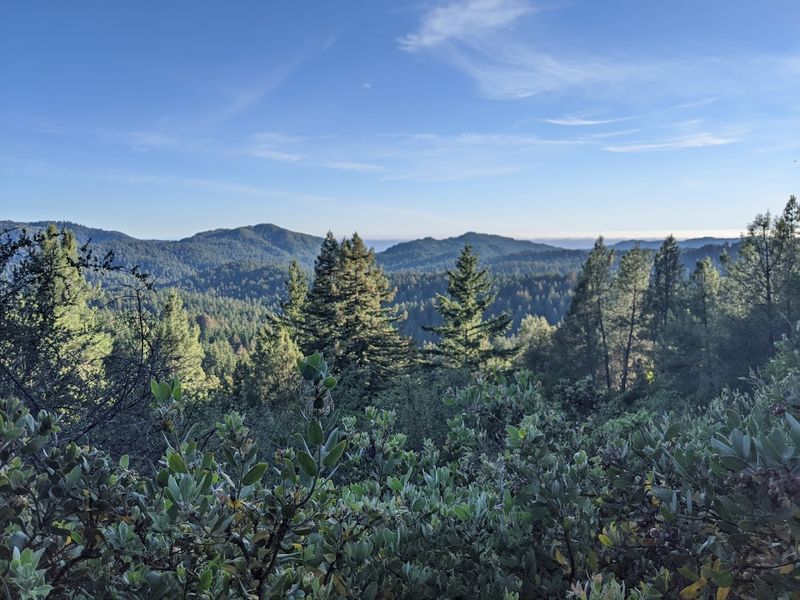
Big Basin encompasses more than 18,000 acres of protected wilderness spread across the Santa Cruz Mountains.
This vast area contains multiple distinct ecosystems, from towering redwood groves in the valleys to chaparral-covered slopes at higher elevations.
The varied topography creates habitats for hundreds of plant and animal species. Exploring the entire park would require many days of hiking through different zones.
Lower elevations feature the famous old-growth redwood forests where moisture-loving plants thrive in the shade.
Mid-elevation areas transition to mixed forests containing Douglas fir, tan oak, and madrone trees that prefer slightly drier conditions. The park’s boundaries protect entire watersheds that drain toward the Pacific Ocean.
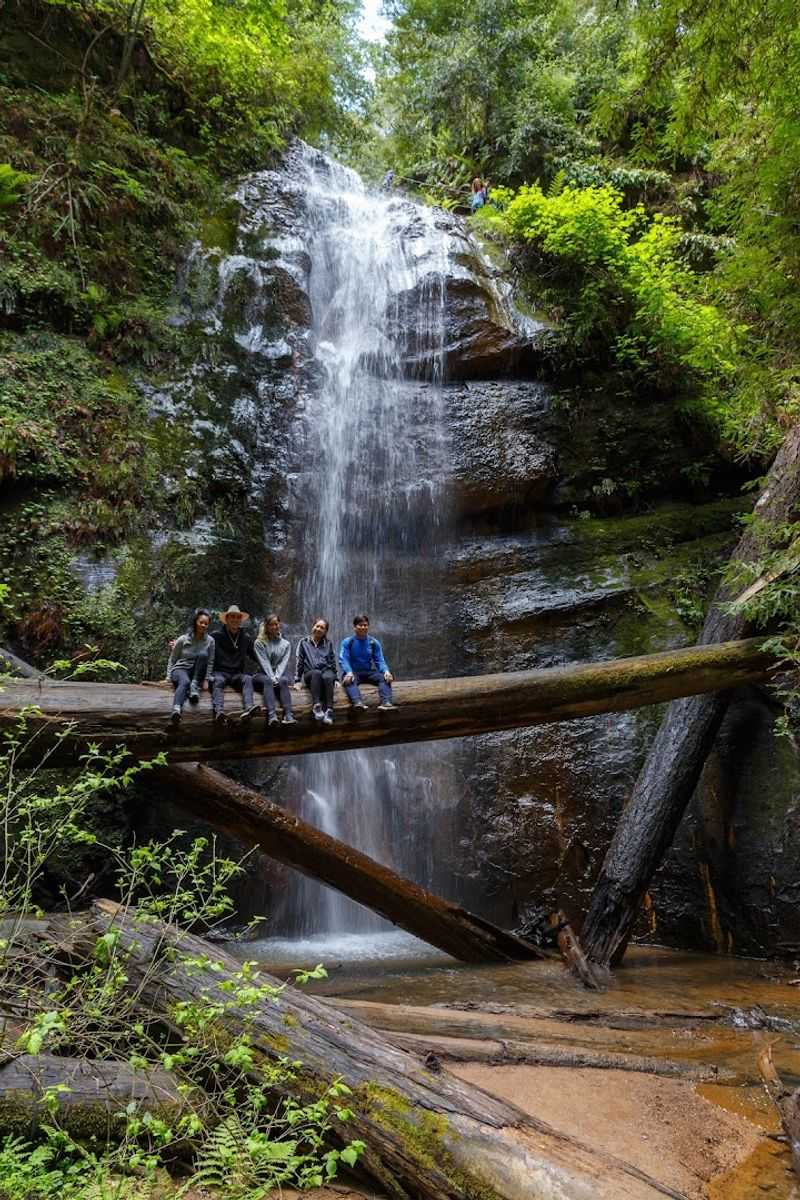
Numerous creeks and streams flow through the property, providing essential water sources for wildlife and maintaining the humid conditions redwoods require.
These waterways also create scenic features like waterfalls and pools that attract visitors during wetter months.
Managing such an extensive property requires significant resources and coordination. Rangers patrol the trails, maintain facilities, and monitor ecological conditions throughout the park.
Scientists conduct ongoing research to understand how the various ecosystems function and respond to changing environmental pressures.
The size of Big Basin allows for genuine wilderness experiences where visitors can spend hours without encountering roads or development.
5. Rich Biodiversity Across Multiple Habitat Types
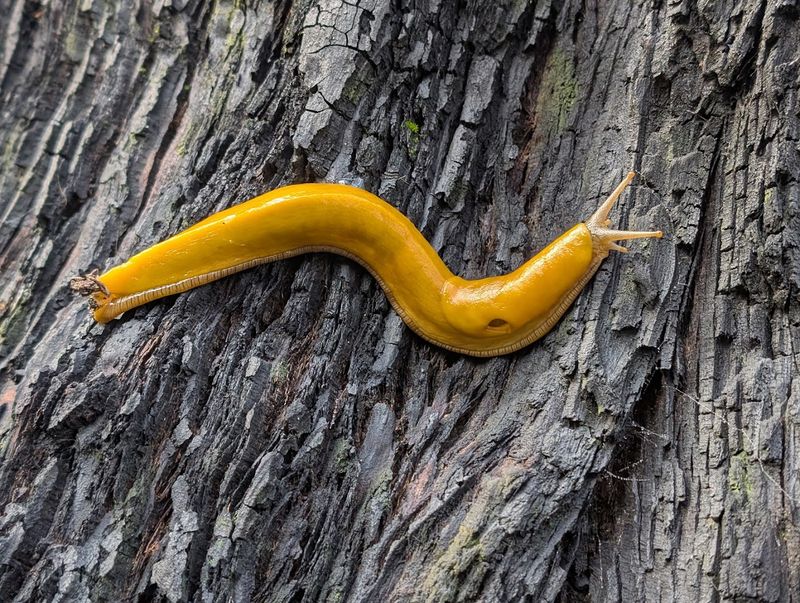
Big Basin supports remarkable biological diversity thanks to its range of habitat types packed into a relatively compact area.
Old-growth redwood forests dominate the landscape, but mixed conifer forests, oak woodlands, chaparral communities, and riparian zones each host their own specialized species.
This mosaic of environments allows plants and animals with different requirements to coexist within the park boundaries.
The understory beneath the redwood canopy remains relatively open due to the deep shade, but where light penetrates, sword ferns, redwood sorrel, and huckleberry bushes flourish.
Banana slugs, those bright yellow mollusks that have become unofficial park mascots, thrive in the damp conditions.
Salamanders and newts hide under logs and leaf litter, emerging during wet weather. Drier slopes support different plant communities adapted to periodic drought and higher light levels.
Manzanita, ceanothus, and various wildflowers bloom across these areas, providing nectar for butterflies and other pollinators.
Small mammals like chipmunks and ground squirrels prefer these more open habitats where they can forage for seeds and nuts.
Stream corridors create green ribbons through the forest where moisture remains available year-round. Alders and willows line the banks, and mosses coat every surface near the water.
These riparian zones serve as wildlife highways, allowing animals to move between different areas while staying near drinking water.
6. Trees Reaching Heights Over 300 Feet Tall
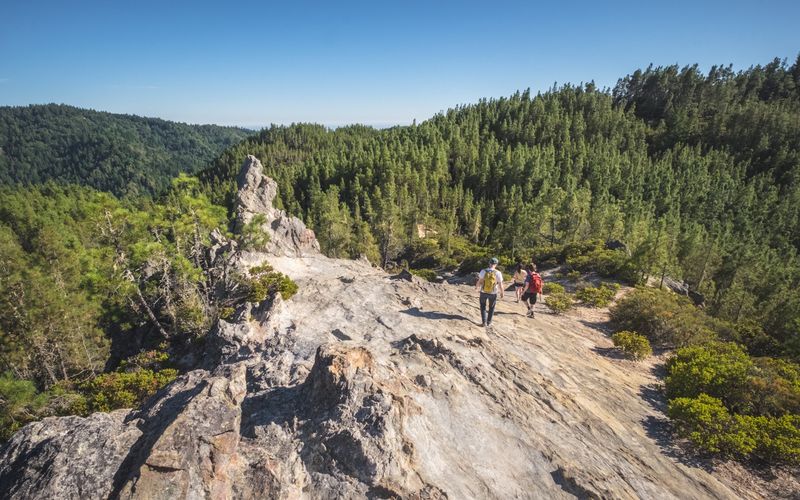
Coast redwoods growing in Big Basin rank among the tallest living things on Earth, with some specimens exceeding 300 feet in height.
To put this in perspective, these trees reach heights comparable to a 30-story building, dwarfing most human structures.
Standing at the base of one and craning your neck upward barely allows you to see the crown far above. Several factors enable redwoods to achieve such extraordinary vertical growth.
The coastal climate provides consistent moisture through fog, which the trees absorb directly through their needles.
The shallow but extensive root systems spread out over large areas, anchoring the massive trunks against wind and supporting their tremendous weight.
Measuring these giants accurately requires specialized equipment and trained professionals. Climbers use ropes and harnesses to ascend into the canopy, taking precise measurements from multiple points.
Recent laser technology has made it possible to calculate tree dimensions from the ground with increasing accuracy. The tallest trees in the park create their own ecosystems high above the forest floor.
Unique plant species grow in the canopy, and specialized animals make their homes in the upper reaches where most visitors never see.
These elevated environments remain largely unexplored, holding secrets about forest ecology that scientists continue to investigate.
7. Wildlife Including Deer, Squirrels, And Diverse Bird Species
Black-tailed deer frequently appear along trails and in meadows throughout Big Basin, often showing little fear of quiet observers.
These graceful animals browse on shrubs and grasses, their rust-colored coats blending with the forest shadows.
Early morning and late afternoon provide the best opportunities to spot deer as they move between feeding areas.
Western gray squirrels chatter from tree branches, their bushy tails twitching as they scold passersby. These large squirrels gather acorns and pine cones, caching them for later consumption.
Raccoons also inhabit the park, though their nocturnal habits mean most visitors never see them despite their abundance.
Bird enthusiasts can identify dozens of species throughout the park’s varied habitats.
Steller’s jays, with their striking blue plumage and distinctive crests, announce their presence with loud calls. Acorn woodpeckers create granaries by drilling holes in dead trees and storing acorns in each cavity.
The rhythmic drumming of woodpeckers echoes through the forest as they search for insects beneath bark.
Smaller birds like chickadees, nuthatches, and brown creepers flit through the canopy, gleaning insects from foliage and bark crevices. Hawks and owls hunt from perches high in the trees, scanning the forest floor for prey.
Patient observers who remain still and quiet increase their chances of witnessing natural behaviors as animals go about their daily activities.
8. Over 80 Miles Of Hiking Trails Through The Forest
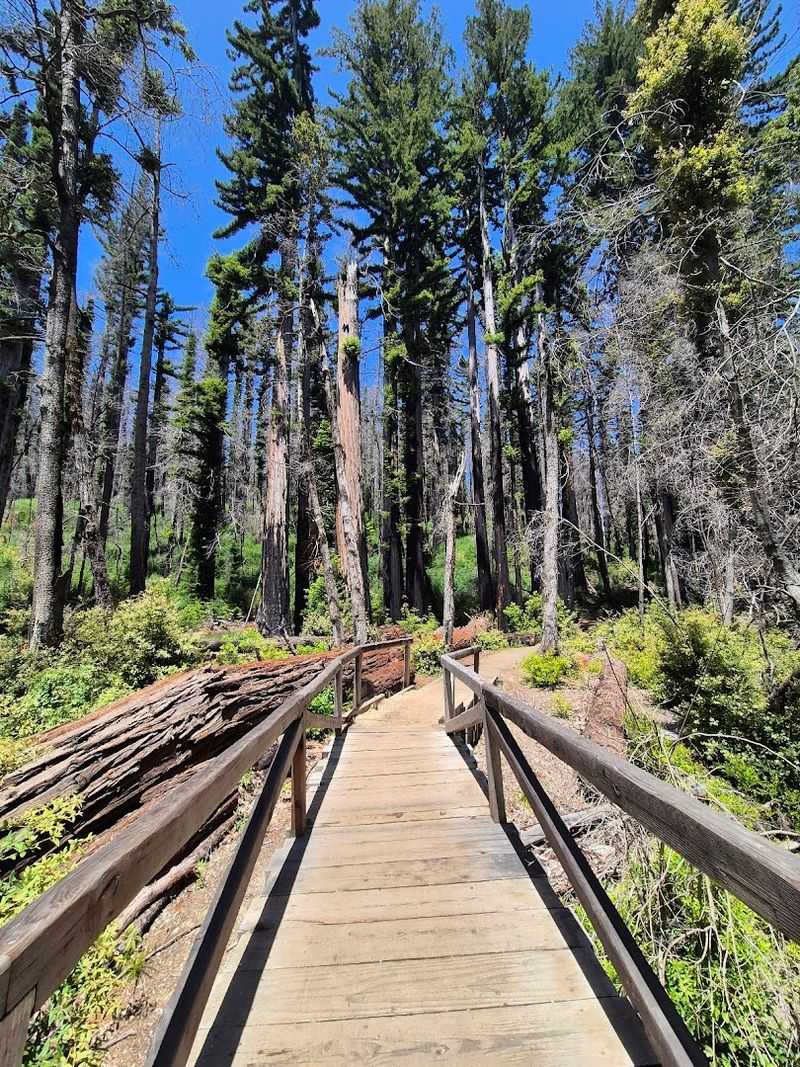
More than 80 miles of trails wind through Big Basin, offering routes suitable for everyone from casual walkers to experienced backpackers.
The trail network connects different areas of the park, allowing visitors to customize their experiences based on available time and fitness levels.
Some paths follow gentle grades along creek beds, while others climb steep slopes to reach ridgetop viewpoints.
The famous Skyline-to-the-Sea Trail passes through the park, eventually reaching the Pacific Ocean at Waddell Beach.
This multi-day route showcases the dramatic elevation changes and ecosystem transitions between the mountains and coast. Backpackers can experience the full journey, camping at designated sites along the way.
Shorter loop trails near the park headquarters provide accessible options for those wanting to experience the redwood forest without committing to all-day hikes.
The Redwood Trail forms a gentle circuit past some of the largest trees, with interpretive signs explaining forest ecology.
Families with young children often choose these easier routes that still deliver impressive views of ancient giants.
Trail conditions vary seasonally, with some paths becoming muddy during winter rains and others drying out completely in summer. Rangers post current conditions at trailheads and visitor centers.
Hikers should carry water, wear appropriate footwear, and stay on designated trails to minimize environmental impact and ensure personal safety.
9. Remarkable Recovery After 2020 Wildfire Devastation
The CZU Lightning Complex fires of August 2020 burned through more than 97 percent of Big Basin, destroying historic buildings and severely damaging many areas.
Flames consumed structures that had stood for decades, including the park headquarters complex.
The immediate aftermath appeared catastrophic, with blackened landscapes replacing the previously green forest.
Despite the extensive damage, the redwoods demonstrated their remarkable evolutionary adaptations to fire.
Many trees that appeared dead soon sprouted new green growth from dormant buds beneath their protective bark.
Within months, a carpet of new shoots emerged from the forest floor, beginning the regeneration process. This resilience reflects millions of years of adaptation to periodic fires.
Scientists and park managers carefully monitored the recovery, documenting how different areas responded to the fire’s impact.
Some sections bounced back quickly, while others required more time and intervention. The fire actually benefited certain plant species that depend on periodic burning to germinate or thrive.
Nature’s ability to heal itself became evident as the forest slowly transformed. Visitors returning to the park after the fire witnessed both destruction and renewal.
Charred trunks stood alongside vibrant new growth, creating a landscape that told stories of both loss and hope.
The recovery process continues today, offering valuable lessons about forest ecology and the importance of allowing natural systems to regenerate.
10. Visitor Facilities And Educational Programs
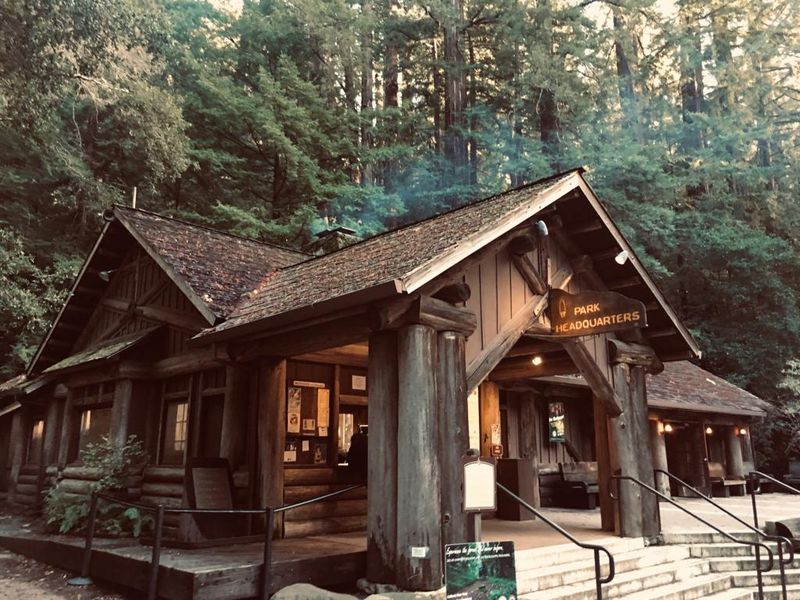
Big Basin provides various facilities designed to enhance visitor experiences and promote understanding of redwood ecology.
The visitor center, when operational, features exhibits explaining forest biology, conservation history, and the park’s unique features.
Interactive displays help children and adults learn about the plants and animals that call this ecosystem home. Ranger-led programs offer opportunities to gain deeper insights from knowledgeable guides.
These educational tours cover topics ranging from tree identification to wildlife tracking, depending on the season and ranger expertise.
Guided walks allow visitors to ask questions and discover details they might otherwise overlook while exploring independently.
Picnic areas scattered throughout the park provide spots to rest and enjoy meals surrounded by towering trees. Restroom facilities at key locations ensure basic comfort during visits.
The park’s infrastructure balances visitor needs with environmental protection, concentrating development in specific areas while leaving most of the landscape undisturbed.
As of recent years, many facilities remain closed or limited due to fire damage and ongoing restoration work.
Visitors should check current conditions before arriving to understand which amenities are available.
Despite reduced services, the park continues welcoming guests who want to experience the recovering forest.
Restoration efforts aim to eventually rebuild lost facilities while incorporating improved designs that better withstand future challenges.
11. Redwood Adaptations For Fire Survival
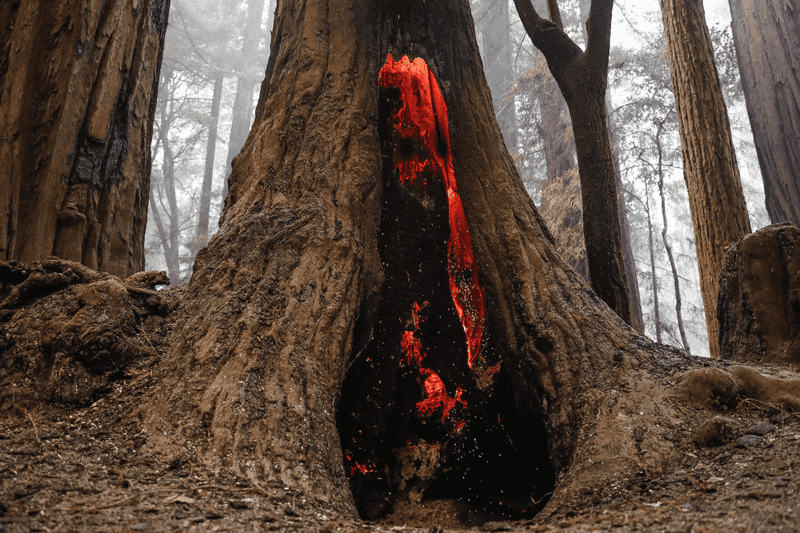
Coast redwoods possess extraordinary adaptations that allow them to survive fires that would kill most other tree species.
The thick, fibrous bark acts as insulation, protecting the living cambium layer beneath from lethal temperatures.
This bark can measure up to a foot thick on mature trees, creating a formidable barrier against flames.
When fire damages the outer bark and kills surface tissue, dormant buds buried deeper in the trunk can activate and produce new growth.
These epicormic sprouts emerge directly from the trunk, creating clusters of fresh branches that restore the tree’s ability to photosynthesize.
The capacity to regenerate from seemingly dead tissue gives redwoods a significant survival advantage.
Redwood roots spread wide and relatively shallow, but they can also produce new shoots from underground structures.
After severe fires, entire groves may regenerate from root systems even when the parent trees have been destroyed.
This cloning ability means that genetically identical trees can persist for thousands of years through multiple generations of stems.
The high moisture content in redwood wood also provides fire resistance. Unlike drier wood that burns readily, the water within redwood tissue requires more heat to ignite.
This natural fire retardant quality, combined with the protective bark, explains why ancient redwoods have survived countless fires throughout their long lives.
Understanding these adaptations helps explain the remarkable recovery observed after recent wildfires.
12. Conservation Legacy And Ongoing Protection Efforts
The story of Big Basin represents one of the earliest successful conservation movements in American history.
The Sempervirens Fund, established in 1900, pioneered strategies for protecting threatened forests through land acquisition and public advocacy.
Their success inspired similar efforts throughout California and beyond, ultimately leading to the creation of numerous protected areas.
Andrew P. Hill’s photographs played a crucial role in building public support for saving the redwoods. His images captured the majesty and scale of the trees in ways that words alone could not convey.
This early use of visual media for conservation purposes set a precedent that environmental organizations continue using today.
Modern conservation work at Big Basin involves ongoing research, habitat restoration, and adaptive management strategies.
Scientists monitor forest health, track wildlife populations, and study how climate change affects redwood ecosystems.
This research informs management decisions and helps protect the park’s resources for future generations.
Partnerships between government agencies, nonprofit organizations, and volunteer groups support conservation activities.
Donors continue funding land acquisition to expand protected areas, while volunteers contribute time to trail maintenance and restoration projects.
The collaborative approach that saved Big Basin over a century ago remains essential to its continued protection.
Each generation inherits the responsibility of stewarding these irreplaceable forests and passing them forward intact.