12 Campgrounds Across North Carolina That Feel Like A Perfect Getaway
Picture waking up to mountain mist rolling through ancient pines or falling asleep to the rhythm of ocean waves just beyond your tent flap. North Carolina delivers camping experiences that range from rugged wilderness to coastal paradise.
The state stretches from the Appalachian peaks to the Atlantic shore, offering campgrounds tucked into forests, perched beside crystal lakes, and nestled along barrier islands. Each spot brings its own character, whether that means sunrise hikes through rocky terrain or lazy afternoons fishing from a quiet lakeshore.
These aren’t cookie-cutter campsites with identical amenities and zero personality. They’re places where the landscape shapes the experience, where seasons shift the scenery dramatically, and where both seasoned backpackers and first-time campers find their rhythm.
From state parks with well-maintained facilities to more remote spots that require a bit of planning, the campgrounds across this state reward those who seek genuine connection with the outdoors.
1. Hanging Rock State Park, Danbury
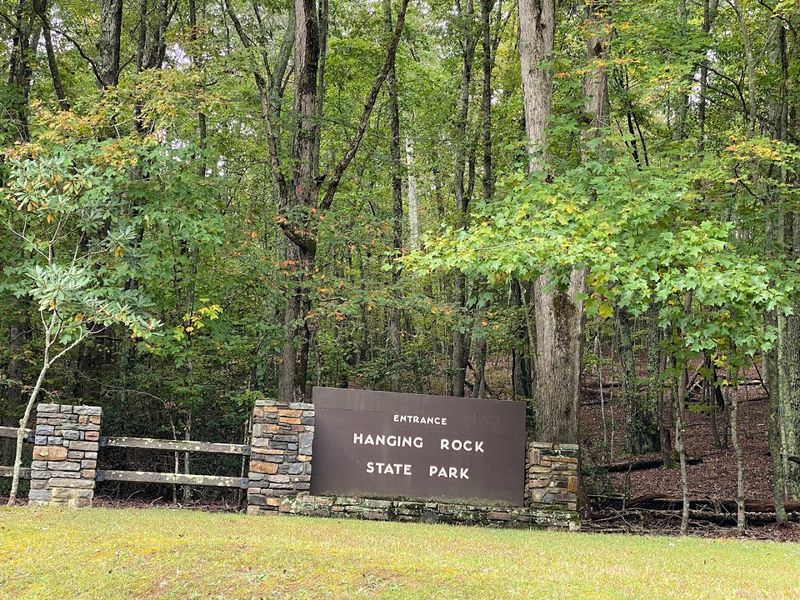
Hanging Rock State Park sits in the Sauratown Mountains with rock formations that command attention from the moment visitors arrive. The park covers more than 9,000 acres of woodland trails, waterfalls, and climbing routes that attract outdoor enthusiasts year-round.
Campsites here offer a genuine mountain camping experience without requiring advanced backcountry skills.
The campground provides both tent sites and basic facilities that balance comfort with that authentic outdoor feeling. Trails leading to the summit deliver panoramic views that stretch for miles across the Piedmont region below.
Rock climbing routes vary in difficulty, making this spot appealing for both beginners testing their skills and experienced climbers seeking challenge.
Summer brings warm days perfect for swimming in the lake, while autumn transforms the canopy into brilliant shades of orange and red. Spring wildflowers carpet the forest floor, and winter offers solitude for those who prefer quieter trails.
The park maintains a peaceful atmosphere even during busier weekends, with enough space that campsites never feel crowded or rushed.
2. Cape Hatteras National Seashore, Outer Banks
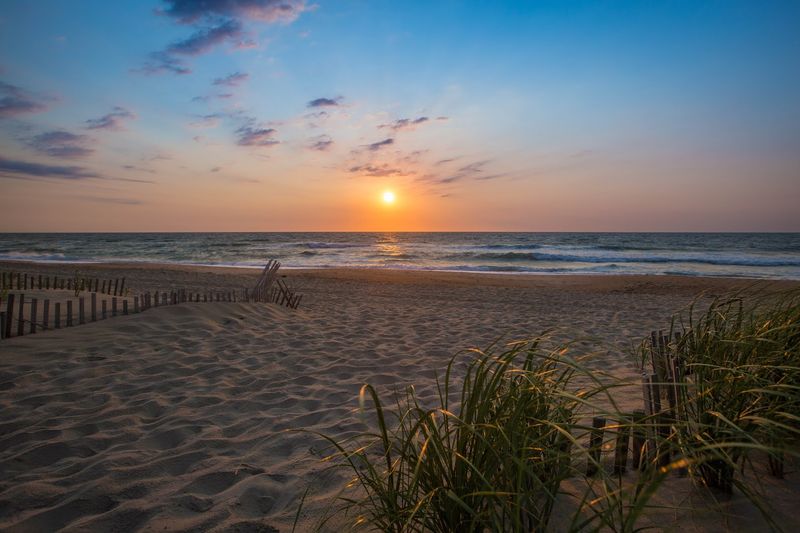
Cape Hatteras National Seashore stretches along 70 miles of barrier island coastline where the Atlantic Ocean meets wild, windswept beaches. Camping here means falling asleep to waves crashing just beyond the dunes and waking to salt air that carries the scent of sea spray.
The seashore offers multiple campgrounds positioned close enough to the water that the ocean becomes the soundtrack of your stay.
Sites accommodate tents and RVs, though the landscape remains refreshingly undeveloped compared to more commercial beach destinations. Fishing from the shore draws anglers hoping to catch drum, bluefish, or flounder, while beachcombing reveals shells, driftwood, and occasional treasures washed ashore.
The famous Cape Hatteras Lighthouse stands nearby, offering a landmark that’s hard to miss.
Wind can pick up significantly, especially during spring and fall, so securing tents and gear properly matters here. Summer brings warmer water temperatures ideal for swimming, though rip currents require caution.
Sunrise over the Atlantic paints the sky in shades worth setting an alarm for, and stargazing reveals constellations often obscured by city lights.
3. Mount Pisgah Campground, Blue Ridge Parkway
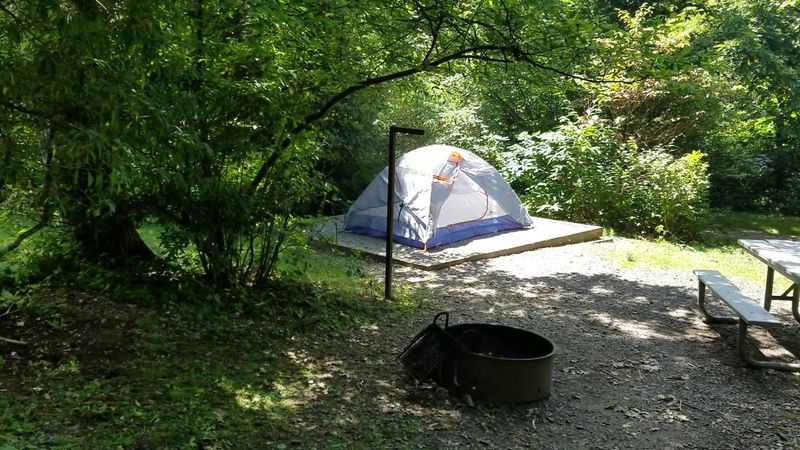
Mount Pisgah Campground sits at mile marker 408.6 along the Blue Ridge Parkway, surrounded by high-elevation forests that stay cooler even during summer. The campground provides easy access to hiking trails, including the route to Mount Pisgah’s summit where views sweep across layer upon layer of mountain ridges.
Elevation here hovers around 5,000 feet, which means temperatures drop noticeably after sunset.
Campsites are tucked among hardwoods and evergreens, offering natural shade and a sense of seclusion even when neighboring sites are occupied. The Parkway itself winds through some of the most scenic stretches of the Appalachian Mountains, making this campground an ideal base for exploring overlooks and trails.
Wildlife sightings happen regularly, with deer, turkeys, and occasionally black bears passing through the area.
Fall transforms the landscape into a riot of color that draws leaf-peepers from across the region, so reservations during October become essential. Spring brings blooming rhododendrons and mountain laurel that line trails with clusters of pink and white flowers.
Mornings often start with fog settling into the valleys below, creating dramatic views from higher elevations.
4. Carolina Beach State Park, Carolina Beach
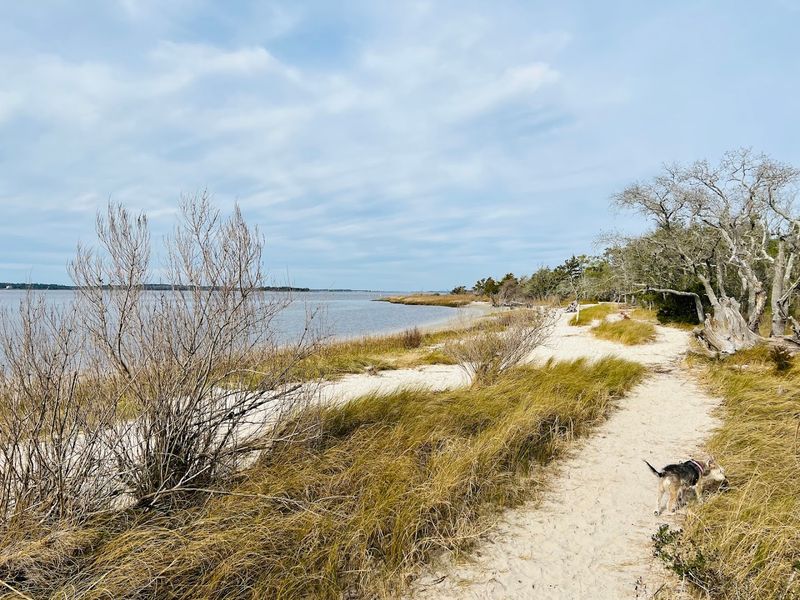
Carolina Beach State Park offers camping just minutes from the Atlantic coast, though the park itself sits along the Cape Fear River rather than directly on the ocean. This positioning creates a unique coastal environment where tidal marshes, maritime forests, and sandy trails blend together.
The park spans over 400 acres, providing enough space for campers to explore without feeling confined.
Campsites range from those suited for tents to full hookup sites for RVs, with many positioned near the water for morning views over calm river channels. Kayaking and canoeing become popular activities here, with launch points allowing paddlers to explore tidal creeks and spot wading birds hunting for fish.
Hiking trails wind through diverse ecosystems, including rare Venus flytrap habitats that fascinate visitors hoping to see carnivorous plants in their natural setting.
Summer brings warmth and humidity typical of coastal Carolina, while spring and fall offer milder temperatures better suited for active exploration. The park maintains a quieter atmosphere compared to the bustling beach towns nearby, making it appealing for those seeking coastal access without constant crowds or commercial noise.
5. Stone Mountain State Park, Roaring Gap
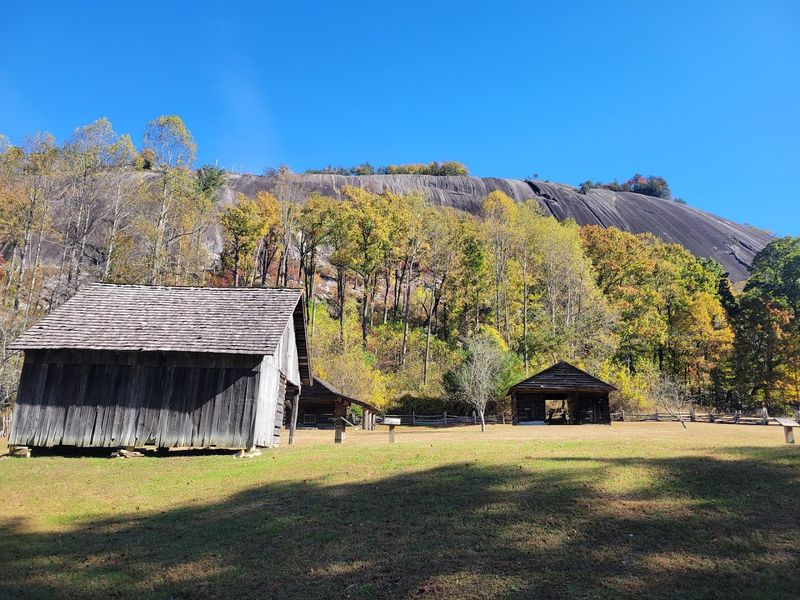
Stone Mountain State Park centers around a 600-foot granite dome that rises dramatically above the surrounding forest, creating one of North Carolina’s most distinctive natural landmarks. The park covers more than 14,000 acres of wilderness, offering both developed campgrounds and backcountry sites for those seeking deeper solitude.
Trails range from easy walks along streams to challenging climbs that reward effort with sweeping views.
The campground provides sites equipped with basic amenities while maintaining that rugged mountain character. Waterfalls cascade down rocky slopes throughout the park, with Stone Mountain Falls being among the most photographed.
Rock climbing routes on the granite face attract climbers from across the Southeast, though most visitors come simply to hike and enjoy the scenery.
Autumn brings spectacular foliage that contrasts beautifully against the gray granite, while spring runoff makes waterfalls particularly impressive. Summer temperatures stay moderate thanks to elevation and forest cover, though afternoon thunderstorms can roll in quickly.
Winter occasionally dusts the dome with snow, creating striking visual contrast though trails become more challenging. The park maintains a peaceful atmosphere even during peak seasons, with enough trails that crowds disperse naturally.
6. Lake James State Park, Nebo
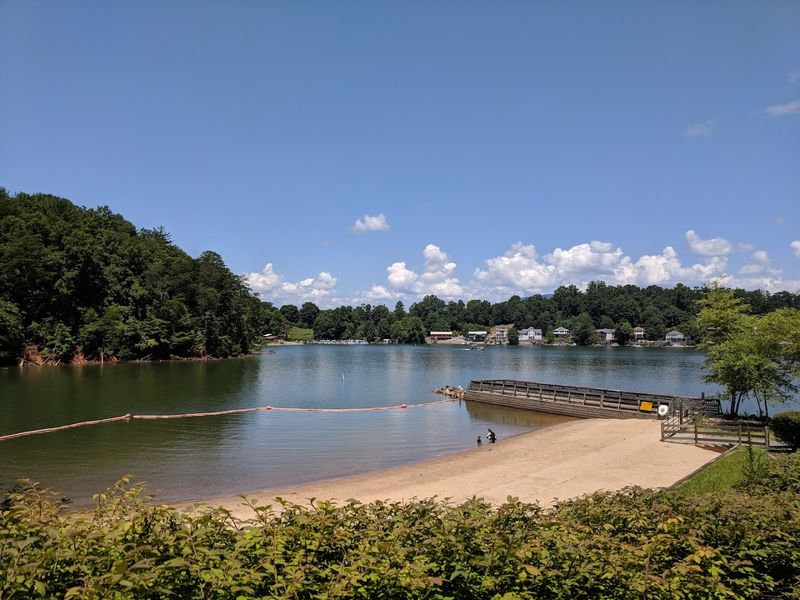
Lake James State Park spreads along the shores of a 6,500-acre reservoir backed by mountain views that shift with the seasons. The park offers two separate camping areas, each providing water access and trails that wind through forests and along rocky shorelines.
Boating, fishing, and swimming dominate summer activities, with the lake’s clear water proving ideal for cooling off during warm afternoons.
Campsites vary from walk-in tent sites that require a short hike to more accessible spots suitable for RVs and trailers. The lake itself was created by damming the Catawba River, resulting in a shoreline that features coves, islands, and channels perfect for kayaking.
Anglers target bass, crappie, and catfish, with early morning and evening hours typically producing the best results.
Mountain ridges surrounding the lake create a scenic backdrop that’s especially beautiful during fall when colors reflect off the water’s surface. Spring brings wildflowers and active wildlife as animals emerge from winter dormancy.
The park maintains a balance between developed amenities and natural beauty, offering modern restrooms and hot showers without overwhelming the landscape with excessive infrastructure.
7. Elk Knob State Park, Todd
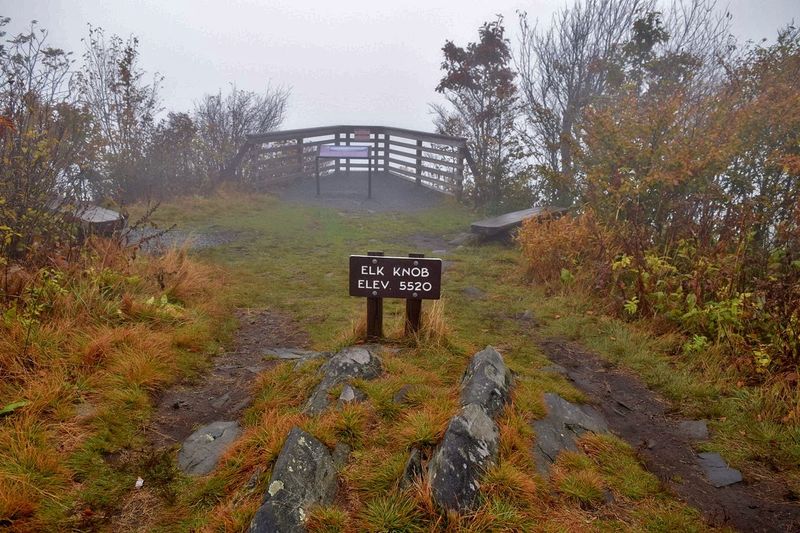
Elk Knob State Park protects the second-highest peak in the Brushy Mountains, with the summit reaching 5,520 feet and offering 360-degree views that stretch across multiple states on clear days. The park remains one of North Carolina’s newer state parks, with facilities that feel fresh and well-maintained.
Camping here means experiencing high-elevation conditions where temperatures drop significantly after dark even during summer.
The trail to Elk Knob’s summit covers roughly two miles of steady climbing through forest that transitions to grassy balds near the top. Campsites sit at lower elevations but still benefit from cooler mountain air and reduced humidity.
The park’s relative newness means it attracts fewer crowds than more established destinations, creating opportunities for solitude that become increasingly rare.
Wildlife sightings include deer, wild turkeys, and various bird species that thrive in these mountain ecosystems. Fall colors arrive earlier here than in lower elevations, typically peaking in mid-October.
Winter can bring snow and ice that close trails temporarily, so checking conditions before visiting during colder months proves essential. Spring wildflowers bloom across the balds, creating colorful displays that contrast with the surrounding evergreens.
8. Hammocks Beach State Park, Swansboro
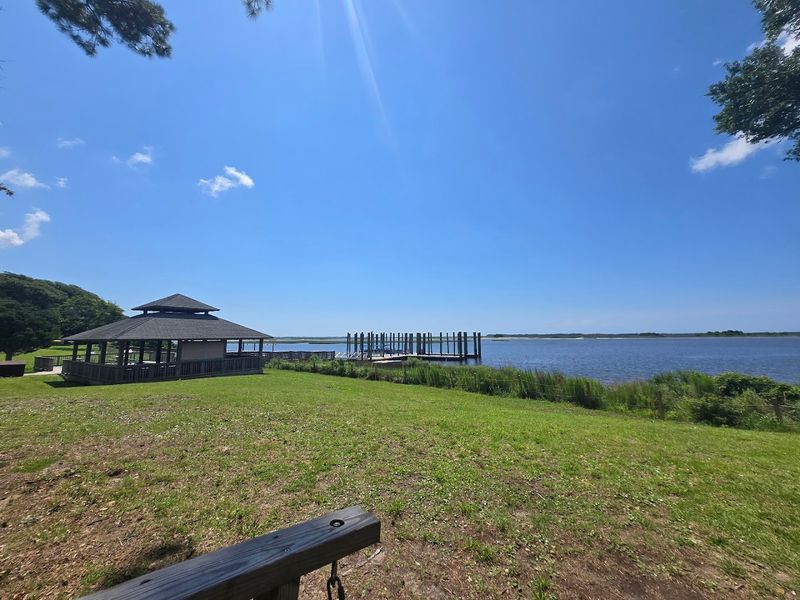
Hammocks Beach State Park encompasses Bear Island, an undeveloped barrier island accessible only by passenger ferry or private boat. This requirement for water transportation keeps visitor numbers manageable and preserves the island’s wild character.
The park offers primitive camping that brings a genuine sense of adventure, with campers hauling gear from the ferry dock to designated sites along the beach.
No vehicles, electricity, or running water exist on the island, making this experience ideal for those seeking true disconnection from modern conveniences. The beach stretches for miles with minimal development, allowing campers to enjoy sunrise and sunset over the Atlantic without crowds or commercial distractions.
Sea turtle nesting season brings loggerheads to shore during summer months, with park staff monitoring nests and occasionally offering educational programs.
Ferry service runs on a schedule that requires planning, and weather can affect operations, so flexibility helps when visiting. Bringing sufficient water, food, and supplies becomes essential since no stores or facilities exist on the island.
The isolation creates remarkable stargazing opportunities, with minimal light pollution revealing the Milky Way clearly on moonless nights.
9. Grandfather Mountain State Park, Linville
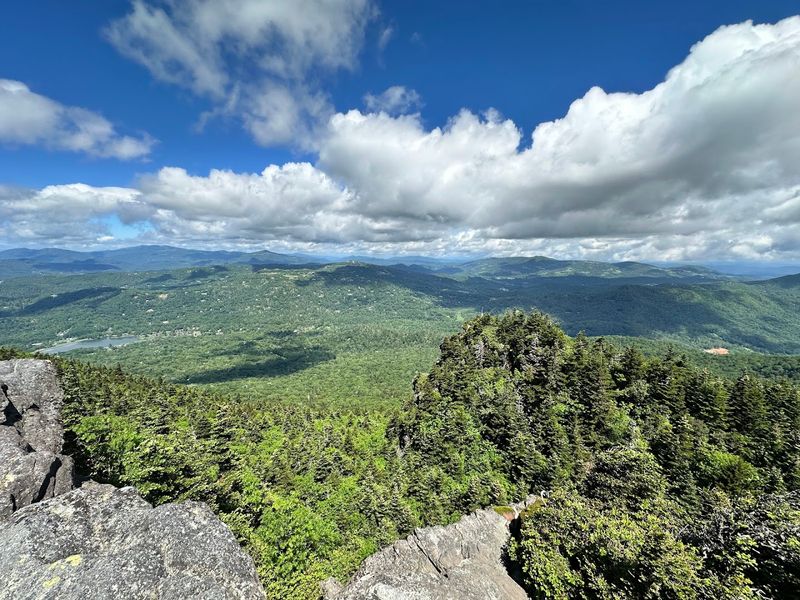
Grandfather Mountain State Park protects some of the most rugged terrain in the southern Appalachians, with peaks that rise above 5,900 feet and create dramatic alpine-like conditions. The park opened relatively recently after the state acquired the backcountry portion of Grandfather Mountain, complementing the privately operated attraction on the mountain’s front side.
Backcountry camping here requires permits and preparation for challenging terrain and unpredictable weather.
Trails climb steeply through diverse ecosystems, from hardwood forests at lower elevations to windswept rocky summits where stunted evergreens cling to thin soil. The famous Mile High Swinging Bridge sits on the private side of the mountain, but state park trails offer equally impressive views without admission fees.
Weather changes rapidly at these elevations, with fog, wind, and sudden temperature drops possible even during summer.
Fall colors cascade down the mountainside in waves as elevation determines timing, creating extended viewing opportunities. Winter brings harsh conditions that require experience with cold-weather camping and proper gear.
Spring arrives late at higher elevations, with snow lingering into April some years. The park maintains a wild character that appeals to experienced hikers seeking challenge.
10. Morrow Mountain State Park, Albemarle
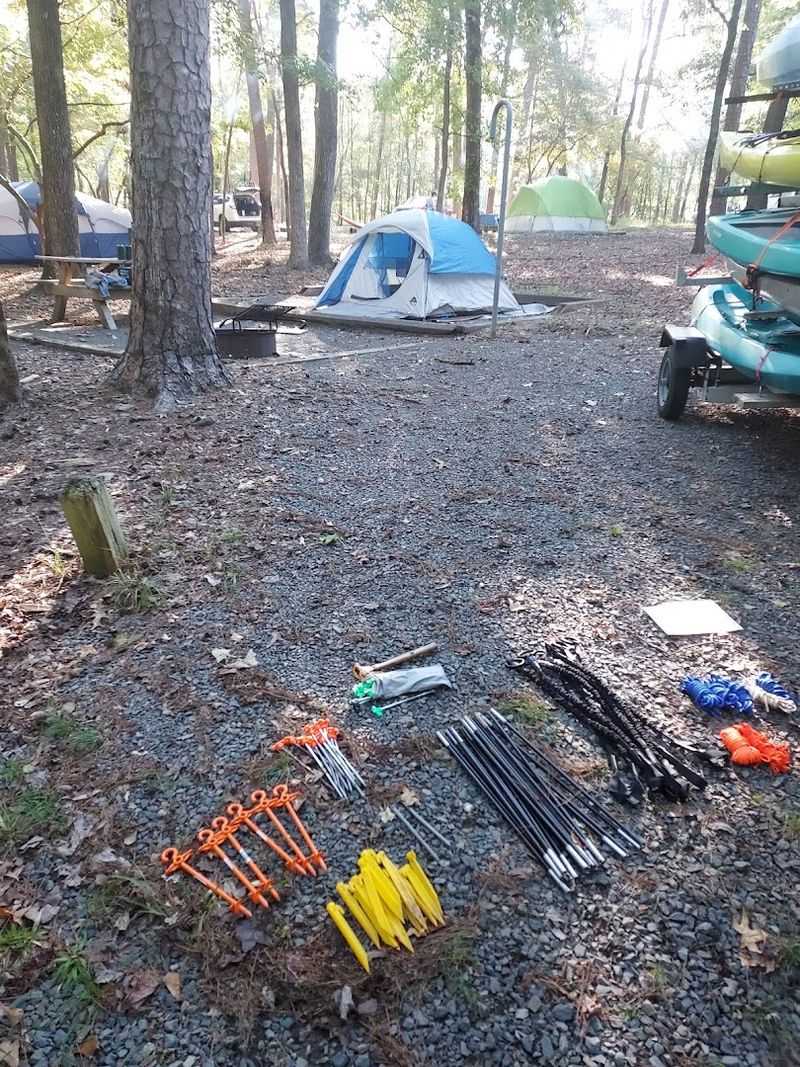
Morrow Mountain State Park sits in the Uwharrie Mountains, an ancient range that predates the Appalachians and has weathered down to rolling hills covered in hardwood forest. The park offers a more accessible mountain experience compared to the higher peaks out west, making it appealing for families and those new to camping.
Lake Tillery borders the park, providing water access for fishing, swimming, and boating.
Campsites are spread across different areas, some offering lakefront access while others nestle in forested sections away from the water. Trails wind through the park with elevation changes that provide workouts without becoming overly strenuous.
The swimming pool operates during summer months, offering a chlorinated alternative to the lake for those who prefer it.
Fall colors arrive later here than in higher elevations, typically peaking in early November. Spring brings wildflowers and active wildlife as the forest awakens from winter dormancy.
The park maintains a peaceful atmosphere even during busy weekends, with enough space that campers rarely feel crowded. Horseback riding trails add variety for visitors who bring their own mounts, and the park rents out cabins for those preferring walls and roofs over tents.
11. New River State Park, Laurel Springs
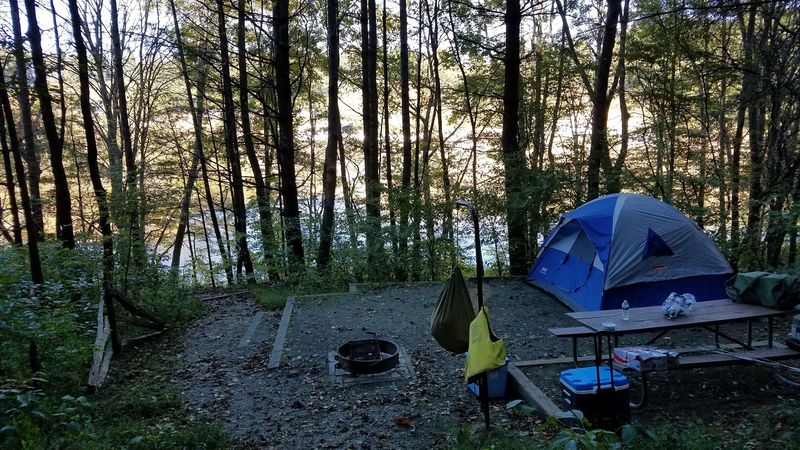
New River State Park follows the course of one of the oldest rivers in North America as it winds through northwestern North Carolina. The river’s gentle current makes it ideal for canoeing and kayaking, with multiple access points allowing for day trips of varying lengths.
Camping along the river brings the soothing sound of moving water, with sites positioned to take advantage of riverside locations.
The New River flows north rather than south, an unusual characteristic that adds to its geological significance. Fishing produces smallmouth bass, rock bass, and various panfish species that thrive in the cool, clear water.
Trails follow the riverbank and climb into surrounding hills, offering views down into the valley and across farmland that borders the park.
Summer brings tubers floating lazily downstream, creating a festive atmosphere on warm weekends. Spring runoff raises water levels and increases current speed, requiring more paddling skill and caution.
Fall foliage reflects beautifully on the river’s surface, and the cooler temperatures make paddling more comfortable. Winter transforms the park into a quiet retreat with minimal visitors, though camping remains possible for those prepared for cold conditions.
12. Jockey’s Ridge State Park, Nags Head
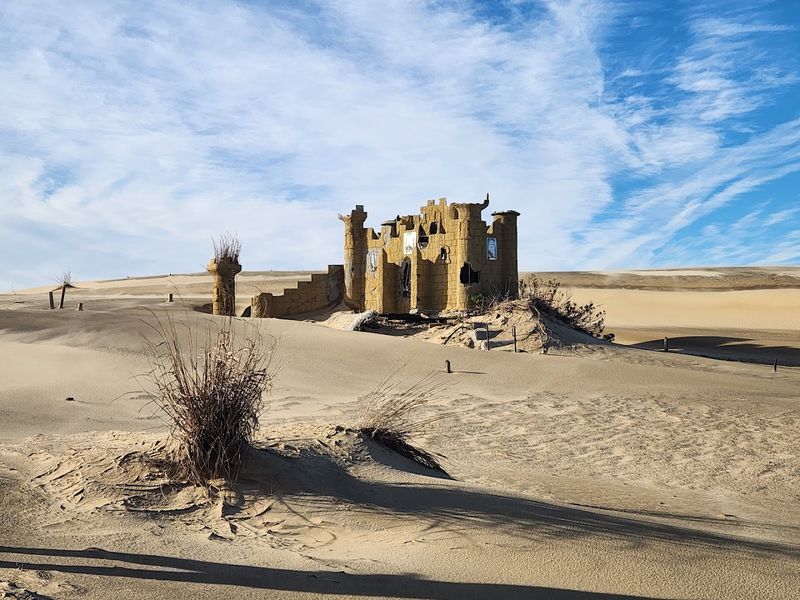
Jockey’s Ridge State Park protects the tallest natural sand dune system on the East Coast, with peaks that shift and reshape constantly under wind and weather. While the park doesn’t offer traditional camping, it provides a unique outdoor experience that draws visitors seeking something different from typical beach vacations.
The dunes rise over 100 feet in places, creating landscapes that feel more like desert than Atlantic coast.
Hang gliding lessons launch from the dunes, taking advantage of steady winds and soft landing zones that make this one of the premier spots on the East Coast for the sport. Sunset brings crowds who climb to the highest points to watch the sun sink below Roanoke Sound.
The sand stays cooler than expected even during summer, making barefoot exploration comfortable most of the year.
Wind constantly reshapes the dunes, meaning the landscape literally changes between visits. Native grasses anchor some sections while others remain bare sand that flows like water under strong gusts.
The park sits within walking distance of Nags Head’s commercial district, making it accessible for those staying in nearby campgrounds or rentals who want a natural experience without driving far.