Old-School General Stores In North Carolina That Haven’t Lost Their Magic
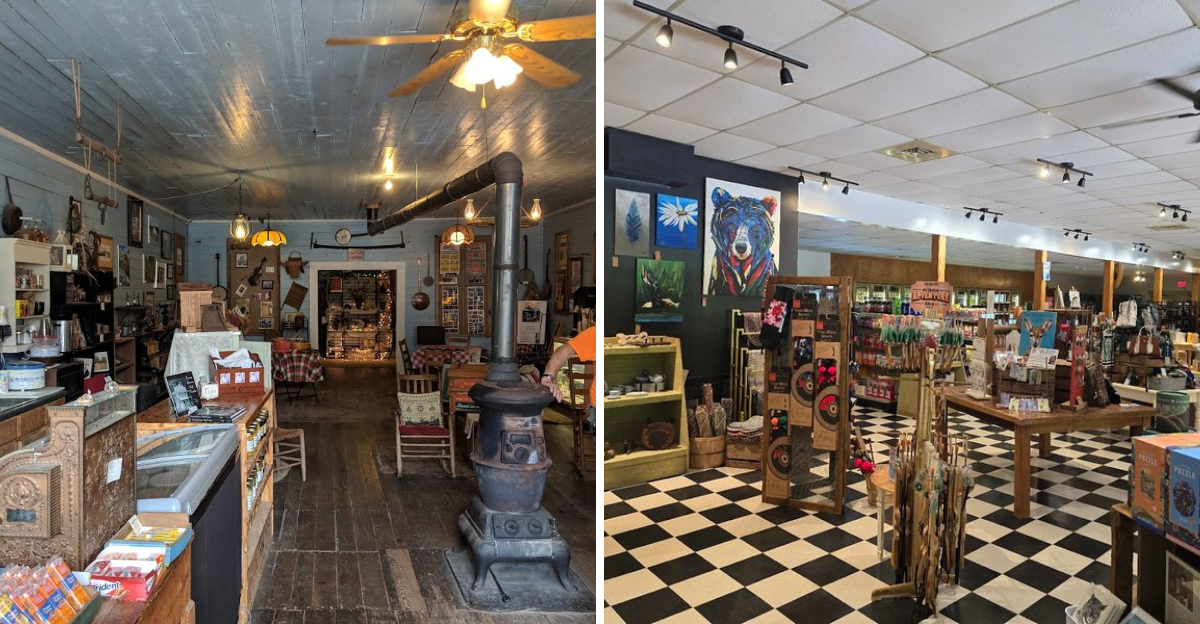
Step through the door of an old general store and the modern world fades away. Wooden floors creak underfoot, glass jars line shelves packed with penny candy, and the air carries hints of aged wood and nostalgia.
North Carolina holds tight to these treasures scattered across mountain hollows and quiet country roads. These aren’t museum pieces frozen in time but living gathering spots where locals still pick up mail, grab supplies, and swap stories on front porches.
Each store pulses with authentic character earned through decades of serving its community. Walking into one feels less like shopping and more like stepping into a neighbor’s welcoming home where every corner holds a story and every visit reconnects you to simpler rhythms of life that refuse to disappear.
1. Original Mast General Store, Sugar Grove
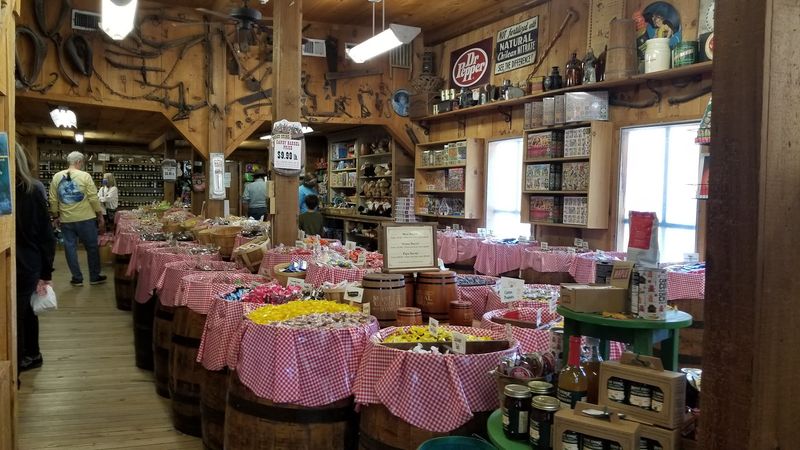
Established in 1883, this landmark sits at 3565 Hwy 194 S in Sugar Grove and remains the heart of Valle Crucis. The sprawling wooden building houses everything from hiking boots to old-fashioned candies, spread across creaky floors that dip and rise with age.
A working post office still operates inside, connecting past and present in daily rhythm. Shelves overflow with regional jams, vintage toys, outdoor gear, and Blenheim’s ginger ale that packs serious heat.
Uneven floorboards tell stories of generations who’ve walked them, and the building’s rambling layout invites exploration through multiple rooms and outbuildings. Glass bottles of Coca-Cola in classic small sizes wait in coolers near benches where visitors can sit with ice cream.
The store closes at 6 PM sharp, so late arrivals miss out. Parking fills the lot behind the building, though accessibility challenges limit those using wheelchairs or walkers to the main floor.
Staff members tend toward younger ages but generally offer friendly service. Prices run slightly higher than big-box stores, yet the experience of wandering through authentic history justifies the difference for most visitors who return year after year.
2. Washburn’s General Store, Bostic
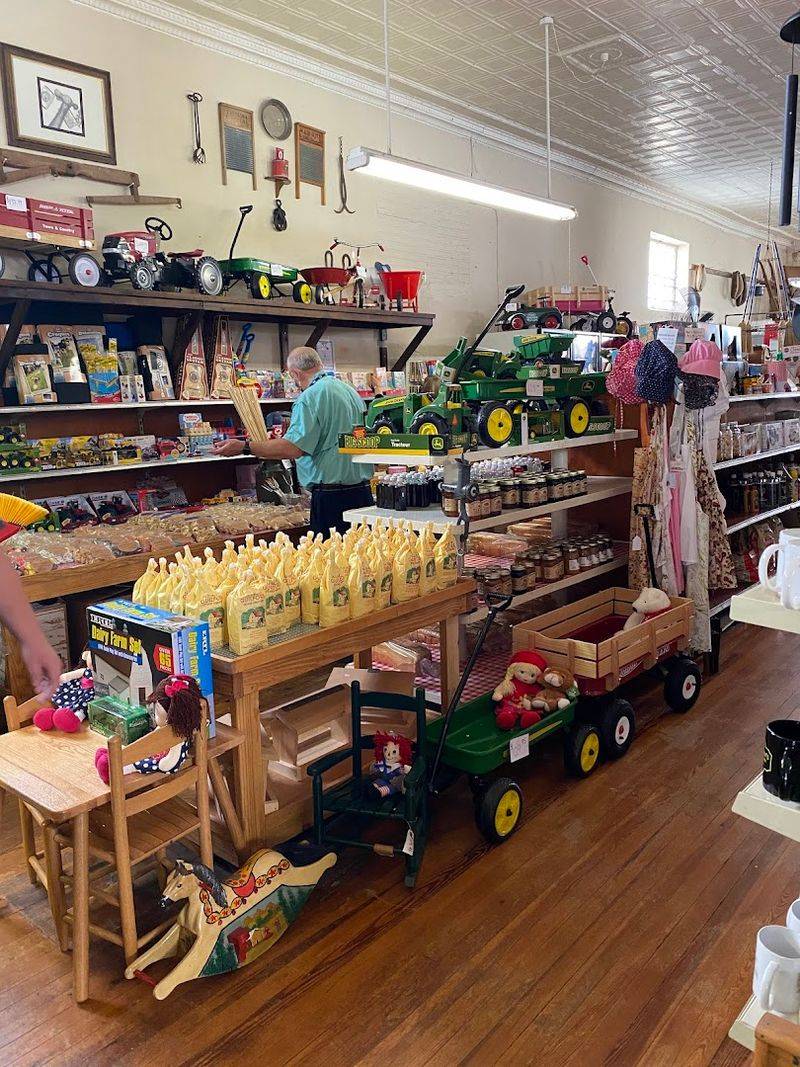
Bostic’s historic general store at 2426 Bostic Sunshine Hwy stands as a testament to commercial longevity in rural communities. The building itself reflects architectural styles from an era when stores served as social anchors rather than just transaction points.
Inside, the layout follows traditional general store logic with merchandise grouped by practical use rather than modern retail psychology. Visitors find hardware near canned goods, fabrics beside kitchen tools, creating a shopping experience that feels refreshingly unhurried.
The store’s survival through changing economic times speaks to its importance in the local fabric. Residents depend on it for items that might require a long drive otherwise, while the personal service keeps customers loyal across generations.
Wooden floors show wear patterns from countless footsteps, and the cash register area often becomes a conversation hub where customers catch up on local happenings. This social function matters as much as the commercial one.
Specific operating details deserve confirmation before planning a visit, as family-run operations sometimes adjust hours. The genuine small-town atmosphere makes the effort worthwhile for those seeking authentic experiences over polished tourist attractions that feel manufactured rather than earned through decades of community service.
3. Gibbs Store LLC, Engelhard
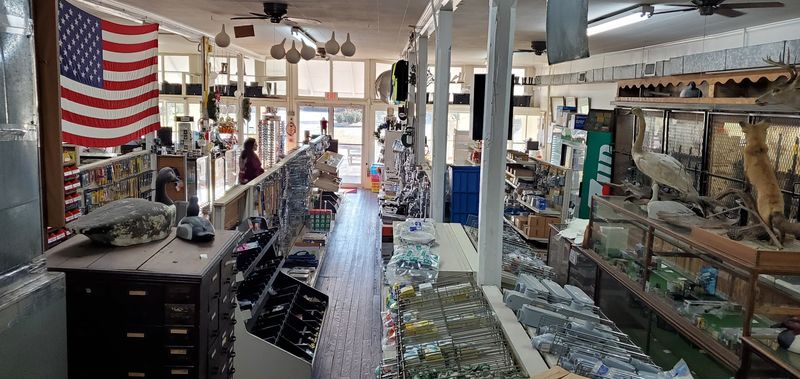
Named for the family who established it, Gibbs Store LLC reflects a time when homes and businesses were often inseparable in rural North Carolina. Located at 35095 US-264 in Engelhard, the property tells the story of a community where daily life and commerce were deeply intertwined, with family members living and working under the same roof or immediately adjacent to one another.
The building’s layout demonstrates the practical blending of residential and commercial spaces. Living quarters and retail areas share walls and passages, a design that modern zoning and building codes rarely allow but which once defined the rhythm of small-town life.
These spaces enabled families to run general stores, sell provisions, and maintain household operations all in one location.
Preserving properties like Gibbs Store LLC requires careful effort, as the passage of time affects structural integrity and original materials. Its significance goes beyond nostalgia; the store offers a window into how rural communities relied on local trade, self-sufficiency, and personal connections to sustain everyday life.
Current public access and operations may vary, so verification is recommended for those hoping to visit. The building’s value lies in its survival as a tangible record of past economic and social patterns.
For enthusiasts of architectural history, commerce, and rural heritage, Gibbs Store LLC provides a rare glimpse into the integration of work and home life that shaped the region for generations.
4. Priddy’s General Store, Danbury
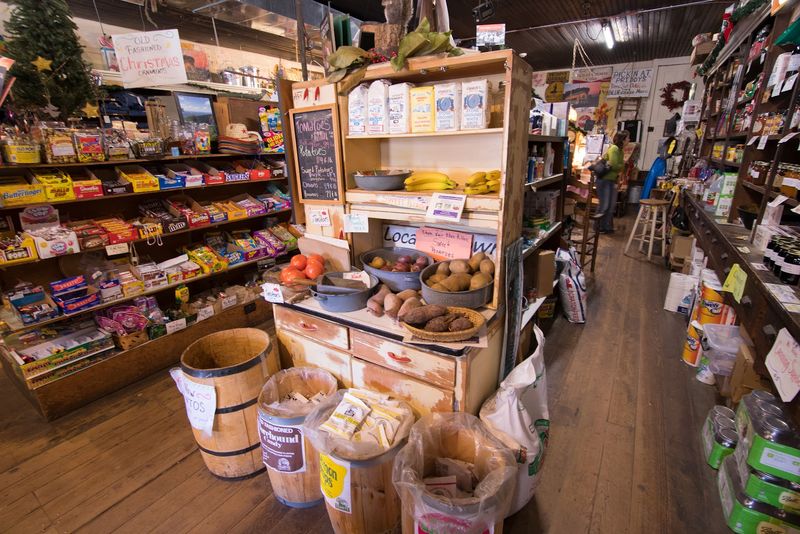
Built in 1888, Priddy’s General Store at 2121 Sheppard Mill Rd in Danbury earned reputation beyond retail through live bluegrass music events that drew crowds to this rural location. The combination of commerce and culture made it special in ways that pure shopping destinations couldn’t match.
The building’s age shows in details that modern construction doesn’t replicate. Over 130 years of service created layers of history visible in worn wood and the patina of time that gives authentic character no decorator can fake.
Music events transformed the store into a community gathering place where generations mixed and mountain music traditions stayed alive. These occasions mattered as much as the merchandise on shelves, creating memories that outlasted any purchased item.
Current operational status requires verification, as small establishments face ongoing challenges that sometimes affect their ability to maintain regular hours or programming. The store’s closure would represent a significant loss to the area’s cultural landscape.
For those who experienced bluegrass nights at Priddy’s, the memories remain vivid regardless of current status. The store exemplified how rural businesses can serve multiple roles, functioning as retail space, cultural venue, and social hub where community bonds strengthen through shared experiences that chain stores never facilitate.
5. Trust General Store & Cafe, Hot Springs
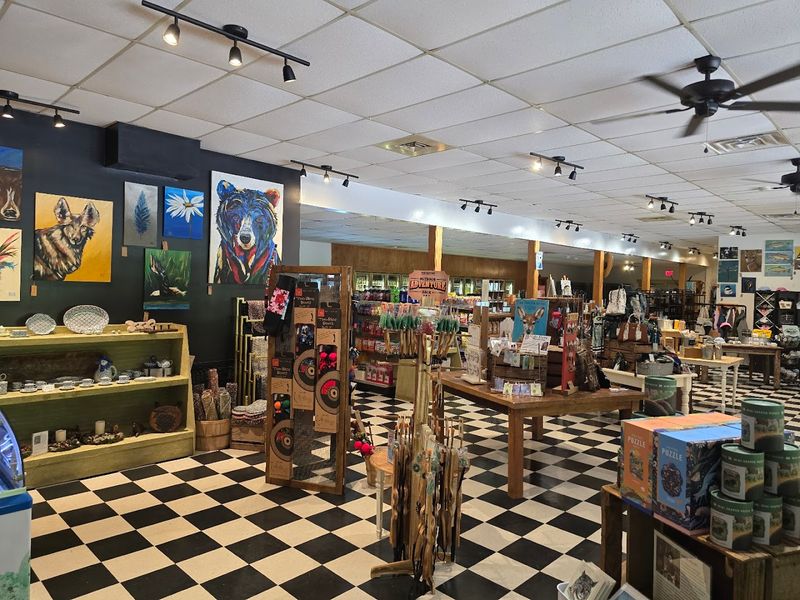
Hot Springs hosts this combination general store and cafe that blends retail tradition with food service at 14535 NC-209. The dual function creates a destination where visitors can shop and eat, extending their stay and deepening their experience of the location.
The cafe element adds practical value for travelers exploring the area who need meals alongside browsing opportunities. This combination wasn’t unusual historically, when stores often included eating areas or sold prepared foods to serve community needs comprehensively.
Hot Springs attracts outdoor enthusiasts drawn to the Appalachian Trail and natural hot springs, giving Trust General Store & Cafe a built-in audience beyond local residents. The location benefits from tourist traffic while maintaining authenticity that appeals to those seeking genuine mountain town experiences.
Menu details and specific offerings deserve checking ahead of time for those with dietary requirements or preferences. The cafe aspect means considering meal timing when planning a visit to enjoy both shopping and dining without feeling rushed.
The store’s name suggests values of reliability and community trust that general stores historically embodied. In small towns, these establishments extended credit, held mail, and provided essential services that required customers to trust owners and vice versa, creating bonds that purely transactional modern retail rarely develops between businesses and the communities they serve.
6. Old Orchard Creek General Store, Lansing
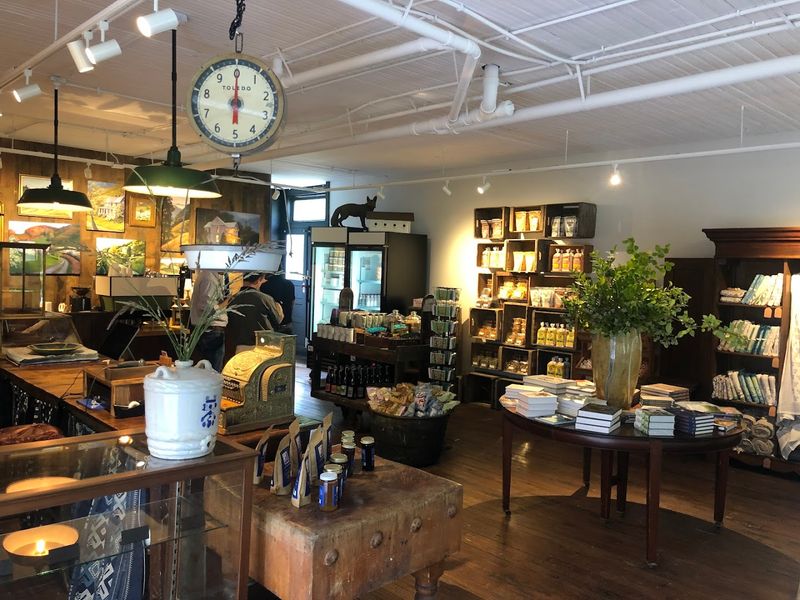
Old Orchard Creek General Store in Lansing, at 9350 NC-194, captures the essence of a classic rural North Carolina general store. The building stands as a physical record of decades of local commerce, where families depended on a single location for everyday necessities, small luxuries, and community connection.
Walking through the creaking wooden floors, visitors immediately feel the continuity of history, every shelf and counter holds traces of countless footsteps and conversations that shaped the small mountain town.
Inside, merchandise is thoughtfully arranged to meet practical needs rather than modern marketing trends. Food, household supplies, and local goods coexist naturally, creating a shopping experience that feels purposeful and personal.
The store also functions as a social hub, where residents pause to exchange news, share stories, and maintain the fabric of community life that larger, impersonal retailers cannot replicate.
While operating hours and public access may vary, Old Orchard Creek General Store continues to preserve the rhythm of rural life. It offers visitors a chance to step back in time, witnessing how commerce, culture, and community intertwined to sustain generations in this part of North Carolina.
7. E. H. Montgomery General Store, Gold Hill
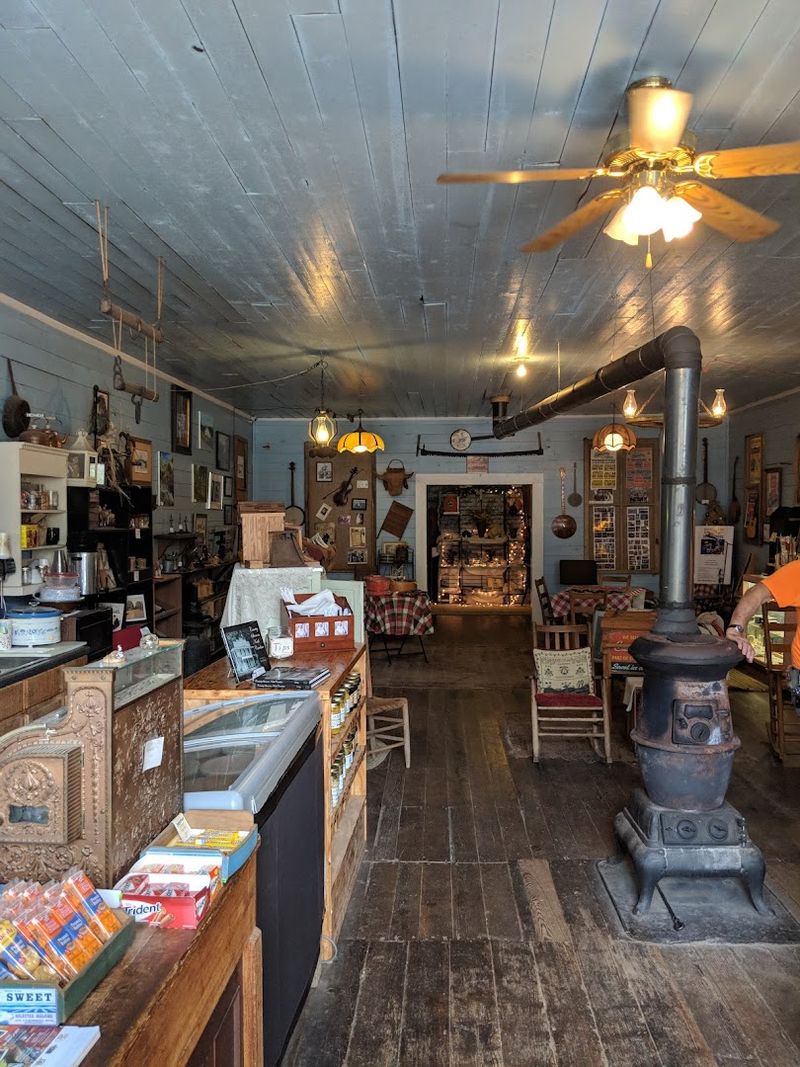
E. H.
Montgomery General Store in Gold Hill, at 770 St Stephens Church Rd, is a remarkable example of how a single building can embody both commerce and community. Built over a century ago, the store maintains the charm and function of traditional rural general stores, where goods were sold alongside friendship, advice, and social connection.
The historic structure has weathered generations, and the patina of age, worn floors, wooden counters, and vintage shelving, tells a story of steady service to the town and surrounding countryside.
Shoppers encounter a layout that reflects practical, utilitarian thinking: household items sit beside groceries, while hardware and farming tools occupy neighboring shelves. This intentional arrangement reflects the habits and needs of past residents, allowing visitors to imagine how life once revolved around a single, multi-functional store.
Beyond its commercial role, E. H.
Montgomery General Store has served as a gathering place, a place for exchanging news, and a symbol of community stability. While modern conveniences have changed the region, the store continues to offer a rare glimpse into a way of life where local trade and personal connection shaped daily routines.
Hours and access may vary, so planning ahead ensures a complete experience.
8. Old Creek General Store, Marshall
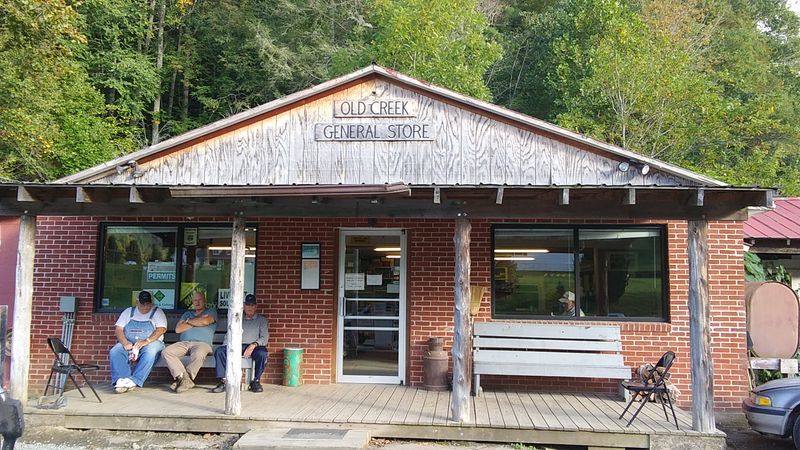
Old Creek General Store in Marshall, at 6700 NC-212, provides a window into a bygone era when general stores were far more than retail spaces, they were the heart of rural communities. The building’s historic architecture and original woodwork immediately convey authenticity, with creaking floors and aged shelving that have borne witness to generations of residents and travelers alike.
Merchandise is arranged with practical logic, echoing the habits of the community it has served for decades. Shoppers find canned goods near household essentials, local treats alongside hardware, creating a rhythm of discovery that mirrors small-town life.
More than a place to purchase goods, Old Creek General Store functions as a communal space where neighbors meet, exchange stories, and reinforce the social ties that kept rural North Carolina communities thriving.
The store’s preservation allows visitors to experience firsthand the integration of commerce, culture, and daily life in ways that modern retail rarely replicates. Operating hours may vary, but the history and atmosphere remain intact, offering a meaningful, immersive experience for anyone interested in the state’s rural heritage.
9. Bynum Front Porch General Store, Pittsboro
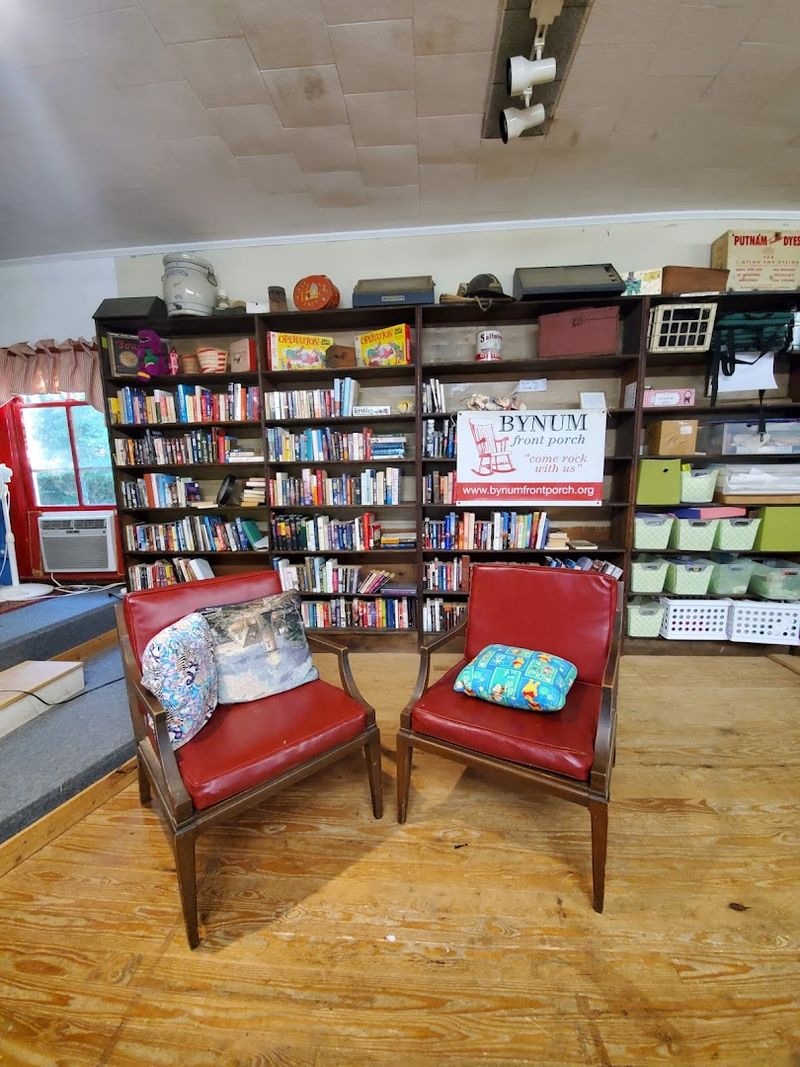
Bynum Front Porch General Store in Pittsboro, at 950 Bynum Rd, exemplifies the enduring role of small-town general stores as centers of both commerce and community life. Its open layout, worn wooden floors, and inviting shelving create an atmosphere that encourages lingering, conversation, and exploration.
For generations, the store has served as a gathering place where neighbors meet to share news, swap stories, and sustain the cultural fabric of the town.
Inside, goods are arranged for practical use, groceries sit alongside household items and local products, allowing visitors to experience shopping as it once existed: purposeful, personal, and intertwined with daily life. The store’s name reflects values of trust and reliability that were historically central to these establishments, from extending credit to hosting communal events on the porch or inside the building.
Though hours and services may change, Bynum Front Porch General Store continues to stand as a living testament to the heritage of rural North Carolina. For visitors seeking an authentic, immersive experience, the store offers a rare opportunity to witness a place where commerce, community, and history converge naturally, preserving the rhythms and relationships of a bygone era.