Fort Pulaski Located Near Savannah Georgia Was Completed In 1847 As A Coastal Defense Fort
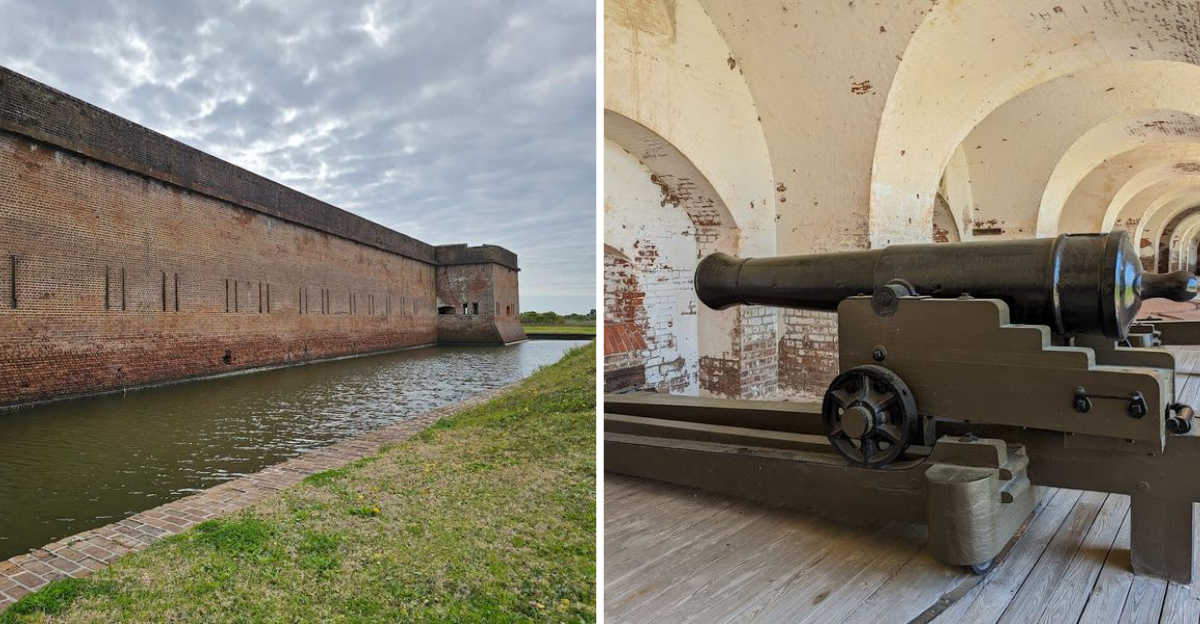
Few historic landmarks in the American South combine powerful history, coastal scenery, and immersive exploration quite like Fort Pulaski. Located on Cockspur Island just outside Savannah, Georgia, this impressive brick fortress was completed in 1847 and soon became a key site during the Civil War. Its towering walls and detailed masonry stand as lasting reminders of a pivotal moment in American military history.
Visitors can walk through massive archways, explore preserved chambers, and imagine life inside the fort during wartime. Beyond the structure itself, scenic marsh views and surrounding nature trails add another layer of discovery to the experience. The blend of education and outdoor beauty makes every visit engaging for history lovers and casual explorers alike.
It is easy to see why Fort Pulaski National Monument continues to draw returning visitors year after year.
1. The Historic Brick Fortress Itself
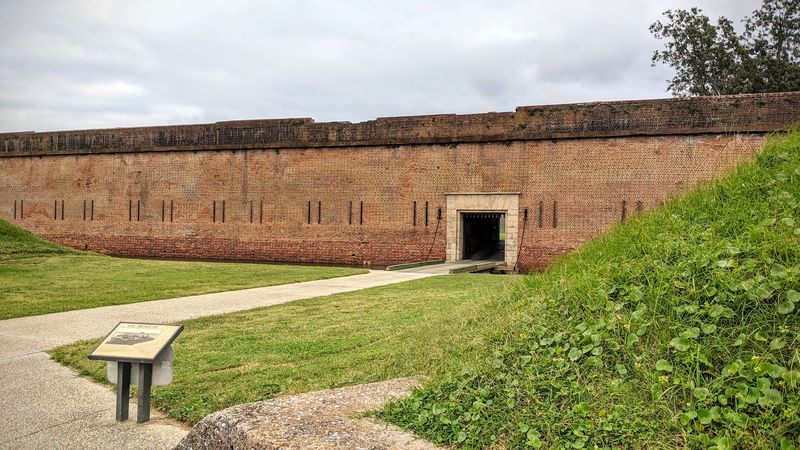
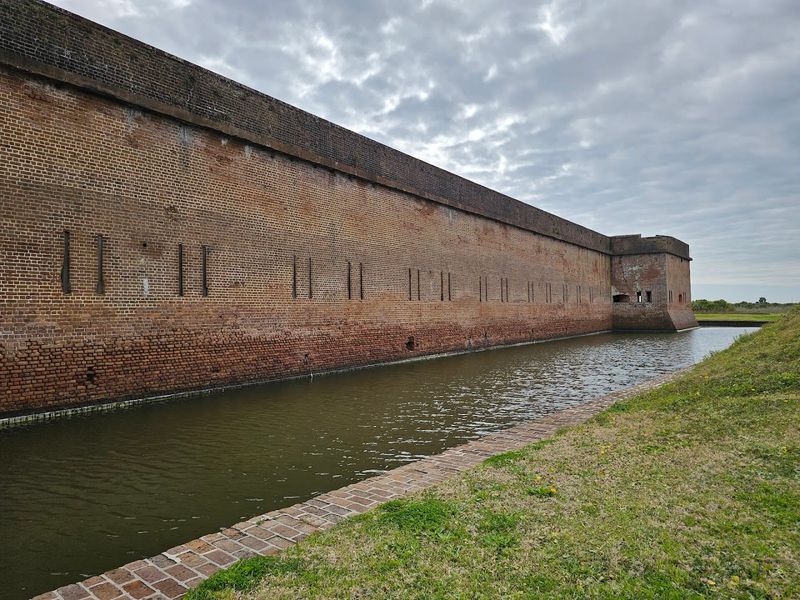
Walking up to Fort Pulaski for the first time genuinely stops you in your tracks. Located at 101 Fort Pulaski Rd, Savannah, GA, the massive brick walls stretch nearly 7.5 feet thick and rise dramatically against the Georgia sky. Engineers once believed these walls were indestructible, and for good reason millions of bricks were used in construction.
The fort took 18 years to complete, finishing in 1847, and required draining the surrounding marshland before a single brick could be laid. Even a young Robert E. Lee worked on early engineering efforts here as a U.S.
Army lieutenant. Standing inside the fort today, you can feel the weight of that history pressing down on you from every direction.
Every archway, cannon mount, and crumbling wall tells a story that no textbook quite captures. You really have to see the scale of this place in person to appreciate it fully.
2. The Revolutionary Civil War Battle of April 1862
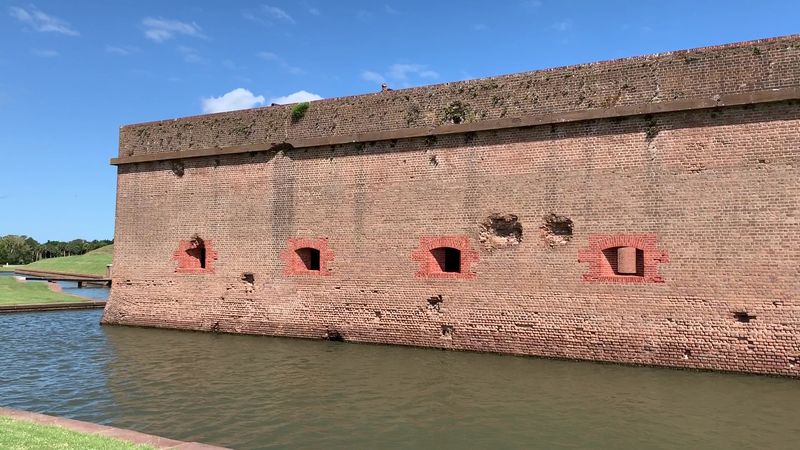
Something changed warfare forever on April 10 and 11, 1862, and it happened right here. Union forces set up rifled artillery on Tybee Island and opened fire on Fort Pulaski. Within just 30 hours, those supposedly impenetrable 7.5-foot brick walls were breached.
That battle proved that rifled cannons had made masonry forts completely obsolete overnight. Military experts across the world took notice immediately. The Confederate garrison inside had no choice but to surrender, cutting off Savannah’s access to the Atlantic Ocean and dealing a serious blow to Southern supply lines.
You can still see the actual breach in the southeast wall today, and it is jaw-dropping. Cannonball damage pocks the brickwork throughout the fort. Rangers often give detailed talks about the battle that bring every dramatic moment to life, making this a must-see stop for any history fan.
3. Ranger-Led Tours and Living History Programs
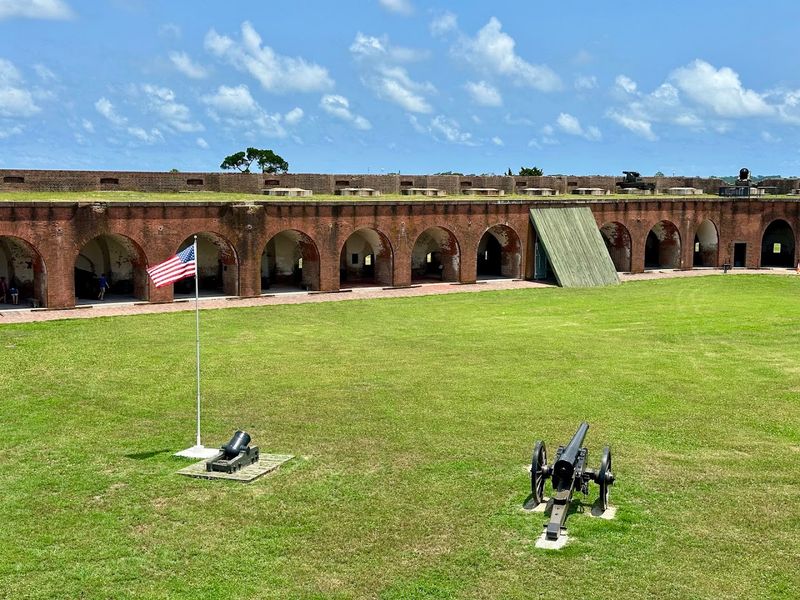
Some places are better with a great storyteller, and the rangers at Fort Pulaski absolutely deliver. Checking the schedule before you visit is a smart move.
During living history events, costumed interpreters demonstrate Civil War-era weapons, medical practices, and daily soldier life. Kids especially go wide-eyed watching a cannon firing demonstration up close. These programs transform a history lesson into something you actually feel and remember.
Even outside of scheduled programs, the rangers walking the grounds are incredibly knowledgeable and happy to answer questions. You might ask about one cannon and end up learning about the entire engineering history of American coastal defense. Budget at least two to three hours here so you can catch as much programming as possible without feeling rushed.
4. The Moat and Drawbridge Experience
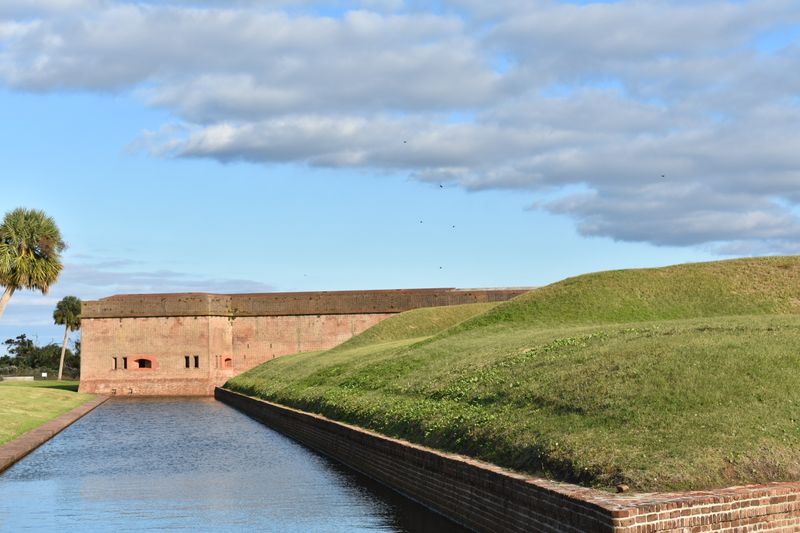
Crossing the drawbridge into Fort Pulaski feels like stepping straight into a medieval adventure story. Even today the moat looks imposing, and it is easy to imagine how intimidating it would have been to attacking forces.
The moat was actually part of a clever system designed to prevent enemy soldiers from tunneling under the walls. Engineers understood that waterlogged ground would collapse any tunnel attempt before it got close. That kind of strategic thinking was centuries ahead of what most people associate with Civil War-era military planning.
Wildlife has also moved into the moat over the years, and you might spot turtles, fish, or wading birds from the drawbridge walkway. It adds a surprisingly peaceful nature moment to what is otherwise a very intense history experience. Kids love the wildlife spotting part.
5. Birdwatching Along the Salt Marsh Trails
Here is something most people do not expect from a Civil War fort: world-class birdwatching. The grounds surrounding Fort Pulaski National Monument include miles of pristine Georgia salt marsh that attract an incredible variety of bird species year-round. Bring your binoculars because you will absolutely want them.
Great blue herons, snowy egrets, painted buntings, and even bald eagles have all been spotted along the trails here. The Lighthouse Overlook Trail and the North Pier Trail both wind through gorgeous marsh scenery that feels completely removed from the busy world. Early morning visits tend to yield the best sightings.
Spring migration season turns the park into a serious hotspot, with dozens of warbler species passing through along the Georgia coast. Even if you have never considered yourself a birder before, watching a painted bunting flash its colors through the marsh grass might just change your mind permanently.
6. The Cockspur Island Lighthouse
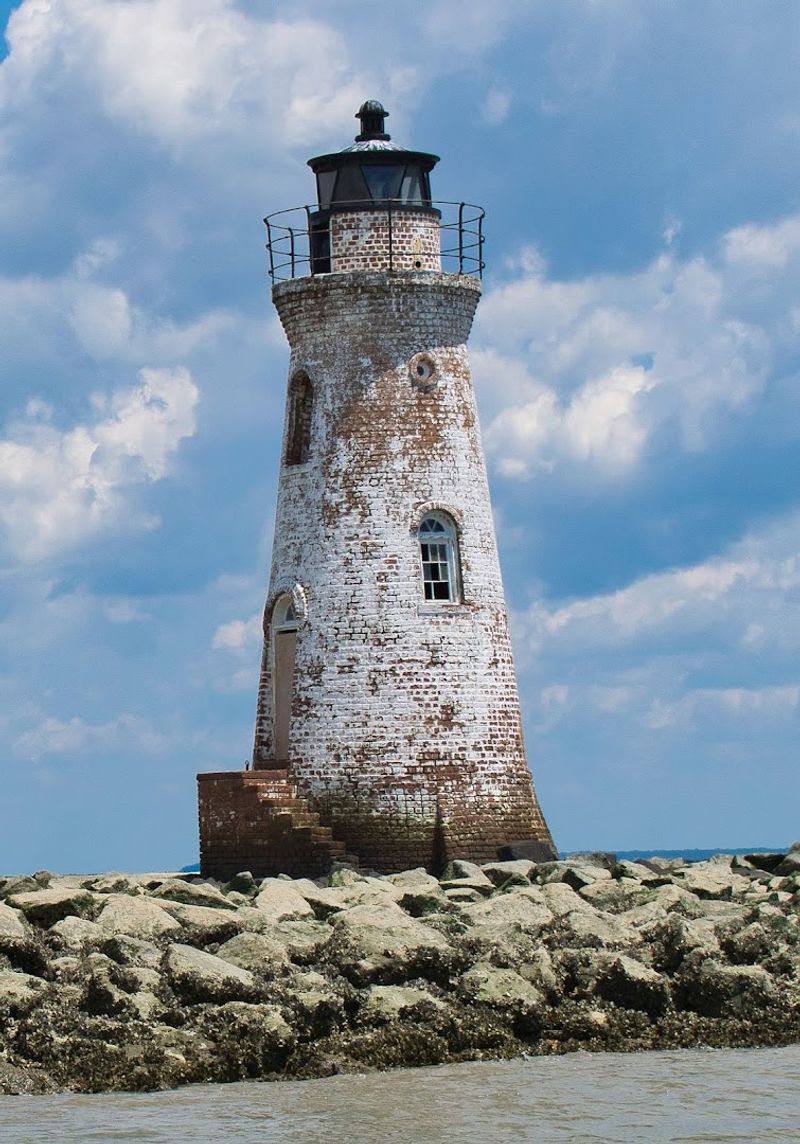
Not everyone realizes that a visit to Fort Pulaski also puts you within easy viewing distance of one of Georgia’s most charming small lighthouses. It has been guiding sailors since 1848.
The lighthouse is only about 46 feet tall, making it one of the smallest surviving lighthouses on the East Coast. Despite its size, it survived the fierce hurricane of 1881 and the Civil War without being destroyed. That kind of resilience earns serious respect.
You cannot go inside the lighthouse, but the view from the North Pier Trail offers a perfect photo opportunity with the structure reflected in the surrounding marsh water. Sunset is an especially magical time to walk out and take in that view. It feels like finding a secret the crowds missed.
7. The Scenic Drive and Location Near Savannah
Getting to Fort Pulaski is honestly half the fun. The drive from downtown Savannah along US Highway 80 East toward Tybee Island takes you through some of the most gorgeous lowcountry scenery in the entire state of Georgia. The fort entrance is only about 15 miles east of the Savannah Historic District.
Along the way, you pass over causeways with sweeping views of tidal creeks, marsh grass, and open sky that stretch seemingly forever in every direction. On a clear day, the colors alone are worth the drive. The road feels like a slow, scenic exhale after the busy streets of downtown Savannah.
Because the fort is so close to Savannah, you can easily combine it with a day exploring the famous squares, restaurants, and riverfront of the city. Many visitors do Fort Pulaski in the morning and then head to Tybee Island Beach in the afternoon for a completely different kind of Georgia coastal experience.
8. Exploring the Fort’s Interior Rooms and Casemates
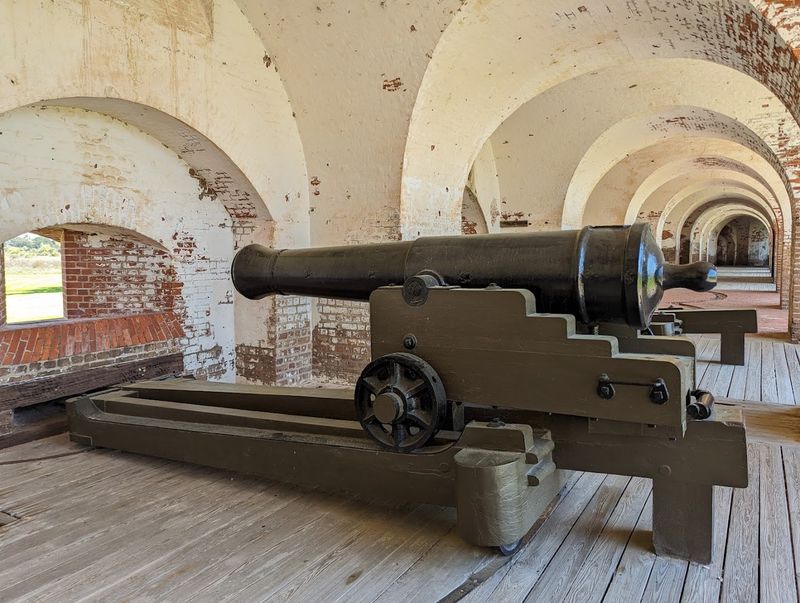
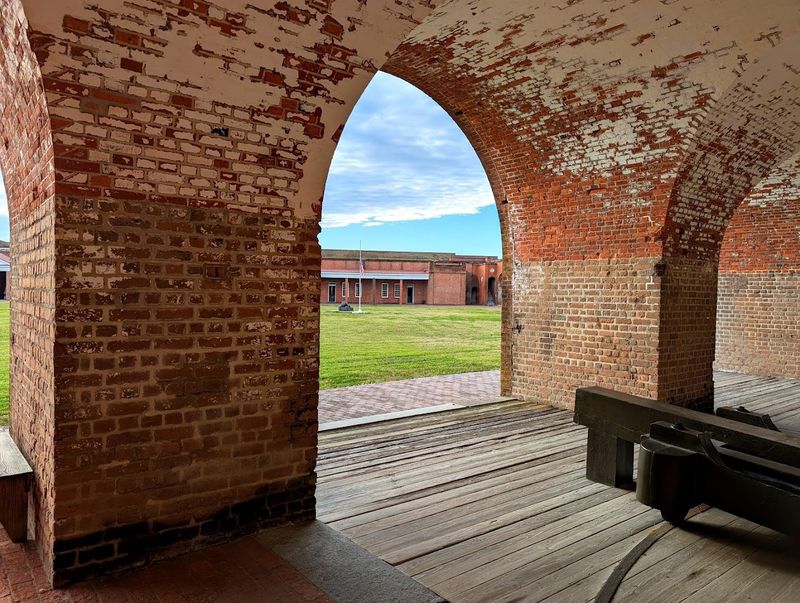
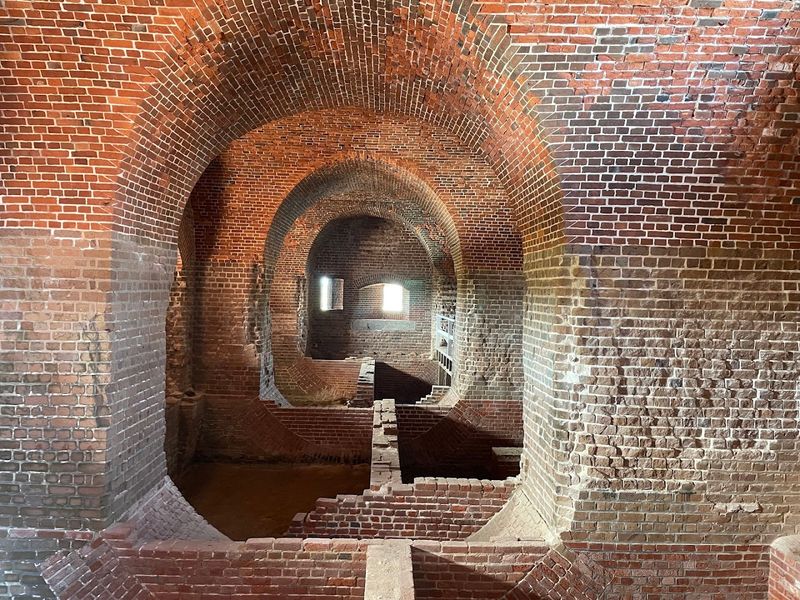
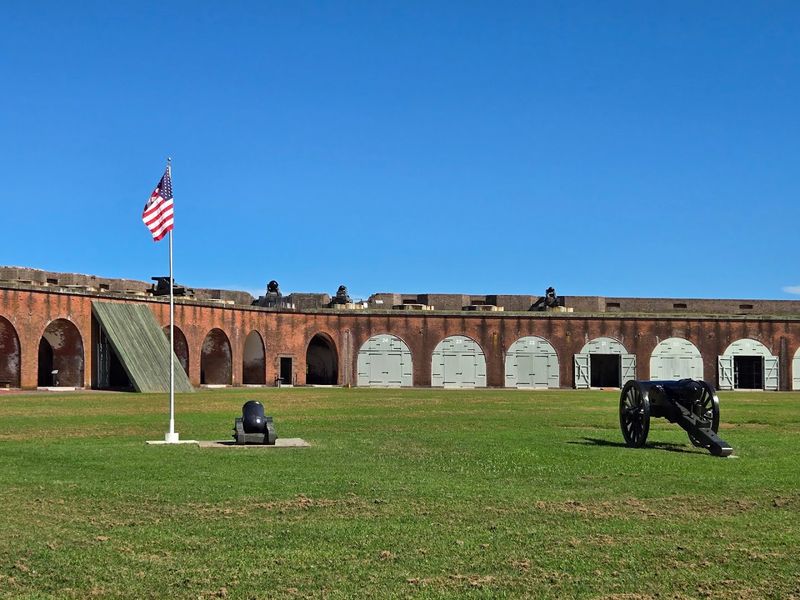
Walking through the casemates inside Fort Pulaski feels like exploring a labyrinth made entirely of old brick and history. Inside the fort, these arched rooms once housed cannons, soldiers, and supplies. Today many of them contain exhibits, artifacts, and restored cannon mounts that you can get very close to.
The casemates are cool and dim even on the hottest Georgia summer days, which makes them a welcome relief during warm-weather visits. Original graffiti scratched into the walls by Confederate soldiers is still visible in some rooms. Reading those names and dates carved into brick by young men over 160 years ago is a genuinely quiet and moving experience.
Each room seems to hold a different piece of the story, from artillery placement strategies to the daily routines of the garrison. Families with curious kids will find that the hands-on nature of the space keeps everyone engaged far longer than a typical museum visit would.
9. Picnicking and Outdoor Recreation on the Grounds
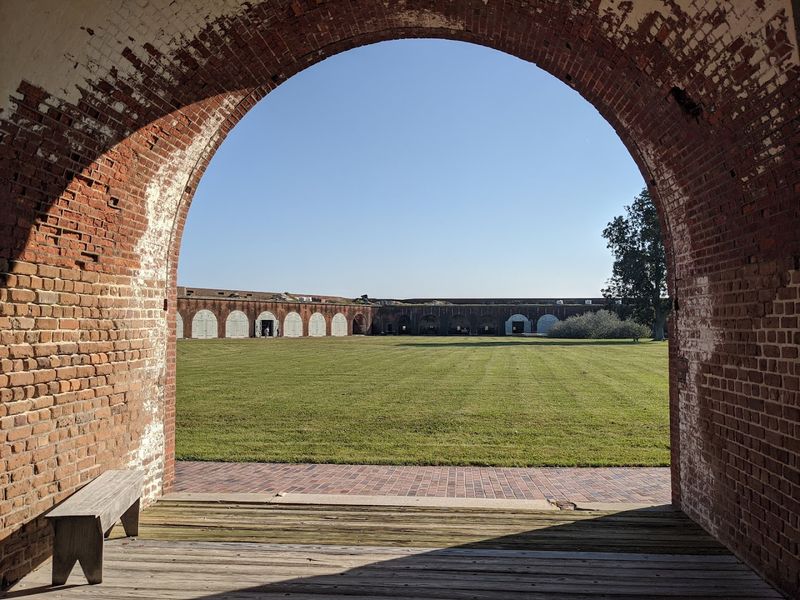
Not every great reason to visit Fort Pulaski involves history books and cannon facts. The grounds surrounding the fort are genuinely lovely, with wide open grassy areas, shade trees, and peaceful marsh views that make for a relaxing outdoor afternoon. Picnic tables are available and the setting is hard to beat.
Families often pack a lunch and spend time simply enjoying the outdoors between exploring the fort itself. Kids have room to run around, and the relatively flat terrain makes it accessible for visitors of different ages and abilities. There is no pressure to rush through the experience.
Fishing is also permitted in certain areas of the park, which adds another layer of recreational appeal. The combination of history, nature, and outdoor relaxation in one spot makes Fort Pulaski genuinely useful for groups where not everyone is equally passionate about Civil War history. Everyone finds something enjoyable here.
10. The Park’s Connection to Robert E. Lee
One of the more surprising facts about Fort Pulaski is its early connection to one of history’s most famous military figures. He was only in his mid-twenties at the time.
Lee helped with the early engineering challenges of building on Cockspur Island’s swampy terrain, gaining practical skills that would serve him throughout his career. The irony that he later led the Confederate forces that ultimately surrendered this very fort is not lost on historians. That layered history makes the site feel genuinely complex and worth thinking about carefully.
Interpretive exhibits inside the fort touch on Lee’s early role here and trace how his career evolved from military engineer to Confederate general. History fans who enjoy connecting biographical dots will find this angle particularly satisfying and thought-provoking during their visit.
11. Photography Opportunities Throughout the Site
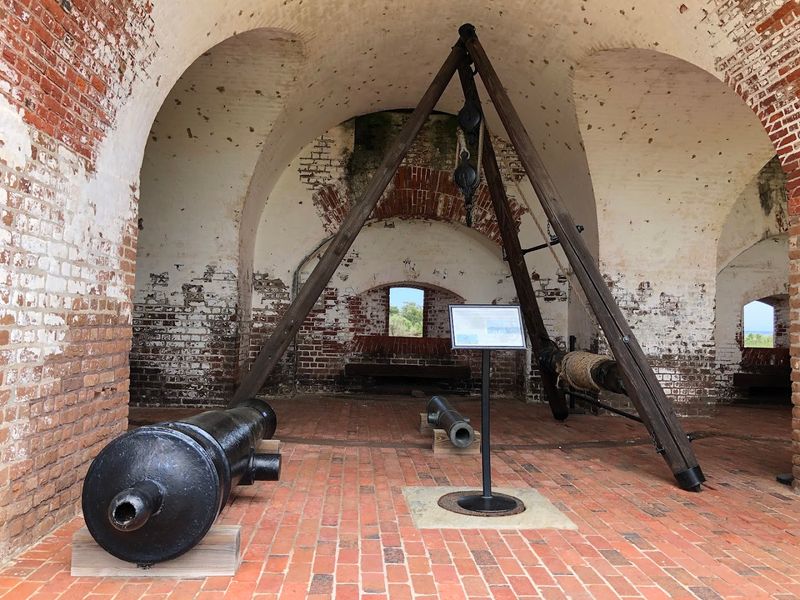
Photographers of every skill level find Fort Pulaski genuinely irresistible. The combination of weathered brick, Spanish moss, open marsh skies, and Civil War-era ironwork creates compositions that look incredible in almost any light. Golden hour here is especially dramatic.
The breach in the southeast wall catches afternoon light in a way that makes the old damage look almost sculptural. Inside the casemates, the arched brick corridors with cannon silhouettes create natural frames that serious photographers absolutely love working with. You do not need expensive equipment to walk away with memorable images.
Sunrise visits are quieter and reward early risers with soft coastal light reflecting off the moat water. The Cockspur Island Lighthouse in the distance adds a classic coastal Georgia element that works beautifully as a background subject. Social media feeds and personal photo albums both benefit enormously from a well-planned morning visit to this site.
12. Learning About 19th Century Military Engineering
If you have ever wondered how engineers built massive structures in swampy coastal terrain without modern equipment, Fort Pulaski answers that question beautifully. The fort required draining Cockspur Island’s marshland and driving thousands of wooden pilings into the ground before construction could begin. That took years of painstaking work.
Over 25 million bricks were used in the construction, many of them shipped from northern factories and hand-laid by skilled laborers working in Georgia’s brutal summer heat. The engineering principles used here came from European military architecture traditions that dated back centuries. Seeing those principles applied on American soil gives you a new appreciation for the people who built this place.
Exhibits inside the fort walk visitors through the construction process step by step, using original drawings, models, and artifacts. Students especially tend to find this section genuinely interesting because it connects math, history, and real-world problem-solving in a way that classroom lessons rarely manage to do.
13. Visiting the Adjacent Tybee Island Beach
Smart visitors plan a two-for-one day by pairing Fort Pulaski with a stop at Tybee Island Beach, which sits just minutes down the road. After exploring the fort continuing east on US Highway 80 brings you to Tybee Island’s wide Atlantic beaches in under 10 minutes by car. It is the perfect afternoon reward after a morning of history.
Tybee Island offers public beach access, seafood restaurants, surf rentals, and a charming small-town coastal atmosphere that feels very different from the solemnity of the fort. The contrast between the two experiences in a single day is actually part of what makes the combination so satisfying. You get history and relaxation without driving far.
Families with younger kids especially appreciate having the beach option nearby. After a couple of hours walking brick corridors and learning about Civil War artillery, splashing in the Atlantic Ocean feels like the perfect natural conclusion to a full and memorable Georgia coastal day trip.
14. The Visitor Center and Museum Exhibits
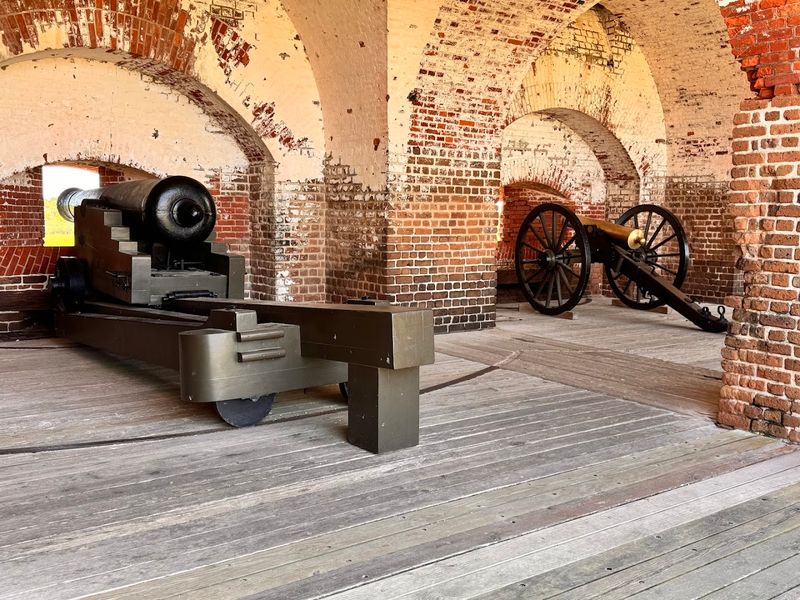
Starting your visit at the Fort Pulaski visitor center is genuinely the best way to get the most out of your time here. Located right at the entrance of the monument the visitor center houses a well-organized collection of Civil War artifacts, maps, and interpretive panels that set the scene perfectly before you step outside. The park film shown here is short but very informative.
Original artillery shells, personal items belonging to soldiers stationed at the fort, and detailed diagrams of the famous 1862 bombardment are all on display. The exhibits do a solid job of presenting multiple perspectives, including the experiences of enslaved people who were held at the fort and later freed during Union occupation. That fuller story makes the history feel more honest.
The bookstore inside sells excellent regional history titles, field guides for Georgia wildlife, and souvenirs that are actually worth buying. Rangers at the desk are friendly and full of recommendations for making the most of your specific visit.
15. Affordable National Park Admission and Access
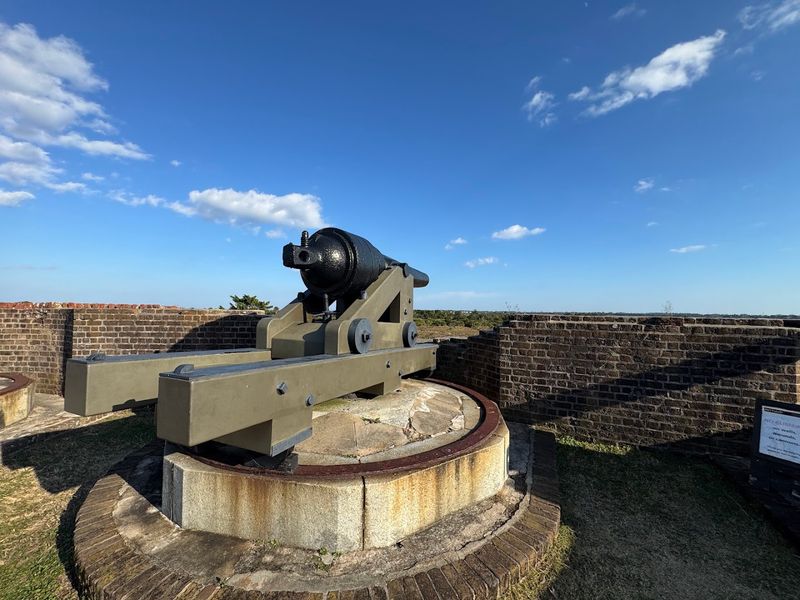
Budget-conscious travelers will appreciate that Fort Pulaski delivers an extraordinary experience at a very reasonable cost. Entry to the monument costs just a small per-vehicle fee, and holders of the America the Beautiful National Parks Pass get in completely free. That pass pays for itself quickly if you visit more than two or three national parks in a year.
Compared to many tourist attractions in and around Savannah, Fort Pulaski offers genuinely exceptional value. You get access to the fort itself, miles of hiking trails, wildlife viewing areas, and ranger programs all included in that single admission price. There are no hidden fees or separate charges for different areas of the monument.
Free admission days are offered several times a year on federally designated fee-free days, making it even easier for families to visit without worrying about the cost. Checking the National Park Service website before your trip helps you plan around those free days and any special events scheduled at the monument.
16. Year-Round Accessibility and Seasonal Events
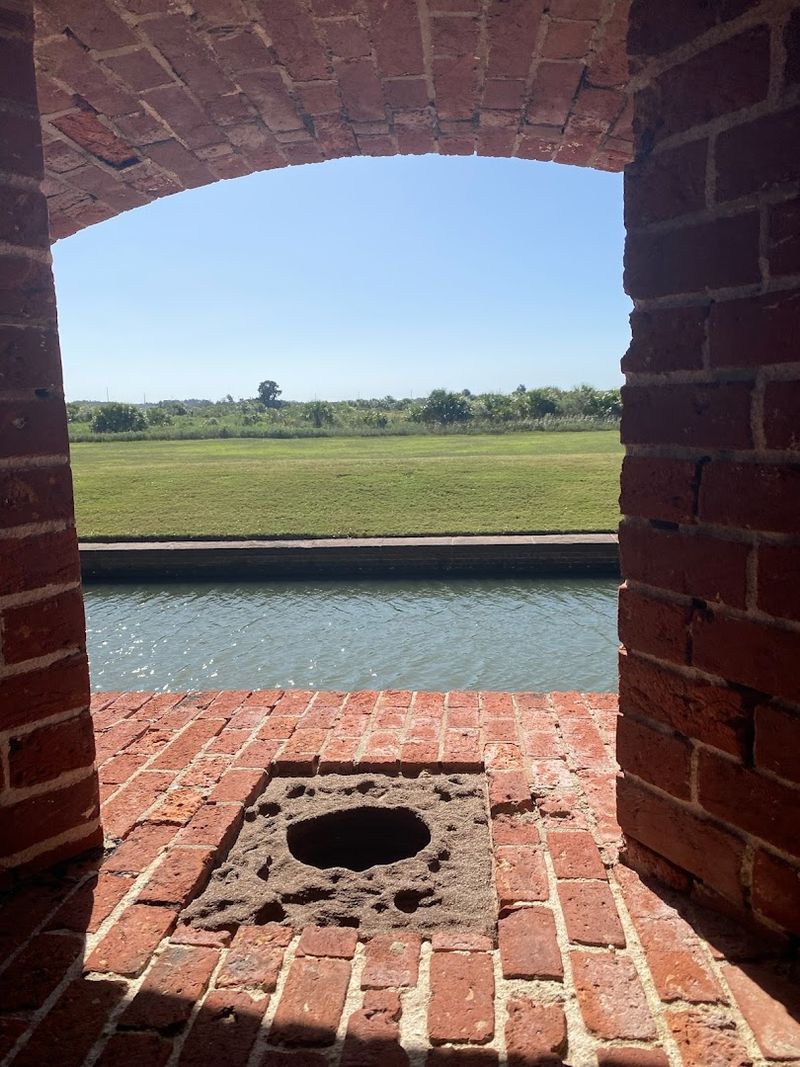
One of the most practical reasons to visit Fort Pulaski is that it genuinely rewards a trip in any season. The monument is open year-round, with the grounds and fort accessible most days. Each season offers a noticeably different atmosphere, from the lush green marsh of summer to the golden reed grass of winter.
Fall and spring are especially popular times to visit because the temperatures along the Georgia coast are comfortable for walking and the marsh wildlife is particularly active. Special events like artillery demonstrations, Civil War anniversary programs, and holiday-themed ranger talks are scheduled throughout the year. Checking the National Park Service event calendar before your trip helps you catch something extra.
Winter visits are often surprisingly peaceful, with smaller crowds giving you more room to explore at your own pace. The cooler air makes hiking the marsh trails far more comfortable than the humid Georgia summer months. Any time of year, Fort Pulaski finds a way to impress.