This California Bakery Keeps Traditional Mexican Baking Alive The Old-Fashioned Way
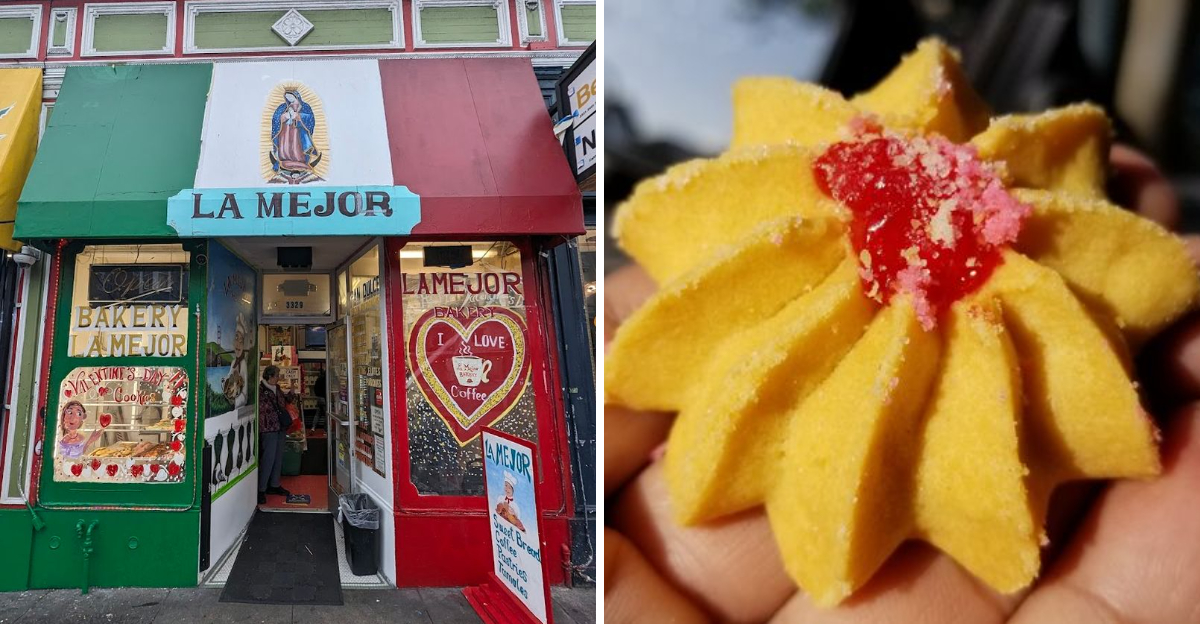
The scent stops you in your tracks. Warm sugar. Fresh bread. Vanilla drifting into the California air before you even reach the door.
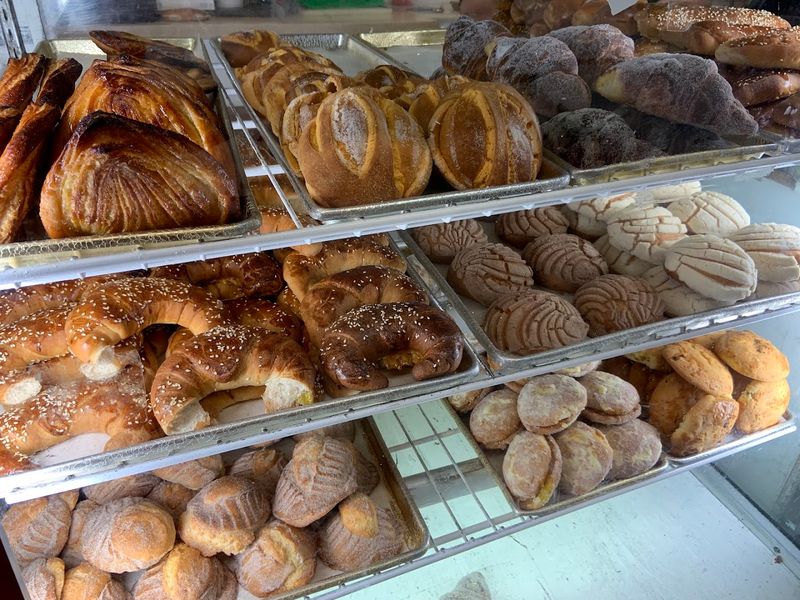
Inside this Mission District bakery, the pace shifts instantly. Glass cases glow with rows of conchas. Handwritten price tags cling to the shelves.
Neighbors move between Spanish and English with ease, greeting each other like this is less a store and more a daily ritual.
La Mejor Bakery doesn’t follow trends. It protects something older. Carmen Elias walked away from a banking career to carry on her father’s legacy, choosing flour-dusted mornings over fluorescent offices.
That decision turned a modest storefront into one of California’s most meaningful panaderías.
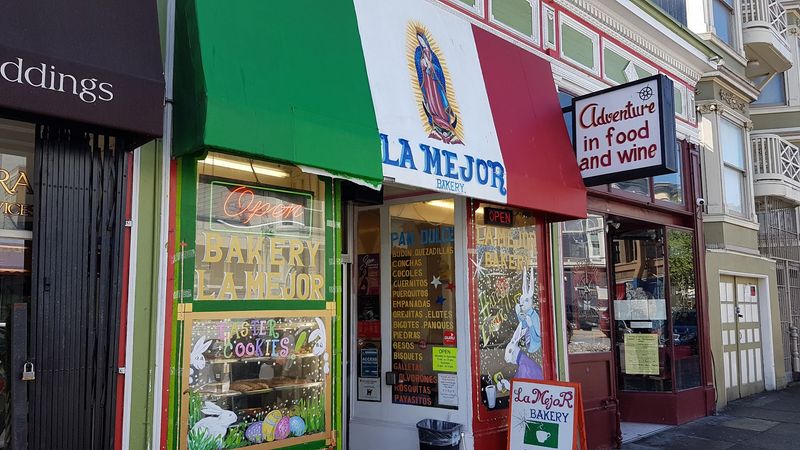
The shop stands in the heart of San Francisco, surrounded by murals, music, and history that refuses to be erased. Hand-painted windows shift with the seasons. Día de los Muertos. Three Kings Day. Culture lives here in color and in dough.
This is not just a bakery. It’s a reminder that in California, tradition still has a place – and some flavors are too important to change.
Quick Snapshot
1. Name: La Mejor Bakery
2. Type: Traditional Mexican panadería specializing in classic pastries, breads, and seasonal cultural specialties
3. Setting: Warm, neighborhood bakery in the Mission District with colorful hand-painted window art, display cases filled with pan dulce, and a steady flow of locals stopping in throughout the day
4. Location: 3329 24th Street, San Francisco, CA 94110, in the heart of the Mission District
5. Arrival: Street parking in the surrounding neighborhood can be limited during peak hours, though the bakery is easily accessible on foot and by public transit
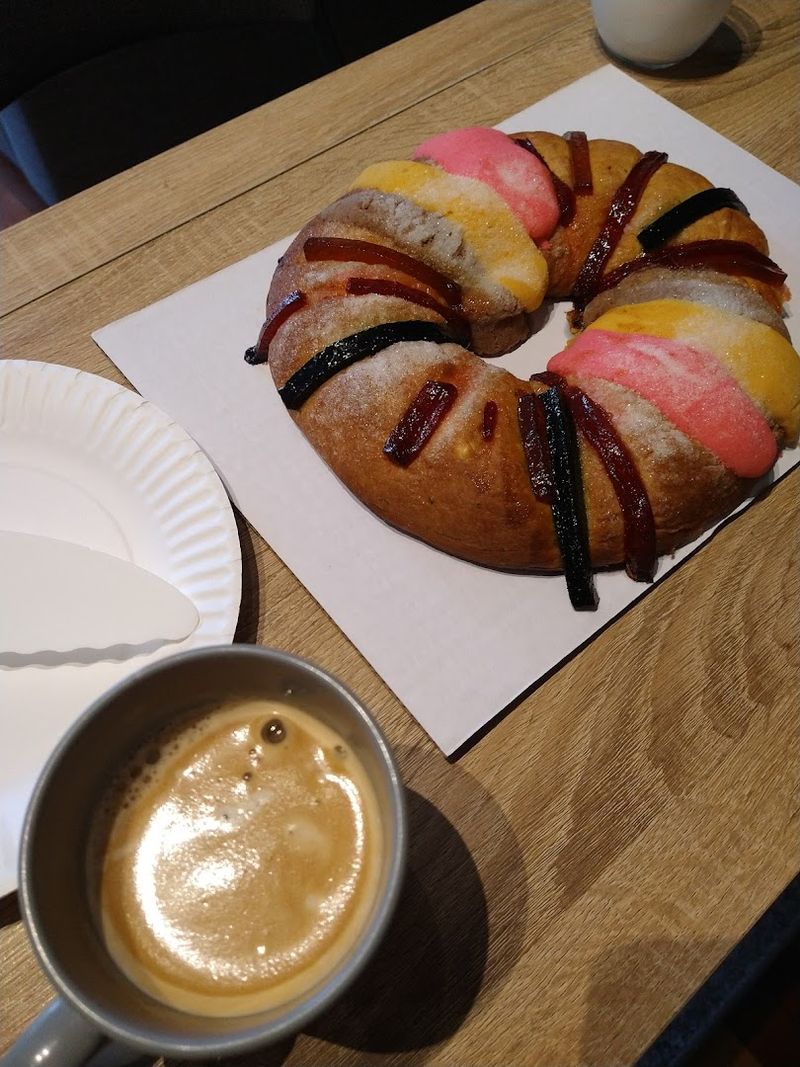
6. Portions: Generous, traditional-sized pastries made for sharing, with a wide selection ranging from everyday favorites to seasonal specialties like rosca de reyes and pan de muerto
A Look Inside La Mejor Bakery
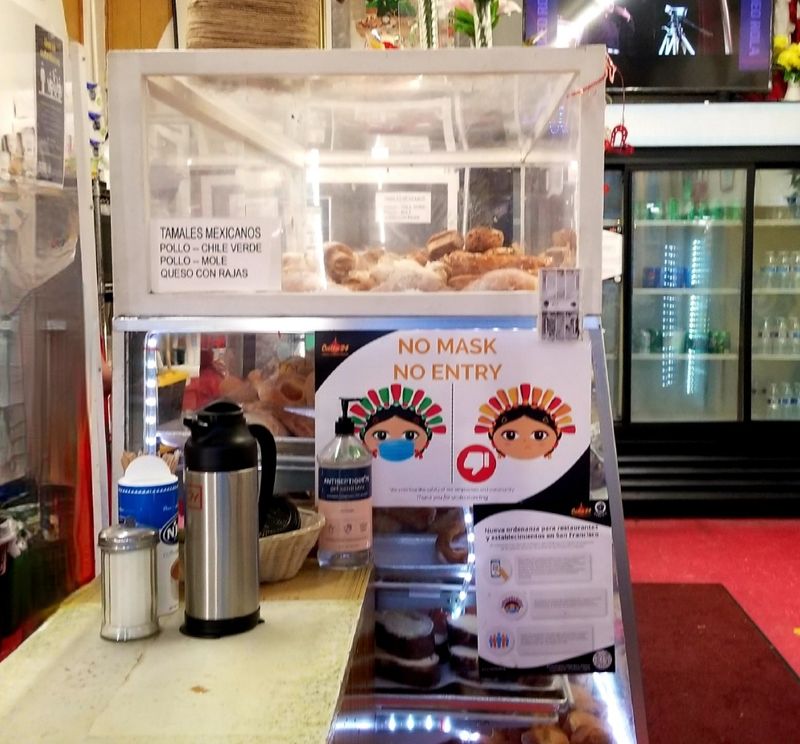
Stepping through the doors brings an immediate sensory shift. The smell of baking bread mingles with cinnamon and sugar, while the display cases show rows of pastries in shades of pink, yellow, and brown.
The space feels lived-in rather than designed, with hand-painted signs and a layout that prioritizes function over aesthetic trends.
Natural light filters through windows decorated with seasonal artwork, casting soft shadows across the tile floor.
The counter area stays busy most hours, with a steady rhythm of customers pointing at pastries and bakers restocking trays from the back.
Conversations happen in Spanish and English, sometimes switching mid-sentence, creating a bilingual hum that defines the Mission’s character.
Seating remains limited, as most visitors grab their selections and continue their day. The focus stays on the pastries themselves rather than creating a café atmosphere.
Display cases sit at eye level, allowing clear views of each item’s texture and color.
Why It Matters: Traditional panaderías like La Mejor preserve cultural identity through food, offering immigrant communities a taste of home while educating newer generations about their heritage.
The bakery’s commitment to authenticity creates a bridge between past and present, ensuring recipes don’t disappear as neighborhoods change.
The History Behind This California Panadería
Carmen Elias grew up surrounded by flour dust and the sound of mixers running before dawn.
Her father earned respect throughout the Mission District as a skilled baker, and she spent childhood mornings watching him shape dough with practiced hands.
Banking seemed like a practical career path, but the pull of family tradition proved stronger than financial security.
Opening La Mejor Bakery in 1993 meant stepping into a role her father had prepared her for without either of them fully realizing it.
The Mission District at that time held a concentrated Latin American population, with panaderías serving as essential gathering spots.
Carmen’s decision to focus on traditional methods rather than modernizing set the bakery apart from competitors chasing efficiency.
The neighborhood has transformed significantly over three decades, with rising rents and demographic shifts changing the Mission’s character.
La Mejor remained constant, adapting to new customers while maintaining the recipes and techniques that defined its founding.
Recognition as a legacy business in 2023 acknowledged what regulars had known for years.
Why It Matters: Family-run bakeries carry knowledge that can’t be learned from cookbooks or culinary schools.
Carmen’s connection to her father’s baking legacy ensures techniques survive that might otherwise fade as older generations pass away, preserving culinary history through daily practice.
The Pastries That Keep Locals Coming Back
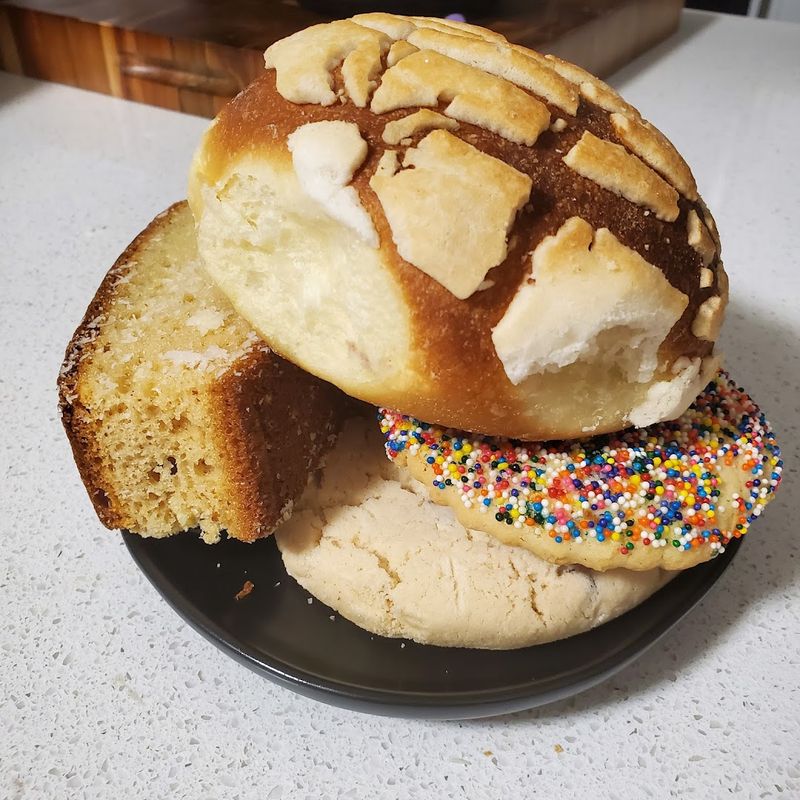
Conchas earn their name from the shell-like pattern scored into their sweet topping, available in vanilla, chocolate, and strawberry variations.
The bread underneath stays soft without being dense, while the sugar crust adds texture without overwhelming sweetness.
Each concha gets shaped and scored by hand, creating slight variations that machine production can’t replicate.
Empanadas at La Mejor come filled with pumpkin, pineapple, or apple, with the pastry shell achieving a balance between flaky and sturdy.
The fillings avoid the overly sweet tendency of mass-produced versions, letting fruit flavors come through clearly.
Seasonal offerings include rosca de reyes during January, a ring-shaped bread hiding a small plastic baby figure, and pan de muerto in late October through early November.
Tamales round out the savory options, wrapped in corn husks and steamed until the masa reaches the right consistency.
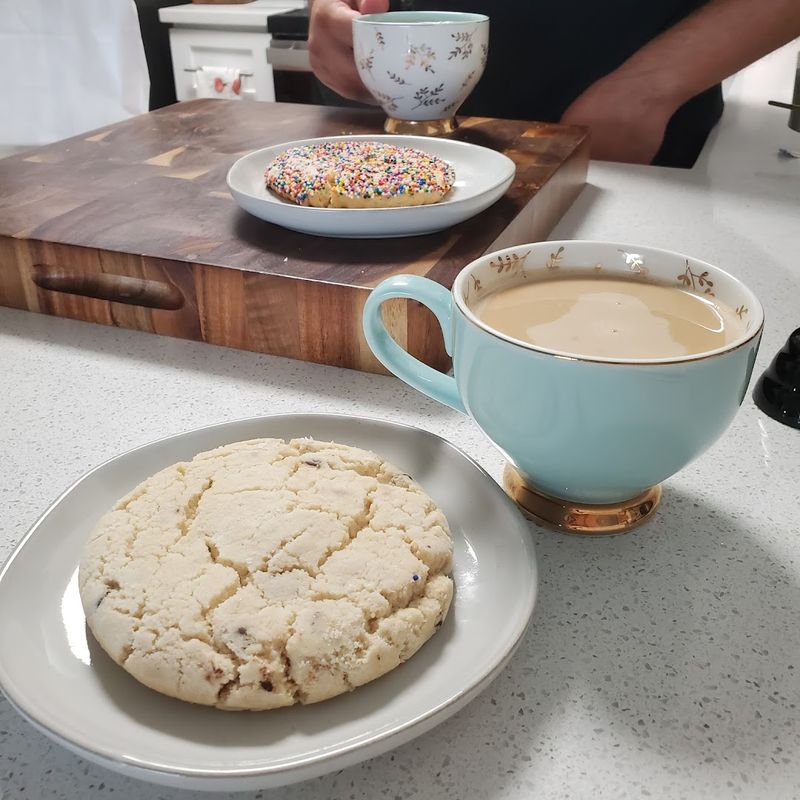
The bakery also produces cookies, cuernos, and other pan dulce varieties that change based on ingredient availability and baker preference.
Best For: First-time visitors should start with conchas and empanadas to understand the bakery’s approach to texture and sweetness.
Regulars often time visits around seasonal specialties, particularly pan de muerto, which sells out quickly during Día de los Muertos celebrations.
Why This Bakery Is Worth The Drive
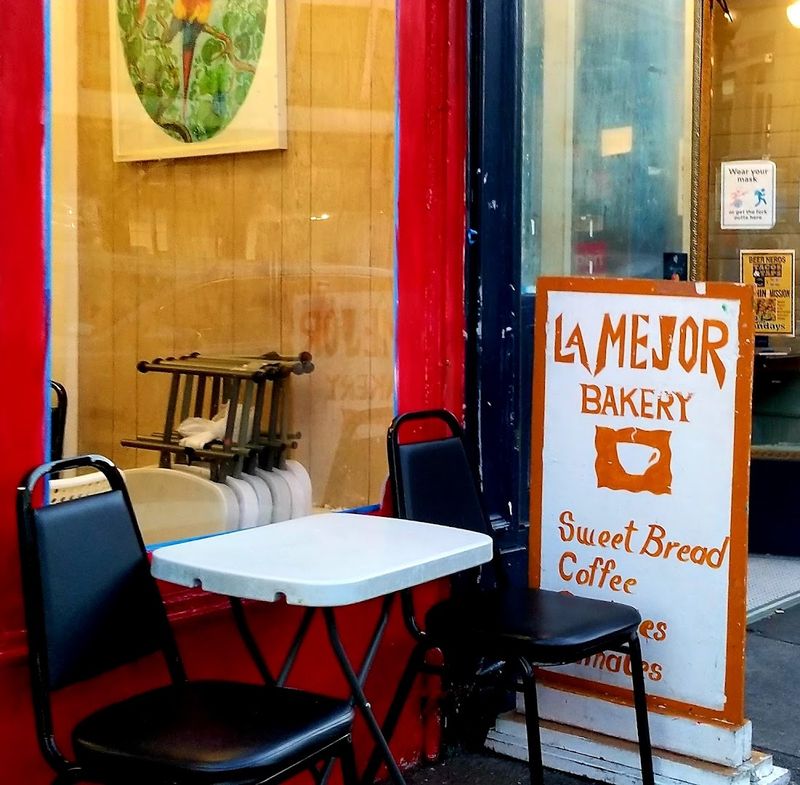
San Francisco holds numerous panaderías, but few maintain the level of traditional technique found at La Mejor.
The difference shows in details that casual observers might miss: the way concha dough springs back when pressed, the even distribution of filling in empanadas, and the absence of artificial flavoring that marks industrial baking.
Driving across the city or from neighboring areas makes sense when quality matters more than convenience.
The bakery’s location places it in the heart of the Mission District, surrounded by murals, taquerías, and shops reflecting the neighborhood’s Latin American heritage.
Parking can require patience, particularly on weekends, but public transportation provides reliable access through multiple bus lines and BART stations.
Street parking typically opens up within a few blocks if circling the immediate area proves frustrating.
Visiting La Mejor connects to a larger experience of exploring the Mission, making it easy to combine a bakery stop with other cultural destinations.
The bakery’s authenticity attracts food writers, chefs, and cultural researchers alongside neighborhood regulars, creating an interesting mix of customers.
Pro Tip: Weekday mornings before 10 AM offer the calmest atmosphere and fullest selection of pastries, while weekend afternoons bring more community energy but longer waits and potentially sold-out items.
The Old-Fashioned Baking Methods Still Used Today
Modern bakeries rely on commercial mixers, proofing cabinets, and precise digital thermometers to standardize output.
La Mejor uses these tools but doesn’t let them replace the judgment that comes from years of experience.
Bakers still test dough by feel, adjusting hydration based on how the mixture responds rather than following rigid formulas.
This approach requires more skill but produces results that reflect daily variations in flour, humidity, and temperature.
The bakery maintains recipes passed down through Carmen’s family, some dating back generations to Mexico.
These recipes specify techniques rather than just ingredients, explaining how to fold dough or when to add filling based on visual and tactile cues.
Written measurements serve as guidelines, but the baker’s assessment determines final adjustments.
Hand-shaping each concha and empanada takes more time than using molds or automated equipment.
The labor investment shows in the finished product, with each pastry displaying slight individual character.
Baking happens in batches throughout the day rather than producing everything at once, keeping items fresh for customers arriving at different times.
Why It Matters: Traditional baking methods preserve flavors and textures that industrial processes can’t duplicate.
The human element in traditional baking creates consistency through skill rather than standardization, resulting in products that taste distinctly different from mass-produced alternatives.
What To Order On Your First Visit
First-time visitors face an overwhelming display case filled with unfamiliar shapes and names.
Starting with conchas provides the clearest introduction to La Mejor’s approach, as these sweet breads showcase both the quality of basic ingredients and the skill in achieving proper texture.
Choosing one vanilla and one chocolate concha allows comparison of how the topping flavors interact with the bread.
Adding a fruit empanada rounds out the initial order, with pumpkin offering a less sweet option than pineapple or apple.
The empanada’s pastry shell demonstrates a different technique than the concha’s bread base, showing range in the bakery’s capabilities.
Tamales work well for visitors wanting savory options, though they’re heavier and might be better saved for a second visit.
Avoiding the temptation to order one of everything helps maintain focus on quality over quantity. Three to four items per person allows adequate tasting without overwhelming the palate or creating waste.
Prices remain reasonable enough that return visits don’t strain budgets, making it practical to explore the full menu over multiple trips.
Quick Tip: Bring cash, as some traditional panaderías operate on a cash-only basis or have minimum purchase requirements for card transactions.
La Mejor accepts cards, but having cash available speeds up the transaction process during busy periods.
The Atmosphere And Community Feel
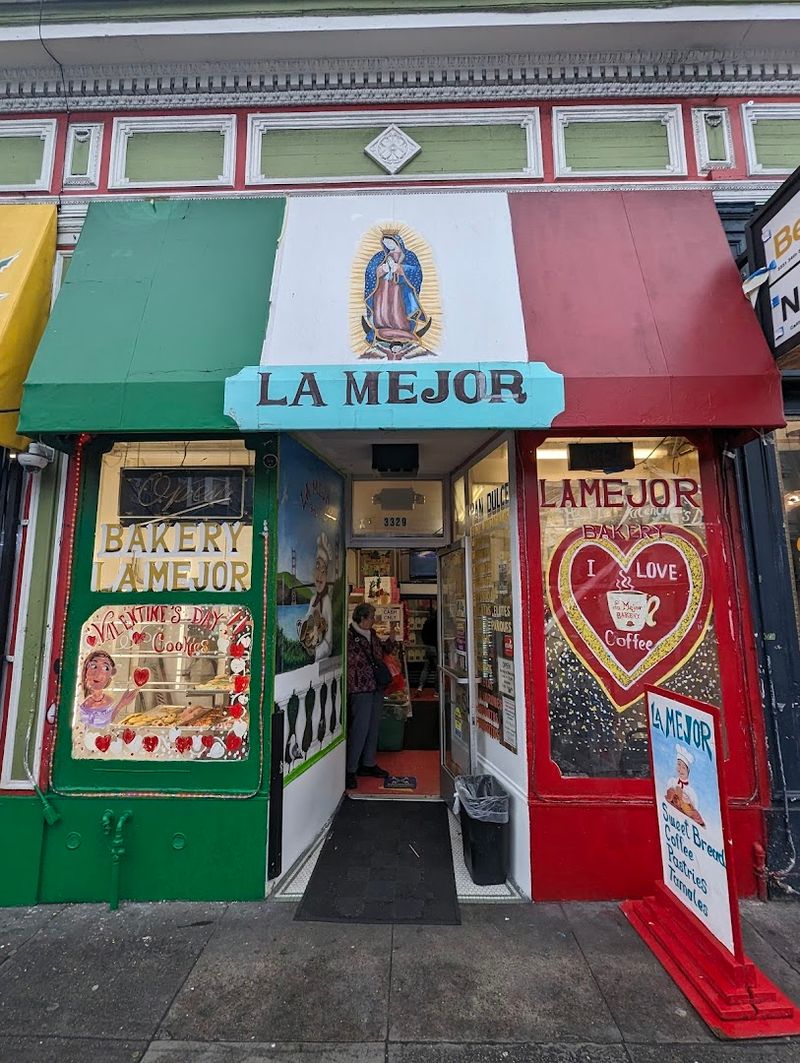
La Mejor functions as more than a retail space. Regular customers greet each other while waiting in line, exchanging updates in Spanish about family events and neighborhood news.
The staff recognizes frequent visitors, sometimes preparing usual orders before they’re requested. This familiarity creates a social dimension that online ordering and chain stores can’t replicate.
The bakery serves as a cultural touchpoint for Latin American immigrants, offering connection to home through familiar flavors and Spanish-language conversation.
Younger generations born in the United States visit with parents and grandparents, learning about traditional celebrations and foods that might otherwise remain abstract concepts.
School groups arrive periodically for educational visits, particularly around Día de los Muertos when pan de muerto production reaches peak volume.
The atmosphere stays grounded rather than performative, with no attempt to create Instagram-worthy backdrops or trendy décor.
Hand-painted window art provides the only decorative flourish, changing with seasons and holidays. The focus remains on the transaction and the product rather than creating an experience designed for social media sharing.
Best For: Visitors seeking authentic cultural experiences rather than curated aesthetic moments will appreciate La Mejor’s unpretentious atmosphere.
The bakery suits anyone interested in food anthropology, cultural preservation, or simply excellent pastries made with care.
When To Visit For The Freshest Finds
Baking starts before dawn, with the first batches of conchas and pan dulce emerging from ovens around 6 AM.
Early morning visitors between 7 AM and 9 AM encounter the fullest selection and warmest pastries, though the bakery may still be restocking displays during this window.
The trade-off between selection and temperature depends on personal preference for room-temperature versus warm pastries.
Mid-morning between 10 AM and noon brings a second wave of fresh items as bakers replenish popular varieties that sold out earlier.
This timing works well for visitors who want fresh products without arriving at opening time. The bakery’s rhythm becomes predictable after a few visits, making it easier to time arrivals for specific items.
Afternoon visits after 2 PM risk finding depleted displays, particularly on weekends when demand peaks.
Some customers prefer this timing despite limited selection, as it indicates which items are most popular and worth trying on future visits.
Pro Tip: Seasonal specialties like pan de muerto and rosca de reyes sell out quickly, often within hours of opening during peak celebration periods.
Calling ahead to reserve these items ensures availability, though pickup timing must be coordinated with the bakery’s schedule.
Final Verdict: Is It Worth The Trip?

La Mejor Bakery delivers on its promise of traditional Mexican baking without compromise or modernization.
The pastries taste distinctly different from grocery store versions, with textures and flavors that reflect careful technique and quality ingredients.
Visitors seeking authentic cultural experiences rather than trendy food moments will find the bakery meets expectations set by its reputation.
The location in the Mission District adds value beyond the bakery itself, offering opportunities to explore one of San Francisco’s most culturally significant neighborhoods.
Combining a bakery visit with walks past nearby murals, stops at other Latin American businesses, or meals at traditional taquerías creates a fuller experience than the pastries alone provide.
Pricing remains accessible, with most items costing between two and five dollars.
The value proposition improves when considering the labor intensity of hand-shaped pastries and the cultural preservation work the bakery performs.
Supporting businesses like La Mejor helps ensure traditional foodways survive in increasingly homogenized food landscapes.
Final Verdict: La Mejor Bakery is worth the visit for anyone seeking genuine Mexican baking made with care and cultural integrity. It delivers substance over trend, and the experience feels meaningful as well as delicious.
Planning Advice: Visit earlier in the day for the freshest selection and widest variety. Bring cash just in case, wear comfortable shoes for exploring the Mission afterward, and allow extra time to enjoy the neighborhood beyond the bakery counter.