This 18th-Century Spanish Fort In California Sits Quietly Above The Bay
Stone walls still face the wind. History never really left.
Clifftops stretch toward the Pacific, and fog moves in without warning. Footsteps replace marching boots now, but the sense of watchfulness lingers in the air. The coastline feels dramatic. The silence feels earned.
The Presidio of San Francisco began as a Spanish military outpost in 1776, built to secure a distant edge of empire.
It grew through generations of change, shifting from colonial stronghold to U.S. Army post and eventually into one of California’s most remarkable public spaces.
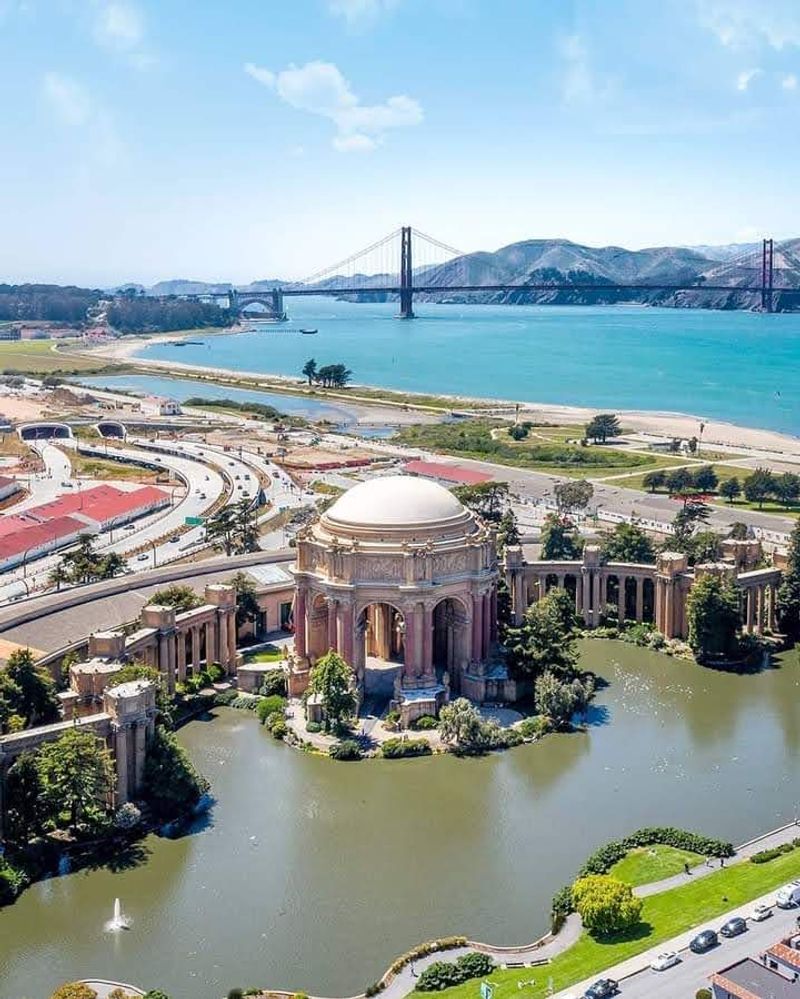
The grounds sit at the entrance to the Golden Gate, where barracks and batteries overlook one of the most photographed bridges in the world.
Trails now wind past parade fields where soldiers once trained. Families picnic where regiments once assembled. The transformation did not erase the past. It layered new purpose over it.
This place carries centuries of ambition, conflict, reinvention, and preservation in a single sweep of coastline.
California holds few sites where land and history intertwine so completely, and the Presidio stands as proof that even a former fortress can learn how to welcome.
1. Spain Plants Its Flag At The Edge Of Empire
Spain reached the northern limit of its American empire when soldiers and missionaries arrived at this windswept peninsula in 1776.
The timing was no coincidence, as colonial powers raced to claim territory along the Pacific coast.
San Francisco Bay offered a natural harbor too valuable to ignore, and the Spanish crown ordered the construction of a presidio to protect its interests and support the nearby mission.
The original fort consisted of simple adobe structures arranged around a central plaza, following the standard design of Spanish military outposts.
Soldiers stationed here faced isolation, harsh weather, and limited supplies, as the nearest settlements lay hundreds of miles to the south.
Life at the presidio revolved around guard duty, construction projects, and maintaining relationships with the indigenous Ohlone people who had called this land home for thousands of years.
The Spanish presence shaped the region’s development for decades, establishing patterns of settlement and governance that would outlast the empire itself.
Today, few physical traces of the original Spanish fort remain, but its founding marked the beginning of continuous European occupation in what would become one of America’s great cities.
2. Mexico Takes Control After Independence
The presidio changed hands without a shot fired when Mexico won independence from Spain in 1821.
The new nation inherited a vast territory that stretched from Central America to the Oregon border, and the fort at San Francisco Bay became a Mexican military installation overnight.
Mexican soldiers replaced Spanish troops, and the flag flying over the compound displayed the eagle and serpent of the new republic.
Under Mexican rule, the presidio continued its role as a frontier garrison, though resources remained scarce and reinforcements rare.
The Mexican government struggled to maintain its far-flung outposts, and soldiers at the presidio often went months without pay or proper supplies.
Despite these challenges, the fort remained operational, serving as a symbol of Mexican sovereignty over California.
This period lasted just 25 years, but it left its mark on the region’s culture and identity.
Mexican land grants created the framework for California’s ranching economy, and many place names still reflect this era.
The presidio’s transition from Spanish to Mexican control demonstrated how political changes in distant capitals could reshape life on the frontier.
3. American Forces Arrive During Westward Expansion
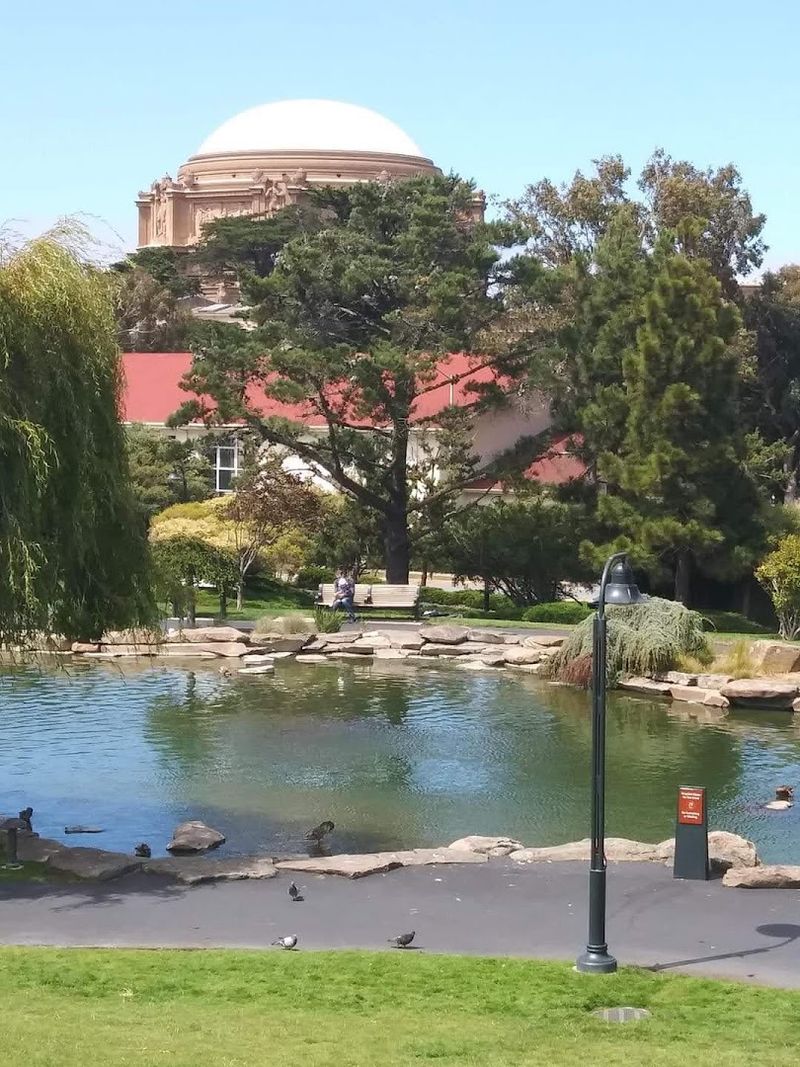
War between the United States and Mexico brought American troops to the presidio in 1846, and the fort would remain a U.S. military installation for the next 148 years.
Captain John C. Frémont led the initial American occupation, claiming the strategic harbor for the expanding nation.
The takeover occurred with minimal resistance, as Mexican forces in California were too scattered and undersupplied to mount an effective defense.
The U.S. Army immediately recognized the presidio’s value and began transforming the modest adobe compound into a permanent military base.
Engineers designed new barracks, storehouses, and defensive positions, replacing the crumbling Spanish-era structures with more durable buildings.
The fort’s mission expanded beyond simple coastal defense to include supply operations, troop training, and administrative functions for the entire Pacific region.
This transition marked a turning point in California’s history, as American control opened the territory to waves of settlement and economic development.
The discovery of gold in 1848 brought thousands of fortune seekers through San Francisco, and the presidio provided law and order during the chaotic early years of the Gold Rush.
4. Recognition As A National Historic Landmark
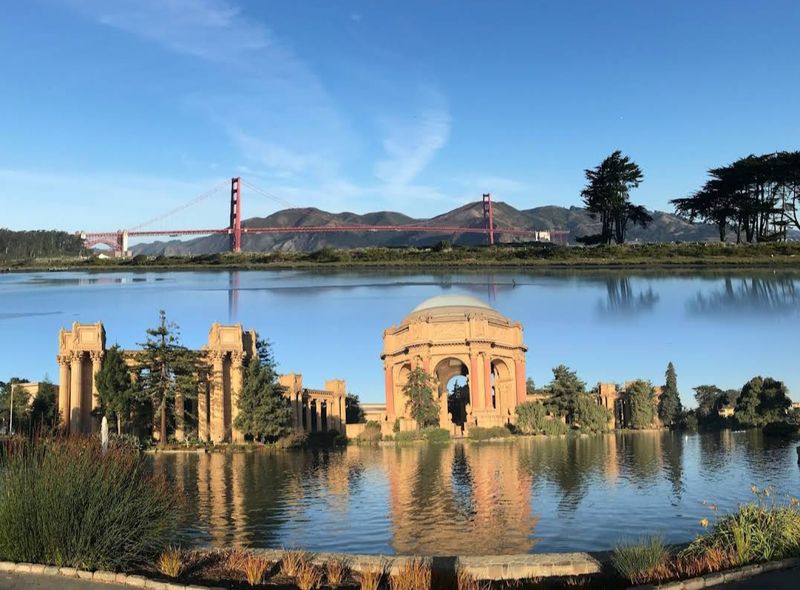
Official recognition came in 1962 when the federal government designated the presidio as a National Historic Landmark District.
This honor acknowledged the site’s importance in American military history and its role in the development of the western United States.
The designation protected the fort’s historic structures and landscapes from demolition or inappropriate modification, ensuring future generations could experience this connection to the past.
The landmark status reflected growing awareness of the presidio’s unique character and the need to preserve it.
Architectural historians noted the collection of buildings spanning different eras and styles, from Victorian officers’ quarters to World War II concrete bunkers.
The varied structures told the story of changing military needs, construction techniques, and aesthetic preferences over more than a century of continuous use.
This formal recognition also signaled a shift in how Americans thought about military installations and historic preservation.
Rather than viewing old forts as obsolete relics, communities began to see them as valuable cultural resources worthy of protection.
The presidio’s landmark designation helped pave the way for similar efforts at military sites across the country.
5. Transformation Into A National Park
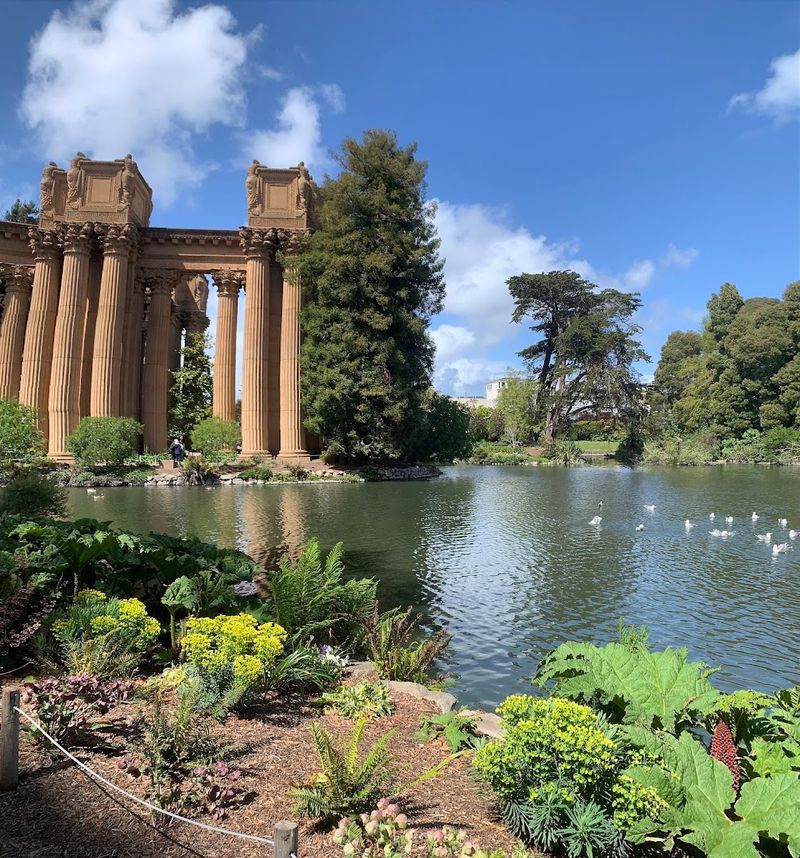
The military’s departure in 1994 opened a new chapter when the presidio joined the Golden Gate National Recreation Area.
This transition represented one of the largest base closures in American history and created an unprecedented opportunity to convert military land into public parkland.
Congress mandated that the presidio remain accessible to all, transforming a restricted military zone into a space where anyone could walk, explore, and connect with history.
The conversion process required careful planning to balance preservation of historic resources with the needs of park visitors.
Former parade grounds became picnic areas, old bunkers turned into interpretive sites, and miles of restricted roads opened to hikers and cyclists.
The shift from military post to national park happened gradually, as the National Park Service worked to make the site welcoming while maintaining its historic character.
Today, the presidio stands as proof that military lands can find new life serving the public good.
The park attracts millions of visitors annually, offering recreation, education, and inspiration within sight of the Golden Gate Bridge.
This transformation shows how communities can reimagine and repurpose significant landscapes for future generations.
6. The Presidio Trust Takes The Lead
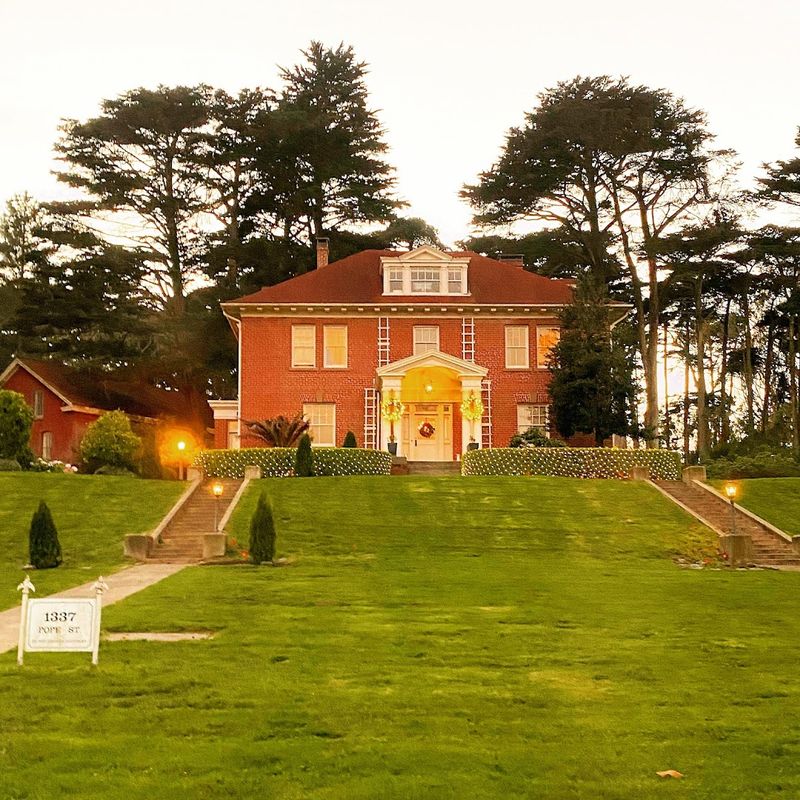
Congress created the Presidio Trust in 1996 to manage the park’s interior 1,168 acres, establishing a unique partnership between federal oversight and local stewardship.
This arrangement gave the trust authority to develop revenue-generating activities while maintaining the site’s historic and natural values.
The model broke new ground in park management, demonstrating that careful development could fund preservation without relying solely on taxpayer dollars.
The trust faced the challenge of maintaining 800 buildings, many requiring expensive repairs and ongoing maintenance.
Rather than let historic structures deteriorate, managers pursued a strategy of adaptive reuse, leasing buildings to tenants who would restore and occupy them.
This approach generated income while ensuring that significant structures remained in good condition and continued to serve useful purposes.
After years of careful financial management, the trust achieved self-sufficiency in 2013, covering all operating costs through leases, park programs, and other revenue sources.
This accomplishment proved that national parks could operate without continuous federal appropriations, offering a potential model for other historic sites facing budget constraints.
The trust’s success ensures that the presidio remains open and well-maintained for future visitors.
7. Centuries Of Architecture In One Place
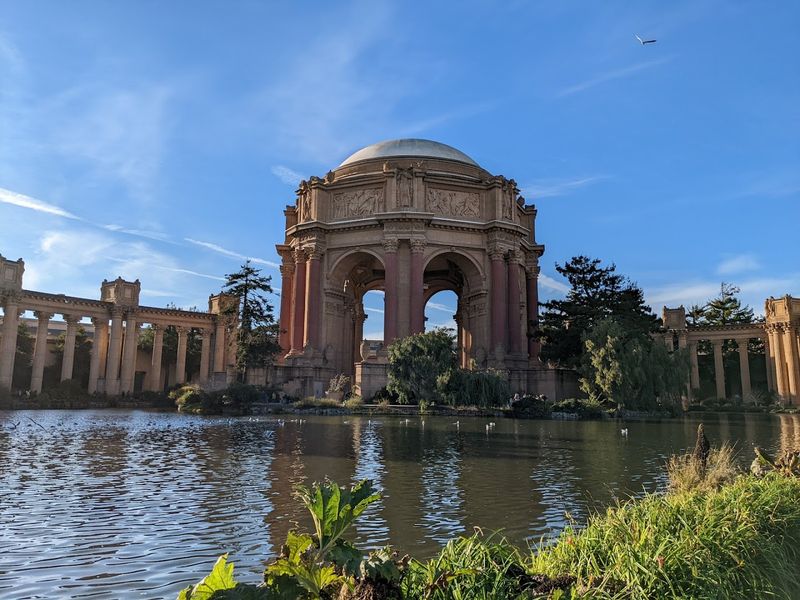
Walking through the presidio feels like traveling through time, as 800 buildings represent multiple eras of American military architecture.
Visitors encounter structures ranging from simple wooden barracks to elegant Victorian officers’ homes, from Art Deco administrative buildings to utilitarian World War II warehouses.
This architectural diversity creates a visual timeline of changing military needs, construction technologies, and design philosophies.
Among these structures, 555 carry official historic designation, marking them as particularly significant examples of their type or period.
The Presidio Officers’ Club stands as the oldest building, with portions dating to the Spanish colonial era.
Its thick adobe walls and successive additions tell the story of the fort’s evolution under three different flags, making it a physical embodiment of California’s complex history.
Preservation efforts focus on maintaining the authentic character of these buildings while adapting them for contemporary use.
Architects and historians work together to ensure that renovations respect original materials and design intent, even as structures gain modern systems and amenities.
This careful stewardship allows historic buildings to remain functional and relevant rather than becoming empty museum pieces.
8. Diverse Landscapes Across 1,491 Acres
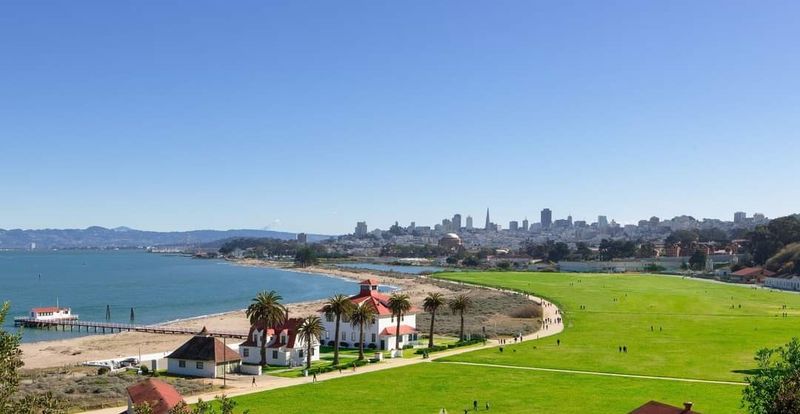
The presidio encompasses remarkable ecological variety within its 1,491 acres, from windswept coastal bluffs to sheltered forest groves.
Visitors can walk from sandy beaches to dense woodlands in less than an hour, experiencing dramatic shifts in vegetation, wildlife, and atmosphere.
This diversity reflects the site’s varied topography and microclimates, as well as decades of intentional landscaping by military planners who planted thousands of trees to stabilize slopes and provide windbreaks.
Coastal areas feature native plant communities adapted to salt spray and strong winds, while interior valleys support eucalyptus groves and mixed hardwood forests.
The park’s restoration efforts aim to increase native species and remove invasive plants that have spread since the military era.
Biologists work to recreate historic plant communities while acknowledging that some introduced species have become integral parts of the landscape.
These varied ecosystems provide habitat for numerous bird species, small mammals, and insects, making the presidio an urban wildlife refuge.
Visitors might spot red-tailed hawks hunting over grasslands, or hear the calls of Pacific chorus frogs near seasonal wetlands.
The ecological richness demonstrates how even heavily modified military lands can support biodiversity when managed with conservation in mind.
9. Miles Of Trails And Stunning Overlooks
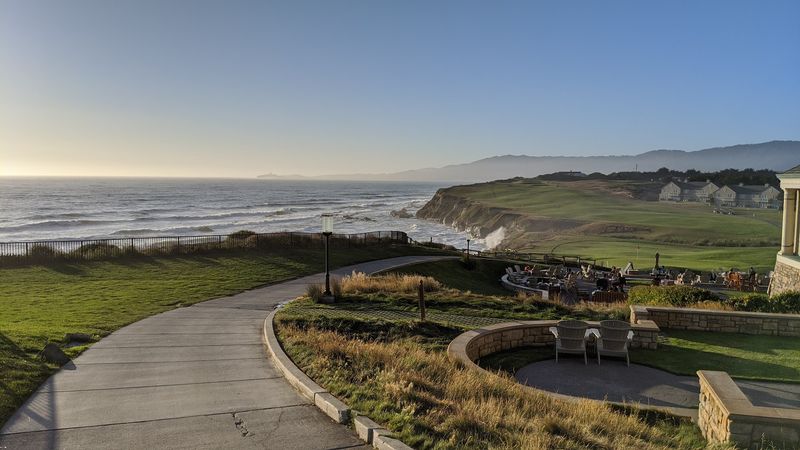
Twenty-four miles of trails wind through the presidio, connecting historic sites, natural areas, and spectacular viewpoints.
These paths range from easy strolls along flat terrain to challenging climbs up steep hillsides, offering options for visitors of all fitness levels.
Many trails follow routes once used by soldiers moving between barracks, batteries, and guard posts, adding a historical dimension to every hike.
Eight designated scenic overlooks provide framed views of the Golden Gate Bridge, San Francisco Bay, and the Pacific Ocean.
These vantage points showcase why military planners chose this location, as the elevated terrain offers commanding views of sea approaches and potential threats.
Today’s visitors enjoy these same perspectives for purely aesthetic reasons, photographing iconic landmarks and watching container ships pass beneath the bridge.
The trail system includes the California Coastal Trail, which connects the presidio to beaches and parks extending along the entire state coastline.
Hikers can follow this route through the park and continue north toward Marin County or south toward Ocean Beach.
The presidio campground offers one of the few opportunities to spend the night outdoors within San Francisco city limits, attracting backpackers and families seeking an urban camping experience.
10. Buffalo Soldiers And Military Heritage
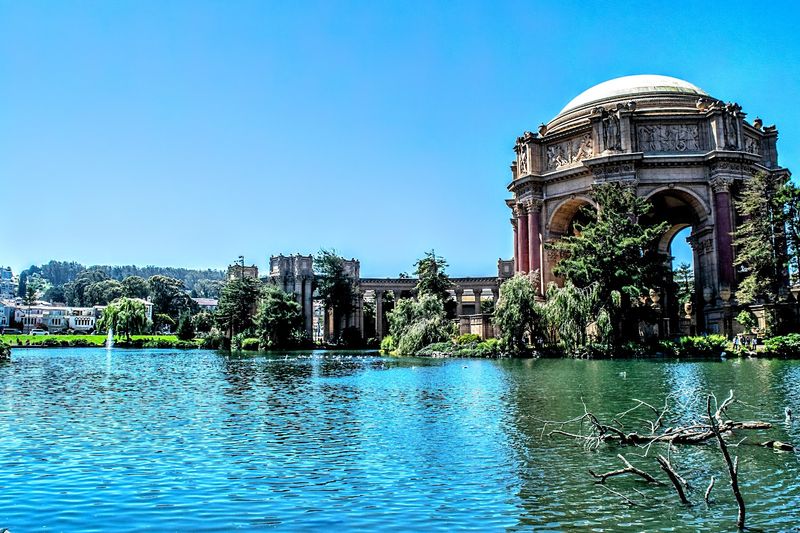
African American soldiers known as Buffalo Soldiers served at the presidio beginning in the 1890s, bringing distinguished military service to this California outpost.
These troops earned their nickname from Native Americans who noted their courage and fighting spirit, comparing them to the revered buffalo.
The soldiers of the 9th and 10th Cavalry regiments and 24th and 25th Infantry regiments performed various duties at the fort, from routine garrison work to protecting newly established national parks in the Sierra Nevada.
The Buffalo Soldiers’ role as early park rangers represents a little-known chapter in both military and conservation history.
Troops stationed at the presidio spent summers patrolling Yosemite and Sequoia national parks, preventing poaching, fighting fires, and building trails.
This service helped establish the precedent for professional park management that eventually led to the creation of the National Park Service.
Today, the presidio honors this legacy through exhibits and interpretive programs that highlight the Buffalo Soldiers’ contributions.
Their story adds depth to understanding the fort’s history, revealing the diverse communities that served here and the complex racial dynamics within the military.
Recognition of their service helps ensure that all who defended the nation receive appropriate acknowledgment.
11. Archaeological Treasures Beneath The Surface
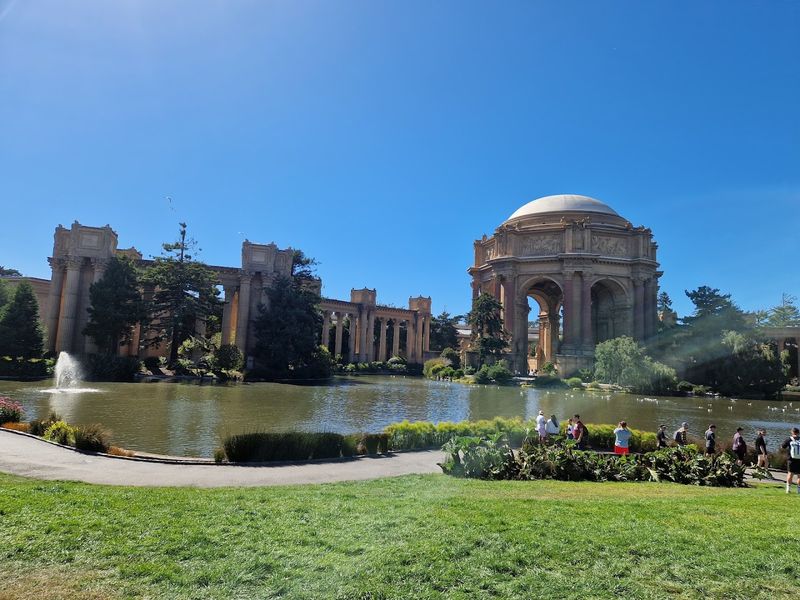
More than 30 archaeological sites within the presidio boundaries preserve evidence of human activity spanning thousands of years.
These locations contain artifacts and features that tell stories reaching back to Ohlone settlements that predated European contact.
Shell mounds, stone tools, and other traces reveal how indigenous peoples used these coastal lands for fishing, gathering, and seasonal camps.
Spanish, Mexican, and American military occupations left their own archaeological signatures, from broken ceramics and metal objects to building foundations and trash dumps.
Each layer of deposits provides clues about daily life at different periods, showing what people ate, how they spent leisure time, and what goods they could obtain through trade networks.
Archaeologists carefully document these finds, adding details that written records often omit. The park’s archaeological program balances research interests with the need to protect sensitive sites from disturbance.
Many locations remain unexcavated, preserved in place for future study using more advanced techniques.
When construction or erosion threatens archaeological resources, specialists conduct salvage excavations to recover information before it disappears.
This ongoing work continues to refine understanding of the presidio’s long and complex human history.
12. Financial Self-Sufficiency Through Smart Management
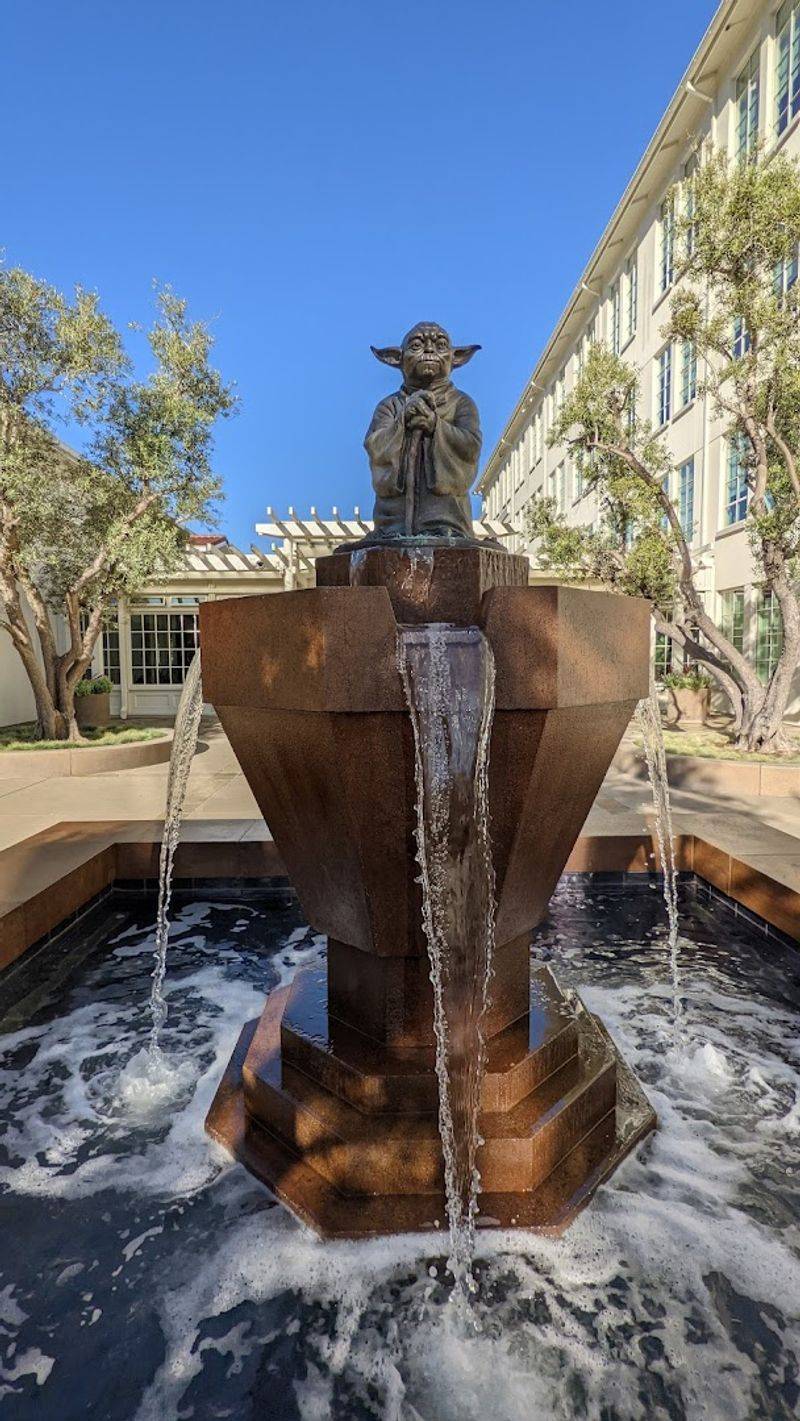
The presidio operates without regular federal appropriations, funding its own maintenance and programs through a mix of leases, events, and other revenue sources.
This financial model required years to develop and implement, as managers worked to identify sustainable income streams that would not compromise the park’s historic character or public access.
Residential and commercial leases provide the largest revenue source, with tenants occupying rehabilitated historic buildings throughout the park.
The trust carefully screens potential tenants to ensure compatibility with the park’s mission and values.
Organizations focused on health, education, environmental conservation, and the arts receive preference, creating a community of residents who contribute to the presidio’s vitality.
This approach generates income while maintaining the site’s unique atmosphere and avoiding purely commercial development that would feel out of place.
Special events, including conferences, weddings, and corporate gatherings, provide additional revenue while allowing more people to experience the presidio’s distinctive settings.
Park managers balance these activities with the need to preserve quiet spaces for contemplation and recreation.
The success of this financial model demonstrates that historic sites can thrive without continuous government funding, offering hope for other parks facing budget pressures and inspiring new approaches to public land management.