Step Into The Land Of Giants At This Incredible Atlanta Georgia Museum That Houses The World’s Largest Dinosaurs
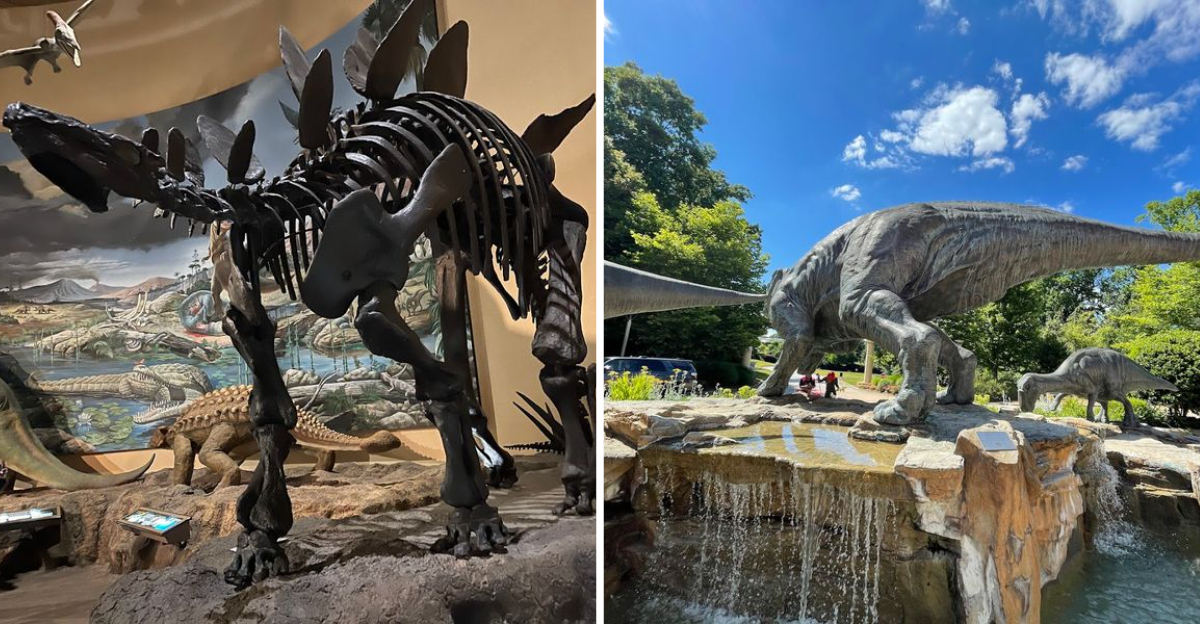
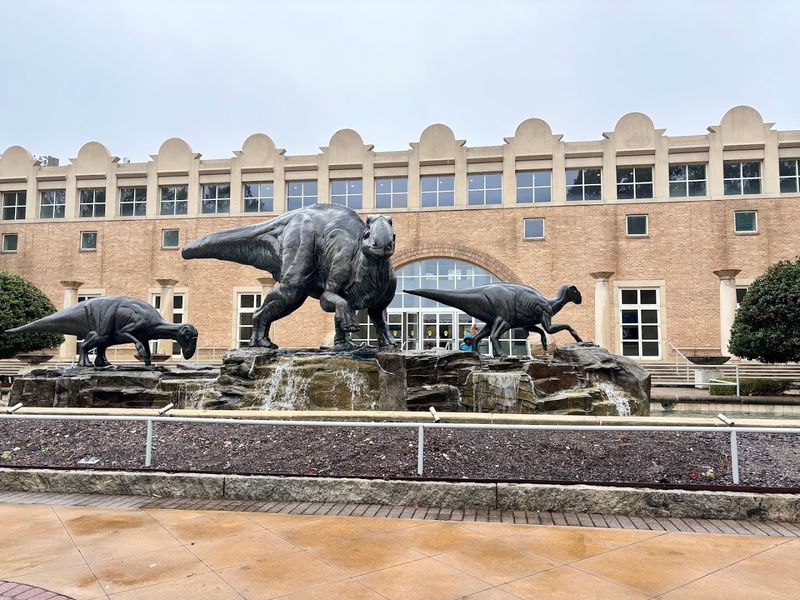
Tucked into one of Atlanta’s most beloved neighborhoods, the Fernbank Museum of Natural History is the kind of place that inspires awe from the very first step inside. Towering dinosaur skeletons rise dramatically overhead, instantly transporting visitors back millions of years. Beneath your feet, glittering fossil embedded floors add another layer of discovery, reminding you that history surrounds you at every turn.
Immersive exhibits explore everything from ancient civilizations to Georgia’s diverse ecosystems, blending education with hands on excitement. Interactive displays invite curiosity, while larger than life installations spark imagination in guests of all ages. Families, science enthusiasts, and casual explorers alike find something captivating within its walls.
Whether you are planning a day with kids or seeking a fascinating afternoon on your own, Fernbank consistently delivers wonder, learning, and unforgettable memories.
1. Giants of the Mesozoic
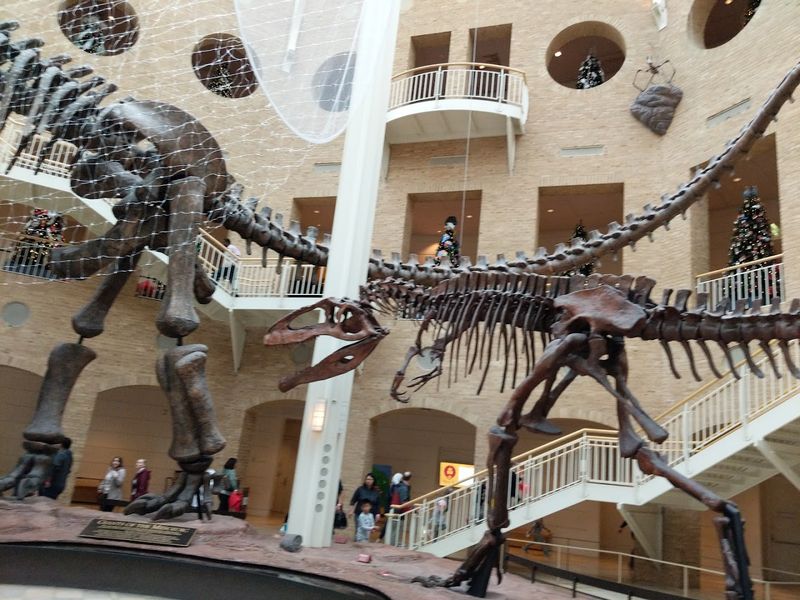
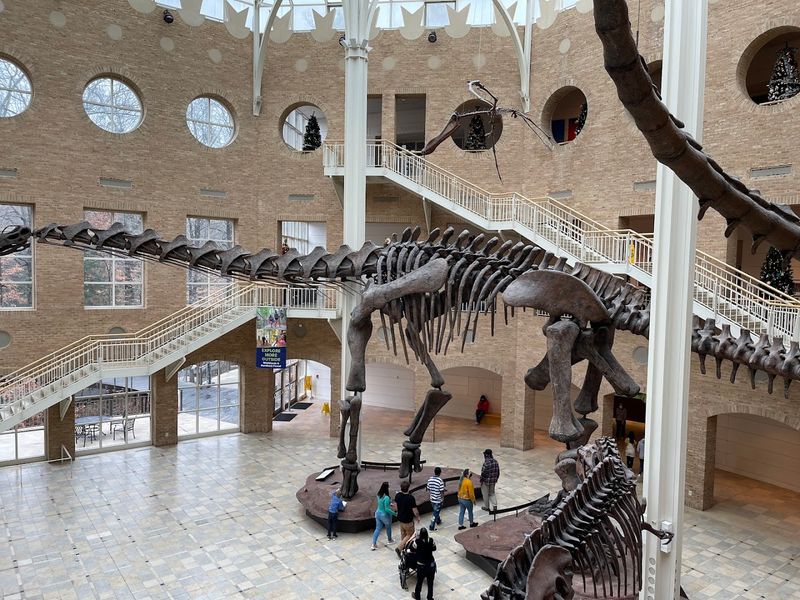
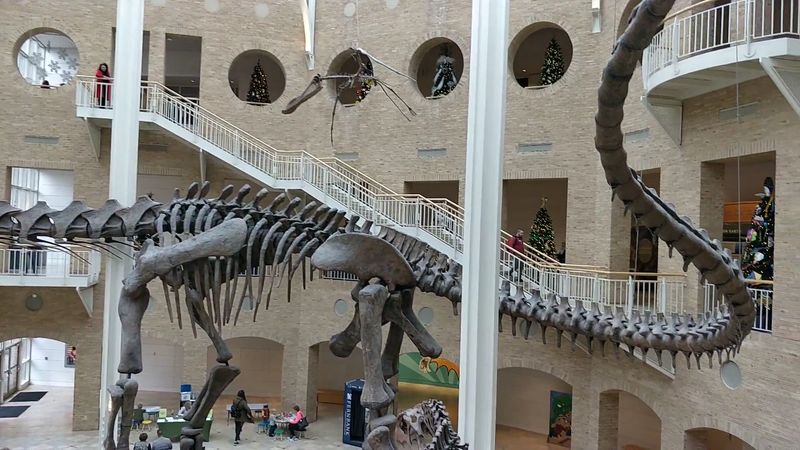
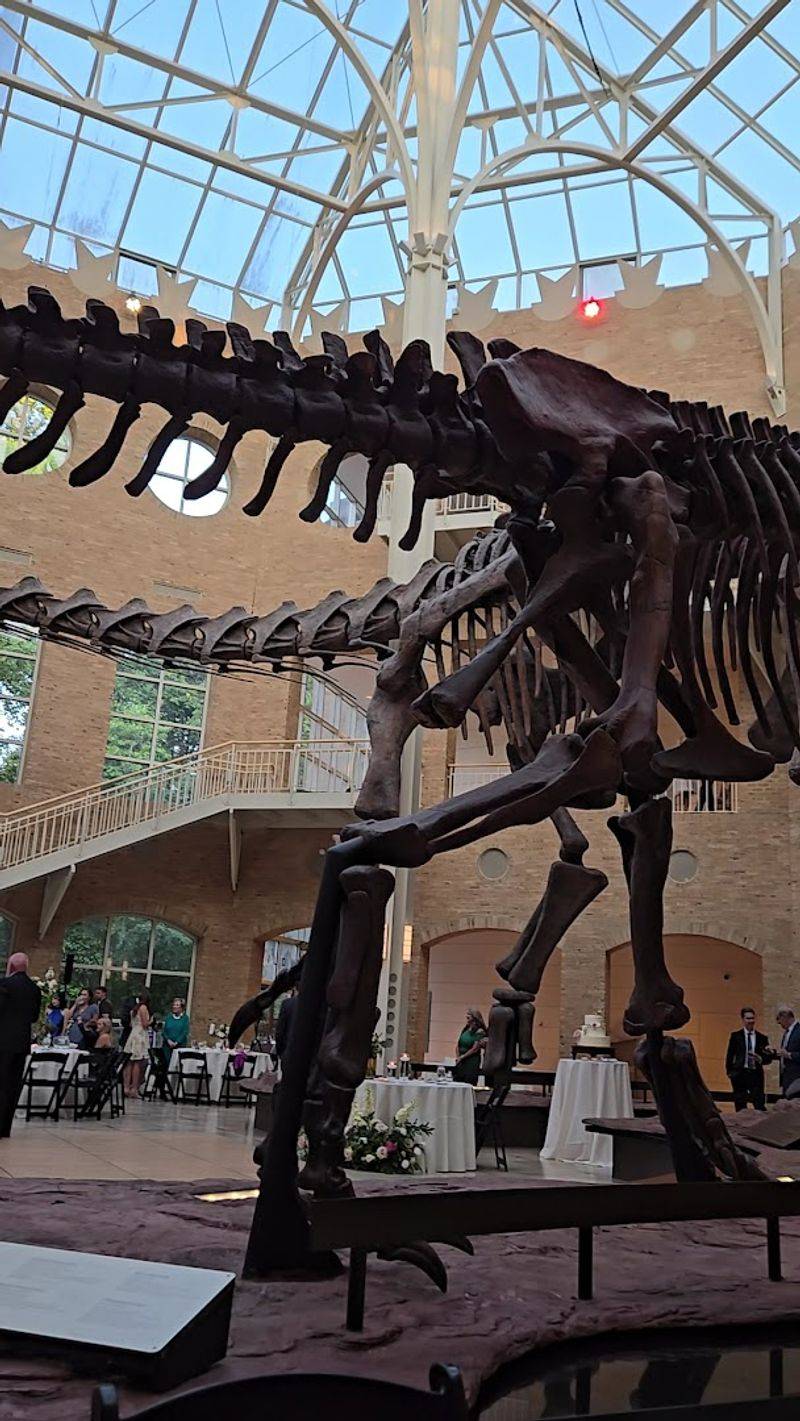
Standing face-to-face with the largest creatures that ever walked the Earth is an experience that simply never gets old. The Fernbank Museum of Natural History, located at 767 Clifton Road NE, Atlanta, GA 30307, is home to life-size replicas of the Argentinosaurus, stretching an almost unbelievable 123 feet, and the fearsome Giganotosaurus at 47 feet long. These are not small display pieces tucked into a corner.
The Great Hall where these giants live is soaring and dramatic, giving the dinosaurs the space they deserve. Visitors of all ages tend to stop and stare, necks craned upward, trying to take in the full scale of these prehistoric animals. Photographs barely do it justice.
Families with younger kids especially love this exhibit because the sheer size makes an immediate impression. It is one of those rare museum moments that genuinely feels larger than life, and that energy is contagious throughout the entire hall.
2. A Walk Through Time in Georgia
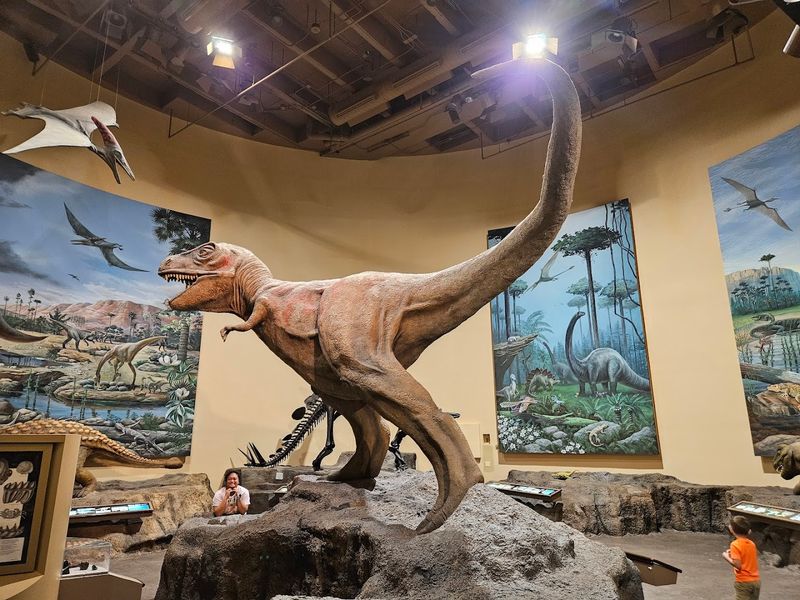
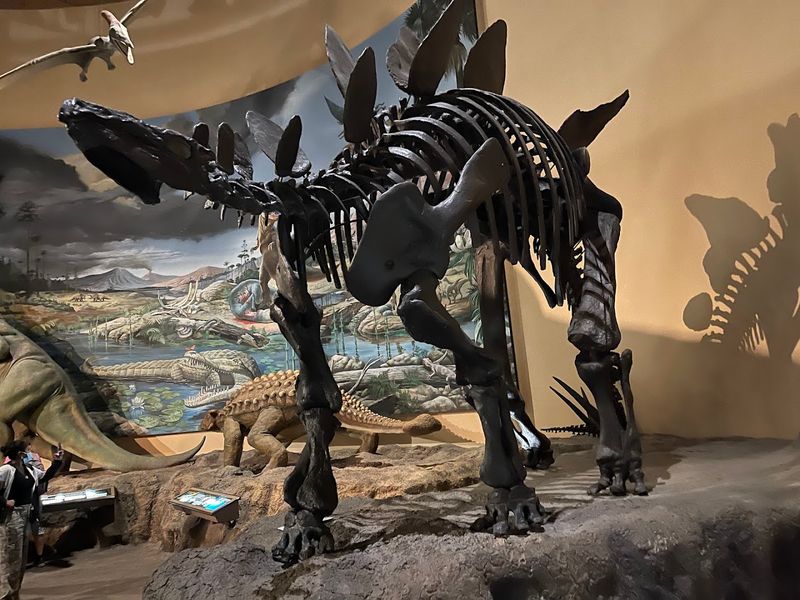
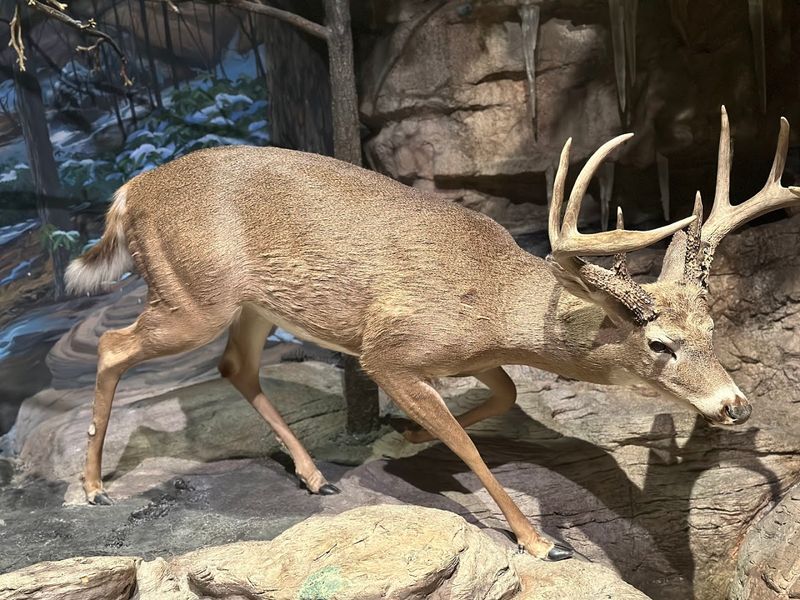
Georgia’s story stretches back millions of years, and this permanent exhibition lays it all out in a way that feels surprisingly personal. The museum traces the state’s geological and ecological evolution from ancient seas to modern forests, connecting visitors to the land they live on in a meaningful way.
The displays move through time with clarity, using fossils, habitat recreations, and informative panels that are easy to follow even for younger visitors. You get a real sense of how dramatically this region has changed over the eons, which makes the natural world outside feel more alive afterward.
One of the quieter highlights of the museum, this exhibit rewards those who slow down and read each panel carefully. It is the kind of educational experience that sticks with you long after you leave, giving everyday Georgia landscapes a whole new layer of meaning and appreciation.
3. Fossil Floors
Most museum floors are just something you walk across without a second thought, but Fernbank flips that expectation completely. The floor beneath your feet is made up of roughly 40,000 limestone tiles, each one containing real fossils from a shallow reef that existed more than 150 million years ago.
Crouching down and spotting the tiny spiral shells and ancient marine impressions pressed into each tile is oddly thrilling. Kids especially love hunting for the best fossil specimens underfoot, turning a simple walk through the museum into a mini treasure hunt. Adults tend to find it just as captivating once someone points it out.
It is a beautiful reminder that natural history is literally everywhere, even below your feet. The fossil floors are one of those quiet, detail-rich features that elevate Fernbank from a good museum to a genuinely thoughtful one worth exploring slowly and with curiosity.
4. Fernbank Forest
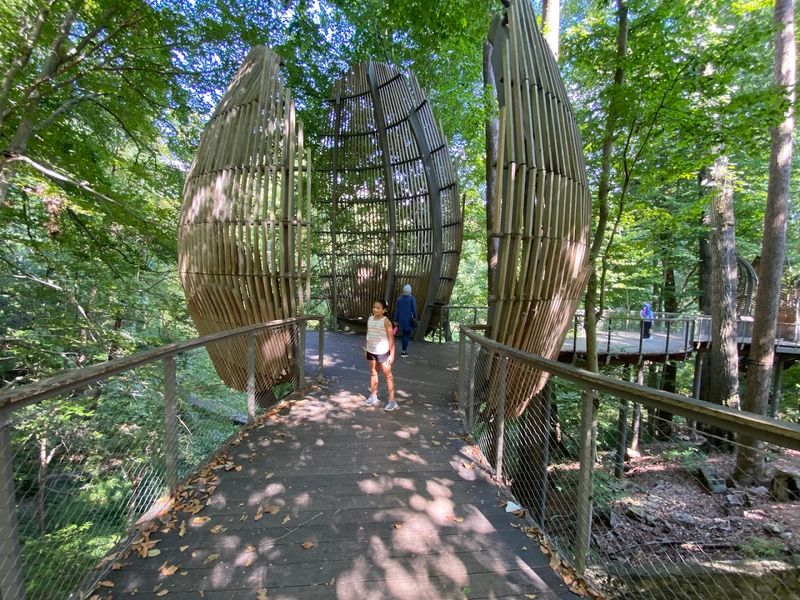
Right alongside one of Atlanta’s busiest cultural institutions, a 65-acre old-growth forest waits quietly for anyone willing to step off the main path. Fernbank Forest, accessible through the museum offers two miles of walking trails winding through one of the oldest and most intact urban forests in the southeastern United States.
The atmosphere inside the forest feels completely removed from city life. Tall hardwoods create a canopy overhead, the air cools noticeably, and the sounds shift from traffic to birdsong and rustling leaves. It is the kind of place that slows your breathing without you even noticing.
Weekday mornings tend to be the most peaceful times to walk the trails. The forest is free to explore with museum admission, making it an easy add-on to a full day at Fernbank. Comfortable walking shoes are recommended since some paths have uneven terrain and gentle slopes throughout.
5. WildWoods
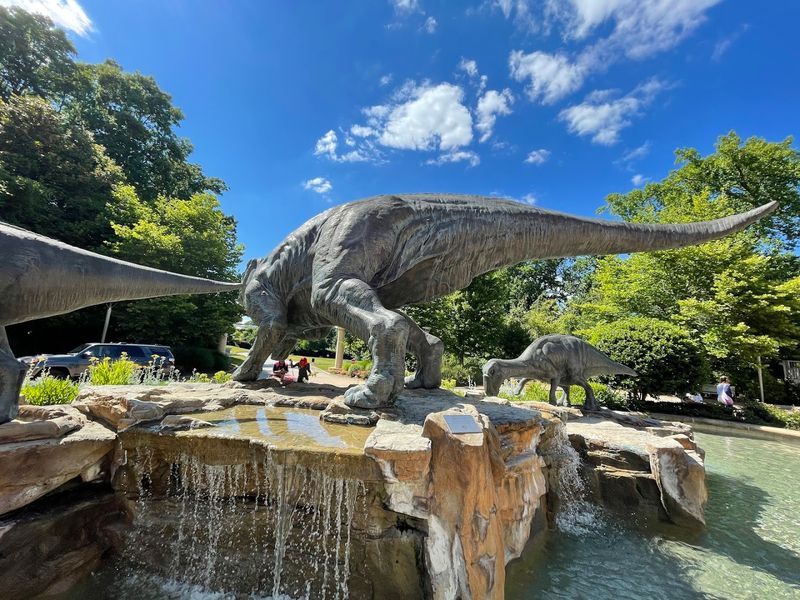
There is something wonderfully freeing about an outdoor exhibit that encourages kids to climb, explore, and get a little muddy in the name of science. WildWoods at the Fernbank Museum of Natural History, is a nature-play space featuring elevated walkways, interactive nature stations, and open areas where children can engage with the natural environment hands-on.
The exhibit is designed with multiple age groups in mind, so younger children and older kids can both find something engaging at their own level. It sits at the edge of the forest, giving the whole experience a genuine outdoor feel rather than a manufactured playground vibe. The elevated walkways offer fun perspectives on the surrounding landscape.
Visiting on a mild weekday gives families more room to roam without crowds. Sunscreen and water are worth bringing along since the outdoor space gets warm in summer months. WildWoods makes a natural energy break between indoor gallery visits.
6. Fernbank NatureQuest
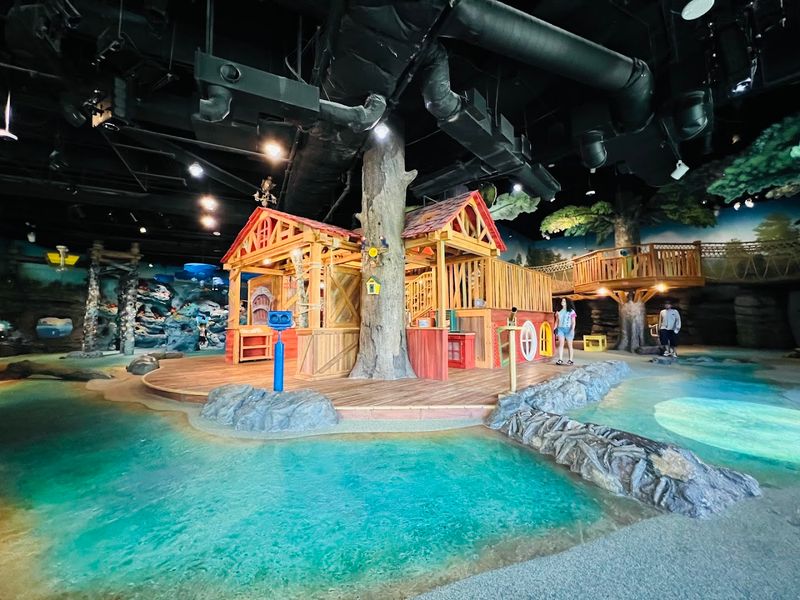
Award-winning is a phrase that gets tossed around a lot, but Fernbank NatureQuest genuinely earns the title. This interactive children’s exhibit features live animal habitats, over 100 hands-on activities, and immersive environments that put kids right inside the natural world rather than just looking at it from a distance.
Young visitors can splash through a simulated stream, crawl through underground tunnels, and observe living creatures up close in carefully designed habitats. The exhibit is built around the idea that children learn best when they are actively doing something, and that philosophy shows in every corner of the space.
Parents appreciate that NatureQuest is genuinely engaging rather than just visually flashy. The activities have educational depth without feeling like homework. Plan to spend at least 45 minutes here because kids tend to cycle back through their favorite stations repeatedly.
It remains one of the most beloved parts of the entire museum experience.
7. Giant Screen Theater
Some films are simply meant to be seen on the biggest screen possible, and Fernbank’s Giant Screen Theater delivers exactly that kind of experience. Located inside the museum at 767 Clifton Road NE, Atlanta, GA 30307, the theater features a massive screen and immersive 3D projection technology that pulls viewers directly into the subject matter, whether that is deep ocean ecosystems, ancient landscapes, or outer space.
The programming rotates throughout the year, covering topics in science, nature, and exploration. Films here tend to run shorter than standard movies, making them a great fit for families with younger children who might struggle with a two-hour feature. The sound system adds another layer of immersion that genuinely elevates the viewing experience.
Tickets for the theater are separate from general museum admission, so it is worth checking the schedule in advance to plan accordingly. Arriving a few minutes early is recommended since seating fills up quickly during weekend visits and school group days.
8. Reflections of Culture
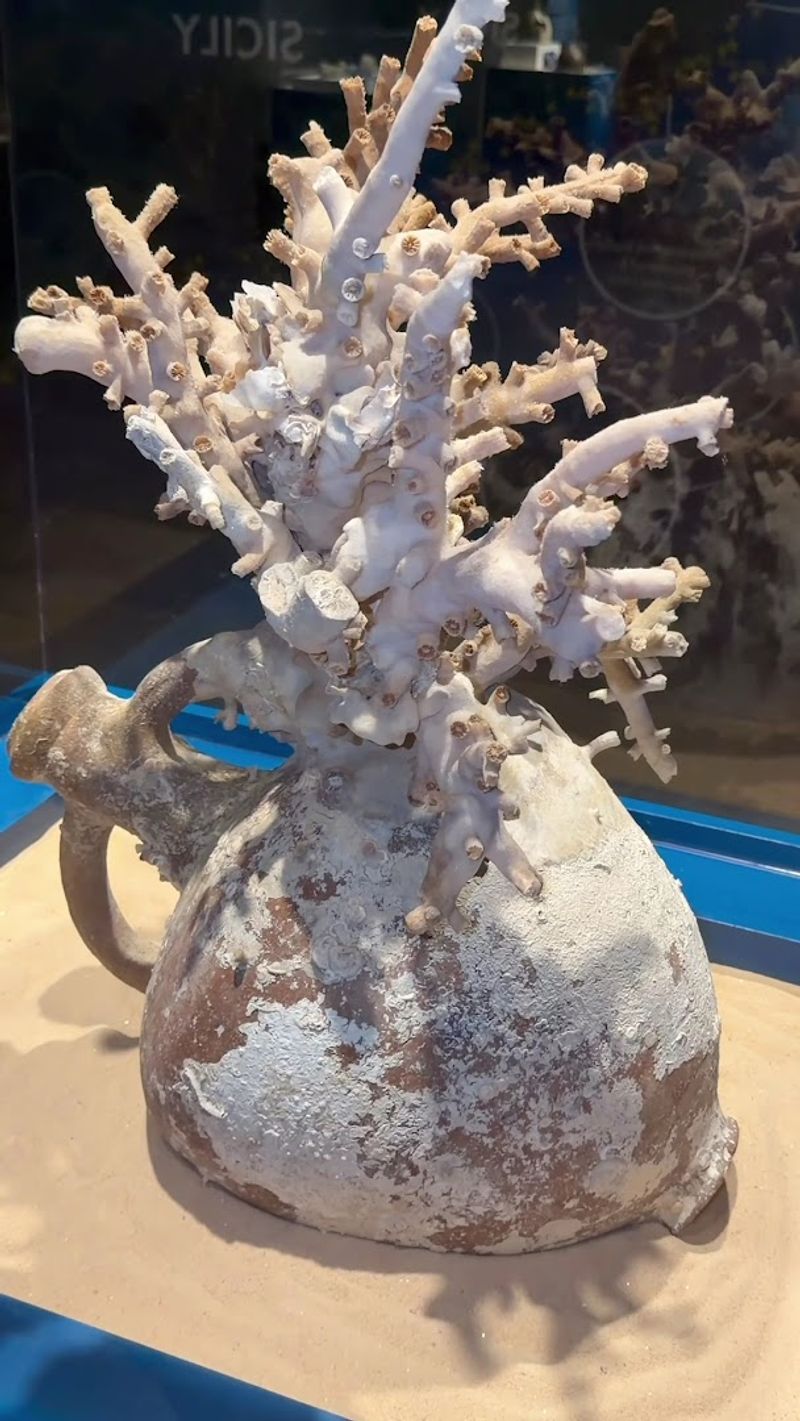
Human beings have always used clothing, jewelry, and body art to tell stories about who they are, and this permanent exhibit makes that universal truth beautifully visible. Reflections of Culture at the Fernbank Museum of Natural History, explores how people across different societies and time periods have communicated identity, status, and belonging through personal adornment.
The collection is visually striking, with objects ranging from elaborate ceremonial garments to delicate handcrafted jewelry from cultures around the world. The exhibit does a thoughtful job of presenting these items with context rather than simply putting them on display as curiosities. Visitors come away with a deeper appreciation for the creativity and meaning embedded in everyday objects.
This is one of those exhibits that sparks real conversation, especially among older kids and teenagers who are already thinking about self-expression and identity. It tends to be quieter than the dinosaur hall, which gives it a more contemplative and unhurried atmosphere worth savoring.
9. Conveyed in Clay
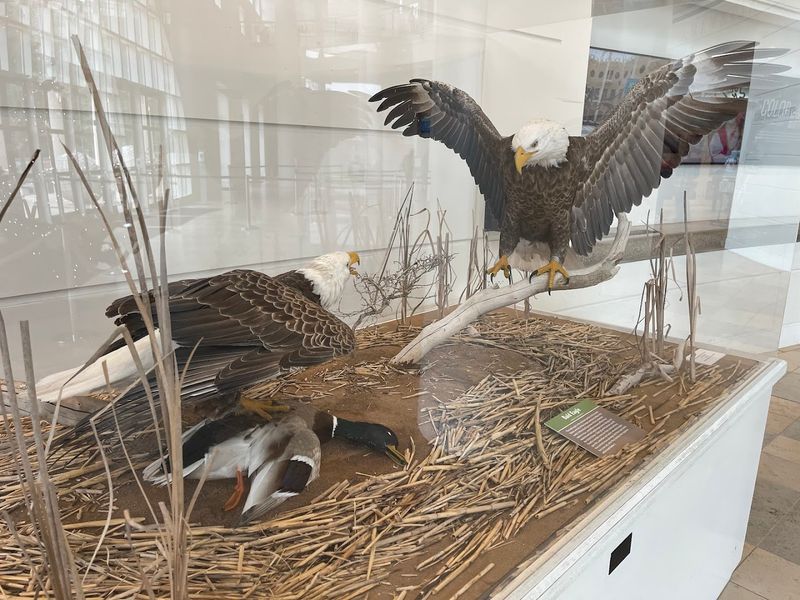
Georgia’s barrier islands hold centuries of layered history, and this exhibit brings a remarkable slice of that story into focus. Conveyed in Clay at the Fernbank Museum of Natural History, presents artifacts and archaeological findings from St. Catherines Island, offering a window into the lives of the people who inhabited that coastal landscape long before European contact.
The pottery and clay objects on display are remarkable both as artistic objects and as historical documents. Each piece carries information about trade, daily life, and cultural practices that written records alone could never fully capture. The exhibit handles this material with care and scholarly depth.
Visitors with an interest in Georgia history or archaeology will find this one of the most rewarding stops in the museum. The exhibit is compact but dense with meaning, making it worth reading every label carefully. It is a quieter corner of Fernbank that often gets overlooked in favor of the bigger galleries.
10. World of Shells
Few natural objects pack as much variety, color, and geometric precision into such a small package as a shell, and this exhibit celebrates that fact with genuine enthusiasm. The World of Shells at Fernbank Museum of Natural History, showcases an extensive collection drawn from oceans and waterways around the globe, highlighting the staggering diversity of mollusks and other shelled creatures.
The display ranges from tiny, jewel-like specimens to massive conch shells that look almost architectural in their construction. Informational panels explain the biology behind shell formation and the ecological roles these creatures play in their environments. It is more fascinating than most people expect walking in.
Shell collectors and nature lovers tend to linger here longer than anywhere else in the museum. The exhibit has a calm, almost meditative quality that contrasts nicely with the high-energy dinosaur hall. It is a reminder that natural wonder does not always require enormous scale to leave a lasting impression.
11. Fantastic Forces
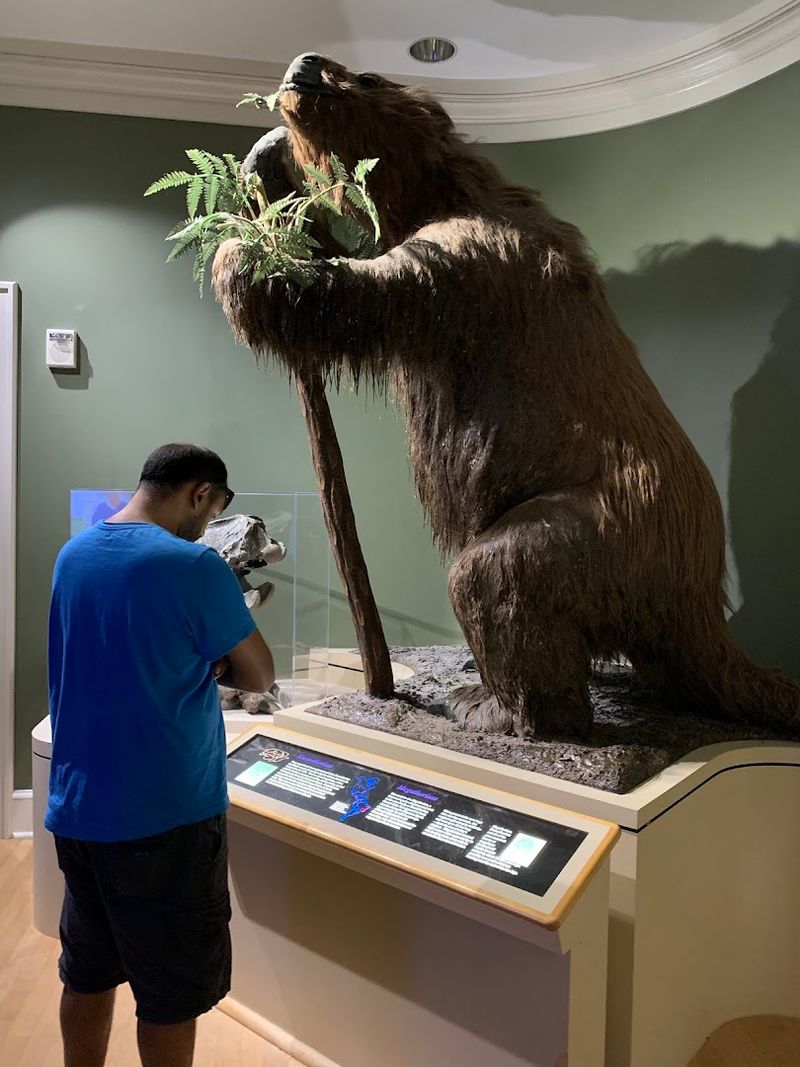
Physics can feel abstract in a classroom, but when you can feel gravity pull a ball down a curved track or watch magnets snap together with surprising force, suddenly everything clicks. Fantastic Forces at the Fernbank Museum of Natural History, is a hands-on exhibit that lets visitors experiment directly with the fundamental forces that shape the natural world.
The interactive stations cover concepts like gravity, magnetism, friction, and momentum in ways that are genuinely accessible to middle schoolers and curious adults alike. Nothing here requires prior science knowledge, just a willingness to push buttons, spin wheels, and try things out. That low barrier to entry keeps the exhibit energetic and fun.
School groups tend to gravitate here naturally, so visiting on a weekend or during off-peak hours gives more space to explore at a comfortable pace. Fantastic Forces is one of those exhibits that makes science feel less like a subject and more like a conversation with the universe.
12. Sky High
The sky has fascinated humans for as long as people have been looking up, and this exhibit channels that timeless curiosity into an engaging, hands-on experience. Sky High at the Fernbank Museum of Natural History, explores the science of flight, weather, and atmospheric phenomena in a way that connects everyday observations to deeper scientific principles.
Visitors can explore how wings generate lift, how weather systems form, and what makes the sky appear blue on a clear day. The explanations are layered well enough that both younger visitors and adults find something new to take away. Interactive elements keep the energy up throughout the exhibit space.
This is a particularly good stop for kids who are already fascinated by planes, storms, or space. The exhibit does a solid job of connecting flight science to broader concepts in physics and earth science without feeling overwhelming. It tends to pair well with a visit to the Giant Screen Theater for a full science-themed afternoon at Fernbank.
13. Star Gallery
There is something quietly humbling about standing beneath a full projection of the night sky and realizing just how vast the universe actually is. The Star Gallery at Fernbank Museum of Natural History, features a 70-foot-diameter projection dome that recreates the celestial sphere with impressive visual clarity and atmospheric detail.
The dome experience gives visitors the sensation of lying beneath an open sky, even in the middle of a busy Atlanta afternoon. Programming in the Star Gallery can vary, so checking the museum schedule before visiting is a good idea to catch a live presentation or guided stargazing session if available.
Astronomy enthusiasts and casual visitors alike tend to find this one of the most memorable spaces in the entire museum. The scale of the dome creates a sense of wonder that is hard to replicate anywhere else in the city. Evening visits during special events make the Star Gallery feel especially atmospheric and worth the trip.
14. STEAM Lab
Blending science, technology, engineering, arts, and mathematics into one creative space sounds ambitious, but the STEAM Lab at Fernbank pulls it off with real energy. The lab offers rotating hands-on activities that change regularly, giving repeat visitors a fresh reason to come back and try something new each time.
Past activities have included building challenges, art projects rooted in natural science, coding exercises, and experiments that connect directly to the museum’s larger exhibits. The lab is staffed by educators who guide participants through each activity without making it feel like a structured class. That balance between guidance and freedom keeps the experience enjoyable rather than pressured.
Families with kids between ages 6 and 14 tend to get the most out of the STEAM Lab, though the activities are often engaging enough for adults too. Checking the museum website before visiting gives a heads-up on what activities are scheduled, which helps with planning a visit around specific interests.
15. Special Events and Fernbank After Dark
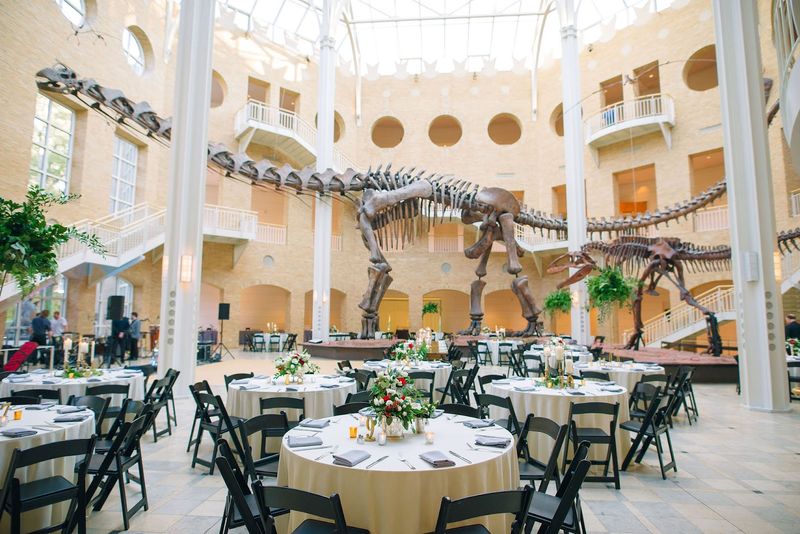
Once a month, Fernbank transforms into something a little unexpected after the regular crowds have gone home. Fernbank After Dark events are adults-only evenings featuring live music, craft beer, themed activities, and full access to the museum’s galleries in a noticeably more relaxed and social atmosphere.
The events are themed around rotating topics that tie into the museum’s collections or current exhibitions, making each one feel distinct rather than repetitive. Local food vendors and pop-up bars add to the festive feel, and the backdrop of giant dinosaur skeletons under evening lighting creates an atmosphere that is genuinely hard to find anywhere else in Atlanta.
Tickets for Fernbank After Dark typically sell out ahead of time, so booking in advance is strongly recommended. The events draw a mixed crowd of science enthusiasts, date-night couples, and groups of friends looking for something more original than the usual night out. It is one of Atlanta’s more creatively fun evening options.