Make This Spring Break Magical At A Hands-On North Carolina Museum For Kids In Raleigh
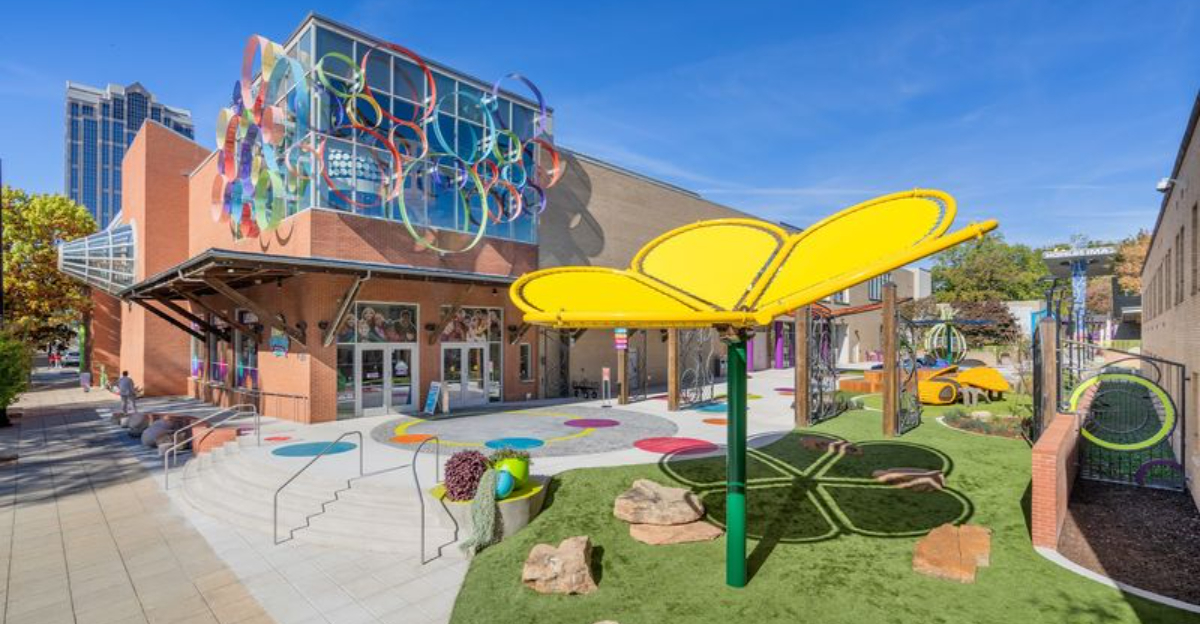
Spring break transforms into something extraordinary when kids step into a world where learning feels like pure play and every corner holds a new discovery. Marbles Kids Museum delivers exactly that kind of magic with exhibits that spark curiosity and hands-on activities that keep children engaged for hours.
Young visitors can pretend to be firefighters one moment and create water currents the next while parents watch their faces light up with genuine excitement. This is hands-on learning at its finest in North Carolina.
The museum sits right in downtown Raleigh at 201 E Hargett St, Raleigh, making it easy to reach whether families are local or visiting from out of town. With everything from toddler-specific zones to STEAM challenges that older kids love, the space offers something meaningful for every age group.
The combination of educational value and pure fun makes this destination worth planning an entire day around, especially when school schedules open up and families need quality time together that goes beyond screens and routines.
1. Around Town Brings Community Roles To Life
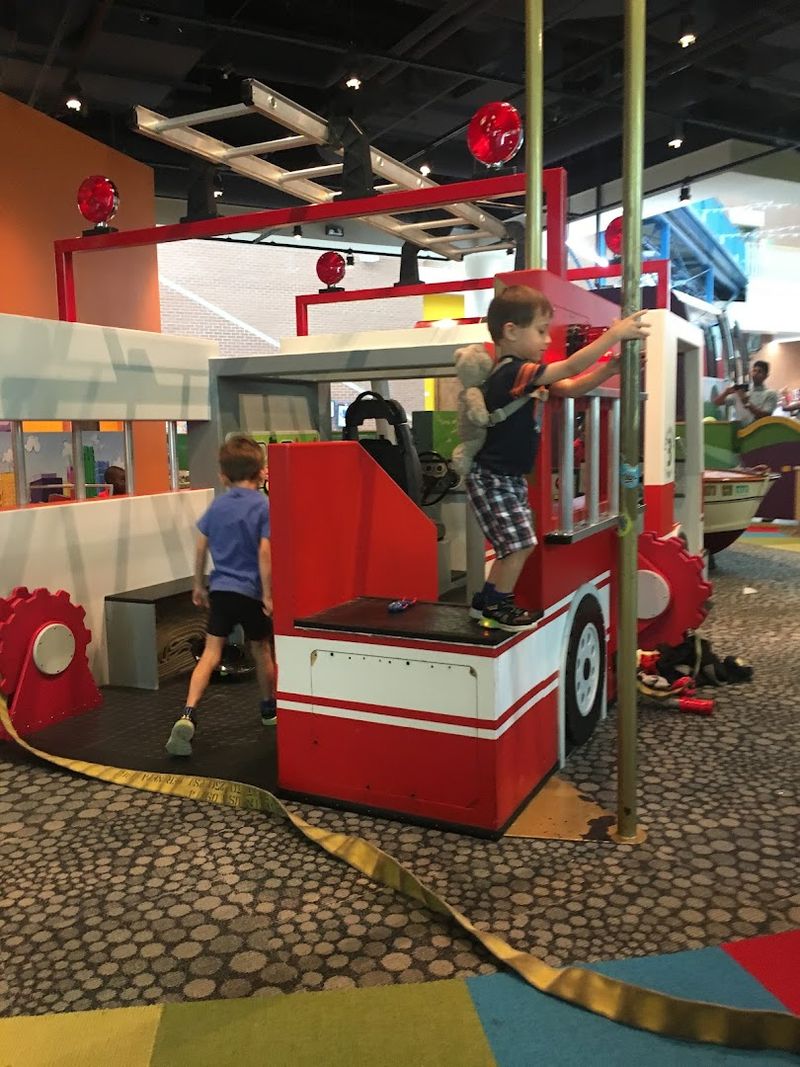
Children step into adult roles without any of the actual responsibility, which makes Around Town one of the most popular spots in the entire museum. The miniature city layout includes a fire station, restaurant kitchen, veterinary clinic, and grocery store, all scaled down to kid-friendly proportions.
Young visitors can try on uniforms, handle pretend equipment, and work alongside their friends in scenarios that mirror real community jobs.
The exhibit does more than entertain. Kids develop social skills as they negotiate roles, take turns, and collaborate on imaginary tasks that require communication.
Parents often notice their children mimicking conversations they’ve overheard at actual stores or doctor’s offices, which shows how much kids absorb from everyday experiences.
The spaces are detailed enough to feel authentic without becoming overwhelming. Fire hats actually fit, stethoscopes hang at the right height, and shopping carts roll smoothly across the floor.
This attention to function helps children stay immersed in their play for extended periods, giving caregivers a chance to observe without constantly redirecting attention.
2. Splash Exhibit Makes Water Play Educational
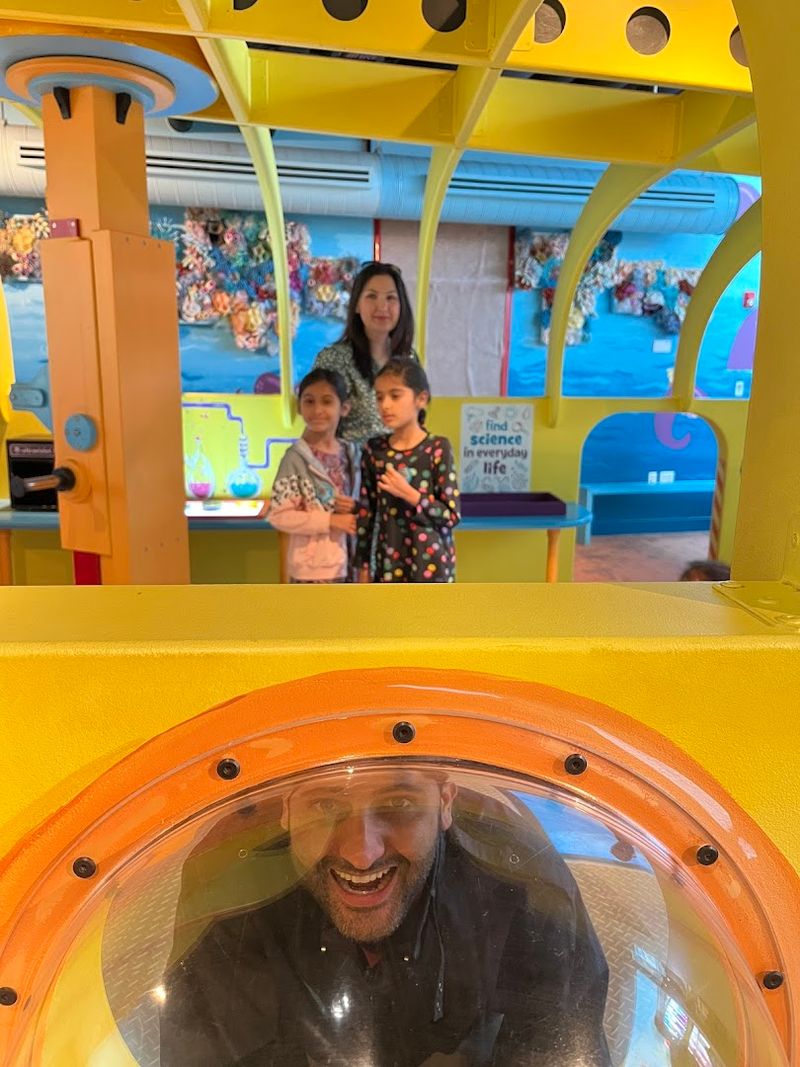
Water flows, splashes, and moves in ways that fascinate children naturally, and the Splash exhibit harnesses that curiosity into learning opportunities. Kids can construct boats from various materials and test which designs float best, then send them through currents they control with dams and gates.
The area includes stations where children can make it rain by pumping water overhead, watching gravity and pressure work together in real time.
Aprons and towels are available because getting wet is part of the experience. The museum expects splashes and has designed the space with drainage and quick-drying surfaces that keep things safe.
Parents should dress kids in clothes that can handle moisture or bring a change of outfit if they plan to spend significant time here.
The exhibit teaches physics concepts without requiring any formal instruction. Children naturally experiment with volume, flow rate, and buoyancy as they play, building intuitive understanding that will support science learning later.
The hands-on approach makes abstract concepts tangible in ways that worksheets never could.
3. imagiFAB Combines Creativity With STEAM Skills
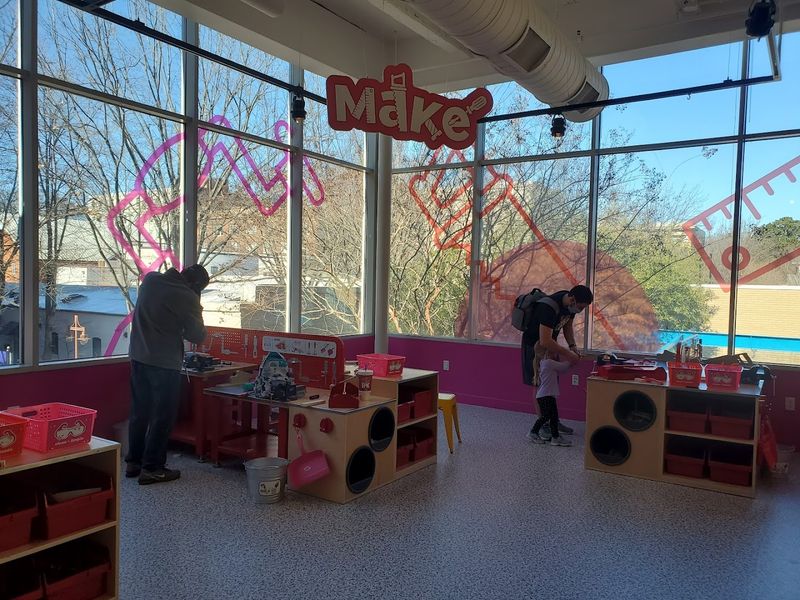
The imagiFAB space represents a shift toward maker culture that encourages children to build, tinker, and problem-solve with real materials. Woodworking stations feature kid-safe tools that actually cut and shape wood, giving young builders a sense of accomplishment when they complete projects.
Simple animation stations let kids create moving pictures frame by frame, teaching patience and planning alongside artistic expression.
Tinkering tables are scattered throughout the area with circuits, magnets, and various building components that invite experimentation. Children can connect batteries to lights, test magnetic strength, and figure out cause-and-effect relationships through trial and error.
The open-ended nature of these activities means there’s no single right answer, which reduces frustration and encourages persistence.
Staff members circulate through imagiFAB to offer guidance without taking over projects. They ask questions that prompt deeper thinking rather than simply providing solutions.
This approach helps children develop confidence in their own problem-solving abilities while still having support available when they hit genuine roadblocks.
4. Power2Play Gets Bodies Moving Through Sports
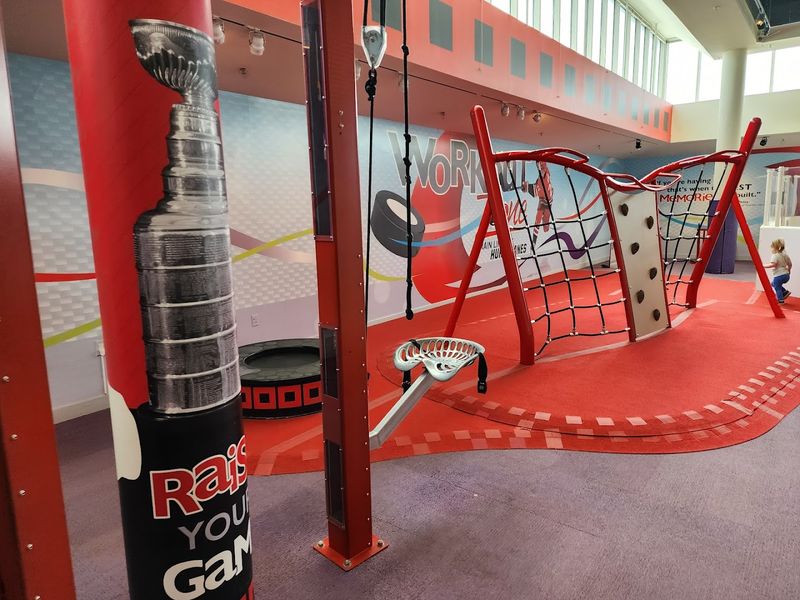
Active play takes center stage in Power2Play, where climbing walls, basketball hoops, and obstacle courses invite children to test their physical abilities. The space is designed to promote gross motor development through activities that feel like games rather than exercise.
Kids can challenge themselves at their own pace without competing against others, which keeps the atmosphere supportive rather than stressful.
Various sports equipment is available for free play, allowing children to try activities they might not encounter elsewhere. The setup encourages movement variety rather than specialization, exposing kids to different ways of using their bodies.
Padded surfaces and age-appropriate equipment heights make the area safe for younger children while still offering enough challenge for older kids.
The exhibit connects physical activity to overall health in subtle ways. Graphics and interactive displays explain how exercise affects the body, but the main focus remains on fun.
Children who spend time here often leave energized rather than exhausted, having found activities they genuinely enjoy rather than movements they feel obligated to perform.
5. Moneypalooza Introduces Financial Concepts Early
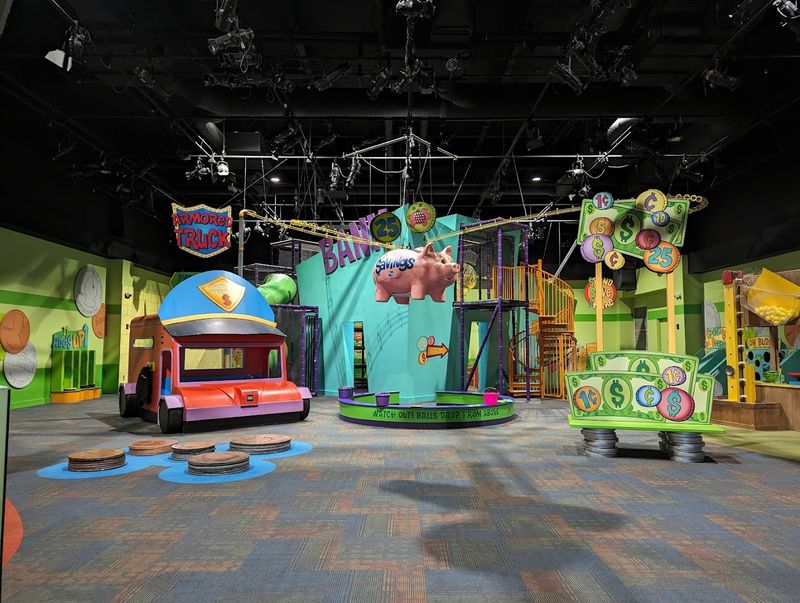
Financial literacy starts young at Moneypalooza, where children engage with money concepts through simulated banking and shopping experiences. A pretend bank allows kids to make deposits and withdrawals while learning that money can be saved as well as spent.
The earn-and-spend marketplace gives children opportunities to make choices about purchases, experiencing the satisfaction of buying something they’ve worked toward.
Decision-making games present scenarios about saving versus spending that help children understand trade-offs. The exhibit avoids lecturing about money management, instead letting kids discover consequences through play.
When they spend all their pretend money immediately, they can’t buy the item they wanted later, which teaches delayed gratification more effectively than any explanation could.
The activities are simplified enough for young children to grasp while still introducing vocabulary and concepts they’ll encounter throughout life. Terms like budget, deposit, and interest become familiar through repeated exposure in context.
Parents often find that conversations about money at home become easier after children have had these hands-on experiences.
6. Art Loft Provides Space For Creative Expression
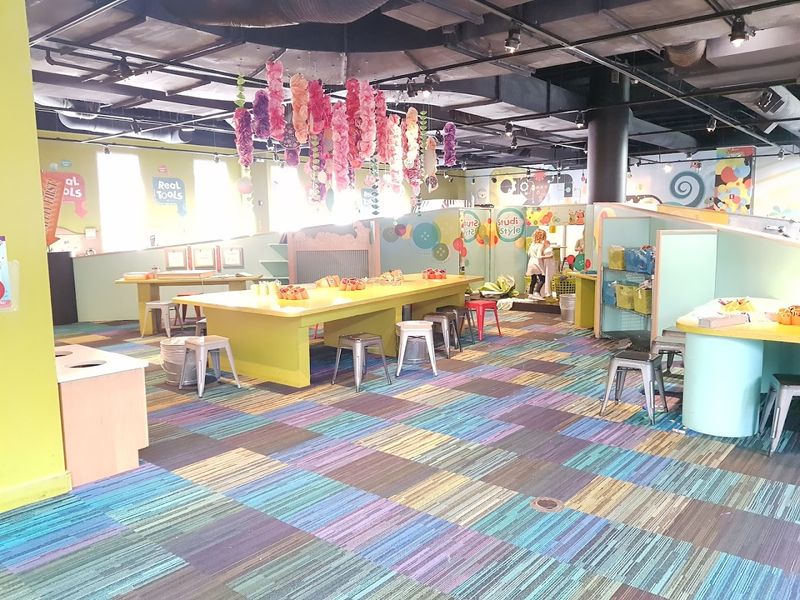
The Art Loft offers a calmer atmosphere compared to some of the museum’s more active areas, giving children space to focus on artistic projects. Painting, clay modeling, sculpture, printmaking, and collage activities are all available, with supplies refreshed regularly to keep options interesting.
The studio setup encourages children to take their time rather than rush through projects, which supports deeper engagement with creative processes.
Different media appeal to different children, and the variety here means most kids find something that resonates. Some gravitate toward the tactile satisfaction of working with clay, while others prefer the immediate visual feedback of painting.
The freedom to move between activities without completing every project reduces pressure and allows for genuine exploration.
Finished artwork can sometimes be taken home, though space and material constraints mean not every creation leaves the museum. The experience itself holds value regardless of whether children have a physical product to show for their time.
Parents notice that kids often talk about their artistic choices and discoveries long after the visit ends, which suggests the learning extends beyond the moment.
7. Kid Grid Explores Energy And Power Systems
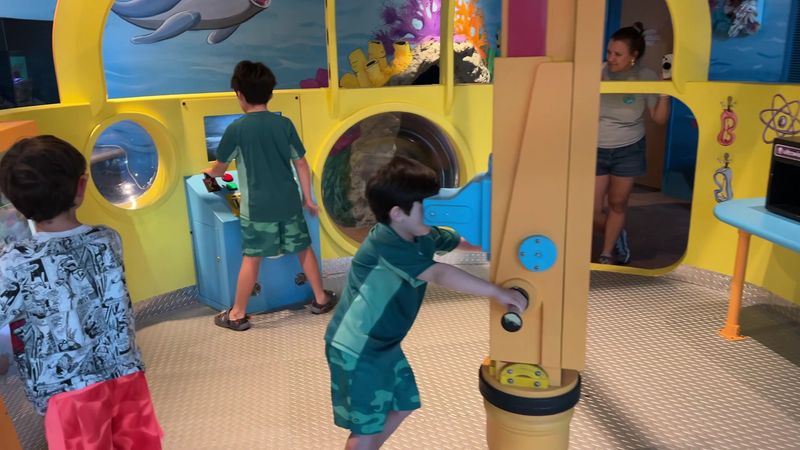
Electricity and energy become tangible concepts in Kid Grid, where children build circuits using oversized components that make connections visible and understandable. Wires, switches, batteries, and lights are all scaled up so that even young children can manipulate them successfully.
The immediate feedback when a light turns on, or a motor starts running, reinforces cause-and-effect understanding in ways that feel rewarding rather than academic.
Solar and wind energy displays introduce sustainable power sources through interactive demonstrations. Kids can position solar panels to catch light or adjust wind turbines to generate electricity, seeing how renewable energy works in simplified form.
These activities plant seeds for environmental awareness without becoming preachy or overwhelming.
Pulleys, gears, and light-based puzzles add mechanical elements to the technological focus. Children experiment with leverage, force, and motion while solving challenges that require both thinking and physical manipulation.
The combination of digital and mechanical elements gives a broader view of how power and energy shape the modern world in multiple ways.
8. BB&T Toddler’s Hollow Serves Youngest Visitors
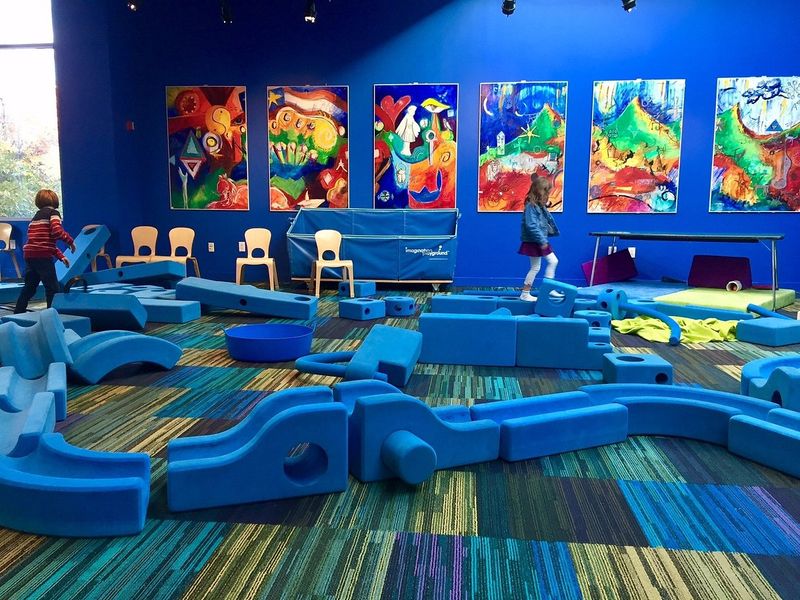
Parents of very young children appreciate having a dedicated space where their toddlers can explore without being overwhelmed by older, faster-moving kids. BB&T Toddler’s Hollow is designed specifically for children under three, with soft climbing structures that support emerging physical skills.
Sensory toys, mirrors, and age-appropriate books fill the area, offering activities that match developmental stages without frustration.
Quiet spaces for infants give the youngest visitors places to rest or observe without constant stimulation. The secure setup means parents can relax somewhat, knowing their child won’t wander into areas meant for older kids.
The age restriction helps maintain a gentler pace that works better for toddlers who need more time to process and engage.
Simple puzzles and manipulative toys encourage fine motor development and problem-solving at appropriate levels. The space acknowledges that toddlers learn differently from preschoolers or school-age children, providing experiences that respect those differences.
Many families with multiple children find this area especially valuable because it gives their youngest member a chance to play confidently while older siblings explore elsewhere.
9. IMAX Theater Delivers Giant Screen Experiences
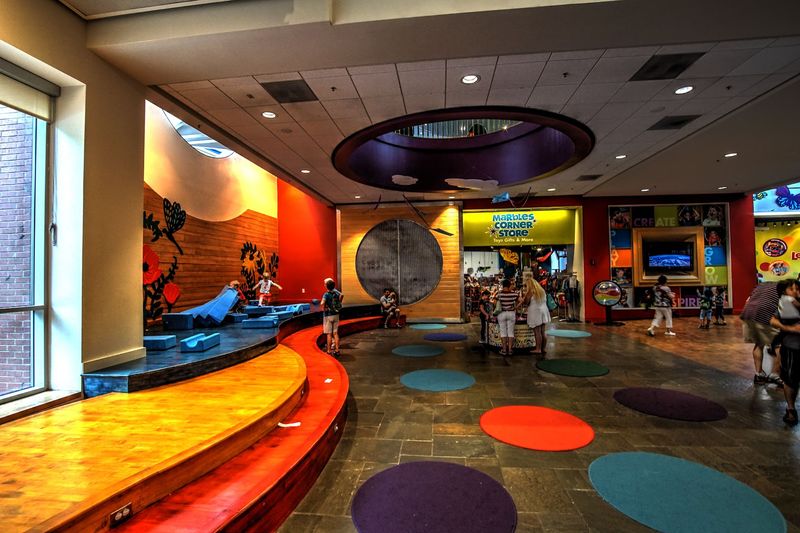
The IMAX theater adds a different dimension to the museum visit with its giant screen and 3D capabilities. Educational documentaries about nature and science dominate the programming, though popular children’s films also make appearances.
The scale of the screen creates immersive experiences that hold children’s attention differently than standard movie theaters, making the content feel more immediate and engaging.
Special events and seasonal programming keep the theater offerings fresh for repeat visitors. Showtimes are scheduled throughout the day, allowing families to plan their visit around a screening or add a movie to their museum experience if time permits.
Tickets for IMAX shows typically require a separate purchase beyond museum admission, so budget planning should account for this additional cost.
The theater provides a natural break point during a museum visit when children need to sit and reset before continuing with hands-on activities. The combination of education and entertainment in a comfortable setting makes it more than just a movie experience.
Families often find that the films spark conversations and questions that extend the learning beyond the theater.
10. Garden Exhibit Connects Children With Growing Things
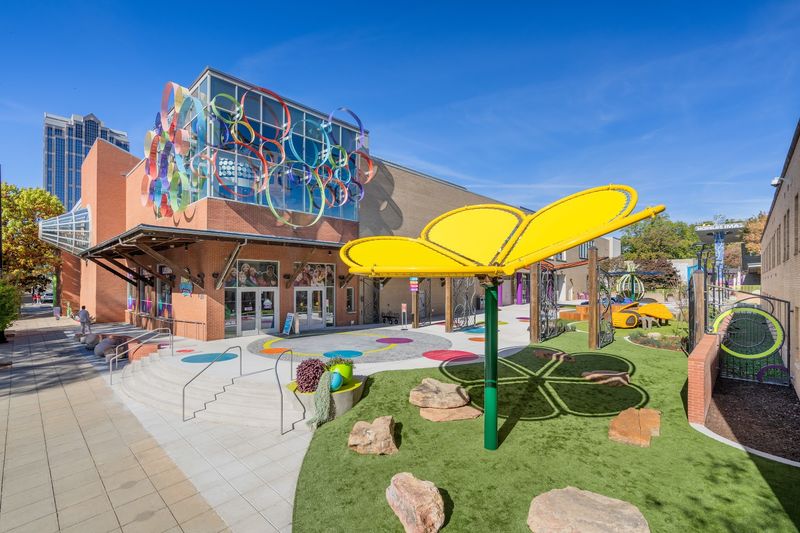
Growing food and flowers becomes accessible to city kids through the Garden exhibit, where children can plant seeds, water plants, and observe growth cycles up close. The indoor setup means that the weather never interferes with gardening activities, and the controlled environment allows for consistent care that produces visible results.
Kids develop an appreciation for where food comes from and the work involved in cultivation.
Hands-on gardening tools are sized for children and safe to use without constant adult supervision. The exhibit teaches responsibility as children learn that plants need regular care to thrive.
The connection between actions and outcomes becomes clear when the seeds they’ve planted begin to sprout and grow over time.
The garden space at 201 E Hargett St, Raleigh, also introduces basic botany concepts through observation rather than formal instruction. Children notice differences between plant types, see roots developing, and understand that living things need specific conditions to survive.
The slower pace of plant growth teaches patience in a culture that often emphasizes immediate results, offering a valuable counterbalance to faster-paced activities elsewhere in the museum.
11. Ready Set Vet Lets Kids Practice Animal Care
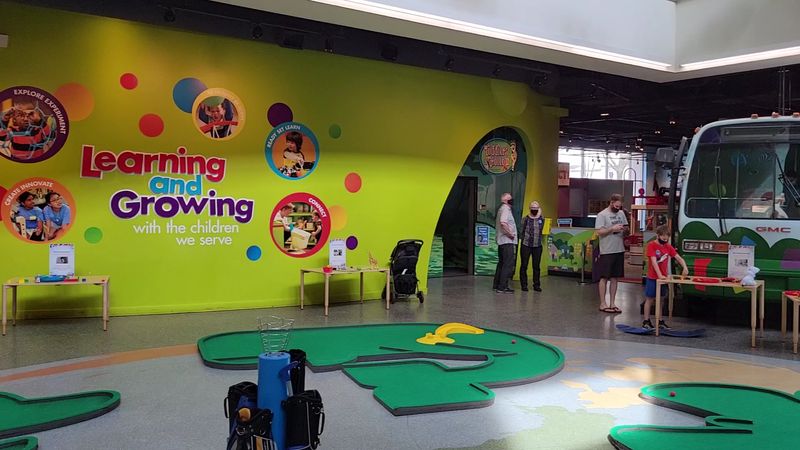
Animal lovers find their element in Ready Set Vet, a partnership with NC State College of Veterinary Medicine that brings veterinary care to life through pretend play. Children take on the role of veterinarians, examining stuffed animal patients and diagnosing imaginary ailments.
The setup includes medical equipment adapted for young hands and scenarios that teach compassion alongside clinical skills.
The exhibit normalizes veterinary visits for children who might be anxious about taking their own pets to the doctor. By playing the caregiver role, kids gain an understanding of what happens during animal checkups and why certain procedures are necessary.
This role reversal often reduces fear and builds empathy for both animals and the professionals who care for them.
The partnership with a real veterinary college adds authenticity that children sense even if they don’t fully understand the connection. The space is designed with input from actual veterinarians, which shows in the accuracy of the setup and the types of scenarios presented.
Kids leave with increased awareness of animal welfare and sometimes with sparked interest in veterinary careers.
12. TreeTunes Blends Nature With Musical Discovery
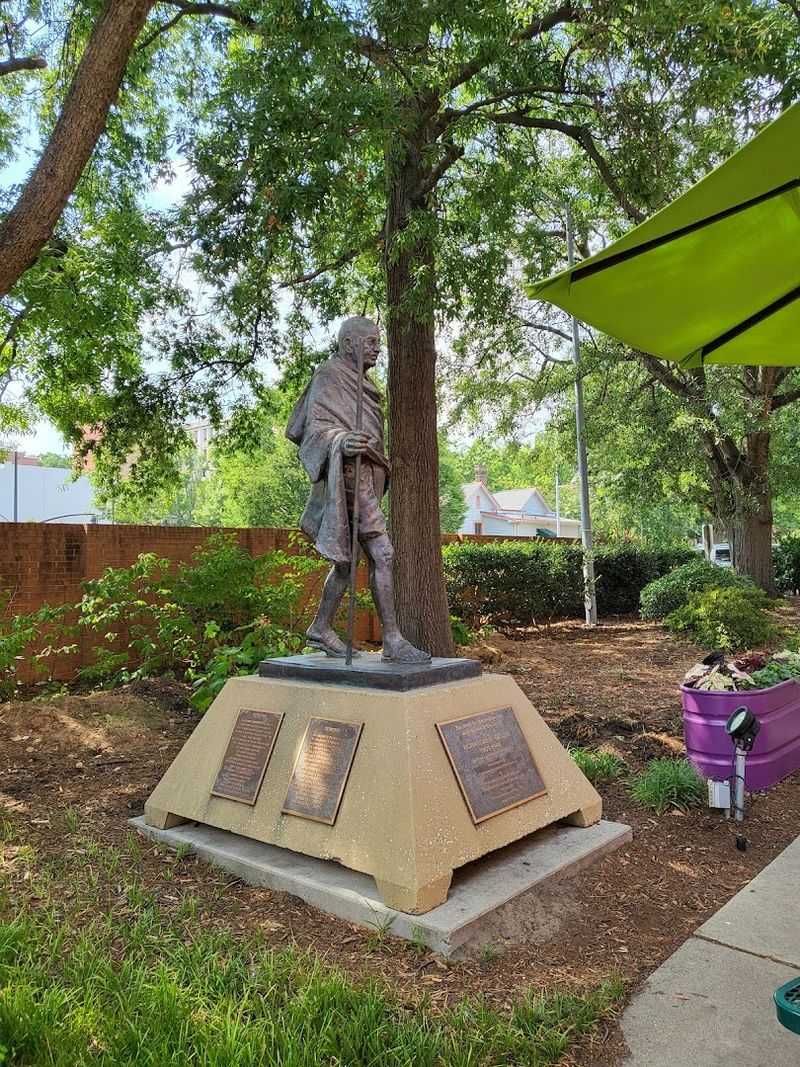
Musical exploration takes on an outdoor theme in TreeTunes, where percussion instruments like xylophones, bells, and chimes invite children to create sounds and experiment with rhythm. The nature-inspired setting connects music to the environment in ways that feel organic rather than forced.
Kids can play instruments individually or collaborate with others to create layered soundscapes that teach listening skills alongside music fundamentals.
The exhibit introduces concepts like melody, harmony, and rhythm through play rather than formal instruction. Children naturally experiment with tempo and volume, discovering what sounds pleasing and what creates discord.
The freedom to make noise without correction or judgment encourages musical confidence that structured lessons sometimes inhibit.
Different instruments offer varied sensory experiences, from the bright tones of bells to the mellow sounds of wooden xylophones. Children develop preferences and begin to understand that music involves choices about tone, timing, and intensity.
The combination of auditory and physical engagement makes TreeTunes memorable for kids who might not otherwise consider themselves musical.
13. Hit The Trail Brings Outdoor Adventures Inside
Outdoor recreation becomes accessible year-round through Hit The Trail, where children can pretend to camp, kayak, and interact with woodland creatures without leaving the museum. The exhibit includes camping gear that kids can set up and use, teaching basic outdoor skills in a controlled environment.
Playing kayaks and other equipment introduces activities that some families might not otherwise have opportunities to try.
The nature focus encourages environmental awareness and appreciation for outdoor spaces. Children learn about woodland creatures through care-taking scenarios that emphasize respect for wildlife.
The exhibit balances fun with education, making conservation concepts accessible to young minds without overwhelming them with environmental problems they can’t yet solve.
The indoor setting removes barriers that sometimes prevent families from accessing outdoor recreation, such as weather, distance, or lack of equipment. Children who might never go camping or kayaking in real life can still experience elements of these activities and decide whether they want to pursue them further.
The exhibit serves as an introduction that could spark lifelong interests in nature and outdoor adventure.