These Restored Vintage Beauties Make Miles Through Time Automotive Museum Georgia A 2026 Highlight
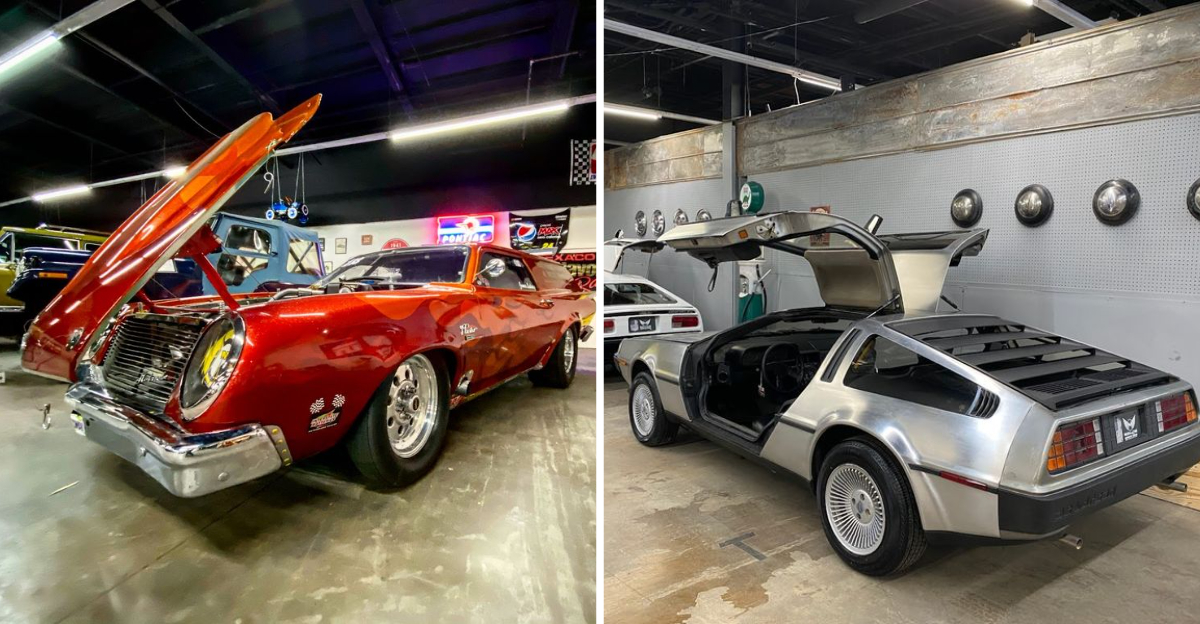
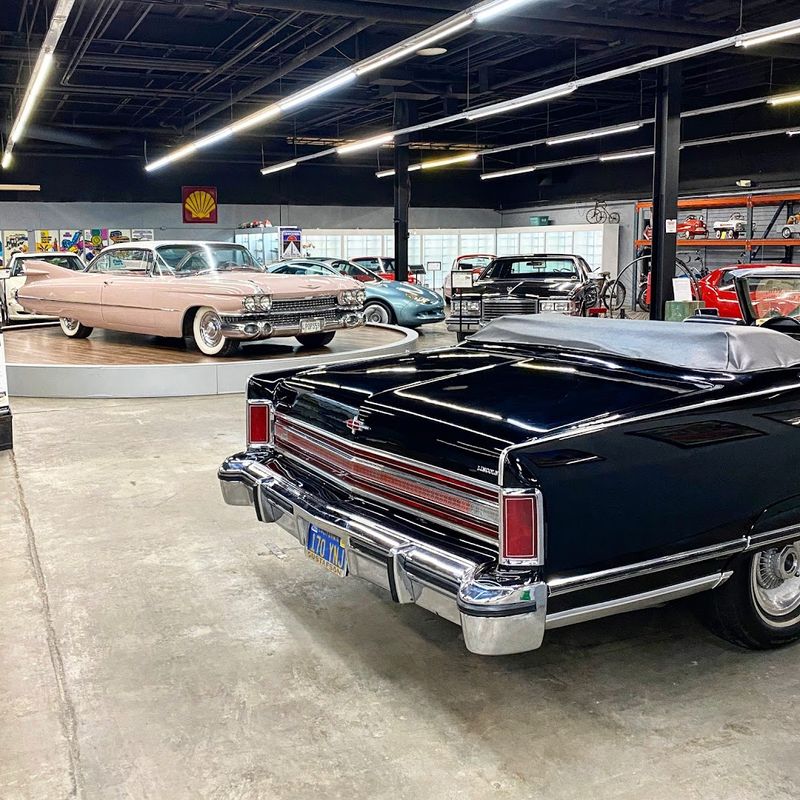
Tucked away in the charming mountain town of Clarkesville, Georgia, Miles Through Time Automotive Museum feels like stepping straight into a living time capsule. Founded in 2017 by Sean Mathis, this unique co op museum began with a single 1959 Cadillac Coupe DeVille and has since grown into an impressive collection spanning more than a century of automotive history.
Classic cars, vintage memorabilia, and rare artifacts line the space, each with its own story to tell. What makes this museum especially exciting is its community driven spirit, with vehicle owners contributing to an ever changing display.
Visitors can admire beautifully restored models, learn about the evolution of design and engineering, and even connect with fellow enthusiasts. Whether you are passionate about cars or simply enjoy fascinating history, this Clarkesville gem offers an experience worth adding to your 2026 North Georgia plans.
1. An Extensive Collection Spanning Over a Century of Automotive History
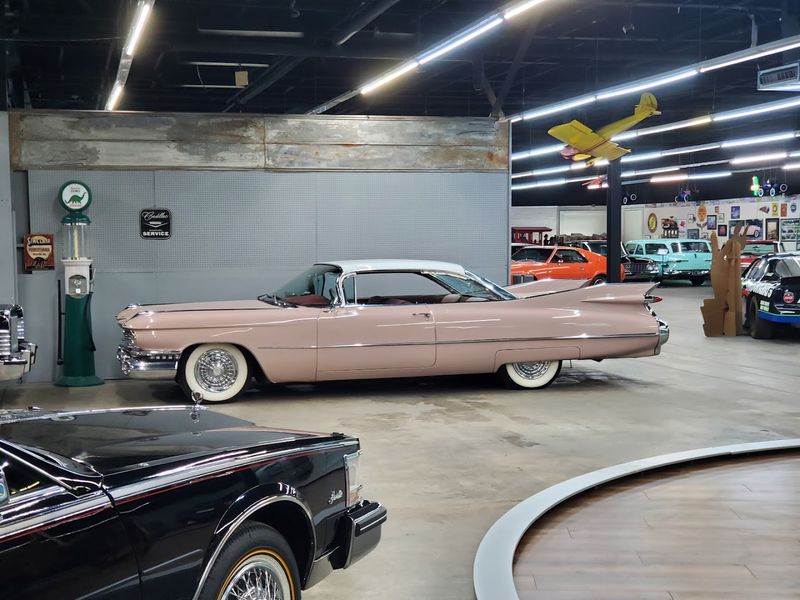
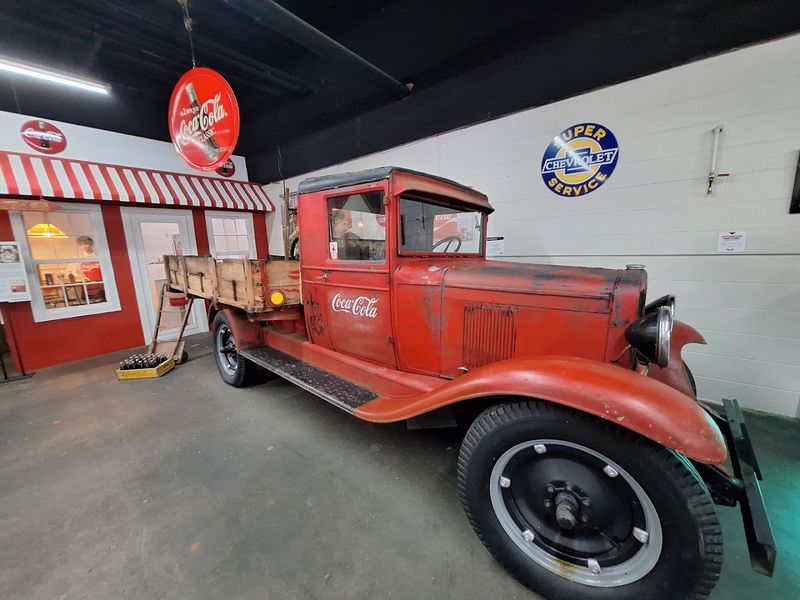
Walking through the doors of Miles Through Time Automotive Museum, located at 583 Grant St, Clarkesville, GA 30523, feels like flipping through the most colorful history book ever written, except every page has an engine. The collection spans more than 100 years of transportation, featuring cars, motorcycles, bicycles, and even model cars that capture the spirit of each passing decade.
What makes this place stand out is the sheer variety on display. You might spot a delicate early 1900s bicycle right next to a bold muscle car from the 1970s, and the contrast is genuinely thrilling.
For families, curious teenagers, and seasoned collectors alike, the breadth of the collection means there is always something new to catch your eye. Plan to spend at least two hours here, because rushing through would mean missing some truly remarkable pieces of rolling history.
2. Dynamic Exhibits That Keep Every Visit Fresh and Exciting
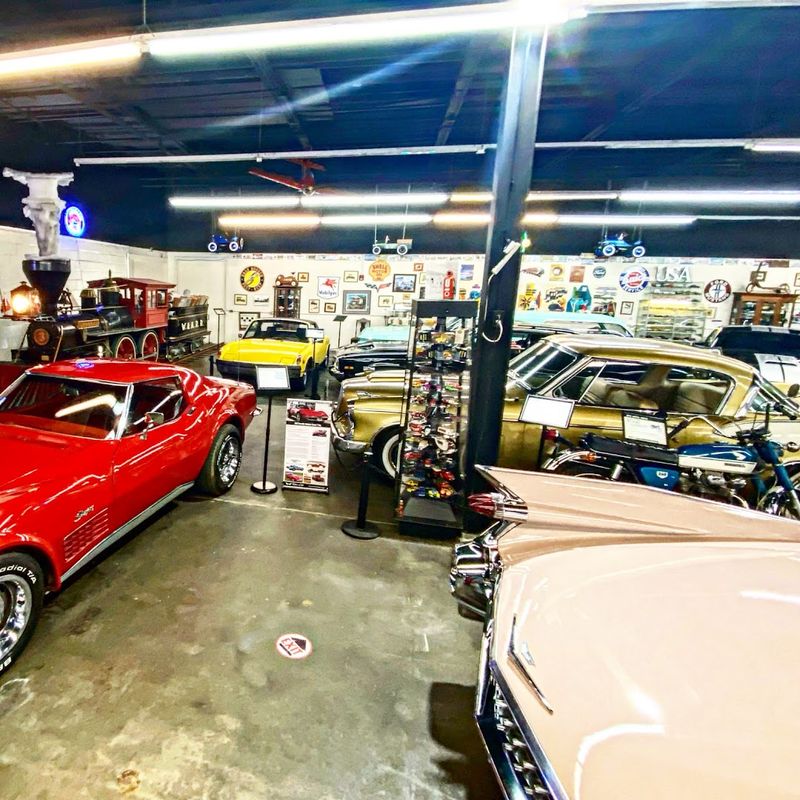
One of the smartest things about Miles Through Time Automotive Museum is that the exhibits rotate regularly, meaning no two visits are ever quite the same. The museum refreshes its displays frequently, giving returning visitors a genuine reason to come back again and again.
Think of it like your favorite playlist getting updated with new tracks every few months. The core love of automotive history stays the same, but the spotlight shifts to highlight different vehicles, stories, and eras.
For locals living near the North Georgia mountains, this rotating format transforms the museum from a one-time stop into a seasonal tradition worth repeating. Checking the museum’s official website or social media before your visit is a smart move, as it can give you a heads-up on what new exhibits or featured vehicles might be waiting when you arrive.
3. Rare Historic Vehicles That Tell Unforgettable Stories
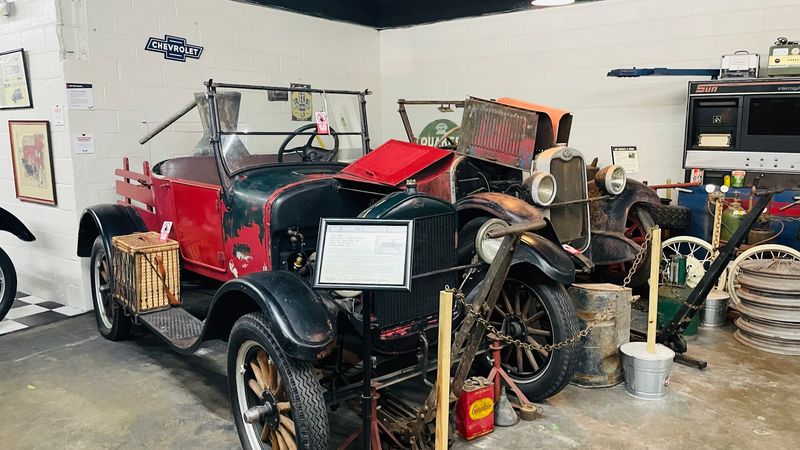
Few things spark curiosity quite like standing next to a vehicle that is over a hundred years old and actually imagining the roads it once traveled. Among the standout pieces at Miles Through Time Automotive Museum, visitors can find a 1911 Brush, a striking 1958 Studebaker Golden Hawk, and even a 1986 Ford LTD Crown Victoria with a legendary Cannonball Run history.
Each vehicle carries its own narrative, and the museum does a thoughtful job of presenting those stories in ways that feel accessible rather than overwhelming. You do not need to be a mechanical expert to appreciate why a Cannonball Run car deserves its own spotlight.
History enthusiasts and casual visitors alike tend to linger longer than expected around these rare finds. Bringing a camera or keeping your phone charged is highly recommended, because these vehicles make for genuinely memorable photos.
4. Community-Driven Co-Op Model That Makes the Museum Special
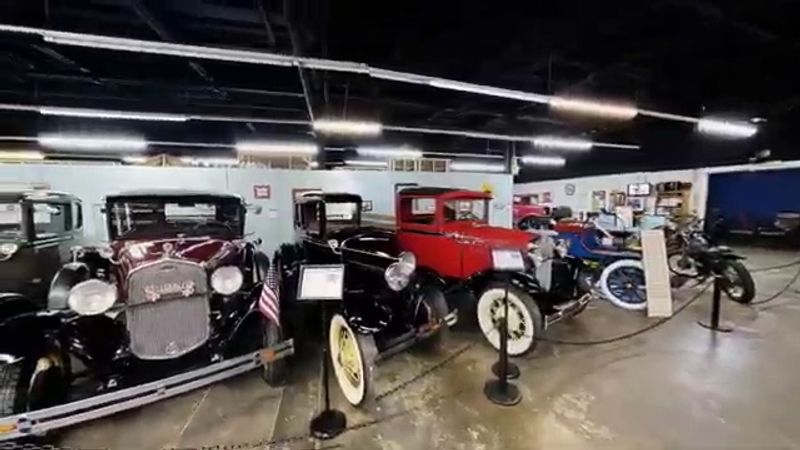
Not every museum can say its collection was built by the community it serves, but Miles Through Time Automotive Museum proudly operates as a co-op. Vehicles and memorabilia are donated or loaned by local car owners, collectors, and enthusiasts who want their prized possessions to be seen and appreciated by the public.
This model gives the museum a deeply personal character that larger institutions often lack. When you look at a car on display here, there is a real person behind it, someone who polished it on weekends, drove it to summer shows, or inherited it from a grandparent.
That human connection makes the experience feel warmer and more meaningful than a typical museum visit. Visitors often strike up conversations with exhibitors who happen to be on-site, turning a casual afternoon into something genuinely memorable and community-centered.
5. Vintage Garage Antiques Shop Right Next Door
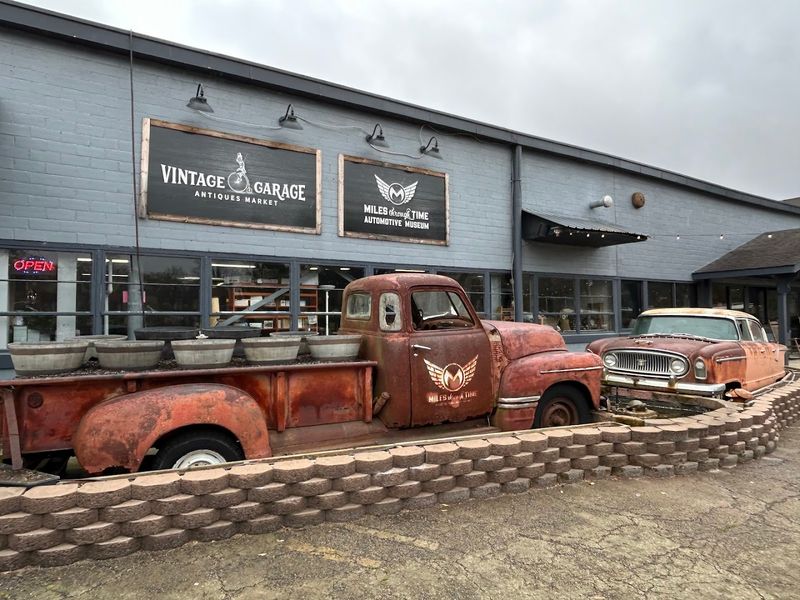
Right next to the museum sits a treasure hunter’s dream: Vintage Garage Antiques, a charming shop that carries a curated selection of vintage items, automotive collectibles, and nostalgic finds. Located adjacent to the museum the shop channels the same love of history that drives the museum, and proceeds from sales help support the museum’s ongoing mission.
Browsing through Vintage Garage Antiques feels like a natural extension of the museum experience. After admiring restored cars on the main floor, stepping into the antique shop lets you take a little piece of that history home with you.
Whether you are hunting for vintage signage, old automotive parts, or just a quirky gift for a car-loving friend, the shop tends to have something worth pausing over. Arriving early on weekends gives you the best chance to browse before the crowds pick over the most interesting finds.
6. Educational Programs That Bring Automotive History to Life
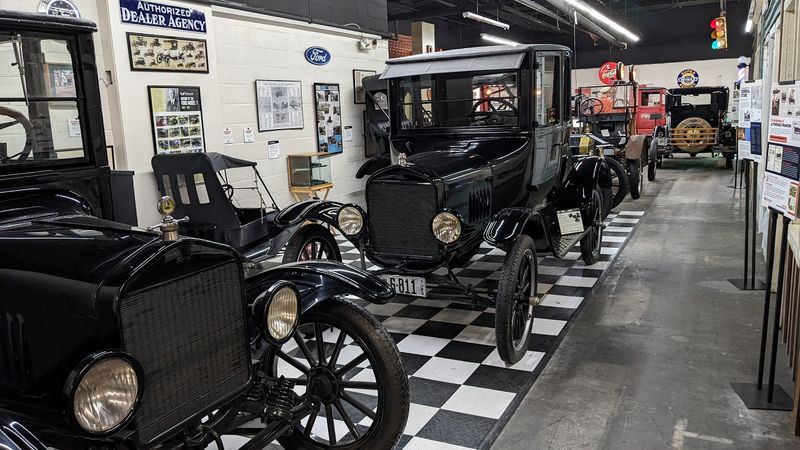
Beyond the beautiful cars, Miles Through Time Automotive Museum has carved out a meaningful role as an educational hub for North Georgia. The museum hosts programs and workshops designed to teach visitors of all ages about the evolution of transportation, engineering, and American culture through the lens of automobiles.
For school groups and homeschool families, a visit here can be surprisingly curriculum-rich. Learning about how engine technology changed from decade to decade, or why certain car designs reflected the social attitudes of their time, turns a fun outing into a genuinely enriching lesson.
Teachers and group organizers should reach out to the museum ahead of time to ask about scheduled programs or group visit options. The staff tends to be enthusiastic about education, and a little advance planning can help maximize what students and young visitors take away from the experience.
7. Special Events Including Car Shows and Cruise-Ins Open to All
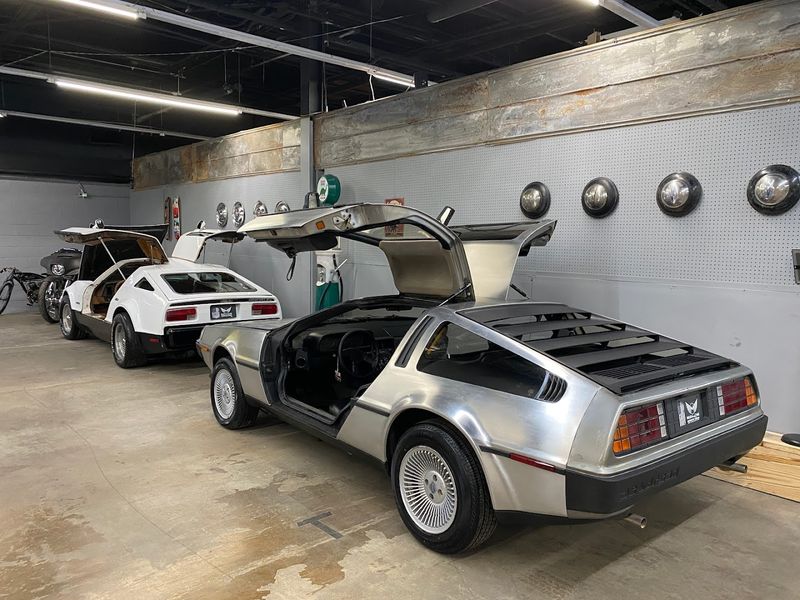
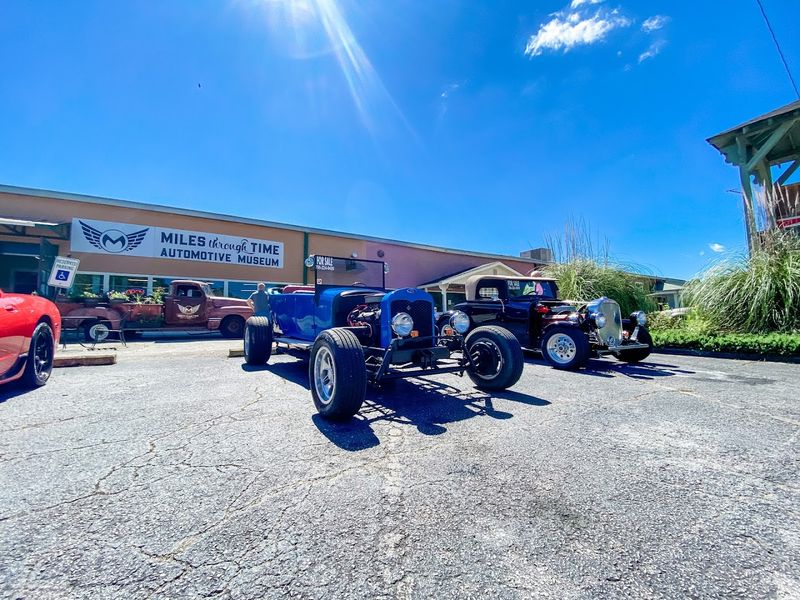
Car show culture is alive and thriving at Miles Through Time Automotive Museum, which regularly hosts events that welcome vehicles of all years, makes, and models. The museum organizes annual car shows, cruise-ins, and car club gatherings that draw enthusiasts from across the region for a day of shared admiration and good conversation.
What sets these events apart is the genuinely inclusive atmosphere. Whether someone drives up in a perfectly restored 1957 Chevy or a quirky 1980s economy car, the spirit here is about celebrating automotive passion rather than competing for trophies.
Checking the museum’s event calendar well in advance is the smartest move for anyone hoping to attend a specific show or cruise-in. Parking near the historic downtown Clarkesville area can fill up quickly on event days, so arriving early makes the whole experience far more relaxed and enjoyable.
8. Family-Friendly Atmosphere That Welcomes Every Generation
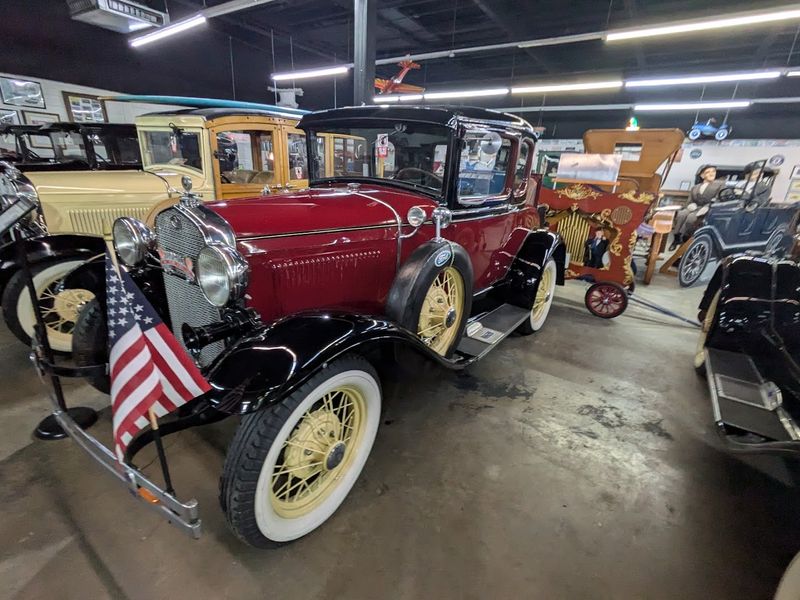
Few road trip destinations manage to genuinely entertain grandparents and grandchildren at the same time, but Miles Through Time Automotive Museum pulls it off with ease. The museum’s wide variety of exhibits means that every generation finds something to connect with, whether it is a car from a grandparent’s era or a motorcycle that looks like something from an action movie.
Young kids are naturally drawn to the bold colors and dramatic shapes of vintage vehicles, while older visitors often experience a wave of nostalgia standing beside cars they remember from their own childhoods. That shared emotional experience across generations is genuinely rare and worth seeking out.
The museum layout is generally easy to navigate, making it comfortable for strollers and those with limited mobility. Weekday visits tend to be quieter, which gives families more space and time to explore at their own comfortable pace.
9. Housed Inside the Historic Old Clarkesville Mill Building
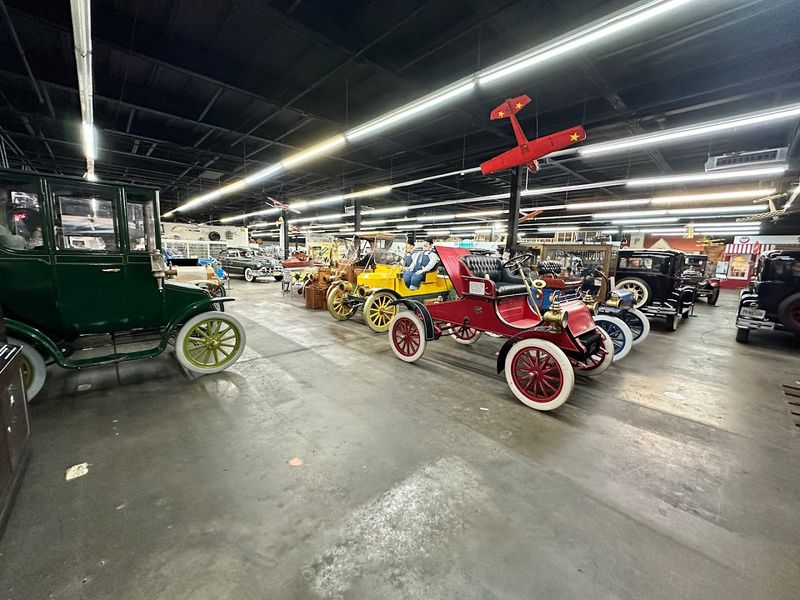
There is something undeniably atmospheric about exploring century-old vehicles inside a century-old building. Miles Through Time Automotive Museum calls the historic Old Clarkesville Mill its home and the combination of restored vintage cars and weathered mill architecture creates a setting that feels like stepping directly into another era.
The building itself adds a layer of storytelling that pure gallery spaces simply cannot replicate. Exposed brick, worn wooden floors, and the general character of a working mill give the exhibits a grounded, authentic backdrop that photography enthusiasts in particular tend to appreciate.
For anyone who enjoys the intersection of architectural history and mechanical history, this venue is a genuine double treat. Taking a few moments to notice the building’s details, from its structural beams to its industrial windows, adds an extra dimension to the visit that goes well beyond the cars themselves.
10. Supporting Automotive Preservation Efforts With Every Ticket
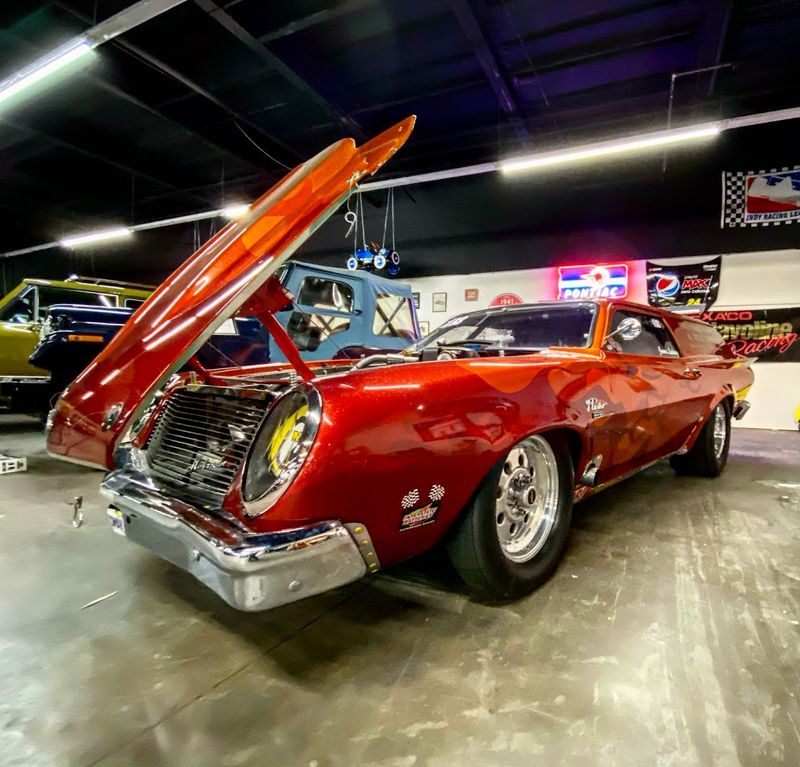
Every admission ticket purchased at Miles Through Time Automotive Museum contributes directly to the preservation and sharing of automotive history. The museum operates with a mission to keep these vehicles, stories, and cultural memories accessible to the public rather than locked away in private collections.
Preservation is expensive and time-consuming work. Restoring vintage vehicles, maintaining exhibit spaces, and keeping a museum operational requires consistent community and visitor support, which makes simply showing up a genuinely meaningful act for anyone who values this kind of cultural heritage.
Visitors who want to contribute beyond the entry fee can also explore membership options or donation opportunities available through the museum’s website. Even purchasing something from the gift area or Vintage Garage Antiques next door channels money back into the museum’s preservation mission, turning a casual shopping moment into a small act of cultural stewardship.
11. Perfectly Located Near Helen Georgia for a Full Day Trip
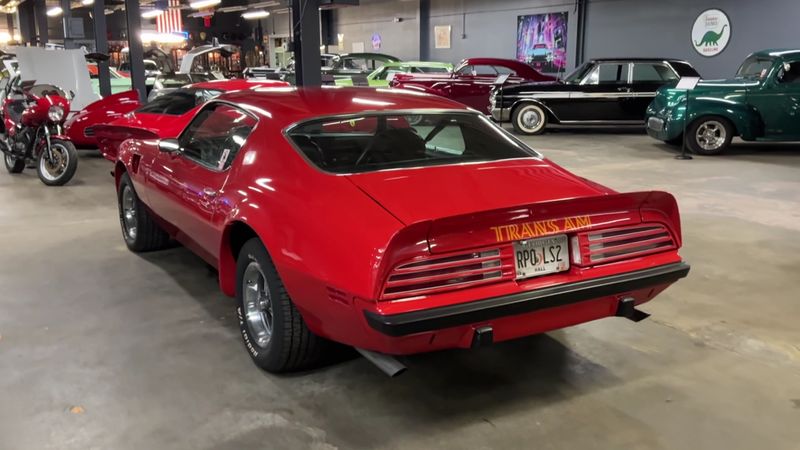
Planning a North Georgia day trip becomes significantly easier when you realize how conveniently Miles Through Time Automotive Museum sits near other popular attractions. The museum is only a short drive from Helen, Georgia, the beloved Bavarian-themed mountain town that draws visitors year-round for its shops, tubing, and seasonal festivals.
Combining a morning at the automotive museum with an afternoon exploring Helen’s riverfront and unique boutiques makes for a well-rounded and satisfying day out. The scenic drive between Clarkesville and Helen through the North Georgia mountains is itself a pleasure, especially during fall foliage season.
For travelers staying in the region for multiple days, Clarkesville also offers its own charming downtown with local restaurants, coffee shops, and galleries worth exploring. Building the museum into a broader North Georgia itinerary rather than treating it as a standalone stop tends to make the overall trip feel much more rewarding.
12. Affordable Admission That Delivers Serious Value
Budget-conscious travelers often worry that quality museum experiences come with steep price tags, but Miles Through Time Automotive Museum keeps admission genuinely affordable. The entry fee is reasonable enough that families can visit without stressing about the cost, which is a refreshing departure from many larger attractions in the region.
Getting solid entertainment and educational value for an accessible price point is increasingly rare in the travel world, making this museum a smart addition to any itinerary. Spending a few hours surrounded by meticulously preserved vehicles and fascinating automotive stories feels like a much bigger experience than the ticket price might suggest.
For the most current admission pricing, checking the museum’s official website at milesthroughtime.com before visiting is recommended, as fees can be updated seasonally. Groups and families planning ahead may also want to ask about any available discounts for larger parties or special membership rates.
13. Open Seven Days a Week for Maximum Flexibility
Flexibility matters when planning travel, and Miles Through Time Automotive Museum makes scheduling a visit easy by staying open seven days a week. The museum welcomes visitors throughout the week, which means spontaneous road-trippers and carefully planned family vacationers alike can work a visit into their schedule without too much juggling.
Weekend visits tend to draw slightly larger crowds, particularly during the warmer months and fall foliage season when North Georgia tourism peaks. Weekday mornings offer a quieter, more relaxed browsing experience for those who prefer extra space and shorter wait times near popular exhibits.
Before heading out, confirming current hours on the museum’s website or by calling ahead is always a smart habit, as holiday schedules or special event days can occasionally affect regular operating hours. A quick check takes only a moment and saves potential disappointment upon arrival.
14. Boosting the Local Economy of Charming Clarkesville Georgia
Choosing to visit Miles Through Time Automotive Museum is not just a great personal experience; it also feeds directly into the economic vitality of Clarkesville, a small mountain town that punches well above its weight in charm. The museum sits right in the heart of downtown Clarkesville, Georgia, making it easy to combine a museum visit with lunch at a local restaurant, coffee at an independent cafe, or browsing the boutique shops along Main Street.
Small towns like Clarkesville genuinely depend on visitor traffic to keep their local businesses thriving. Every dollar spent in the area, whether on museum admission, antiques, or a meal at a downtown eatery, supports real people and real livelihoods in the community.
Travelers who enjoy the idea of responsible, community-centered tourism will find Clarkesville a particularly satisfying destination. The town rewards slow exploration, and the friendly, unhurried pace of downtown makes lingering feel natural and welcome.
15. One-of-a-Kind Vehicles and Artifacts Found Nowhere Else
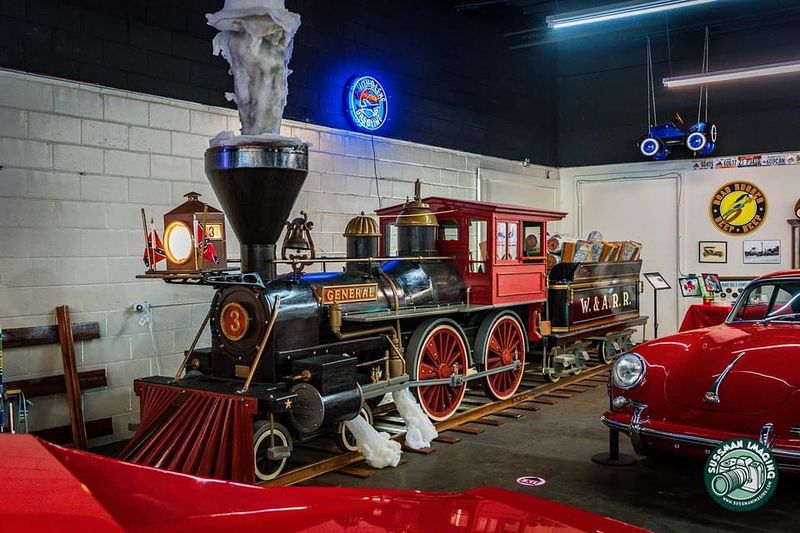
Scrolling through photos of famous car museums is one thing, but standing close enough to notice the hand-painted pinstripes on a vintage hood is something else entirely. Miles Through Time Automotive Museum houses vehicles and artifacts that are genuinely difficult or impossible to find on public display anywhere else, giving each visit a distinct sense of discovery.
Part of what makes the collection feel so special is its co-op nature. Individual owners bring pieces with personal histories, regional significance, or sheer mechanical rarity that major institutions might overlook in favor of more famous marques.
Automotive photographers and history researchers in particular tend to find the museum’s collection rewarding precisely because of these lesser-known gems. Arriving with an open mind and a willingness to be surprised by something unexpected is genuinely the best approach to getting the most out of this experience.
16. A True Source of Inspiration for Car Lovers and Collectors
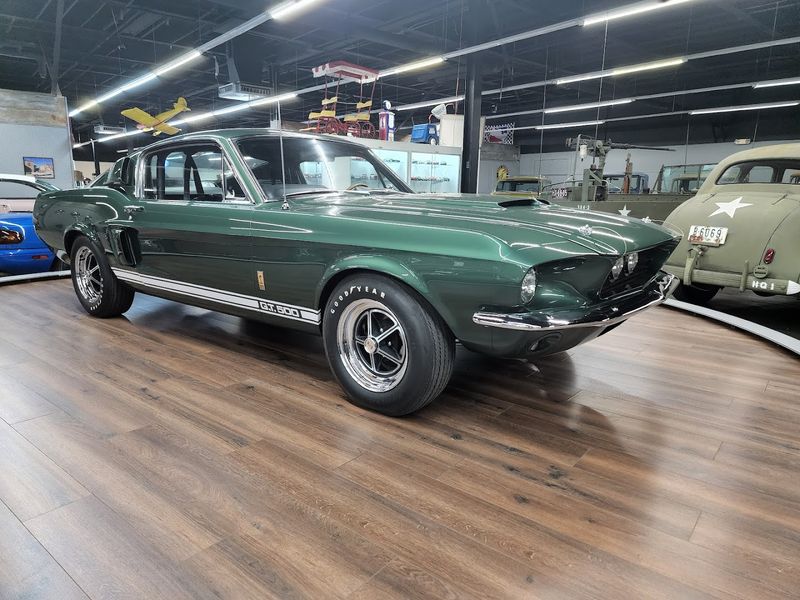
For anyone who has ever spent a Saturday morning watching restoration videos online or daydreaming about tracking down their perfect classic car, Miles Through Time Automotive Museum is something close to a pilgrimage site. The passion of the museum’s founders and exhibitors is palpable in every carefully placed vehicle and every piece of memorabilia on the walls.
Seeing restored vehicles up close has a way of reigniting enthusiasm that photos and videos simply cannot match. The smell of aged leather, the gleam of chrome under warm lighting, and the sheer physicality of machines built decades ago carry an emotional charge that surprises even non-enthusiasts.
Collectors and restorers who visit often leave with fresh motivation for their own projects, sometimes even making connections with fellow exhibitors who share knowledge, leads on parts, or stories from their own restoration journeys. That informal community energy is one of the museum’s most underrated gifts.