This Breathtaking Natural Wonder Providence Canyon State Park Georgia Is A 2026 Must-Visit
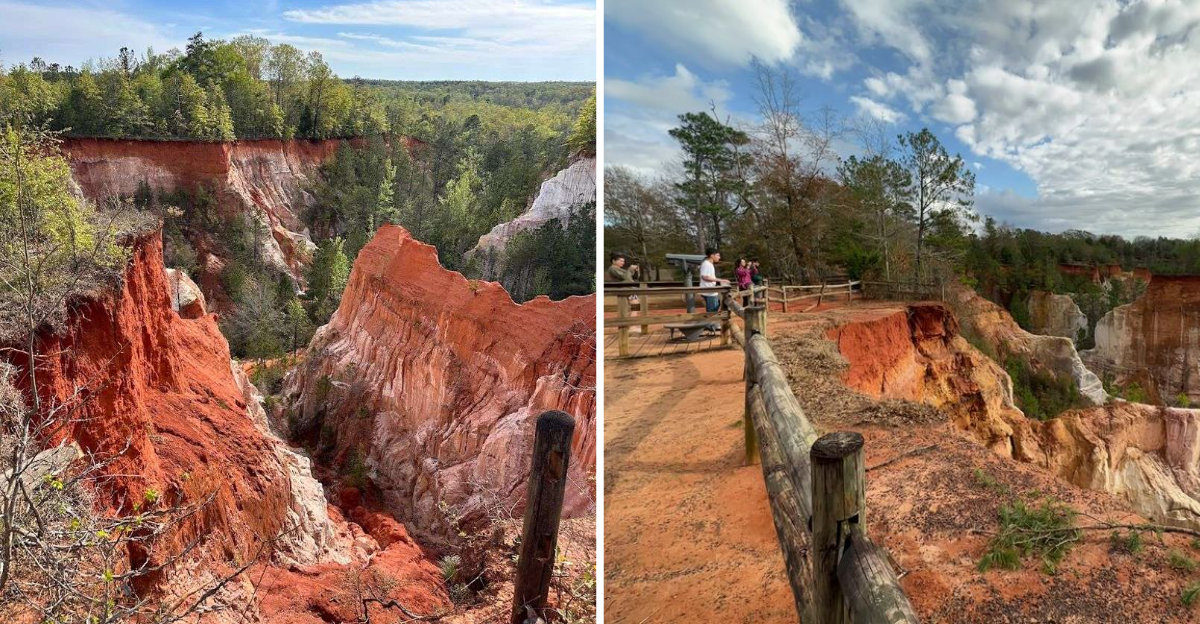
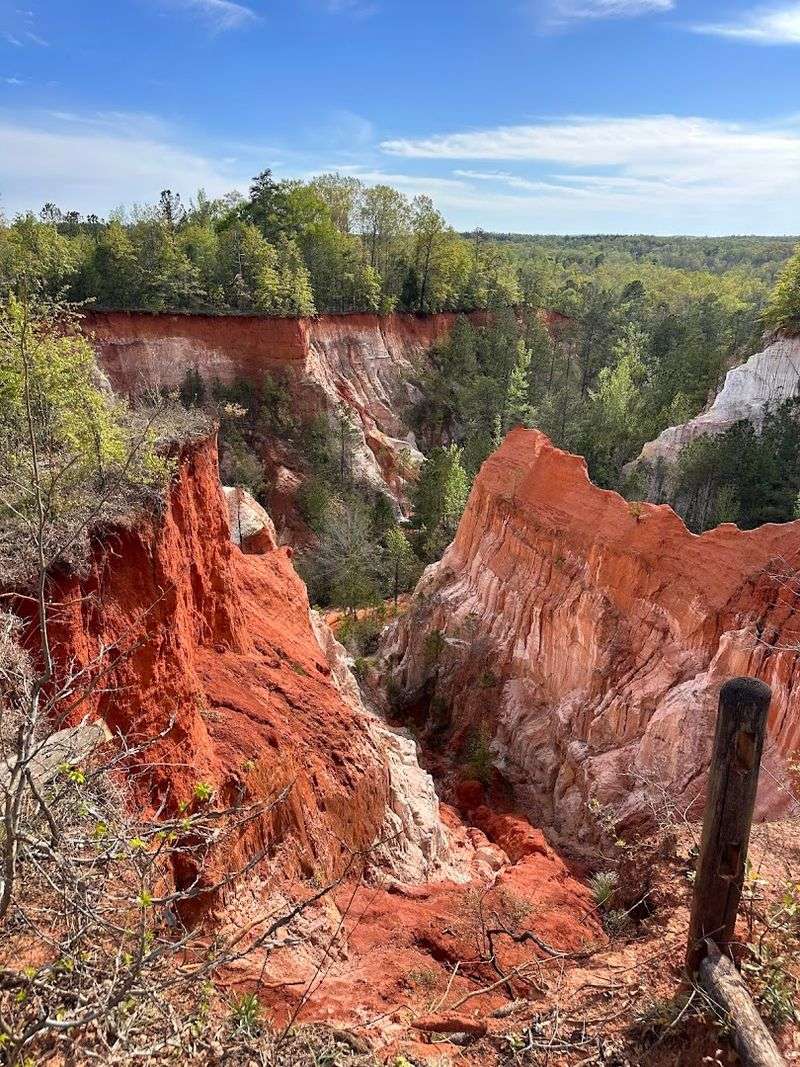
Tucked into the rolling southwest corner of Georgia, Providence Canyon State Park delivers a sight that stops visitors in their tracks. Often called Georgia’s Little Grand Canyon, this dramatic landscape bursts with towering walls of pink, orange, and deep red clay that seem almost unreal against the blue sky. What makes it even more fascinating is its origin story.
The canyon formed largely from poor nineteenth century farming practices, proving how powerful human impact can be on the land. Today, those once damaging actions have resulted in one of the most striking natural scenes in the state. Hiking trails wind along the rim and down into the gullies, offering breathtaking views at every turn.
Whether planning a scenic day trip or a full camping getaway, Providence Canyon promises an unforgettable adventure worth adding to your 2026 travel list.
1. Stunning Geological Formations
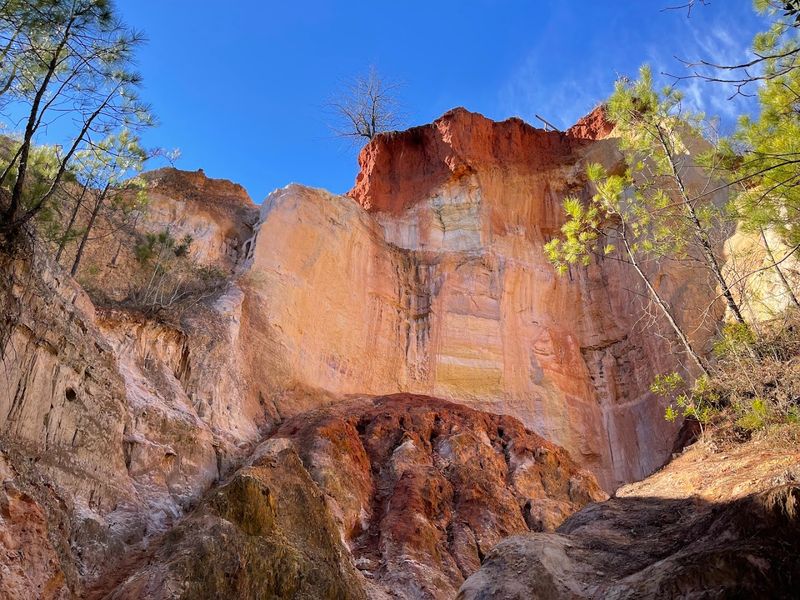
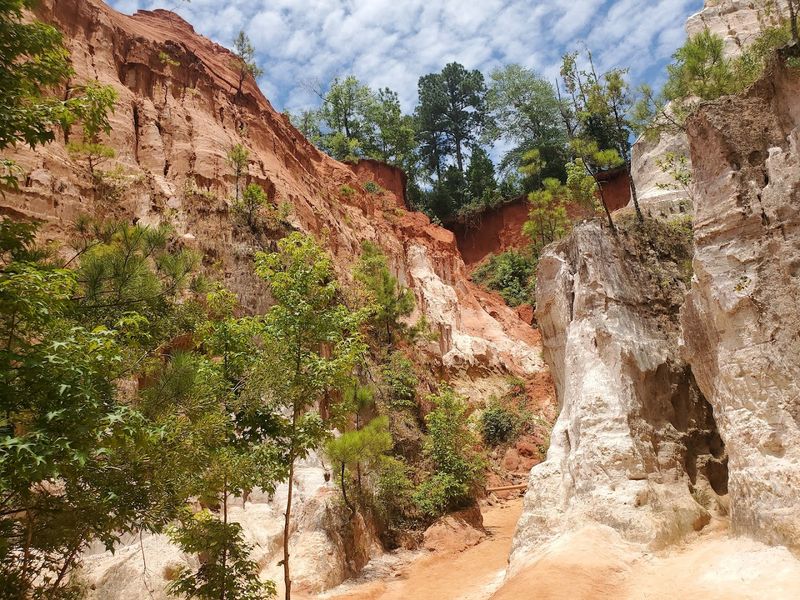
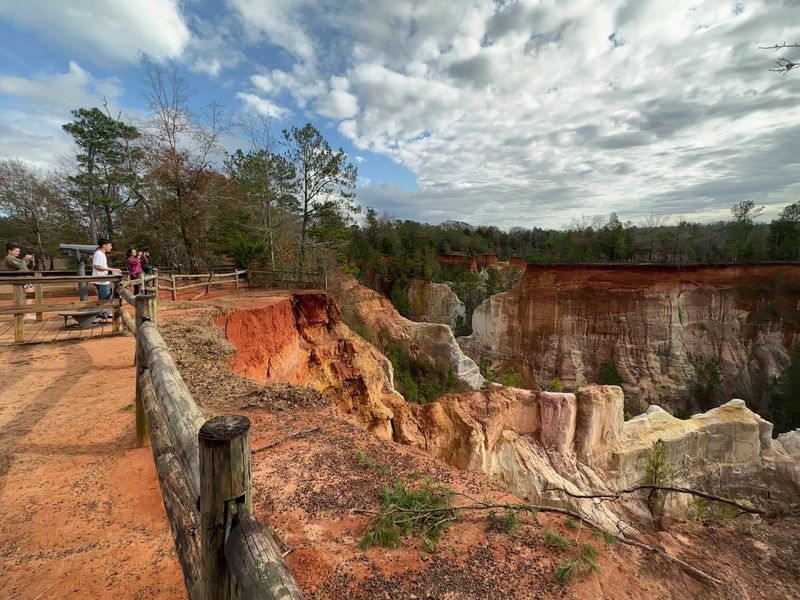
Few places in the American Southeast can match the raw visual drama of Providence Canyon’s geological canvas. Located at 8930 Canyon Road, Lumpkin, GA 31815, the park features 16 distinct canyons, some plunging as deep as 150 feet into the earth. The walls shift between dusty pinks, burnt oranges, deep reds, and soft purples depending on the time of day and the angle of the sun.
What makes these formations especially fascinating is that they developed over a relatively short geological window, primarily during the 1800s. Soil erosion accelerated by poor farming methods created this accidental masterpiece. Geologists and curious visitors alike find the layered sediment walls to be an open textbook of Earth science.
Morning light tends to cast the warmest glow across the canyon walls, making early visits particularly rewarding. Comfortable walking shoes and a camera with a wide-angle lens are practical essentials for exploring this extraordinary natural spectacle fully.
2. Rich and Surprising History
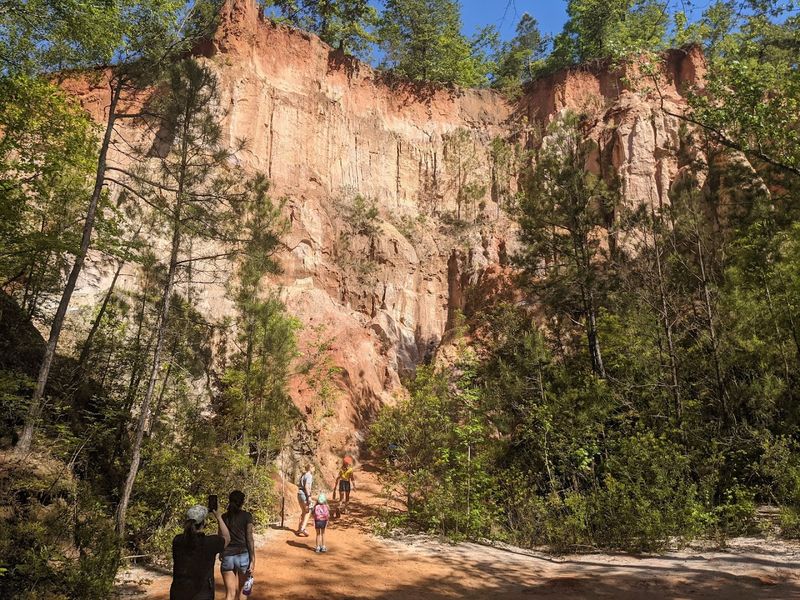
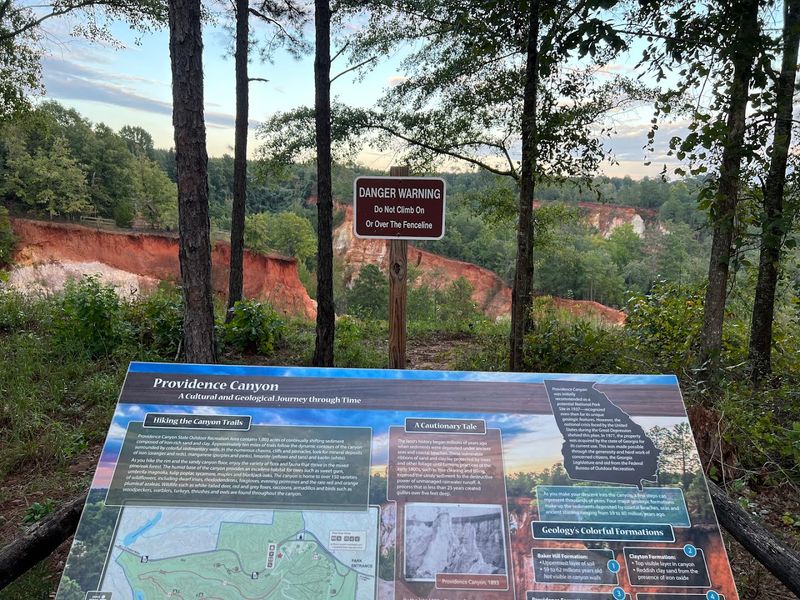
Most natural wonders take millions of years to form, but Providence Canyon tells a very different story. The canyon system began forming in earnest during the 1800s when settlers cleared forests for cotton farming, stripping the land of the vegetation that held fragile red clay soil in place. Rainwater did the rest, carving gullies that deepened decade by decade.
By the early 20th century, what began as small ditches had grown into dramatic canyon walls. Historians and environmental educators use this site as a vivid example of how human land use decisions can permanently reshape a landscape. The story carries a cautionary tone, but the unintended result is undeniably breathtaking.
Visiting with that backstory in mind adds real depth to the experience. Plaques and visitor center exhibits help connect the visible landscape to the human decisions that accidentally created one of Georgia’s most iconic outdoor destinations.
3. Diverse and Rewarding Hiking Trails
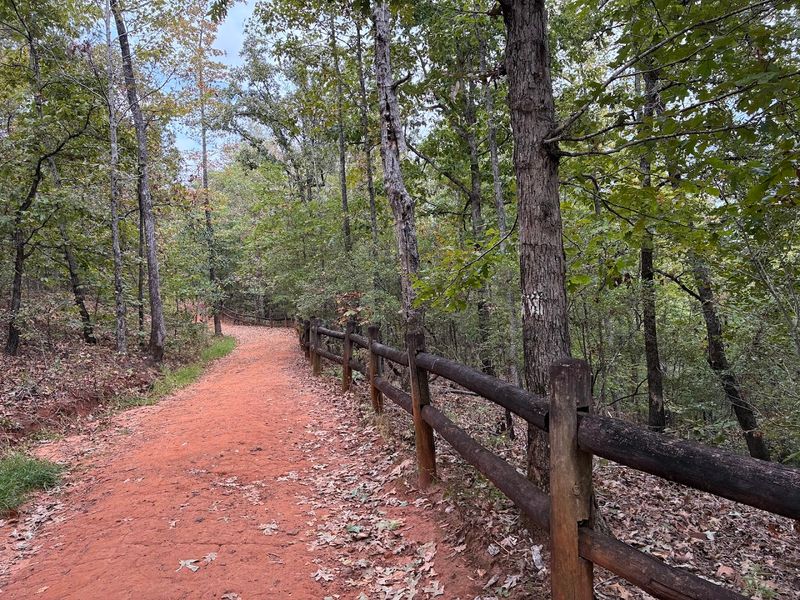
Lacing up for a hike here means choosing from a surprisingly well-rounded trail menu. Providence Canyon State Park offers more than 10 miles of marked trails, ranging from the family-friendly 2.5-mile Canyon Loop Trail to the demanding 7-mile Backcountry Trail that winds through forest and canyon terrain. Each route delivers a distinct perspective on the landscape.
The Canyon Loop Trail is the crowd favorite for good reason. Hikers pass directly through the canyon floor, walk beneath towering colored walls, and cross small creek beds that feel genuinely adventurous without being technically difficult. Sturdy footwear is a smart choice since the clay soil can get slippery after rain.
The backcountry route suits those craving longer solitude and more immersive forest walking. Either way, trail markers are clearly posted, and the park staff can recommend routes based on fitness level, group size, and how much time is available for the outing.
4. Peaceful Picnic Areas With Canyon Views
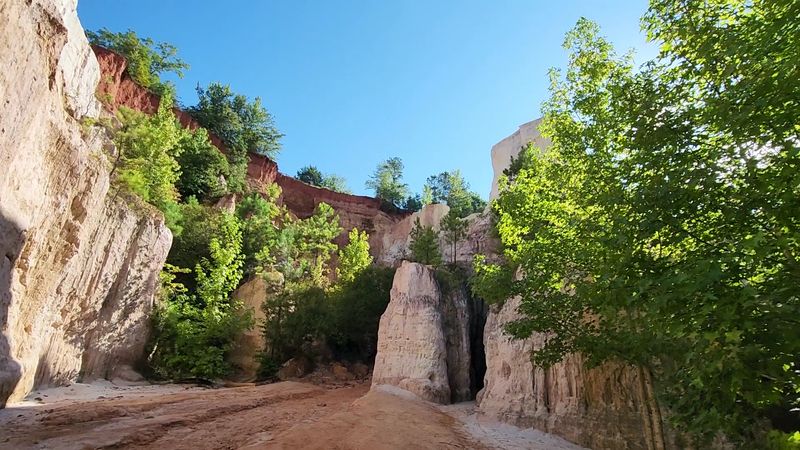
Sometimes the best part of a park visit is simply sitting down, unpacking lunch, and letting the scenery do the work. Providence Canyon State Park, located provides two covered picnic shelters and numerous individual tables scattered across the grounds, offering shaded spots to rest between hikes or canyon viewings.
The picnic areas are well-maintained and positioned so that even a quiet meal feels like an event. Families with young children especially appreciate having a comfortable base camp between trail segments. Bringing a cooler stocked with snacks and cold drinks is a practical move, as food options are not available inside the park itself.
Weekday visits tend to be quieter and more relaxed, while weekends can attract larger crowds, especially during spring and fall when the weather is most pleasant. Arriving early helps secure a good table and ensures a calmer, more enjoyable overall picnic experience at this scenic outdoor location.
5. Rare Plumleaf Azalea Blooms
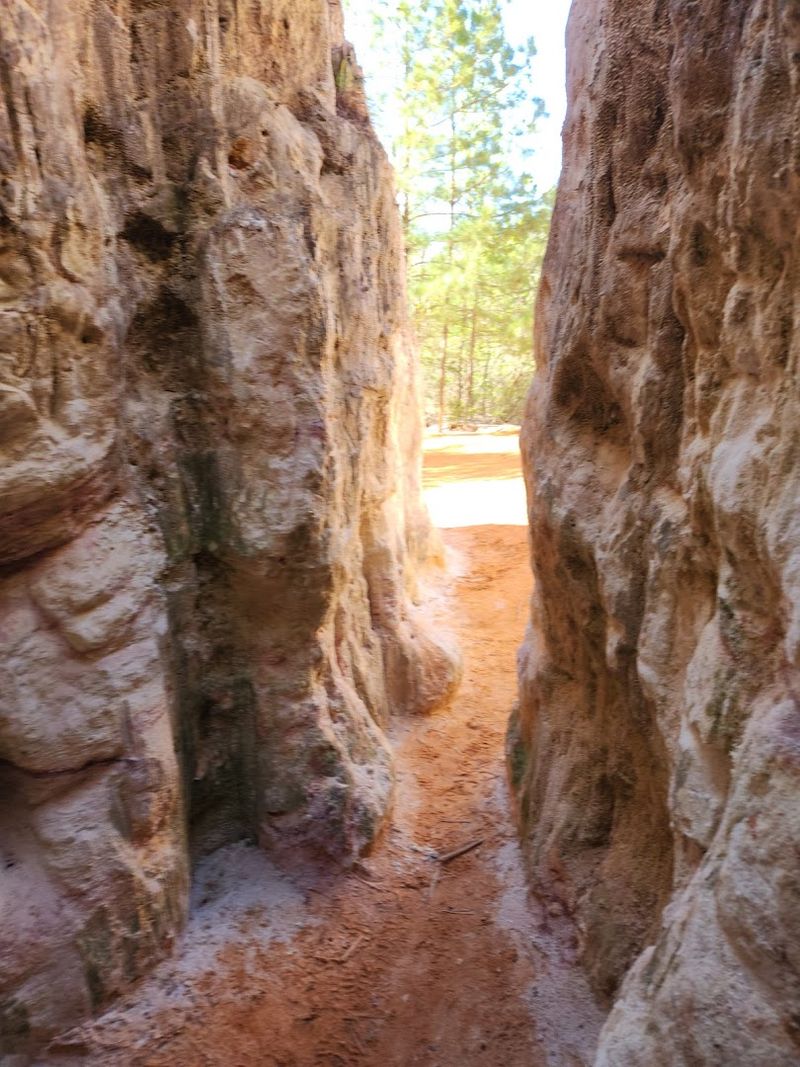
Spotting a plant that grows almost nowhere else on Earth is a genuinely special experience, and Providence Canyon delivers exactly that. The park is one of the few places in the world where the rare plumleaf azalea grows naturally, producing striking red-orange blossoms typically during July and August when most other flowering plants have finished their seasonal show.
Botanists consider this azalea a true treasure. Unlike most azaleas that bloom in spring, the plumleaf waits until the heat of summer, making it an unexpected reward for warm-weather visitors who might assume the best floral displays are long past. The blooms appear along canyon walls and creek beds, adding vivid color to an already colorful landscape.
Planning a visit specifically around the July-August bloom window is a smart move for nature photography enthusiasts and plant lovers alike. The combination of canyon hues and azalea red creates a visual contrast that is genuinely hard to find anywhere else.
6. Stargazing Opportunities Under Dark Skies
Georgia is not typically the first state that comes to mind for stargazing, but Providence Canyon quietly offers one of the region’s better night sky experiences. The park sits in a rural area of southwest Georgia with minimal surrounding light pollution, which allows stars, planets, and even the Milky Way to appear with surprising clarity on clear nights.
The park periodically hosts astronomy programs led by knowledgeable guides who help visitors identify constellations, planets, and celestial events. These programs can be especially engaging for kids and families who may never have experienced a truly dark sky before. Checking the park’s event calendar in advance is the best way to catch a scheduled stargazing session.
Even without a guided program, simply arriving after dark and finding a clear overlook area can yield a memorable sky-watching experience. A blanket, a reclining chair, and a star map app on a phone are all that is really needed to make the most of a clear night here.
7. Exceptional Photography Spots Throughout the Park
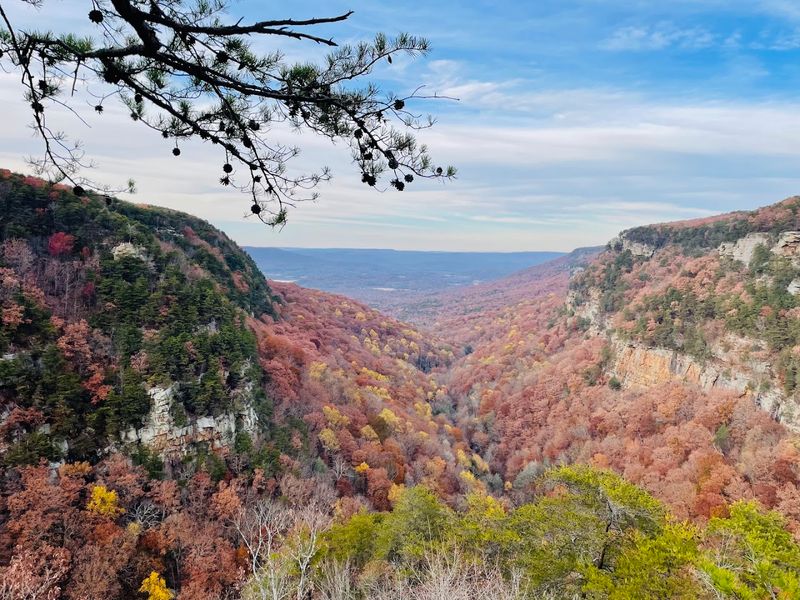
Photographers of every skill level tend to leave Providence Canyon with a memory card full of images they are genuinely proud of. The park offers an almost unfair abundance of compelling subjects: layered canyon walls striped with mineral colors, winding creek beds, lush canyon floor vegetation, and sweeping overlook vistas that frame the whole scene beautifully.
Golden hour, roughly the first hour after sunrise and the last before sunset, produces especially dramatic lighting across the canyon walls. The warm tones amplify the already vivid reds and oranges in the soil, creating a depth of color that midday light simply cannot replicate. Tripods are helpful on the canyon floor where shade can reduce shutter speed options.
Drone photography is subject to park regulations, so checking current rules before bringing aerial equipment is essential. For ground-level shooting, the Canyon Loop Trail provides consistent access to the most photogenic sections of the canyon throughout the entire hike.
8. Engaging Educational Programs for All Ages
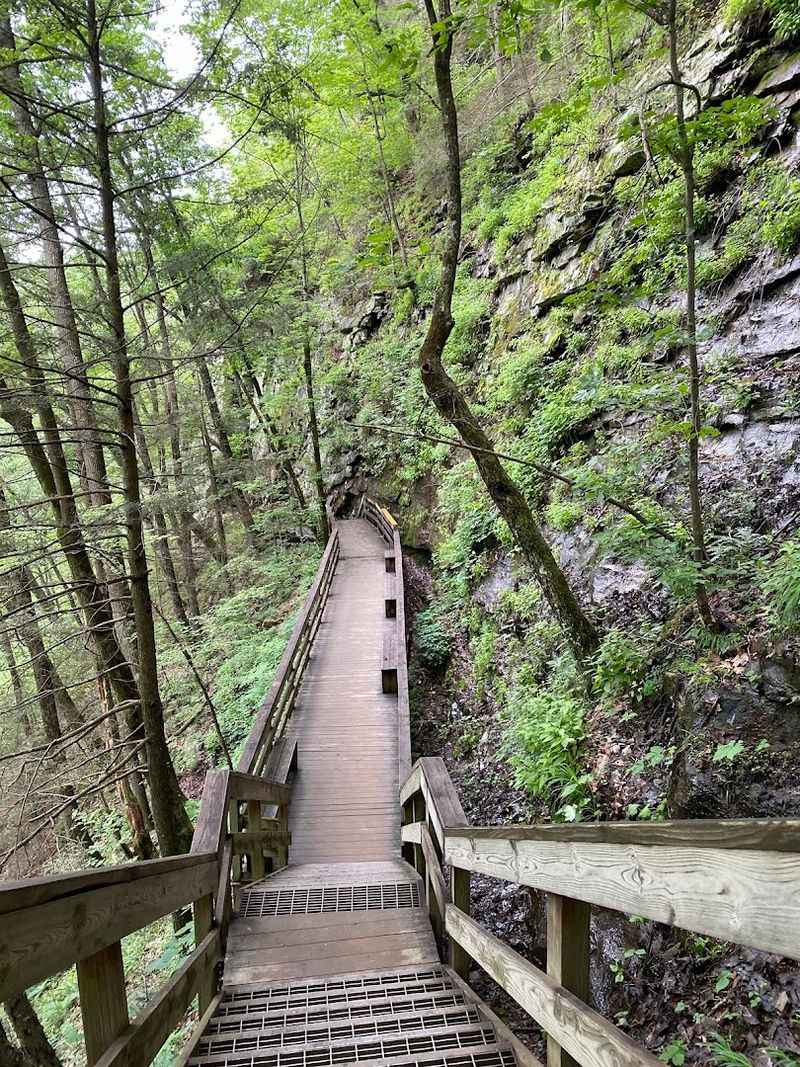
Learning feels effortless when the classroom looks like this. Providence Canyon State Park runs geology and astronomy programs throughout the year, offering structured educational experiences that go well beyond reading a trailside plaque. Rangers and naturalists lead these sessions with enthusiasm, making complex topics genuinely accessible to visitors of all ages.
School groups frequently use the park as an outdoor classroom, and the programming is designed to align with science curriculum themes including erosion, soil composition, ecology, and night sky observation. Adults find the geology programs equally engaging, especially when rangers demonstrate how to read the canyon walls like pages in an Earth science textbook.
Booking programs in advance through the park office is recommended, particularly during peak spring and fall seasons when group visits are common. Even visitors who do not join a formal program benefit from the interpretive signage placed throughout the trails, which explains the geological and ecological story of the canyon in plain, approachable language.
9. Backcountry and Pioneer Camping Options
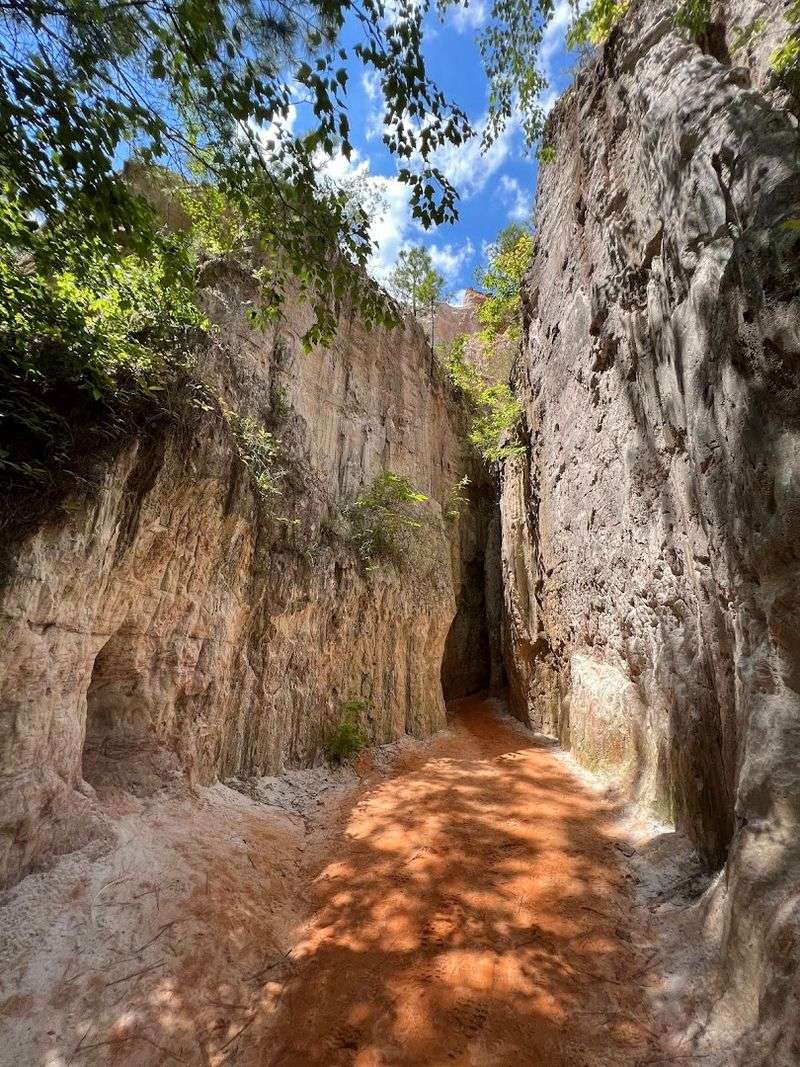
Spending a night inside a canyon system is not an experience most travelers get to check off their list, but Providence Canyon makes it possible. The park offers both backcountry campsites accessible only by trail and pioneer campsites that provide a slightly more structured overnight setup for groups and families who want a bit more comfort.
Backcountry camping requires a permit obtained through the park office, and campers must pack in all supplies including water, food, and shelter. The reward is waking up surrounded by canyon walls with essentially no crowd noise and a sky that brightens with birdsong at dawn. It is a genuinely immersive way to experience the park.
Pioneer campsites suit groups, scout troops, and families looking for an overnight adventure without committing to a full wilderness setup. Either option provides a memorable overnight experience that transforms the park from a day trip into a proper multi-day outdoor adventure worth planning well in advance.
10. Abundant Wildlife Viewing Opportunities
The canyon and surrounding forest support a lively cast of wildlife that rewards patient and observant visitors. Providence Canyon State Park is home to white-tailed deer, raccoons, wild turkeys, and a diverse array of bird species that use the canyon’s varied habitats for nesting, foraging, and shelter throughout the year.
Birdwatchers find the park particularly rewarding during spring migration when songbirds pass through in high numbers. The canyon floor’s moist microclimate attracts species that prefer shaded, sheltered environments, making it a productive birding spot even during the heat of summer. Bringing binoculars significantly improves the experience for anyone focused on wildlife observation.
Dawn and dusk are the most active periods for spotting mammals along the trails. Moving quietly and avoiding sudden movements gives visitors the best chance of observing animals behaving naturally. The combination of canyon, forest, and creek habitats within a single park creates a surprising diversity of wildlife encounters across a relatively compact area.
11. Informative Visitor Center With Exhibits
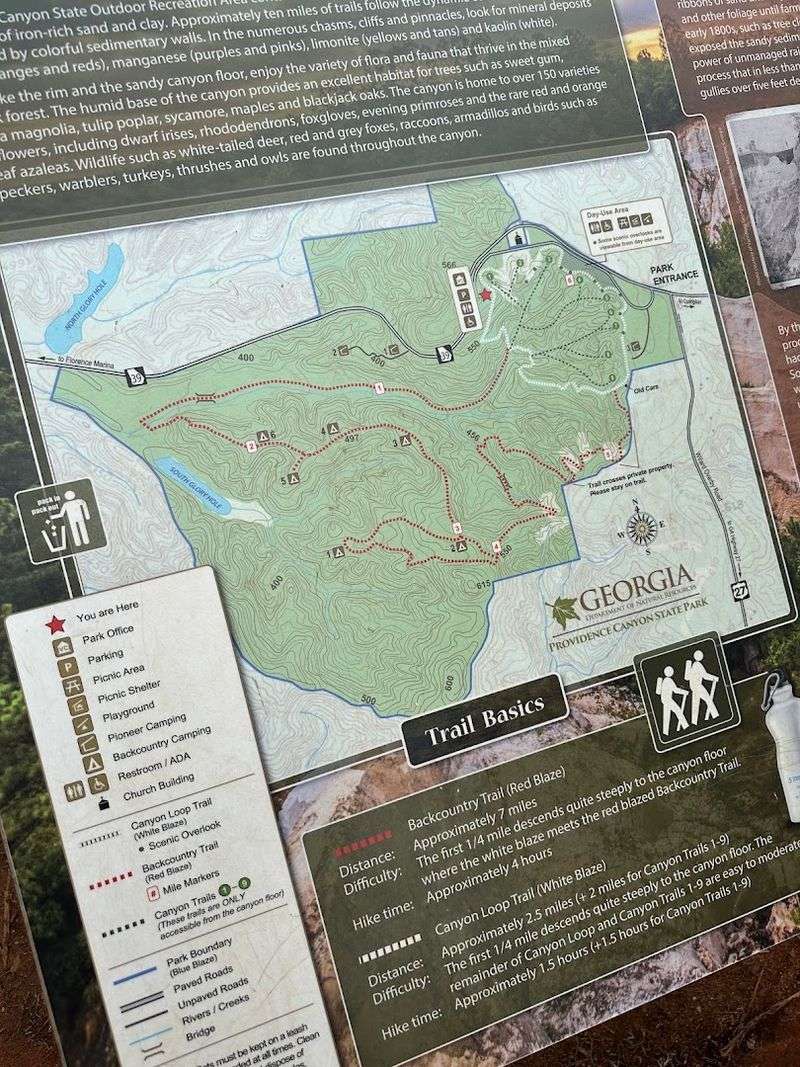
A strong visitor center can completely change how a person experiences a park, and Providence Canyon’s center does exactly that. Situated at the park entrance the visitor center houses exhibits covering the canyon’s geological formation, ecological diversity, and the agricultural history that accidentally created this landscape over 150 years ago.
Soil sample displays, topographical maps, and informational panels help visitors understand what they are about to see before they step onto the trails. Staff members are typically available to answer questions and recommend trail options based on visitor fitness level and interests. Picking up a trail map here before heading out is a practical first step.
The center also serves as a good orientation point for families with children, as the exhibits are designed to be visually engaging and age-appropriate. Spending 15 to 20 minutes exploring the displays before hitting the trails adds meaningful context that makes the canyon experience noticeably richer and more satisfying overall.
12. Year-Round Accessibility and Extended Summer Hours
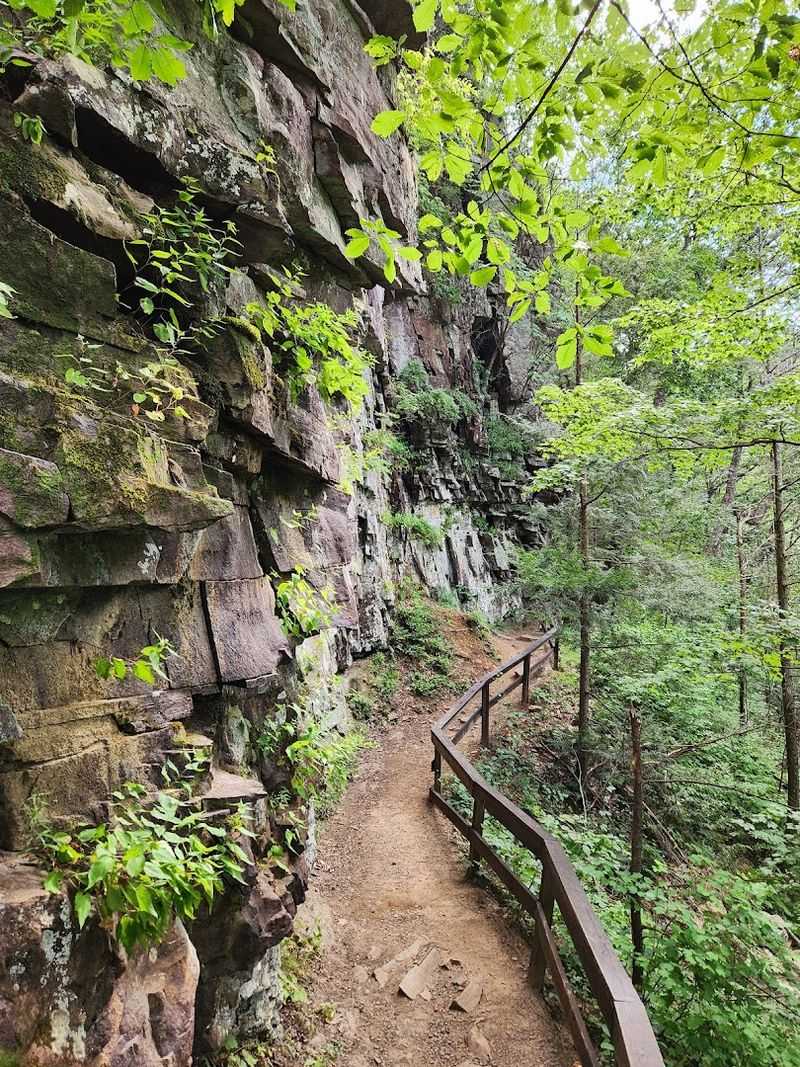
Flexibility matters when planning outdoor trips, and Providence Canyon State Park delivers on that front in a practical way. The park remains open every day of the year, with extended operating hours during summer months that allow visitors to explore during the longer daylight windows that Georgia summers provide.
Each season offers a genuinely different experience. Spring brings mild temperatures and early wildflowers. Summer delivers the rare plumleaf azalea blooms and warm canyon floor walks.
Fall transforms the surrounding forest into a patchwork of color that frames the canyon walls beautifully. Winter visits are quieter and often surprisingly clear, offering uncrowded trail access and crisp air that makes hiking comfortable.
Checking the Georgia State Parks website for current hours before visiting is always a smart move, as seasonal adjustments can vary slightly from year to year. Parking is available at the main entrance, and the park typically charges a modest daily parking fee that covers access to all areas.
13. Proximity to Florence Marina State Park
Pairing a canyon visit with a waterfront experience makes for a well-rounded Georgia outdoor day. Florence Marina State Park, located sits just a short drive from Providence Canyon and offers a completely different recreational environment centered on the Chattahoochee River and Lake Walter F. George.
Fishing, boating, kayaking, and swimming are among the activities available at Florence Marina, making it an ideal complement to a morning of canyon hiking. The park also has cottages and camping facilities for those planning a multi-day trip in the area. Renting a kayak or canoe and spending an afternoon on the water provides a satisfying contrast to the dry canyon landscape.
The combination of these two state parks in a single trip represents excellent value and variety for outdoor-focused travelers. Both parks are managed by Georgia State Parks and Historic Sites, and a single parking pass can sometimes cover both locations, making the logistics of a combined visit straightforward and budget-friendly.
14. Unique Flora and Fauna Across Diverse Ecosystems
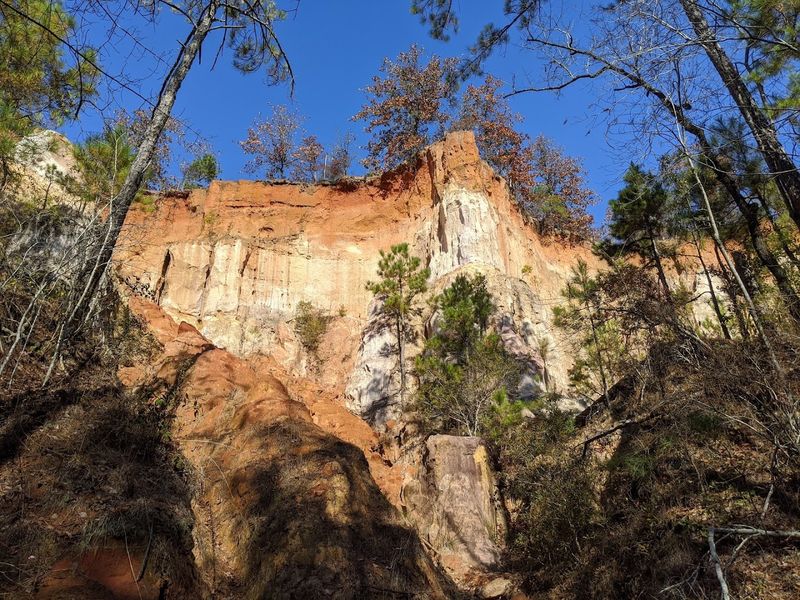
The canyon environment creates microclimates that support plant and animal communities not commonly found in the surrounding Georgia piedmont landscape. Providence Canyon State Park hosts a notable variety of native plants including ferns, mosses, and several wildflower species that thrive in the moist, shaded canyon floor conditions where direct sunlight rarely reaches.
Beyond the famous plumleaf azalea, the park’s upland forest edges support native oaks, hickories, and longleaf pines that form the structural backbone of the surrounding ecosystem. This layered habitat provides food and shelter for a wide range of insects, reptiles, and small mammals that contribute to the park’s ecological richness.
Nature enthusiasts who enjoy identifying plants and animals find the park particularly rewarding because of this habitat diversity compressed into a relatively small geographic area. Field guides to southeastern wildflowers and birds are useful companions for visitors who want to document what they encounter along the trails throughout different seasons.
15. Breathtaking Scenic Overlooks
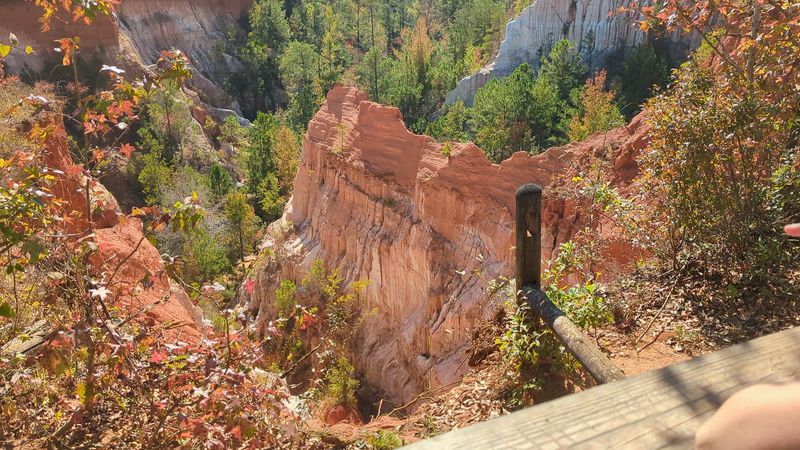
Standing at the rim of a canyon and looking down into a world of color is one of those travel moments that tends to stay with a person for years. The overlooks at Providence Canyon State Park, provide exactly that kind of lasting impression, offering elevated vantage points where the full scale and color range of the canyon system becomes visible all at once.
Multiple overlook stations are positioned along the rim trail, each offering a slightly different perspective on the canyon below. Some face east and catch beautiful morning light, while others face west and reward visitors who time their arrival for the late afternoon golden hour. Benches at several overlooks make it easy to sit and absorb the view without rushing.
Families with young children should stay mindful of trail edges at overlook points, as canyon walls drop steeply. The views are genuinely stunning at any time of day, but clear weather with low humidity tends to produce the sharpest, most vivid visual experience across the full canyon panorama.
16. Community Events and Seasonal Programs
A park that stays active beyond just trail walking is one worth returning to repeatedly. Providence Canyon State Park hosts a rotating calendar of community events throughout the year, including fall wildflower identification days, geology talks, night sky programs, and seasonal naturalist walks that give visitors fresh reasons to come back across different months.
The fall wildflower event is a particular favorite among regular park visitors, drawing plant enthusiasts who want guided help identifying the native species that bloom along the canyon edges as temperatures cool. Geology programs attract a surprisingly mixed crowd, from school-age kids to retired science teachers, all drawn by the accessible and fascinating story the canyon walls tell.
Checking the Georgia State Parks event calendar online before planning a visit is the easiest way to align a trip with an upcoming program. Attending even one ranger-led event tends to transform a standard park visit into something genuinely memorable and far more personally meaningful than a solo trail walk alone.