This Old-School California Seafood Spot Serves Clamp Chowder So Good It’s Worth The Trip
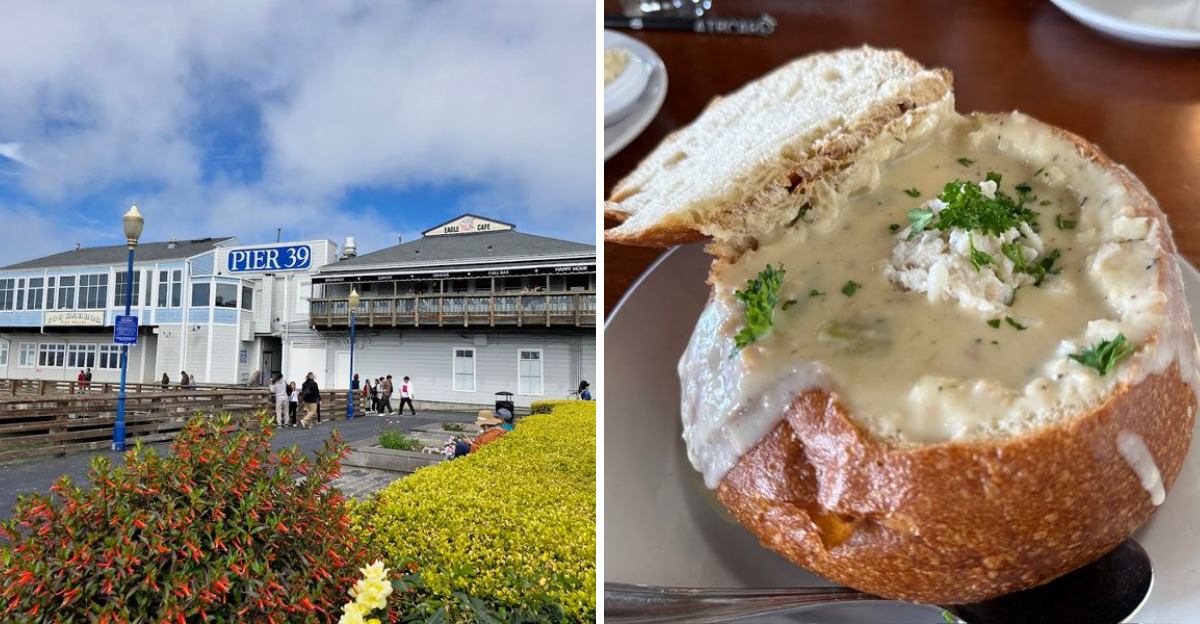
The scent of salt air hits first. Then the gulls. Then the sweep of the bay unfolding beyond the windows.
Along the edge of Pier 39 in California, seafood carries a different kind of weight. Alcatraz rises in the distance.
Boats cut slow lines across the water. Sunlight shifts constantly, turning every table near the glass into a front-row seat to the Bay.
Visitors often arrive in the Fisherman’s Wharf area expecting crowds and souvenir stands. What they do not always expect is a bowl of clam chowder that earns serious loyalty.
Creamy without being heavy. Packed with tender clams. Served steaming hot while the coastal breeze brushes past the windows. In a state known for fresh ingredients and high standards, that kind of execution stands out.
That is where Fog Harbor Fish House comes in.
With panoramic waterfront views and a menu centered on sustainably sourced seafood, the restaurant has quietly built a reputation that stretches well beyond the pier.
Locals return for consistency. Travelers remember it long after leaving California. A meal here becomes more than a stop along the Wharf. It becomes part of the story of being in San Francisco.
1. A Prime Pier 39 Location That Feels Like Classic San Francisco
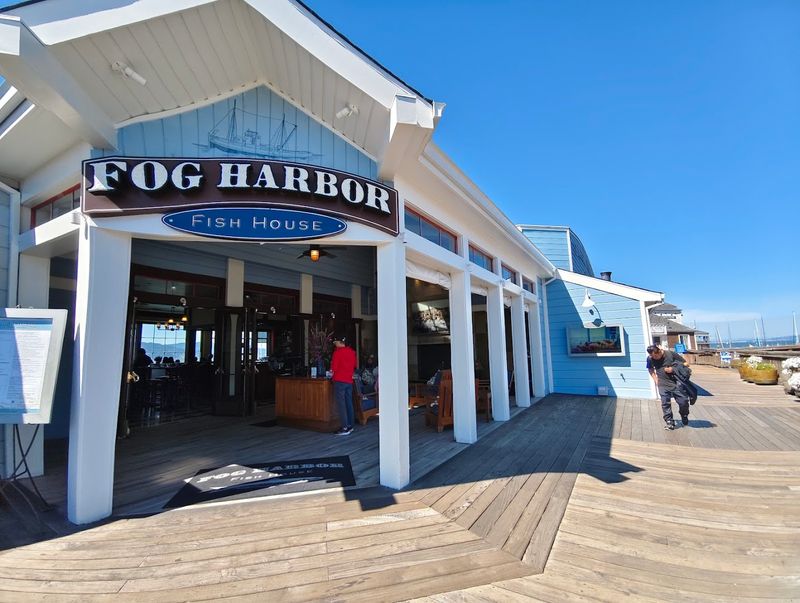
Pier 39 is one of the most visited spots in San Francisco, drawing millions of people each year who come for the sea lions, the bay views, and the cluster of restaurants and shops that line the wooden boardwalk.
Sitting right in the middle of that energy is Fog Harbor Fish House, which has managed to hold its own as a genuine dining destination rather than blending into the background of tourist-facing eateries.
The venue is located at Pier 39, San Francisco, CA 94133, which places it within easy walking distance of other Fisherman’s Wharf landmarks including the historic cable car turnaround and the Hyde Street Pier.
Getting there by public transit is straightforward, and the surrounding area is walkable enough that most visitors tend to arrive on foot after exploring the waterfront.
Weekend afternoons at Pier 39 tend to draw larger crowds, which means wait times at Fog Harbor can stretch depending on the time of year and the day of the week.
Visiting on a weekday or arriving closer to the opening hour could make for a calmer and more comfortable experience overall.
The location itself adds a layer of atmosphere that is hard to separate from the meal, since the sounds and sights of the working waterfront are present throughout the visit in a way that feels genuinely San Francisco rather than manufactured for visitors.
2. Award-Winning Clam Chowder That Sets The Standard
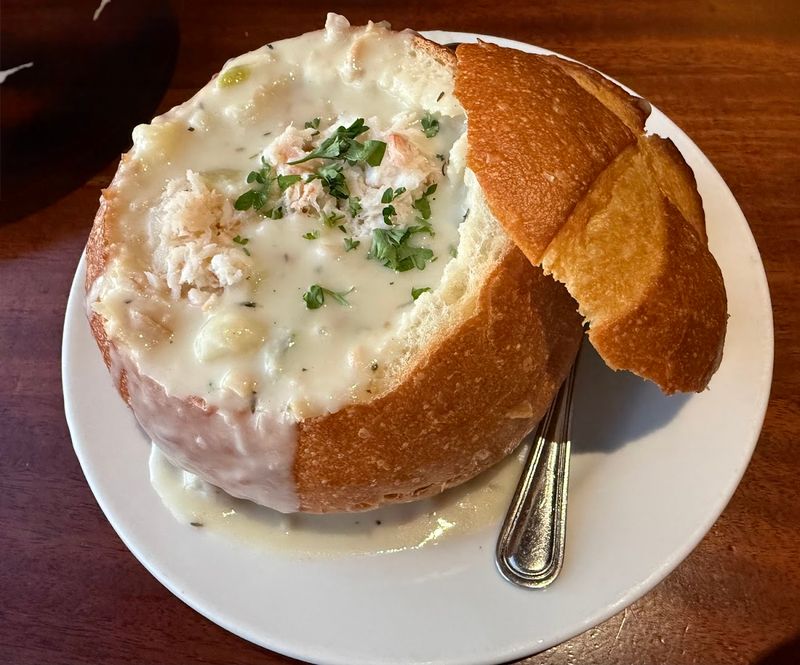
Some restaurants become legends for one dish, and at Fog Harbor Fish House, the clam chowder carries that kind of weight.
The restaurant reportedly serves around 100,000 bowls of clam chowder every single year, which is a number that speaks for itself without any extra convincing needed.
The chowder served at the Fog Harbor Fish House has picked up award recognition that sets it apart from the dozens of seafood spots lining the Wharf.
The soup arrives thick and creamy, often served inside a round sourdough bread bowl that adds a satisfying chew to every bite.
The bread itself is baked fresh on-site every 60 minutes, so the bowl holding the chowder is rarely more than half an hour old when it reaches the table. That kind of freshness is noticeable in both texture and flavor.
For first-time visitors who are unsure where to start on the menu, the clam chowder is consistently one of the most recommended starting points by regulars and food writers who have covered the Fisherman’s Wharf dining scene over the years.
3. The First Sustainable Seafood Menu On Fisherman’s Wharf
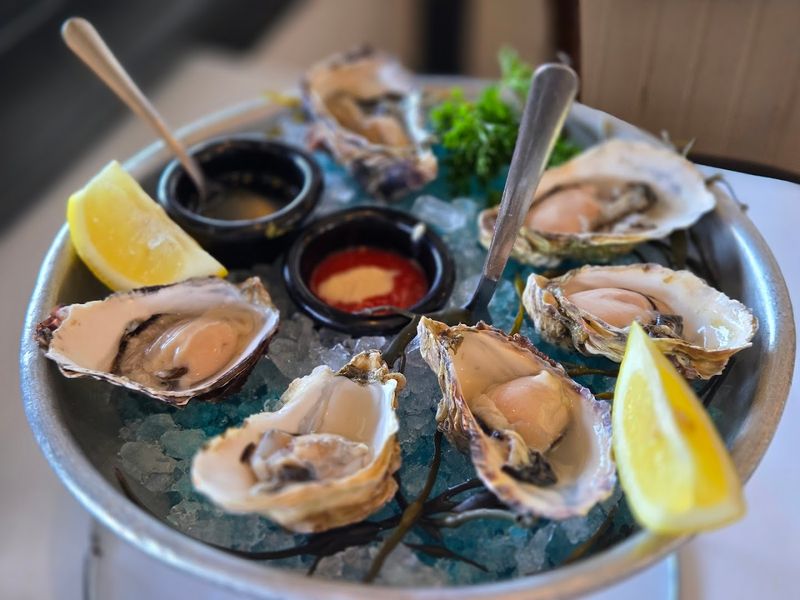
Back when most waterfront restaurants were still figuring out their supply chains, Fog Harbor Fish House was already making a bold move.
The restaurant became the first on Fisherman’s Wharf to offer a menu made up of 100 percent sustainably sourced seafood, a distinction that was genuinely rare at the time and remains meaningful today.
Sustainable seafood means the fish, shrimp, and other ocean proteins on the menu come from fisheries that use responsible methods designed to avoid depleting marine populations.
For diners who care about where their food comes from, that kind of transparency tends to feel reassuring rather than just a marketing phrase printed on a menu.
The commitment also signals something about the overall philosophy of the kitchen, which appears to prioritize long-term quality over short-term convenience.
Sourcing responsibly often requires more effort and coordination with suppliers, but the result tends to show up in the consistency of the food.
Guests who visit multiple times frequently note that the quality holds steady across visits, which is harder to maintain without a reliable and ethical sourcing process backing up the kitchen every single day of service.
4. A Shrimp Menu With Real Variety
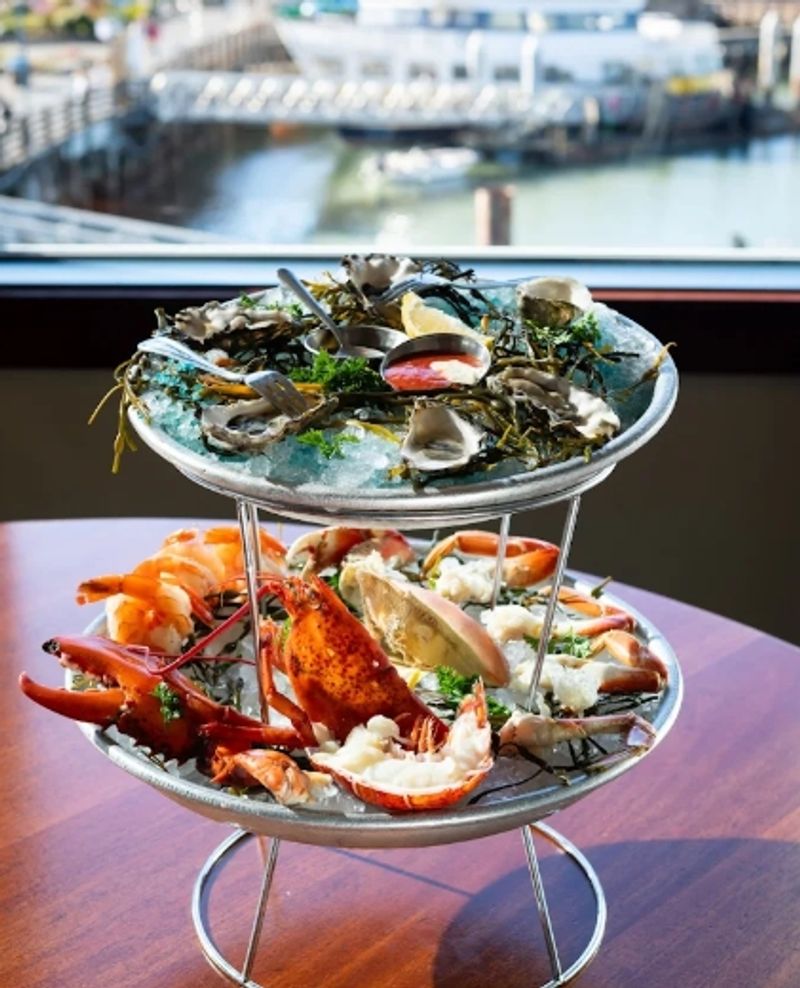
Not every seafood restaurant bothers to build out a shrimp menu with genuine range, but Fog Harbor Fish House takes a noticeably different approach.
The menu features multiple shrimp preparations that go beyond the standard cocktail cup, offering options like Red Chili Garlic Shrimp, Grilled Shrimp Brochette, and Shrimp Louis, each one built around a different flavor profile and cooking technique.
Red Chili Garlic Shrimp brings heat and depth, while the Grilled Shrimp Brochette leans into smoky simplicity.
Shrimp Louis is a classic California preparation that pairs chilled shrimp with a tangy dressing and crisp greens, making it a lighter option that still feels satisfying and complete.
Having this kind of variety on one menu means that two people with completely different cravings can sit down together and both find something that genuinely excites them.
Shrimp dishes at Fog Harbor are prepared using seafood that is delivered and hand-cut daily, which tends to show up in the texture and flavor in a way that frozen alternatives simply cannot replicate.
For shrimp enthusiasts who have settled for mediocre preparations elsewhere, the lineup here could easily shift expectations about what a restaurant shrimp dish can actually taste like.
5. Views Of The Golden Gate Bridge And Alcatraz From Your Table
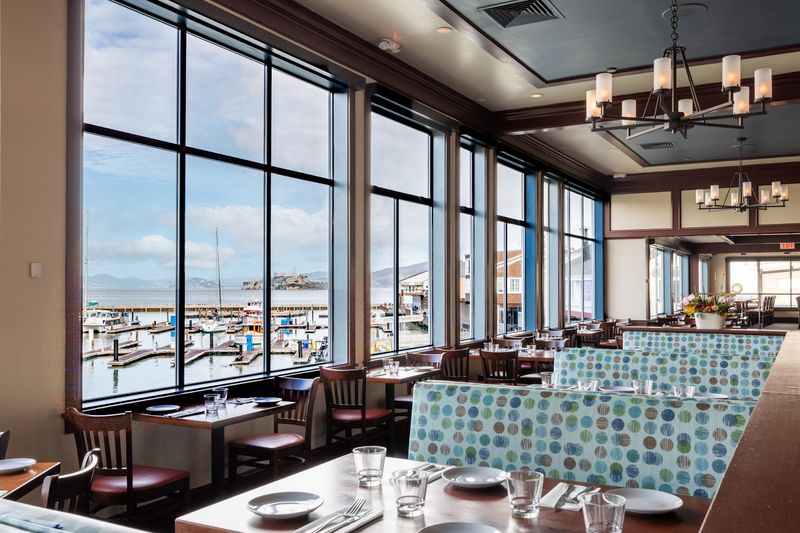
Few restaurants anywhere in California can honestly claim that their dining room view includes both the Golden Gate Bridge and Alcatraz Island at the same time.
At Fog Harbor Fish House, that combination is simply part of the backdrop on a clear day, visible through the large windows that face the open water of San Francisco Bay.
The light over the bay shifts throughout the day, moving from a soft morning haze to a sharper afternoon glare before settling into the warm golden tones that San Francisco is known for at dusk.
Sitting near a window during that transition tends to make an already enjoyable meal feel genuinely memorable, even before the food arrives at the table.
Alcatraz Island sits close enough to feel dramatic without being overwhelming, and the outline of the Golden Gate Bridge frames the far edge of the view on days when the fog has pulled back.
The seating arrangement inside the restaurant allows a good portion of the tables to take advantage of these sightlines, though window seats tend to fill up quickly during peak hours.
Arriving a bit earlier than the dinner rush could increase the chances of landing a spot with an unobstructed bay view.
6. Sourdough Baked Fresh Every 60 Minutes
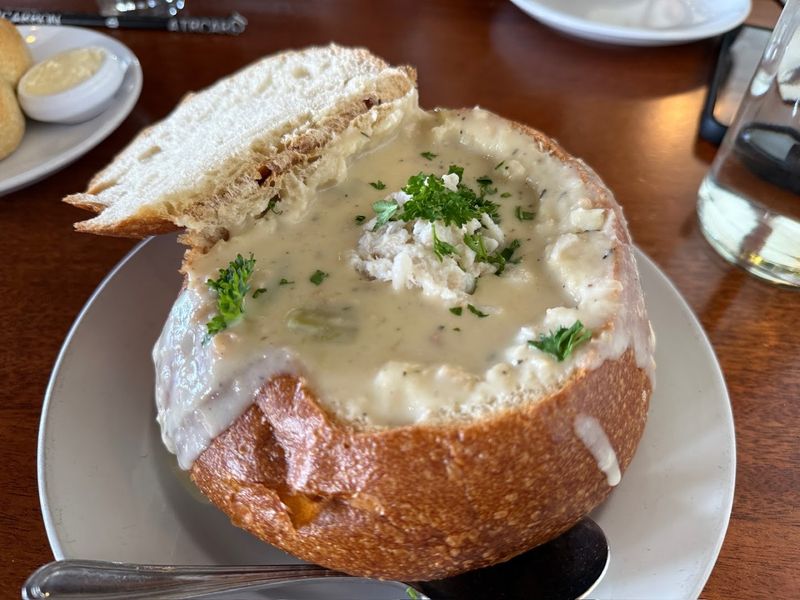
There is something quietly impressive about a restaurant that bakes its own bread continuously throughout the day rather than relying on a morning delivery and calling it done.
At Fog Harbor Fish House, sourdough bread is baked on-site every 60 minutes during service, which means the loaves hitting tables are almost always fresh out of the oven.
Sourdough has a long history in San Francisco, tied to the city’s specific climate and the wild yeast cultures that have been maintained in local bakeries for generations.
Serving house-baked sourdough at a Fisherman’s Wharf seafood restaurant feels like a natural extension of that tradition rather than a gimmick added to impress tourists.
The bread serves a dual purpose at Fog Harbor, functioning both as a standalone side and as the vessel for the restaurant’s celebrated clam chowder bowl.
A bread bowl made from fresh sourdough has a noticeably different texture than one made from bread that has been sitting for hours, with a crispier crust and a softer interior that holds the soup without turning soggy too quickly.
That 30-minute baking cycle is a small operational detail that ends up making a surprisingly big difference in the overall dining experience from start to finish.
7. A Family-Owned Legacy Spanning Nearly Two Decades
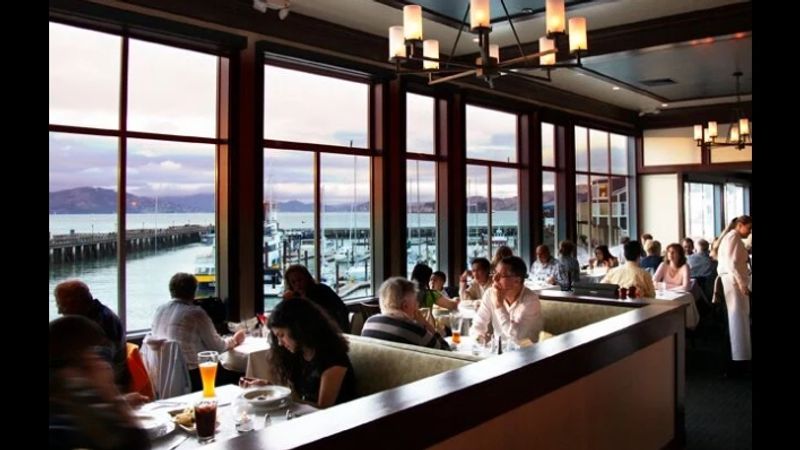
Behind a lot of long-running restaurants is a family that refused to walk away when things got complicated.
The Simmons family has been managing Fog Harbor Fish House for close to 20 years, steering the restaurant through the kinds of shifts that have closed many other spots along the Wharf during that same stretch of time.
Family ownership tends to show up in the details of a restaurant in ways that are hard to manufacture with hired management alone.
The consistency of the menu, the attention to sourcing standards, and the overall sense that someone genuinely invested is watching over the operation all tend to reflect ownership that has personal stakes in the outcome rather than purely financial ones.
Long-tenured staff members are also more common at family-run establishments, and returning guests often notice familiar faces behind the counter or on the floor, which adds a layer of warmth to repeat visits.
Fog Harbor Fish House has built its reputation over nearly two decades not through dramatic reinvention but through steady commitment to the same core values that made it worth visiting in the first place.
That kind of continuity is increasingly rare in the restaurant industry and tends to be something diners genuinely appreciate when they notice it.
8. Cioppino: The House Specialty That Tells A Story
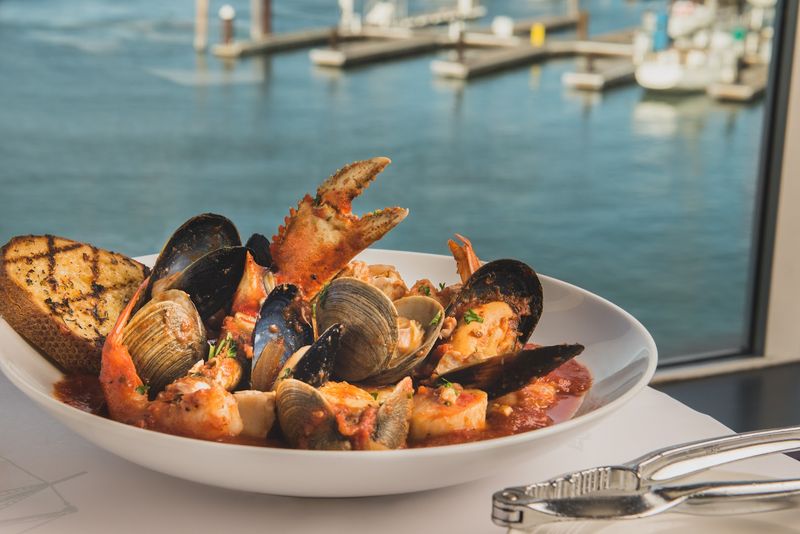
Cioppino is one of those dishes that carries an entire city’s culinary history inside a single bowl.
The stew was originally created by Italian immigrant fishermen in San Francisco in the late 1800s, made from whatever seafood was left over from the day’s catch, simmered together in a tomato-based broth that became iconic over time.
At Fog Harbor Fish House, the Cioppino is listed as a house specialty and includes a generous combination of crab, fish, shrimp, and other shellfish cooked down in a rich tomato broth that reflects the dish’s working-class origins.
The recipe has evolved over the decades in restaurants across the city, but the best versions still carry that same hearty, unfussy spirit that made the original so satisfying to the fishermen who invented it.
Ordering Cioppino at a Fisherman’s Wharf restaurant feels like one of those genuinely appropriate food-meets-location moments that do not come along often.
The dish is filling enough to serve as a full meal on its own and works particularly well on cooler days when the bay wind picks up and the fog rolls back in from the Pacific.
For visitors trying to eat something deeply rooted in San Francisco food culture, Cioppino at Fog Harbor is a reliable and historically grounded choice.
9. Daily Hand-Cut Seafood Delivery
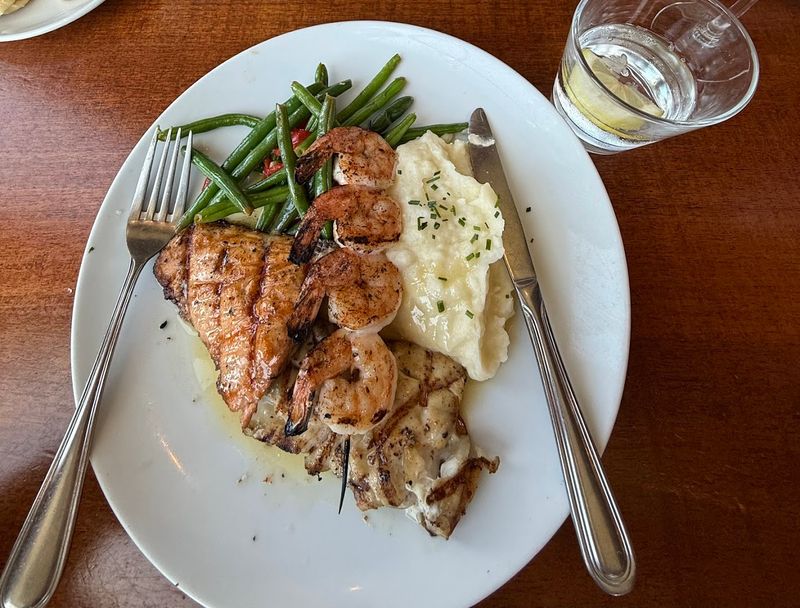
Most diners never think about what happens in the hours before a restaurant opens, but the prep work at Fog Harbor Fish House starts with a commitment that is worth knowing about.
Seafood at the restaurant is delivered fresh and hand-cut daily, meaning the fish and shrimp on the menu have not been sitting in a freezer waiting for a busy weekend to justify thawing them out.
Hand-cutting fish in-house rather than receiving pre-portioned fillets gives the kitchen more control over quality at every stage of preparation.
A trained eye can spot inconsistencies in texture or color before a piece of fish ever reaches the pan, which reduces the chance of a subpar piece making it onto a guest’s plate without anyone noticing.
Daily delivery also means the menu is tied to what is actually available and fresh rather than what was ordered in bulk two weeks ago.
That kind of responsiveness to supply tends to result in better-tasting food across the board, even in dishes where freshness might not seem like the most obvious factor.
For guests who have noticed a difference between truly fresh seafood and the kind that has been sitting around too long, the daily delivery and hand-cutting process at Fog Harbor is a meaningful part of what keeps the food quality consistent.
10. Environmental Stewardship Beyond The Menu
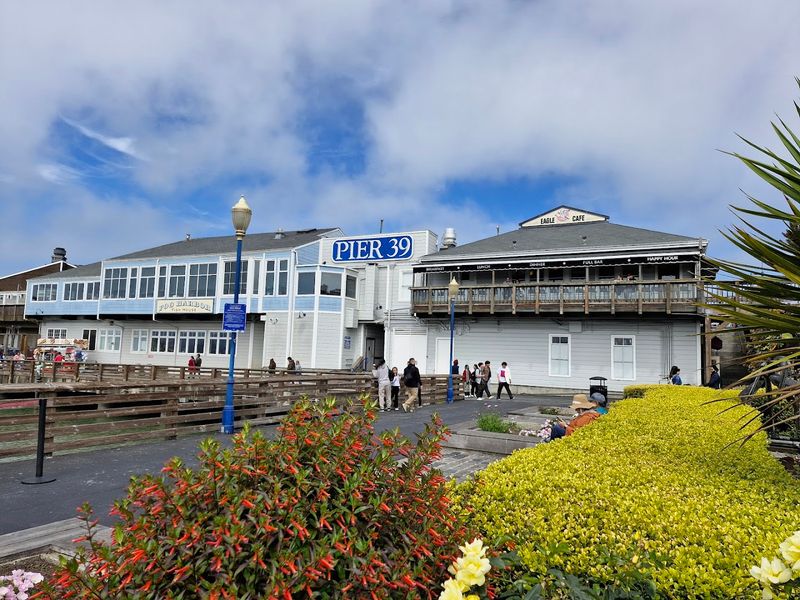
Fog Harbor Fish House does not treat sustainability as just a label on the menu.
The restaurant’s sourcing practices are tied to fisheries that use responsible fishing methods specifically designed to protect marine ecosystems rather than deplete them, which goes a step further than simply choosing seafood that has been labeled sustainable by a third party.
Responsible fishing methods can include things like avoiding overfished species, using gear that reduces bycatch, and supporting fisheries that monitor their harvest levels against the long-term health of the population.
When a restaurant actively builds those standards into its purchasing decisions, the impact extends well beyond what ends up on the plate.
San Francisco Bay and the Pacific coastline that surrounds it are living ecosystems that support both the fishing industry and the natural environment simultaneously.
Restaurants that operate near working waterfronts carry a particular kind of responsibility to that ecosystem, simply because of their geographic proximity and their purchasing power.
Fog Harbor’s position on Pier 39 puts it directly in that conversation, and the restaurant’s long-standing commitment to environmental stewardship suggests that the responsibility has been taken seriously rather than treated as a branding opportunity.
For diners who factor ethics into their dining choices, that consistency over time tends to carry more credibility than a single campaign or certification.