This Michelin-Star Restaurant Omakase Table Georgia Turns Dinner Into A Culinary Journey
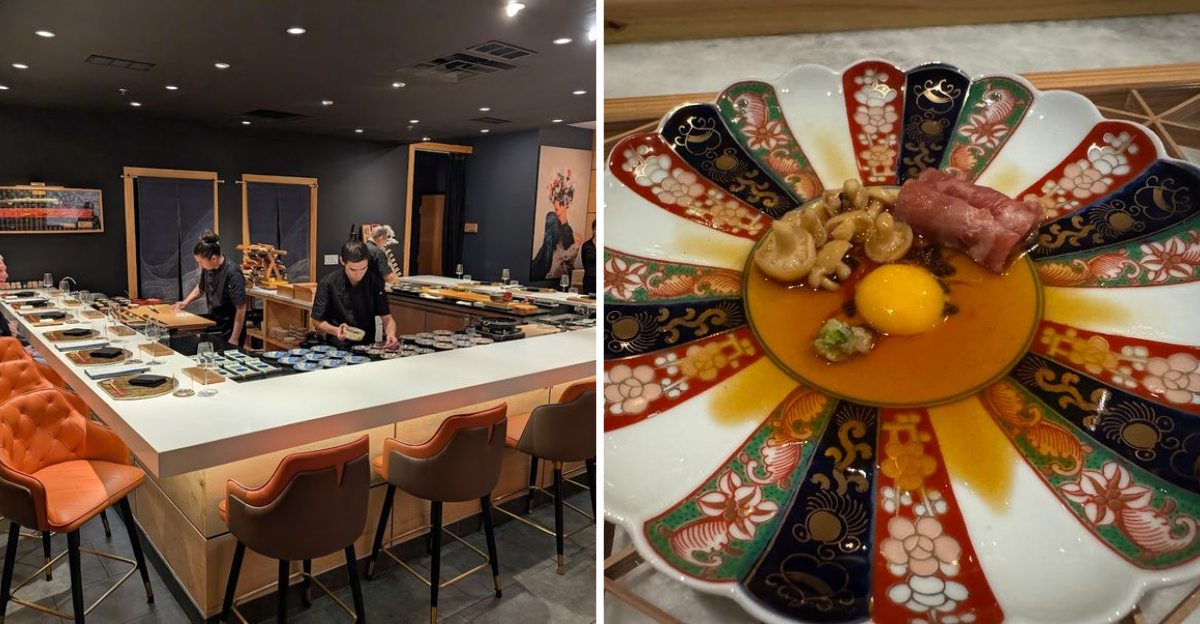
In Atlanta’s vibrant dining scene, few restaurants create the sense of anticipation and excitement found at Omakase Table. Located in the Buckhead area, this Michelin starred destination offers an intimate experience that centers on precision, craftsmanship, and respect for tradition. Guests gather around the sushi counter as each course is prepared directly in front of them, turning dinner into a carefully guided culinary journey.
The menu follows the spirit of traditional Edomae sushi, highlighting seasonal seafood and meticulous techniques that bring out pure, balanced flavor. Every detail, from the timing of each bite to the presentation on the plate, reflects a deep commitment to quality. The result is a meal that feels personal, thoughtful, and unforgettable.
For anyone curious about the art of omakase or searching for a truly special night out in Atlanta, Omakase Table offers a dining experience that stands among the best in Georgia.
1. Michelin-Starred Excellence in Atlanta
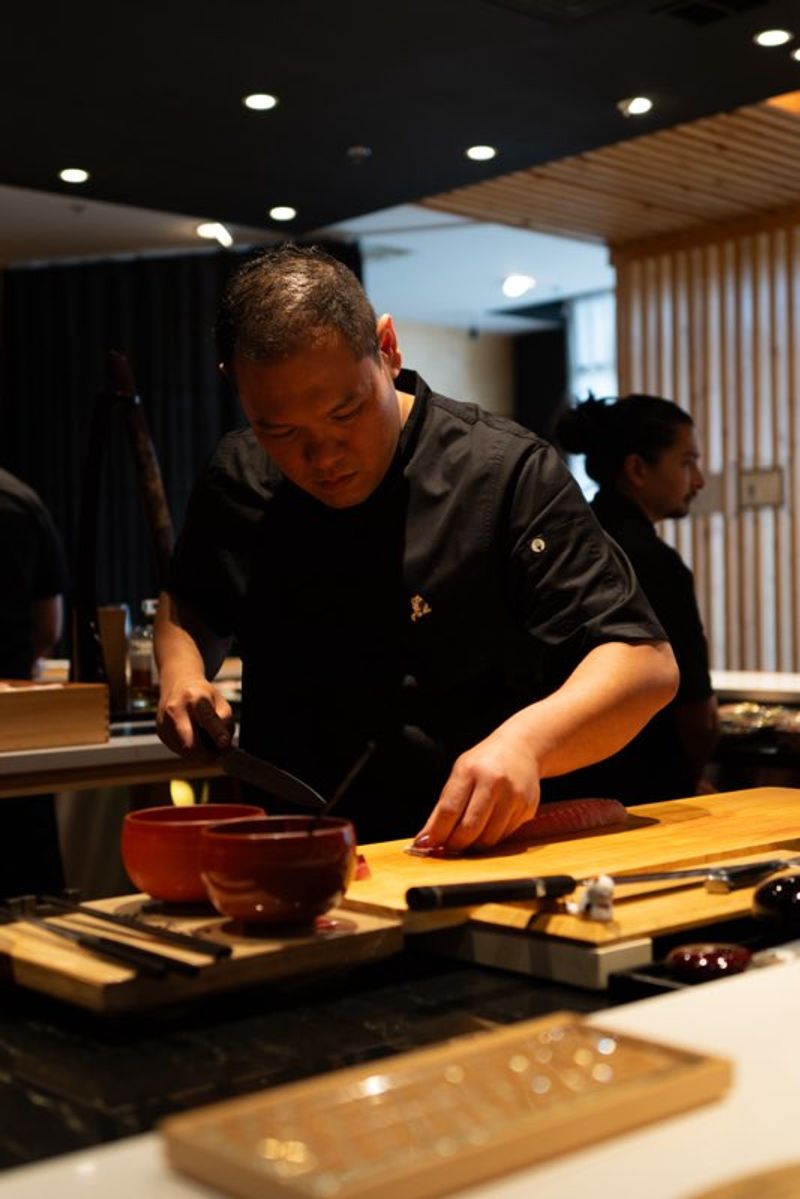
Earning a Michelin star is no small feat, and Omakase Table in Atlanta, Georgia achieved exactly that in October 2024. Located at 3330 Piedmont Rd NE #22A, Atlanta, GA 30305, this recognition places the restaurant among an elite group of dining establishments in the entire southeastern United States.
The Michelin Guide is considered one of the most respected authorities in global fine dining, so a star here signals exceptional quality across every aspect of the meal. It is not just about the food tasting good; it covers technique, consistency, creativity, and the overall dining experience.
For Atlanta diners, this award marked a proud milestone for the city’s growing culinary reputation. Visitors from across the country now travel specifically to experience what Michelin inspectors described as high-quality cooking with impressive depth. Knowing that inspectors dined anonymously makes the recognition even more meaningful and trustworthy.
2. A 20-Course Seasonal Tasting Menu That Changes Daily
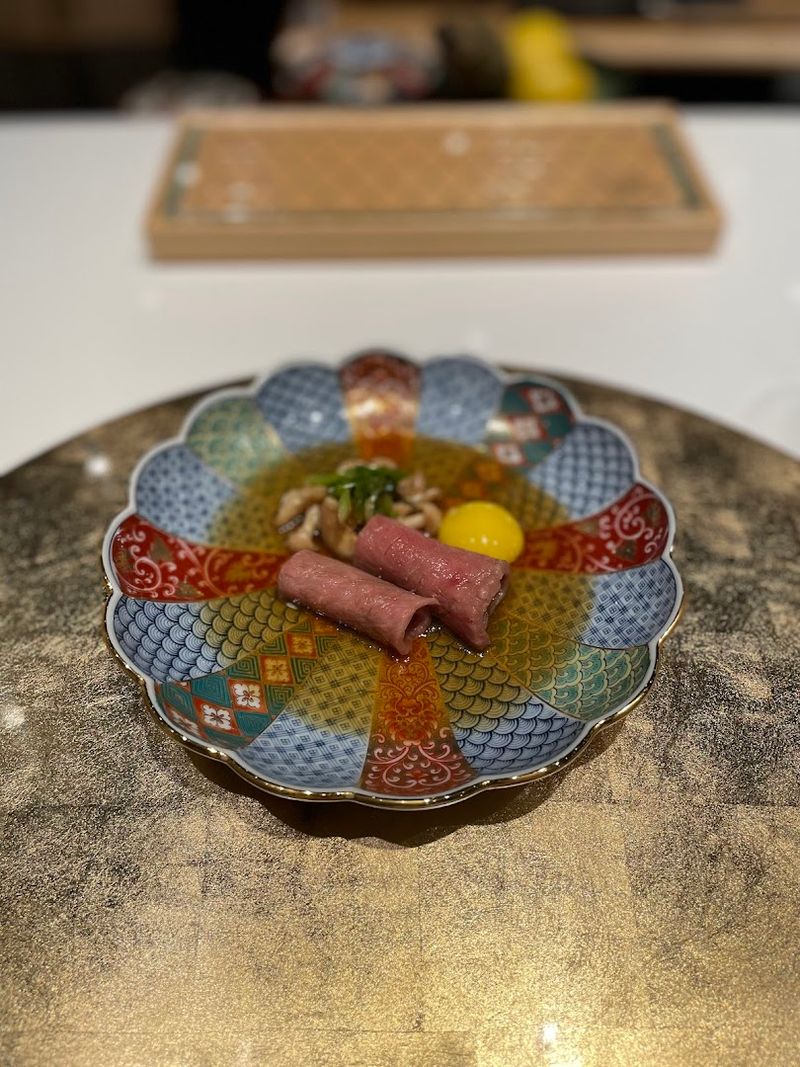
One of the most exciting things about dining at Omakase Table is that no two visits are ever exactly alike. The menu features a 20-course omakase experience that shifts daily based on what is freshest at the market and what is in peak seasonal condition.
The kitchen team works each morning to plan the day’s offerings around the best available ingredients, which means guests are always getting something at its absolute prime. That commitment to freshness is what separates a truly great omakase from a standard tasting menu.
For first-time omakase diners, the rotating format can feel both thrilling and slightly unpredictable in the best possible way. Regulars often return multiple times throughout the year specifically to experience how the menu evolves across seasons. Spring might bring lighter, more delicate flavors, while autumn could introduce richer, more complex preparations that feel deeply satisfying.
3. Signature Dishes Worth Every Bite
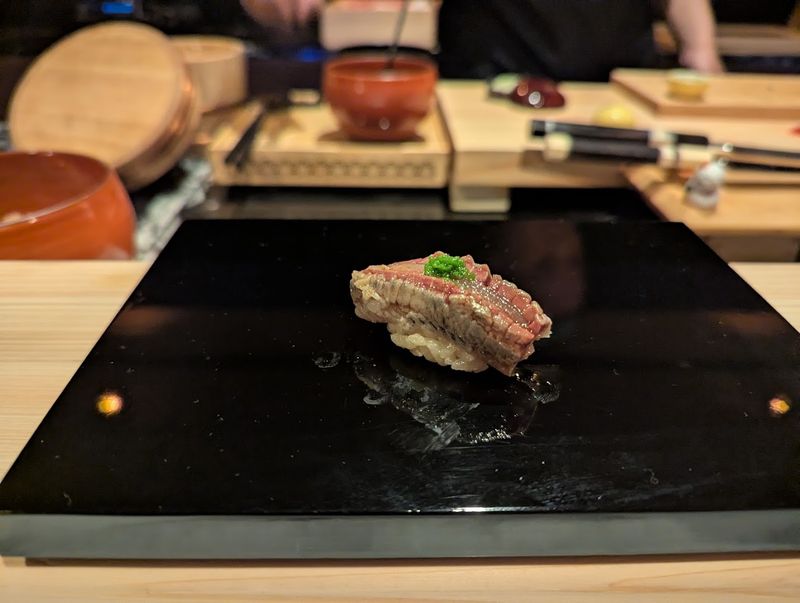
Some dishes become legendary at a restaurant, and at Omakase Table, the uni gohan with otoro and the corn potage have developed serious reputations among Atlanta food lovers. Both dishes appear in the Michelin Guide’s own notes as standout highlights from the tasting menu.
The kitchen crafts these dishes with an almost meditative level of care. The uni gohan combines creamy sea urchin with rich fatty tuna over seasoned rice, creating a flavor combination that feels simultaneously indulgent and perfectly balanced.
The corn potage surprises many guests who might not expect a simple corn soup to deliver such impressive depth and complexity. It is the kind of dish that stops conversation for a moment while everyone at the counter quietly processes what they just tasted. These signature preparations are proof that great cooking does not always need to be complicated to leave a lasting impression.
4. Premium Japanese-Sourced Ingredients
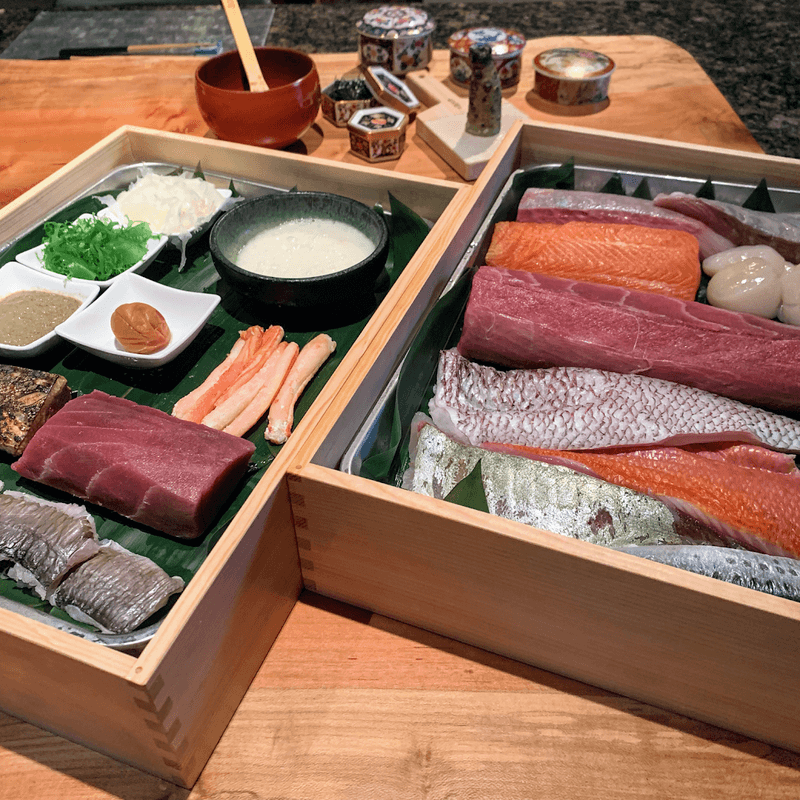
The ingredient sourcing at Omakase Table is a story in itself. Fish is imported predominantly from Japan, connecting Atlanta diners directly to the same seafood markets that supply top sushi restaurants in Tokyo and Osaka.
The kitchen applies traditional preservation and enhancement techniques including aging, curing, and marinating to coax out maximum flavor from each piece of fish. These methods are rooted in centuries of Japanese culinary tradition and require significant skill to execute properly.
Aging fish, in particular, is a technique that many Western diners are unfamiliar with, but when done correctly, it produces a depth of umami that fresh fish simply cannot match on its own. The result is sushi that tastes richer, more nuanced, and more layered than what most people have experienced before. For guests who care deeply about where their food comes from, this sourcing commitment adds an extra layer of appreciation to every course.
5. An Intimate Setting That Feels Truly Exclusive
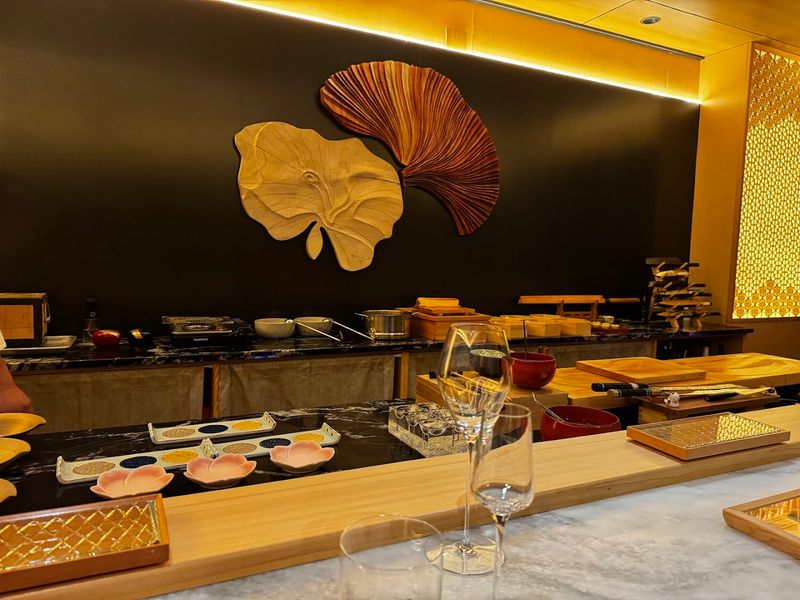
There is something about a small, carefully curated space that makes a meal feel genuinely special. Omakase Table operates with two intimate rooms, one seating 10 guests and another accommodating 8, for a total of just 18 diners per seating.
This compact setup is entirely intentional. Keeping the guest count low allows the kitchen team to deliver consistent, attentive service to every single person at the counter without any quality slipping through the cracks.
Compare that to a typical Atlanta restaurant that might seat 100 or more people on a busy Friday night, and the difference in atmosphere becomes immediately clear. At Omakase Table, the pace is unhurried, the noise level stays low, and every guest feels like the evening was designed specifically for them. That sense of being genuinely seen and cared for as a diner is increasingly rare and deeply valued by those who seek it out.
6. Minimalist Decor That Sets the Perfect Mood
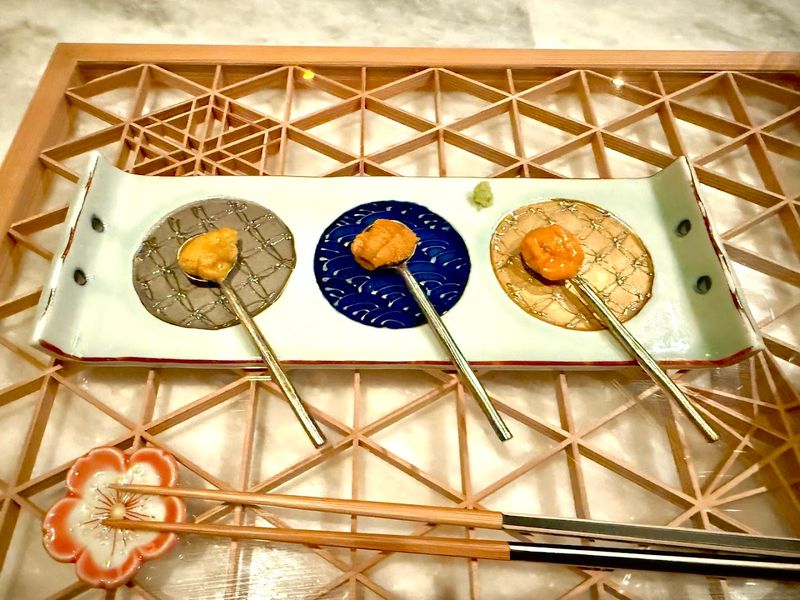
Walking into Omakase Table feels like stepping into a space where every design decision was made with intention. Natural wood elements blend with rich grey tones and soft, carefully placed lighting to create an atmosphere that feels both calming and quietly sophisticated.
The decor does exactly what great restaurant design should do: it fades into the background just enough to let the food take center stage while still creating a mood that feels memorable and distinct. Nothing about the space feels cluttered or overdone.
The soft lighting deserves special mention because it strikes a balance that many restaurants struggle to find. Bright enough to appreciate the visual beauty of each dish, but dim enough to feel genuinely intimate and relaxed. Guests who dine here often comment that the environment itself contributes to how good the food tastes, because the calm, focused atmosphere makes it easier to slow down and truly pay attention to every flavor.
7. A Personalized Experience at the Counter
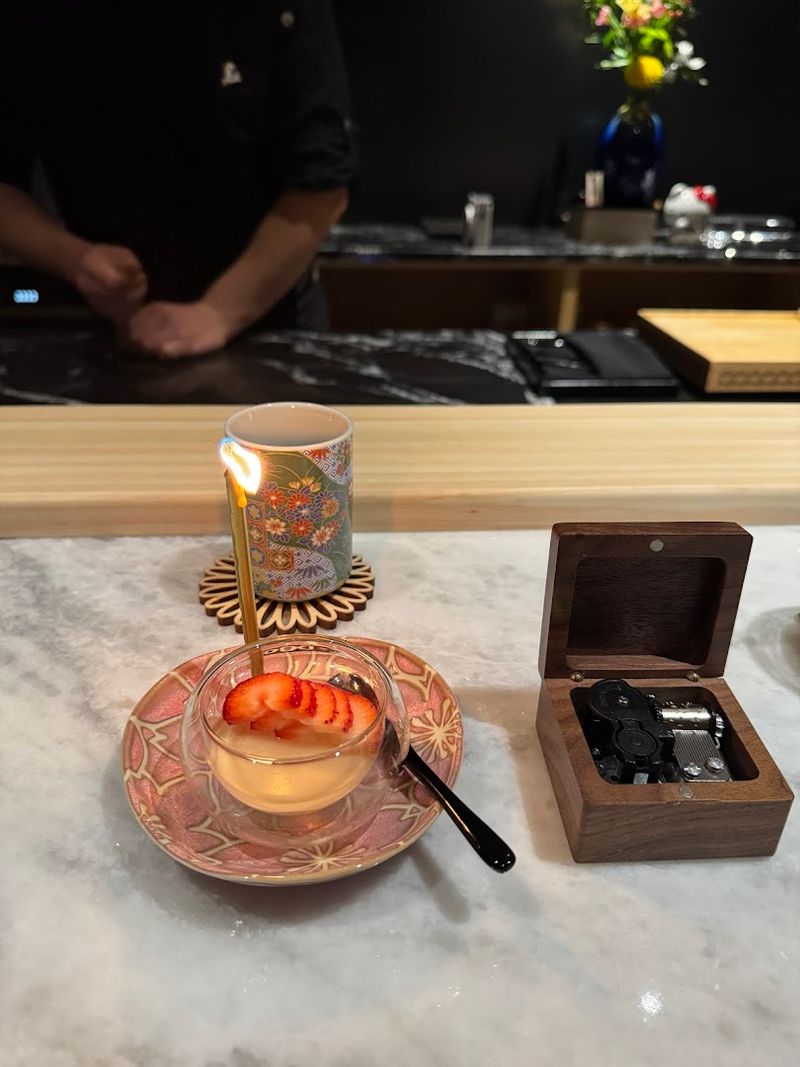
Counter dining at Omakase Table is not just about having a front-row seat to the kitchen action. The counter format creates a genuine two-way experience where guests can ask questions, learn about each dish, and feel a real connection to the people preparing their meal.
This transforms dinner from passive eating into active discovery.
For solo diners or couples celebrating a special occasion, this interactive quality adds enormous value to the evening. There is a warmth and generosity to how the team communicates that makes even first-time omakase guests feel comfortable and welcomed rather than intimidated. Regular diners often say that building a relationship with the chef over multiple visits makes each return trip feel even more personal and rewarding.
8. Edomae Tradition Meets Modern Sensibility
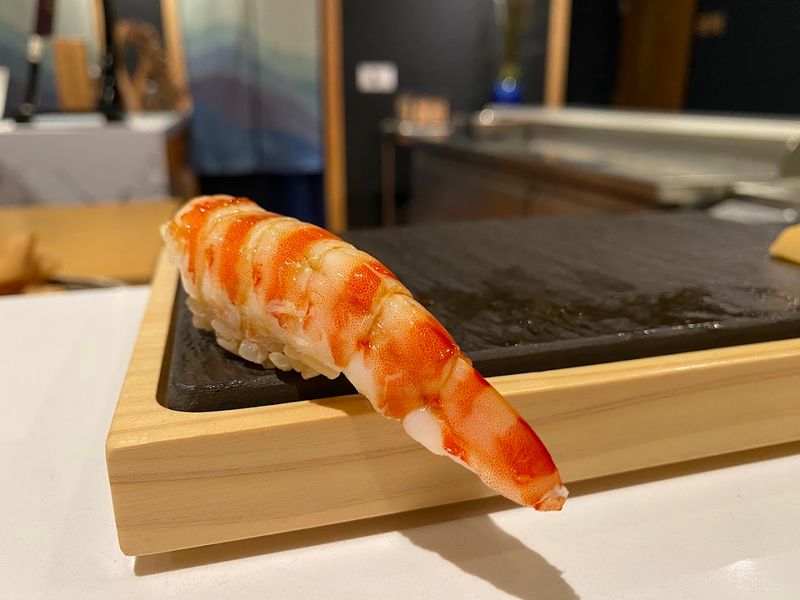
Edomae sushi is one of the oldest and most respected styles of sushi in Japan, originating in old Edo, what is now Tokyo, during the 19th century. At Omakase Table, this tradition forms the backbone of everything on the menu, but chef is not afraid to let a subtle modern sensibility influence how certain dishes are presented or seasoned.
The balance between honoring tradition and allowing thoughtful evolution is something the kitchen navigates with real skill. Guests who are deeply familiar with classic Edomae sushi will recognize and respect the foundation, while those newer to the style will find the slight contemporary touches make the experience more approachable.
This balance is genuinely difficult to achieve without the result feeling either too rigid or too loose. The fact that Michelin inspectors recognized the restaurant with a star suggests the balance has been struck successfully, and that is a testament to the chef’s confidence and culinary maturity.
9. A Brand-New Cocktail Pairing Program
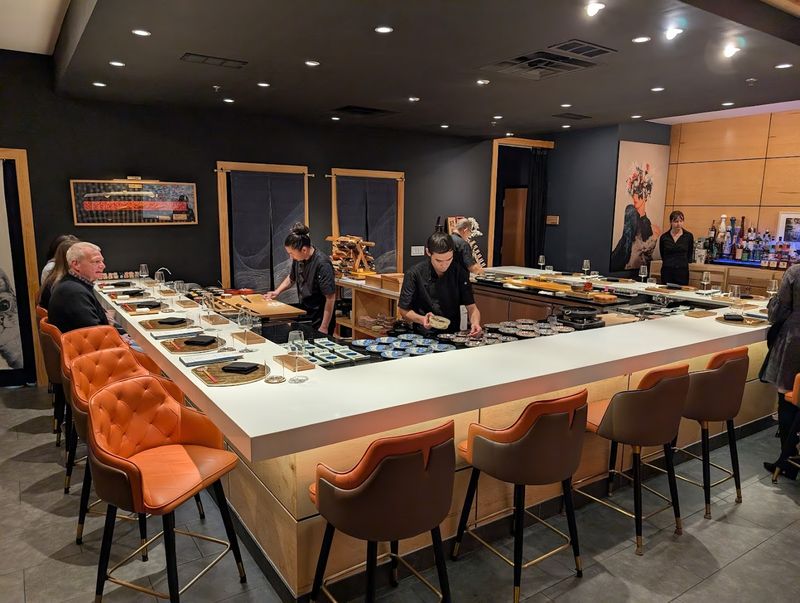
April 2025 brought an exciting new addition to the Omakase Table experience: a dedicated omakase cocktail pairing program designed to complement each course of the tasting menu. For guests who enjoy a thoughtful drink alongside their meal, this is a genuinely exciting development.
The cocktail bar seats 10 guests and offers Japanese beers, wines, sake, and creative cocktails that draw on Japanese flavor profiles and seasonal ingredients. The new pairing program takes the guesswork out of what to order by matching specific drinks to specific courses.
Sake pairings are especially popular among guests who want to stay close to Japanese tradition, while the cocktail options appeal to those who enjoy something a little more adventurous. The bar team has clearly put real thought into how each drink interacts with the flavors on the plate, making the overall experience feel more cohesive and intentional than a standard drink menu ever could.
10. Technical Cooking Skill That Stands Out
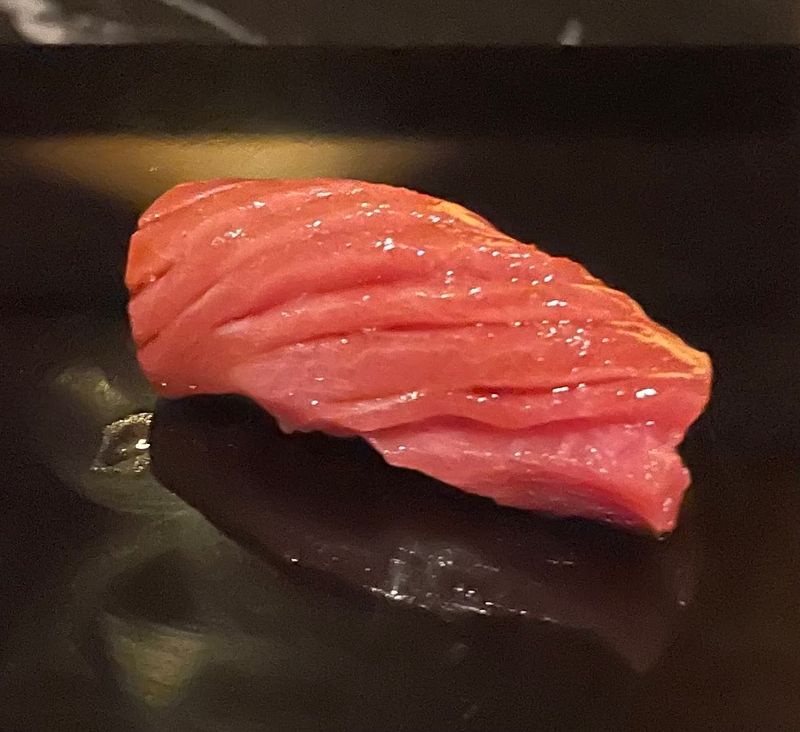
Great sushi looks effortless but requires years of disciplined practice to execute at a high level. At Omakase Table, the technical skill on display throughout a meal is one of the things that consistently impresses both food critics and casual diners alike.
Every detail reflects that commitment to precision, from the way rice is seasoned and shaped to the exact thickness of each fish slice and the timing of when each piece is served. These are not details that most diners consciously notice, but they are absolutely what separates a good sushi meal from an extraordinary one.
The Michelin Guide specifically cited high-quality cooking and technical excellence as reasons for the restaurant’s star, which validates what regular guests have been saying for years. For anyone who appreciates the craft behind fine cooking, watching and tasting the results of that level of skill is genuinely thrilling and deeply satisfying in a way that a casual meal simply cannot replicate.
11. Reservations That Make Every Visit Feel Special
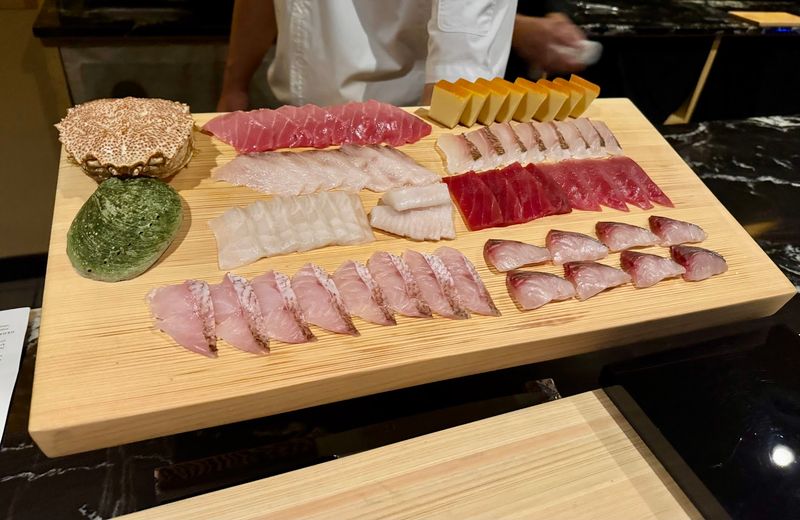
Securing a reservation at Omakase Table is part of what makes the experience feel genuinely exclusive. Because the restaurant seats only 18 guests per seating across two rooms, spots fill up quickly and planning ahead is essential for anyone hoping to dine here.
Bookings are made online through the restaurant’s reservation system, which is straightforward and user-friendly. Checking availability a few weeks in advance is strongly recommended, especially for weekend seatings and holiday periods.
The advance booking process also gives guests time to review any dietary restrictions or special occasion requests with the team before arrival, which the restaurant handles thoughtfully. There is something psychologically satisfying about planning a meal this way. The anticipation builds over days or weeks, and by the time the evening arrives, guests are genuinely excited rather than just hungry.
That emotional buildup becomes part of the overall experience, making the first bite feel even more rewarding when it finally arrives.
12. A Culinary Journey Through the Flavors of Japan
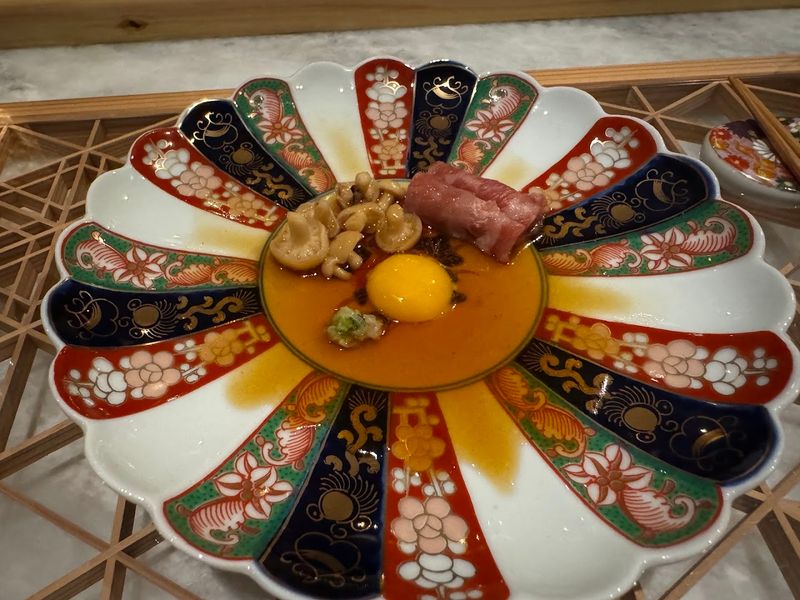
Not every restaurant can honestly claim to take diners on a journey, but Omakase Table earns that description through the thoughtful progression of its 20-course menu. Each course builds on the last, moving through different textures, temperatures, and flavor profiles in a way that feels carefully choreographed.
The menu draws from various regions and traditions within Japanese cuisine, introducing dishes and ingredients that many Atlanta diners may never have encountered before. That educational dimension adds genuine value to the meal beyond just the pleasure of eating well.
Guests might encounter aged fish preparations, hand-formed nigiri, delicate soups, and richly seasoned rice dishes all within a single sitting. The pacing ensures that no one course feels rushed or overlooked. By the end of the evening, there is a real sense of having traveled somewhere meaningful through food alone, which is exactly the kind of memory that stays with a person long after the meal is finished.
13. Featured in the Prestigious Michelin Guide
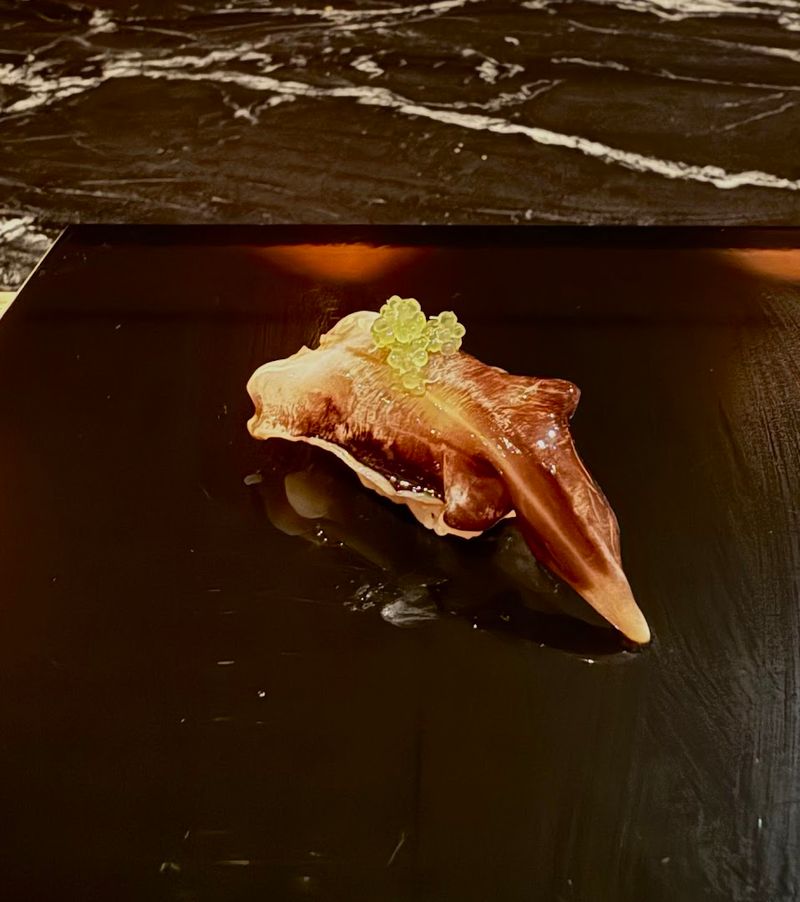
Being listed in the Michelin Guide is not something every restaurant achieves, and for Atlanta, the inclusion of Omakase Table represents a meaningful signal about the city’s rising fine dining scene. The Guide began covering Georgia relatively recently, making every inclusion feel significant for the local culinary community.
Omakase Table sits among a select group of Georgia restaurants recognized by Michelin inspectors who dine anonymously and evaluate establishments against a global standard. That anonymous inspection process ensures the recognition reflects consistent quality rather than a single exceptional night.
For diners who use the Michelin Guide as a trusted reference when traveling or exploring a new city, seeing Omakase Table listed with a star immediately communicates that this is a place worth making time for. Atlanta’s food scene has grown dramatically over the past decade, and Michelin recognition helps put Georgia restaurants on the international map in a way that local awards simply cannot match.
14. A Philosophy of Purity, Harmony, and Balance
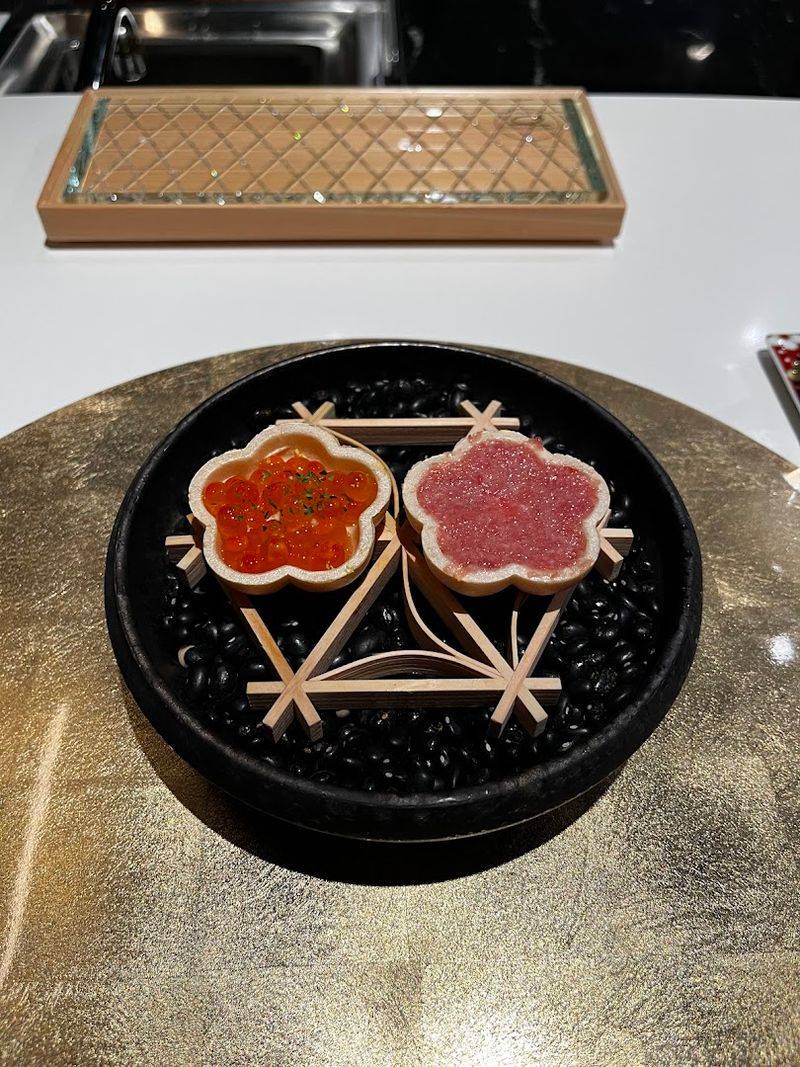
At the heart of everything Omakase Table does is a clear and deeply held culinary philosophy: purity, harmony, and balance. Chef treats these not as marketing words but as actual guiding principles that influence every decision made in the kitchen.
Purity means using the best ingredients without masking their natural qualities. Harmony refers to how flavors, textures, and temperatures work together within a single dish and across the full arc of the meal. Balance ensures that no single element overwhelms the others.
This philosophy produces food that feels honest and grounded rather than flashy or trend-chasing. Guests who appreciate restraint and thoughtfulness in cooking tend to find this approach deeply satisfying. There is a quiet confidence to food made this way, a sense that every component belongs exactly where it is.
That clarity of vision, consistently executed night after night, is ultimately what earned Omakase Table its Michelin star and keeps guests returning to experience it again.