The President With The 13-Foot Smile Georgia’s Giant Political Monument
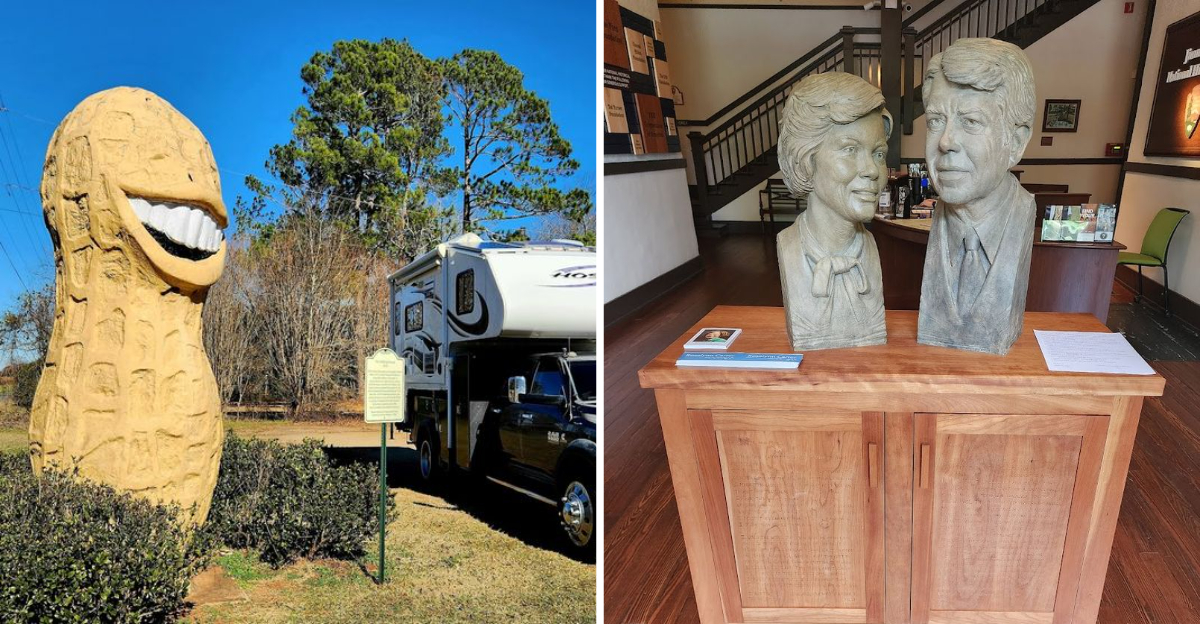
Along a quiet stretch of highway in the small town of Plains, Georgia, an unusual roadside landmark greets travelers with a wide smile. The Jimmy Carter Peanut Statue has become one of the South’s most recognizable and quirky attractions, drawing curious visitors who cannot resist stopping for a closer look.
Standing thirteen feet tall, the cheerful peanut pays tribute to Plains’ most famous son, the 39th President of the United States, Jimmy Carter. Long before his time in the White House, Carter was known as a peanut farmer whose roots ran deep in this rural community.
The statue celebrates that humble beginning while reflecting the town’s sense of humor and pride. Over the years it has become a favorite photo stop for road trippers, history lovers, and anyone exploring Georgia’s small town landmarks. These 15 fascinating facts reveal why this giant peanut is far more than a simple roadside curiosity.
1. Origins of the Statue
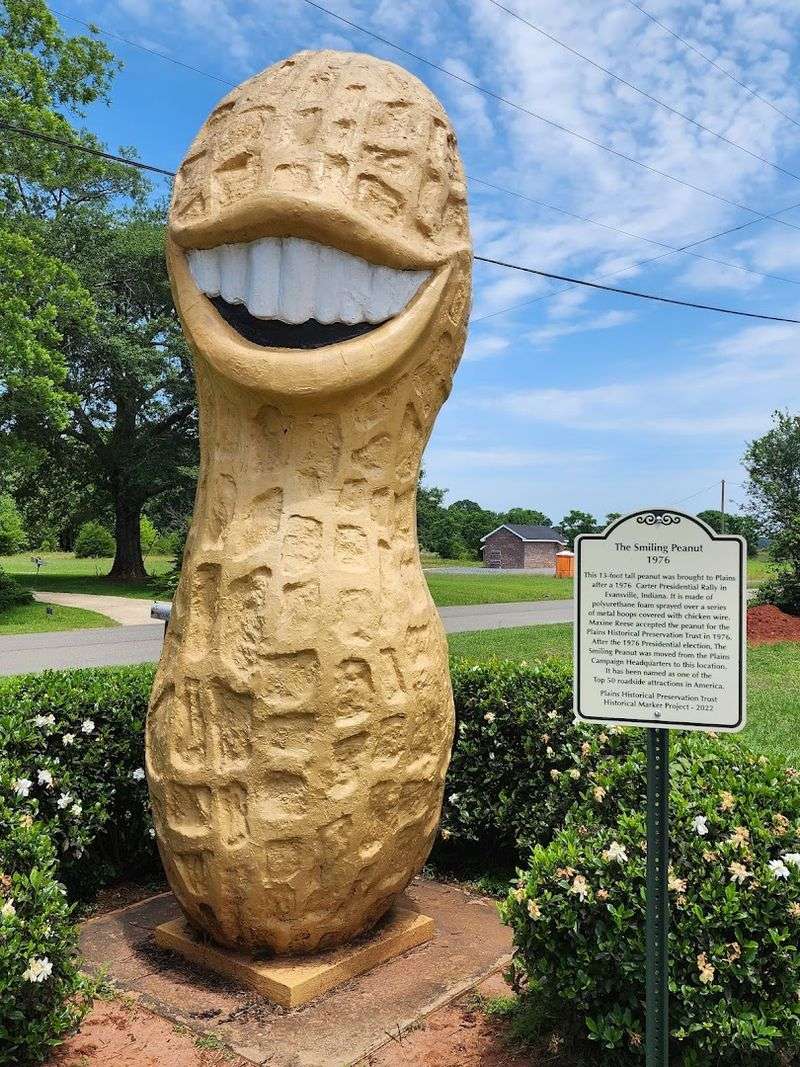
Back in 1976, the Indiana Democratic Party wanted a bold, eye-catching way to show support for presidential candidate Jimmy Carter, and what better symbol than a giant smiling peanut? The statue was commissioned specifically for Carter’s campaign trail, designed to grab attention and spark conversation wherever it traveled.
It certainly did its job. The peanut became an instant talking point, connecting Carter’s humble farming roots to his ambitious political climb in a way that felt both clever and genuinely heartfelt.
Plains, Georgia, was the perfect home for such a creation. Carter grew up farming peanuts on the family land, so the statue wasn’t just a campaign gimmick it was a nod to a real way of life that shaped the man who would eventually lead the country. Few presidential symbols have felt quite so personal or so rooted in actual biography.
2. Design and Materials Used
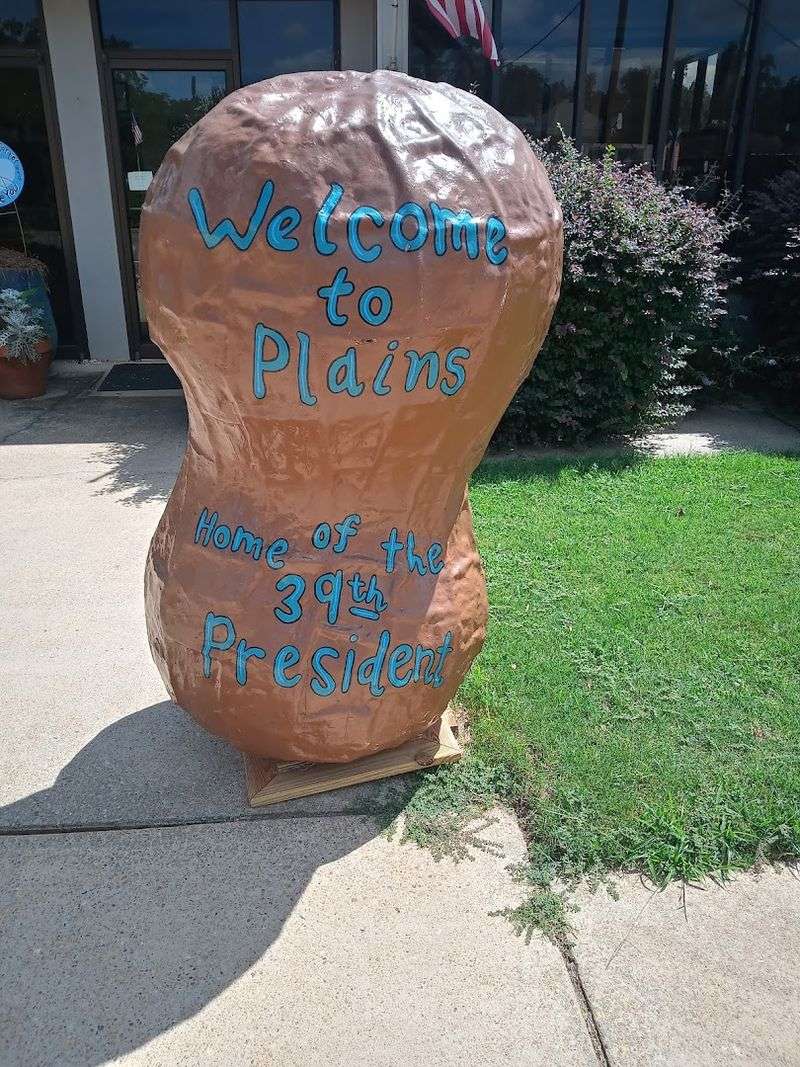
At first glance, the Jimmy Carter Peanut Statue looks like it might be made of solid concrete or fiberglass, but the truth is far more creative and surprising. The statue was built using wooden hoops, chicken wire, aluminum foil, and polyurethane materials that were practical, affordable, and surprisingly effective for creating a large-scale roadside figure.
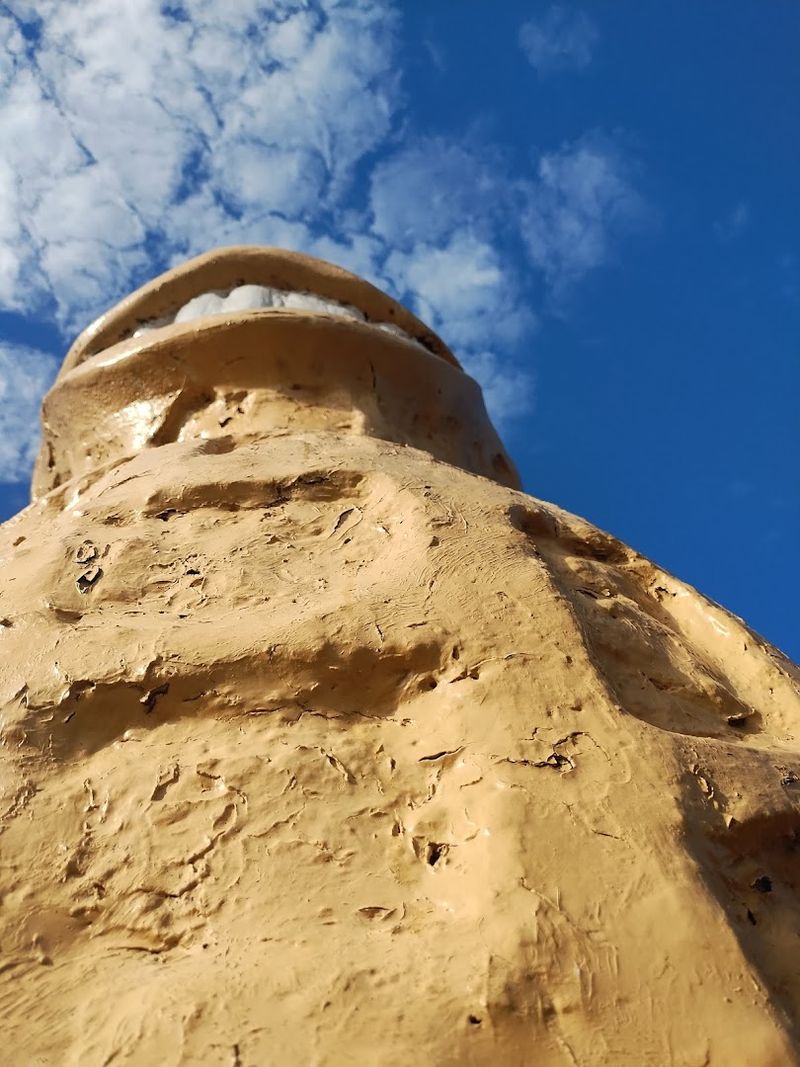
The textured outer shell mimics the bumpy, irregular surface of a real peanut, giving it an organic quality that makes the whole thing oddly convincing from a distance. Up close, you can appreciate the craftsmanship that went into shaping something so recognizable out of such humble components.
The broad, toothy grin painted across its face was meant to echo Carter’s own famously wide smile, which was one of his most recognized features during the campaign. It was a playful artistic choice that turned a simple vegetable into a full-on personality. Georgia roadside art doesn’t get much more inventive than this.
3. The Original Location in Plains
When the peanut statue first arrived in Plains, it was placed at the town’s train station a fitting spot given that the station served as the official headquarters for Jimmy Carter’s 1976 presidential campaign. Supporters, journalists, and curious visitors all passed through that station during the election season, making it a natural gathering point for the community.
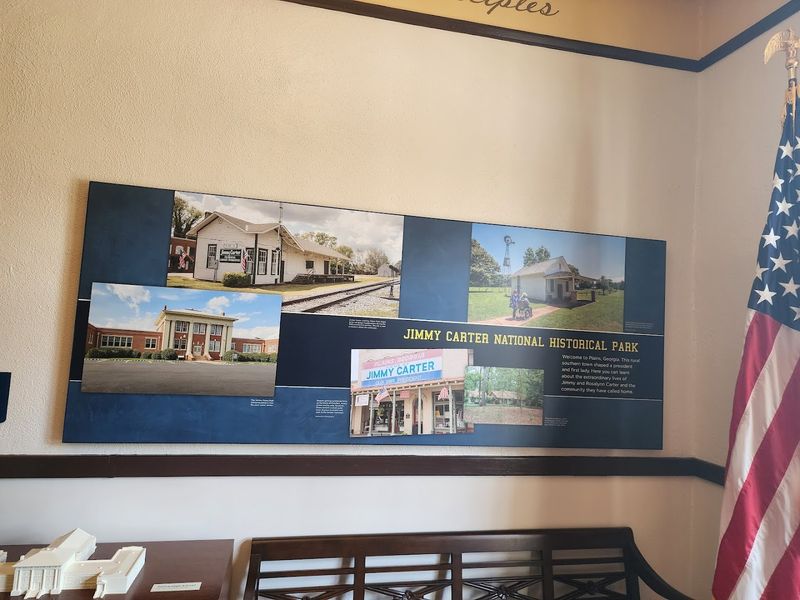
Plains Train Station, located at 120 Buena Vista Rd, Plains, GA 31780, still stands today as a museum managed by the National Park Service. It preserves the story of Carter’s grassroots campaign and gives visitors a tangible connection to one of America’s most surprising political underdog stories.
The peanut statue eventually moved from the train station to a new spot along Georgia State Route 45, closer to Maranatha Baptist Church. Still, knowing where it started adds a layer of history to the visit. That original train station placement was no accident it put the peanut right at the heart of everything happening in Plains during that electric campaign year.
4. Current Location Along Route 45
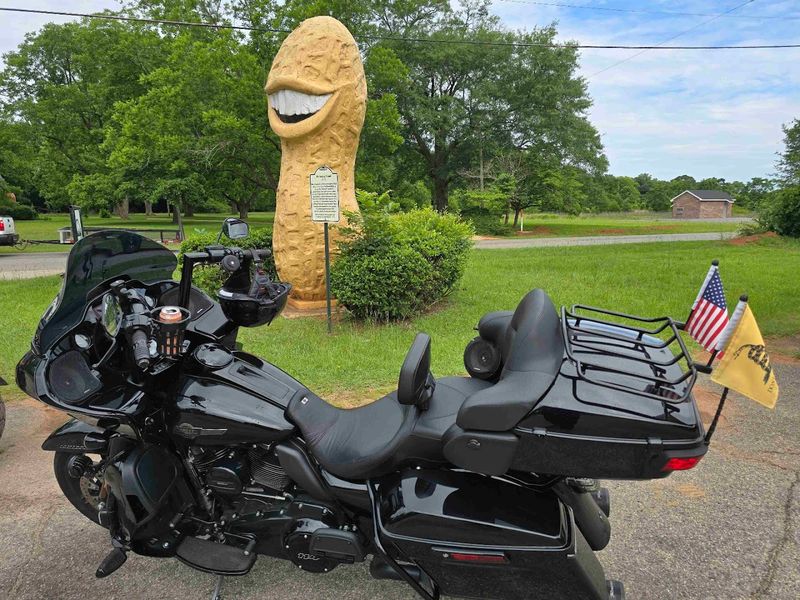
These days, the smiling peanut stands along Georgia State Route 45 in Plains, just a short distance from Maranatha Baptist Church, where Jimmy Carter famously taught Sunday school for decades.
The location is convenient for road trippers heading through southwest Georgia, and there’s typically a small pull-off area where visitors can stop, take photos, and soak in the quirky charm of the landmark. It doesn’t require a lot of planning just a willingness to slow down and enjoy something genuinely one-of-a-kind.
Being near Maranatha Baptist Church adds a meaningful layer to the visit. Carter taught Sunday school there well into his nineties, and combining a stop at the church with a photo at the peanut statue makes for a surprisingly moving little tour of the man’s enduring legacy in his tiny hometown. Plains rewards slow, curious travelers.
5. Carter’s Personal Reaction to the Statue
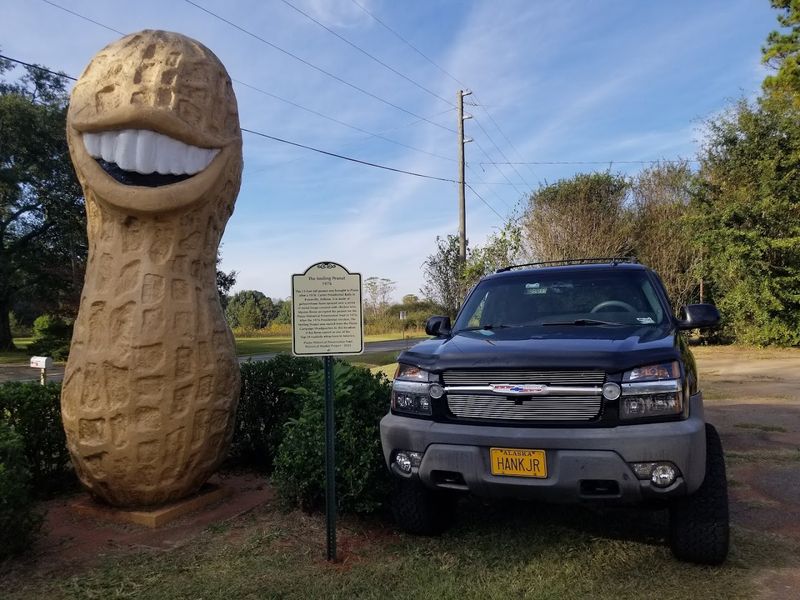
Here’s a detail that adds a wonderfully human wrinkle to the whole story: Jimmy Carter reportedly was not a fan of the statue’s exaggerated smile. Despite the peanut being created in his honor and becoming one of the most recognized symbols of his presidency, Carter felt the grin was simply too over the top.
It’s a relatable reaction, honestly. Imagine having a 13-foot caricature of your most recognizable feature planted on a highway in your hometown. Even the most good-humored person might wince a little at that level of public display.
Carter was known for his humility and his no-nonsense approach to life, so his mild discomfort with the statue actually fits his character perfectly. He was never someone who sought out flashy attention. The peanut statue, with its enormous grin and towering presence, was perhaps a little too theatrical for a man who genuinely preferred quiet service over spectacle.
Georgia appreciated him all the more for that.
6. How Tall Is the Statue Really
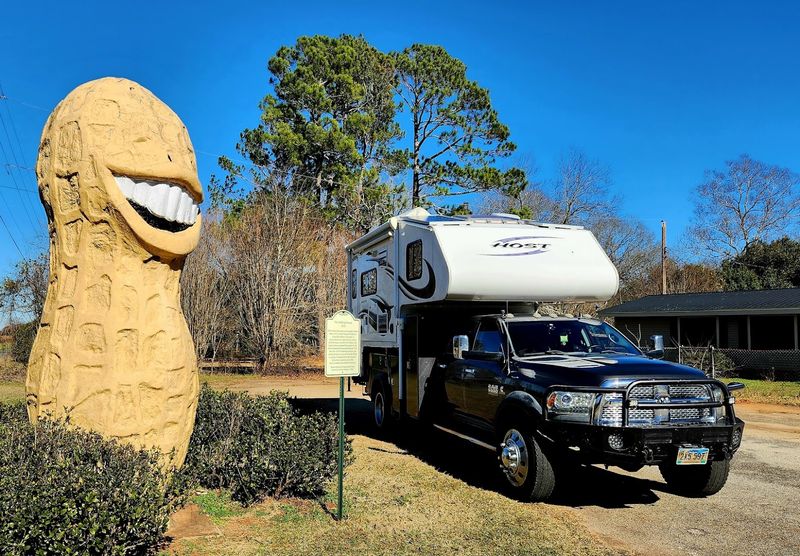
Standing at a confirmed 13 feet tall, the Jimmy Carter Peanut Statue is genuinely impressive when you’re standing next to it. Most visitors underestimate just how large it is until they’re right in front of it at that point, the scale hits differently and the photo opportunities suddenly feel very exciting.
To put that height in perspective, 13 feet is roughly the height of a standard one-story building plus a few extra feet. It’s tall enough to be visible from a moving car, which was very much part of the original design intent when it was created as a campaign attention-grabber.
The statue’s size made it effective as a political prop during the 1976 campaign because it was impossible to ignore. Even people who weren’t following the election closely couldn’t help but notice a giant grinning peanut rolling through town. In a crowded field of campaign materials, sheer physical scale turned out to be a surprisingly smart strategy for a Georgia peanut farmer running for president.
7. Second-Largest Peanut Statue in the World
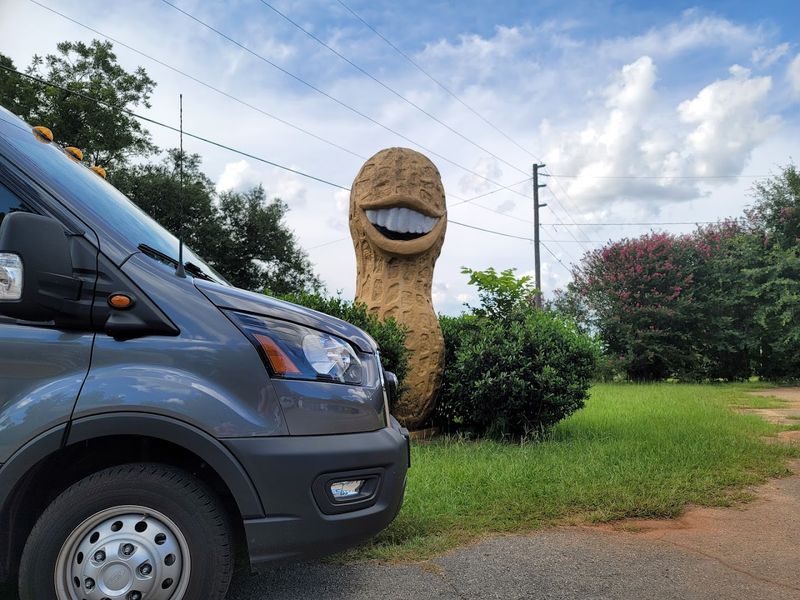
Bragging rights matter in roadside attraction culture, and the Plains peanut holds an impressive title: it is the second-largest peanut statue in the world. The top spot belongs to another Georgia landmark the giant peanut statue in Ashburn, Georgia, which edges it out in size.
The fact that both the first and second largest peanut statues in the world are located in Georgia says a lot about the state’s deep agricultural identity. Georgia has long been one of the top peanut-producing states in the country, and these statues are a cheerful, larger-than-life celebration of that heritage.
For fans of roadside Americana, this creates a fun little road trip opportunity. Ashburn is roughly 45 miles northeast of Plains, meaning a determined traveler could visit both giant peanuts in a single afternoon. It’s the kind of quirky double-feature excursion that makes Georgia road trips genuinely memorable.
Not many states can claim two world-record-competing peanut statues, and Georgia wears that distinction with pride.
8. The Secret Service Urban Legend
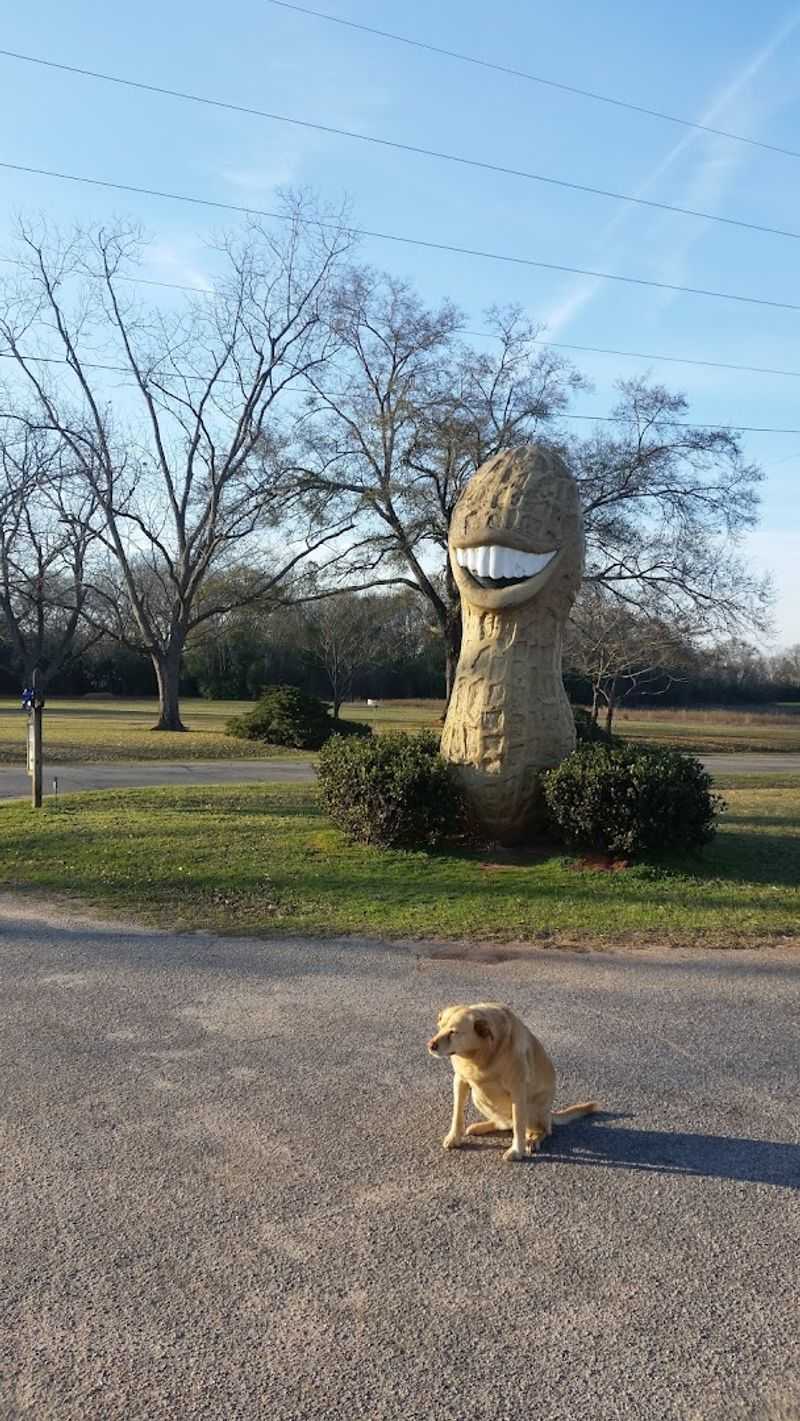
Every great landmark eventually collects at least one good urban legend, and the Jimmy Carter Peanut Statue has a particularly vivid one. According to local lore, the U.S. Secret Service once cut a hole into the statue to inspect its interior, checking to make sure no one had hidden explosives or, even more dramatically, an assassin inside it.
Whether or not this actually happened has never been officially confirmed, but the story has taken on a life of its own among locals and visitors alike. It adds a layer of intrigue to what might otherwise just be a cheerful piece of campaign folk art sitting on a Georgia roadside.
The legend also reflects the heightened security culture surrounding presidential figures during that era. The 1970s were a particularly tense time in American political life, so even a giant peanut statue wasn’t necessarily above scrutiny. True or not, the story makes visitors look at that bumpy exterior a little differently and wonder what secrets might still be hiding inside.
9. Maintenance and Repainting Over the Years
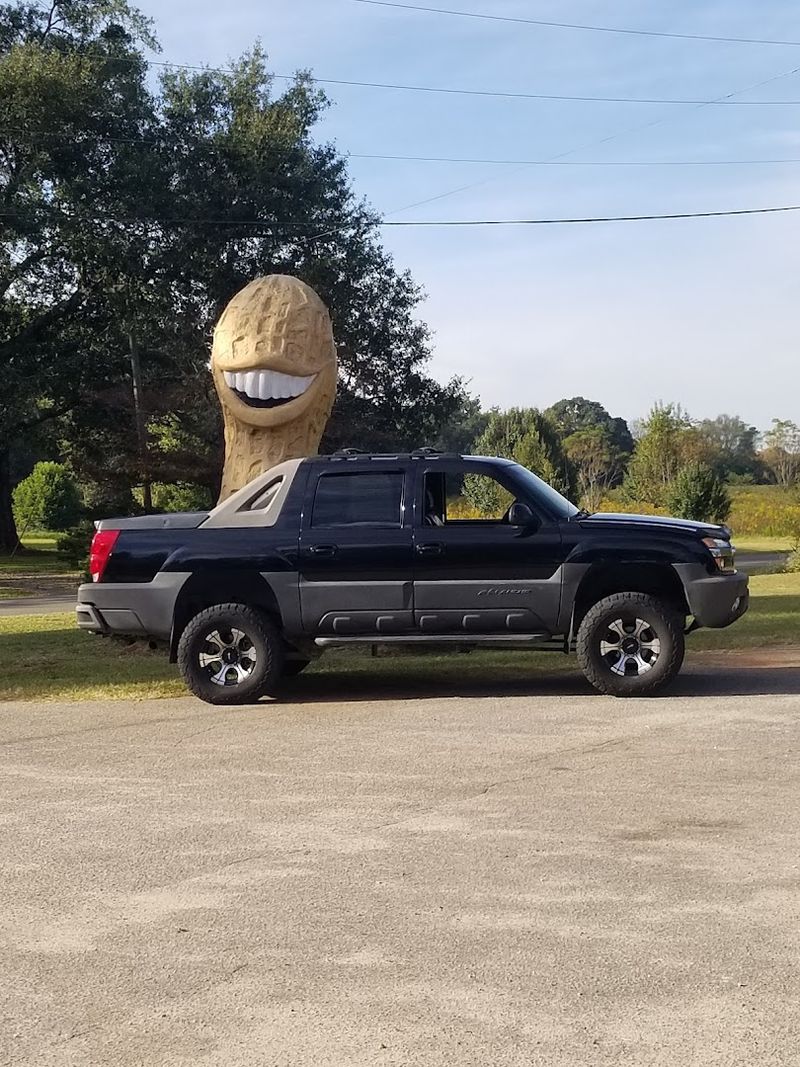
Keeping a 13-foot outdoor statue looking presentable takes real effort, and the Jimmy Carter Peanut Statue has been repainted multiple times over the decades to maintain its signature appearance. The Georgia climate, with its humidity, heat, and occasional storms, can be tough on outdoor structures, so regular upkeep has been essential to preserving the landmark.
One particularly notable repainting happened in 2023, when local residents freshened up the statue as a gesture of respect and affection for Carter, who was in declining health at the time. It was a touching community act a small town making sure its most famous symbol looked its best as a tribute to the man it represented.
That kind of ongoing care says a lot about how Plains feels about both the statue and about Carter himself. It isn’t just a tourist prop that gets attention when cameras are around. The community genuinely tends to it, which transforms a piece of painted polyurethane into something that feels almost like a living memorial to a beloved neighbor and world leader.
10. The Statue’s Life as an Internet Meme
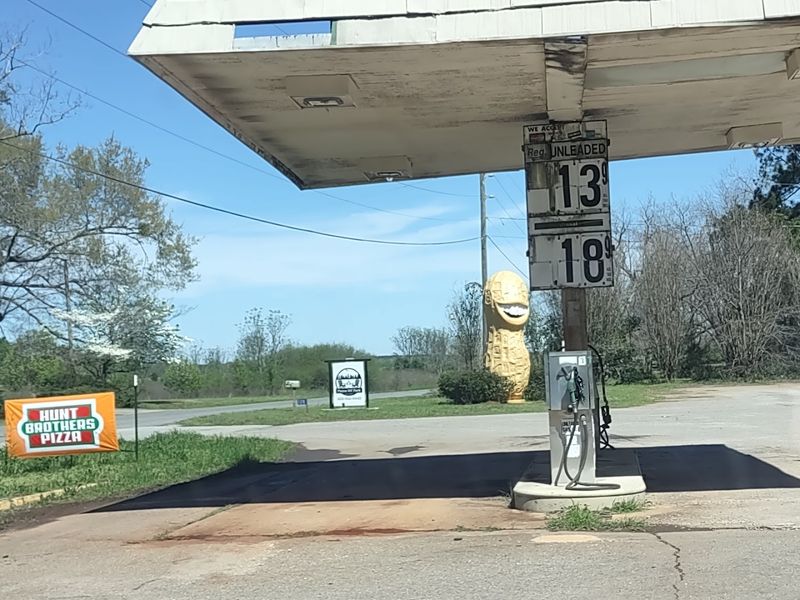
Starting around 2018, the Jimmy Carter Peanut Statue found an unexpected second life on the internet as a recurring presence in meme culture. Images of the statue began circulating online, often categorized under what internet communities call “cursed images” photos that feel unsettling, surreal, or just deeply strange in a way that’s hard to explain.
There’s something about the combination of a giant peanut with a wide human smile that hits a particular nerve in the internet brain. It occupies that odd space between charming and slightly uncanny, which is exactly the kind of content that spreads rapidly across social media platforms.
The meme attention actually brought a new wave of younger visitors to Plains who wanted to see the statue in person after encountering it online. It’s a genuinely modern phenomenon a Depression-era Georgia farming town and a decades-old campaign prop finding viral relevance through internet humor. Not every roadside attraction gets a second act, but this grinning peanut managed to earn one in the most unexpected way imaginable.
11. Most Photographed Object in Plains
Plains, Georgia, is a small town with a big presidential legacy, and within that town, the smiling peanut statue consistently ranks as the single most photographed object. Visitors come from across the country and beyond specifically to snap a photo next to it, and the statue delivers every time it’s simply impossible to take a bad or boring picture next to a 13-foot grinning peanut.
The photo opportunities here are genuinely fun. Visitors crouch down, strike poses, hold up their own peanuts, or just stand wide-eyed next to the statue with expressions of delighted disbelief. There’s a playfulness to the whole experience that very few landmarks can match.
For anyone planning a visit, the best photos tend to happen in the morning when the light is soft and the area is quiet. Weekdays are generally less crowded than weekends, especially during the warmer months when road trip traffic picks up. Either way, leaving Plains without a photo next to the peanut would genuinely feel like a missed opportunity.
12. What the Statue Means to the Plains Community
For the roughly 600 residents of Plains, Georgia, the smiling peanut isn’t just a quirky tourist attraction it’s a deeply personal symbol of community pride and shared history. The statue connects the town to its most famous son in a way that feels immediate and tangible, not abstract or distant like a historical plaque on a wall.
When Jimmy Carter passed away in December 2024 at the age of 100, the statue took on an even deeper emotional weight for locals. It had already been freshened up in 2023 as a quiet tribute, and after his passing, it became a natural gathering point for people wanting to pay their respects in a place that felt genuinely connected to the man.
Small towns often struggle to hold onto their identity over generations, but Plains has built something lasting around Carter’s legacy. The peanut statue sits at the center of that, serving as a cheerful, slightly absurd, and thoroughly lovable anchor for a community that knows exactly who it is and where it comes from.
13. Carter’s Peanut Farming Roots
Long before he was a president, a Nobel Peace Prize winner, or a global humanitarian, Jimmy Carter was a peanut farmer. He grew up working the family farm in Plains, Georgia, and after leaving the Navy, he returned to that land and ran the Carter peanut farming operation for years before entering politics full-time.
Peanut farming in Georgia is serious business. The state consistently ranks among the top producers of peanuts in the United States, and the crop has deep roots in the region’s agricultural economy going back generations. Carter’s background wasn’t a colorful detail added to his biography it was the foundation of his entire adult life before politics.
The statue honors that foundation in a direct and unapologetic way. Rather than a traditional monument showing Carter in a suit or behind a podium, Plains chose to celebrate the version of him that existed before the White House the farmer, the neighbor, the working Georgian. That choice says something genuinely moving about how his community saw and remembered him.
14. The 2000 Damage and Repair
The Jimmy Carter Peanut Statue has survived decades of Georgia weather, shifting locations, and the general wear and tear that comes with being an outdoor structure, but 2000 brought a more serious challenge when the statue sustained notable damage. The specifics of the incident have become somewhat fuzzy over the years, but what matters is what happened next.
Rather than letting the landmark fall apart or simply decommission it, the Plains community rallied to have the statue repaired and restored. That response says a great deal about how much the statue means to the people who live alongside it it wasn’t treated as an expendable decoration but as something genuinely worth preserving.
The repaired statue went back to its spot along Route 45, none the worse for wear in the eyes of most visitors. Resilience seems to be a running theme in Plains, Georgia a town that has weathered economic challenges, population decline, and the loss of its most famous resident, and still manages to show up with a smile. A 13-foot smile, to be precise.
15. Planning Your Visit to the Peanut Statue
A trip to see the Jimmy Carter Peanut Statue works best as part of a broader Plains, Georgia, experience. The town sits about 10 miles west of Americus along US-280, and the drive through the Georgia countryside is part of the appeal flat, open farmland with a quiet, unhurried pace that feels worlds away from city life.
The statue itself is freely accessible and visible from the road, so there’s no admission fee or ticketing involved. Visitors can pull over, take photos, and linger as long as they like.
Spring and fall tend to be the most comfortable seasons for visiting southwest Georgia, as summer heat and humidity can be intense. Weekday mornings offer the quietest experience if solitude is the goal. Either way, Plains is a town that rewards visitors who slow down, look carefully, and appreciate the small, honest details of a place with a very large story to tell.