9 North Carolina Museums You Can Explore For Free This March
North Carolina is packed with world-class culture, but let’s be honest, road trips can get pricey. Luckily, this March is your lucky month.
The state is home to some truly incredible museums, and the best part?
Many of them won’t cost you a single dollar. Forget those stiff, dusty galleries where you have to whisper.
We’re talking about real-deal adventures.
Maybe you want to stand face-to-face with massive prehistoric fossils, or perhaps you’re into bold, modern art that actually makes you think.
If you’ve ever dreamed of seafaring secrets and the rugged history of our coastline, there’s a spot waiting just for you.
I’ve rounded up nine amazing museums across the state that are absolutely worth your time and won’t touch your wallet.
It’s the perfect excuse to shake off the winter blues, learn something wild, and save your cash for a great meal afterward.
So, grab your favorite snacks, lace up your walking shoes, and get ready to explore.
These spots prove that the coolest experiences in life really can be free.
1. North Carolina Museum Of History, Raleigh
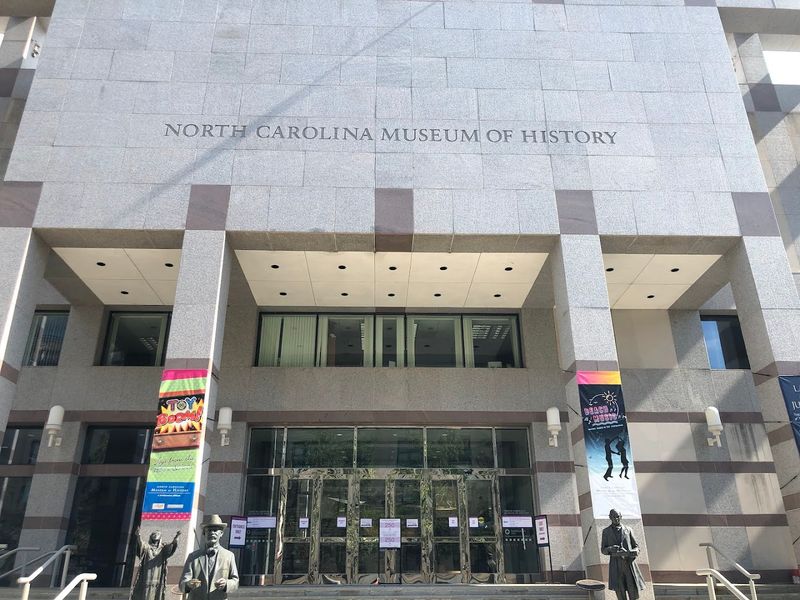
History has a sneaky way of catching your attention, and this museum knows exactly how to do it.
Located at 5 East Edenton Street in Raleigh, it tells the full story of a state that’s been at the heart of American life for centuries.
The exhibits don’t just stick to the basics. You’ll walk through everything from the Revolutionary War to the powerful moments of the Civil Rights Movement.
It’s deep, layered, and honestly, pretty gripping.
A huge highlight for many is the Sports Hall of Fame gallery. North Carolina takes its sports seriously, and seeing the gear and stories from local legends gives the whole place a boost of energy.
You might find yourself lingering there much longer than you expected.
Beyond sports, you’ll find cool folk art, military gear, and everyday items from different eras. Nothing feels dusty or boring here.
The curators have done a great job of making the past feel relevant to our lives today.
The best part? Admission to the permanent galleries is completely free.
The museum is open Tuesday through Saturday. Since it’s right in downtown Raleigh, it’s easy to hit a few other cool spots nearby on the same day.
Just make sure to give yourself at least two hours so you don’t have to rush through the best bits.
2. Ackland Art Museum, Chapel Hill
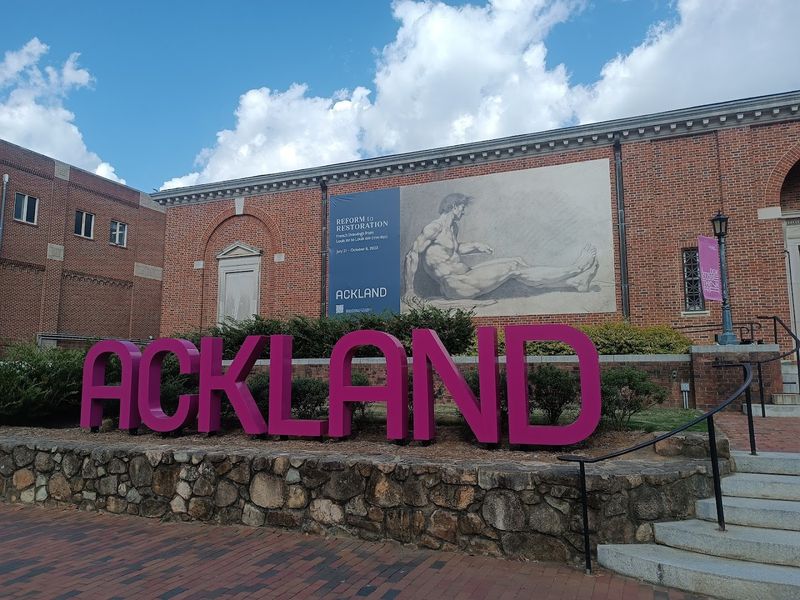
The Ackland is easily one of the most underrated gems in the state. You’ll find it at 101 South Columbia Street, and honestly, it’s a must-see.
For a university museum, its collection is massive, over 19,000 works from all over the world.
The best part is the variety. You might see Japanese woodblock prints in one room and classic European oil paintings or African ceremonial art in the next.
It doesn’t feel like a cluttered storage room, though. Every gallery feels like a cool, curated conversation.
I walked through three sections before I even realized how much time had passed.
Because it’s on campus, the vibe is lively and curious. If you visit on a weekday, you’ll likely see art students sketching or locals just popping in for a look.
It feels approachable and “alive” rather than stiff and silent. The best part? Admission is totally free for everyone, not just students.
The museum is open Wednesday through Sunday. Just a heads-up: parking on campus can be a bit of a headache.
Your best bet is to walk or bike from the nearby downtown areas. You can easily see the whole place in about 90 minutes, making it a perfect addition to a day trip in Chapel Hill.
3. Southeastern Center For Contemporary Art, Winston-Salem
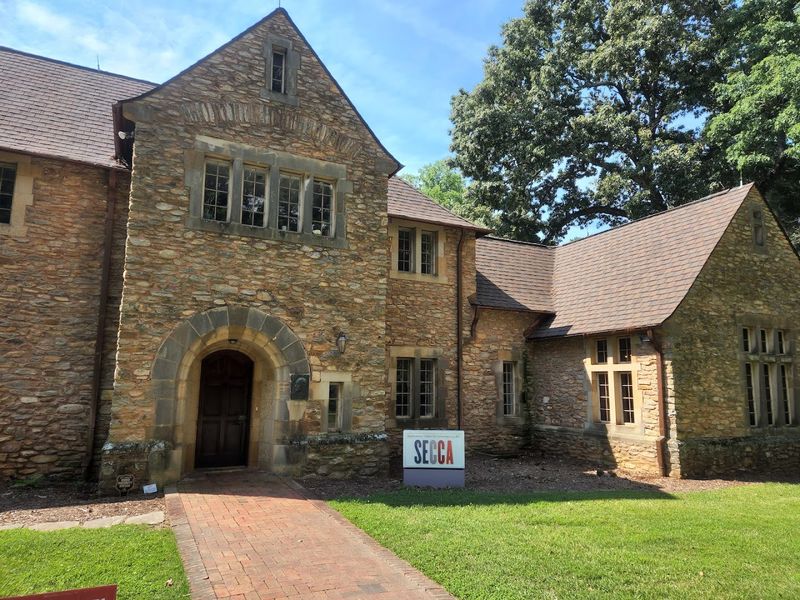
Contemporary art doesn’t always explain itself, and SECCA totally leans into that. Located at 750 Marguerite Drive in Winston-Salem, this place sits on a stunning historic estate.
It’s a bit of a trip, you’ve got this classic, old-school architecture acting as a backdrop for some seriously wild, cutting-edge art.
The contrast is what makes it stick in your memory. Since it started in 1956, SECCA has been a huge champion for living artists, especially from the Southeast.
The exhibits swap out all the time, so no two visits are ever the same.
One month you’re walking through massive video installations, and the next, you’re staring at intricate sculptures made of fabric.
That “what’s next?” vibe is exactly why people love it. Don’t forget to step outside, either. The grounds are beautifully landscaped and perfect for a breather between galleries.
I actually spent more time than I planned just sitting on a bench, soaking in the quiet. Not every museum gives you that kind of peace.
The best part? General admission is completely free.
Just keep in mind they are closed on Mondays and Tuesdays, so plan your trip for later in the week. Winston-Salem is a massive arts hub, and SECCA is right at the heart of it.
4. Weatherspoon Art Museum, Greensboro
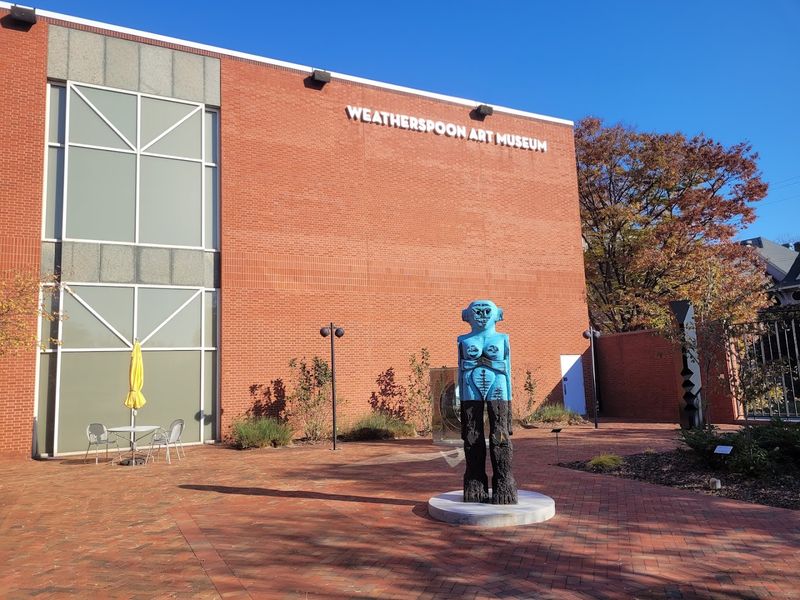
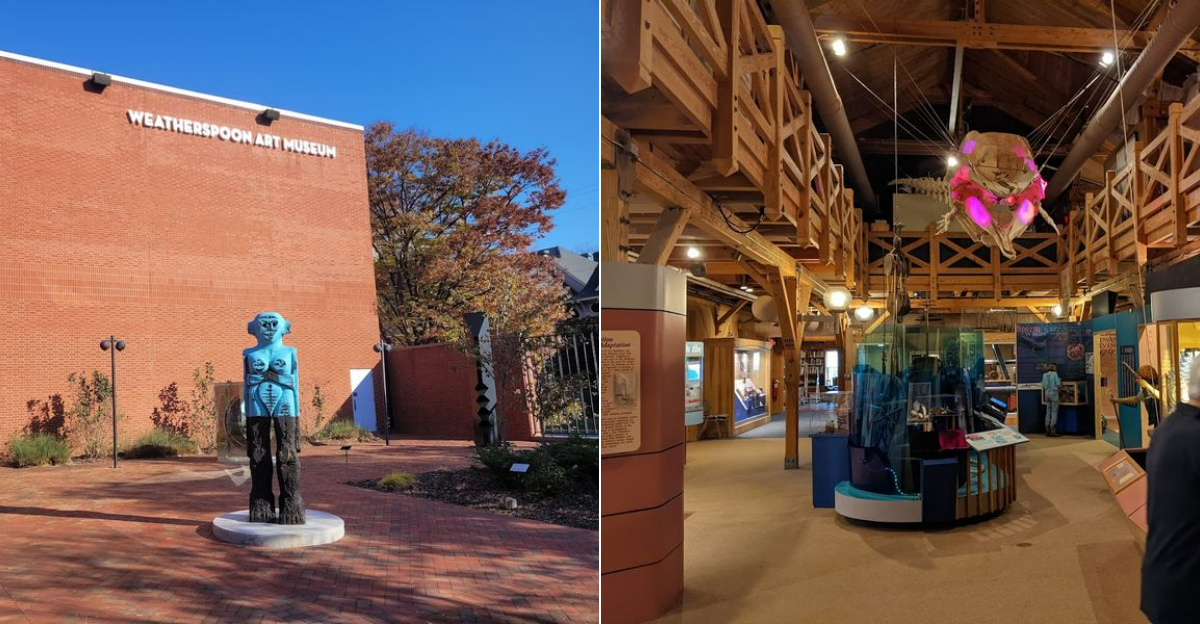
Some museums feel like they were built only for scholars, but the Weatherspoon at UNC Greensboro feels like it was built for everyone. You’ll find it right at the corner of Spring Garden and Tate Streets, housing one of the most impressive collections of modern American art in the Southeast.
That’s a big claim, but the artwork backed it up completely. Walking through the galleries, you’ll run into names like Henri Matisse and Alice Neel.
Seeing pieces of that caliber in a local university setting is a genuine thrill.
The museum has been curating its collection since 1941, and you can really feel that decades of history in every room.
What I love most about the Weatherspoon is how it balances prestige with a totally relaxed vibe. There are no velvet ropes keeping you at a distance.
You can stand close, take your time, and really soak in the details without anyone rushing you along.
The staff is knowledgeable but laid-back, which makes the whole experience feel open and welcoming.
The museum is open Tuesday through Sunday. Since Greensboro is right in the middle of the state, it’s an easy pit stop whether you’re driving from the coast or heading down from the mountains.
Exhibits rotate throughout the year, so it’s worth checking their site before you head out. Plan for about ninety minutes to two hours to see it all properly.
5. North Carolina Museum Of Natural Sciences, Raleigh
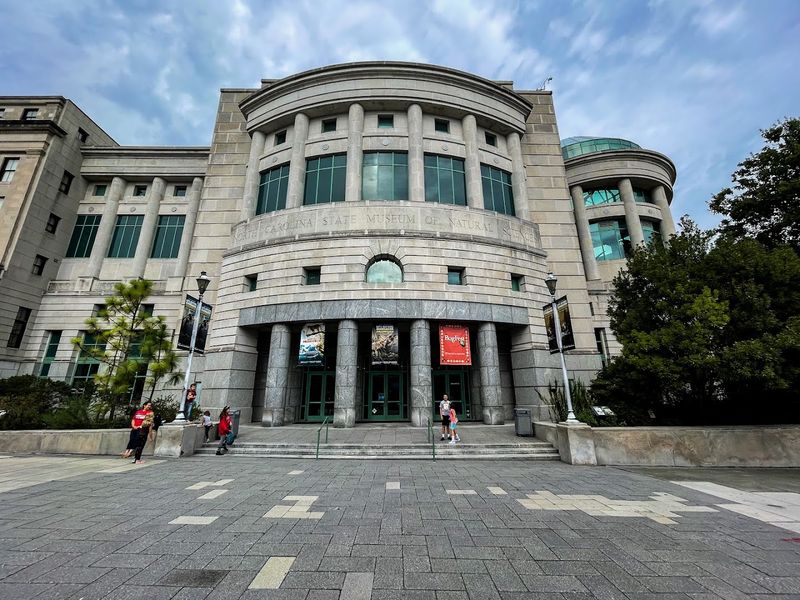
Walking through the doors here feels like stepping into a world where time doesn’t exist.
Dinosaurs, deep-sea creatures, and ancient ecosystems all live under one roof, and somehow, it never feels overwhelming.
You’ll see the museum’s massive entrance at 11 West Jones Street, right in the heart of Raleigh, marking it as the largest natural history museum in the Southeast.
What makes this place genuinely exciting is the “live” energy. You aren’t just staring at dusty labels behind glass; you can actually watch science happen in real-time at the Nature Research Center.
There are transparent labs where you can see researchers at work, which makes the whole experience feel modern and relevant.
I remember standing under a massive whale skeleton and feeling like the entire ocean had been brought indoors.
The museum spans four buildings, covering everything from prehistoric fossils to the latest environmental tech.
Kids usually go wild in the Discovery Room, but adults get just as sucked in, especially by the rotating exhibits that keep things fresh.
Good to know: Entry to the permanent collections is a gift to the public, so you can save your budget for the gift shop or a local snack.
The museum is open Tuesday through Sunday. Parking is usually cheap and easy to find on weekends.
Give yourself at least two or three hours here, because there’s way more to see than most people expect on their first trip. It’s a place that rewards anyone with a bit of curiosity.
6. North Carolina Maritime Museum, Beaufort
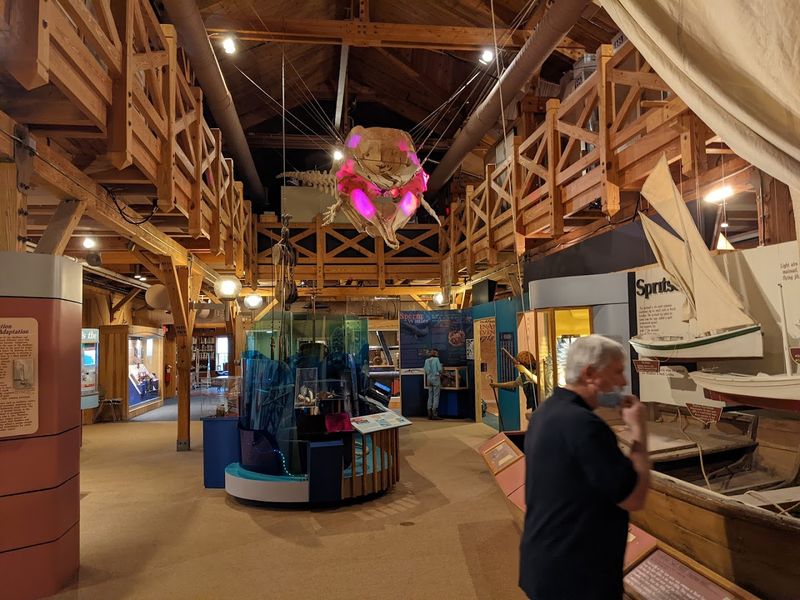
Standing at the waterfront in Beaufort, North Carolina, you can smell the salt in the air drifting through the open doors of the North Carolina Maritime Museum. It’s easy to see why people have always been drawn to the sea.
The museum, found at 315 Front Street, shares the story of North Carolina’s long and complex connection with the Atlantic Ocean.
The collection includes traditional wooden boats, navigation tools, fishing gear, and fascinating displays about the marine life found along North Carolina’s coastline.
One of the most talked-about exhibits focuses on Blackbeard and the discovery of what is believed to be his ship, Queen Anne’s Revenge, found off the North Carolina coast. That exhibit alone draws visitors from across the country.
The museum also runs a working wooden boat shop on-site, where craftspeople restore and build traditional vessels using old techniques.
Watching that process up close is surprisingly absorbing, there’s something deeply satisfying about seeing skilled hands shape raw wood into something seaworthy.
I could have watched for an hour without getting bored.
Admission is completely free, which makes this one of the best deals on the North Carolina coast. Beaufort itself is a charming small town worth exploring before or after your museum visit.
The waterfront is walkable, the local seafood is excellent, and the whole area has a laid-back coastal energy that’s hard to replicate. Spring is a perfect time to visit.
7. North Carolina Museum Of Art, Raleigh
Art museums can feel a little intimidating. Big spaces. Quiet rooms. People whispering.
But the North Carolina Museum of Art at 2110 Blue Ridge Road in Raleigh has a completely different vibe.
It feels open, relaxed, and surprisingly welcoming from the moment you walk in.
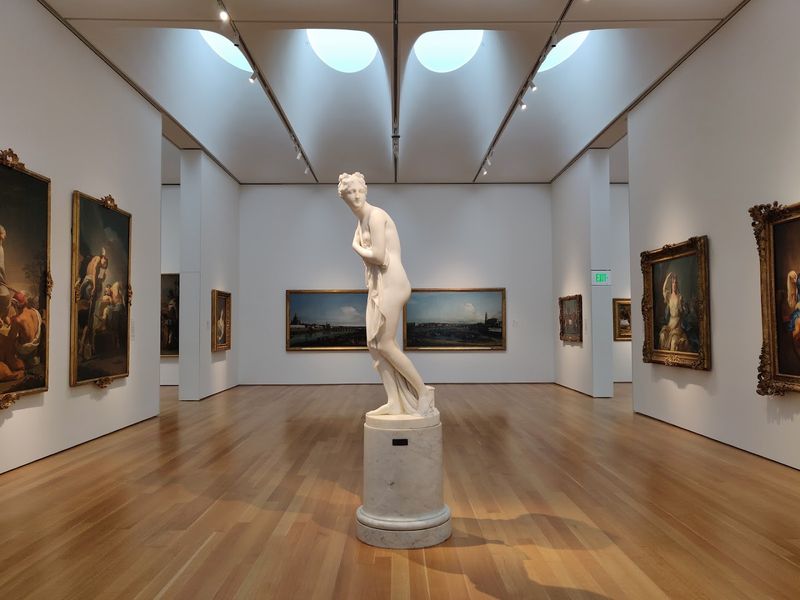
The building itself is beautiful. High ceilings. Soft natural light. Galleries that flow easily from one era to the next.
You never feel rushed or lost. Whether you’re an art expert or someone who just wandered in out of curiosity, you’ll feel comfortable here.
The permanent collection covers more than five thousand years of creativity. You’ll find ancient Egyptian artifacts, Renaissance paintings, and bold contemporary pieces all under one roof.
That kind of range is impressive anywhere. It’s even more impressive when general admission is free.
And then there’s the outdoor park. Wide open space. Walking trails.
Massive sculptures placed across a beautifully kept landscape. It doesn’t feel like an afterthought.
It feels like part of the experience. I especially enjoyed the ancient world galleries.
Artifacts from Egypt, Greece, and Rome sit quietly behind glass, carrying stories that are thousands of years old. There’s something calming about that space.
It slows you down in the best way. You move a little more carefully. You look a little closer.
The museum isn’t just about static displays either. It hosts film screenings, concerts, and family events throughout the year, many of them free or affordable.
There’s always something happening.
8. North Carolina Maritime Museum, Southport
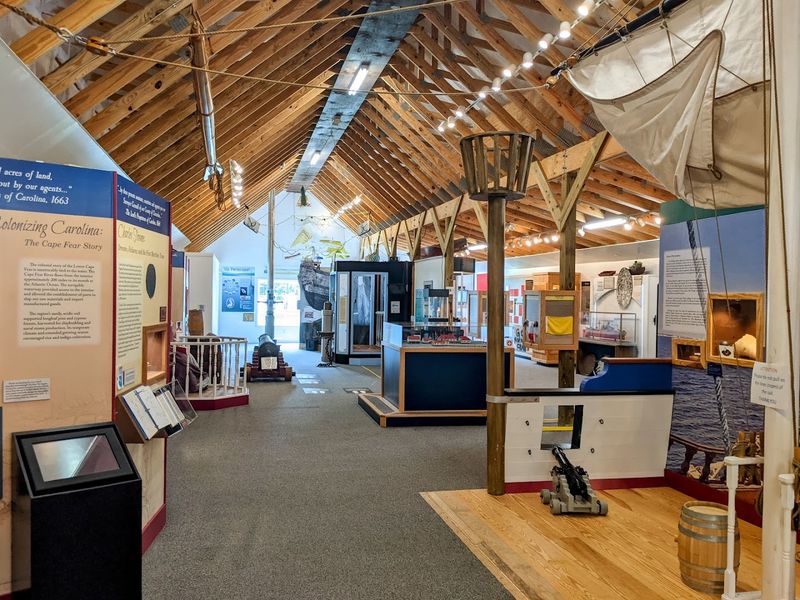
Southport has always belonged to the water. You feel it in the air, in the docks, in the slow rhythm of the boats moving along the river.
The North Carolina Maritime Museum at Southport reflects that identity in a simple, honest way. It sits at 116 North Howe Street and focuses on the history of the Lower Cape Fear River region.
This location is smaller than the one in Beaufort, but that’s part of its charm. It feels personal.
Unrushed. Like a place where stories matter more than spectacle.
The exhibits highlight river pilots, lighthouse keepers, fishermen, and the families who built their lives around the Cape Fear River and the nearby Atlantic coast.
You’ll see old photographs, navigational tools, and handwritten ship logs. These aren’t just objects behind glass. They’re pieces of real lives.
There’s a warmth here that you don’t always get in larger museums. Southport itself adds to the experience. Oak-lined streets.
Historic homes. Quiet corners that look like they belong on a postcard.
Visiting the museum and then wandering through town makes for a genuinely relaxing afternoon.
In early spring, before the summer crowds arrive, the whole place feels especially peaceful.
Like its sister museum in Beaufort, admission here is free. Hours change with the seasons, so it’s smart to check before you go.
The staff are local history enthusiasts who truly love what they do. Ask a question and you’ll likely walk away with a story you didn’t expect.
Southport has a way of rewarding curious visitors. Take your time.
It’s worth it.
9. Graveyard Of The Atlantic Museum, Hatteras
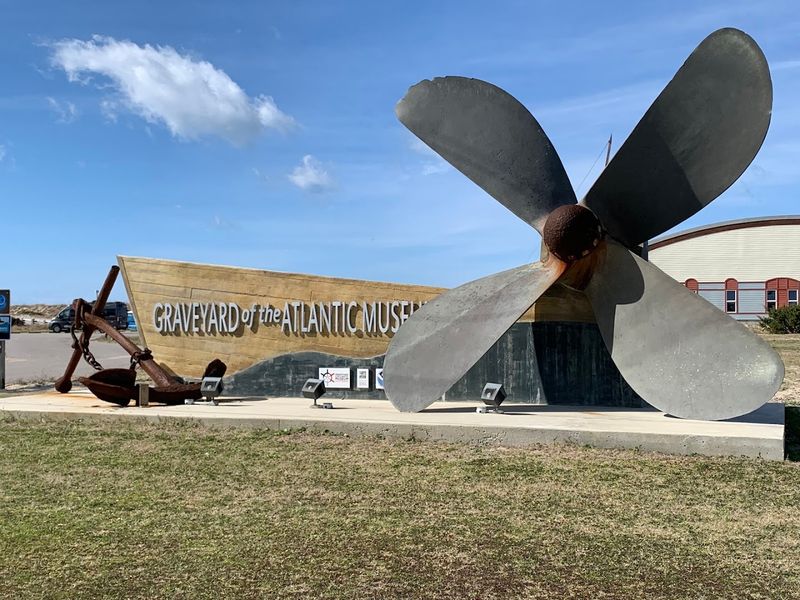
Few names in maritime history sound as haunting as the Graveyard of the Atlantic. The museum at 59200 Museum Drive does that name justice.
It sits right on the Outer Banks, one of the most dangerous stretches of coastline in the world, telling the stories of ships that never made it home.
For centuries, vessels have wrecked in these waters. Storms. Shifting shoals. Sudden changes in weather.
Inside the museum, those tragedies become deeply personal. You’ll see artifacts recovered from real shipwrecks. Cannons. Anchors. Navigation tools.
Even personal belongings once carried by sailors. These aren’t just historic objects.
They feel heavy with meaning. Walking through the exhibits doesn’t feel like casual sightseeing.
It feels more like quiet reflection.
The building itself adds to the experience. Large windows frame the coastal landscape outside, constantly reminding you how close the ocean is.
On a clear early spring day, the light shifts across the galleries as clouds move over the Outer Banks sky. It’s subtle, but powerful.
The museum and the sea feel connected.
Admission is free, which is honestly surprising given how much there is to see. Visiting outside of peak season makes the experience even better.
Fewer crowds. More time to read. More space to think.
If you’re driving out to Hatteras, this is not just a quick stop. It’s the kind of place that stays with you long after the trip is over.