This California Tulip Garden Looks Like A Rainbow You Can Stroll Through
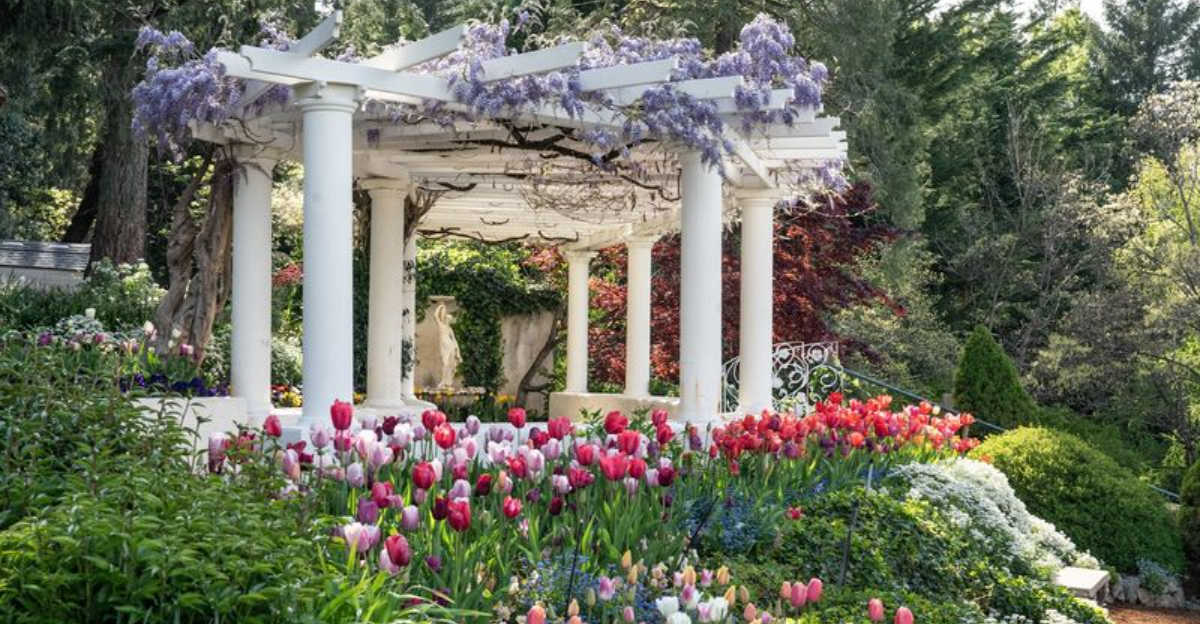
Spring arrives quietly. Then suddenly everything blooms at once. Color spills across the hillside.
Thousands of tulips open under the sun, creating rows of deep red, soft pink, bright orange, and creamy white that seem to stretch forever. Visitors walk the paths slowly, often stopping mid-step just to take in the view.
This is one of those places that photographs never quite capture the right way.
Petals move gently in the breeze. Cherry blossoms frame the pathways. Wisteria drapes over garden corners like something out of a painting. The whole landscape feels calm, colorful, and almost dreamlike during peak bloom.
Some spring destinations feel crowded and rushed. This one encourages the opposite. People linger, wander the terraces, and find quiet moments between the flowers.
California really knows how to show off in spring, and this garden might be one of the most beautiful places in the state to see it happen.
1. Location In Nevada City, California
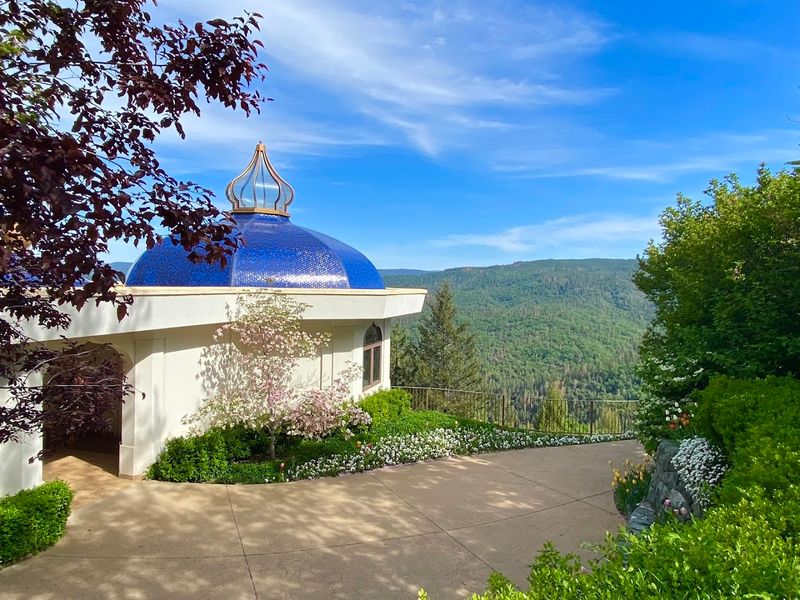
Nevada City sits in the Sierra Nevada foothills of Northern California, roughly an hour northeast of Sacramento.
The town is known for its well-preserved Victorian architecture, its Gold Rush history, and its position as a gateway to the surrounding mountain landscape.
Crystal Hermitage Gardens is located at 14618 Tyler Foote Road in Nevada City, California, 95959, and the surrounding area offers visitors additional reasons to extend their trip beyond the garden itself.
The town of Nevada City has a walkable historic downtown with independent shops, cafes, and restaurants that complement a garden visit nicely.
The drive to Nevada City from the Sacramento area takes visitors through gradually changing terrain as the elevation rises and the landscape shifts from valley farmland to forested foothills.
Spring is widely considered one of the best times of year to make the drive because the hillsides are green and the roadside wildflowers are often in bloom alongside the cultivated gardens.
Visitors coming from the San Francisco Bay Area should plan for a longer drive of roughly two to two and a half hours depending on traffic conditions near the city.
2. Over 17,000 Tulips In One Place
Few gardens in the western United States can match the sheer volume of blooms found at Crystal Hermitage Gardens during spring.
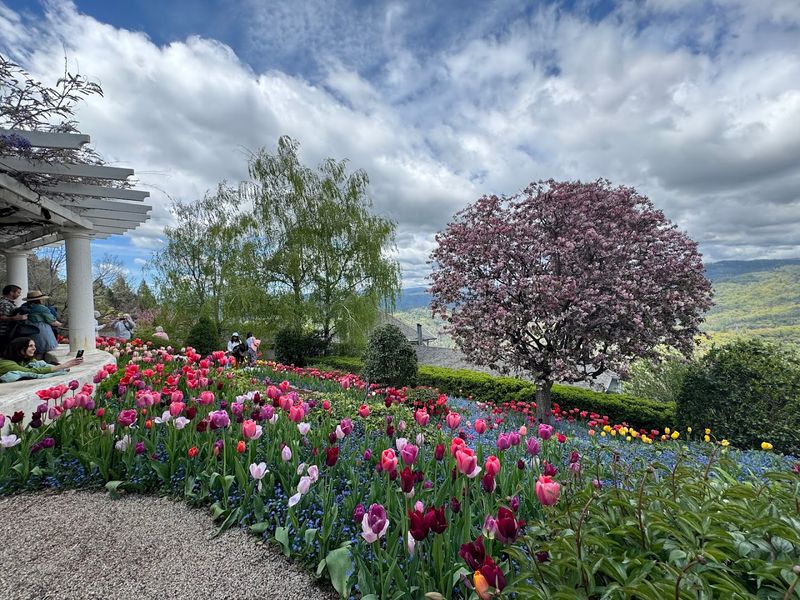
The property features more than 17,000 tulips planted across terraced hillside beds, creating a layered visual effect that feels almost unreal when seen in person.
The tulips are arranged in clusters of color rather than scattered randomly, which means visitors tend to walk through distinct color zones as they move through the garden.
Warm reds and oranges might give way to soft creams and pinks, then shift into deep purples and lilacs further up the slope.
Each variety was selected with the overall visual composition in mind, so the garden feels curated without feeling stiff or overly formal.
Springtime at Ananda typically runs through April and into early May, though exact bloom timing can shift depending on weather conditions each year.
Checking the official Crystal Hermitage website before visiting is a practical step to confirm peak bloom and current ticket availability.
The experience of walking through that many tulips at once is genuinely difficult to replicate anywhere else in California.
3. Rare And Unusual Tulip Varieties
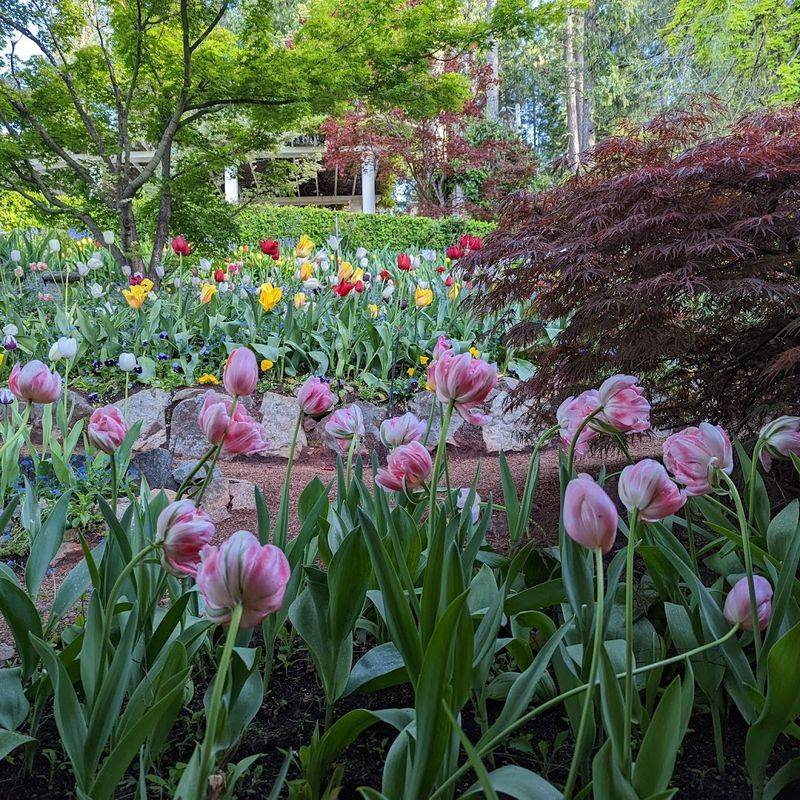
Most people grow up picturing the classic cup-shaped tulip, but Crystal Hermitage Gardens goes well beyond that familiar form.
The collection includes parrot tulips with dramatically ruffled and feathered petals, fringed tulips with delicately serrated edges, and lily-shaped tulips with long elegant petals that curve outward at the tips.
These unusual varieties are not something most visitors encounter in everyday garden centers or neighborhood yards, which makes walking through the garden feel genuinely educational as well as visually rewarding.
Each type has its own texture, light behavior, and color range that sets it apart from the others.
Parrot tulips in particular tend to catch visitors off guard because their petals can display multiple colors at once, sometimes swirling red with green or yellow with purple in a single bloom.
The fringed varieties catch sunlight differently than smooth-petaled tulips, giving them a soft glow on bright days.
For anyone who considers themselves a plant lover or garden enthusiast, spending time with these lesser-known varieties at Crystal Hermitage Gardens could genuinely change how tulips are appreciated going forward.
4. The Annual Springtime At Ananda Festival
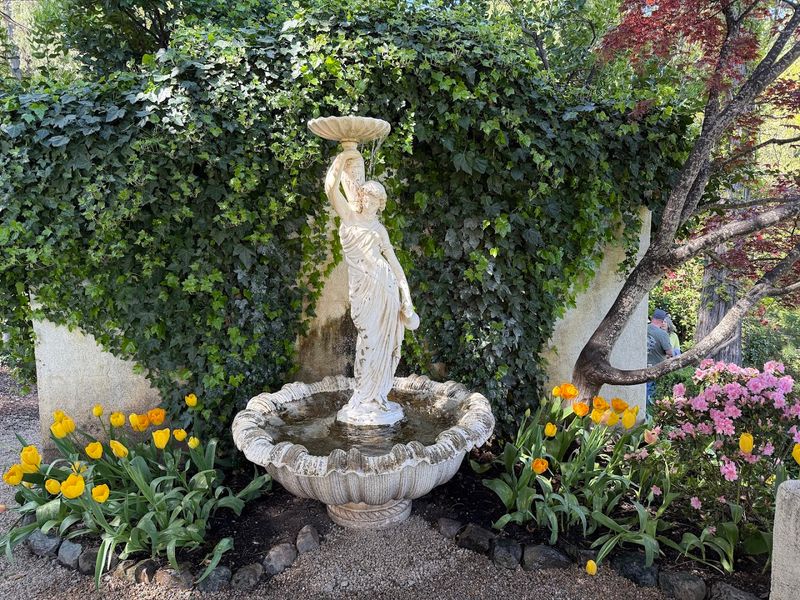
Springtime at Ananda is the name of the annual tulip festival held at Crystal Hermitage Gardens each spring.
For 2026, the festival is scheduled to run daily from April 10 through May 10, with the gardens open from 10 a.m. to 5 p.m. each day.
The festival has become one of the most anticipated springtime events in Northern California, drawing over 13,000 visitors annually.
That kind of attendance reflects how deeply the event has embedded itself into the regional spring calendar over the years.
Families, couples, photographers, and solo visitors all tend to show up in meaningful numbers throughout the run.
Tickets must be purchased online in advance, and the Crystal Hermitage Gardens website is the official source for current pricing and availability.
Walking in without a pre-purchased ticket is generally not an option, so planning ahead is genuinely important for anyone hoping to visit.
Weekdays tend to offer a quieter experience compared to weekends, which can get noticeably busier as the festival progresses.
Arriving closer to opening time at 10 a.m. may also help visitors enjoy the garden before the midday crowds arrive.
5. Hillside Terracing Creates A Rainbow Effect
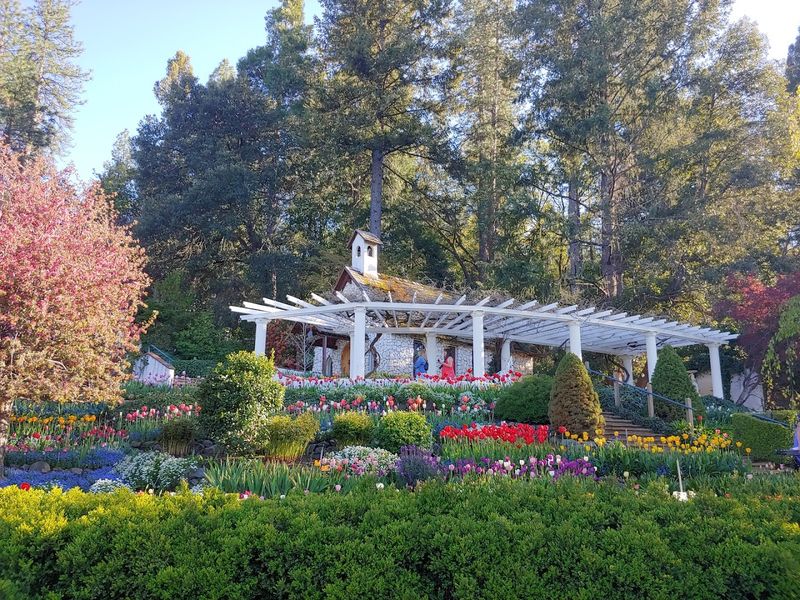
One of the most distinctive features of Crystal Hermitage Gardens is the way the terraced hillside layout turns the tulip planting into something that resembles a living color spectrum.
When viewed from certain vantage points on the property, the bands of color arranged across the slope do genuinely look like a rainbow arching through the landscape.
The terracing itself was not designed purely for aesthetics but rather to manage the natural slope of the hillside while creating defined planting areas.
The visual effect of the color banding is a happy result of thoughtful horticultural planning combined with the natural topography of the site.
Photographers in particular tend to seek out the elevated viewpoints on the property where this banding effect is most visible.
The light in the morning hours tends to be softer and more even, which can make the colors appear especially saturated and distinct.
Visitors who take time to walk the full length of the terraces rather than focusing only on the lower sections will likely come away with a much fuller appreciation for how the garden was designed to be experienced as a whole rather than in isolated sections.
6. Views Of The Yuba River Canyon
The garden does not just offer flowers.
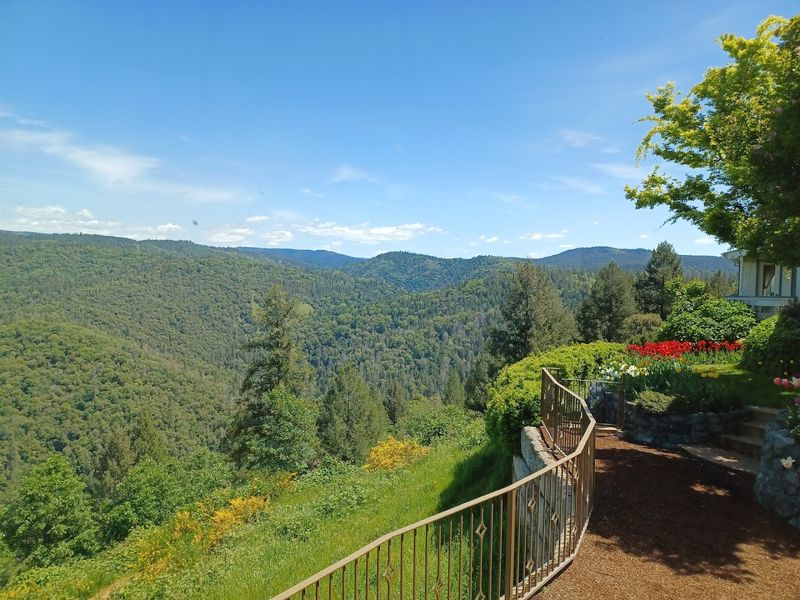
Positioned on a hillside above Nevada City, Crystal Hermitage Gardens provides visitors with sweeping views of the Yuba River Canyon and the surrounding Sierra Nevada foothills that stretch out beyond the property.
On clear spring days, the combination of the canyon view and the foreground of tulips creates a visual layering that is difficult to describe without seeing it firsthand.
The foothills tend to be at their greenest in April and May, which aligns well with the tulip bloom season and adds a natural depth to the overall landscape.
The canyon views are most accessible from the upper terraces of the garden, which requires some uphill walking to reach.
Visitors who have mobility concerns should be aware that the terrain involves uneven ground and elevation changes.
That said, even the lower sections of the garden offer partial views of the surrounding hills, so the scenery extends beyond the planted beds throughout the property.
The combination of cultivated garden beauty and open natural landscape makes Crystal Hermitage Gardens feel distinctly Californian in character.
7. A Meditation Chapel On The Grounds
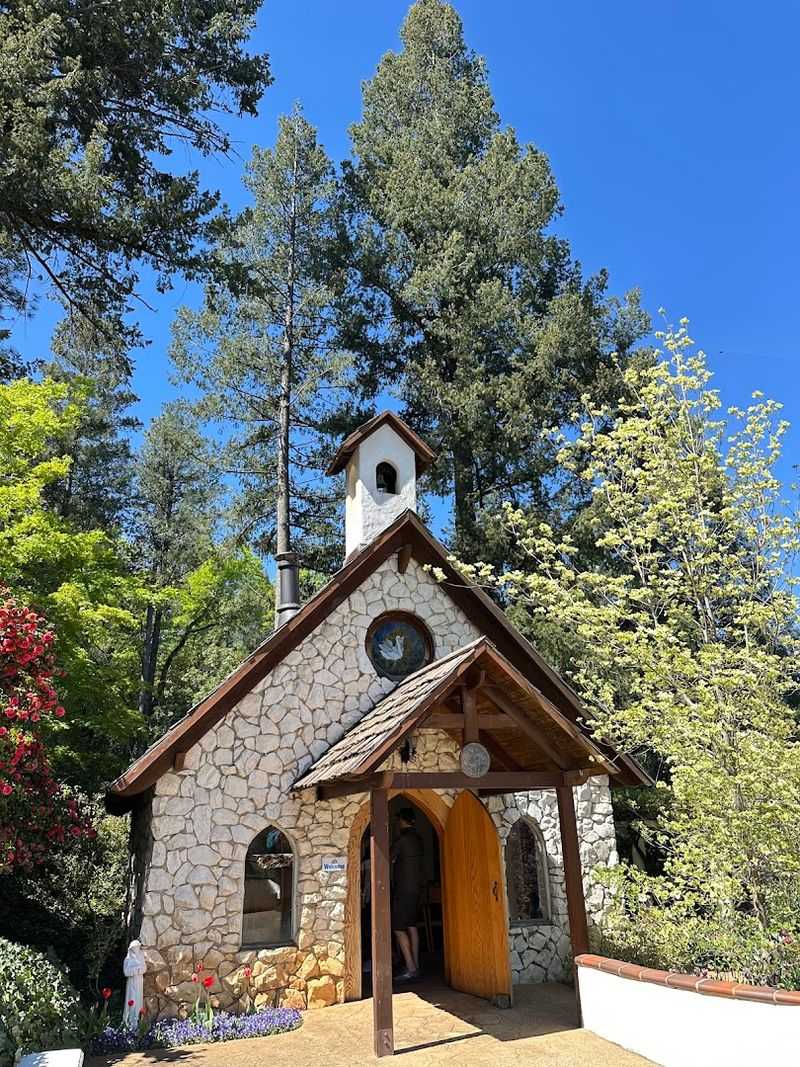
Tucked within the garden grounds is a meditation chapel that draws inspiration from the Little Church of St. Francis of Assisi.
The chapel offers a quiet space for reflection that stands apart from the sensory activity of the tulip beds surrounding it.
Crystal Hermitage Gardens is part of Ananda Village, a spiritual community founded more than 50 years ago with an emphasis on meditation, service, and living intentionally.
The presence of the chapel reflects that spiritual orientation and gives the garden a dimension that goes beyond typical horticultural attractions.
Visitors who are not affiliated with any particular spiritual tradition still tend to appreciate the chapel as a calm resting point during their walk through the property.
The chapel is modest in scale and designed to feel accessible rather than imposing, which fits well with the overall character of the garden.
Sitting quietly inside for a few minutes can provide a meaningful contrast to the visual stimulation of the surrounding bloom.
For visitors who find large outdoor events tiring, having a calm interior space available on the grounds is a practical and welcome feature during a busy festival period.
8. Cherry Trees, Wisteria, And Beyond
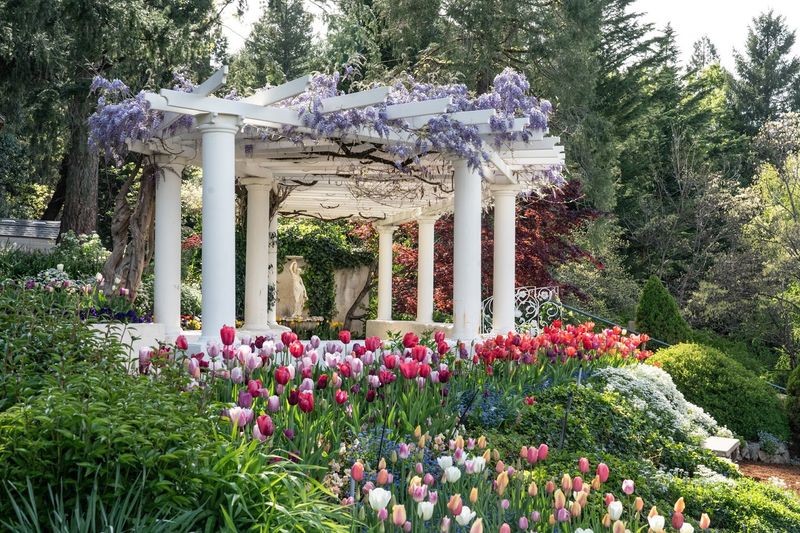
Tulips get most of the attention during Springtime at Ananda, but the garden also features a rich supporting cast of spring-blooming plants that add texture and variety to the overall experience.
Cherry trees, wisteria, dogwoods, azaleas, and rhododendrons all bloom alongside the tulips during the spring festival period.
Wisteria in particular has a way of changing the atmosphere beneath its hanging clusters of purple and lavender blooms.
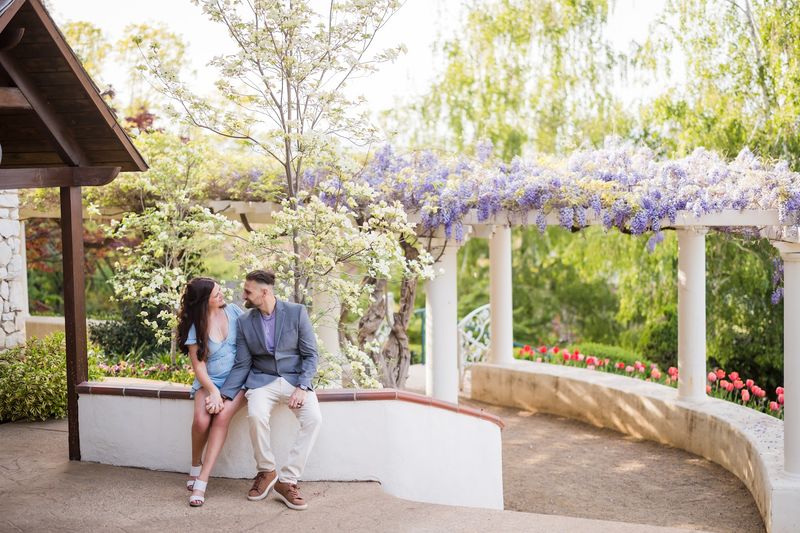
Walking under a wisteria-covered structure when it is in full bloom adds a sensory layer that tulips alone cannot provide.
The fragrance, the soft color overhead, and the filtered light all combine to create a noticeably different mood from the open tulip beds.
Dogwoods and cherry trees contribute a canopy-level color that frames the lower garden beds and gives the property a more complete sense of seasonal abundance.
Rhododendrons and azaleas tend to bloom a bit later in the season, meaning visitors who arrive closer to May might catch more of those varieties in peak form.
The layering of bloom times across different plant species means the garden evolves visually throughout the festival run rather than peaking all at once.
9. Summer Blooms Keep The Garden Going
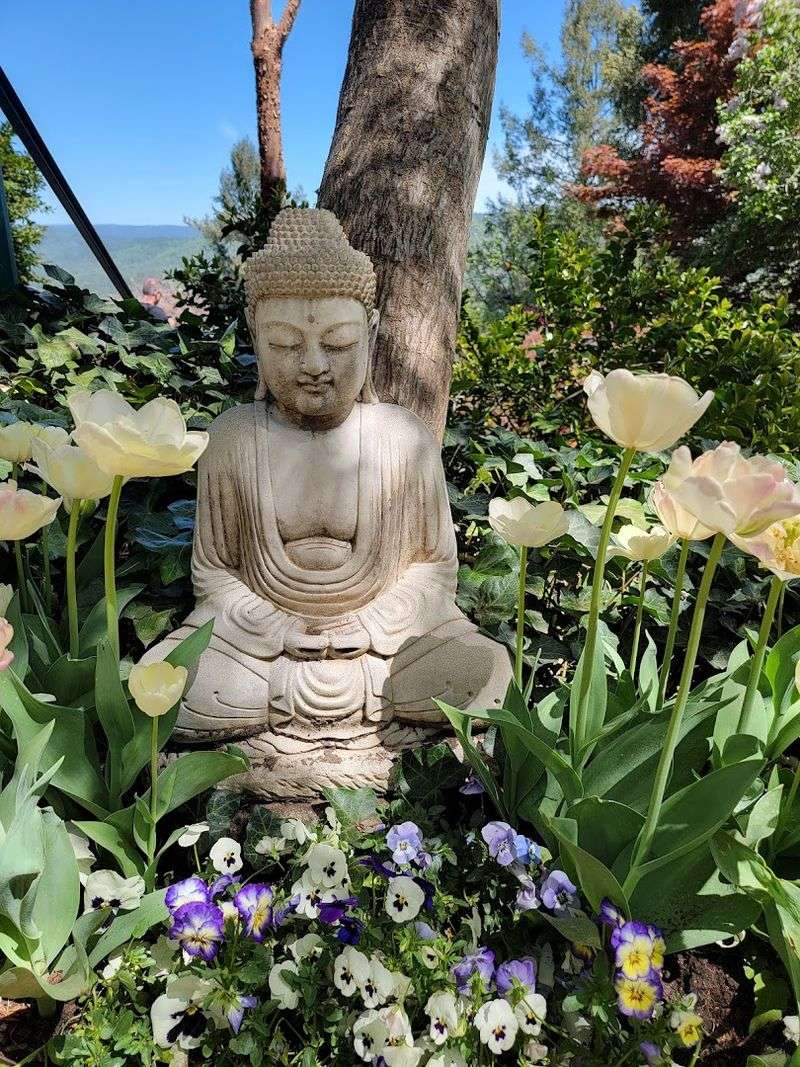
Spring gets the spotlight at Crystal Hermitage Gardens, but the property does not go quiet once the tulips fade.
Summer brings a completely different palette of blooms including roses, begonias, geraniums, petunias, and marigolds that take over the garden beds as the season shifts.
Roses in particular can be spectacular in a well-maintained garden, and the Crystal Hermitage grounds benefit from the same careful horticultural attention that makes the tulip season so visually striking.
Begonias and geraniums tend to thrive in the warm Northern California summers and can produce dense, colorful displays that carry the garden through the warmer months.
Visitors who cannot make it during the April or May tulip window might find the summer garden worth a visit in its own right, though the official Springtime at Ananda festival is specifically a spring event.
It is worth checking the Crystal Hermitage Gardens website for current visiting hours and access details during the summer season, as the schedule and ticketing arrangements may differ from the spring festival format.
The garden has a year-round identity that extends well beyond any single season.
10. Ananda Village And Its Spiritual Roots
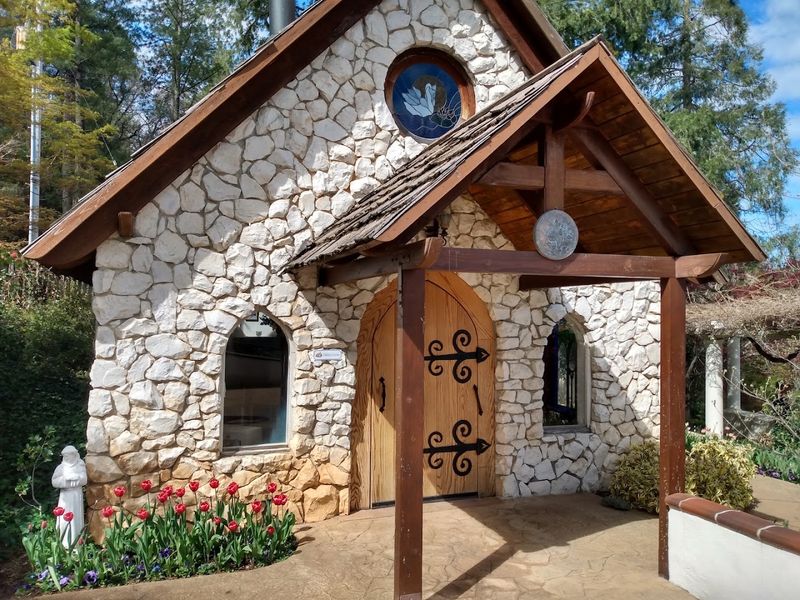
Crystal Hermitage Gardens exists within a larger context that shapes its character in meaningful ways.
The gardens are part of Ananda Village, an intentional spiritual community that was founded over 50 years ago in the Sierra Nevada foothills near Nevada City, California.
Ananda Village was established with a focus on spiritual growth through practices including meditation, service, and living in community with others who share similar values.
The gardens themselves reflect that philosophy by treating beauty as something that can support inner well-being rather than simply existing for visual entertainment.
That orientation gives Crystal Hermitage Gardens a quality that many visitors describe as unusually calm and grounded compared to more commercial garden attractions.
The community has maintained the gardens with consistent care over the decades, and that long-term stewardship is visible in the maturity of the plantings and the overall condition of the property.
Understanding the Ananda Village context helps explain why the meditation chapel sits comfortably alongside the tulip beds rather than feeling out of place.
The garden was never designed purely as a tourist destination but rather as an expression of a community’s values that happens to be genuinely beautiful enough to share with the public.
11. Tickets Must Be Purchased Online In Advance
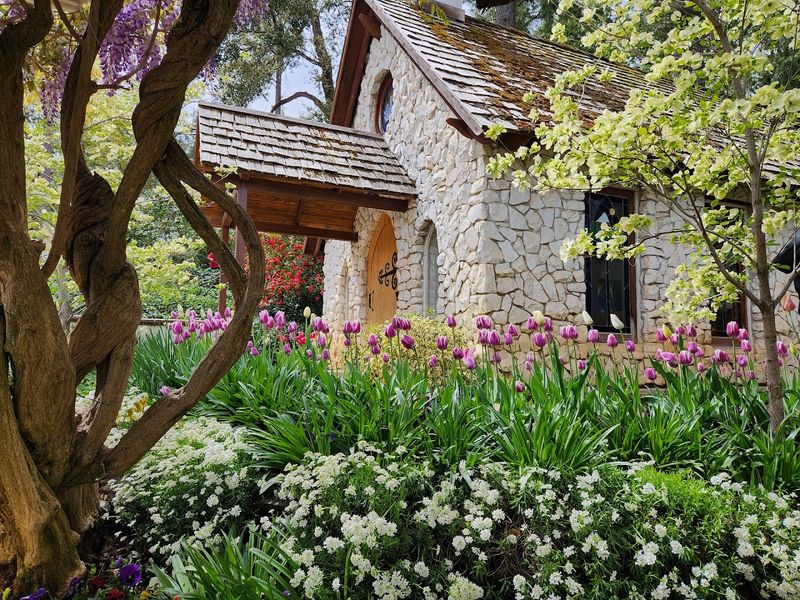
Planning ahead is not optional at Crystal Hermitage Gardens during the spring festival.
Tickets for Springtime at Ananda must be purchased online in advance, and walk-in entry is generally not available.
That policy exists in part to manage visitor flow on a property that attracts over 13,000 guests each year.
The official Crystal Hermitage Gardens website is the correct place to check current ticket prices, available dates, and any visitor guidelines that may apply for a given season.
Prices and policies can change from year to year, so relying on outdated information from third-party sites could lead to confusion at the gate.
Booking early is particularly advisable for weekend visits or for dates that fall during peak bloom, which tends to be in mid to late April depending on the year’s weather patterns.
Groups visiting together should coordinate ticket purchases in advance since availability during popular periods can fill up.
The online ticketing process is straightforward and typically takes only a few minutes to complete.
Having a printed or digital confirmation ready at the entrance helps the check-in process move smoothly for everyone involved.
12. Accessibility Considerations For Visitors
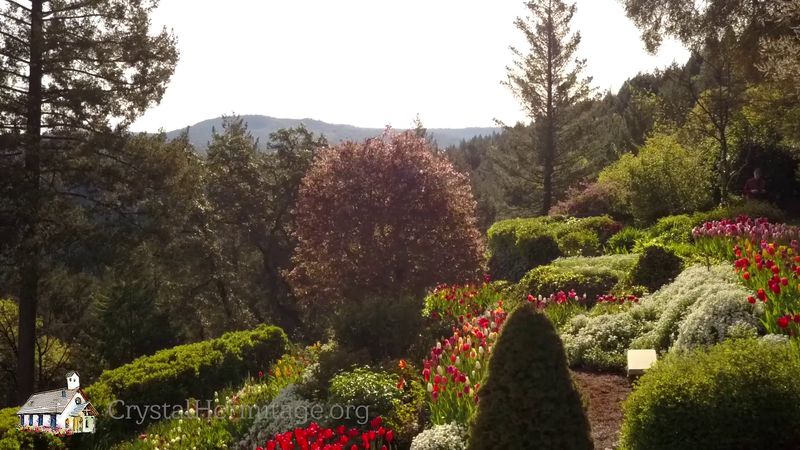
The terraced hillside design of Crystal Hermitage Gardens creates the stunning visual layering that makes the garden so memorable, but it also means the property involves stairs and uneven ground throughout.
Wheelchair users and visitors with significant mobility limitations should be aware that the gardens may not be fully accessible in all areas.
The Crystal Hermitage Gardens website is the most reliable source for current accessibility information, and reaching out to the garden directly before visiting is a reasonable step for anyone who needs specific details.
The terrain varies across different sections of the property, and some areas may be more manageable than others depending on individual needs. Visitors with young children in strollers should also factor the hillside terrain into their planning.
Comfortable footwear with good grip is genuinely useful for anyone walking the full length of the terraces, as garden paths can become slick after morning dew or light rain.
Taking the walk slowly and using available rest points along the route tends to make the experience more comfortable for visitors of varying fitness levels. The garden rewards those who take their time rather than rushing through.
13. Tips For Getting The Most Out Of Your Visit
A few practical habits can make a real difference in how much a visitor gets out of a trip to Crystal Hermitage Gardens.
Arriving early in the day tends to offer softer light for photography, fewer crowds on the garden paths, and a quieter overall atmosphere that lets the garden’s more subtle details register more easily.
Wearing layers is a sensible choice for an April visit in the Sierra Nevada foothills, where mornings can be cool even when afternoons warm up significantly.
Bringing a water bottle is also practical since the walk through the terraced garden involves more physical activity than a flat stroll might suggest.
Comfortable shoes with good traction are strongly recommended given the uneven terrain.
Spending time with the less prominent plants rather than focusing only on the most colorful tulip clusters tends to enrich the experience.
The wisteria, the chapel, the canyon views, and the quieter corners of the property all contribute to what makes Crystal Hermitage Gardens memorable.
Checking the official website at crystalhermitage.org before the trip for bloom updates and any last-minute schedule changes is a reliable way to arrive informed and ready to enjoy the garden fully.