Spice Up Your Evening At This California Indian Restaurant Everyone’s Talking About
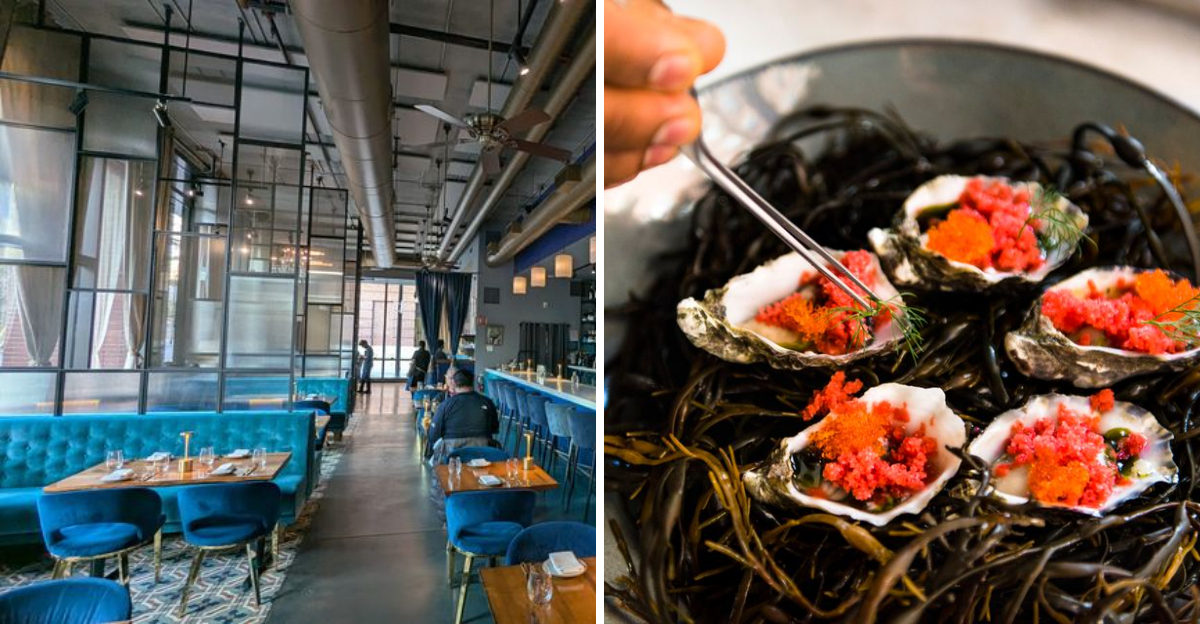
Bold flavors tend to leave a strong impression. Some restaurants rely on tradition alone. Others lean heavily on modern presentation. A few manage to balance both in a way that feels fresh and exciting.
San Francisco has no shortage of inventive dining spots, but certain places stand out by pushing familiar cuisines in new directions.
Creative techniques meet time-honored recipes, and the result can surprise even seasoned food lovers.
That spirit defines the experience at Rooh. The restaurant takes inspiration from Indian culinary traditions while presenting dishes through a modern lens that highlights bold spices, thoughtful plating, and carefully layered flavors.
Guests often arrive curious and leave impressed. The menu invites exploration without feeling intimidating, making it appealing to both newcomers and longtime fans of Indian cuisine.
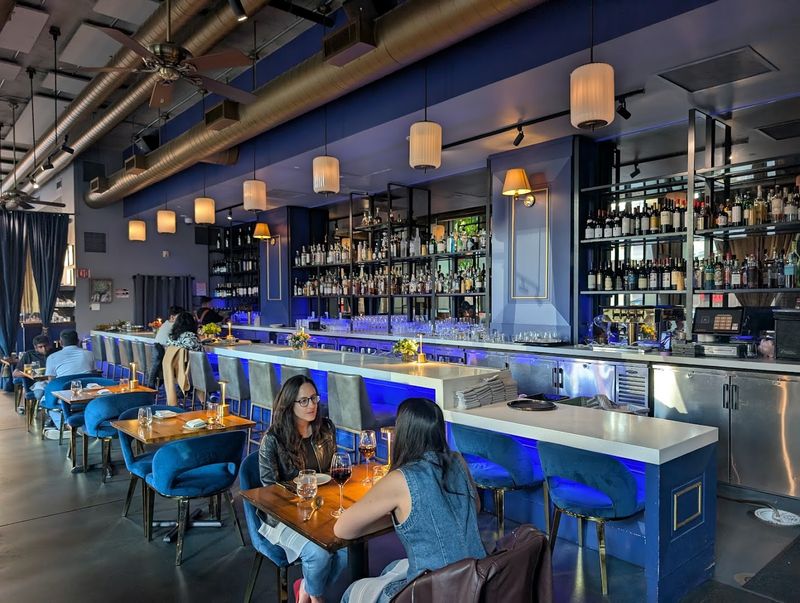
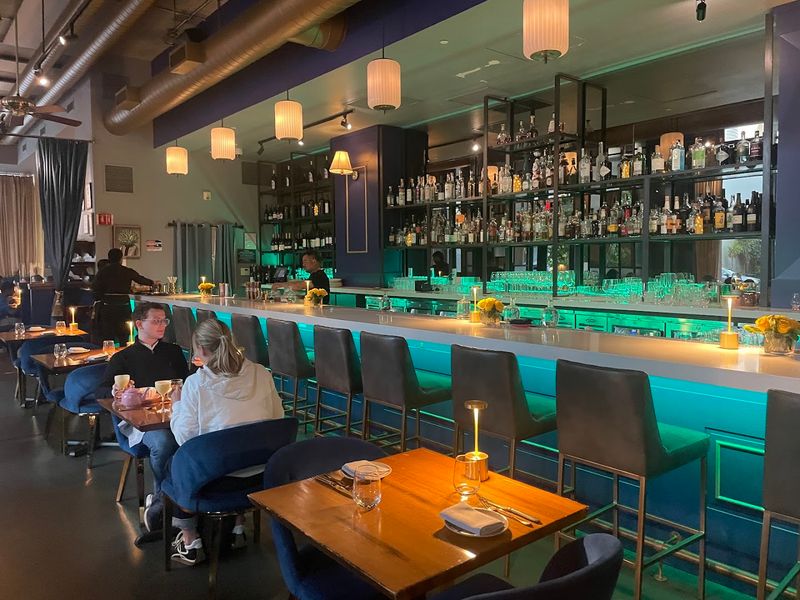
The setting adds to the experience. Warm lighting, contemporary design, and a lively energy give the dining room a welcoming character that fits the creative food coming out of the kitchen.
Located in San Francisco’s SoMa neighborhood, Rooh has built a reputation as one of the city’s most talked-about modern Indian restaurants.
Its growing recognition reflects a kitchen that continues to rethink what Indian dining can look like in California.
1. Progressive Indian Cuisine At Its Finest
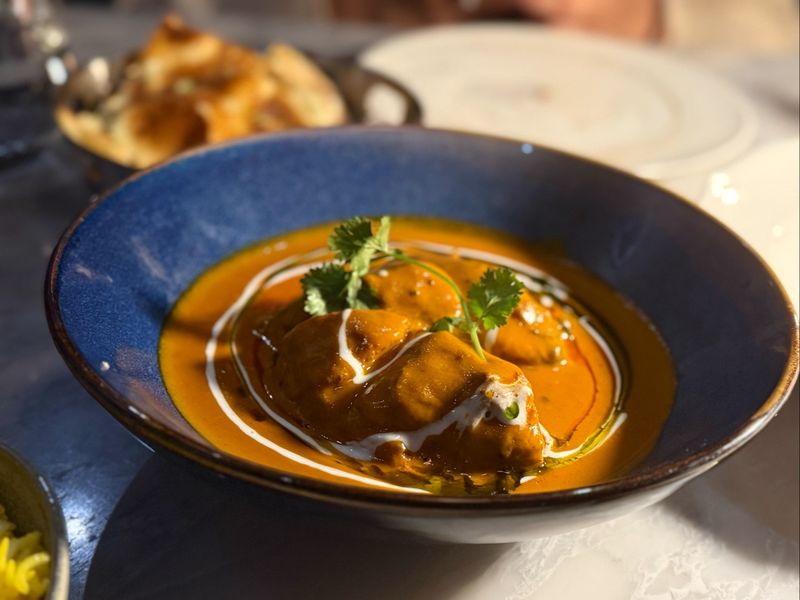
Traditional Indian cooking has centuries of history behind it, but Rooh San Francisco takes that foundation and builds something entirely new on top of it.
The kitchen blends classic Indian techniques with modern culinary methods, resulting in dishes that feel both familiar and refreshingly unexpected.
Guests who grew up eating Indian food at home often describe a sense of pleasant surprise when tasting how traditional flavors can be reinterpreted with such precision.
Rooh, located at 333 Brannan St #150 in San Francisco’s SoMa district, draws on the rich diversity of Indian regional cooking while pushing boundaries in a thoughtful rather than gimmicky way.
Local Californian ingredients are woven into the menu alongside imported spices, creating a cross-cultural dialogue on every plate.
The approach is sometimes described as progressive Indian cuisine, a term that reflects the restaurant’s commitment to evolution without losing cultural roots.
Chefs at Rooh reportedly study regional Indian recipes closely before reimagining them for a contemporary audience.
The result is a menu that rewards curiosity and invites guests to slow down and pay attention to each bite.
For anyone unfamiliar with modern Indian food, Rooh serves as an excellent and approachable introduction.
2. A Menu Built For Sharing And Exploring

One of the most enjoyable aspects of dining at Rooh is the menu structure, which encourages guests to order across several categories rather than sticking to a single entree.
Small plates and larger sharing dishes sit side by side, making the meal feel more like an exploration than a transaction.
Groups tend to do especially well here because the variety of options means everyone can find something that speaks to their preferences.
Standout menu items include tandoori black pepper chicken and tandoori octopus, both of which reflect the kitchen’s willingness to experiment with proteins that are not always associated with traditional Indian cooking.
The tandoor oven brings a distinctive smoky char to these dishes that is hard to replicate with other cooking methods.
Each plate arrives with its own set of accompaniments that add texture and contrast.
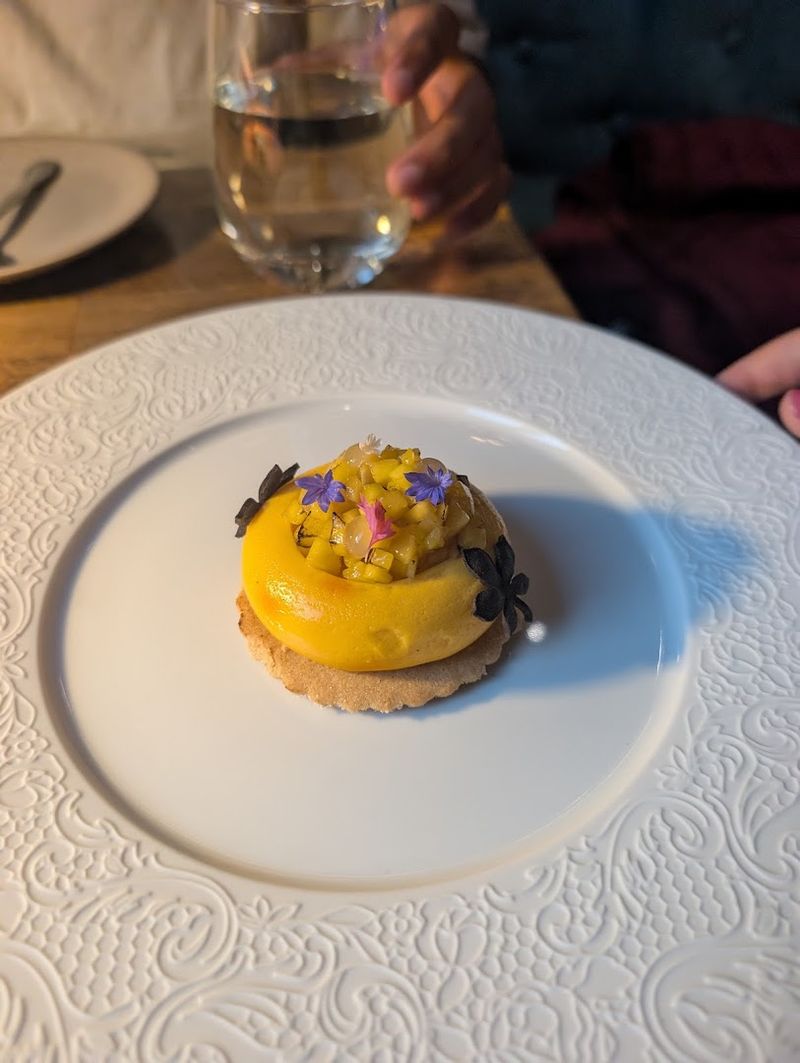
Dessert at Rooh is equally inventive, with options like cashew praline cake paired with phirni mousse and thandai ice cream.
Phirni is a classic Indian rice pudding, and seeing it transformed into a mousse is a good example of how the kitchen approaches reinvention.
Reservations are recommended for weekend evenings when the restaurant tends to fill up quickly.
3. Michelin Guide Recognition
Earning a spot in the Michelin Guide is one of the most respected forms of recognition a restaurant can receive, and Rooh San Francisco has achieved exactly that.
The Michelin Guide is known for its rigorous and anonymous evaluation process, which means inclusion reflects genuine culinary merit rather than marketing efforts.
For a modern Indian restaurant to earn this kind of attention in a city as competitive as San Francisco says a great deal about the consistency and quality of what Rooh delivers.
San Francisco has long been considered one of the top dining cities in the United States, with a food culture that spans dozens of cuisines and price points.
Being listed in the Michelin Guide alongside some of the most celebrated restaurants in California places Rooh in distinguished company.
Diners who use the guide as a reference point can trust that the experience at Rooh meets a high standard.
Recognition from Michelin also tends to bring increased demand, so planning ahead is a practical step for anyone hoping to visit.
The restaurant’s consistent appearance in the guide suggests that the kitchen maintains its standards across seasons and staff changes.
That kind of reliability is what separates a truly excellent restaurant from one that simply has a good moment.
4. Bold And Immersive Interior Design
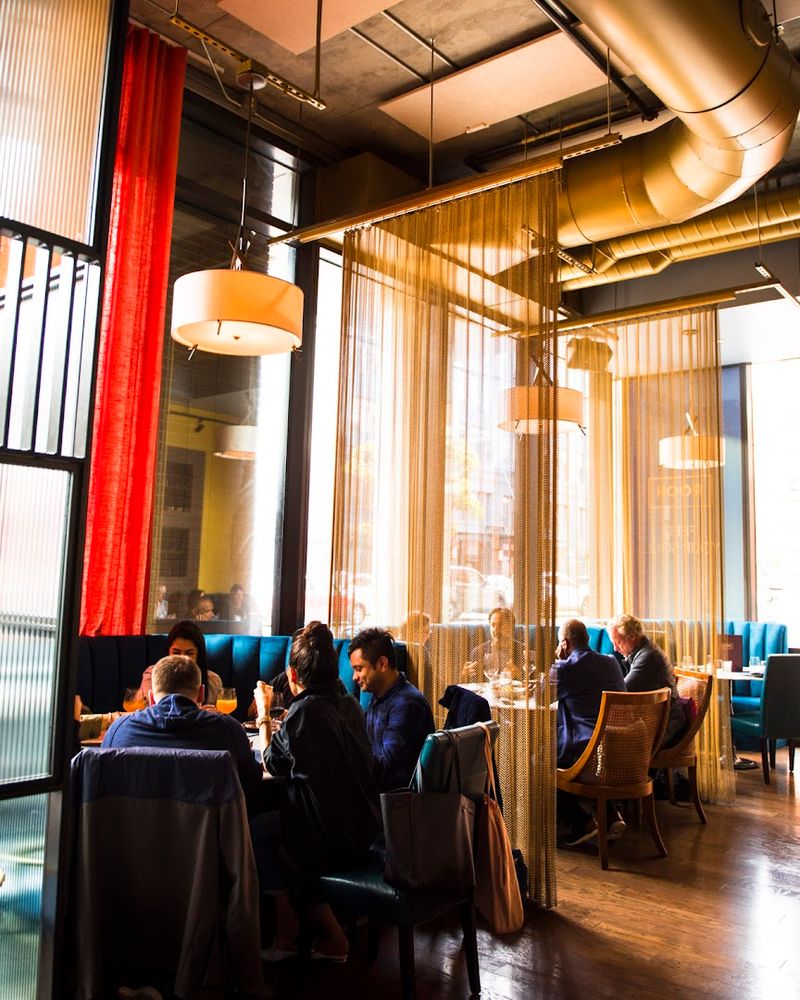
Walking into Rooh feels like stepping into a space where two very different worlds have been combined with genuine care.
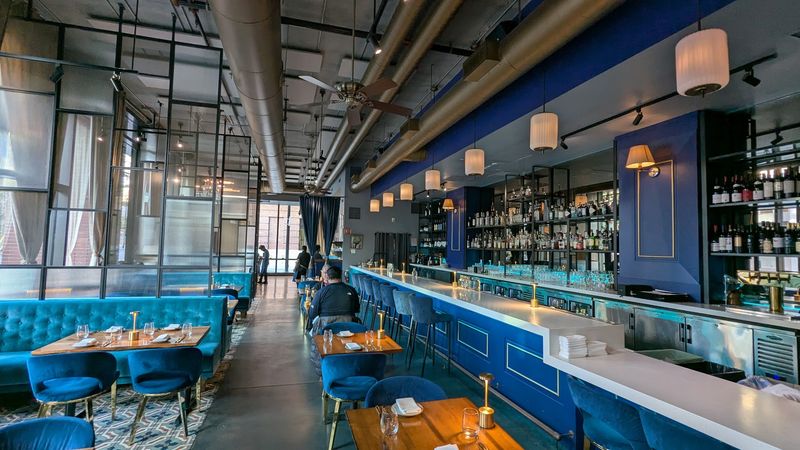
The interior draws from both Indian visual tradition and the industrial character of San Francisco’s SoMa neighborhood, resulting in a look that is bold without being overwhelming.
Jewel tones dominate the color palette, with deep blues, rich golds, and warm reds creating a sense of warmth and energy throughout the dining room.
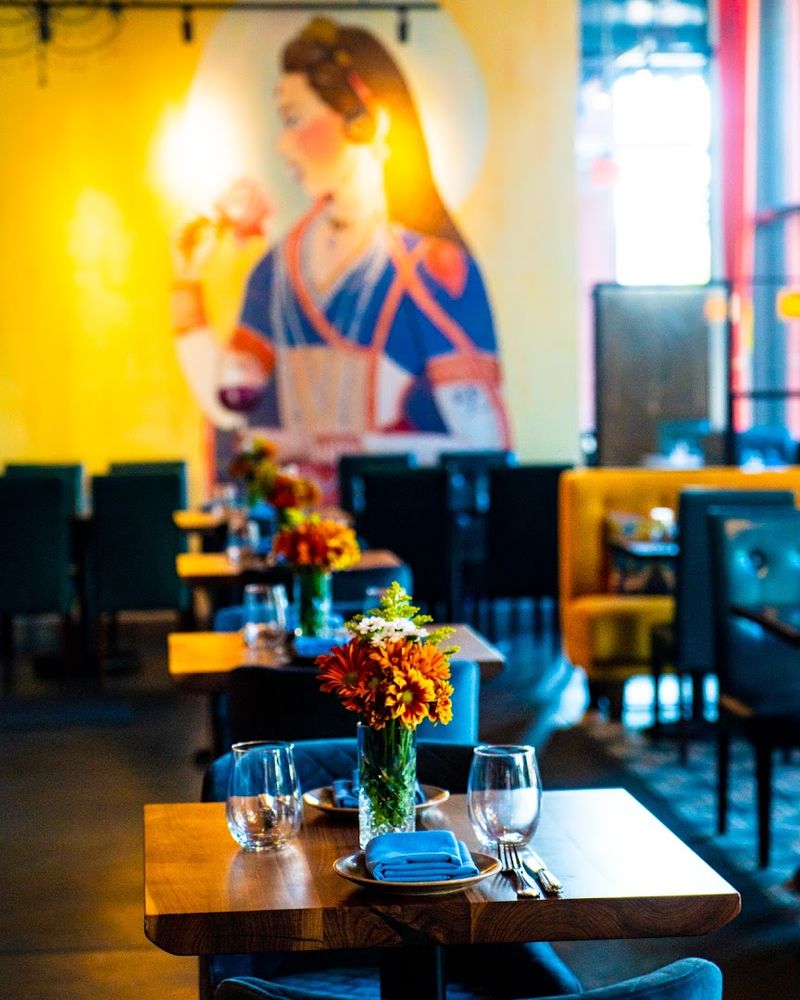
An oversized mural is one of the most talked-about design elements inside the restaurant, giving the space a sense of artistic identity that goes beyond standard restaurant decor.
The mural reportedly draws from Indian iconography while incorporating contemporary artistic sensibilities, making it a natural conversation starter for first-time visitors.
Lighting throughout the space is kept at a level that feels intimate without being too dim to appreciate the food presentation.
Seating arrangements allow for both small groups and larger parties, with enough variation in the layout to accommodate different dining occasions.
The noise level during peak hours can be lively, which suits the communal and sharing-focused nature of the menu.
Guests looking for a quieter experience may find that weekday evenings offer a more relaxed pace while still delivering the full visual and culinary impact of the space.
5. Seasonal And Local California Ingredients
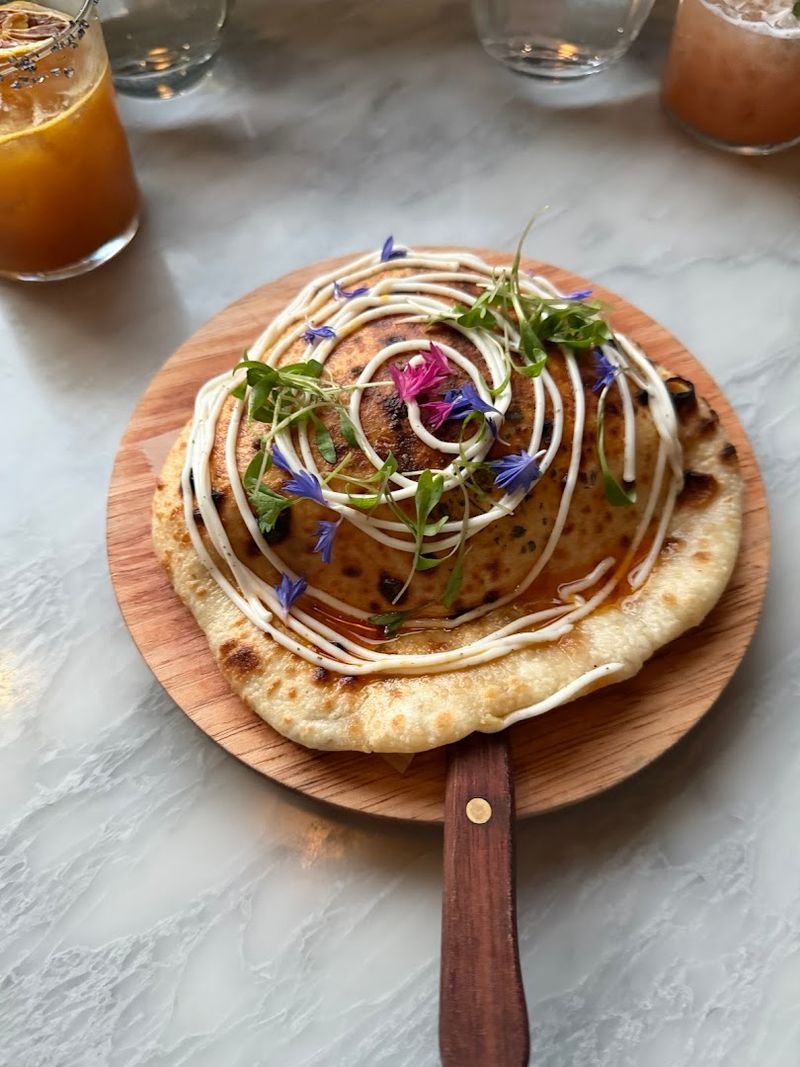
A restaurant that commits to using seasonal and local ingredients is making a statement about both quality and responsibility.
Rooh San Francisco sources Californian produce to complement its Indian pantry of spices and aromatics, creating a menu that shifts in response to what is freshest and most flavorful at any given time.
This approach means that a dish tasted in spring could feel noticeably different from the same dish prepared in autumn, which keeps the menu feeling alive rather than static.
California’s agricultural diversity makes it an ideal partner for this kind of cooking.
The state produces an extraordinary range of fruits, vegetables, and herbs throughout the year, giving chefs at Rooh a wide palette to work with when building dishes around traditional Indian flavor profiles.
The combination of local freshness and imported spice complexity is part of what makes the food at Rooh feel distinctive rather than generic.
Guests with dietary preferences or restrictions may find that the seasonal menu offers useful flexibility, though checking with the restaurant directly before visiting is always a practical step.
The kitchen’s relationship with local sourcing also reflects a broader commitment to thoughtful cooking that goes beyond the plate.
Freshness tends to be noticeable in both taste and texture when produce is handled with this level of attention.
6. Community Engagement
During one of the most difficult periods in recent history, Rooh San Francisco made a choice to turn its kitchen into a resource for the broader community.
The restaurant launched a Pay it Forward program during 2020 closures, using donations from supporters to fund meals for frontline workers who were putting in long hours under stressful conditions.
Partnering with organizations like Frontline Foods and World Central Kitchen, Rooh helped direct food and resources to people who needed them most.
Programs like this tend to reveal a great deal about the values driving a restaurant’s leadership.
Rather than simply waiting for the dining room to reopen, the team at Rooh found a way to keep the kitchen active and purposeful during a period of widespread uncertainty.
The effort was recognized by several local and national media outlets as an example of how restaurants could respond to community need with creativity and generosity.
The Pay it Forward initiative also helped Rooh maintain a connection with the San Francisco community during a time when in-person dining was not possible.
That kind of relationship-building tends to translate into lasting loyalty from guests who appreciate a restaurant that sees itself as part of a larger social fabric.
Community-minded efforts like these are often what set beloved neighborhood restaurants apart from purely commercial operations.
7. Award-Winning Recognition Beyond Michelin
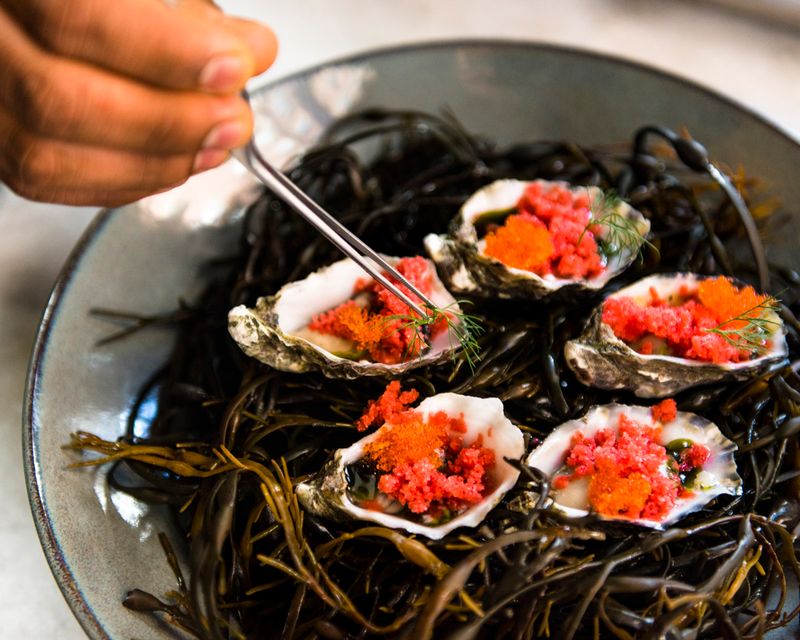
Recognition for Rooh San Francisco has not been limited to the Michelin Guide alone.
The restaurant has also been featured in Sunset Magazine’s Top Tables list, which highlights standout dining experiences across the western United States.
Sunset Magazine has a long history of covering food, travel, and lifestyle in the American West, and its Top Tables designation carries real weight among readers who take dining recommendations seriously.
Being included on multiple award lists and in respected publications suggests that Rooh’s quality is not the result of a single impressive season but rather a sustained commitment to excellence over time.
Restaurants that appear consistently across different types of recognition tend to deliver a more reliable experience than those that spike in popularity and then fade.
For first-time visitors, this track record offers a useful signal about what to expect.
The attention from publications like Sunset Magazine also reflects Rooh’s appeal beyond the core foodie audience.
Lifestyle readers who might not regularly follow restaurant news are still encountering Rooh’s name through trusted editorial sources, which broadens the restaurant’s reach and reputation.
San Francisco’s dining scene is competitive enough that sustained media recognition genuinely reflects something worth experiencing firsthand.
8. Operating Hours And Best Times To Visit
Planning a visit to Rooh works best when the operating hours are factored into the itinerary from the start.
The restaurant is open Monday through Thursday from 11:30 AM to 2:30 PM for lunch and again from 5:00 PM to 9:30 PM for dinner.
Friday hours extend the dinner service slightly, running from 5:30 PM to 10:00 PM after the same lunch window.
On Saturdays, Rooh operates dinner service only from 5:30 PM to 10:00 PM, while Sundays follow a dinner-only schedule from 5:00 PM to 9:30 PM.
Guests who prefer a more relaxed atmosphere may find that weekday lunch visits offer a noticeably different pace compared to weekend evenings.
The SoMa location at 333 Brannan St in San Francisco is accessible by several public transit options, which can simplify the logistics of getting there.
Reservations are strongly encouraged for Friday and Saturday evenings, as the restaurant tends to reach capacity during those peak periods.
Arriving a few minutes early gives guests time to settle in and review the menu before the dining room gets fully underway.
Checking the restaurant’s official website or reservation platform before visiting is a practical step since hours can occasionally shift around holidays or special events.
9. A Dining Experience Rooted In Indian Culture
Rooh San Francisco does not simply serve Indian food as a backdrop for novelty.
The restaurant’s approach is grounded in a genuine respect for Indian culinary tradition, drawing from regional cooking styles across the subcontinent to inform a menu that feels culturally informed rather than superficially themed.
Guests with personal connections to Indian food often note that the kitchen handles familiar ingredients with an understanding that goes beyond surface-level familiarity.
Dishes at Rooh reference specific Indian cooking traditions such as tandoor preparation, which involves cooking proteins and breads in a cylindrical clay oven at very high heat.
The tandoor method produces results that are difficult to replicate with other equipment, and the restaurant’s use of it for dishes like tandoori octopus demonstrates a willingness to apply traditional tools to unexpected ingredients.
That combination of cultural grounding and creative curiosity is central to what makes Rooh feel purposeful.
Service at the restaurant tends to reflect the same thoughtfulness found in the kitchen, with staff who can explain the cultural context behind dishes when asked.
For guests new to Indian cuisine, having that kind of guidance available makes the meal more educational and enjoyable.
The overall experience at Rooh feels like an invitation to engage with Indian food on a deeper level than a typical restaurant visit might offer.
10. Location In San Francisco’s SoMa District
The SoMa district, short for South of Market, is one of San Francisco’s most dynamic and densely packed urban neighborhoods.
Known for its mix of tech offices, art galleries, and a growing restaurant scene, SoMa attracts a diverse crowd of residents, workers, and visitors throughout the week.
Rooh fits naturally into this environment, offering a dining experience that matches the neighborhood’s energy and appetite for creative, quality-focused food.
The restaurant sits at 333 Brannan St, placing it within easy reach of several major San Francisco landmarks and transit hubs.
Public transportation options in SoMa are plentiful, and the area is generally walkable for those arriving from nearby neighborhoods like the Financial District or the Embarcadero.
Guests driving to the restaurant should account for parking availability, which in SoMa can vary significantly depending on the time of day and day of the week.
SoMa’s character as a neighborhood adds a layer of context to the Rooh experience that is worth appreciating.
The industrial bones of the area, combined with its current role as a creative and culinary hub in California, mirror the restaurant’s own blend of tradition and modernity.
Spending time in the neighborhood before or after dinner can make the visit feel like a fuller experience of one of San Francisco’s most interesting corners.