Hidden Along A Quiet Georgia Creek Is A Historic Mill That Still Feels Like 1855
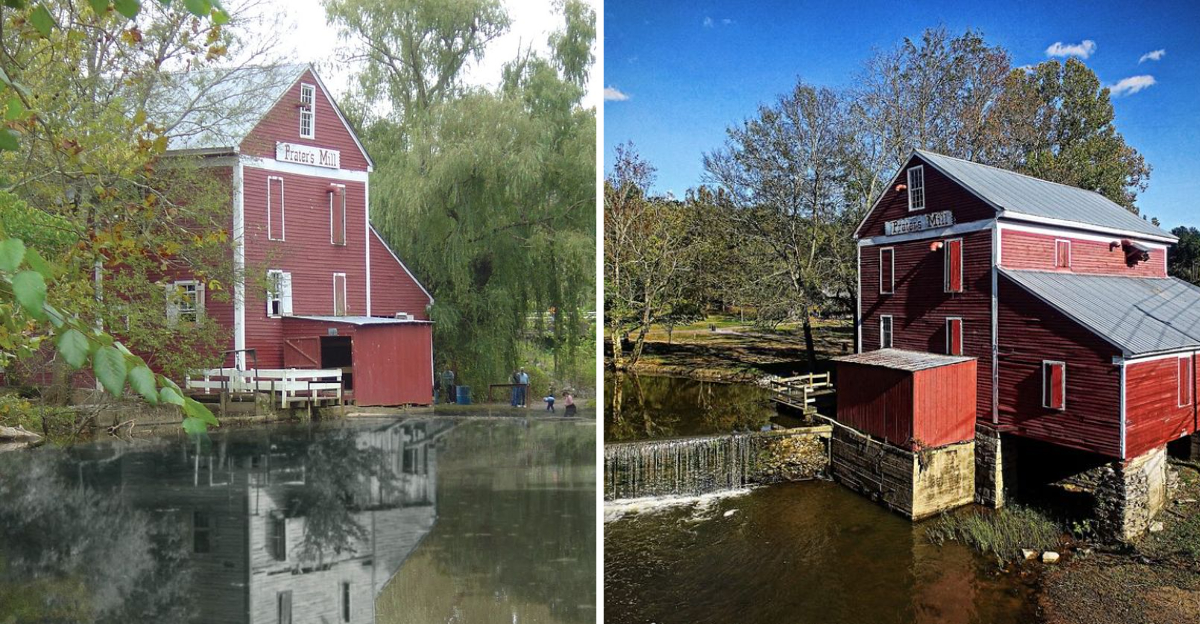
Beside the quiet waters of Coahulla Creek in Whitfield County, Georgia, a historic landmark offers visitors a rare glimpse into the state’s rural past. Prater’s Mill Historic Site, originally built in 1855 by Benjamin Franklin Prater, has stood through generations of change while continuing to reflect the craftsmanship and daily life of another era.
The restored grist mill and surrounding grounds create a setting that feels calm, authentic, and deeply connected to Georgia’s history. Visitors can explore the wooden mill structure, walk the peaceful creekside paths, and imagine the days when farmers traveled here to grind their grain.
Over the years, the site has become a cherished local treasure that brings together history, nature, and community traditions. For travelers looking to step away from busy city life and experience a meaningful piece of the past, Prater’s Mill offers a memorable destination worth discovering.
1. The Man Who Built It All: Benjamin Franklin Prater
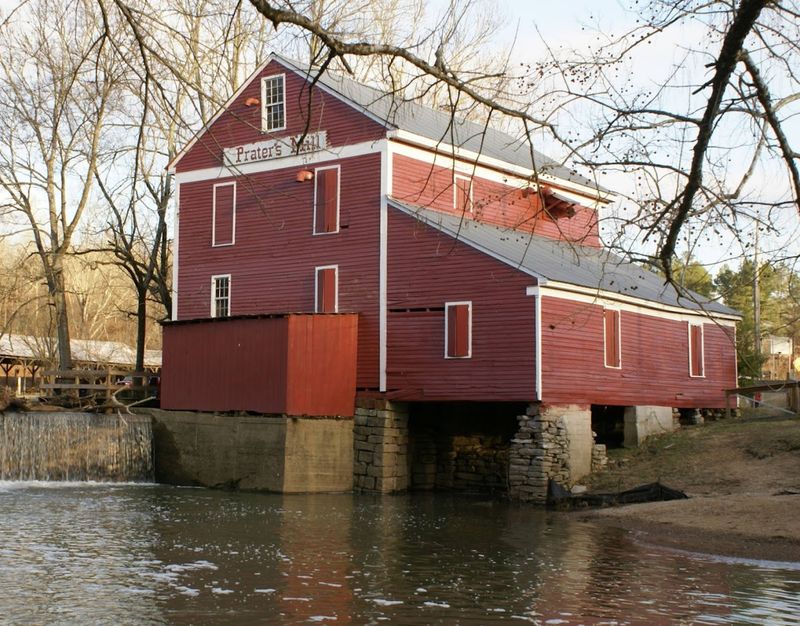
Before there was a landmark, there was a man with a vision and a creek. Benjamin Franklin Prater established this mill in 1855, and his ambition shaped an entire community in what is now Whitfield County, Georgia. He was not simply building a place to grind grain he was creating a gathering point for local farmers who had few other options for processing their harvests.
The mill quickly became the economic heart of the surrounding area, offering grain milling, cotton ginning, and sawmill services all in one location. Farmers would travel considerable distances to use Prater’s facilities, turning the site into a lively social hub as much as a working operation.
Understanding the founder gives the whole site a more personal dimension. When visitors walk through the property today, they are essentially walking through one man’s lifelong project a legacy that outlasted him by more than 170 years and counting.
2. Civil War Footprints on the Property
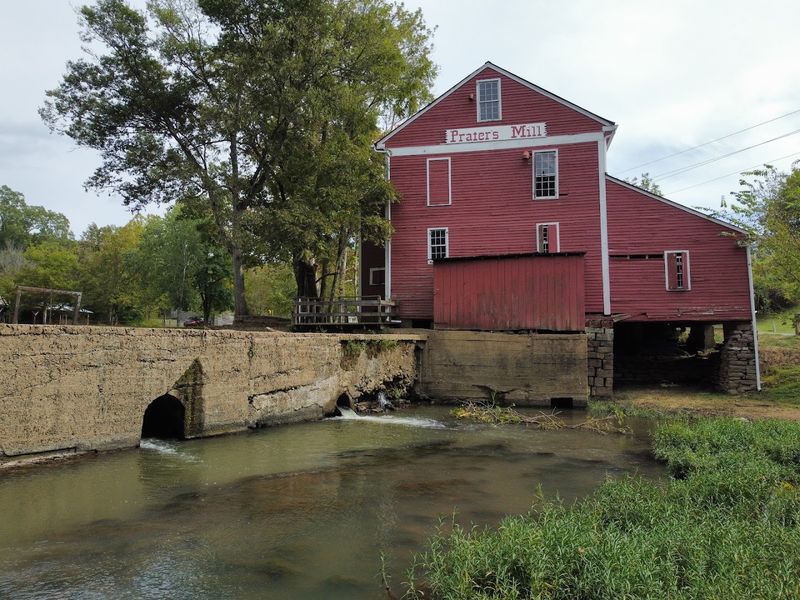
Few places carry the weight of history quite like a site where soldiers from both sides of a war once rested their boots. During the Civil War, Prater’s Mill served as a campsite for both Union and Confederate forces at different times, which speaks to how strategically valuable the location was along the Georgia frontier.
The mill’s position near Coahulla Creek made it a reliable water source and a recognizable landmark in a region where geography determined military movement. Troops passing through northwestern Georgia would have recognized the mill as a place to resupply, rest, and regroup.
Today, the site is part of the Blue and Gray Trail, a historic route that connects Civil War-era landmarks across the region. Visitors with an interest in military history will find the grounds carry a quiet gravity that no museum exhibit can fully replicate. Standing there, the past feels genuinely close.
3. The Original Millstones Are Still There
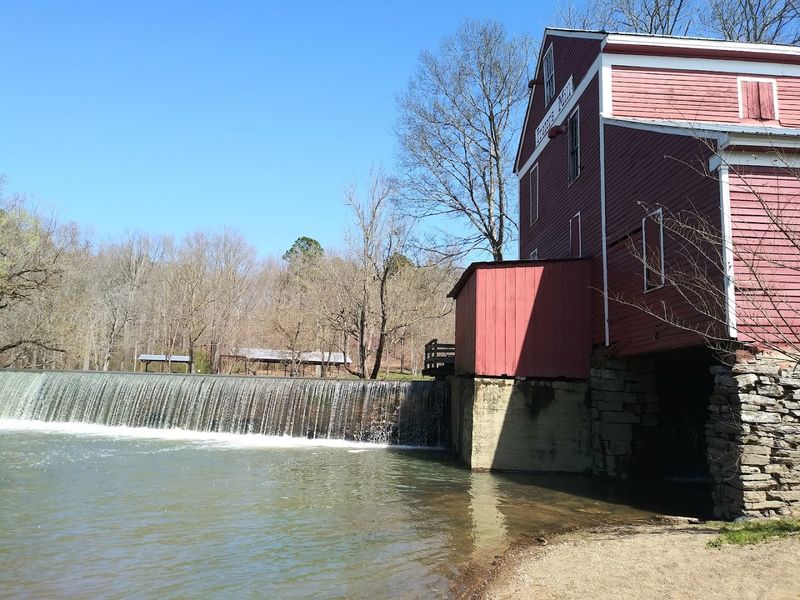
Not every historic mill can say its original equipment is still on-site, but Prater’s Mill can. The French Buhr millstones that Benjamin Prater installed in the 1850s remain in place, and they are genuinely impressive to see up close. These stones were considered top-tier milling technology at the time, imported specifically for their superior grain-grinding quality.
Alongside the millstones, the site also features a Leffel turbine, a water-powered turbine design that was considered cutting-edge engineering during the mid-to-late 1800s. Seeing both pieces together gives visitors a real sense of how seriously Prater took the quality of his operation.
For anyone who has ever wondered what a working mill actually looked like on the inside, this is a rare opportunity to see the real thing rather than a replica. The machinery has character — worn, aged, and completely authentic making it one of the most visually compelling parts of the entire visit.
4. Listed on the National Register of Historic Places
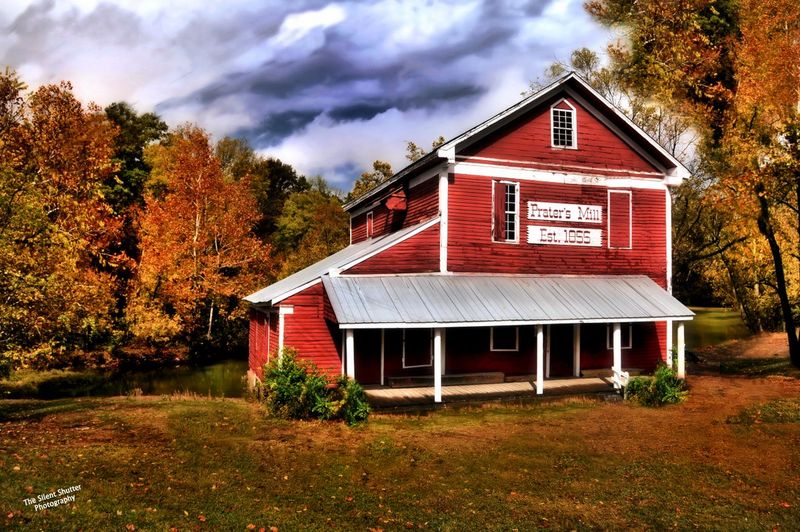
Getting onto the National Register of Historic Places is not a small achievement. It requires documented proof of architectural, cultural, or historical significance, and Prater’s Mill earned that recognition legitimately. The listing acknowledges the site’s layered importance as an industrial landmark, a Civil War location, and a window into 19th-century Appalachian life.
National Register status also brings a layer of legal protection that helps ensure the site will not simply be demolished or developed. For a structure that has already survived arson, flooding, and decades of wear, that protection matters enormously.
Visitors who appreciate knowing the official weight behind a historic site will find this designation reassuring. It confirms that what they are seeing is genuinely significant, not just locally beloved. The recognition also makes Prater’s Mill a natural stop for anyone building a serious Georgia history itinerary, alongside other major landmarks in the northwestern part of the state.
5. The Annual Country Fair That Draws Thousands
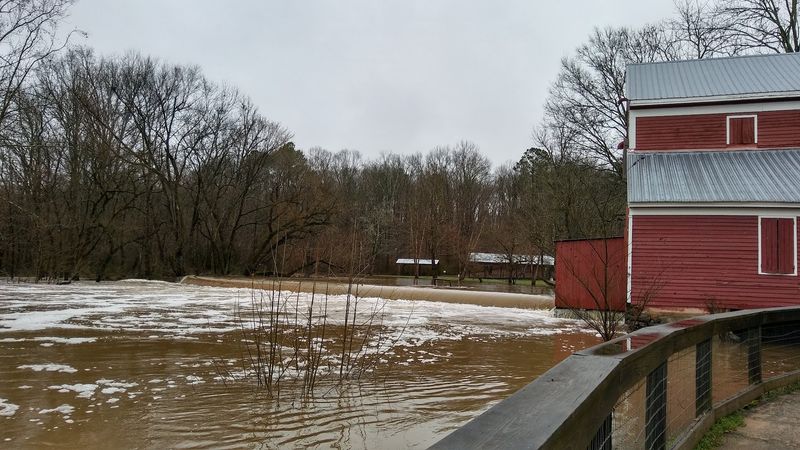
Every October, the grounds around Prater’s Mill transform into one of Georgia’s most beloved seasonal celebrations. The Prater’s Mill Country Fair has been running for decades and draws thousands of visitors each year for two full weekends of Appalachian-inspired festivities. The fair celebrates the region’s folk traditions with live music, handmade crafts, and Southern food that reflects the deep cultural roots of the area.
Artisan vendors set up across the property, offering everything from hand-thrown pottery to hand-stitched quilts, and the musical lineup typically features bluegrass, old-time, and traditional country styles. The setting beside the creek and the old mill buildings makes the atmosphere feel genuinely festive without feeling commercial.
Planning around the fair is worth considering if the timing works out. Attendance can be high on fair weekends, so arriving early in the morning gives visitors more space to explore the grounds and browse vendors before the afternoon crowds build up around the main stage.
6. How the Restoration Saved It from Disappearing
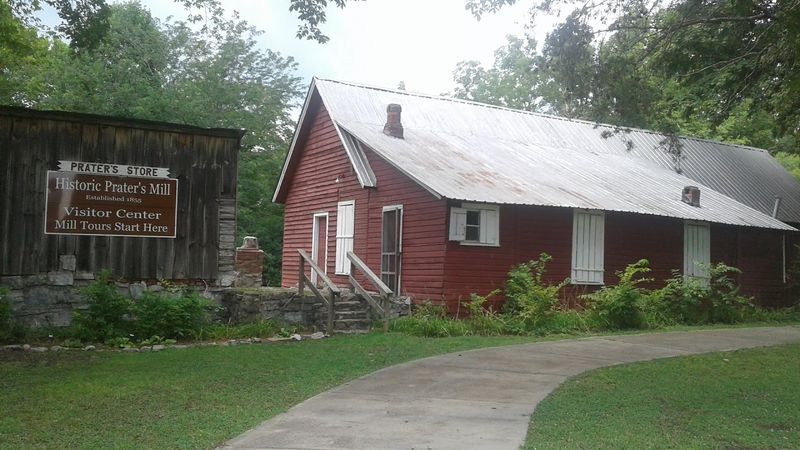
By the late 1960s, Prater’s Mill was in serious danger of being lost entirely. Years of neglect had taken a heavy toll on the structures, and without intervention, the entire site would have likely continued deteriorating until nothing salvageable remained. That changed in 1971 when the Prater’s Mill Foundation was established specifically to rescue and restore the property.
The foundation’s work has been ongoing for more than five decades, covering not just the main mill building but also the surrounding historic structures like the general store and blacksmith shop. Restoration of a site this old requires careful research to ensure that repairs remain historically accurate rather than simply cosmetically convenient.
The story of the restoration is itself an inspiring one, showing what a dedicated community can accomplish when it decides a piece of its heritage is worth fighting for. Visitors benefit directly from that effort every time they walk through a doorway that might otherwise no longer exist.
7. The 1898 General Store Still Standing on the Grounds
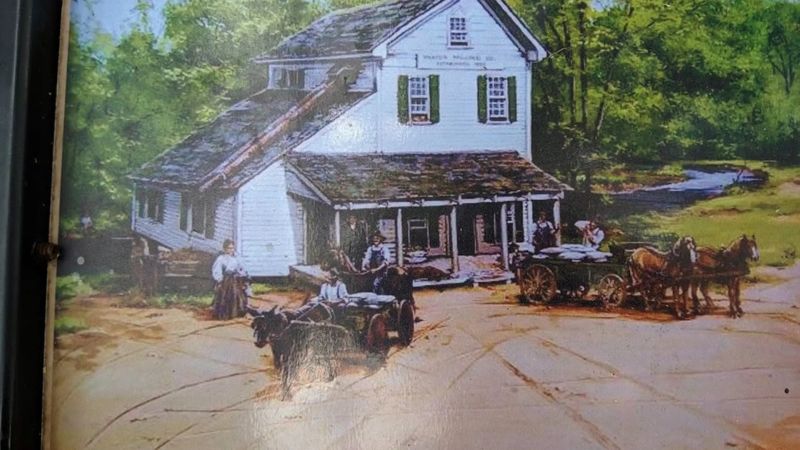
The mill is the headline attraction, but the 1898 general store on the property deserves its own moment of appreciation. Built more than four decades after the original mill, the store reflects a later chapter in the site’s history one where the community around Prater’s Mill had grown and needed more services than just grain processing.
General stores in this era were the original one-stop shops, carrying everything from dry goods and farming supplies to medicine and fabric. The building at Prater’s Mill gives visitors a tangible sense of what daily commerce looked like in rural Georgia at the turn of the 20th century.
Walking through or around the store alongside the mill and other structures creates a layered experience — visitors are not just seeing one moment in time but watching how a working community evolved over several decades. That depth is part of what makes the overall site feel so remarkably complete and satisfying to explore.
8. A Blacksmith Shop and Cotton Gin Round Out the Picture
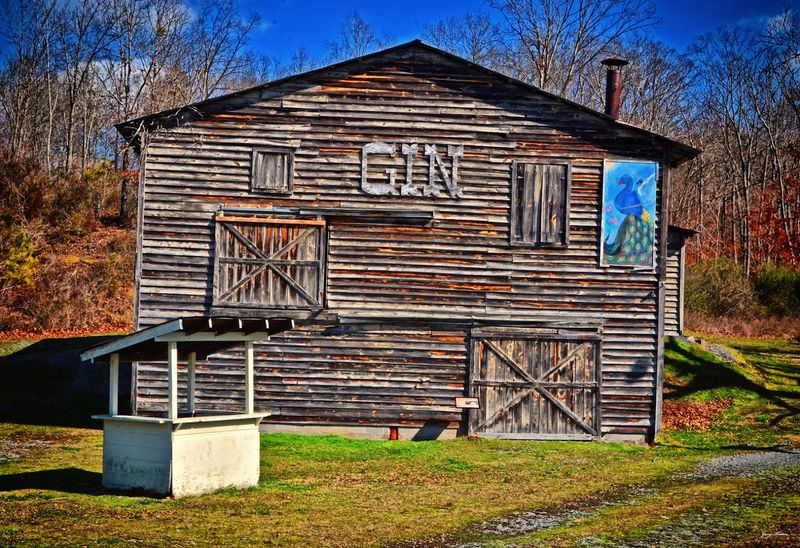
Rural Georgia in the 1800s ran on a tight web of interconnected trades, and Prater’s Mill captured several of them in one location. Beyond the grist mill and general store, the site also includes a blacksmith shop and a cotton gin two structures that help paint a fuller picture of what 19th-century agricultural life actually required on a daily basis.
The blacksmith shop would have been essential for maintaining the equipment used across the entire property and by nearby farmers. Broken tools, worn horseshoes, and damaged machinery all found their way to the blacksmith’s fire for repair and reinvention.
The cotton gin reflects the economic reality of the region, where cotton was a primary cash crop for many decades. Having all of these trades concentrated in one location made Prater’s Mill more than a convenience it was a genuine community anchor. Seeing these buildings together helps visitors understand the full economic ecosystem that once thrived along this quiet Georgia creek.
9. Native American History Beneath Your Feet
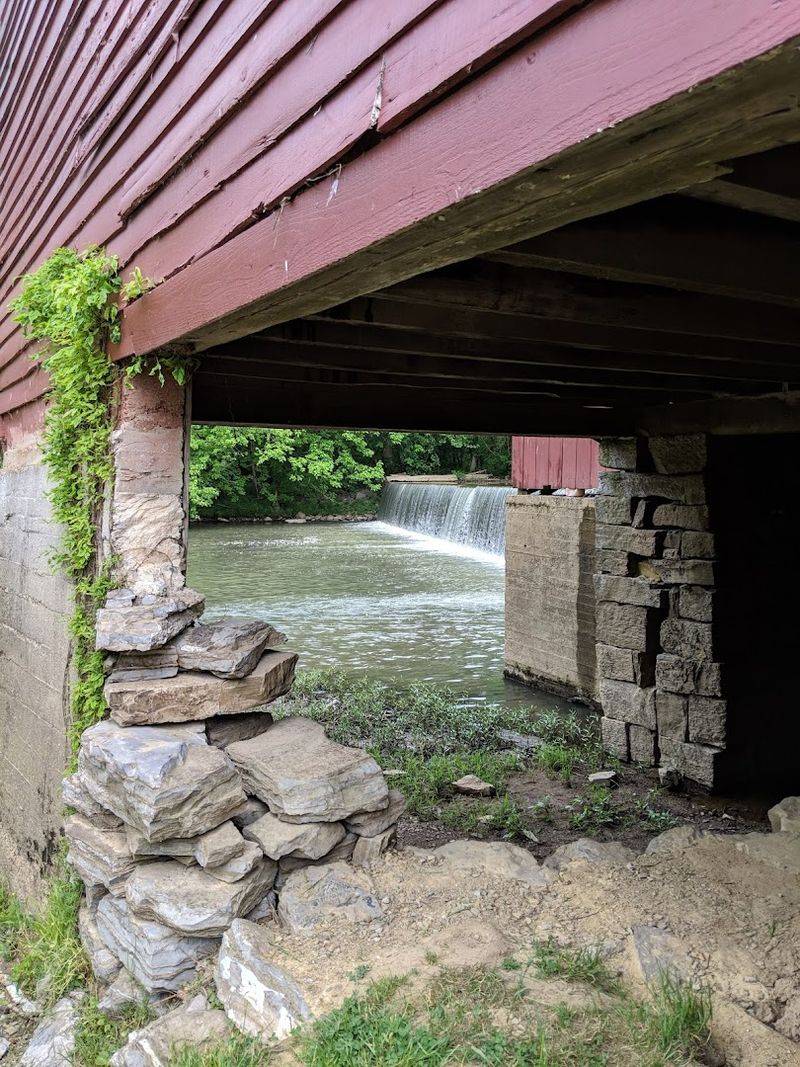
The land around Coahulla Creek holds human history that stretches back far beyond 1855. Archaeological findings in the area include artifacts dating thousands of years into the past, with one particularly notable discovery being a ceremonial slate axe from the Early Archaic period. That kind of find suggests the land was not just passed through but actively used and valued by Native American communities for generations.
Northwestern Georgia sits within a region that was home to Cherokee and Creek peoples before European settlement, and the landscape itself with its reliable creek, forested hills, and fertile bottomland would have made it an attractive location long before Benjamin Prater ever arrived.
Visitors who take a moment to consider this deeper timeline often find that the experience of walking the grounds shifts meaningfully. The mill becomes one chapter in a much longer story one that started thousands of years earlier and deserves acknowledgment alongside the more recent history that tends to get the most attention.
10. The 1995 Arson Fire and the Comeback Story
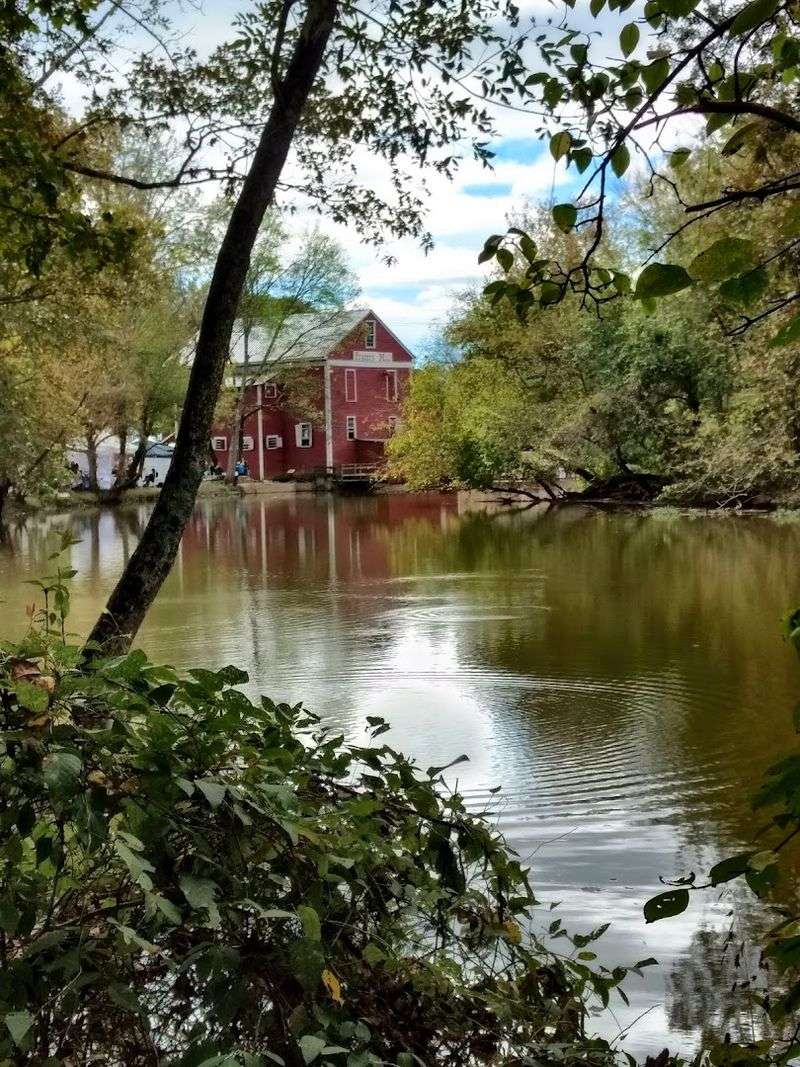
In 1995, someone deliberately set fire to Prater’s Mill, causing serious structural damage to a building that had already survived 140 years of history. For the community and the foundation dedicated to preserving the site, the arson was a devastating blow not just financially but emotionally, given how much effort had already gone into restoration over the previous two decades.
Rather than accepting the loss, the Prater’s Mill Foundation launched a major recovery effort. Skilled craftspeople, historians, and community volunteers worked to rebuild and restore the damaged sections using historically appropriate materials and methods wherever possible.
The mill that visitors see today reflects both the original construction and the determination of the people who refused to let it disappear. There is something quietly powerful about knowing a building has been through that kind of trauma and still stands. The comeback story adds a layer of emotional resonance to the visit that pure architectural appreciation alone cannot provide.
11. Self-Guided Tours with QR Codes Make It Easy
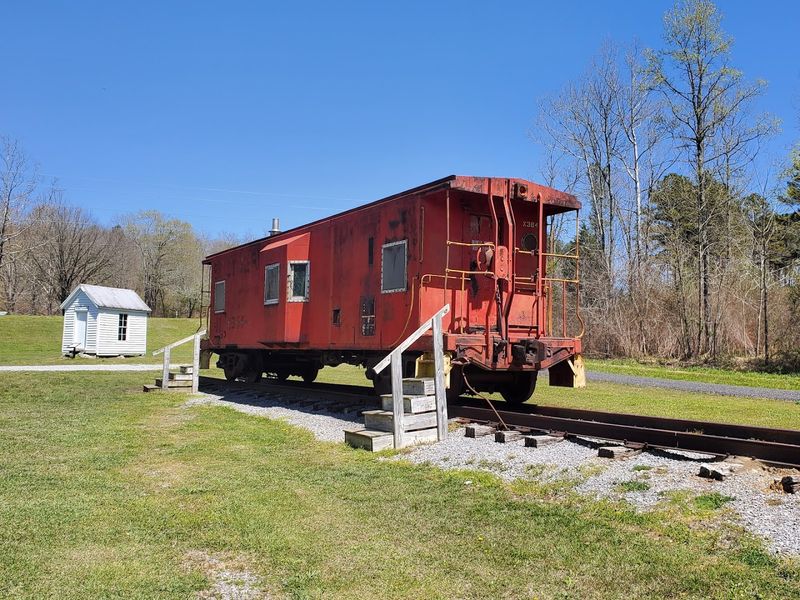
Not everyone has the flexibility to schedule a guided group tour, and Prater’s Mill accommodates independent visitors thoughtfully. The grounds are set up for self-guided exploration, with interpretive signs posted throughout the property that explain the history and function of each structure. QR codes on the signs allow visitors to access additional digital content directly from their phones.
This approach works well for families with children who want to move at their own pace, or for solo visitors who prefer to linger in certain spots without feeling rushed. The signage is designed to be informative without being overwhelming, which keeps the experience feeling relaxed rather than like a homework assignment.
Group tours are also available by appointment for those who want a more in-depth narrative experience with a knowledgeable guide. Schools, history clubs, and organized travel groups tend to take advantage of this option. Either way, the site is genuinely accessible and easy to navigate even on a first visit.
12. Fishing, Picnicking, and Hiking Along the Creek
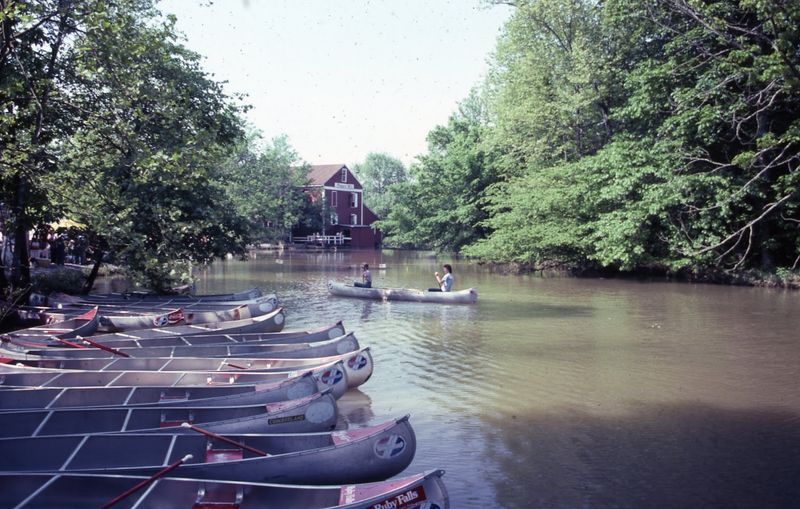
History is the main draw, but the natural setting along Coahulla Creek adds a whole other reason to visit. The grounds include a nature trail that winds through the surrounding woodland, offering a pleasant walk that feels far removed from the noise of daily life. The trail is accessible enough for most fitness levels and short enough to complete comfortably within a half-day visit.
Fishing is permitted along the creek, making the site a genuinely versatile outing for families who want to mix a little history with some outdoor relaxation. Picnic areas are available on the grounds, which makes packing a lunch and spending a full morning or afternoon there an easy and affordable option.
The combination of historic structures and natural beauty is honestly rare. Most historic sites either prioritize the buildings or the landscape, but Prater’s Mill manages to offer both without one overshadowing the other. That balance is a big part of what makes the experience feel so complete and unhurried.
13. Community Events Keep the Site Alive Year-Round
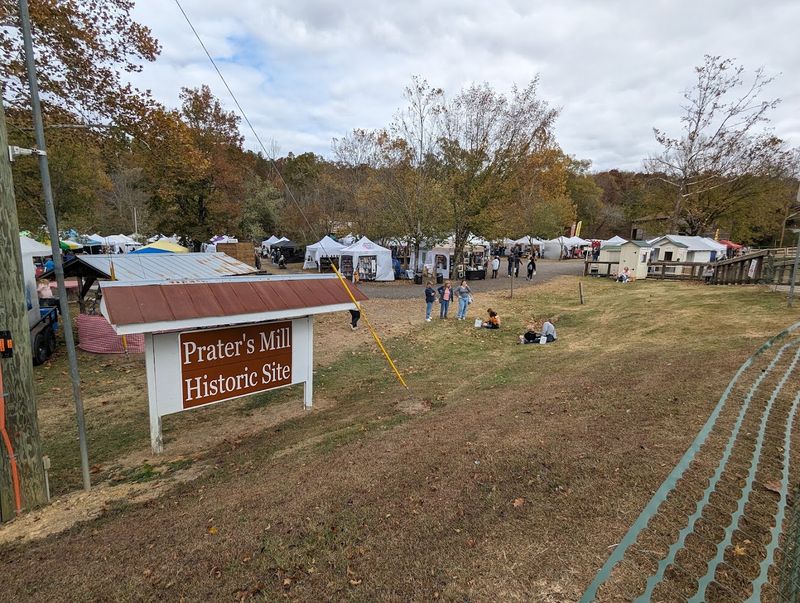
A historic site that only opens for one annual fair risks feeling frozen and detached from the community it represents. Prater’s Mill avoids that trap by hosting a variety of community events throughout the year, keeping the grounds active and the connection between past and present genuinely alive. Recent updates from the Prater’s Mill Foundation have highlighted ongoing improvements and programming additions to the site.
These events range from educational programs aimed at school groups to seasonal gatherings that bring local families back to the property multiple times a year. The goal seems to be making the site feel like a living part of the community rather than a preserved relic that people visit once and forget.
For visitors planning a trip, checking the foundation’s official event calendar before arriving is a smart move. Catching a special event alongside the regular site visit can significantly enrich the experience, and some events offer demonstrations or activities that are not available during standard open hours.
14. How to Get There and What to Expect on Arrival
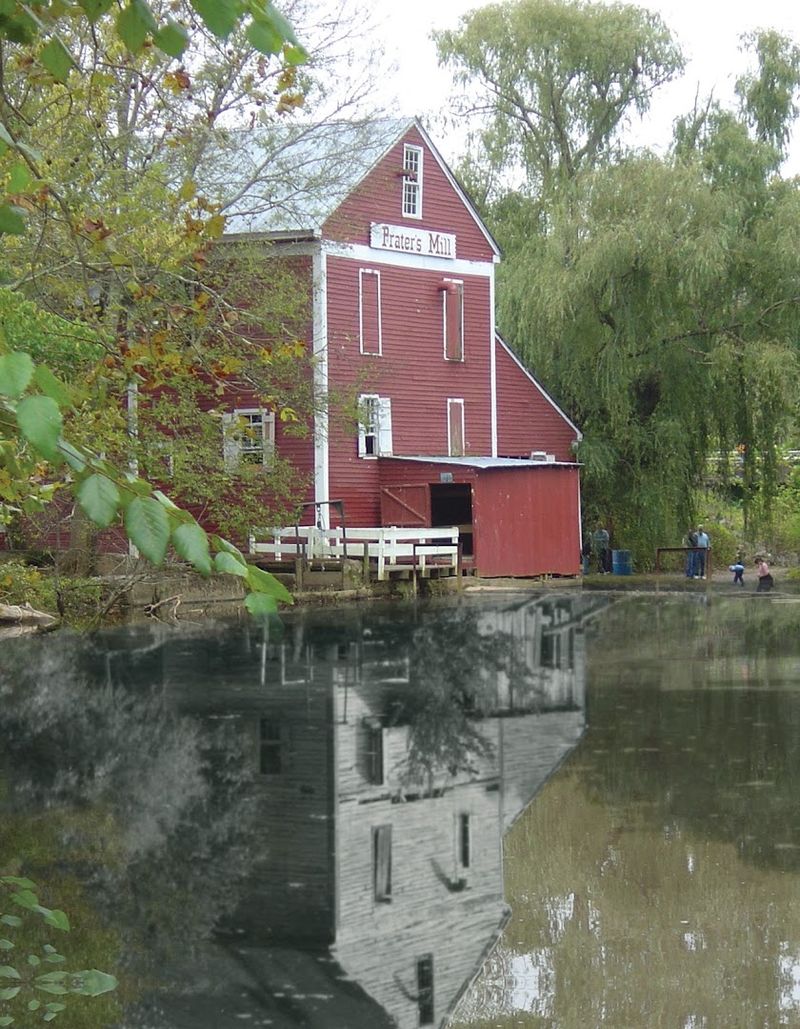
Finding Prater’s Mill is straightforward once you know where to look. The site is located at 5845 Highway 2, Dalton, GA 30721, in Whitfield County, placing it in the scenic northwestern corner of Georgia not far from the Tennessee state line. The drive through the surrounding countryside is pleasant and gives visitors a sense of just how rural and unhurried this part of the state remains.
Parking is available on-site, and the grounds are generally easy to navigate on foot. The terrain is mostly flat near the mill and creek, though the nature trail involves some gentle inclines. Visitors with mobility considerations may want to call ahead at (706) 694-6455 to ask about specific accessibility details before making the trip.
The grounds are open daily from dawn to dusk, which means early morning visits are possible and actually quite rewarding the light along the creek in the morning hours is especially atmospheric. Weekday visits tend to be quieter than weekends.
15. Why This Mill Still Feels Like 1855
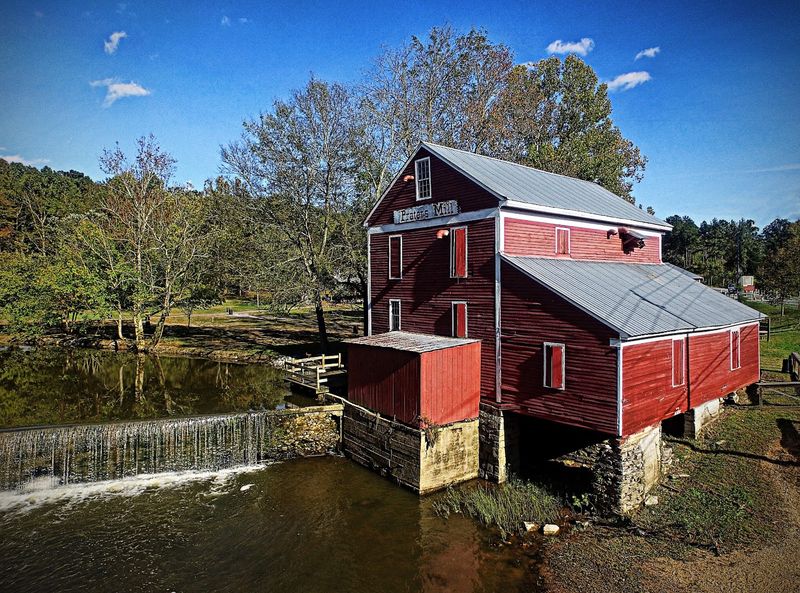
Some historic sites feel like displays carefully maintained but somehow hollow, as if the life has been curated right out of them. Prater’s Mill feels different. The combination of original equipment, authentic structures, a working creek, and a community that genuinely cares about the place creates an atmosphere that is hard to manufacture and impossible to fake.
The French Buhr millstones are still there. The wooden floors still creak. The creek still runs.
The same hills that Benjamin Franklin Prater looked at every morning in 1855 are still standing in the background, largely unchanged. That continuity is rare and worth appreciating slowly rather than rushing through.
For anyone who has ever wanted to feel genuinely connected to the past rather than simply informed about it, Prater’s Mill delivers that experience with quiet confidence. No flashy exhibits required. Just a creek, a mill, and 170 years of unbroken Georgia history waiting patiently along the water’s edge.