The 10 Best Trails In North Carolina For Your Next Outdoor Adventure
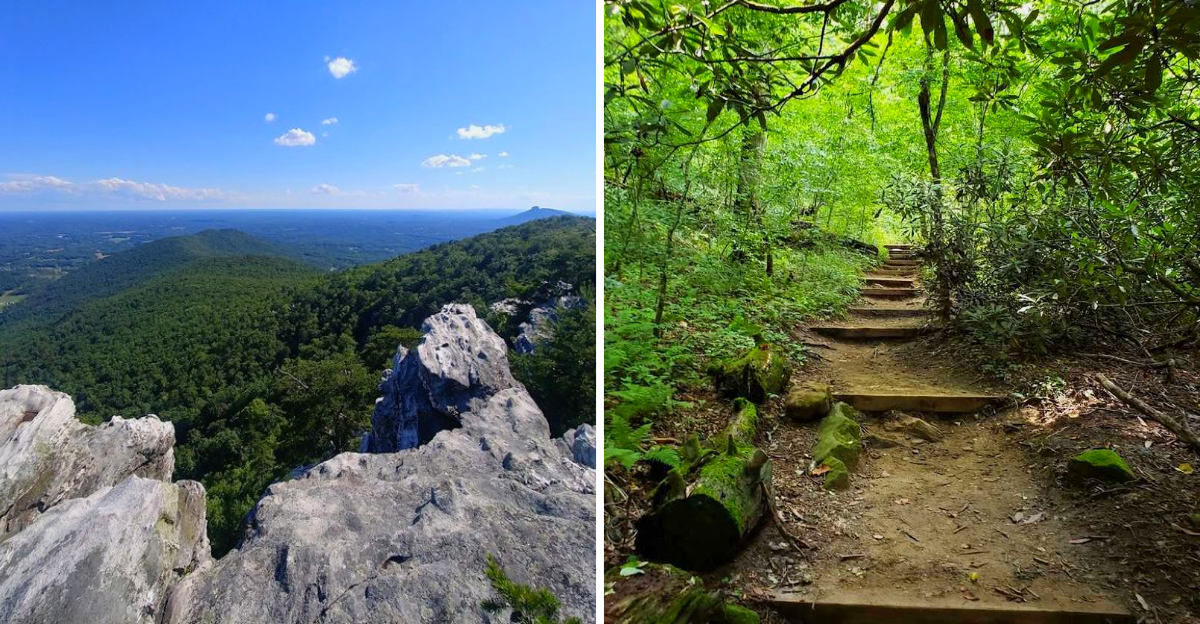
Got your hiking boots out of the closet and cleaned up for the next adventure? North Carolina makes it really alluring to grab your hiking boots and head for the trail.
The state packs an incredible range of scenery into a single map, from the misty peaks of the Blue Ridge Mountains to deep valleys carved by rushing rivers.
One trail leads to seemingly endless summit views. Another winds past waterfalls, rocky ridgelines, or quiet forests filled with birdsong.
Some hikes challenge your legs. Others invite you to slow down and take in the landscape step by step. But each one shows why North Carolina has become a favorite destination for hikers across the Southeast.
If you’re ready for fresh air, unforgettable views, and trails that stay with you long after the hike ends, these 10 spectacular North Carolina trails deserve a spot on your list.
1. Art Loeb Trail
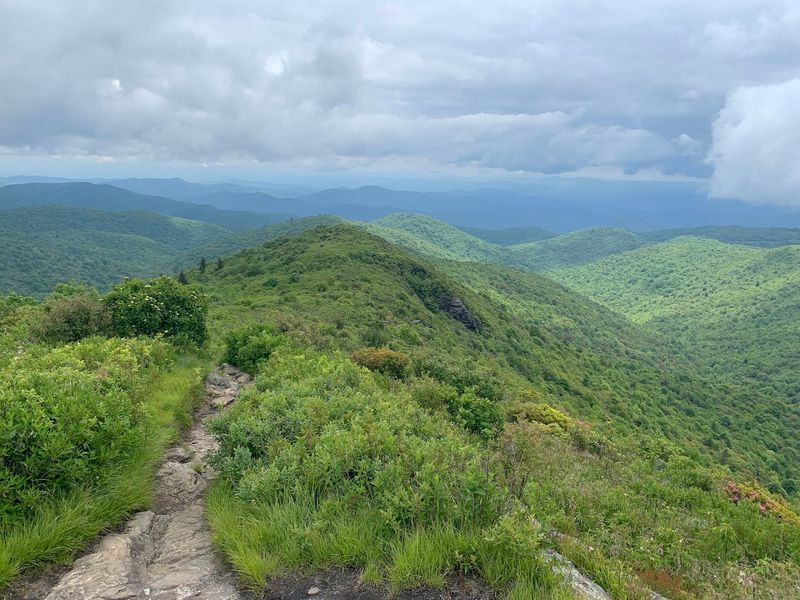
Few trails in the entire Southeast manage to pack as much raw, untamed beauty into a single route as the Art Loeb Trail does across the Shining Rock Wilderness in Pisgah National Forest. The trail stretches roughly 30 miles.
It passes through some of western North Carolina’s most dramatic high-country terrain, earning its reputation as one of the state’s most rewarding long-distance hikes.
It’s named after a beloved local outdoorsman; the route crosses open grassy balds, dense hardwood forests, and rocky ridgelines that seem to belong on a postcard.
Hikers who tackle the full trail are treated to awe-inspiring views of Cold Mountain, made famous by Charles Frazier’s novel of the same name. The trail passes through the iconic Shining Rock area, where white quartz outcroppings glow brilliantly.
Spring wildflowers and fall foliage both transform the trail into something truly spectacular, depending on the season you choose.
Planning is key here since the Art Loeb Trail requires solid navigation skills, proper gear, and awareness of rapidly changing mountain weather. Water sources exist along the route, but they should always be filtered before drinking.
Whether you complete it as a multi-day backpacking adventure or tackle individual sections as day hikes, the Art Loeb Trail rewards every effort with scenery that feels genuinely earned.
2. Alum Cave Trail To Mount LeConte
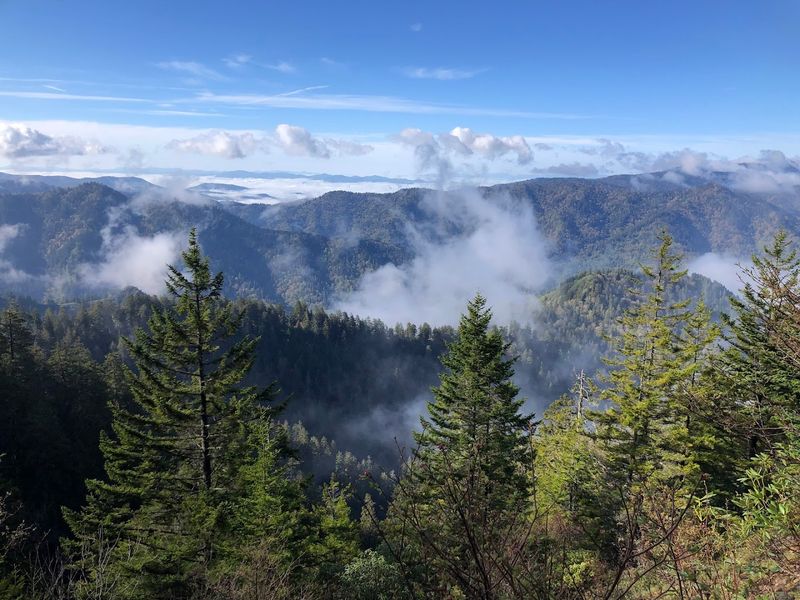
Starting from the Alum Cave Trailhead along Newfound Gap Road in Great Smoky Mountains National Park. This trail immediately impresses visitors with its variety of geological wonders.
Within the first two miles alone, you will cross log bridges over rushing streams, walk through a forest of ancient hemlocks, and arrive at the jaw-dropping Alum Cave Bluffs.
The bluffs themselves are not technically a cave, but the sheer scale of the overhang makes them feel just as dramatic.
Beyond the bluffs, the trail climbs steeply toward the summit of Mount LeConte, reaching an elevation of around 6,593 feet. That makes it one of the highest peaks in the entire Appalachian range.
Cables anchored into the rock help hikers navigate particularly steep and exposed sections closer to the top. The payoff is extraordinary, with panoramic views stretching across layers of misty blue ridges in every direction.
LeConte Lodge, perched near the summit, offers a rare overnight experience for those lucky enough to snag a reservation well in advance.
The total round-trip distance of about 11 miles makes this a full-day commitment, so starting early and packing plenty of snacks and water is strongly recommended for any hiker attempting this iconic route.
3. Linville Falls Trail
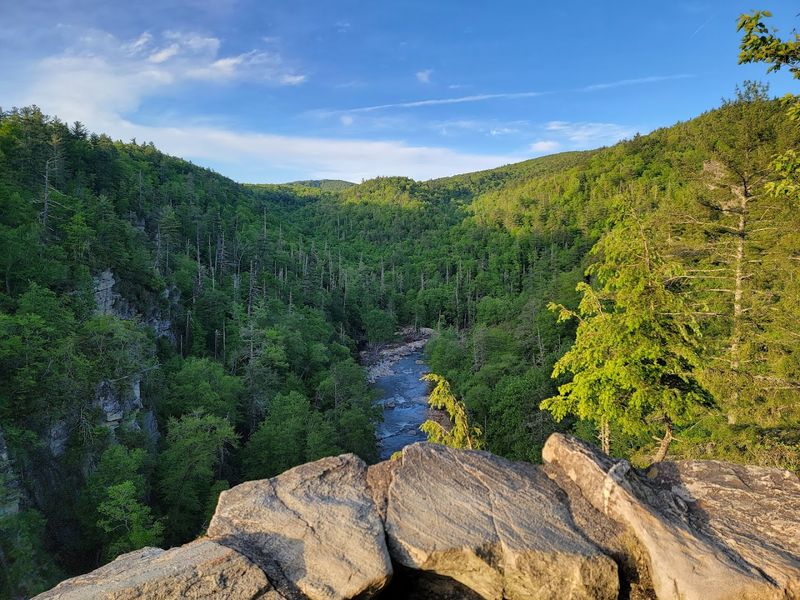
Some waterfalls are nice to glance at from a distance, but Linville Falls demands that you come closer, look harder, and stay longer.
Located within the Linville Falls Recreation Area along the Blue Ridge Parkway near Linville, North Carolina, this trail system offers multiple overlook options that showcase the falls from dramatically different perspectives.
The waterfall drops in two tiers through a rugged gorge carved over millions of years, creating one of the most photographed natural landmarks in the entire state.
The most popular route is the Erwin’s View Trail. A moderate 1.6-mile round trip. It leads to four separate overlooks perched above the gorge.
Each viewpoint reveals a new angle of the falls, from the wide upper cascade to the narrow plunge into the pool far below.
The contrast between the bright white rushing water and the deep green hemlock forest surrounding it is genuinely stunning at any time of year.
Early morning visits reward hikers with soft golden light filtering through the trees and far fewer crowds than midday brings. The trail is well-maintained and accessible for most fitness levels, making it a fantastic option for families and casual hikers.
A short spur trail also leads down closer to the base of the falls for those who want to feel the cool mist on their faces. Linville Falls is one of those rare natural experiences that exceeds every expectation.
4. Hawksbill Mountain Trail
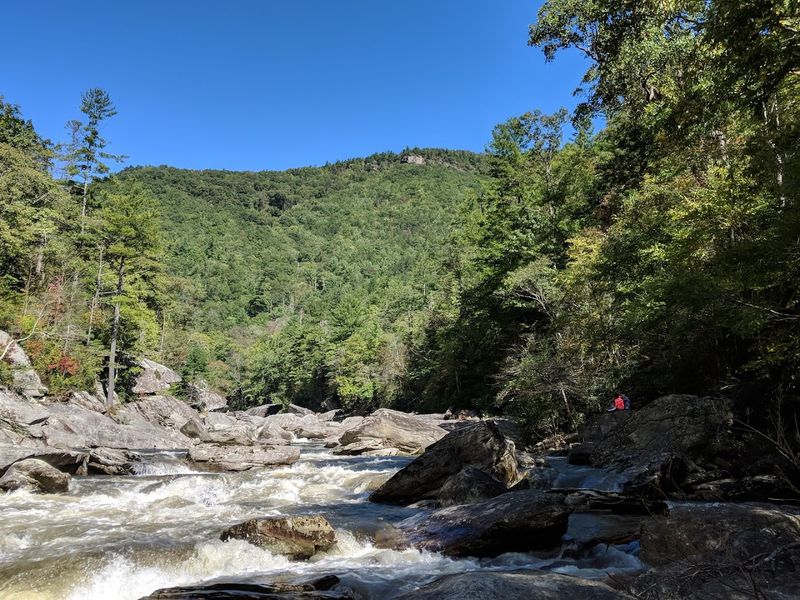
Standing at the top of Hawksbill Mountain at 2,965 feet, you get the distinct feeling that you are perched at the edge of the world.
Located within the wild and rugged Linville Gorge Wilderness near Marion, North Carolina, this relatively short trail packs an enormous punch considering its modest 2.5-mile round-trip distance.
The peak is named for its distinctive silhouette, which resembles the hooked beak of a hawk when viewed from below in the gorge.
The trail climbs steadily through a mix of oak and pine forest before emerging onto a dramatic rocky summit with sweeping 360-degree views.
On clear days, hikers can see Table Rock Mountain directly across the gorge, along with miles of layered ridgelines fading into the Blue Ridge horizon.
The Linville Gorge itself stretches out below in a breathtaking display of wild, untouched landscape that earned it the nickname the Grand Canyon of the East.
Because the trail is relatively short, it attracts a wide range of hikers from beginners to experienced trekkers. Sunrise visits are particularly magical here, with pink and orange light spilling across the gorge.
The parking area off Kistler Memorial Highway can fill up quickly on weekends, so arriving early is always a smart move. Hawksbill Mountain is a hidden gem that delivers big views without requiring a full-day commitment.
5. Black Balsam Knob Trail
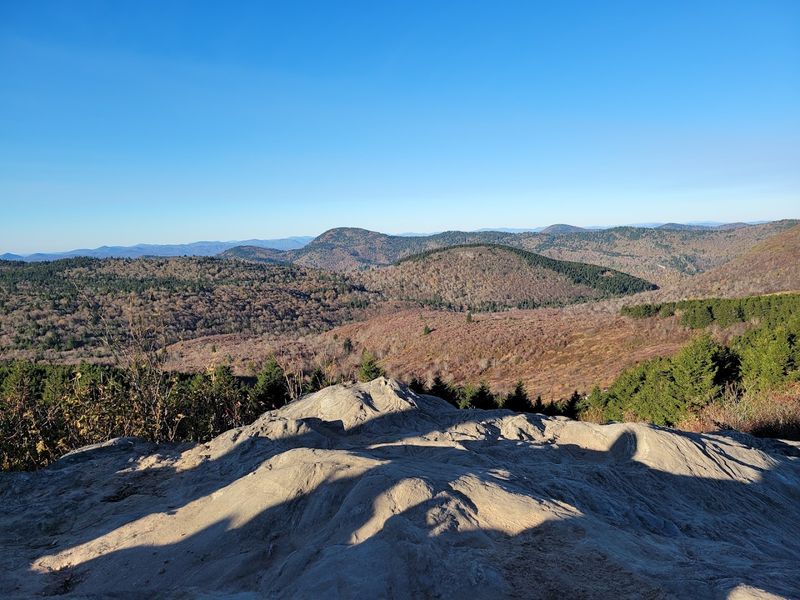
There is something almost magical about stepping out of the forest and onto the wide-open grassy balds of Black Balsam Knob, where the sky feels impossibly large, and the views stretch endlessly in every direction.
Accessed via the Art Loeb Trail from the Black Balsam Road trailhead in Pisgah National Forest, this hike reaches an elevation of 6,214 feet, making it one of the highest accessible peaks in the eastern United States.
The exposed ridgeline walk here feels more like hiking in the Scottish Highlands than anywhere in the American South.
The round-trip hike to the summit is only about 1.5 miles, making it one of the most rewarding short hikes in all of North Carolina.
Despite the brief distance, the elevation and open terrain can make conditions feel intense, especially when winds pick up or afternoon thunderstorms roll in during summer months.
Always check the weather before heading out and bring an extra layer regardless of the season.
The wildflower displays in late spring and early summer are absolutely extraordinary, with flame azaleas and blueberries dotting the balds in brilliant color.
Fall transforms the surrounding landscape into a mosaic of gold, red, and orange that photographers travel from across the country to capture.
The combination of easy access, dramatic scenery, and genuine high-country atmosphere makes Black Balsam Knob a trail that belongs on every North Carolina hiker’s bucket list.
6. Tanawha Trail
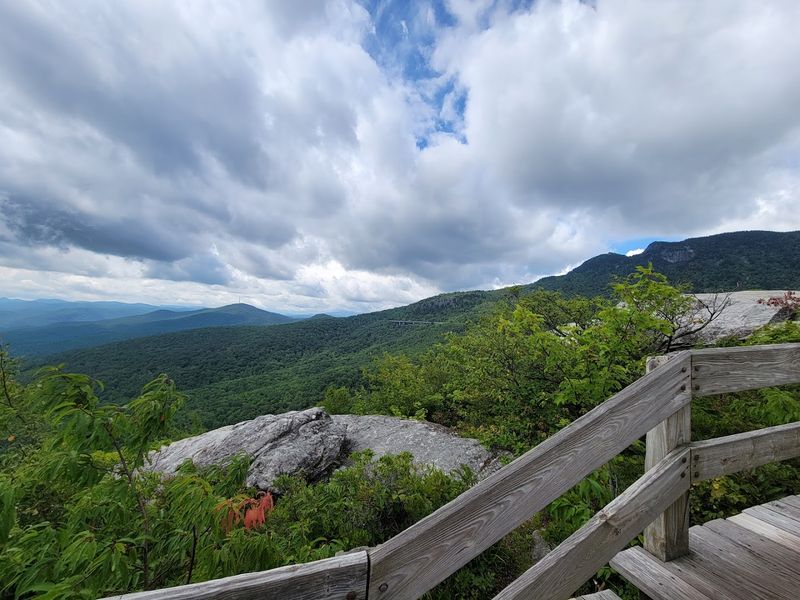
Winding for 13.5 miles along the slopes of Grandfather Mountain and paralleling the Blue Ridge Parkway between the Beacon Heights parking area and the Boone Fork parking area.
The Tanawha Trail is one of the most diverse and visually captivating hiking experiences in the entire state.
The name Tanawha comes from a Cherokee word meaning fabulous hawk or eagle, and the trail absolutely lives up to that majestic name with scenery that shifts dramatically from one mile to the next.
Hikers move through rhododendron tunnels, across wooden footbridges, over smooth rock slabs, and through open meadows that offer stunning views of the surrounding peaks.
The section near the Rough Ridge outcropping is particularly spectacular. With open rocky terrain that provides panoramic views of the Grandfather Mountain. This stretch is a favorite among photographers and sunrise chasers for good reason.
The trail connects to several Blue Ridge Parkway access points, making it easy to hike in sections rather than tackling the entire length at once.
Difficulty varies considerably along the route, with some sections being gentle and paved while others involve boulder scrambling and steep climbs.
Fall is arguably the best season to experience the Tanawha Trail, when the hardwood forests erupt in brilliant color and the crisp mountain air makes every mile feel effortless and alive with energy.
7. Looking Glass Rock Trail
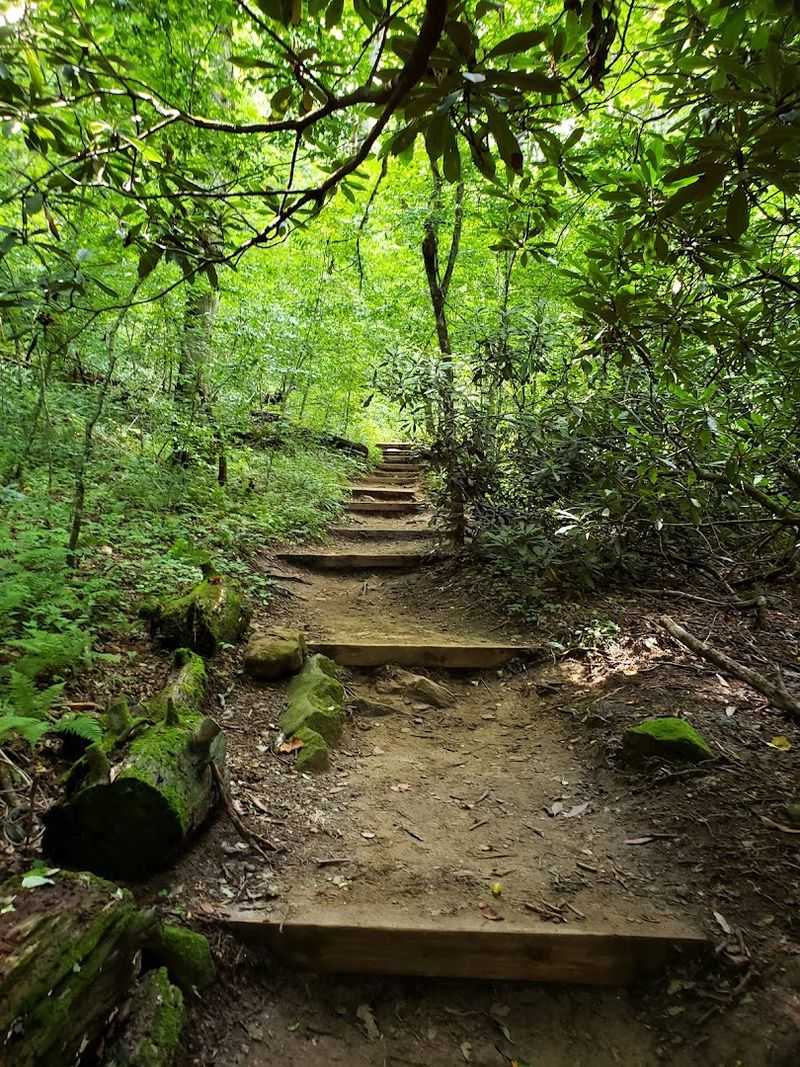
Catching a glimpse of Looking Glass Rock for the first time from the Blue Ridge Parkway is one of those unforgettable moments that makes you immediately want to hike up there and stand on top of it.
Located in Pisgah National Forest near Brevard, North Carolina, this massive granite dome rises 1,600 feet above the forest floor and gets its name from the way water and ice reflect sunlight off its smooth, curved surface like a giant mirror.
The trailhead sits off Forest Road 475, and the hike covers about 6.2 miles round-trip.
The trail climbs steadily through a beautiful hardwood and pine forest, gaining over 1,600 feet in elevation before emerging onto the open rocky summit with sweeping views of the surrounding Pisgah National Forest.
The top is broad and relatively flat, giving hikers plenty of room to spread out, enjoy a snack, and soak in the 360-degree views that stretch across miles of rolling green mountains.
Rock climbers frequently use the sheer vertical faces of Looking Glass Rock as a training ground, so do not be surprised to see ropes and harnesses dangling from the cliffs below the summit.
The forest floor along the trail is carpeted with wildflowers in spring, making the ascent just as enjoyable as the destination itself. This trail genuinely delivers a complete outdoor experience from start to summit.
8. Grandfather Trail
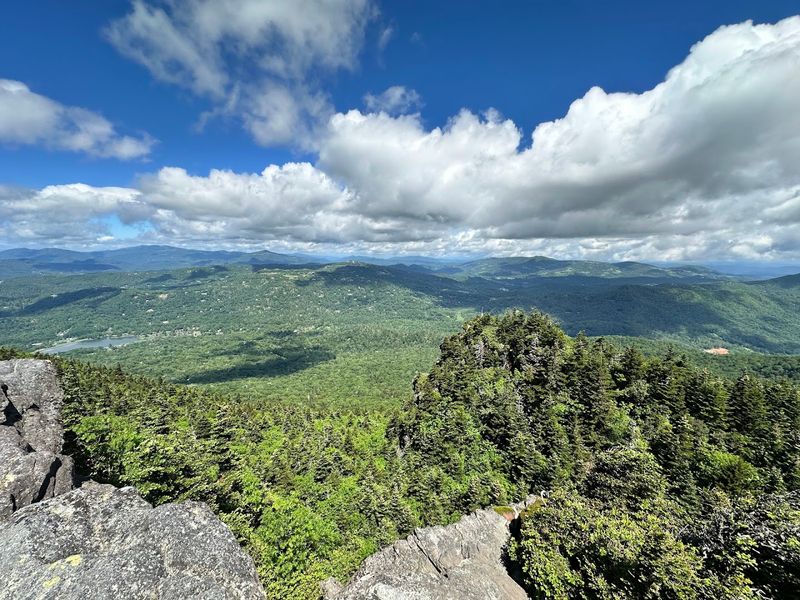
Not every trail challenges you the way the Grandfather Trail does, and that is precisely why hikers who complete it talk about it for years afterward.
Running along the craggy spine of Grandfather Mountain near Linville, North Carolina, this trail is widely regarded as one of the most rugged and technically demanding hikes in the entire eastern United States.
The route involves iron rungs, cables, and ladders bolted directly into cliff faces, requiring both physical fitness and a genuine comfort with exposure at significant heights.
The views from the MacRae Peak section of the trail are absolutely staggering, with sheer rock faces dropping away on multiple sides and the entire Blue Ridge landscape unfolding in every direction.
On clear days, visibility can extend for over 100 miles, allowing hikers to see distant ranges fading into soft blue haze. The summit area of Grandfather Mountain itself reaches 5,946 feet, placing it among the highest peaks in the Appalachians.
The trail is typically accessed through Grandfather Mountain State Park, and a permit is required to hike certain sections of the route.
Hikers should wear sturdy footwear with excellent grip, bring trekking poles for stability, and never attempt the exposed sections during wet or icy conditions.
The physical and mental challenge of the Grandfather Trail makes reaching the summit feel like a genuine achievement, one that rewards every ounce of effort with scenery that is simply impossible to forget.
9. Mount Mitchell Trail
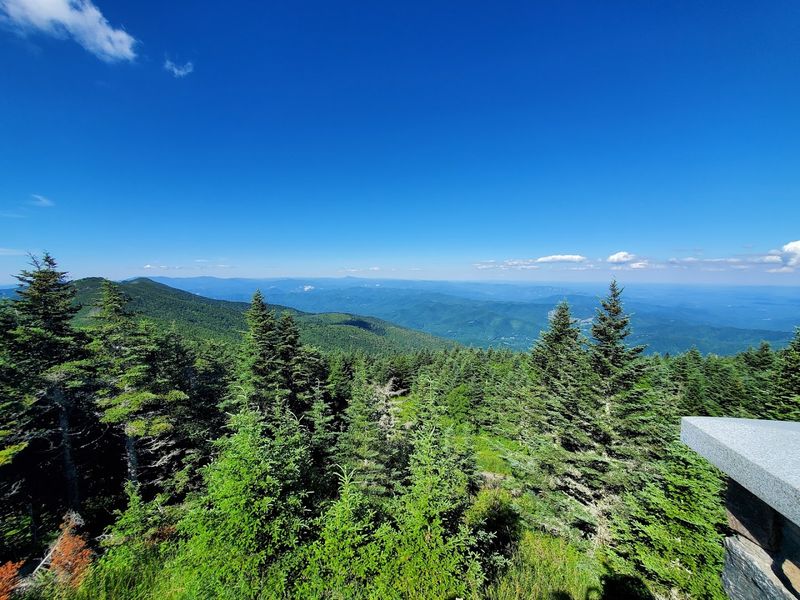
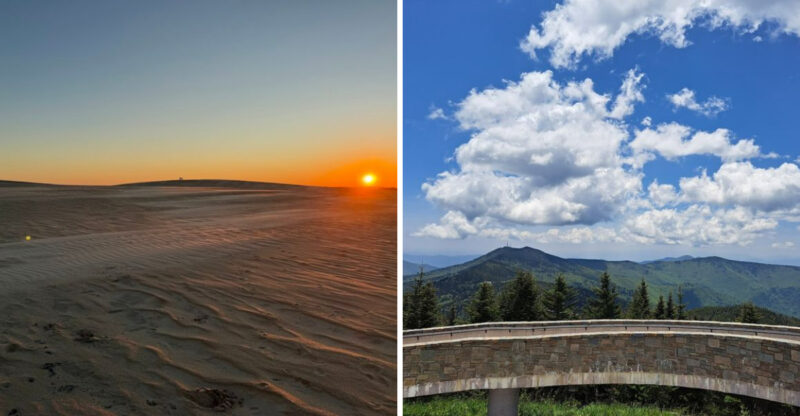
Standing at 6,684 feet above sea level, Mount Mitchell holds the title of the highest peak east of the Mississippi River, and the trail that climbs to its summit is as impressive as that distinction suggests.
Located within Mount Mitchell State Park near Burnsville, North Carolina, the Mount Mitchell Trail stretches about 5.6 miles one way from the Black Mountain Campground up through a remarkably diverse range of forest ecosystems.
The climb takes hikers from lower hardwood forests into the cool, eerie realm of high-elevation spruce-fir forest that feels more like Canada than the American South.
The trail gains over 3,600 feet in elevation, making it a genuinely challenging ascent that demands good physical preparation and proper layering for the cooler temperatures near the summit.
Even on warm summer days, the top of Mount Mitchell can be significantly colder and windier than the base, so packing a jacket is always wise.
The observation tower at the summit offers unobstructed views across a seemingly endless sea of mountain ridges stretching toward every horizon.
A fascinating and sobering detail about Mount Mitchell is the visible damage to the spruce-fir forest caused by the invasive balsam woolly adelgid insect, which has killed many of the Fraser firs that once covered the upper slopes.
Despite this, the landscape retains an austere and hauntingly beautiful quality that makes hiking the Mount Mitchell Trail a deeply memorable experience unlike anything else in North Carolina.
10. Sauratown Trail
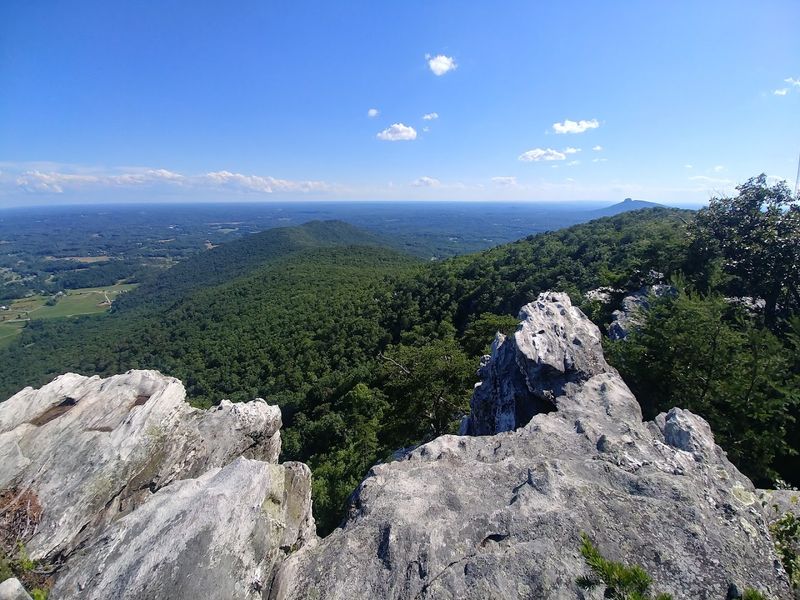
Tucked away in the rolling Piedmont region of northwestern North Carolina, the Sauratown Trail offers a hiking experience that feels completely different from the high mountain routes most people associate with the state.
Stretching approximately 26 miles through Stokes County and connecting Hanging Rock State Park with Pilot Mountain State Park, this trail winds through hardwood forests, creek bottoms, open meadows, and past scenic overlooks.
The trail gets its name from the ancient Saura people, who once called this region home.
Pilot Mountain, with its iconic quartzite knob rising dramatically from the surrounding flatlands, serves as one of the most recognizable landmarks along the trail.
The distinctive shape of Pilot Mountain inspired the fictional Mount Pilot referenced in the beloved Andy Griffith Show, adding a fun pop culture layer to an already interesting hike.
Hanging Rock State Park at the other end of the trail features waterfalls, swimming holes, and rocky summits with sweeping Piedmont views.
The Sauratown Trail is ideal for multi-day backpacking trips, with designated campsites spaced along the route to support overnight adventures. Day hikers can access various sections from multiple trailheads without committing to the full distance.
The trail is particularly beautiful in spring when redbuds and dogwoods bloom along the path, painting the forest in soft purples and whites that feel almost dreamlike in the warm Piedmont light.