These 10 Small California Towns Are Where Wildflowers Completely Take Over The Landscape In Spring
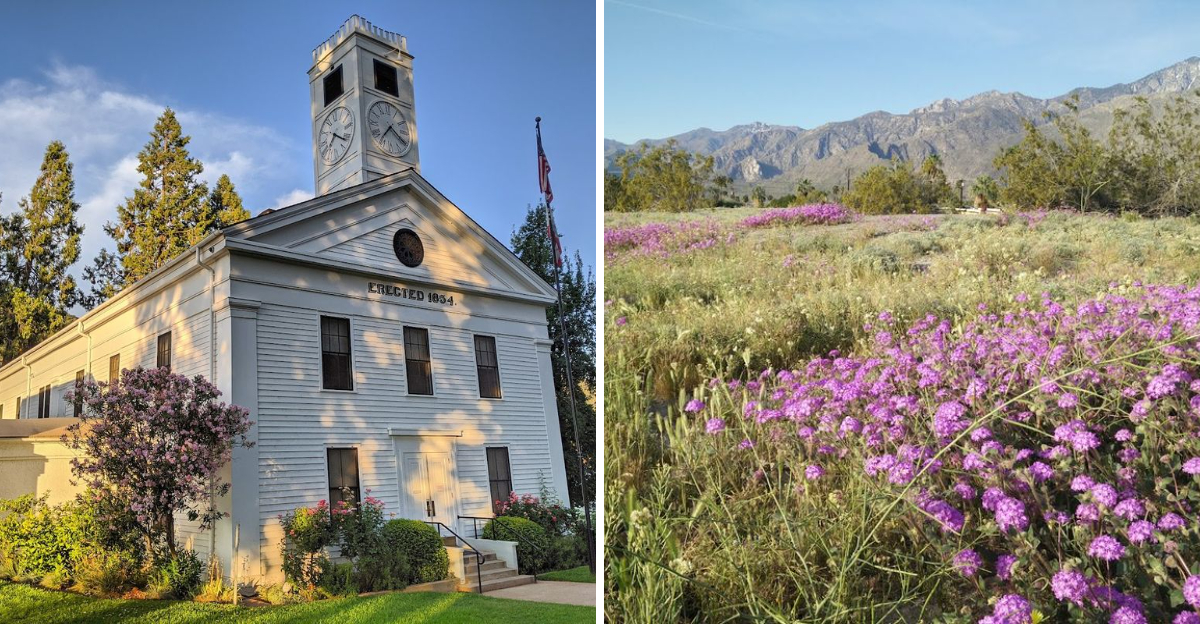
Spring in California can feel almost unreal. One week the hills look dry and quiet. The next, color is everywhere.
Wildflowers start spreading across hillsides, valleys, and open fields. Roadsides turn bright. Entire landscapes shift from dusty browns to vivid oranges, yellows, purples, and blues. It feels like the state suddenly wakes up.
California in spring is pure magic – wildflowers, open roads, and small towns that feel like they’re waiting just for you.
Fresh air, warm sunshine, and wide views make it the perfect excuse for a slow road trip. Small towns sit right in the middle of these blooming landscapes.
Visitors wander through local parks, stop at roadside viewpoints, and watch entire hills glow with color.
Some of the most beautiful displays appear near towns where wildflowers stretch across valleys and mountain meadows. These places turn simple drives into unforgettable spring adventures.
Pack a camera. Bring a picnic. These small towns might just show you California at its most breathtaking.
1. Borrego Springs
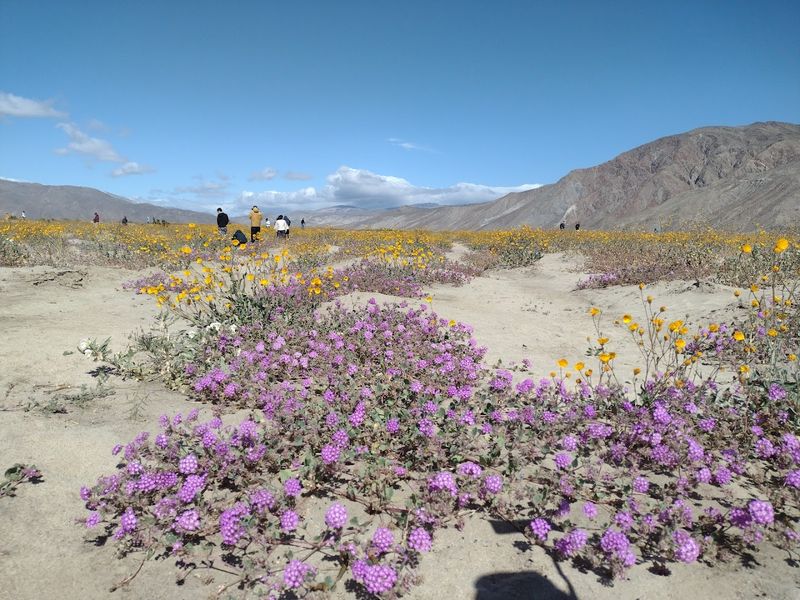
Few places on Earth put on a wildflower show quite like the desert town of Borrego Springs, tucked inside Anza-Borrego Desert State Park in Southern California.
When winter rains arrive at just the right time, the valley floor explodes with color in a way that feels almost impossible for a desert landscape.
Purple verbena, yellow desert sunflowers, and white evening primrose spread across the sandy ground in every direction.
The blooming season typically runs from late February through early April, though exact timing depends on rainfall.
Rangers at the park visitor center on 200 Palm Canyon Dr, Borrego Springs, CA 92004, can provide up-to-date bloom reports to help plan a visit.
Arriving on a weekday tends to mean fewer crowds and easier parking near the trailheads.
The Borrego Valley itself is the most popular viewing area, but driving out toward the Superstition Mountains rewards visitors with quieter stretches of blooms. Temperatures can rise quickly by midday, so early morning walks are more comfortable.
Wearing sunscreen and carrying plenty of water makes the experience far more enjoyable during warm spring afternoons.
2. Julian
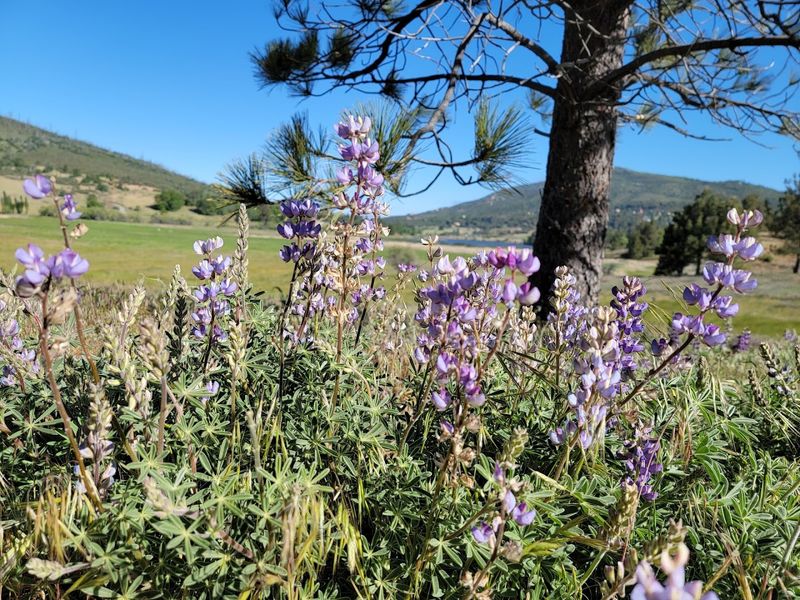
Tucked into the mountains of San Diego County, Julian is a small gold rush town that trades its famous apple orchards for a carpet of wildflowers every spring.
The hillsides surrounding town fill with blue-eyed grass, wild mustard, and patches of California poppies that glow orange against the green meadows.
The combination of mountain elevation and seasonal rainfall makes this area one of the more reliable bloom spots in Southern California.
Cuyamaca Rancho State Park at 14592-14674 CA-79, Julian, CA 92036 offers well-maintained trails where spring wildflowers tend to appear along creek banks and open meadows.
The drive along Highway 78 into town is itself a scenic route worth taking slowly, especially when the roadsides are brushed with yellow and purple blooms.
Julian sits at roughly 4,200 feet in elevation, which means cooler temperatures than the surrounding lowlands.
The town has a handful of small shops and cafes where visitors can grab a warm meal before or after a hike.
Weekends in peak bloom season attract larger crowds, so planning a weekday visit allows for a more relaxed pace.
Trail conditions can vary after winter storms, so checking park websites before heading out is a practical step.
3. Gorman
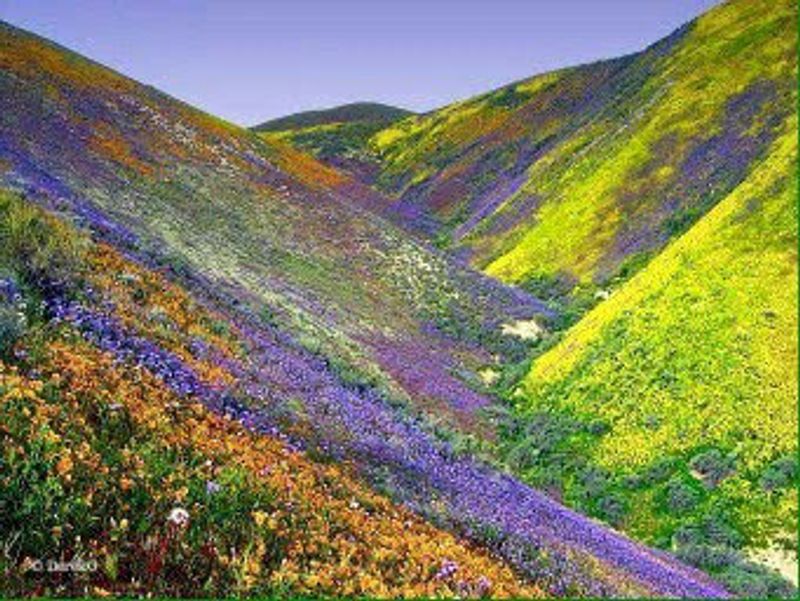
Drivers heading north on Interstate 5 through the Tehachapi Mountains often do a double take when they reach the small community of Gorman in spring.
The surrounding hillsides transform into a vivid patchwork of orange poppies and purple lupine that seems to stretch endlessly in every direction.
Gorman sits at the edge of Los Angeles County near the Tejon Pass, and its elevation and exposure to winter rains create ideal conditions for dramatic wildflower displays.
The blooms around Gorman are largely viewable from roadsides and open land near the freeway, making it a convenient stop for travelers passing through.
Quail Lake Road and the surrounding hills are popular informal viewing areas where visitors pull over to photograph the flowers up close.
Timing a visit for late March through mid-April tends to align with peak color, though rainfall patterns shift the schedule from year to year.
Gorman itself is a very small community with limited services, so bringing snacks, water, and a charged phone is a smart move before exploring the surrounding landscape.
The wind can pick up considerably at this elevation, making layers a practical clothing choice. Sunset light on the poppy-covered hills creates particularly striking views for photography enthusiasts.
4. Bridgeport
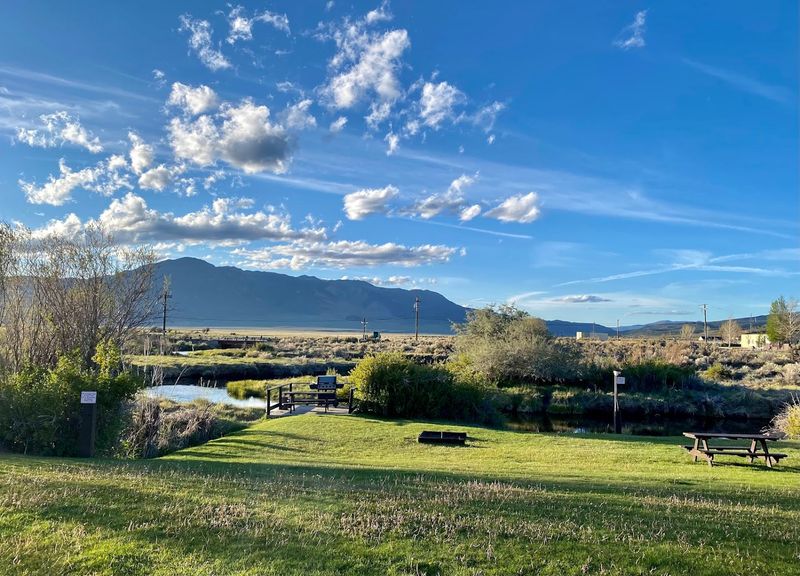
Sitting in a wide open valley on the eastern side of the Sierra Nevada, Bridgeport is a quiet ranching town that receives a colorful seasonal makeover every spring.
The surrounding Bridgeport Valley and the hills near Bodie State Historic Park fill with bitterroot, phlox, and patches of yellow mule ears as temperatures begin to warm.
The backdrop of snow-capped peaks makes the contrast between the blooms and the rugged mountains particularly striking.
Spring arrives later here than in lower-elevation towns, with peak blooms often occurring between May and early June depending on snowpack and temperatures.
The meadows along the West Walker River are especially productive wildflower zones, and walking those areas in the morning light tends to reveal the most vibrant colors.
Bridgeport is also a popular base for fishing, so the town has a handful of small motels and diners that serve visitors year-round.
Bodie State Historic Park, located about 20 miles southeast of Bridgeport by road, adds a fascinating historical stop to any wildflower trip in the area.
The ghost town sits in open sagebrush country where spring flowers weave between abandoned buildings.
Arriving prepared for cold mornings is wise, as temperatures at this elevation can drop sharply even in late spring.
5. Dunsmuir
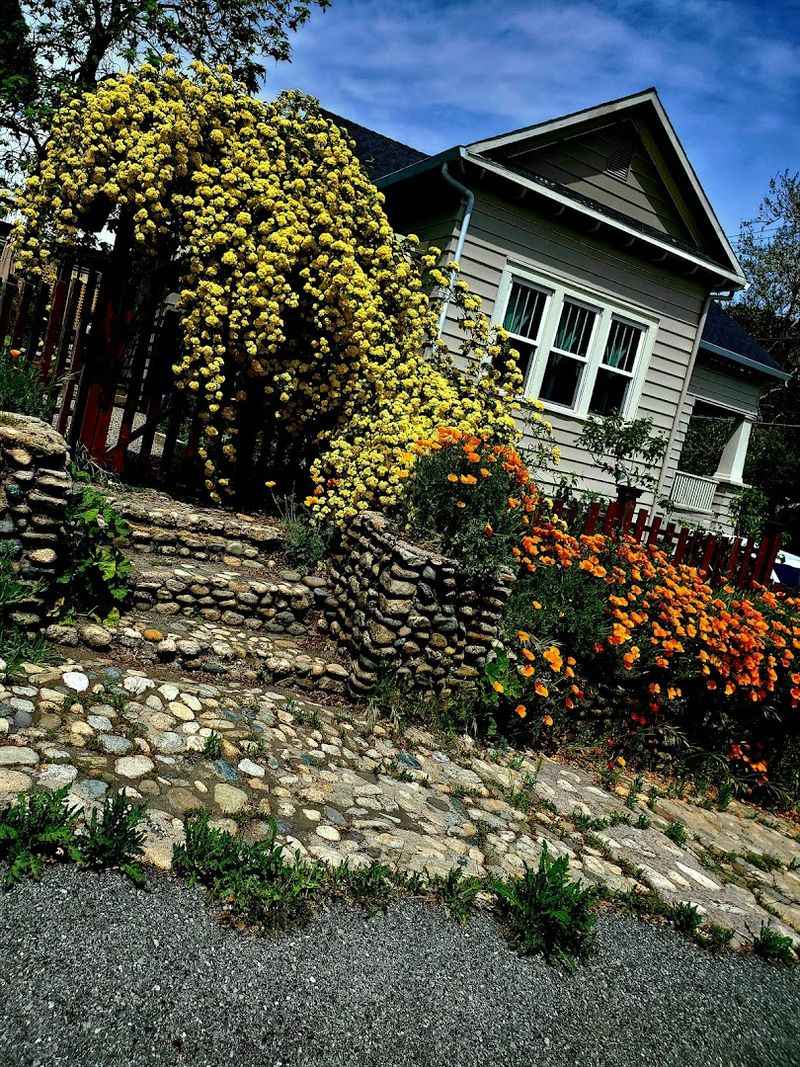
Nested deep in the Sacramento River canyon of Northern California, Dunsmuir is a small railroad town where spring wildflowers emerge along riverbanks, forest edges, and canyon walls.
Trillium, bleeding heart, and wild iris are among the species that bloom in the shaded and semi-shaded areas surrounding the river corridor.
The town sits at a lower elevation than the surrounding Shasta-Trinity mountains, which means wildflowers tend to appear earlier here than on the higher slopes nearby.
Dunsmuir City Park, located along the river at the heart of town, is a pleasant starting point for a spring walk where flowering plants often appear along the water’s edge.
The canyon walls above the river support a mix of conifer forest and rocky outcrops where hardy wildflowers find footholds in spring.
The Sacramento River Trail offers a more extended route for those who want to cover more ground at a comfortable pace.
The town has a small but lively main street with locally owned restaurants and a bakery where visitors can stop for a warm meal.
Dunsmuir is also known for having some of the cleanest municipal water in the United States, a fact locals take quiet pride in. Visiting on a weekday allows for a more peaceful experience along the river trail.
6. Three Rivers
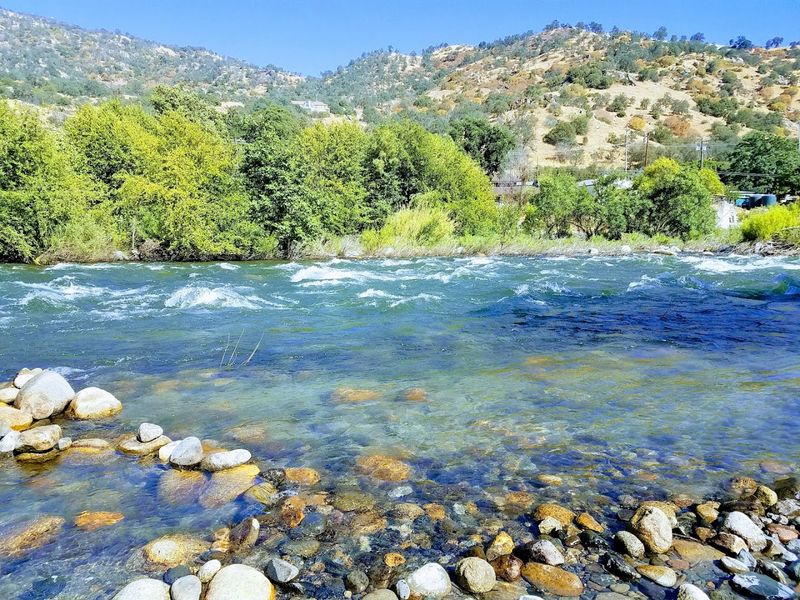
Three Rivers is a small gateway community tucked into the foothills of the Sierra Nevada along the Kaweah River, just outside the entrance to Sequoia National Park.
In spring, the roadsides and open slopes around town fill with California poppies, lupine, and owl’s clover that create sweeping bands of color across the hillsides.
The combination of a mild foothill climate and seasonal rainfall makes this one of the more photogenic wildflower stops in the southern Sierra region.
The drive along Sierra Drive and the lower portions of Generals Highway offers some of the best roadside bloom viewing in the area during peak season.
Three Rivers has a relaxed small-town feel with a few local shops, a general store, and riverside picnic areas where visitors can pause and take in the surroundings.
Spring typically brings the most color between late March and late April, with exact timing shifting based on winter rain totals.
Visitors heading into Sequoia National Park from Three Rivers will notice the wildflowers continuing up the canyon as elevation increases.
Lower elevations tend to peak first, with blooms gradually moving upslope as temperatures warm through the season.
Carrying a light jacket is practical since mornings along the river can feel cool even when afternoons are warm.
7. Kernville
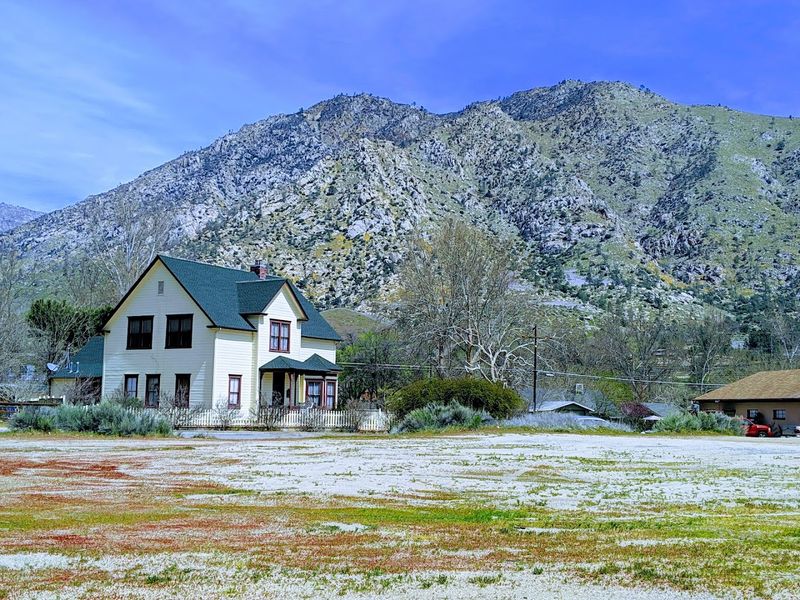
Kernville is a laid-back river town sitting at the edge of the Kern River in the southern Sierra Nevada, and spring turns the surrounding canyon country into a surprisingly colorful landscape.
Desert marigold, phacelia, and clumps of scarlet penstemon appear along rocky slopes and sandy river benches as temperatures climb through March and April.
The Kern River Valley has a semi-arid character that supports a different mix of wildflowers compared to the wetter foothill zones further north.
The roads heading south from Kernville toward Lake Isabella pass through open terrain where spring blooms tend to concentrate along drainage channels and roadsides.
Kernville itself is a small town with a welcoming atmosphere, a few local eateries, and easy access to hiking trails along the river corridor.
The Whiskey Flat Trail, which follows the Kern River through town, offers a pleasant walking route where spring flowers appear along the banks in good rainfall years.
Kernville draws whitewater enthusiasts in spring as well, so the town can feel lively on weekends when river conditions are favorable.
Arriving midweek allows for a quieter experience on the trails and in the small downtown area. Sunscreen and sturdy footwear are practical essentials for exploring the rocky terrain surrounding the river valley.
8. Idyllwild
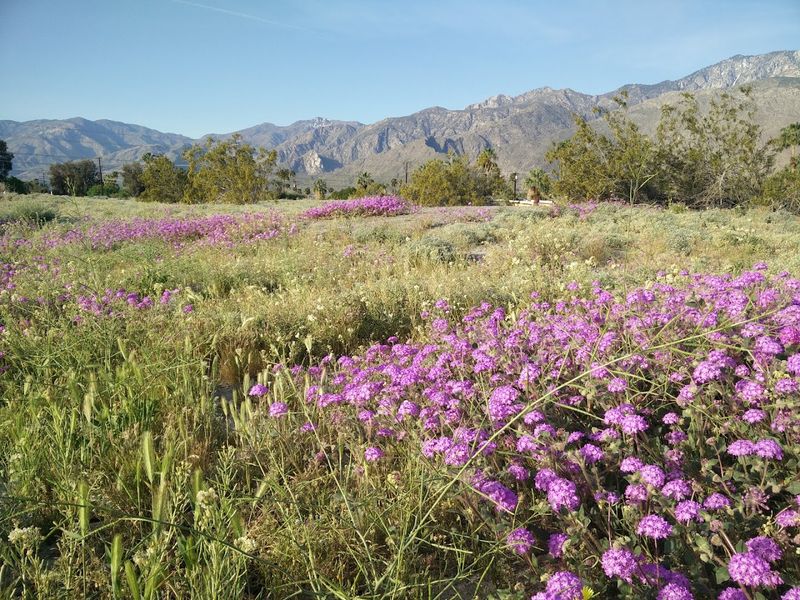
Perched high in the San Jacinto Mountains at over 5,000 feet in elevation, Idyllwild is an artsy mountain village where spring arrives slowly and wildflowers emerge in the spaces between towering pines and granite boulders.
Golden monkeyflower, scarlet larkspur, and wild strawberry are among the species that appear along shaded trails and sunny clearings as the season progresses.
The mountain setting gives Idyllwild a distinctly different wildflower character compared to the desert and foothill towns at lower elevations.
Mount San Jacinto State Park at 25905 CA-243, Idyllwild-Pine Cove, CA 92549, which surrounds much of the town, offers well-marked trails where spring blooms tend to concentrate near streams and open rocky areas.
The village itself has a charming collection of art galleries, small cafes, and independent shops that make it easy to spend a full day exploring both the trails and the town.
Peak wildflower season in Idyllwild typically falls between April and June as snow retreats from the higher slopes.
The Palm Springs Aerial Tramway, located about 25 miles from Idyllwild, offers an alternate way to access the San Jacinto wilderness area from the desert side.
Idyllwild tends to attract more visitors on holiday weekends, so a mid-week trip provides a calmer atmosphere on the trails.
Layering clothing is practical since mountain temperatures can swing considerably between morning and afternoon.
9. Mariposa
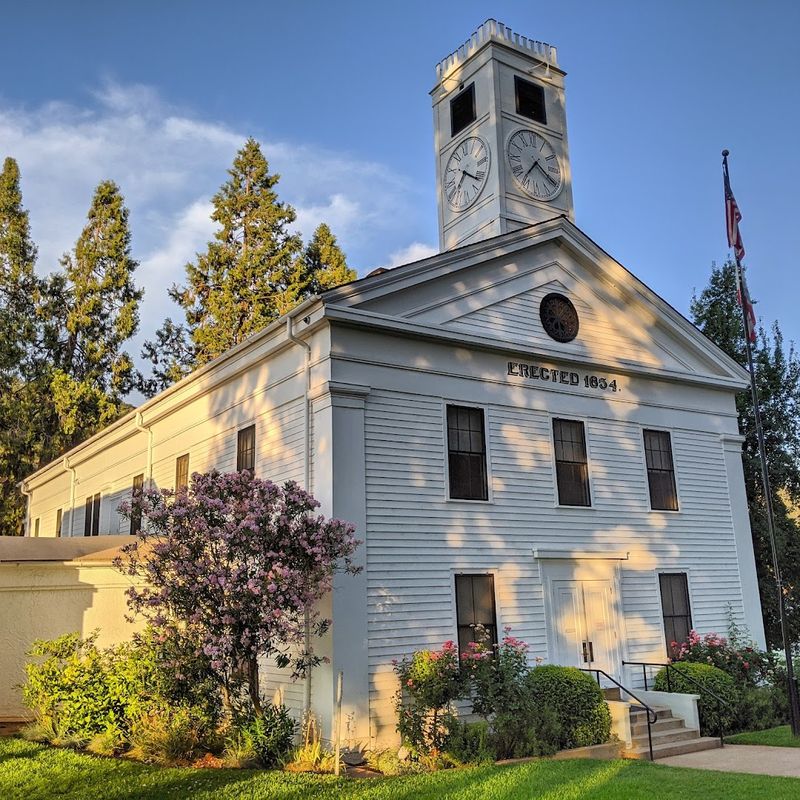
Mariposa means butterfly in Spanish, and the foothill town that carries that name lives up to it every spring when wildflowers blanket the surrounding oak woodlands and grassy slopes.
Located along Highway 140 on the way to Yosemite National Park, Mariposa sits in a zone where the Central Valley grasslands meet the Sierra Nevada foothills.
That transition creates a rich mix of blooming plants including blue dicks, clarkia, and golden yarrow.
The roads surrounding Mariposa, particularly along the Bear Valley Road corridor, are known among locals for reliable spring color.
Mariposa County is one of the larger counties in California, and its open landscapes give wildflowers plenty of room to spread across hillsides and creek valleys.
Spring usually brings the most color between late March and early May depending on winter moisture levels.
The town itself has a charming historic district with small restaurants and a museum where visitors can learn about the Gold Rush history of the region.
Parking along the main street is generally easy to find, and the pace of the town is relaxed and unhurried.
Nearby Yosemite visitors often stop in Mariposa for a meal or a quiet walk before heading into the park.
10. Los Olivos
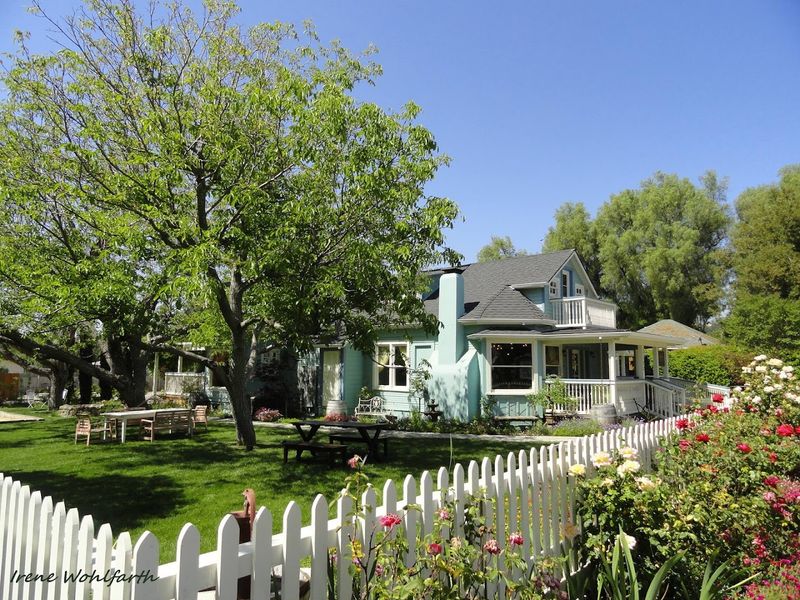
Los Olivos is a small and picturesque village in the Santa Ynez Valley of Santa Barbara County where spring wildflowers add another layer of color to an already scenic landscape.
The surrounding hillsides and the slopes of nearby Figueroa Mountain fill with purple shooting stars, chocolate lilies, and scarlet Indian paintbrush after wet winters.
The combination of coastal influence and inland valley warmth creates a productive growing environment for a wide variety of native flowering plants.
Figueroa Mountain Road, which winds north of Los Olivos into the Los Padres National Forest, is one of the most celebrated wildflower drives in Santa Barbara County during a good bloom year.
The village itself has a small-town charm with art galleries, tasting rooms, and a handful of restaurants that make it a pleasant base for a spring day trip.
Wildflower season in the area typically peaks between March and May depending on how much rain fell during winter.
The drive along Foxen Canyon Road south of Los Olivos also passes through open ranch land where seasonal wildflowers appear along fence lines and rolling pastures.
Visiting on a weekday allows for a more unhurried experience both on the scenic roads and in the village.
Keeping an eye on Santa Barbara County bloom reports before visiting helps align the trip with peak color conditions.