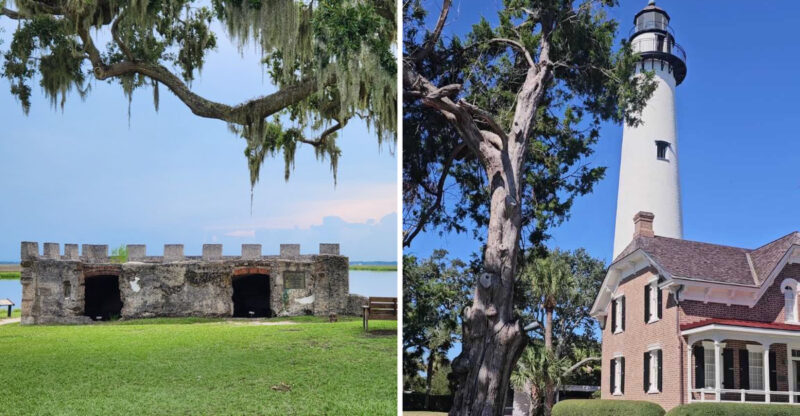
There’s A Very Good Reason This Georgia Estate Is Known As The Palace Of The South
In the historic city of Macon, Georgia, one grand mansion continues to captivate visitors with its beauty and remarkable history. Hay House, often called the Palace of the South, stands as one of the finest examples of Italian Renaissance Revival architecture in the region. Constructed between 1855 and 1859, the sprawling 18,000 square foot residence was designed to impress, filled with intricate craftsmanship and advanced features that were far ahead of its time.
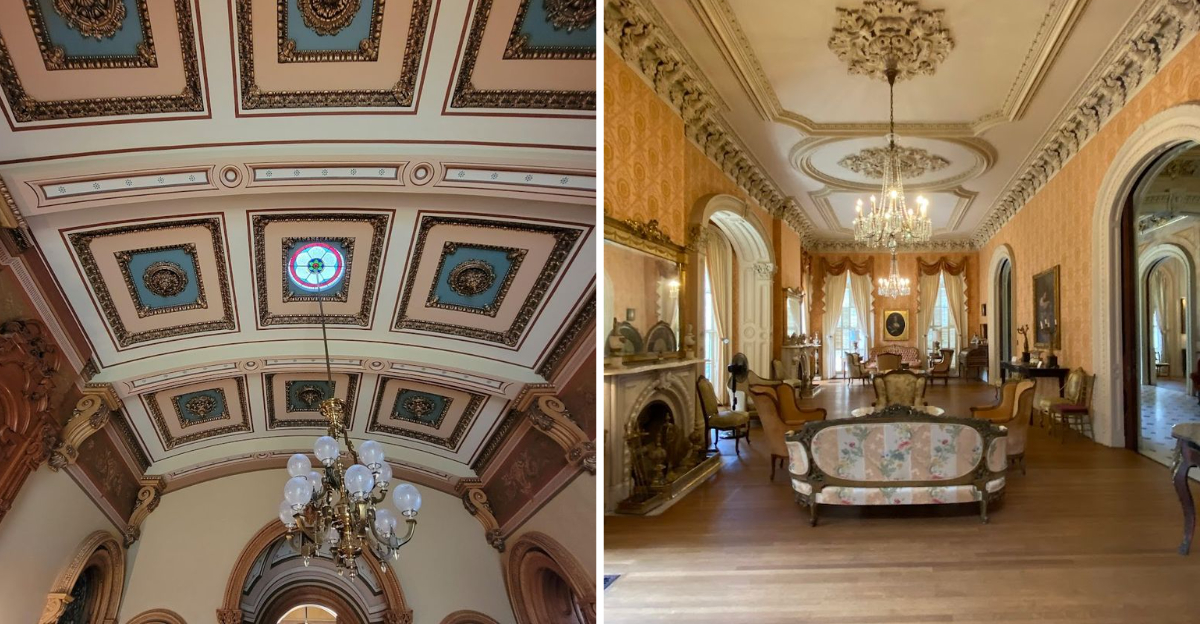
Inside, guests discover ornate ceilings, detailed plasterwork, and elegant rooms that reflect the wealth and ambition of the era. Stories of hidden spaces, secret passages, and lingering legends add even more intrigue to the experience. Walking through the mansion offers a fascinating glimpse into life during the nineteenth century while showcasing architectural artistry rarely seen today.
For history enthusiasts and curious travelers alike, Hay House remains one of Georgia’s most unforgettable landmarks.
1. Architectural Masterpiece Worth Every Step
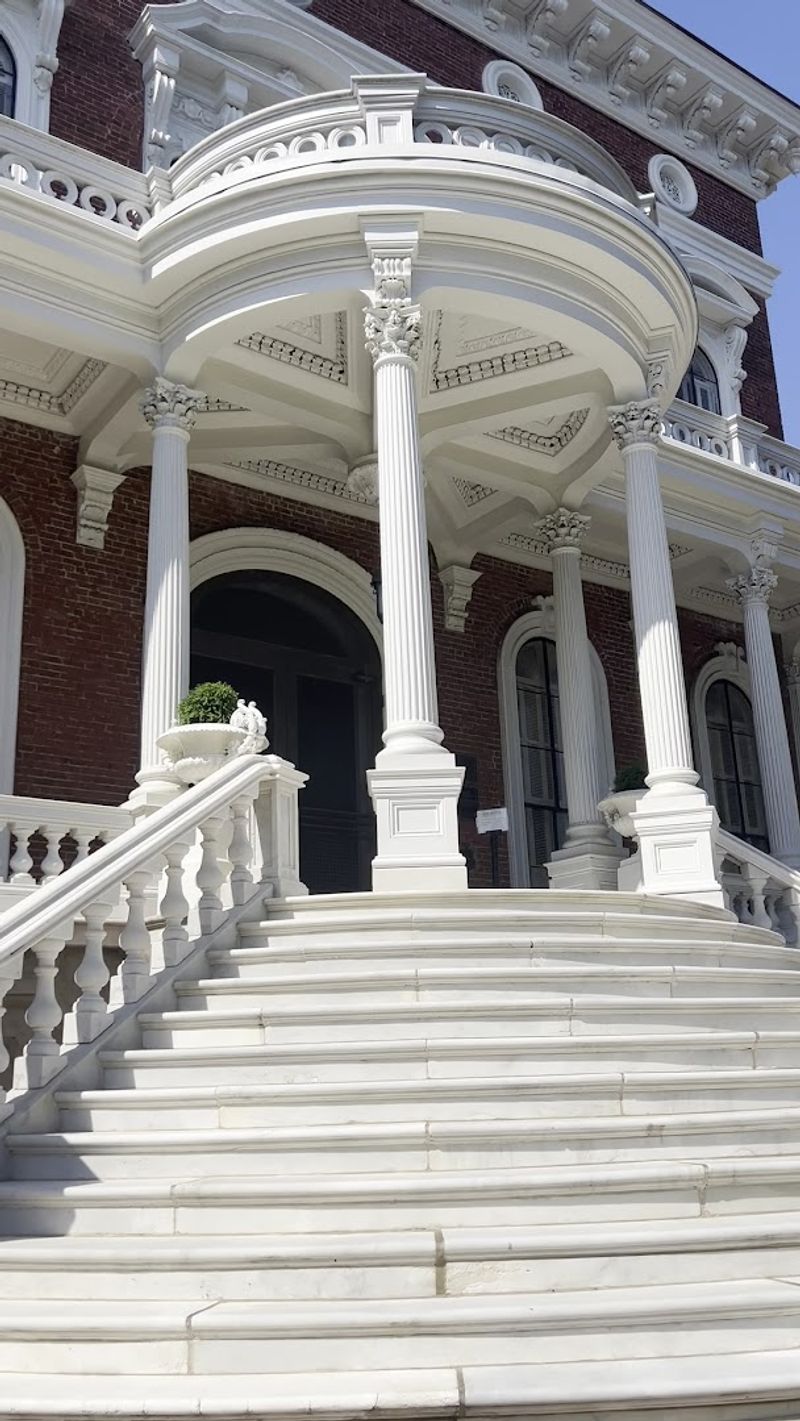
Walking up to Hay House for the first time feels like stepping into a European palace that somehow landed in the American South. Located at 934 Georgia Avenue, Macon, Georgia 31201, the mansion was designed by New York architects T. Thomas and Son, who brought Italian Renaissance Revival style to life with extraordinary precision and ambition.
The exterior alone commands attention, with its grand proportions, symmetrical windows, and richly detailed stonework. Every carved molding and arched window reflects a level of craftsmanship rarely seen in American residential architecture from any era.
Visitors often pause at the entrance just to take it all in before even stepping through the door. The sheer scale of the building, combined with its refined elegance, makes this one of the most photographed historic homes in Georgia. Plan to arrive with some extra time just to appreciate the outside before the tour begins.
2. National Historic Landmark Status
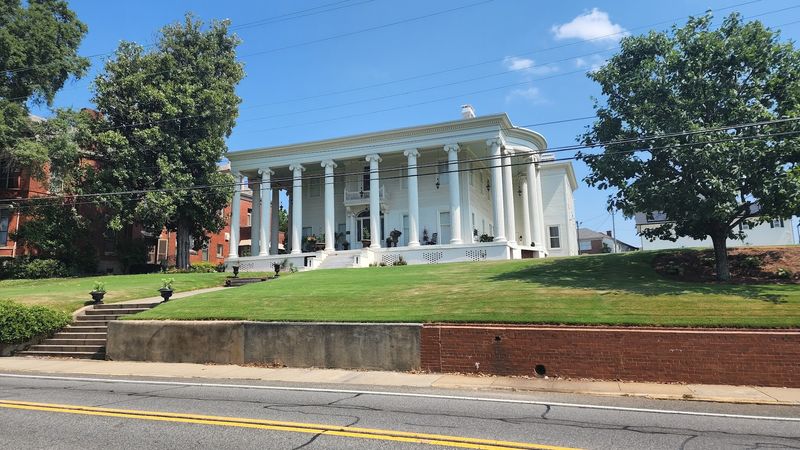
Not every old house earns a spot on the National Historic Landmark list, but Hay House is not just any old house. The federal government officially recognized the estate in 1974, placing it among the most architecturally and historically significant properties in the entire United States.
This designation means the building meets the highest standards of historical importance, not just at the state level but nationally. Hay House is managed today by the Georgia Trust for Historic Preservation, which works hard to maintain its authenticity and integrity.
Earning landmark status requires rigorous evaluation, so visiting Hay House means stepping into a space that historians and preservationists have deemed genuinely irreplaceable. That kind of official recognition adds real weight to the experience. Knowing the backstory before arriving helps visitors appreciate just how rare and remarkable this property truly is within American architectural history.
3. Innovative Technology That Was Way Ahead of Its Time
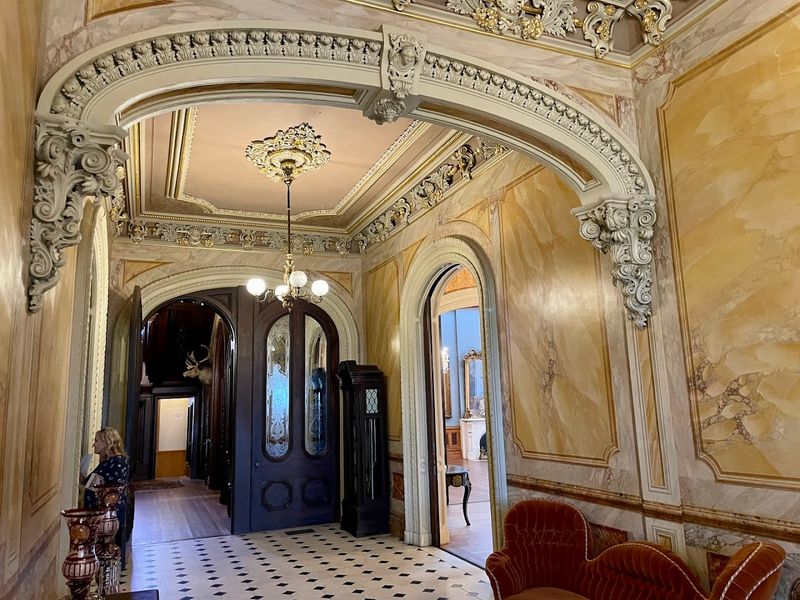
For a house built in the 1850s, Hay House was practically from the future. At a time when most American homes relied on candles and chamber pots, this Macon mansion already had hot and cold running water, a speaker-tube system connecting 15 rooms, a French lift that served as an early elevator, and an elaborate ventilation system designed to cool the house naturally.
These features were not just novelties they were genuine engineering achievements that made daily life significantly more comfortable for the Johnston family. The property essentially functioned decades ahead of what was considered standard in American domestic life.
Guided tours point out these technological details in context, helping visitors understand just how forward-thinking the original owners were. It is a fascinating reminder that innovation is not a modern invention. Hay House proves that brilliant problem-solving has always been part of human creativity.
4. Exquisite Furnishings That Tell a Story
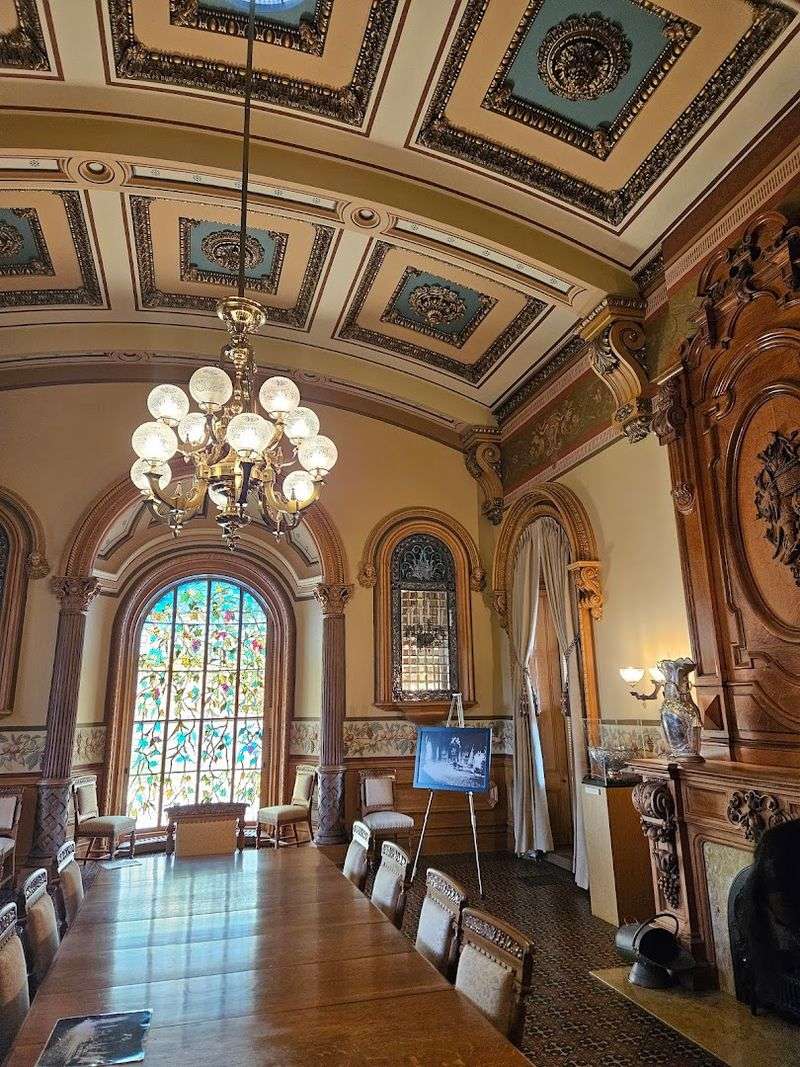
Some historic houses feel like empty shells, but Hay House is filled with furnishings that bring its past to life in vivid detail. The interiors feature beautiful 18th-century pieces, including stunning Italian Carrara marble fireplaces that anchor each formal room with quiet grandeur.
Among the most admired details are the marbleized and trompe l’oeil finishes, which are painted surfaces designed to mimic the look of stone and architectural elements. These techniques require exceptional skill, and the examples preserved are considered some of the finest in the entire country.
Every chair, table, and decorative object in the house was chosen with intention, reflecting the refined tastes of the Johnston family and the era they lived in. Visitors who appreciate antiques and decorative arts will find plenty to admire here. The furnishings do not just fill the rooms — they complete them in a meaningful and historically grounded way.
5. Stained Glass Windows That Steal the Light

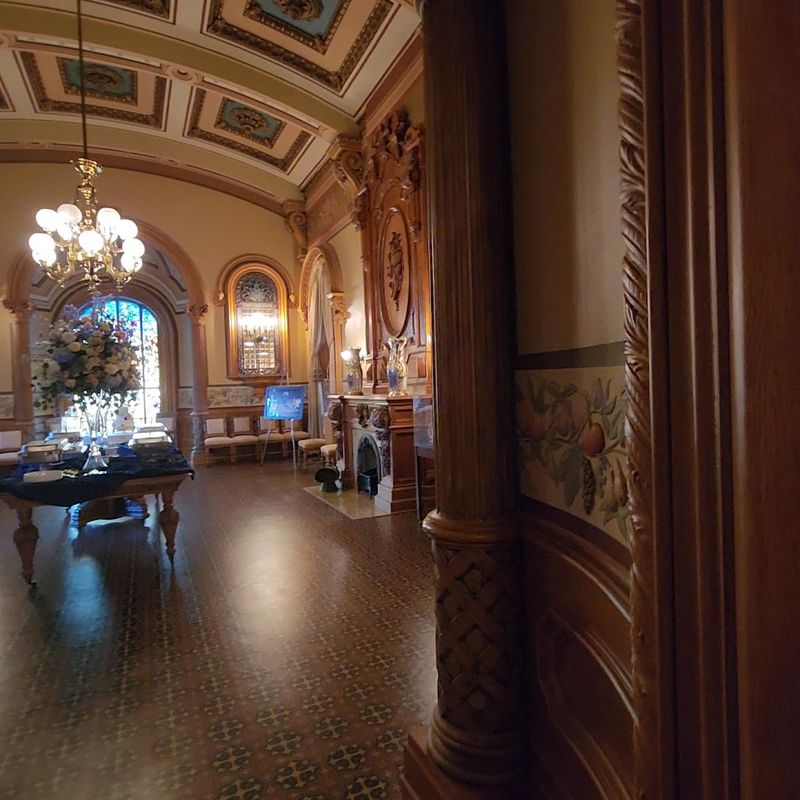
Few decorative elements transform a space quite the way stained glass does, and Hay House uses this art form to spectacular effect. Throughout the mansion, carefully crafted stained glass windows filter natural light into pools of color that shift and move as the sun travels across the sky.
Standing inside the rooms on a sunny afternoon means watching colored light play across marble floors and plaster walls in ways that feel almost theatrical. The windows were not added as afterthoughts they were designed as integral parts of the architectural vision.
Each panel features intricate patterns and rich hues that complement the surrounding interior details. Photography enthusiasts visiting Hay House often find these windows among their favorite subjects, since the light quality changes dramatically depending on the time of day. Morning visits tend to offer softer tones, while midday light produces the most vivid and dramatic color effects throughout the interior spaces.
6. The Music Room With Its Soaring Ceiling
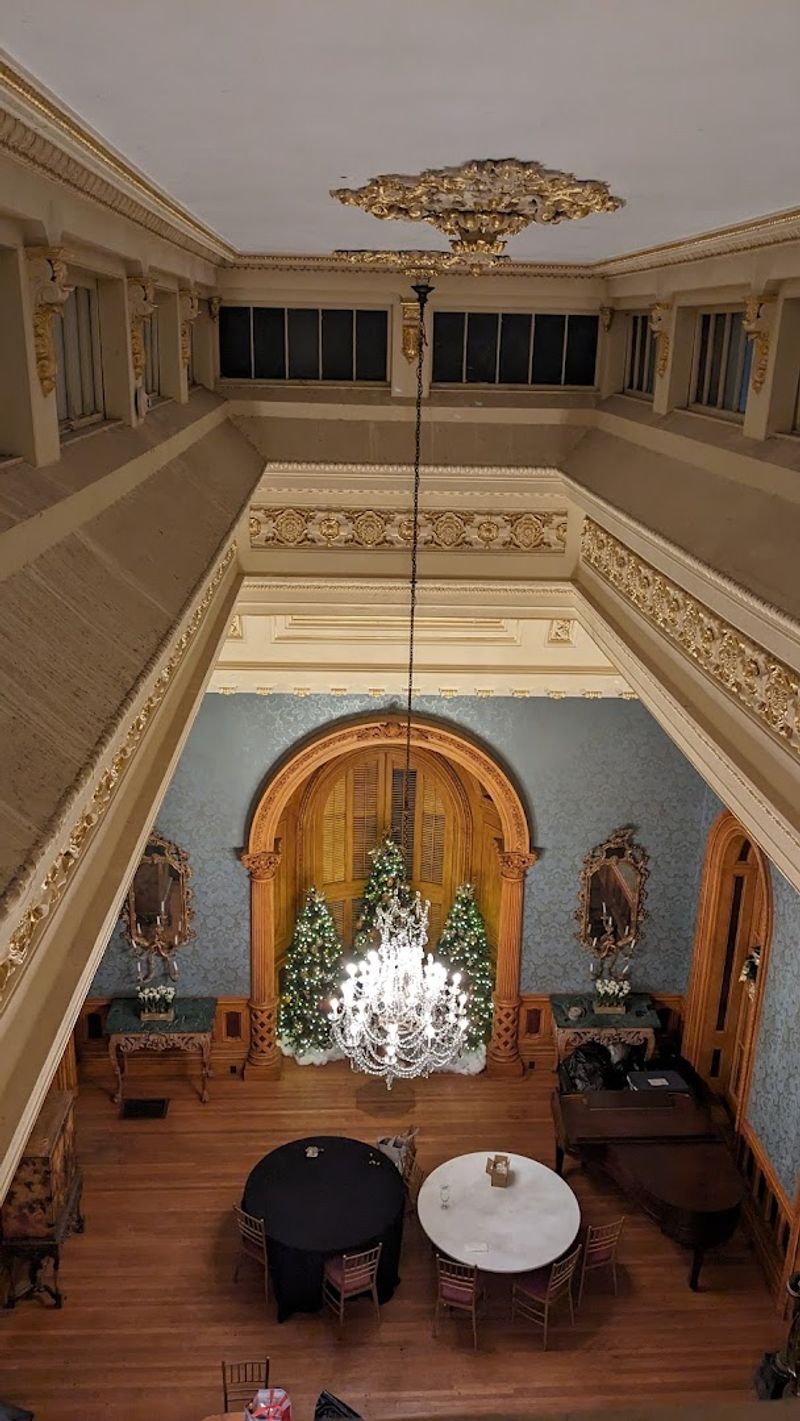
Rooms with 30-foot ceilings are rare in any era, but finding one in a private residence built in the 1850s is genuinely extraordinary. The music room at Hay House features a dramatic clerestory ceiling that floods the space with natural light from above, creating an atmosphere that feels both intimate and cathedral-like at the same time.
This room at was clearly designed with acoustics and elegance in mind, offering a space where music could fill the air without feeling cramped or muffled. The height and proportions give every sound a natural resonance that modern rooms rarely achieve.
Even visitors who are not particularly interested in music tend to stop and look up in genuine awe when they enter this room. The ceiling alone justifies the visit. Hay House occasionally hosts live musical performances and special events in this space, so checking the events calendar before visiting is always a smart idea.
7. Plasterwork With 24-Karat Gold Leafing
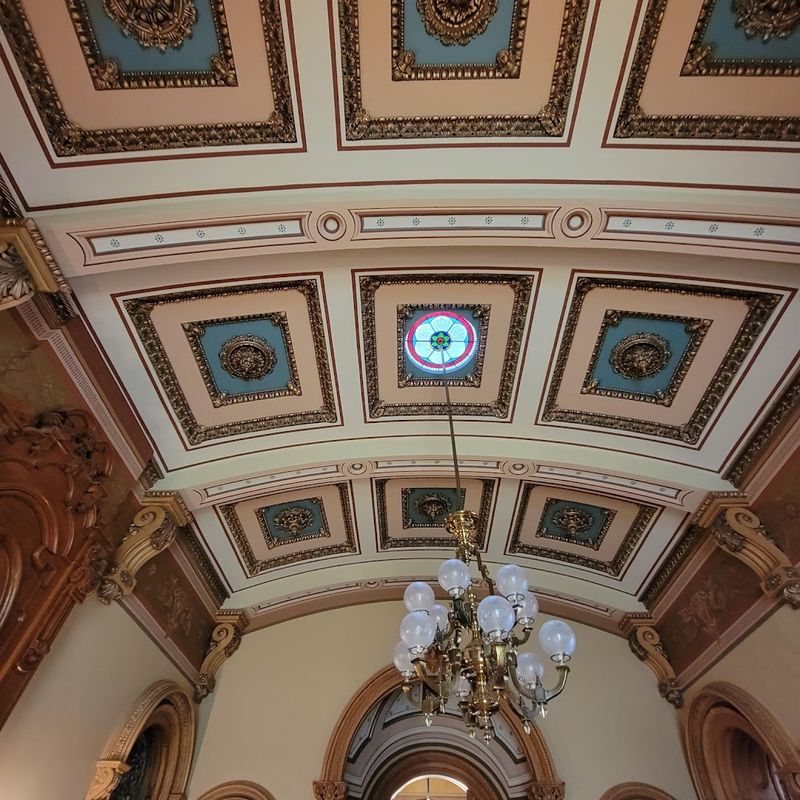
Gold leafing on plasterwork is the kind of detail that makes a house feel like a palace, and Hay House leans fully into that distinction. The interiors feature exquisite plasterwork finished with genuine 24-karat gold leafing, applied by skilled craftsmen who understood that the difference between impressive and unforgettable lies in the smallest details.
These gilded surfaces catch light in a way that paint simply cannot replicate, giving the rooms a warmth and depth that photographs struggle to fully capture. The effect is subtle in some areas and boldly dramatic in others, depending on where natural and artificial light falls.
Preservation of gold-leafed plasterwork requires specialized knowledge and careful ongoing maintenance, which is one reason the Georgia Trust for Historic Preservation works so diligently to protect these surfaces. Visitors who look closely at the ceilings and cornices will spot details that most people walk right past, making a slow and attentive tour especially rewarding here.
8. Cupola Views Over Macon
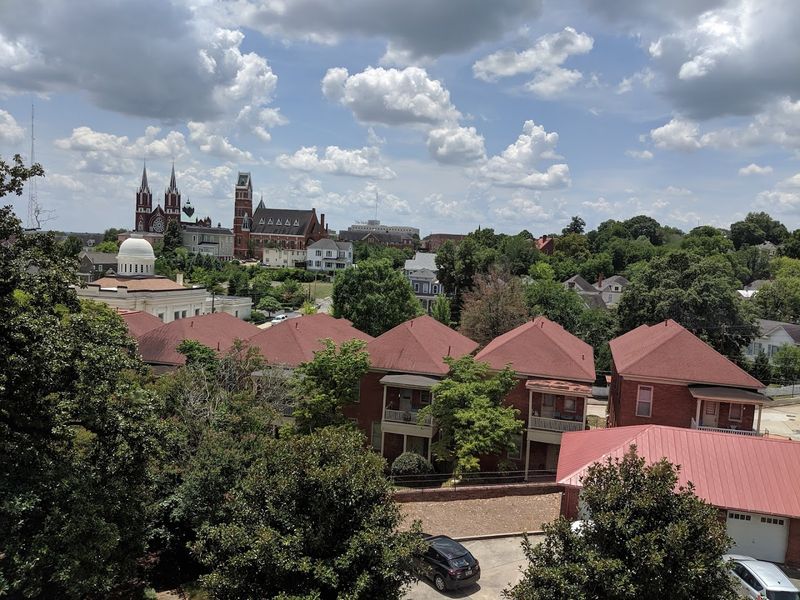
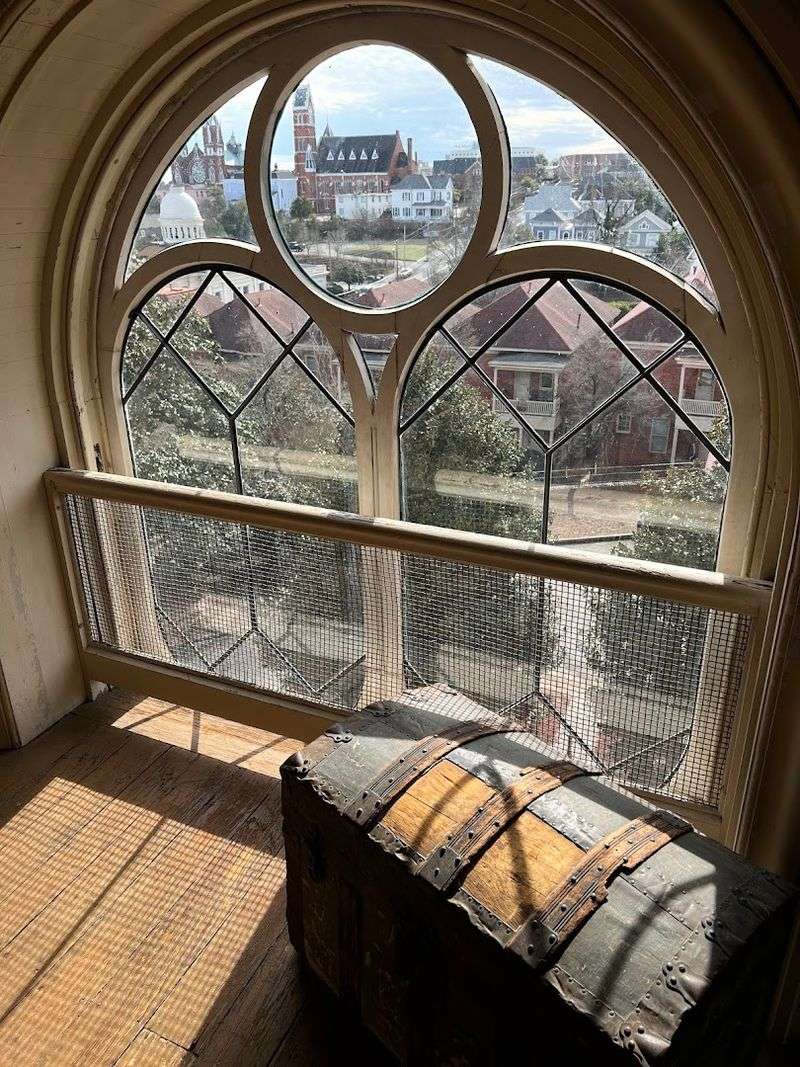
Climbing to the top of Hay House rewards visitors with something unexpected a genuine panoramic view of Macon spread out in every direction. The two-story cupola crowning the mansion was not just a decorative architectural flourish; it served as a real observation point that gave the Johnston family a commanding perspective over their city.
From this height above visitors can spot landmarks, tree canopies, church steeples, and the rolling landscape that defines central Georgia’s visual character. The view changes with the seasons, with spring and fall offering the most colorful and photogenic conditions.
Access to the cupola may vary depending on the tour type selected, so confirming availability when booking is a practical step. Behind-the-scenes tours often include this elevated access as part of the experience. For anyone who loves the combination of history and a great vantage point, the cupola alone makes Hay House worth the trip to Macon.
9. Guided Historical Tours Full of Fascinating Detail
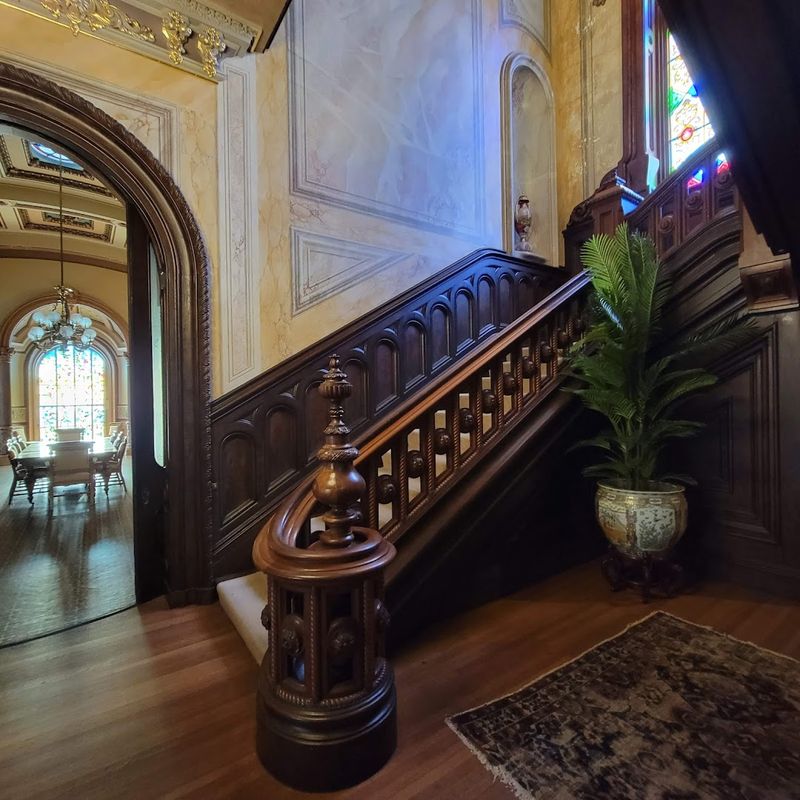
A good guided tour can completely change how a historic site feels, and Hay House delivers genuinely engaging and informative tours led by knowledgeable guides who clearly love what they do. Rather than rattling off dry facts, the guides here weave together architectural history, family stories, and social context in ways that make the past feel immediate and relevant.
Tours typically cover the main floors of the mansion, moving through formal rooms, service areas, and private spaces while explaining how each was used during the Johnston family’s residence. The guides are generally happy to answer questions, which makes the experience feel more like a conversation than a lecture.
Booking tours in advance is recommended, especially during peak tourist seasons like spring and fall when Macon draws larger crowds for festivals and cherry blossom season. Weekday morning tours tend to be smaller and more relaxed, which gives visitors a bit more time to linger in each room.
10. Behind-the-Scenes Tours Unlock Hidden Spaces
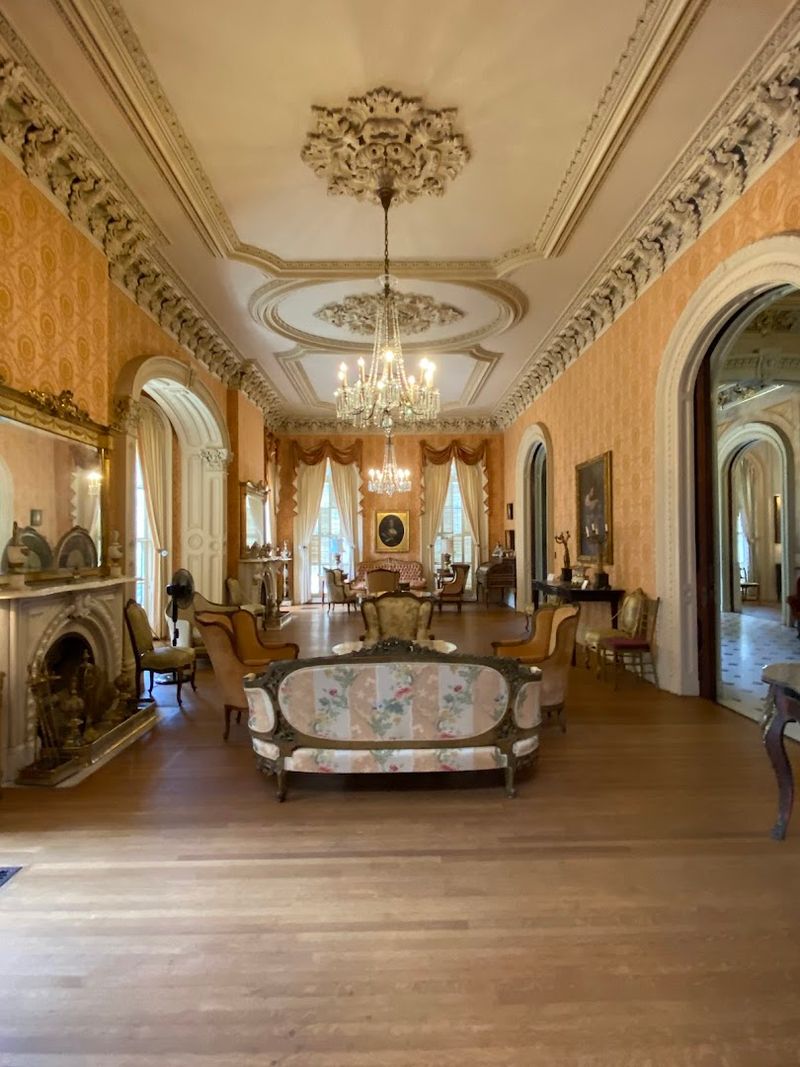
Standard tours cover a lot of ground at Hay House, but the behind-the-scenes experience takes things to a completely different level. These specialty tours grant access to spaces that regular visitors never see, including the wine cellar, a secret room, the balcony, and the attic areas that hold some of the most intriguing stories in the entire mansion.
The wine cellar alone is worth the upgraded ticket price, offering a glimpse into how the Johnston family managed entertaining and household supplies on a grand scale. The so-called secret room adds an element of mystery that appeals to visitors of nearly every age.
These tours tend to book up faster than standard options, so reserving a spot well ahead of time is strongly advised. Groups are kept small to protect the spaces and ensure everyone gets a quality experience. It is the kind of tour that turns a pleasant visit into a genuinely memorable one.
11. A Stunning Event Venue With Historic Character
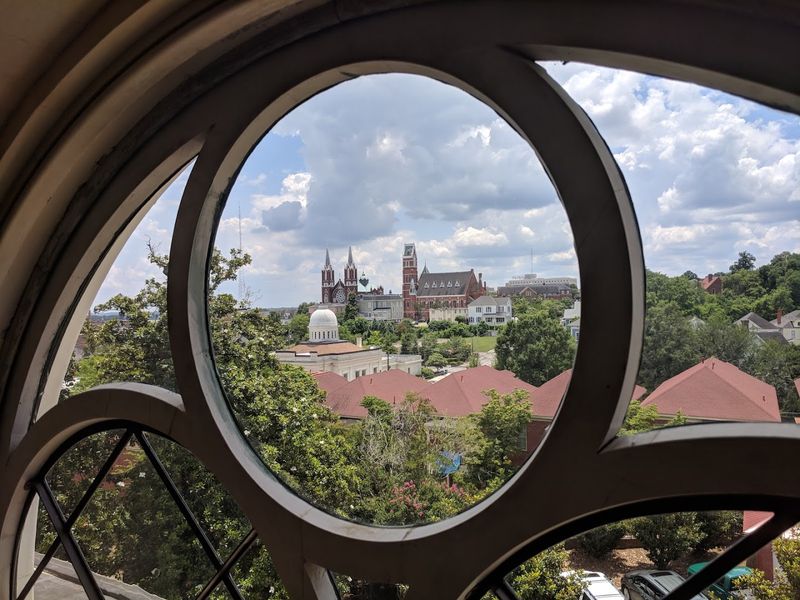
Choosing a venue for a wedding or special event is one of the most important decisions a host can make, and Hay House offers something that modern event spaces simply cannot replicate genuine historic atmosphere with layers of authentic beauty. The mansion’s formal rooms, sweeping staircase, and ornate interiors create a backdrop that photographers and guests consistently describe as unforgettable.
Events hosted range from intimate receptions to larger banquets, with the Georgia Trust for Historic Preservation overseeing the space to ensure it is used responsibly and respectfully. The combination of grandeur and history gives every event a sense of occasion that goes beyond decoration.
Couples and event planners interested in booking the space are encouraged to reach out early, since availability tends to fill up months in advance, particularly for spring and fall dates. Visiting the mansion as a regular guest first is a great way to get a feel for the space before committing to an event booking.
12. A Gift Shop Worth Browsing
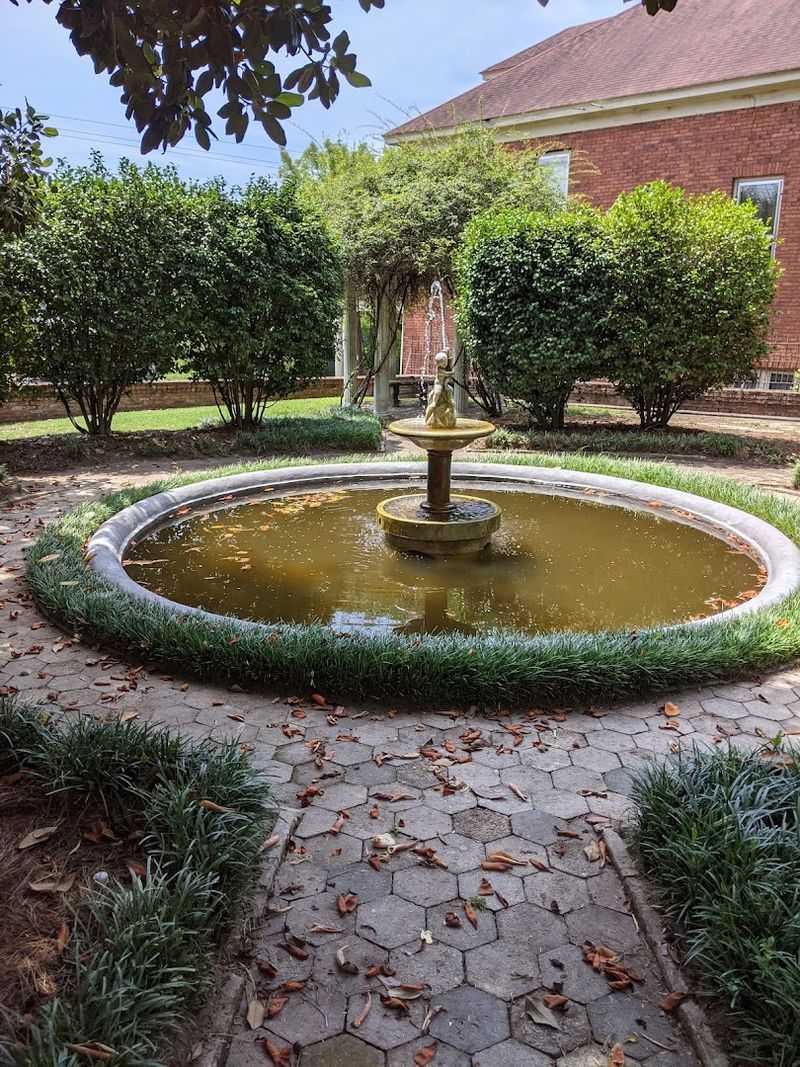
Museum gift shops can be hit or miss, but the one at Hay House leans firmly toward the memorable end of the spectrum. Stocked with Victorian-inspired gift items, decorative art glass, authentic North Georgia pottery, and books focused on regional history and architecture, the shop feels like a natural extension of the mansion itself rather than a generic retail space tacked on as an afterthought.
Located within the estate the gift shop is a pleasant final stop after a tour, offering a chance to bring home something that genuinely connects to the experience. The pottery selection in particular tends to draw admiring attention, featuring pieces made by local artisans using traditional techniques.
Books about Macon’s history, Georgia architecture, and Victorian domestic life make thoughtful and interesting purchases for readers and history enthusiasts. Prices vary, but there are options at multiple price points, making it easy to find something suitable whether shopping for a small souvenir or a more substantial keepsake.
13. Victorian-Inspired Gifts and Decorative Treasures
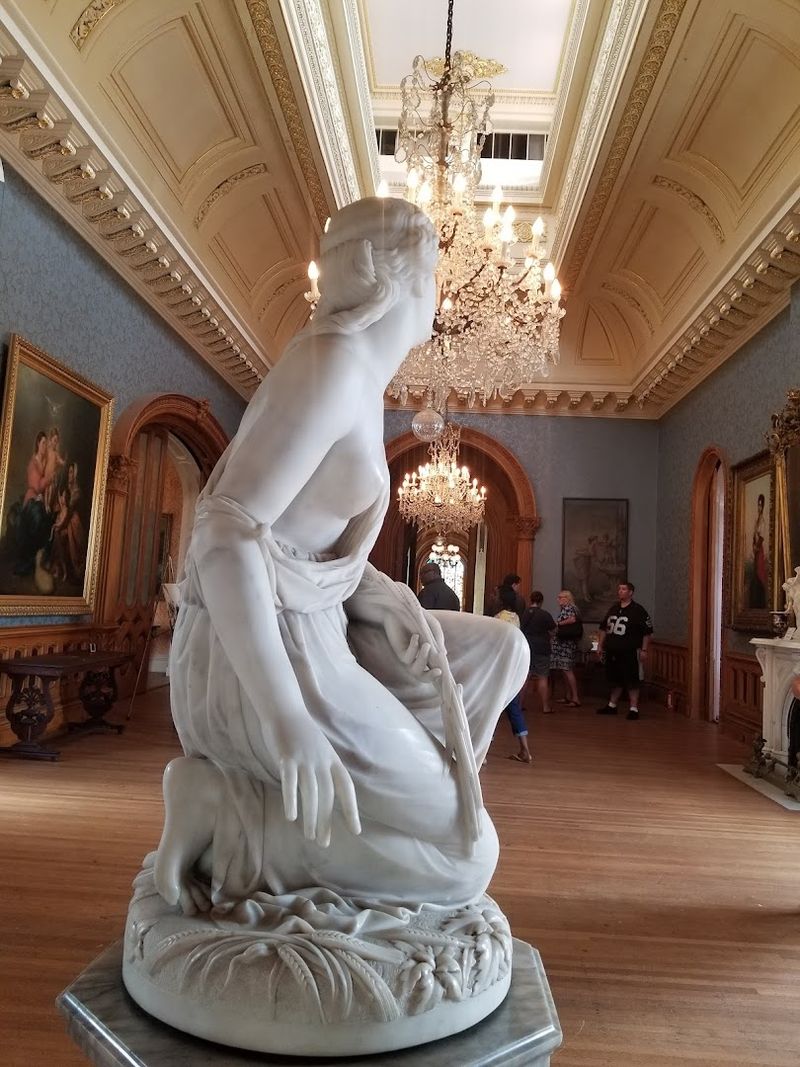
There is something genuinely satisfying about finding a gift that feels connected to a real place and a real story. The selection of Victorian-inspired items at the Hay House museum shop goes beyond typical tourist trinkets, offering decorative art glass, handcrafted pottery, and curated books that reflect the history and character of the estate and its surrounding region.
Shoppers browsing the collection will find pieces that work equally well as home decor or as meaningful gifts for people who appreciate craftsmanship and regional culture. The decorative art glass pieces in particular have a timeless quality that suits both traditional and contemporary interiors.
North Georgia pottery available in the shop represents a living craft tradition with deep roots in the region, making each piece a small piece of cultural heritage. For visitors who want their Hay House experience to extend beyond the tour itself, spending a few minutes in the gift shop is a genuinely rewarding way to close the visit.
14. A Living Piece of Macon’s Cultural Heritage
Macon has a rich and layered cultural history, and Hay House sits at the very center of that story. The mansion reflects not just the ambitions of one wealthy family, but the broader social, economic, and architectural evolution of a Georgia city that played a meaningful role in the state’s development from the antebellum era through the twentieth century.
Standing on Georgia Avenue in the heart of Macon the house exists within a neighborhood that still carries visible traces of its historic past. Walking the surrounding blocks before or after a tour gives visitors a fuller sense of the context in which Hay House was built and how it related to the community around it.
Cultural heritage sites like this one serve an important function beyond tourism — they anchor communities to their histories and provide a shared reference point for understanding where a place has been. Visiting Hay House is, in a quiet way, an act of participation in that ongoing story.
15. Educational Programs That Go Deeper
History comes alive differently when there is a structured learning experience attached to it, and Hay House offers educational programs designed to give visitors a richer and more nuanced understanding of the estate’s past. These programs go beyond what a standard tour covers, exploring preservation techniques, social history, and the architectural decisions that shaped the mansion over its nearly 170-year lifespan.
Programs hosted are offered for various audiences, from school groups to adult learners, reflecting the Georgia Trust for Historic Preservation’s commitment to making history accessible and engaging across age groups. The content tends to be well-researched and thoughtfully presented.
Checking the Hay House events calendar before planning a visit is a smart move, since special programming often coincides with holidays, historic anniversaries, and regional cultural events. These deeper-dive experiences can transform what might have been a pleasant afternoon visit into something that genuinely shifts how a visitor thinks about American history and architectural preservation.
16. Haunted History That Adds an Eerie Edge
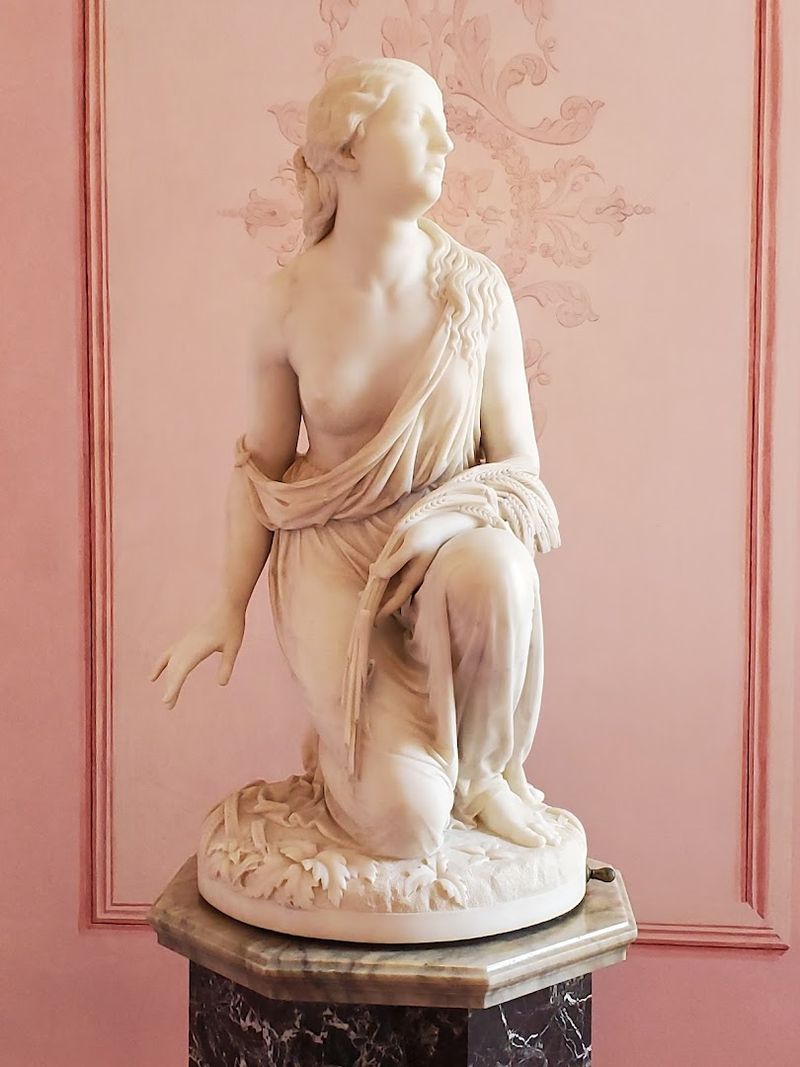
Not every reason to visit a historic mansion involves daylight and guided tours. Hay House has developed a reputation over the years for being one of Macon’s most haunted locations, with reported encounters ranging from unexplained sounds and moving objects to full apparition sightings described by visitors and staff alike.
Whether or not the supernatural element is taken seriously, the haunted history adds an undeniably compelling layer to an already fascinating property. Ghost enthusiasts and skeptics alike tend to find the stories entertaining and thought-provoking in equal measure.
Special haunted history events are occasionally organized around Halloween and other times of year, offering a different kind of after-dark experience inside the mansion’s atmospheric rooms and corridors. The combination of genuine Victorian grandeur and eerie reputation makes Hay House a natural draw for anyone who enjoys the intersection of history and mystery. Checking the events calendar for seasonal programming is always worthwhile for visitors with an interest in the paranormal side of this remarkable estate.