This Quaint Store Shows What California Was Like In The 1800s
A weathered wooden building waits at the end of a quiet road. The door still opens. The floorboards still creak. One step inside and the feeling is immediate – this place has stories.
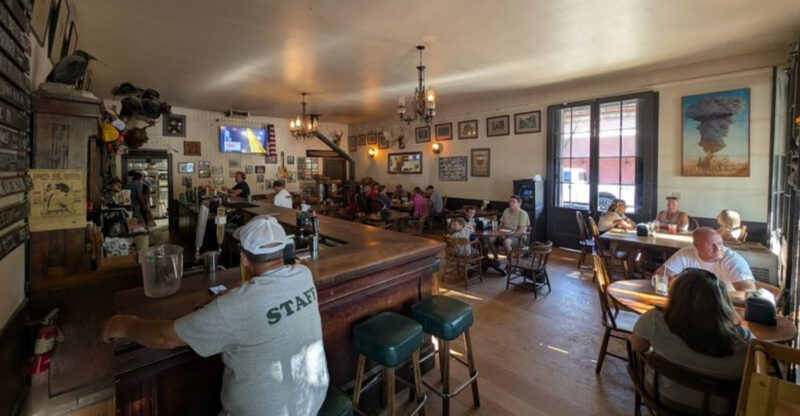
Dusty shelves, old signs, and worn wood give the space a character that modern buildings rarely manage to capture. Nothing feels staged. The atmosphere simply grew over time.
Curiosity pulls people through the doorway. The sense of stepping into another era keeps them looking around a little longer than expected.
Generations have passed through the same entrance since the Gold Rush days. Travelers, locals, and weekend explorers still pause here, drawn by the feeling that time slowed down somewhere along the way.
Some places in California make you stop the car, open the door, and step inside just to see what stories the walls have been holding onto all this time.
1. The Oldest Continuously Operating General Store In California
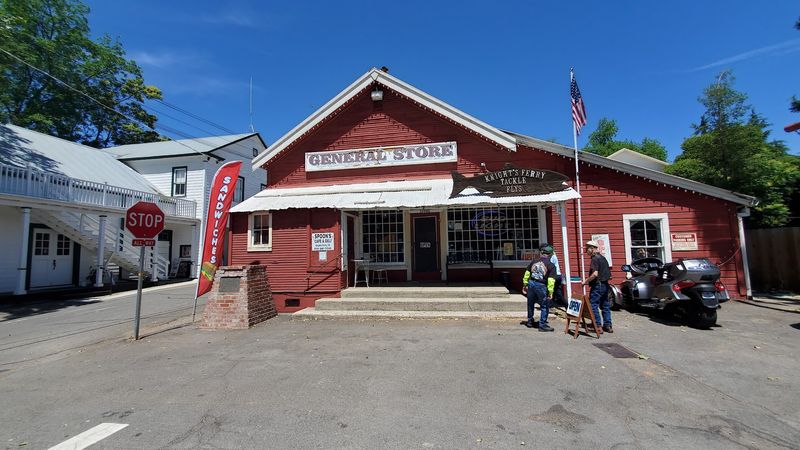
Not many businesses can claim more than 170 years of uninterrupted operation, but the Knights Ferry General Store holds that distinction with quiet confidence.
Recognized as the oldest continuously operating general store in California, the store has served customers through every major chapter of the state’s history, from the Gold Rush all the way through to the present day.
What makes this especially remarkable is the word “continuously.” Many historic buildings have been restored or reopened after long closures, but this store never fully shut its doors to the public.
Ownership changed hands over the decades, and the inventory naturally evolved, yet the core purpose of the building stayed the same.
Located at 17701 Sonora Rd, Knights Ferry, CA 95361, the store currently holds a 4.7-star rating on Google Maps based on over 250 reviews, with visitors consistently praising its atmosphere and sense of history.
The store is open Tuesday through Sunday from 10 AM to 8 PM and is closed on Mondays.
For anyone interested in California’s living history, a visit here offers something that a museum exhibit simply cannot replicate, because the store is still actively functioning as it always has.
2. Founded In 1852 As The Second Structure Built In Knights Ferry
Long before California became the state people recognize today, a modest building was going up on the dusty edge of a Gold Rush settlement.
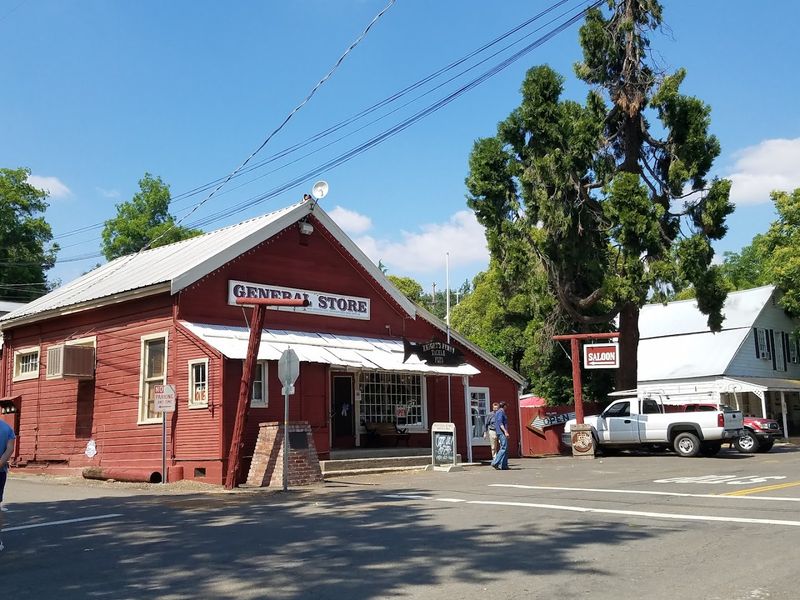
The Knights Ferry General Store was founded in 1852, making it the second structure built in the young town of Knights Ferry, which itself was established just three years earlier in 1849.
That kind of early presence tells a lot about how essential general stores were to frontier communities.
Back then, a general store was not just a place to buy goods. It was a lifeline for people who had no other options for miles around.
Miners, travelers, and settlers all depended on stores like this one for food, tools, and basic supplies needed to survive in a rugged landscape.
The fact that this building still stands more than 170 years later is a testament to both its sturdy construction and the community’s commitment to preserving it.
Most structures from that era have long since crumbled or burned.
Visiting the store today means standing in a place that witnessed the very birth of a California town, which is a rare and genuinely grounding experience for anyone curious about the state’s origins.
3. A Critical Supply Point During The California Gold Rush
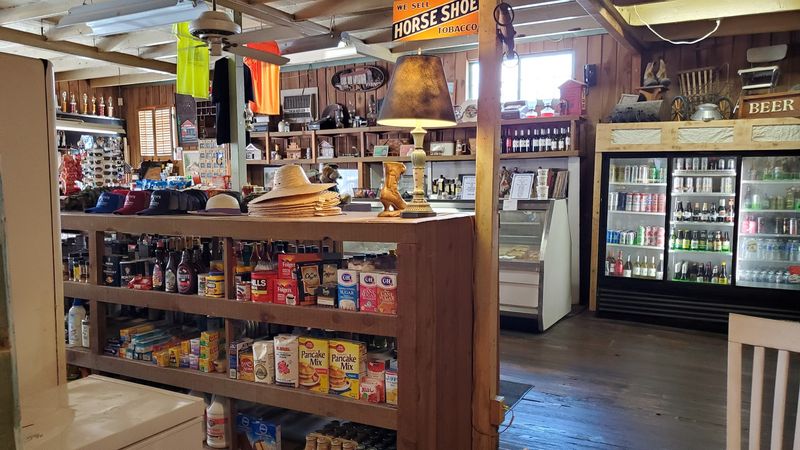
Geography played a huge role in why the Knights Ferry General Store became so important during the Gold Rush years.
Positioned near a key river crossing on the Stanislaus River, the store sat directly in the path of miners making their way toward the Sierra Nevada foothills in search of gold.
That location turned it into a natural stopping point for thousands of people passing through. Miners needed everything from food and clothing to tools and rope, and the store provided all of it.
Some travelers had been walking for days and arrived exhausted and low on supplies.
Having a well-stocked general store at a river crossing was not just convenient, it was genuinely critical to the survival of many who passed through.
The energy of those early years left a permanent mark on the building and the town around it.
Knights Ferry grew into a small but lively community precisely because of the traffic that the river crossing and the store helped attract.
Visitors today can still sense that historical weight when they walk through the front door, surrounded by artifacts and memorabilia that point directly back to that remarkable and chaotic period in California’s past.
4. When A General Store Became The Town’s Post Office
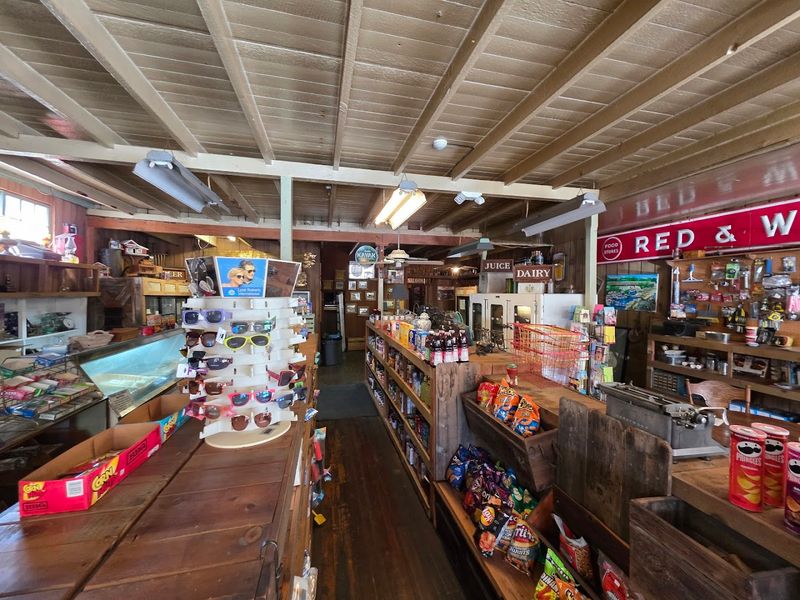
In 1867, new ownership brought an unexpected layer of importance to the Knights Ferry General Store.
The man who took over the business also worked as an agent for a major stagecoach and banking company, turning the modest store into an official stop for deliveries moving across the region.
Mail, parcels, and important documents began arriving regularly with the stagecoaches. To manage the steady flow, rows of wooden pigeonholes were installed inside the store.
Those small compartments served as the community’s postal system, neatly organizing letters and packages for local residents who had no dedicated post office nearby.
The arrangement made the store far more than a place to buy supplies. It became a daily gathering point where people stopped not only for goods, but also for news, correspondence, and updates from beyond the small riverside town.
The famous express and banking company involved played a major role in California’s early growth, helping connect remote communities through commerce, transportation, and communication.
Its presence inside a general store highlights how versatile frontier buildings often had to be. In the 1800s, a single structure frequently carried the responsibilities of several institutions at once.
Shops doubled as post offices, meeting halls, and distribution centers for goods and information.
The Knights Ferry General Store fit that role perfectly, standing at the center of community life during one of the most dynamic chapters of California’s early history.
5. Survived The Flood Of 1862
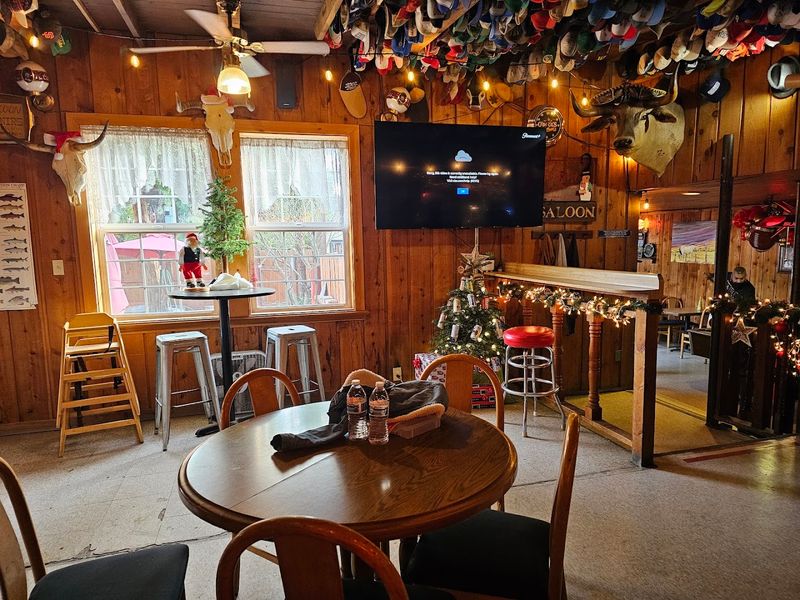
The winter of 1862 brought one of the most catastrophic floods in California’s recorded history, wiping out farms, towns, and infrastructure across the Central Valley and beyond.
The Stanislaus River, which runs near Knights Ferry, swelled to extraordinary levels, and many structures in the region simply did not survive.
The Knights Ferry General Store, however, endured. Surviving that flood was no small feat.
The 1862 event is often described by historians as the worst natural disaster in California’s history, causing widespread destruction that took years to recover from.
For a wooden building barely a decade old to withstand that kind of force says something meaningful about its construction and its placement within the town.
Natural disasters have a way of erasing history permanently, which is part of what makes the store’s survival so significant.
Every building that did not make it through that flood represents a piece of the past that is gone forever.
The Knights Ferry General Store standing today means that a physical, tangible connection to pre-Civil War California still exists and can still be visited.
That kind of historical continuity is genuinely rare, and it adds a layer of quiet resilience to every corner of the building that visitors can feel when they walk through it.
6. The Pot-Bellied Stove That Gathered The Town Together
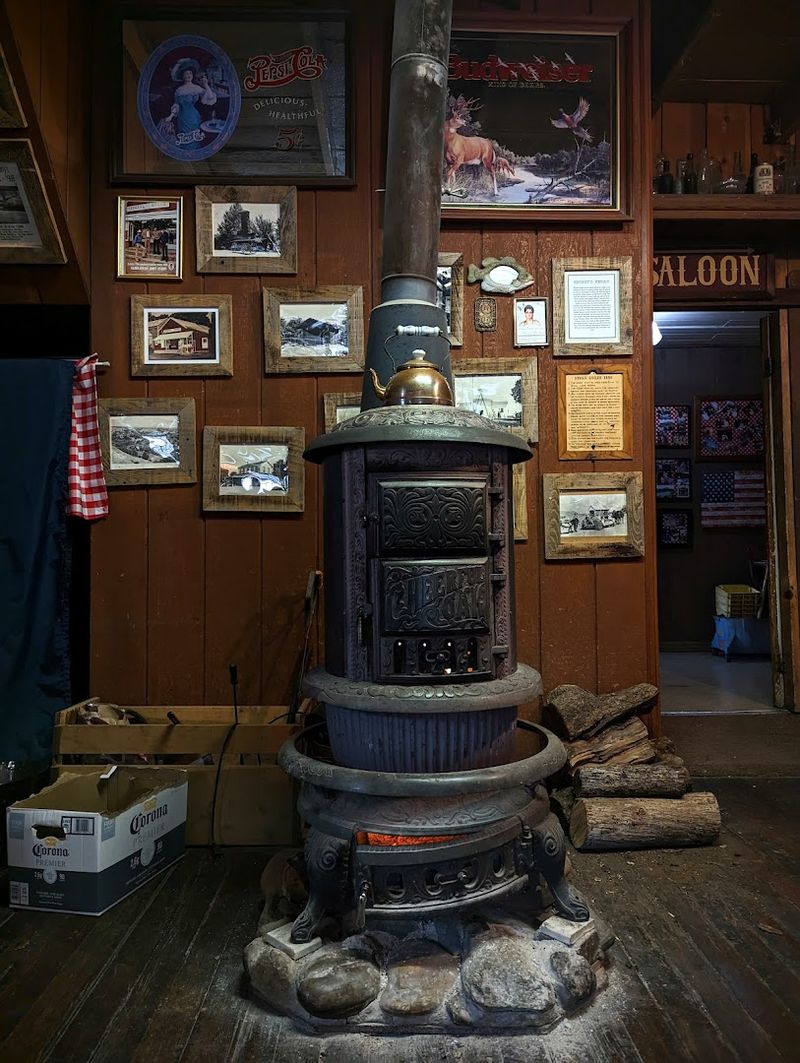
There is something deeply human about gathering around a warm stove on a cold evening, and for generations of Knights Ferry residents, that stove was the pot-bellied iron heater at the back of the general store.
Town notables, ranchers, miners, and everyday locals reportedly used that spot as an informal meeting place, a place where news was shared, deals were struck, and community bonds were formed.
Before phones, newspapers, or public meeting halls were common in small towns, the general store served as the social center of daily life.
The area around the stove was essentially the town square in miniature, warm and familiar and always occupied by someone with something to say.
That kind of organic community gathering is hard to recreate today, but the store’s layout still hints at how it once functioned.
Visitors who take a slow walk through the store and pay attention to the details can still pick up on that atmosphere.
The rear of the building retains a certain coziness that feels deliberately unhurried, a quality that is increasingly rare in modern retail spaces.
The stove itself represents more than just a heating appliance. It symbolizes the role that shared physical spaces played in holding small communities together during the rough and uncertain years of early California life.
7. Home To Remnants Of The Original Knights Ferry Post Office
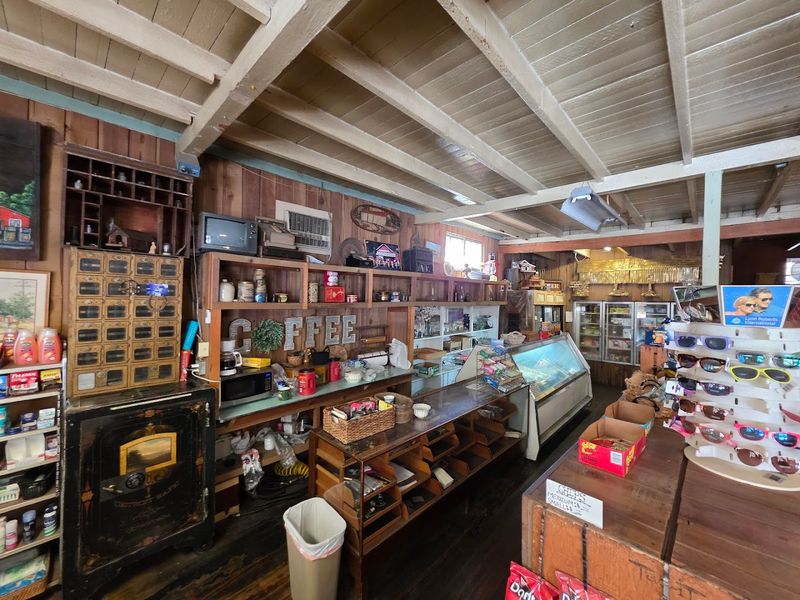
Postal history is tucked right into the walls of the Knights Ferry General Store, and that detail alone makes the building worth a closer look.
The store houses remnants of the original Knights Ferry Post Office, a function it took on during the 1800s when formal postal infrastructure in small California towns was either nonexistent or deeply unreliable.
Having the post office inside a general store was a common arrangement in frontier communities. It kept things practical and centralized, giving residents one place to handle multiple needs in a single stop.
The wooden pigeonholes installed after 1867 were part of this postal function, sorting incoming stagecoach deliveries for local residents and passing travelers alike.
Today, those postal remnants serve as artifacts rather than active sorting systems, but their presence inside the store creates a direct physical link to a system of communication that predates zip codes, mail trucks, and digital tracking by well over a century.
Vintage signage and memorabilia throughout the store reinforce this sense of layered history.
Each item on the walls represents a different chapter of the town’s story, and together they turn a casual shopping trip into something closer to a walk-through archive of Knights Ferry’s past.
8. Creaky Wooden Floors And Architecture That Reflects The Mid-1800s
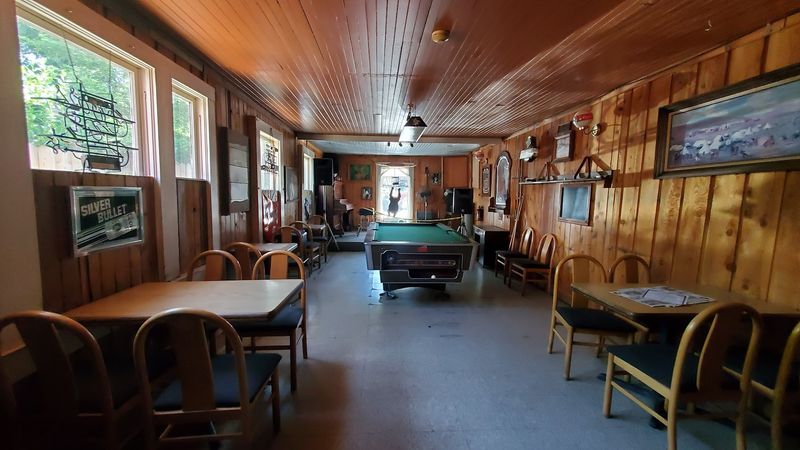
Some buildings announce their age through plaques and information boards. The Knights Ferry General Store announces it through the sound of the floor beneath your feet.
The creaky wooden boards inside the store are original to the structure, and they produce that unmistakable low groan that only comes from timber that has absorbed more than 170 years of footsteps.
The architecture of the building reflects mid-19th-century construction methods and aesthetic sensibilities, with proportions and materials that were standard for commercial buildings of the Gold Rush era.
There are no sleek surfaces or polished finishes here. Instead, the walls, shelving, and structural elements carry the texture and wear of genuine age, which gives the space a visual honesty that modern reproductions simply cannot match.
Vintage signage throughout the interior adds to the atmosphere without feeling like a theme park recreation.
The signs are real artifacts from different periods of the store’s history, layered on top of each other in a way that reflects actual use rather than deliberate curation.
For visitors who appreciate architectural character, the store offers a tactile and visual experience that goes well beyond typical sightseeing.
Standing inside it feels less like visiting a landmark and more like being briefly absorbed into a place that time has not entirely let go of.
9. Still Open And Serving The Community Today
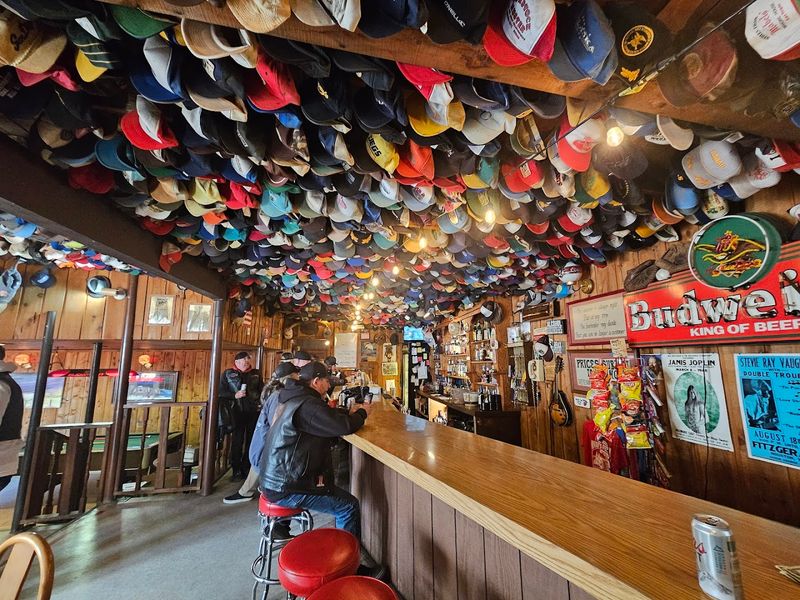
After more than 170 years of operation, the Knights Ferry General Store is not a relic behind glass. It is an active, functioning business that opens its doors Tuesday through Sunday from 10 AM to 8 PM.
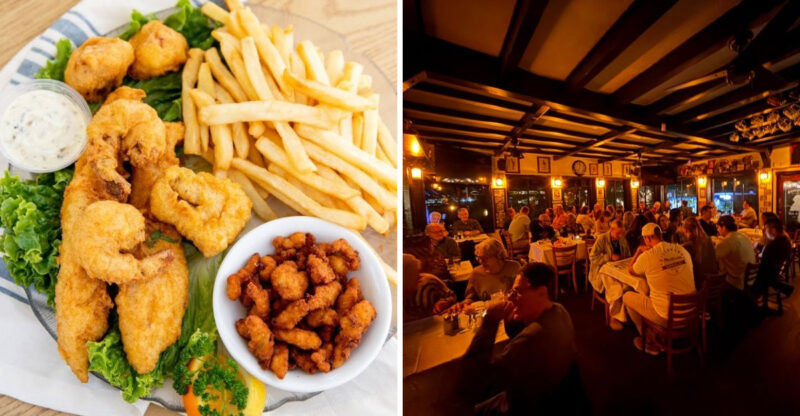
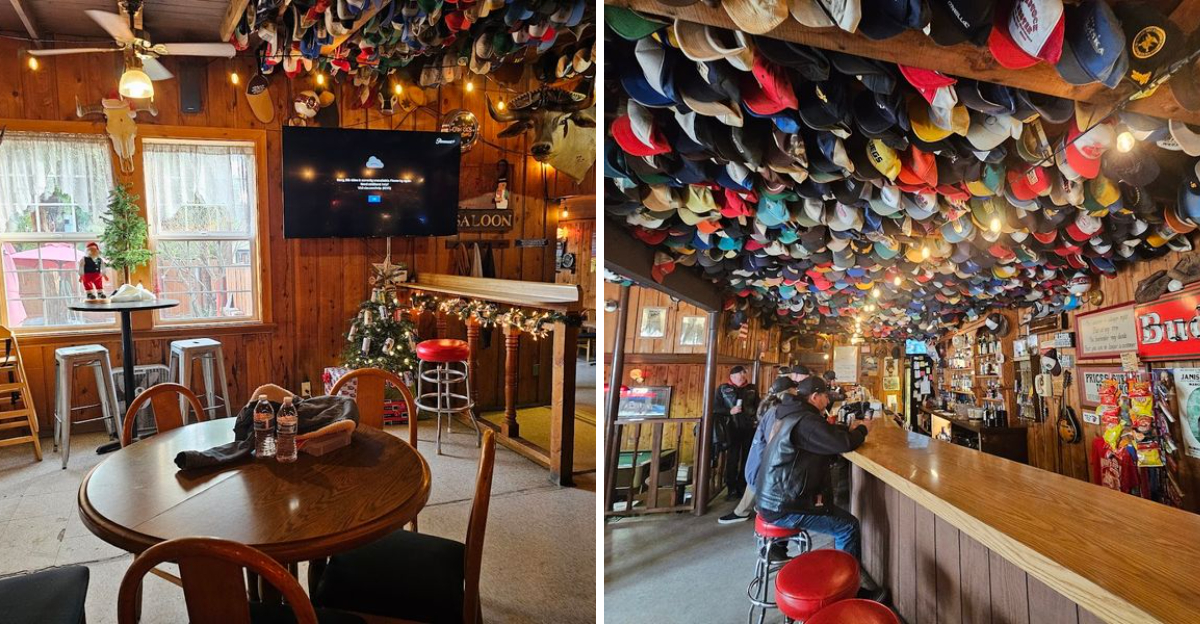
The store currently includes a saloon and Deli, making it a place where visitors can shop for everyday items, grab a meal, or simply sit outside and take in the atmosphere of historic Knights Ferry.
Customer reviews consistently highlight the friendliness of the staff and the relaxed, welcoming vibe of the space.
The store stocks a range of modern convenience items alongside locally made goods, including freshly baked cookies with rotating daily flavors and locally tied fishing flies, which gives it a character that feels genuinely rooted in the community rather than manufactured for tourists.
Live music on weekends, a pool table, and an outdoor seating area with grass and shade round out the experience for visitors who want to linger.
The phone number for the store is +1 209-881-3340 for anyone wanting to check on hours or upcoming events before making the drive.
Staying open and relevant across multiple centuries is an achievement that very few businesses anywhere in the country can claim, and this store does it without losing its soul.
10. A Living Symbol Of California’s Gold Rush Resilience
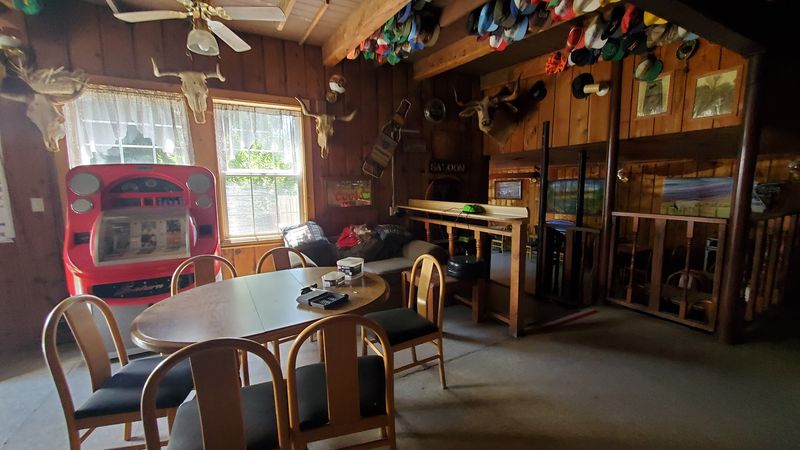
There are plenty of places in California where Gold Rush history is described, but very few where it can actually be felt. The Knights Ferry General Store belongs to that rare second category.
Its unbroken operational history across more than 170 years makes it a living symbol of the resilience that defined early California communities, communities that were built fast, tested hard, and often lost to time.
Knights Ferry itself survived floods, economic shifts, and the gradual decline that followed the Gold Rush boom years.
The store survived alongside the town, adapting its inventory and its purpose without abandoning the building or the identity that made it meaningful.
That kind of stubborn continuity is worth acknowledging, especially in a state where so much of the historical landscape has been replaced by development.
For visitors, the store offers something that goes beyond a shopping stop or a lunch break.
It offers a moment of genuine historical contact, a chance to stand in a space that has been continuously occupied and used since California was still finding its footing as a state.
The walls, the floors, the signage, and the people who work there all carry that history forward in a way that feels earned rather than performed. Few places in California can offer that combination quite so honestly.