This Hidden Aquarium Adventure In Georgia Is A Must-Visit
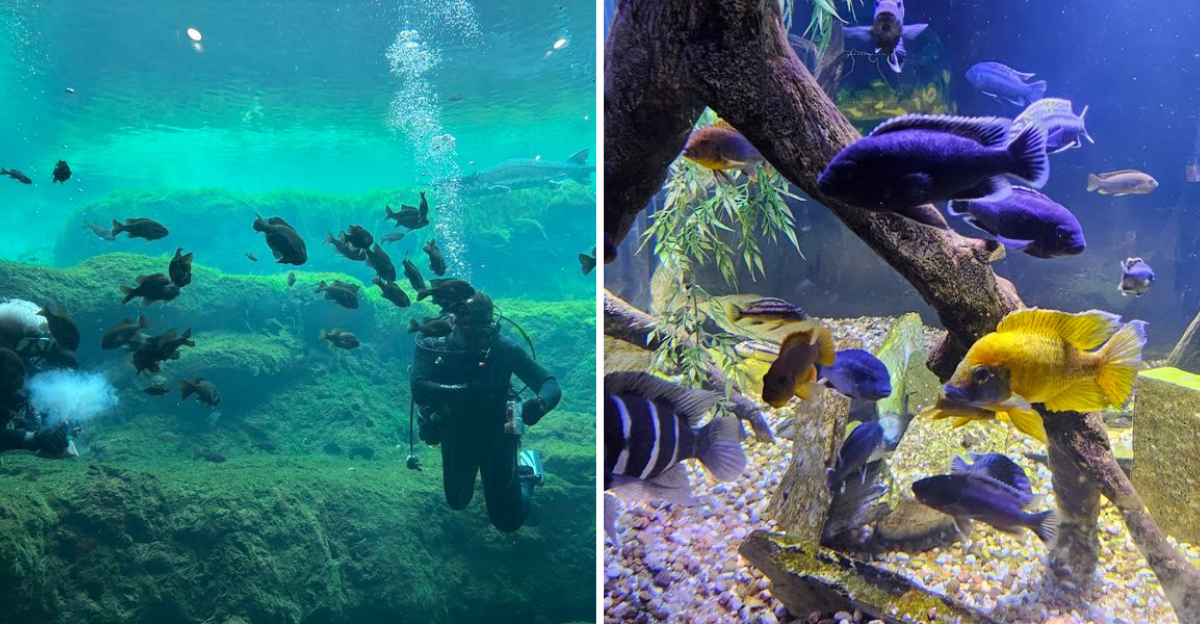
In southwest Georgia, one unique attraction offers visitors a chance to explore the natural world in a way that is both fascinating and educational. The Flint RiverQuarium in Albany brings the story of the Flint River to life through immersive exhibits that highlight the plants, animals, and ecosystems connected to this important waterway.
Guests can walk through galleries that feature native fish, reptiles, and other wildlife while learning how the river supports the surrounding landscape. One of the most memorable features is the massive open air aquarium, where visitors look down into a living recreation of the river itself.
Interactive displays and hands on experiences make the visit engaging for children and adults alike. For families planning a day trip or travelers seeking something different in southwest Georgia, the Flint RiverQuarium offers a memorable adventure centered on nature and discovery.
1. The Iconic Blue Hole Spring Tank

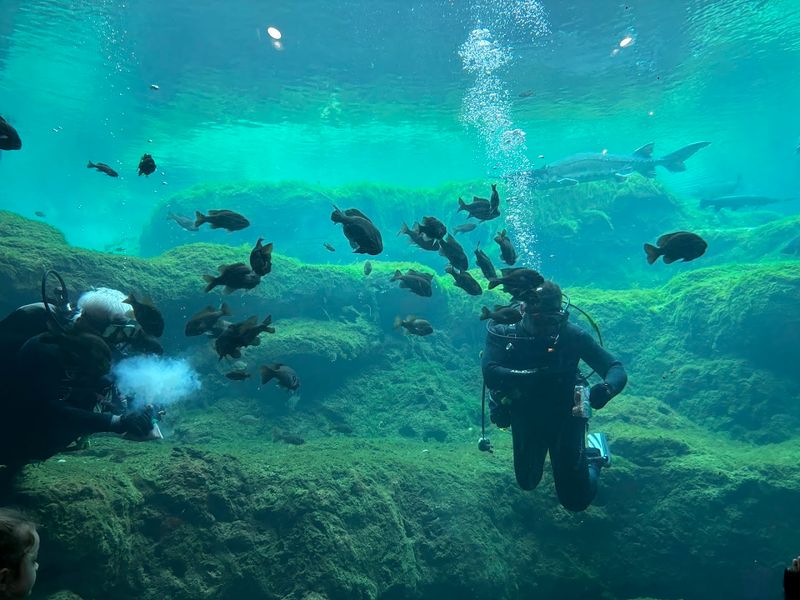
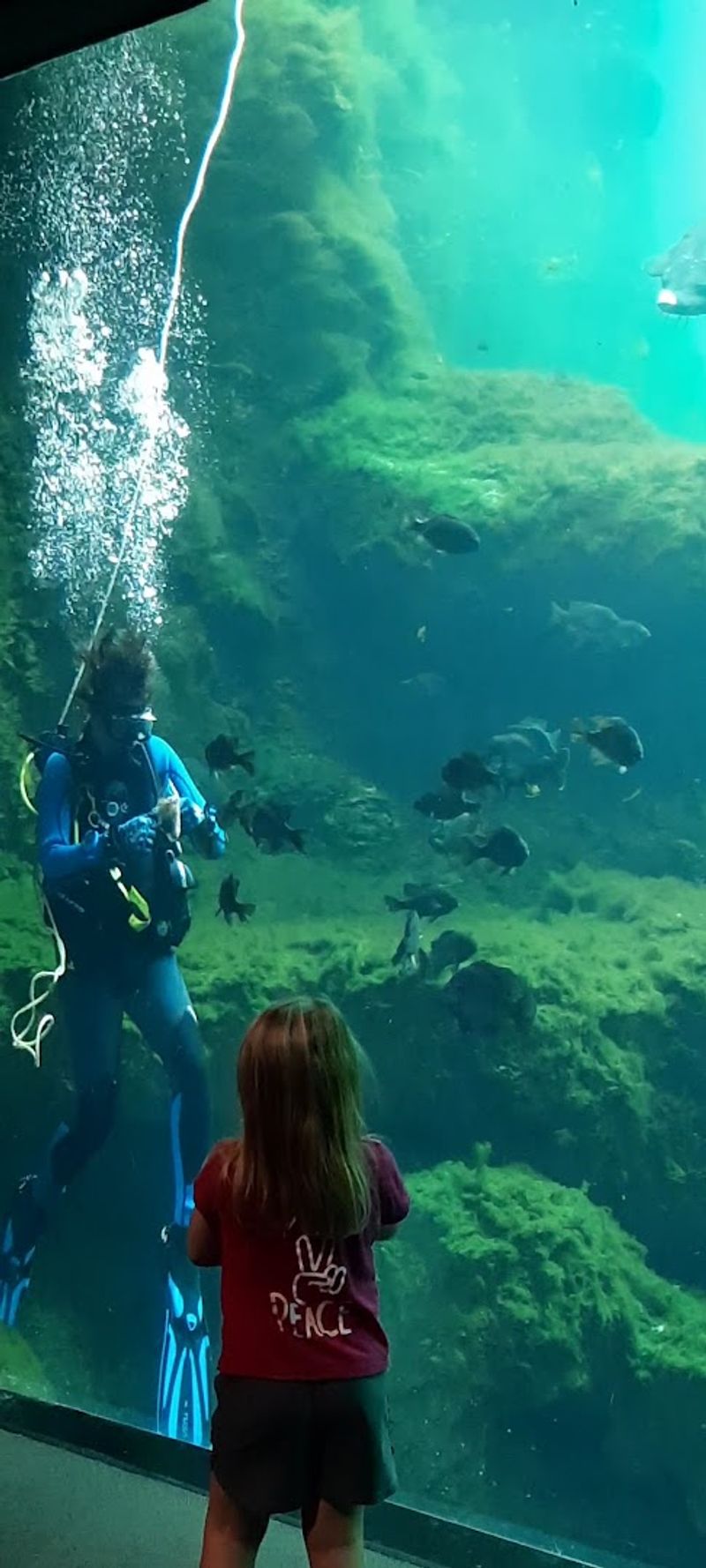
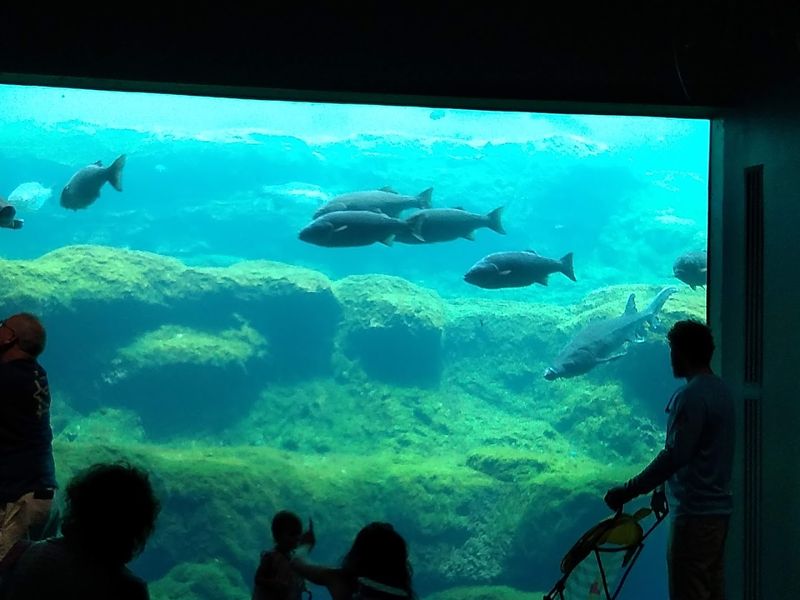
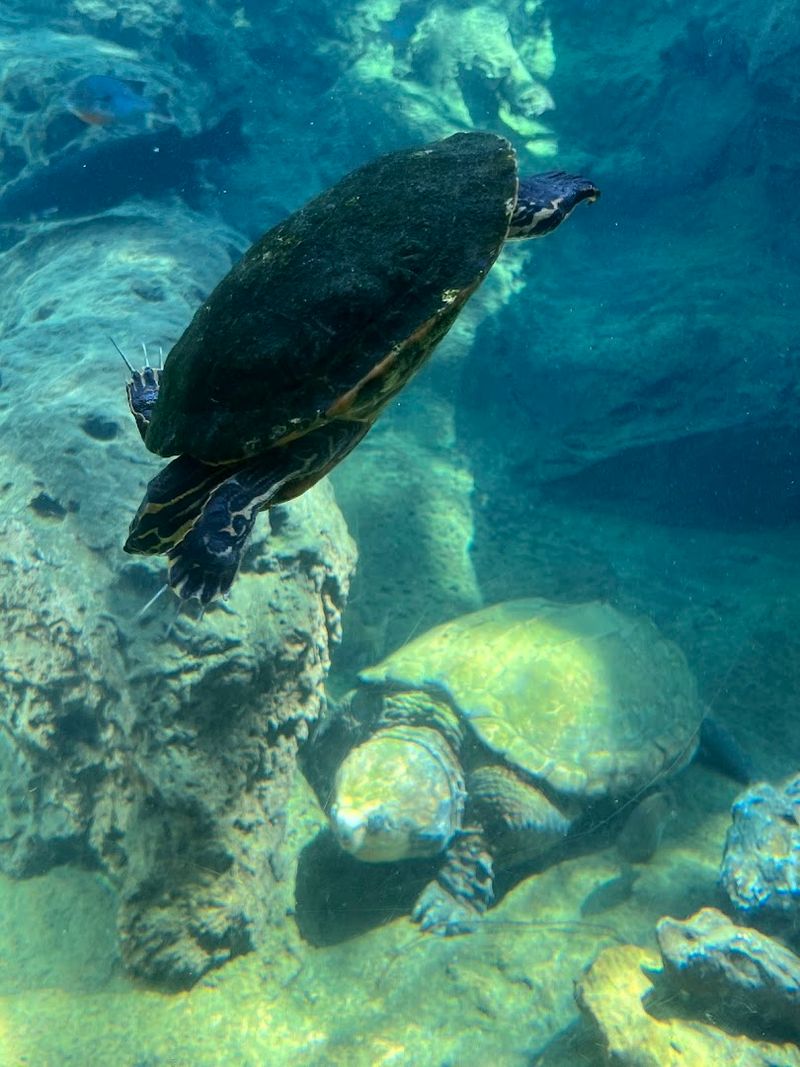
Standing at the edge of a 175,000-gallon open-air tank and watching a live alligator glide past just a few feet away is genuinely unforgettable. The Blue Hole Spring is the crown jewel of the Flint RiverQuarium, located at 101 Pine Ave, Albany, GA 31701 and it is the kind of exhibit that stops people mid-sentence.
More than 150 fish species share this enormous tank alongside turtles and resident alligators, all thriving in a carefully managed habitat designed to mimic a natural Georgia spring. The scale of the tank alone is jaw-dropping, but what makes it special is how close visitors can get to the action.
Kids tend to press their faces right up to the viewing panels, completely transfixed. Adults are not much different. Plan to spend a good chunk of time here because the view keeps changing as different animals swim into focus.
2. The Flint River Gallery Journey
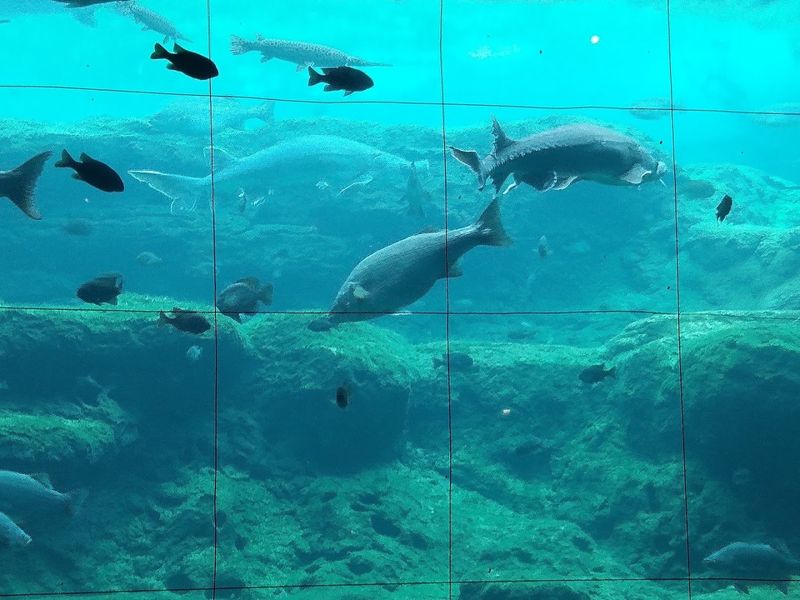
Few exhibits manage to tell a river’s entire story from start to finish, but the Flint River Gallery does exactly that with impressive clarity. Visitors follow the 350-mile path of the Flint River all the way from its Georgia headwaters to the Gulf of Mexico, encountering freshwater and saltwater species along the way.
The Flint RiverQuarium and this gallery is one of the most educational sections inside the building. Each tank is thoughtfully labeled to show where along the river that particular species would naturally be found.
Seeing how the river ecosystem gradually shifts from freshwater to brackish to saltwater is a surprisingly moving experience. It puts the whole concept of a river watershed into perspective in a way that no textbook really can. Science teachers especially tend to love this exhibit for the real-world connections it creates.
3. Meet Moonshine the Albino Alligator

Albino alligators are extraordinarily rare in the wild, and getting to see one up close is the kind of experience most people never get in a lifetime. Moonshine, the resident albino alligator at the Flint RiverQuarium, has become one of Albany’s most beloved animal celebrities.
The RiverQuarium gives Moonshine a dedicated habitat where visitors can observe this striking creature at close range. The pale white scales and pinkish eyes make Moonshine look almost otherworldly compared to a typical alligator.
Albinism in alligators is caused by a genetic mutation that prevents normal pigment production, which also means these animals have a harder time surviving in the wild due to lack of camouflage. Seeing Moonshine in person brings that biology lesson to life in the most vivid way possible. It is easily one of the most talked-about moments visitors mention after their trip.
4. The Cypress Pond Aviary Experience
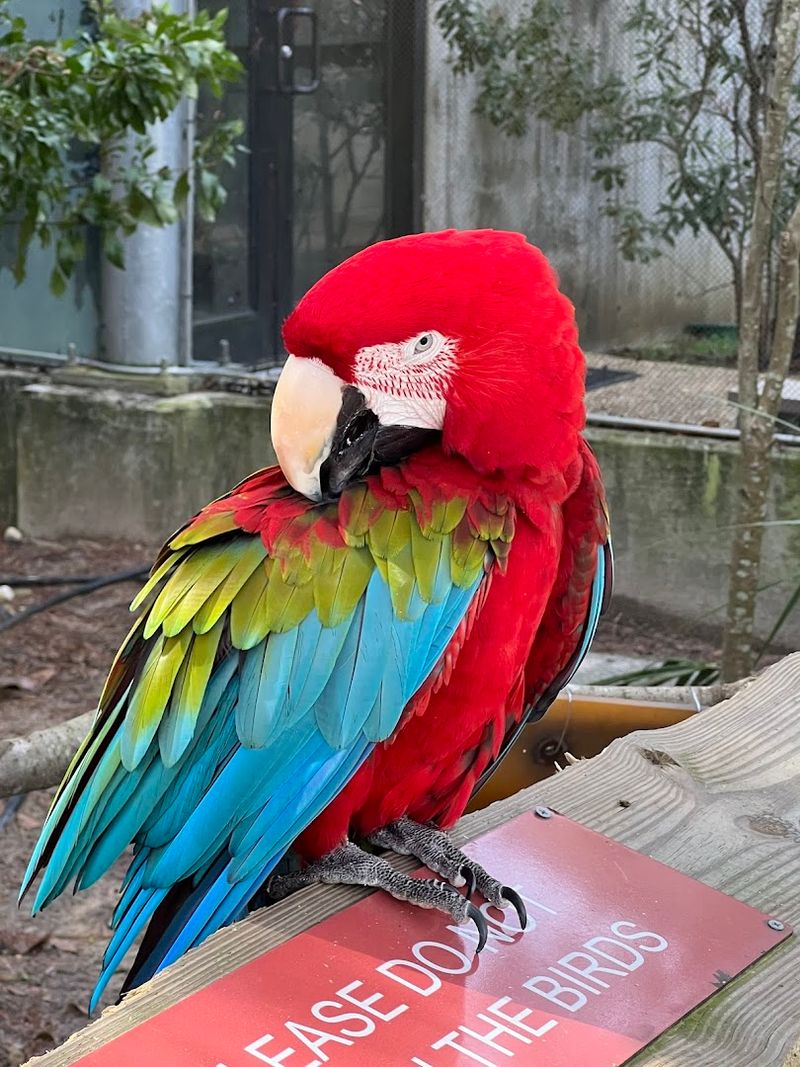
Walking into a 35-foot-tall aviary feels like stepping into a living nature documentary. The Cypress Pond Aviary at the Flint RiverQuarium houses birds native to the Flint River basin alongside several migratory species, all coexisting in a beautifully constructed enclosure that mimics their natural wetland habitat.
The aviary is one of those areas where visitors tend to slow down and linger longer than expected. The sounds alone, birdsong echoing through the tall space, create a calming atmosphere that feels miles away from everyday life.
Spotting different bird species perched among the cypress trees requires patience and a keen eye, which makes it a genuinely rewarding activity for birdwatching enthusiasts of any skill level. Children often get excited when a bird swoops unexpectedly overhead. Bring a camera because the natural lighting inside this enclosure makes for surprisingly beautiful photos.
5. The On-Site Fish Hatchery

There is something quietly fascinating about watching an entire life cycle unfold in miniature. The on-site hatchery at the Flint RiverQuarium gives visitors a rare front-row seat to the process of raising fish from eggs all the way to fingerlings, which are young fish ready for release into the wild.
This section of the RiverQuarium adds a conservation dimension that elevates the whole visit beyond a typical aquarium experience. Seeing the different developmental stages laid out in sequence makes the biology of fish reproduction genuinely easy to grasp.
For school groups, this exhibit tends to generate a lot of questions and genuine curiosity among students who have never thought much about where fish actually come from. The hatchery also connects directly to the RiverQuarium’s broader mission of protecting and restoring native fish populations in the Flint River basin. It is practical conservation work made visible.
6. Discovery Caverns Interactive Exhibits
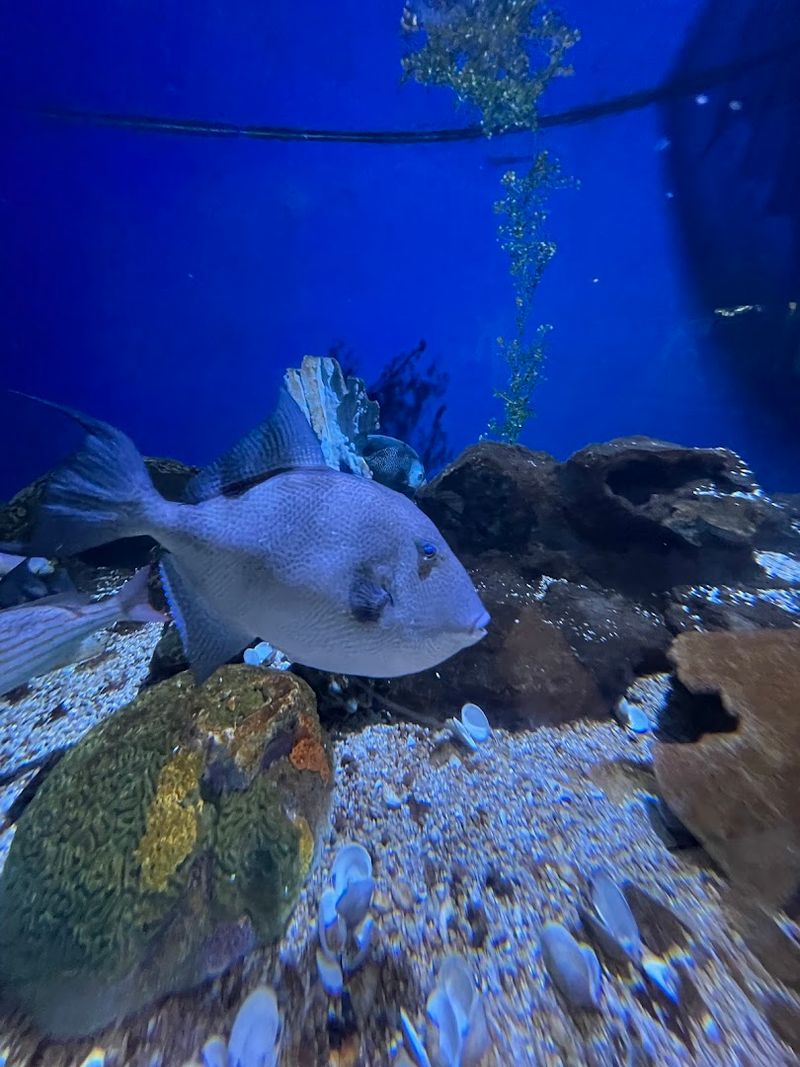
Not every great exhibit needs a massive tank or a live animal to be compelling. Discovery Caverns proves that interactive learning about water dynamics and river systems can be just as captivating, especially for younger visitors who want to touch, experiment, and explore.
The Flint RiverQuarium designed this section specifically to make concepts like water flow, erosion, and underground aquifers accessible and genuinely fun to engage with. The cave-themed environment adds an adventurous atmosphere that kids respond to immediately.
Parents appreciate that Discovery Caverns keeps children actively involved rather than just walking and watching. The hands-on format encourages questions and experimentation, which tends to make the information stick much longer than passive observation would. It is also a great spot to take a breather from the larger exhibits while still staying fully engaged with the RiverQuarium’s educational mission.
Budget at least 20 to 30 minutes here.
7. World of Water Global Exhibit
Water is the most essential resource on the planet, and the World of Water exhibit puts that truth into vivid context. Rather than focusing only on Georgia’s rivers, this section of the Flint RiverQuarium takes visitors on a broader journey through aquatic ecosystems from around the globe.
The RiverQuarium uses this exhibit to highlight how different rivers and water systems around the world support unique communities of life, while also addressing the very real challenges of water scarcity and conservation on a global scale.
The exhibit manages to feel both educational and urgent without being overwhelming or preachy. Displays are clear, visually engaging, and written in language that works for all ages. It is a thoughtful reminder that the health of a local river like the Flint is part of a much larger global story.
Visitors often leave this area with a noticeably different perspective on everyday water use.
8. Hands-On Educational Programs
Some of the best learning happens when you are not sitting at a desk. The Flint RiverQuarium offers structured educational programs that are aligned with Georgia Standards of Excellence, making them a natural fit for school field trips while also being genuinely enjoyable for curious families visiting independently.
The RiverQuarium designs these programs to be as interactive as possible, with live animal presentations and guided demonstrations that bring classroom concepts into three-dimensional reality. Staff educators are knowledgeable and clearly enthusiastic about what they do.
Groups can book specific programs in advance, which is highly recommended during peak school visit seasons in spring and fall. Even without a scheduled program, visitors often catch spontaneous presentations near major exhibits throughout the day. These moments of unexpected learning are one of the things that make the RiverQuarium feel like more than just a place to look at fish.
It genuinely teaches.
9. The Water, Wings and Wildlife Festival
Once a year, the Flint RiverQuarium transforms into something even more spectacular than usual. The Water, Wings and Wildlife Festival is an annual event that draws visitors from across Georgia and beyond, offering activities like butterfly releases, jellyfish exhibits, and live interactions with birds of prey.
The festival takes place at the RiverQuarium’s main campus and it turns an already impressive attraction into a full-day celebration of Georgia’s natural world. The energy during festival weekend is noticeably different from a regular visit, with a festive outdoor atmosphere layered on top of the usual indoor exhibits.
Checking the RiverQuarium’s official calendar ahead of a visit is a smart move for anyone who wants to time their trip to coincide with this event. Tickets may sell faster during festival periods, so booking early is a practical tip worth following. It is the kind of event that tends to become an annual family tradition.
10. The Adventure Center and Imagination Theater

Changing exhibitions keep things fresh, and the Adventure Center at the Flint RiverQuarium is where that variety lives. Housing rotating displays alongside the Imagination Theater, this space adds a layer of entertainment and storytelling that complements the more science-focused exhibits found elsewhere in the building.
Found inside the main complex the Adventure Center is worth checking before a visit to see what current exhibition might be running. Past exhibitions have covered topics ranging from deep-sea life to environmental challenges, giving repeat visitors a genuine reason to come back.
The Imagination Theater offers an immersive screen experience that can make certain concepts, like the scale of ocean ecosystems or the force of a river current, feel viscerally real in a way that static displays simply cannot replicate. It is a smart addition to the overall experience and tends to be especially popular with younger children who respond strongly to large-format visual storytelling.
11. Freshwater Mussel Conservation Research
Behind the scenes of a great aquarium, there is often serious scientific work happening that most visitors never hear about. The Flint RiverQuarium actively participates in freshwater mussel research projects focused on studying native mussel species and their host fish relationships in the Flint River basin.
This conservation work positions the RiverQuarium as more than an entertainment venue. It is a functioning research institution contributing to the recovery of some of Georgia’s most threatened aquatic species.
Freshwater mussels are among the most endangered animal groups in North America, and the Flint River basin supports a surprisingly diverse community of native mussel species that depend on healthy water quality and specific host fish to complete their life cycle. Learning about this research during a visit adds a layer of real-world relevance to the exhibits. It is a reminder that the work being done here has consequences far beyond the walls of the building.
12. Family-Friendly Fun for All Ages
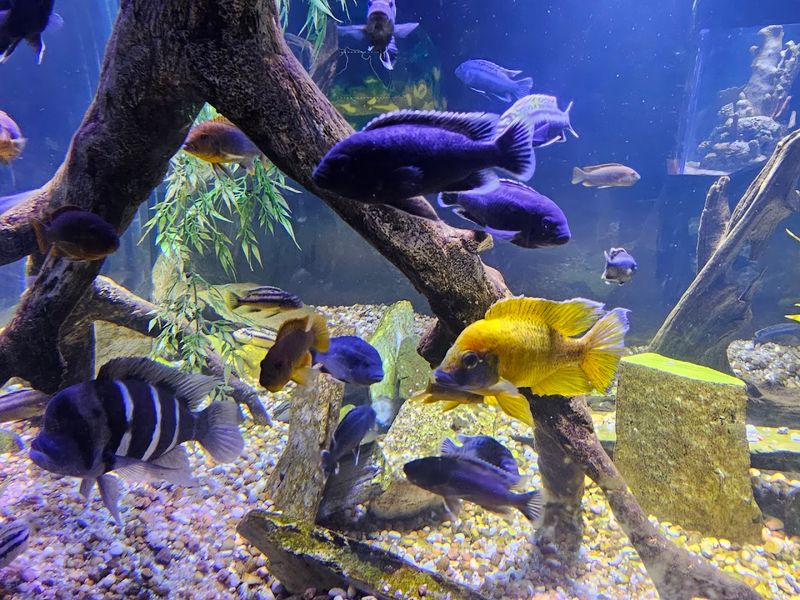
Not every attraction manages to genuinely work for a five-year-old and a fifty-year-old at the same time, but the Flint RiverQuarium pulls it off with ease. The combination of live animals, interactive stations, visual storytelling, and educational depth creates a layered experience that meets visitors wherever they are developmentally.
The RiverQuarium is designed with families in mind, featuring exhibit heights, signage language, and activity stations that are accessible to younger children without feeling dumbed-down for adults. Stroller-friendly pathways and accessible viewing areas make the visit comfortable for families with very small children or mobility considerations.
Groups that include a wide range of ages, from grandparents to toddlers, consistently report that everyone finds something to connect with. The pacing of the exhibits allows families to move at their own speed, spending more time in the areas that spark the most interest. Weekend mornings tend to be a popular time for family visits.
13. Learning About Local Flint River Ecosystems
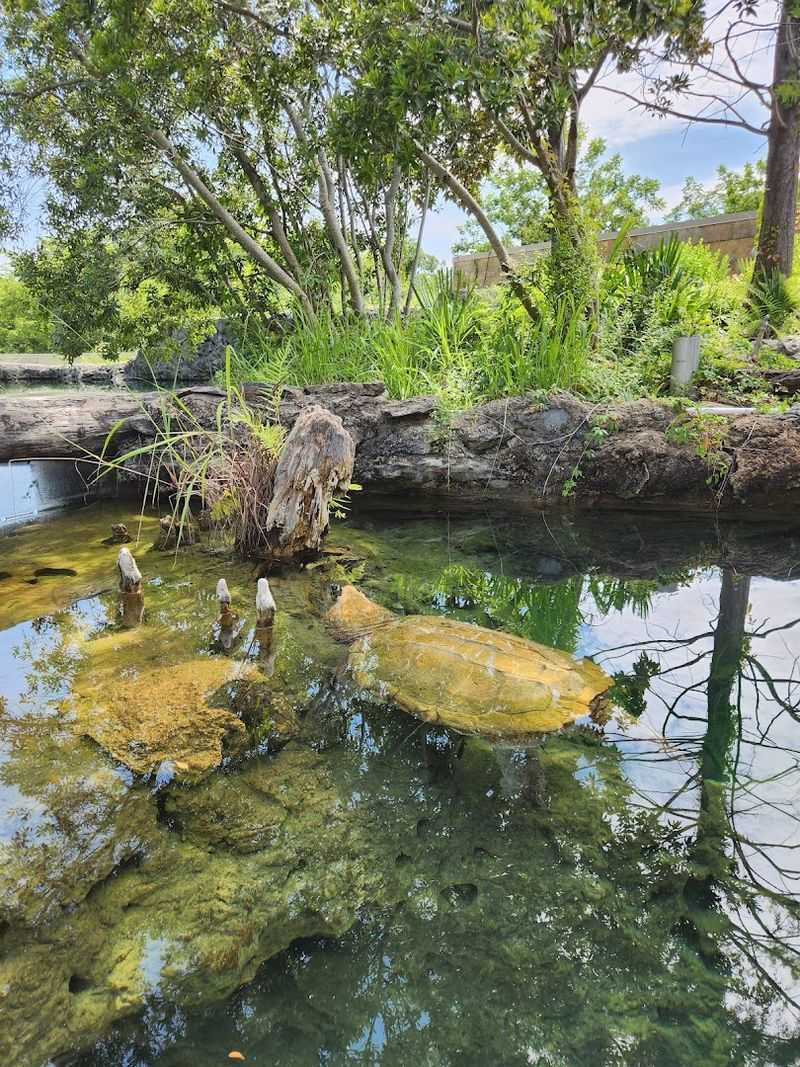
Georgia’s Flint River is one of the last free-flowing rivers in the eastern United States, making it ecologically significant in ways that most people outside the scientific community do not fully appreciate. The RiverQuarium dedicates substantial exhibit space to helping visitors understand what makes this river system so worth protecting.
Displays walk visitors through the specific plants, animals, and water quality conditions that define the Flint River ecosystem across its different zones. The information is presented accessibly, with clear visuals and plain-language explanations that make complex ecological concepts easy to absorb.
Understanding a local ecosystem creates a kind of personal investment in its health that abstract environmental messaging rarely achieves. Visitors who come in knowing little about the Flint River often leave feeling a surprising sense of connection to this specific stretch of Georgia’s natural landscape. That shift in awareness is one of the most valuable things the RiverQuarium offers.
14. Virtual Learning Resources for Schools
Not every student can make it to Albany for a field trip, but the Flint RiverQuarium has found a way to bring the experience to them. A continuously growing library of free educational videos produced by the RiverQuarium staff is available online, covering topics tied directly to the aquatic ecosystems and conservation work featured inside the building.
The RiverQuarium, developed these virtual resources with both at-home learners and classroom teachers in mind, making them flexible enough to fit a wide range of educational settings and grade levels. Teachers across Georgia have incorporated these videos into their curricula as a supplement to in-person science instruction.
The quality of the content reflects the same commitment to accuracy and accessibility that defines the in-person experience. For schools in rural Georgia that may have limited field trip budgets, these free resources represent a genuinely valuable equalizer. Checking the RiverQuarium’s official website for the latest additions to the video library is worthwhile before any lesson planning.
15. Supporting Local Education Through Albany State University Collaboration
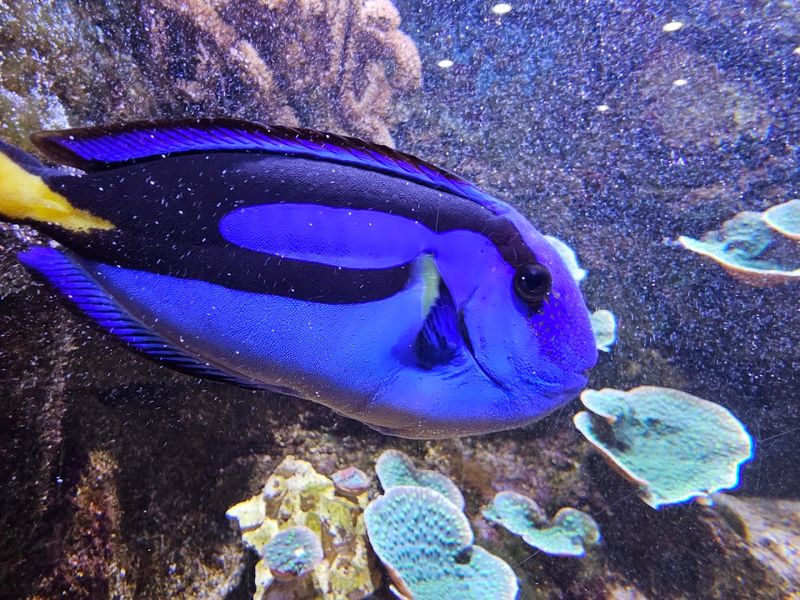
Community partnerships can turn a good institution into a great one, and the Flint RiverQuarium’s collaboration with Albany State University is a strong example of that principle in action. Together, the two institutions work to advance water-related research and develop educational programs that benefit both university students and the broader Albany community.
Research conducted through this collaboration has contributed to a deeper scientific understanding of the Flint River basin’s water systems and aquatic biodiversity.
For visitors, this partnership manifests in the quality and credibility of the information presented throughout the exhibits. Knowing that the content is informed by active academic research adds a layer of confidence in the accuracy of what is being shared. Supporting a visit to the RiverQuarium is, in a meaningful way, supporting local science education in Southwest Georgia.