20 California Quaint Towns You’ll Totally Fall In Love With
The road gets quieter. The traffic fades away. A small town appears where the pace feels completely different.
Places like that have a way of slowing everything down.
Main streets stay walkable. Old storefronts hold local shops and cafés. Conversations stretch a little longer while the afternoon light settles across the town square. It feels easy to linger.
Small towns across the state carry that kind of charm. Some sit beneath towering redwoods. Others rest along rugged coastlines, golden foothills, or wide desert valleys. Each one moves at its own steady rhythm.
History runs quietly through many of them too. Old Gold Rush settlements, coastal fishing villages, and mountain communities still keep pieces of the past woven into everyday life.
Travelers often arrive planning a short stop and end up staying longer than expected.
Small-town travel in California has a way of doing that. A single scenic drive can turn into a weekend escape filled with quiet streets, welcoming locals, and places that feel refreshingly unhurried.
1. Harmony
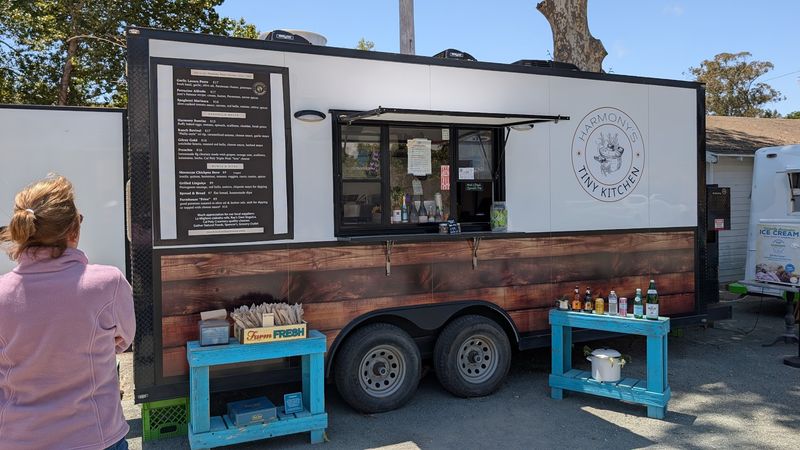
Blink and it is easy to miss Harmony, one of the smallest unincorporated communities in all of California, with a population that rarely climbs above a handful of residents.
Sitting quietly along Highway 1 between Cambria and Cayucos, the town covers less than two acres of land and carries a relaxed, almost dreamlike quality that feels unlike anywhere else on the Central Coast.
The old creamery buildings that once processed dairy from surrounding ranches have been converted into artist studios and a small wedding chapel.
Visitors who stop here tend to wander slowly, peering into the glassblowing studio or browsing handmade pottery displayed in sun-warmed spaces.
The pace is unhurried by design, and the surrounding hills roll gently toward the Pacific in a way that makes the drive itself feel like part of the experience.
There are no crowds, no traffic lights, and no chain restaurants competing for attention.
Harmony is the kind of place that rewards curiosity over planning, and stopping here even briefly tends to leave a lasting impression.
The artistic spirit embedded in its tiny footprint makes it a genuinely worthwhile detour along the scenic coastal highway route.
2. Locke
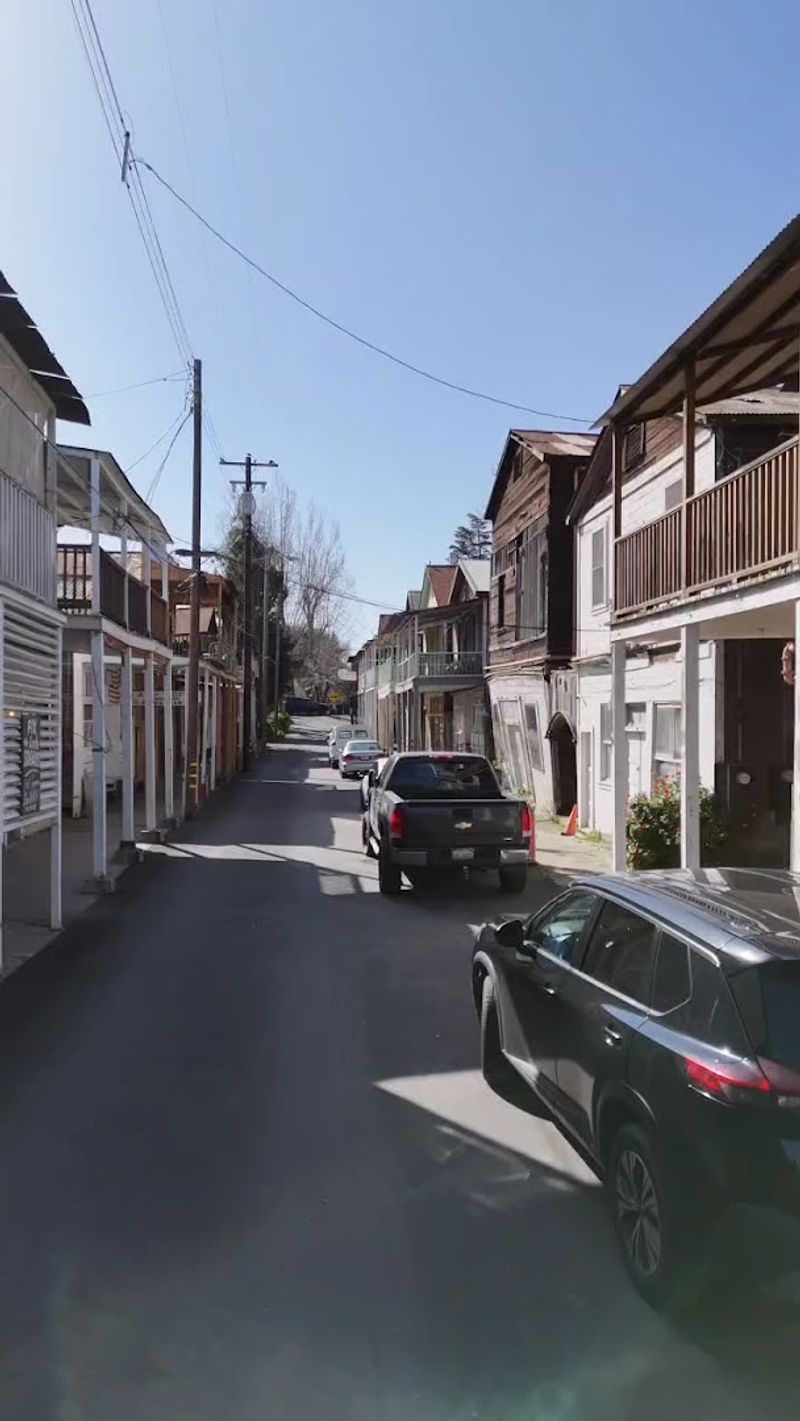
Locke holds a remarkable place in California history as one of the only rural towns in the United States built and inhabited almost entirely by Chinese immigrants.
Founded in 1915 along the Sacramento River in the Sacramento-San Joaquin Delta, the town was constructed by Cantonese laborers who had worked on the transcontinental railroad and later farmed the surrounding delta land.
The wooden boardwalks and two-story false-front buildings along Main Street have remained largely unchanged for over a century.
Walking through Locke feels like stepping into a living museum, though the town is very much real and still home to a small number of residents.
The Dai Loy Museum, located in a former gambling hall, offers insight into the daily lives of the people who built and sustained this community through difficult decades of exclusion and hardship.
The surrounding levee roads and pear orchards add to the sense of rural quietude that surrounds Locke.
A visit here connects travelers to a chapter of California history that deserves far more recognition than it typically receives.
3. Coulterville
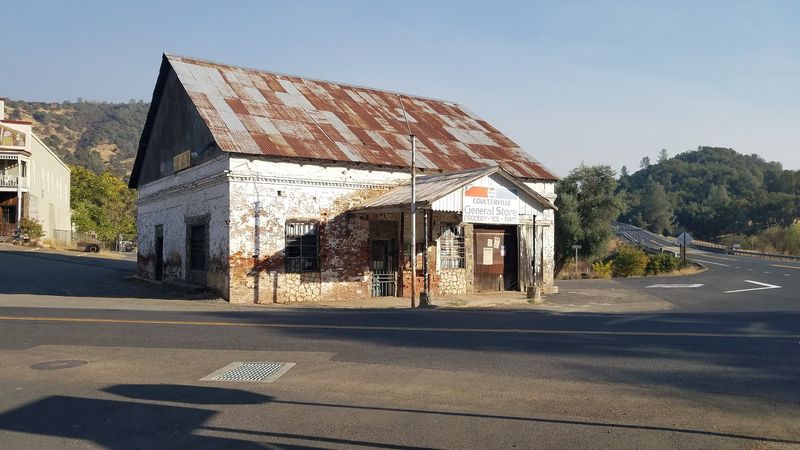
Coulterville sits at the edge of the Sierra Nevada foothills in Mariposa County and carries the weathered charm of a town that has been quietly holding its ground since the Gold Rush era.
Founded in the late 1840s, the town once bustled with miners, merchants, and travelers heading toward Yosemite, and its historic core still reflects that layered past.
Stone buildings and crumbling adobes line the main street alongside the Northern Mariposa County History Center, which preserves artifacts and stories from the region’s earliest days.
The Jeffrey Hotel, built in 1851 and still standing on Main Street, is one of the oldest continuously operating hotels in California and adds a tangible sense of age to the streetscape.
Coulterville is small enough to explore on foot in under an hour, but the density of history packed into those few blocks rewards a slower and more attentive pace.
The surrounding oak woodlands and seasonal wildflowers make the drive into town a pleasure in its own right.
Travelers heading to Yosemite National Park often pass through without stopping, which makes Coulterville feel like a genuinely undiscovered gem for those willing to pause and look around.
The quiet here is real and deeply felt.
4. Downieville
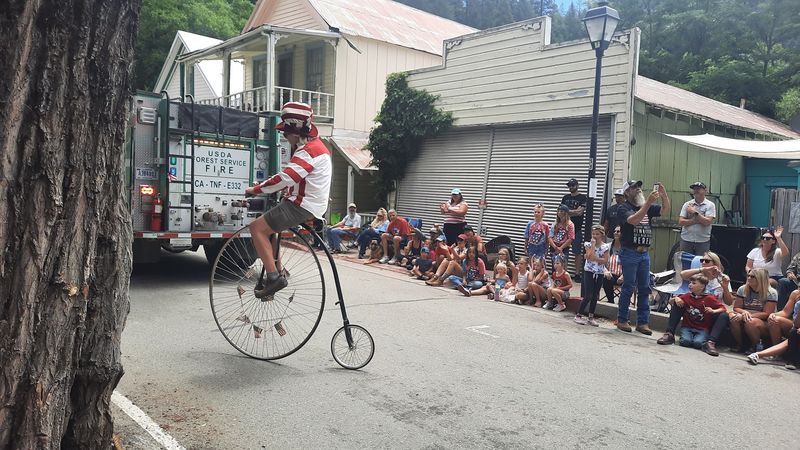
Perched at the confluence of the Downie River and the North Yuba River in Sierra County, Downieville is one of the most scenically positioned small towns in all of Northern California.
The town sits at roughly 2,900 feet in elevation, surrounded by forested ridges and granite canyon walls that give it a remote and sheltered feeling even during peak summer months.
Founded during the Gold Rush in 1849, Downieville served as the county seat and still holds that role today despite having fewer than 300 permanent residents.
The historic courthouse, the old gallows site, and the collection of original 19th-century buildings along Main Street make the town a rewarding stop for anyone interested in California’s mining history.
Mountain biking has also become a major draw in recent decades, with the Downieville Downhill trail attracting riders from across the country each summer.
The river below town offers swimming holes that are popular with locals on warm afternoons.
Getting to Downieville requires navigating winding mountain roads, and that sense of effort makes the arrival feel earned.
The town rewards patience, and those who make the trip often find themselves wanting to stay longer than originally planned.
5. Dunsmuir
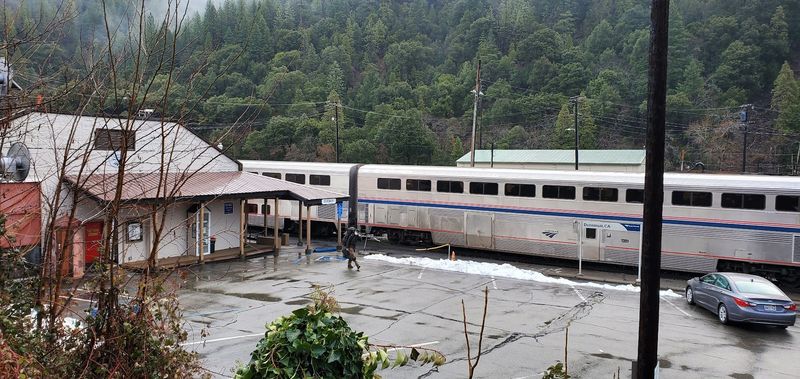
Dunsmuir grew up along the railroad tracks in Siskiyou County, and the influence of that rail history is still visible in the architecture and layout of the town today.
Sitting beside the upper Sacramento River at around 2,300 feet in elevation, Dunsmuir is surrounded by dense conifer forests and volcanic rock formations that make the landscape feel dramatic without being overwhelming.
The river here is well known among fly-fishing enthusiasts for its clarity and the quality of its wild trout population.
The downtown stretch along Dunsmuir Avenue has seen a quiet revival in recent years, with locally owned restaurants, a small brewpub, and vintage shops occupying buildings that date back to the early 20th century.
The Dunsmuir Botanical Gardens, located at 4841 Dunsmuir Ave, Dunsmuir, CA 96025, offer a peaceful place to walk among native plants and listen to the sound of moving water.
Castle Crags State Park is just a short drive south and provides access to dramatic granite spires that rise more than 6,500 feet.
Dunsmuir attracts a mix of outdoor enthusiasts, history seekers, and travelers simply passing through on Interstate 5 who decide to pull off and stay awhile.
That unplanned quality suits the town perfectly.
6. Etna
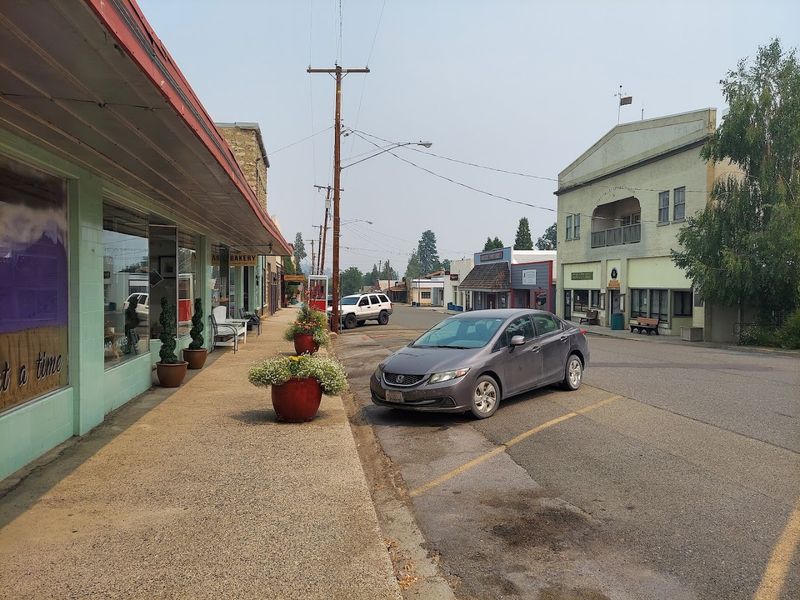
Etna sits in the broad and fertile Scott Valley of Siskiyou County, ringed by mountain ranges that include the Marble Mountains to the west and the Scott Bar Mountains to the east.
The town was established in the 1850s as a supply hub for miners working the surrounding hills, and its compact downtown still carries the bones of that practical, hardworking past.
With fewer than 800 residents, Etna moves at a pace that feels genuinely unhurried rather than performatively slow.
The Etna Brewing Company, one of the oldest craft breweries in California, has been part of the community since 1872 and continues to operate as a local gathering point.
Hikers and backpackers heading into the Marble Mountain Wilderness often use Etna as their last resupply stop before heading into the backcountry along the Pacific Crest Trail.
The surrounding valley farmland, with its hay fields and cattle ranches, gives the town a pastoral quality that feels increasingly rare in modern California.
Etna rewards travelers who enjoy the feeling of arriving somewhere that has not been packaged for tourism.
The landscape is generous and the community is tight-knit in a way that visitors tend to notice and appreciate almost immediately upon arrival.
7. Los Alamos
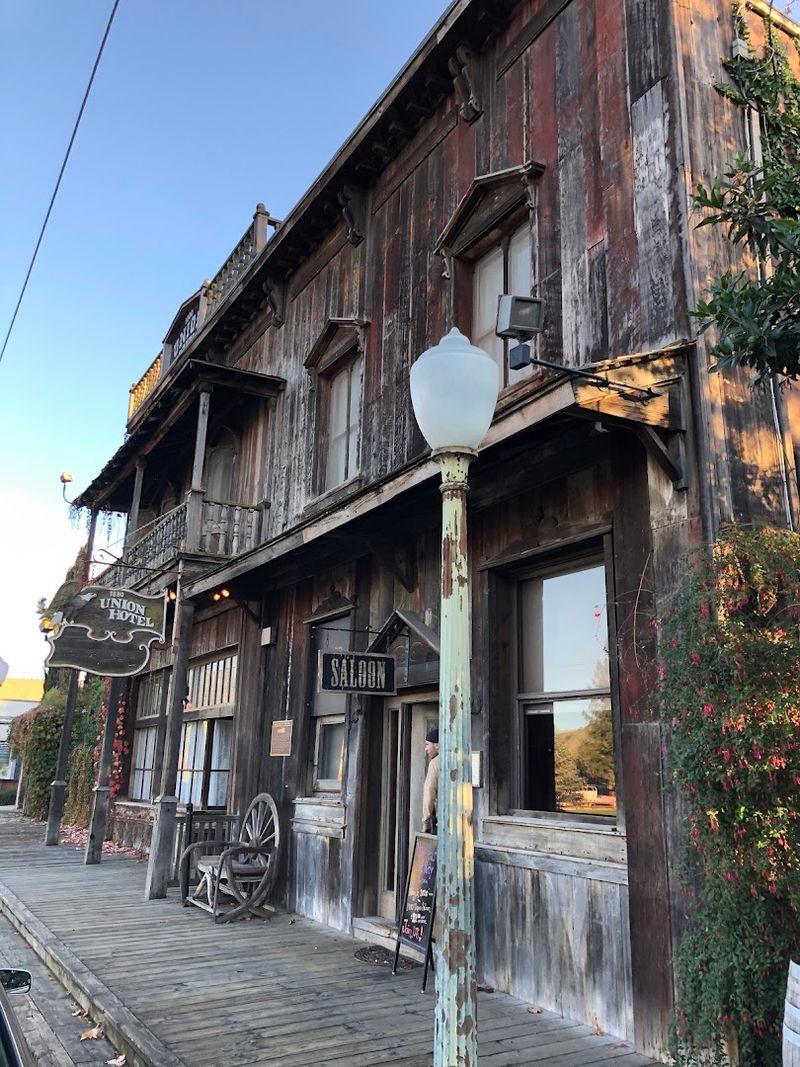
This is a small unincorporated community in the Santa Ynez Valley of Santa Barbara County, and it has quietly developed into one of the more interesting culinary and cultural stops along the Central Coast.
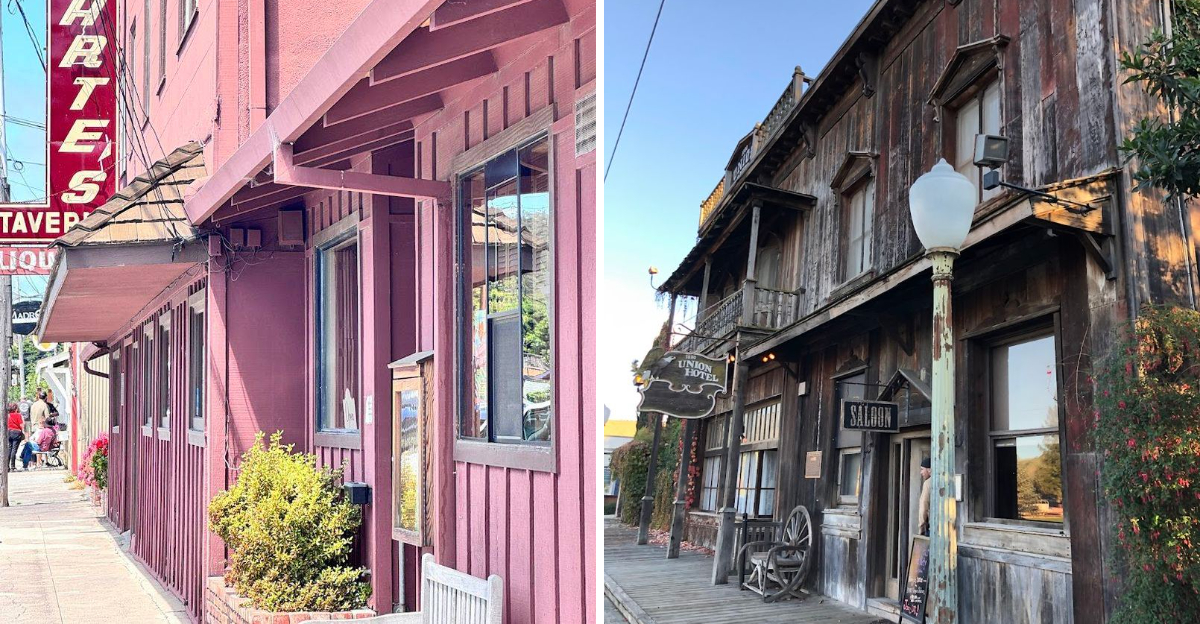
The town was originally a stagecoach stop founded in the 1870s, and the old Union Hotel that anchors Bell Street has been restored and continues to serve as a social center for the community.
The main drag, Bell Street, is lined with antique shops, specialty food stores, and independently owned restaurants that draw visitors from Santa Barbara and beyond.
Bob’s Well Bread Bakery at 550 Bell St, Los Alamos, CA 93440 is a popular stop for freshly baked loaves and pastries made from locally sourced grains and seasonal ingredients.
The surrounding countryside is dotted with vineyards and farm stands that reflect the agricultural richness of the Santa Ynez Valley floor.
Los Alamos has a relaxed and slightly offbeat personality that sets it apart from the more polished wine towns nearby.
Weekend visitors tend to arrive mid-morning and spend several hours wandering between shops and stopping for food, making the town feel lively without ever feeling crowded.
The scale of the place keeps everything within easy walking distance.
8. Mokelumne Hill
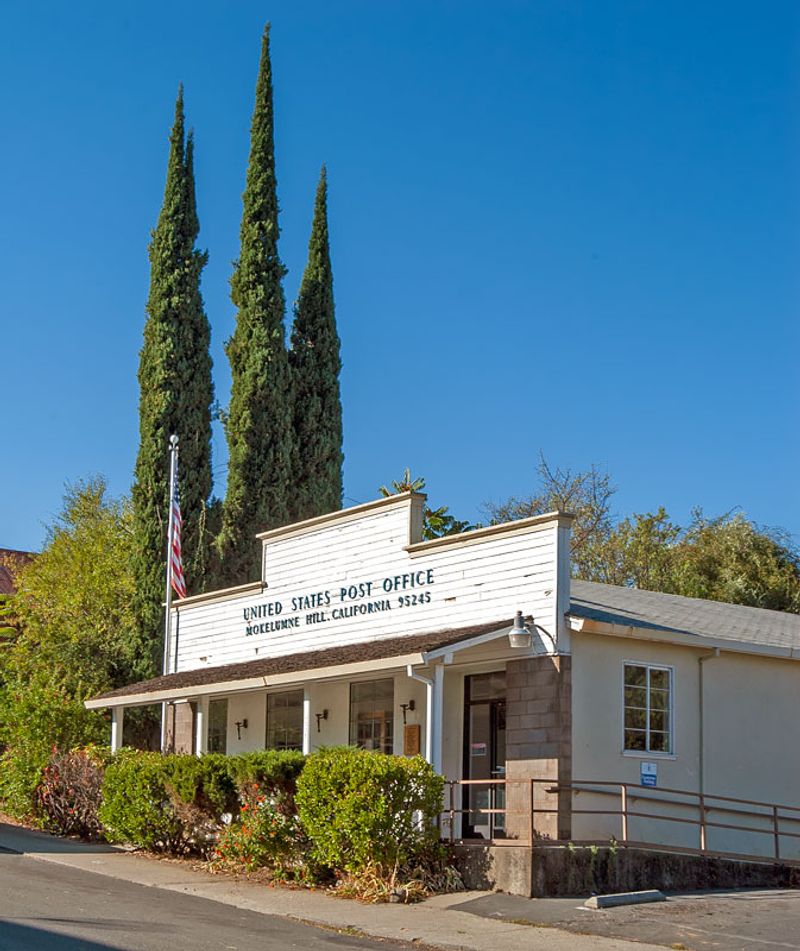
Often called Mok Hill by locals, Mokelumne Hill is one of the quieter survivors of the Gold Rush towns scattered across Calaveras County in the Sierra Nevada foothills.
At its peak in the early 1850s, the town was one of the most densely populated and prosperous mining settlements in California, with a reputation for both wealth and violence.
Today it has fewer than 700 residents and a downtown that feels remarkably preserved, with stone buildings and wooden storefronts that date back to the mid-19th century.
The Hotel Leger, which has operated in various forms since 1851, anchors the historic district and gives the town a tangible sense of continuity across generations.
The surrounding hills are covered in oak and chaparral, and the seasonal light that filters through those trees in the late afternoon gives the streets a warm and slightly timeless quality.
Calaveras County is also home to the famous jumping frog contest made famous by Mark Twain, adding a layer of literary history to the region.
Mokelumne Hill is the kind of place that rewards slow exploration rather than a quick drive-through.
The details in the old facades and the quiet of the streets have a way of drawing visitors back for a second look.
9. San Juan Bautista
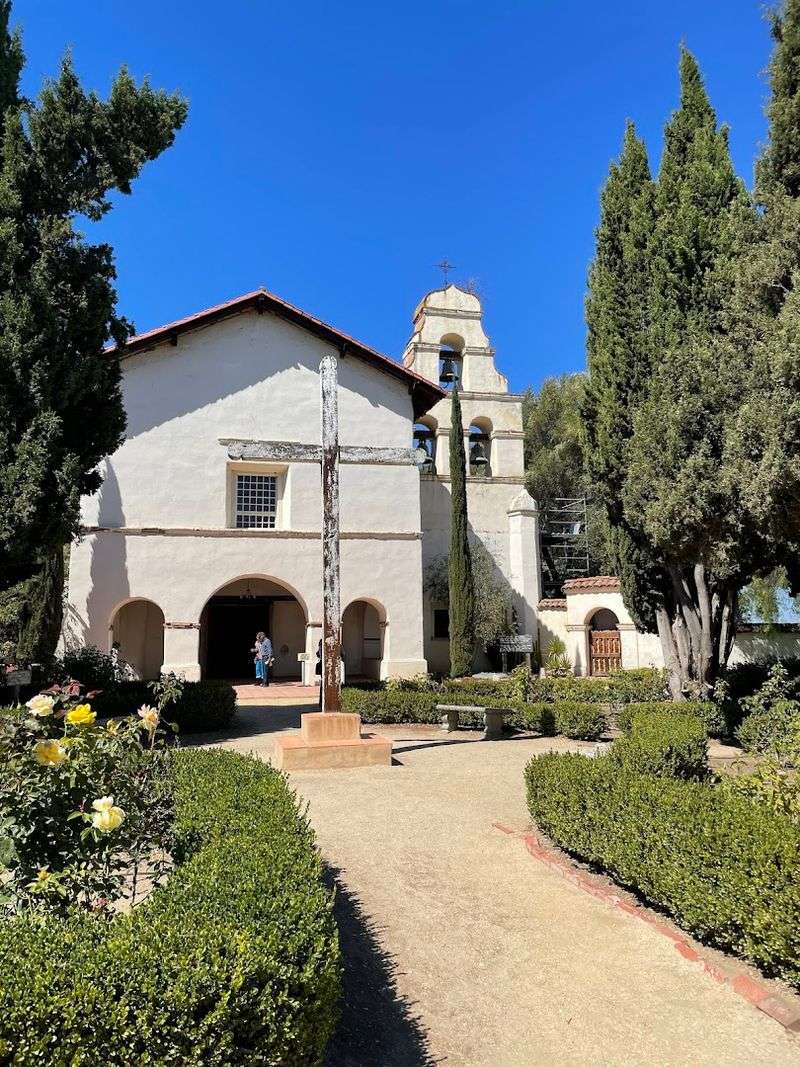
This is one of the best-preserved examples of a California mission town, and its historic plaza is among the most intact in the state.
Founded in 1797 around Mission San Juan Bautista, the town developed into a thriving agricultural and commercial hub during the Spanish and Mexican periods of California history.
The mission, the old plaza hotel, the stable, and the jail still stand around the central park, creating a coherent historic district that feels lived-in rather than merely preserved.
Mission San Juan Bautista at 406 2nd St, San Juan Bautista, CA 95045 remains an active parish church and welcomes visitors throughout the week.
The town sits directly above the San Andreas Fault, which adds a geological dimension to its history that the state park interpretive materials address in detail.
The main street running through town has a handful of Mexican restaurants, bakeries, and small shops that reflect the region’s ongoing cultural connections to its Spanish and Mexican past.
San Juan Bautista tends to be busiest on weekends when visitors come for the historic sites and the farmers market.
On weekday mornings the town feels calm and unhurried, which is when the atmosphere of the old plaza is easiest to absorb at a comfortable pace.
10. Point Arena
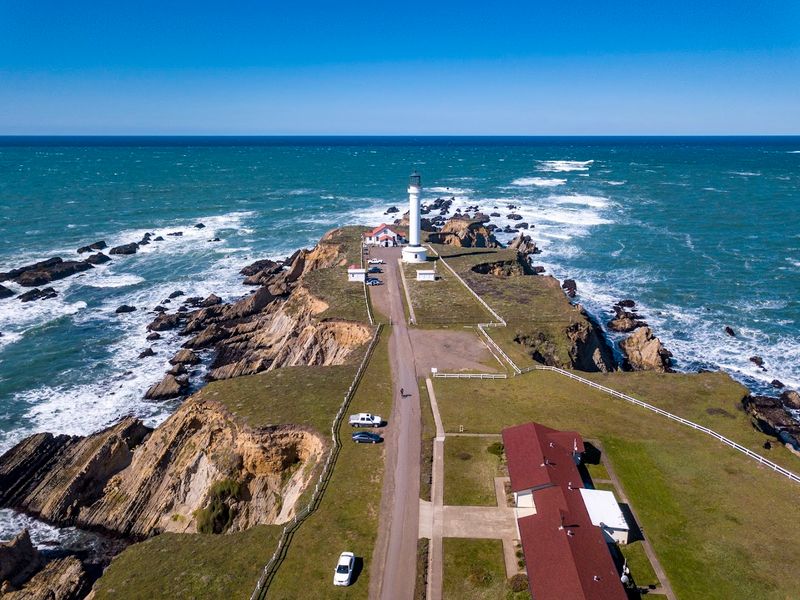
Point Arena sits on a narrow strip of Mendocino County coastline where the Pacific Ocean meets jagged bluffs and the wind rarely stops moving.
The town itself is small and unpretentious, with a main street that holds a grocery store, a few restaurants, and a scattering of local businesses that serve both residents and the trickle of visitors who find their way here.
The surrounding coast has a raw and unfiltered quality that feels very different from the more developed stretches of the California shoreline to the south.
Point Arena Lighthouse at 45500 Lighthouse Rd, Point Arena, CA 95468 is the tallest lighthouse on the West Coast at 115 feet and offers tours as well as overnight lodging in the historic keeper’s cottages.
The lighthouse grounds sit on a dramatic headland with views that extend far out over the open ocean on clear days.
Arena Cove below town has a small pier where fishing boats unload their catch, and the cove itself is a popular spot for kayakers and tidepoolers during calmer weather.
Point Arena rewards travelers who appreciate rugged coastal scenery without the crowds that follow more famous Mendocino County destinations.
The drive along Highway 1 approaching town from either direction is consistently beautiful throughout the year.
11. Trinidad
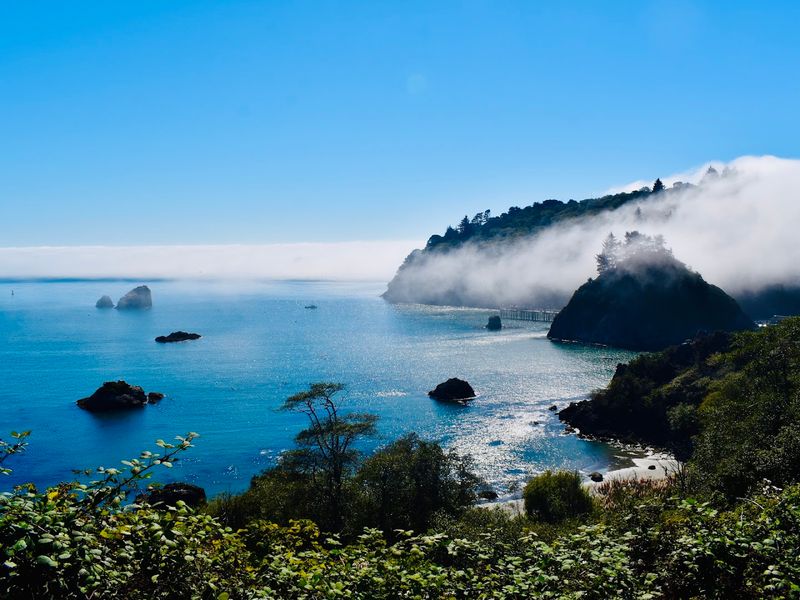
Trinidad is a tiny coastal town in Humboldt County with a natural harbor that has been used by fishermen for well over a century.
The town perches on bluffs above a crescent-shaped bay, and the views from the headland looking south toward Trinidad Head and the surrounding sea stacks are among the most photogenic on the entire Northern California coast.
With fewer than 400 permanent residents, Trinidad operates at a pace that feels entirely disconnected from the rush of urban California life.
Trinidad Memorial Lighthouse is a replica of the original 1871 lighthouse and sits in a small park above the harbor with sweeping views of the bay and coastline.
The harbor below supports an active commercial and sport fishing fleet, and fresh seafood is available at the docks during the fishing season.
Patrick’s Point State Park is just a few miles north and offers access to coastal bluffs, tide pools, and an authentic reconstructed Yurok village.
Trinidad tends to attract visitors who are already traveling the Redwood Coast and want to pause somewhere that feels genuinely small and scenic.
The combination of harbor, headland, and surrounding parkland makes it easy to fill a full day without any sense of rushing.
12. Bridgeport
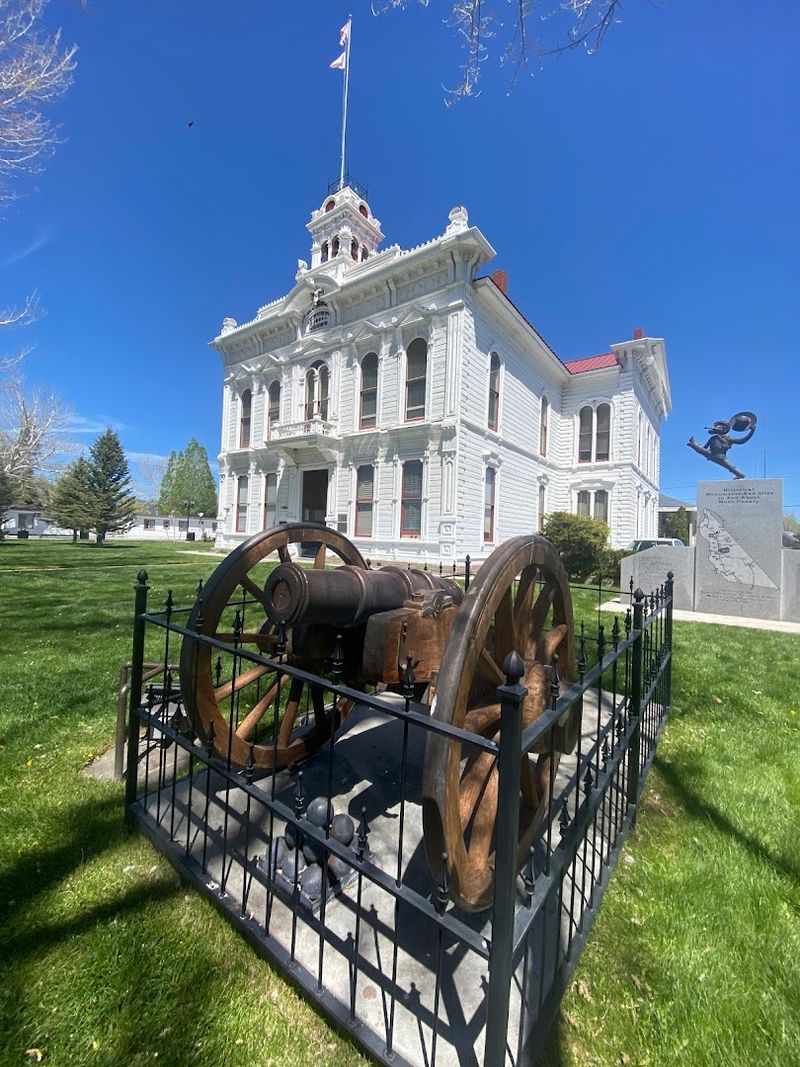
Bridgeport is the county seat of Mono County and sits in a wide open valley at around 6,500 feet in elevation, surrounded by mountains that hold snow well into spring and sometimes beyond.
The town has a frontier quality that comes from its geography as much as its architecture, with wide streets, a handful of motels, and the kind of hardware and feed stores that suggest the surrounding ranching economy is still very much alive.
The historic Mono County Courthouse, built in 1880, is one of the oldest courthouses still in use in California.
Mono County Courthouse at 278 Main St, Bridgeport, CA 93517 is a well-preserved Italianate structure that anchors the modest downtown and is listed on the National Register of Historic Places.
Bridgeport Reservoir just north of town draws anglers throughout the fishing season, and the surrounding high desert landscape offers hiking, wildlife viewing, and access to the Hoover Wilderness.
Twin Lakes Road leads south from town into the mountains toward some of the most scenic camping areas in the Eastern Sierra.
Bridgeport sees fewer visitors than the more famous Eastern Sierra destinations nearby, which gives it a quieter and more authentic character.
The stark beauty of the surrounding basin and range landscape makes even a short stop feel memorable.
13. Amador City
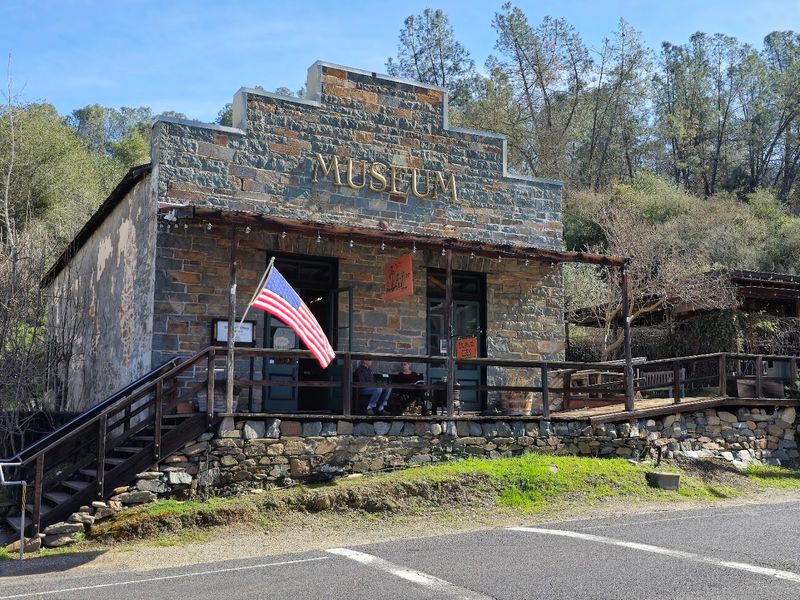
This town holds the distinction of being one of the smallest incorporated cities in California, covering less than a quarter of a square mile along Highway 49 in Amador County.
Despite its compact size, the town punches well above its weight in terms of charm, with a main street lined by carefully maintained 19th-century buildings that house antique shops, art galleries, and small boutiques.
The Imperial Hotel, which dates to 1879, anchors the historic district and continues to operate as a lodging and dining destination.
The surrounding Amador County wine country adds another dimension to a visit, with numerous family-owned wineries operating just outside of town along winding country roads.
Amador City itself was a productive gold mining center in the 1850s, and the Keystone Mine that once operated here was among the most lucrative hard-rock mining operations in the region.
The scale of the town means that everything is within easy walking distance, and the streetscape has a cohesion that feels genuinely historic rather than reconstructed.
Visitors who time a trip for a weekday morning tend to find the main street pleasantly quiet, with shop owners often happy to share the history of their buildings and the surrounding area.
The town rewards a slow and attentive pace.
14. Chester
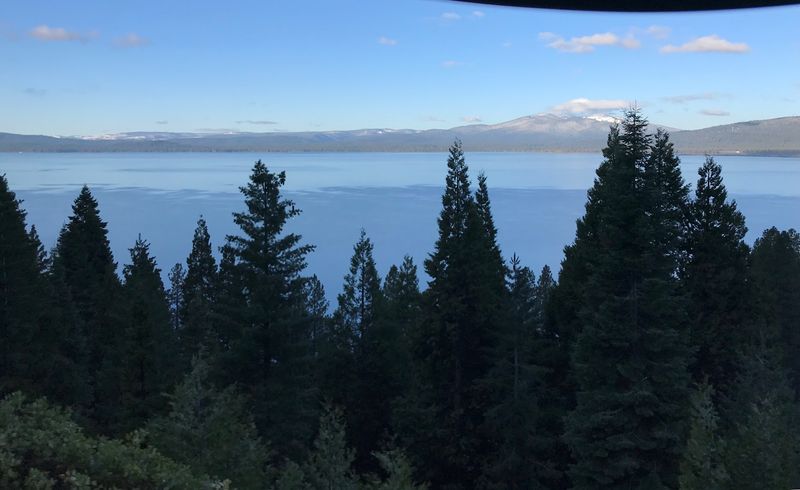
It sits on the northeastern shore of Lake Almanor in Plumas County, serving as a gateway community for visitors heading into the Lassen Volcanic National Park area and the surrounding Plumas National Forest.
The town has the feel of a mountain resort community without the high prices or crowds that typically come with that designation, and the lake itself is one of the largest reservoirs in Northern California.
Summer mornings in Chester tend to be crisp and clear, with the kind of mountain light that makes the surrounding pines and volcanic peaks look almost impossibly vivid.
The main commercial strip along Main Street has the practical mix of gear shops, diners, and grocery stores that serve both locals and the outdoor recreation crowd that passes through seasonally.
Lassen Volcanic National Park is roughly 25 miles to the west and offers access to hydrothermal features, alpine lakes, and trails through a landscape shaped by volcanic activity.
The proximity to both the lake and the national park makes Chester an ideal base for multi-day explorations of the region.
Chester tends to be quieter in the shoulder seasons of spring and fall, when the summer crowds have thinned but the landscape is still genuinely beautiful.
The pace of the town during those periods feels especially relaxed and welcoming to unhurried visitors.
15. Quincy
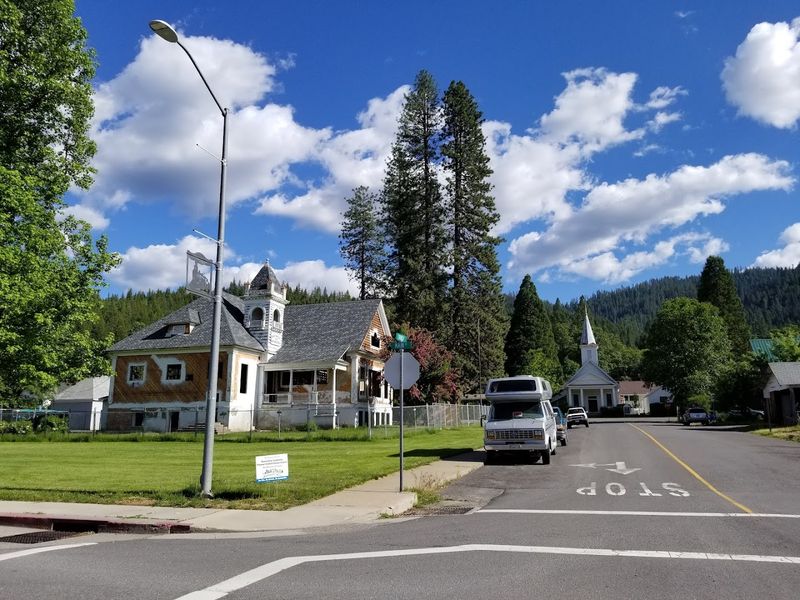
Here is the county seat of Plumas County and sits in a mountain valley at around 3,400 feet in elevation, surrounded by the forested ridges of the northern Sierra Nevada.
The town has a genuine small-city character with a working downtown that includes a historic courthouse, a public library, locally owned restaurants, and a farmers market that runs through the warmer months.
The Plumas County Courthouse, built in 1921, gives the town center a sense of civic permanence that is easy to appreciate on a slow walking tour.
The surrounding Feather River Canyon to the south is one of the most dramatic and least-visited landscapes in Northern California, with a scenic highway and railroad corridor that follows the river through steep granite walls and dense forest.
Quincy itself has a creative community that has grown in recent years, with art studios and live music venues adding texture to the town’s established outdoor recreation identity.
The Spanish Creek that runs through the valley floor near town is a peaceful spot for afternoon walks and wildlife watching.
Quincy attracts visitors who are looking for a mountain town experience without the commercialization that comes with more famous destinations in the Sierra Nevada.
The combination of natural beauty and genuine community character makes it a satisfying and unhurried destination throughout most of the year.
16. Weaverville
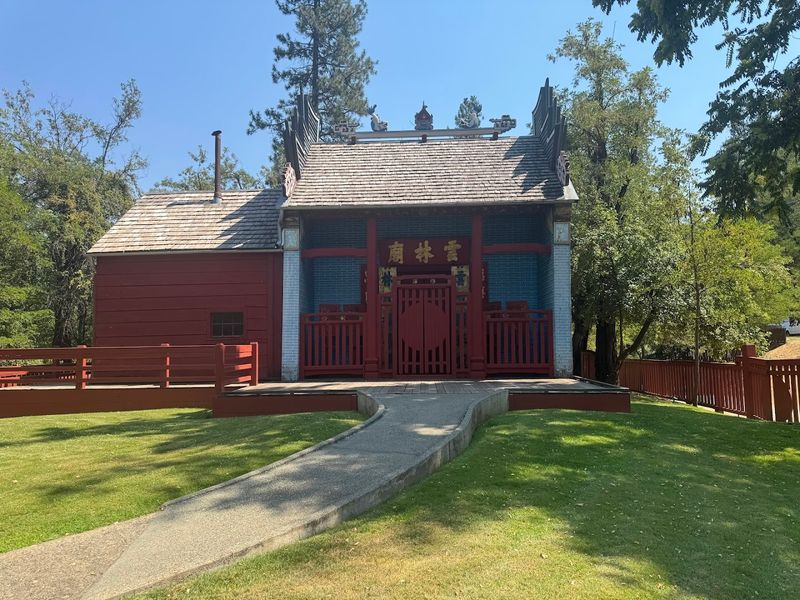
This is the county seat of Trinity County and sits in a forested valley along the Trinity River corridor at around 2,000 feet in elevation.
The town has one of the best-preserved 19th-century downtowns in the northern part of the state, with brick and iron-shuttered storefronts that date back to the 1850s and 1860s lining the main street in a way that feels genuinely intact.
Trinity County is one of the least-populated counties in California, which gives Weaverville a quiet and self-contained quality that is hard to find elsewhere.
Weaverville Joss House State Historic Park at 630 Main St, Weaverville, CA 96093 preserves the oldest continuously used Chinese Taoist temple in California, a remarkable structure that has served the local Chinese community since 1874.
The Jake Jackson Memorial Museum adjacent to the park provides additional context on the history of Trinity County and the diverse communities that shaped it.
Whiskeytown-Shasta-Trinity National Recreation Area surrounds the region and offers extensive opportunities for hiking, kayaking, and fishing in the surrounding lakes and rivers.
Weaverville rewards visitors who take the time to walk the main street and stop into the historic park rather than simply passing through on the way to Trinity Lake.
The depth of history here is real and accessible to anyone willing to slow down and look.
17. Guerneville
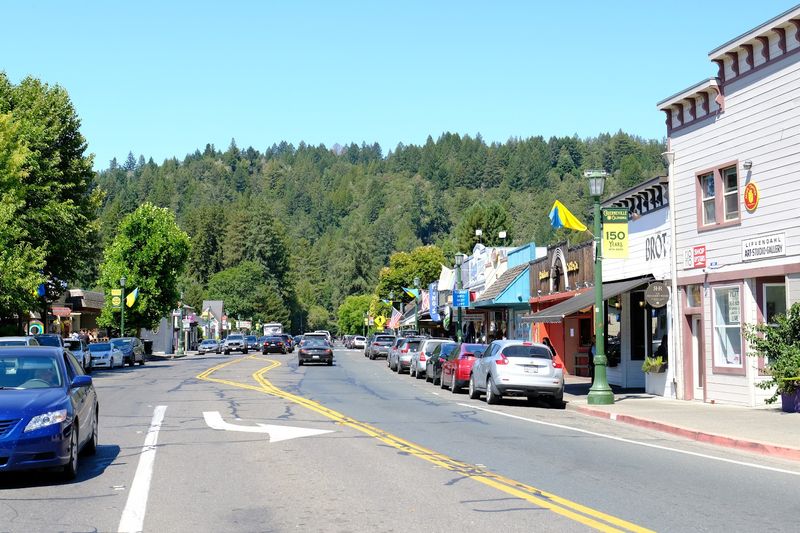
Guerneville sits along the Russian River in Sonoma County, nestled beneath a canopy of second-growth redwood trees that give the town a cool and shaded atmosphere even on warm summer days.
The town has long been a destination for visitors seeking a low-key alternative to the more polished wine country towns nearby, and its personality reflects that independent and welcoming spirit.
The Russian River runs wide and calm through this stretch of Sonoma County, making it a popular spot for swimming, canoeing, and floating during the summer months.
Armstrong Redwoods State Natural Reserve at 17000 Armstrong Woods Rd, Guerneville, CA 95446 is located just two miles north of town and protects a grove of ancient coast redwoods including the Parson Jones Tree, which stands over 310 feet tall.
The main street through Guerneville has a collection of locally owned restaurants, coffee shops, and small businesses that reflect the community’s easygoing and creative character.
The surrounding Sonoma County wine country is easily accessible by car from Guerneville, with numerous small wineries operating along the Westside Road corridor.
Guerneville tends to be most active from late spring through early fall, when the river draws visitors and the redwood groves offer welcome shade.
The town has a genuinely inclusive atmosphere that makes most visitors feel comfortable and at ease almost immediately upon arrival.
18. Cayucos
Cayucos is a small coastal town in San Luis Obispo County that has managed to hold onto a relaxed beach-town atmosphere without the commercialization that has transformed many other Central Coast communities.
The town sits on a gentle curve of shoreline with a historic pier that extends out over the Pacific, and the beach itself is wide, sandy, and consistently popular with surfers, swimmers, and families during the warmer months.
The pace of life here is genuinely slow, and the main street reflects that with its mix of surf shops, antique stores, and independently owned eateries.
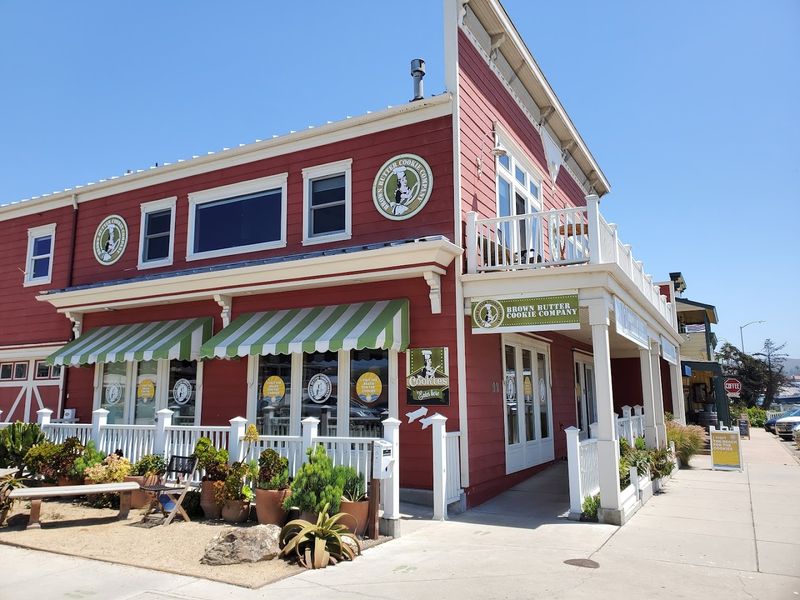
Brown Butter Cookie Company at 98 N Ocean Ave, Cayucos, CA 93430 is one of the most recognized local businesses in town, known for its signature shortbread cookies that have developed a loyal following well beyond the Central Coast.
The pier at the end of Cayucos Street was originally built in 1875 and remains a focal point of the town’s identity and social life.
Cayucos sits just a short drive north of Morro Bay, making it easy to combine both towns into a single coastal day trip.
Cayucos tends to be less crowded than neighboring coastal destinations, which gives it a more personal and accessible feeling.
The combination of historic pier, good beach, and walkable main street makes it a well-rounded and genuinely enjoyable stop along the Pacific Coast Highway.
19. Bolinas
Bolinas has a reputation as one of the most deliberately hard-to-find towns in California, and that reputation is not entirely undeserved.
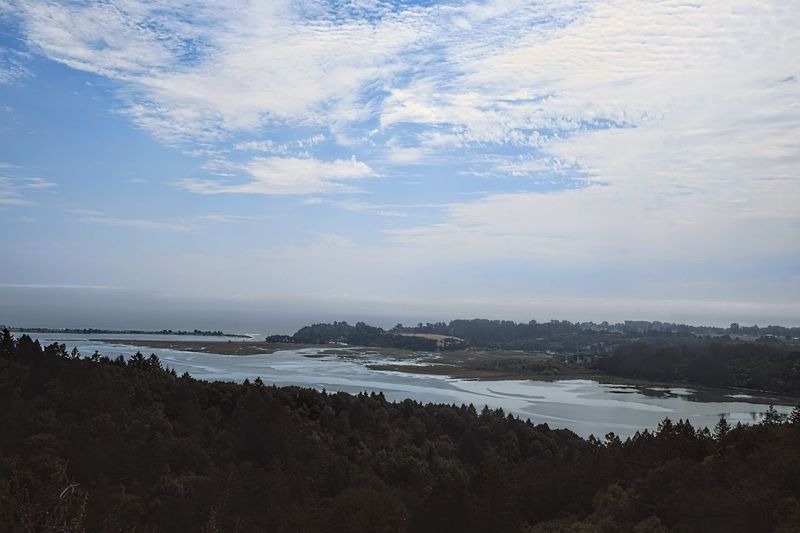
The community sits on a mesa above Bolinas Lagoon in Marin County, accessible via a turnoff from Highway 1 that locals have historically been known to remove road signs from in an effort to discourage excess tourism.
The town has a strong sense of community identity and a culture that values privacy and environmental stewardship above outside attention.
Bolinas Lagoon, which the town overlooks, is a protected tidal estuary that serves as critical habitat for shorebirds and harbor seals, and the surrounding Point Reyes National Seashore adds to the ecological significance of the area.
The main street through Bolinas has a small general store, a community center, and a few local businesses that serve residents and the modest number of visitors who make the effort to find the town.
The beach at the base of the mesa is accessible on foot and offers views across the lagoon toward the Marin headlands.
Visiting Bolinas requires a respectful approach, as the community has made its preferences about tourism volume fairly clear over the decades.
Those who arrive with genuine curiosity and a light footprint tend to find the experience quietly rewarding and unlike anything else along the Marin coast.
20. Pescadero
Pescadero is a small agricultural community on the San Mateo County coast, tucked into a narrow valley between the Santa Cruz Mountains and the Pacific Ocean.
The town sits just a few miles inland from the coast along Stage Road, and its surroundings include artichoke fields, Brussels sprout farms, and the kind of open pastoral landscape that has largely disappeared from the rest of the Bay Area.
The community has a working-farm character that feels entirely authentic and unhurried throughout the year.
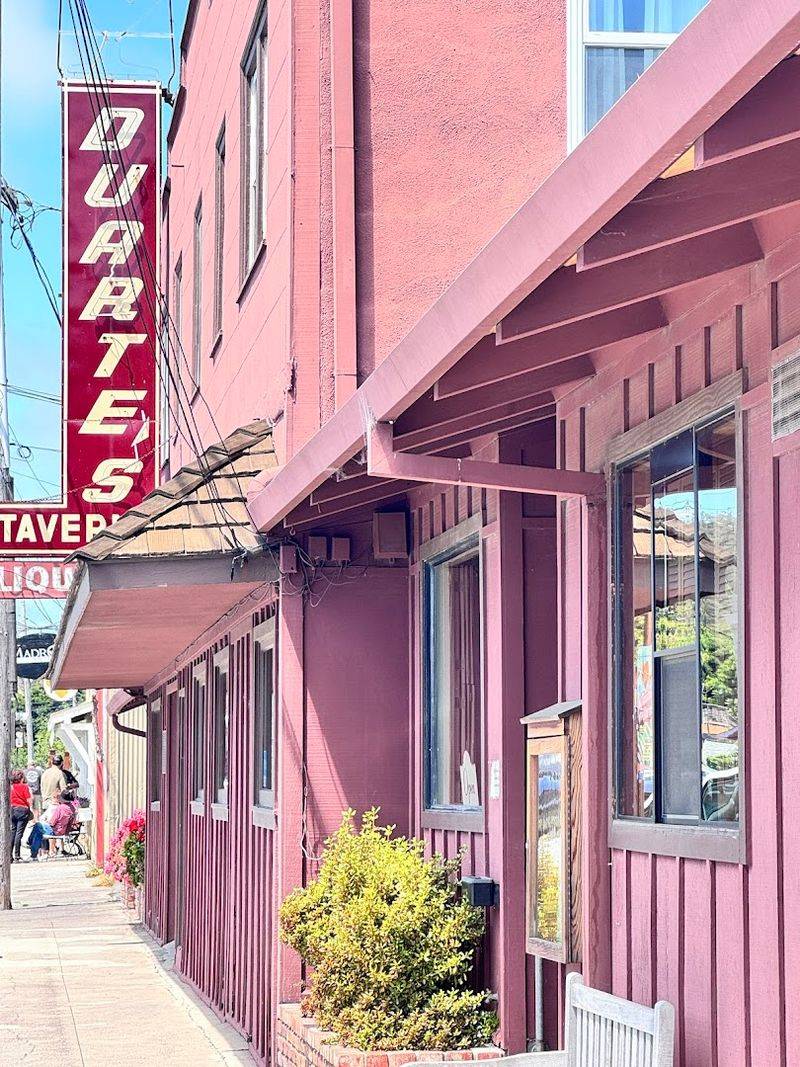
Duarte’s Tavern at 202 Stage Rd, Pescadero, CA 94060 has been serving food to locals and travelers since 1894 and is best known for its artichoke soup and olallieberry pie, both made with produce grown in the surrounding area.
Pescadero State Beach and Butano State Park are both within a few miles of town and offer access to tide pools, redwood groves, and coastal bluff trails.
The drive along Stage Road between Pescadero and the coast passes through some of the most quietly beautiful farmland in the greater Bay Area.
Pescadero tends to draw visitors who are looking for something off the beaten path from the more developed coastal towns nearby.
The combination of working agricultural land, historic restaurant, and accessible state parks makes it a satisfying and grounded destination for a day trip from San Francisco or the South Bay.