18 Wonderful Places In North Carolina That Make March A Great Time To Explore

Many people overlook March when planning trips in North Carolina. Across the state, the first signs of spring begin to appear after winter.
The crowds of summer are still months away. The air is cool and comfortable for hiking.
Early spring blooms appear in gardens and along mountain trails. March is a great time to explore because prices are lower, parking is easier, and the weather is comfortable.
From the ancient mountains in the west to the wide, windswept barrier islands in the east, North Carolina offers a surprising variety of landscapes and places to explore.
1. Biltmore Estate, Asheville

Few places in the United States feel as impressive as the first moment you see this estate. The Biltmore Estate in Asheville, North Carolina is the largest privately owned home in the country, and March is when the grounds begin to wake up for spring.
Thousands of tulips, daffodils, and flowering trees start appearing across the carefully designed gardens. The colors arrive slowly, but they transform the landscape week by week.
George Vanderbilt built the estate in the late nineteenth century, and the property still covers more than eight thousand acres. Walking through the house and gardens can easily take most of the day.
March is also a comfortable time to visit because the heavy tourist crowds have not yet arrived. House tours and winery visits usually have shorter lines.
You can find the estate at 1 Lodge St, Asheville, NC 28803. Plan a full day here because the property is far larger than most visitors expect.
2. Sarah P. Duke Gardens, Durham

Some gardens encourage you to slow your pace without even realizing it. Sarah P.
Duke Gardens at 2000 Lewis St, Durham, NC 27705 is one of those places.
The gardens stretch across fifty five acres on the Duke University campus. March is when the landscape begins to brighten with early spring flowers.
Cherry trees start blooming along the paths while daffodils and winter aconite appear across the lawns and garden beds. The colors feel soft and calm after the quiet winter months.
Visitors can explore several sections of the gardens. A peaceful Japanese garden sits beside water features, while the terraced rose garden adds structure to the landscape.
Admission is free, which makes this one of the easiest spring outings in the state. Many locals return several times throughout the season.
Paved paths make the area easy to explore for strollers and wheelchairs.
3. Great Smoky Mountains National Park, Cherokee

Early spring mornings often bring mist through the mountains, creating quiet and dramatic views. Near Cherokee, North Carolina, this national park is the most visited in the country.
March feels much quieter than the busier months.
Wildflowers like trout lilies and spring beauties start appearing along lower elevation trails as early as mid-March. The park is free to enter, and wildlife sightings, including black bears emerging from winter rest, become more common.
Elk are frequently spotted in the Cataloochee Valley area.
The main North Carolina entrance is near Cherokee, NC 28719. Bring layers because temperatures can swing significantly between morning and afternoon at higher elevations.
4. Blue Ridge Parkway, Blue Ridge Mountains
March is a quiet time to drive the Blue Ridge Parkway. Traffic is light and many overlooks are nearly empty.
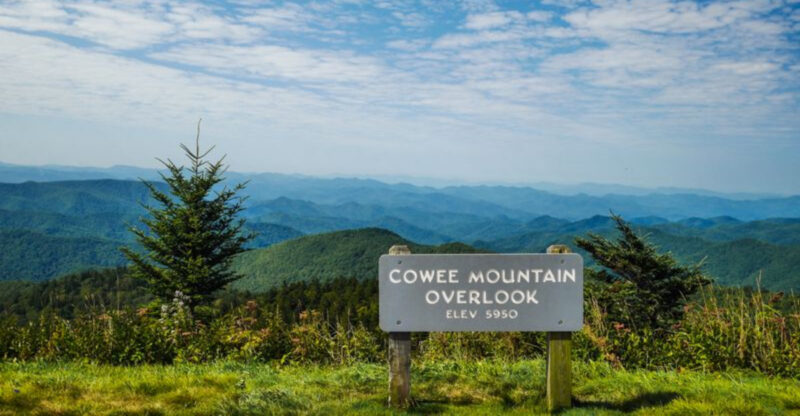
The 469-mile route runs through the Blue Ridge Mountains, and while some sections remain closed due to winter conditions, the open stretches offer views that stop you cold.
The bare trees actually reveal ridge lines and valleys you cannot see when everything is in full leaf.
Pull-offs and overlooks are plentiful, and the lack of summer traffic means you can stop wherever you want without worrying about backing up cars behind you. Migratory birds are returning, and early wildflowers dot the roadside meadows.
The clear views and quiet roads make this a great time for photos.
The parkway runs through western North Carolina with access points near Asheville and beyond. Check the National Park Service website for current road closures before heading out.
Fuel up before you go, services along the parkway are limited in early spring.
5. Hanging Rock State Park, Danbury
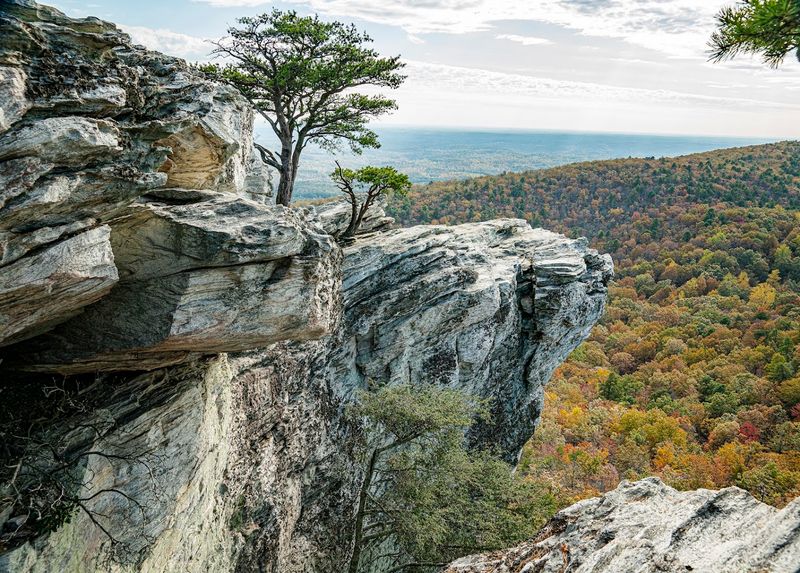
The rocky summit offers wide views across the Piedmont region of North Carolina. The park near Danbury offers hikes that lead to dramatic quartzite outcroppings.
The trails are damp but manageable, and the air is cool enough to make the climb feel energizing rather than exhausting.
The park features waterfalls, a lake, and over 18 miles of trails ranging from easy walks to strenuous climbs. Wildlife activity picks up noticeably in early spring, and the lack of foliage means longer sightlines on the trails.
Birdwatchers often spot returning warblers and hawks riding thermals above the ridgeline.
Find the park at 1790 Hanging Rock Park Rd, Danbury, NC 27016. Parking fills quickly on warm March weekends, so arriving before 9 a.m. is a smart move.
6. Grandfather Mountain, Linville

Walking across the Mile High Swinging Bridge at Grandfather Mountain is an experience that many visitors remember long after the trip.
Located near Linville, North Carolina, this privately owned nature preserve reaches 5,946 feet at its peak, making it one of the highest points in the eastern United States.
March weather often brings clouds and shifting light that create dramatic mountain views.
The Grandfather Mountain State Park trails on the adjacent land offer free hiking access, while the attraction itself charges admission for the bridge and wildlife habitats.
Cougars, black bears, and bald eagles are among the animals you can see up close. The views from the summit on a clear March day stretch for dozens of miles.
The address is 2050 Blowing Rock Hwy, Linville, NC 28646. Check the weather before you go, March conditions at this elevation can shift quickly from sunshine to sleet within hours.
7. Pisgah National Forest, Brevard Area

If you have ever wanted to feel like you stepped into a fairy tale, the Brevard area of Pisgah National Forest delivers exactly that in March.
The forest covers over 500,000 acres of western North Carolina and contains some of the most spectacular waterfall concentrations on the East Coast.
Looking Glass Falls and Sliding Rock are two of the most accessible, and in early spring, the water volume is high and dramatic from recent rains and snowmelt.
March hiking here requires waterproof boots and a willingness to embrace mud, but the reward is trail solitude that is hard to find later in the year.
The forest is also home to the Cradle of Forestry, a National Historic Site that tells the story of American conservation. Spring wildflowers begin appearing along stream banks by mid-March.
Access the forest via US-276 near Brevard, NC 28712. The ranger station on US-276 provides maps and current trail conditions for visitors planning longer outings.
8. Daniel Stowe Conservancy, Belmont

Not every great garden destination in North Carolina gets the attention it deserves, and Daniel Stowe Conservancy in Belmont is a perfect example.
Spread across 380 acres near the South Carolina border, this garden comes to life in March with sweeping displays of daffodils, pansies, and early blooming perennials. The Canal Garden with its long reflecting pool is stunning in the soft March light.
The garden also features a massive conservatory filled with tropical plants, which is a welcome warm retreat if the outdoor temperatures feel a bit sharp.
Children enjoy the discovery areas, and the wide paved paths make exploring easy for all ages. Photography is encouraged throughout the property.
Located at 6500 South New Hope Rd, Belmont, NC 28012, the garden is open Wednesday through Sunday and closed on Mondays and Tuesdays. Admission is charged, and the garden hosts special spring events throughout March that are worth checking on their website before your visit.
9. Airlie Gardens, Wilmington

There is a 467-year-old oak tree at Airlie Gardens known as the famous Airlie Oak.
Located in Wilmington, North Carolina, Airlie Gardens covers 67 acres of coastal landscape that begins its annual color show earlier than most inland gardens thanks to the milder coastal climate.
Azaleas, one of the garden’s signatures, start budding in March and burst into full bloom by early April.
The garden also features a scenic lake with turtles and herons, rotating art installations throughout the grounds, and a seasonal butterfly house that is open from June 1 through September 30, weather permitting. March visits offer a quieter, more personal experience before the spring rush arrives.
Many visitors come specifically to see the famous Airlie Oak.
Find the gardens at 300 Airlie Rd, Wilmington, NC 28403. Admission is required, and the gardens are open daily from 9 AM to 5 PM.
Comfortable walking shoes are recommended since some of the paths near the waterways can be uneven.
10. Falls Lake State Recreation Area, Near Raleigh

Sometimes the best March adventure is the one closest to home, and for anyone in the Triangle area of North Carolina, Falls Lake State Recreation Area delivers exactly that.
The reservoir spans over 12,000 acres and is surrounded by trails, boat ramps, and picnic areas that feel refreshingly uncrowded in the off-season. Early spring brings migratory waterfowl to the lake in impressive numbers.
Bald eagles are regularly spotted here during March, which makes it a worthwhile destination even for non-hikers who just want to sit by the water with binoculars.
The Loblolly Trail is a favorite for easy woodland walking, and the March light filtering through the pine forest is genuinely beautiful. Fishing picks up as water temperatures rise, making this a popular spot for anglers too.
The recreation area is located off 13304 Creedmoor Rd, Wake Forest, NC 27587. Parking fees apply at most access points, and the area encompasses several separate facilities spread around the lake’s perimeter.
11. Jockey’s Ridge State Park, Nags Head
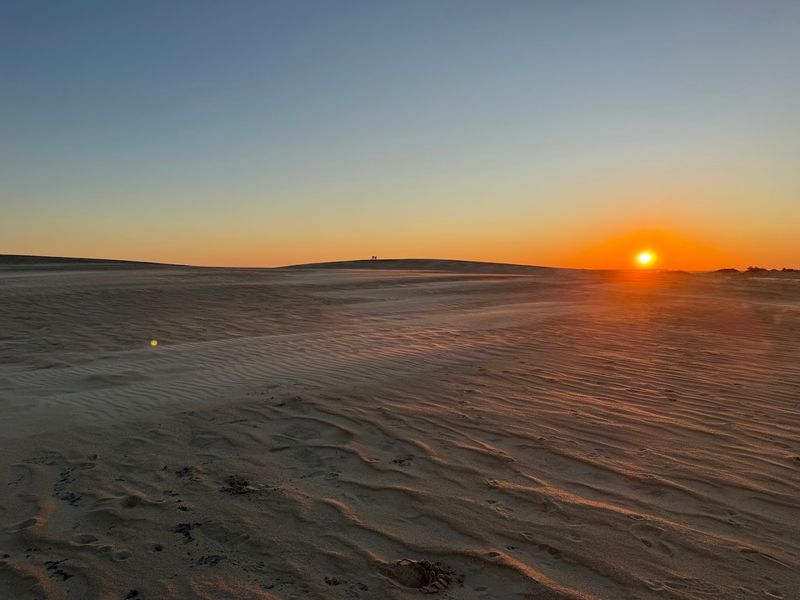
The tallest active sand dunes on the East Coast rise above the coast at this park. From the top you can see both the Atlantic Ocean and the sound.
Jockey’s Ridge State Park in Nags Head, North Carolina, is home to dunes that shift and change shape with the wind, and March is a brilliant time to visit.
The summer heat and beach traffic are months away, and the dunes feel wide and open in the cool spring air.
Hang gliding lessons are available at the park, and watching beginners launch off the dune face is entertaining whether you participate or not.
Sunset from the top of the main dune is spectacular, with colors spreading across both water horizons simultaneously. The park is free to enter.
Located at 300 W Carolista Dr, Nags Head, NC 27959, the park is open year-round. Wear closed-toe shoes because the sand can be surprisingly cold and deep in March.
12. Emerald Isle, Crystal Coast
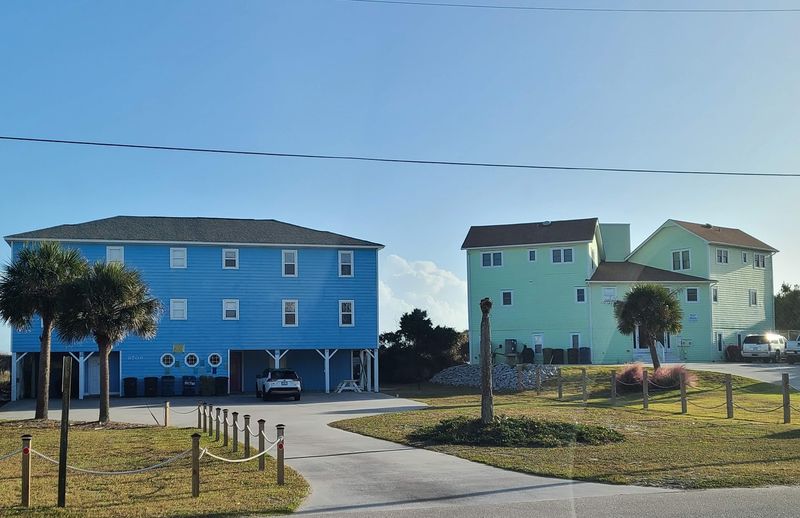
A beach in March sounds counterintuitive until you actually experience it. Emerald Isle on North Carolina’s Crystal Coast is one of those places that feel much quieter during the off-season.
Shelling is exceptional in early spring because storms push new treasures onto the beach regularly.
The town itself is low-key and genuinely charming without the summer crowds. Local restaurants are open and uncrowded, and rentals are a fraction of peak season prices.
March temperatures hover in the 50s and 60s, which is perfect for long beach walks without overheating.
Emerald Isle is located along NC-58 on Bogue Banks, NC 28594. The drive across the high-rise bridge onto the island gives you a panoramic view of the sound and barrier island that sets the mood perfectly for the visit ahead.
13. Boone, Blue Ridge Mountains
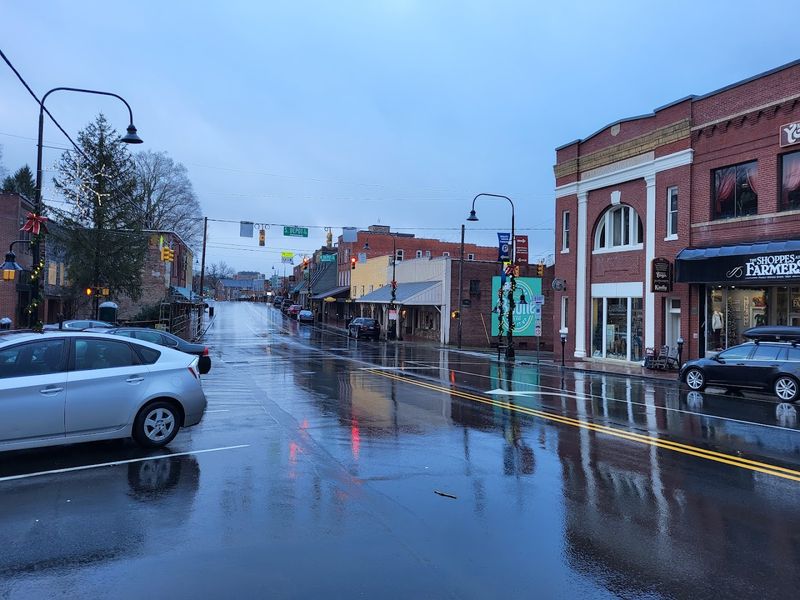
College towns have an energy that does not disappear when school is in session, and Boone, North Carolina, keeps that energy going year-round.
Situated at over 3,300 feet in the Blue Ridge Mountains, Boone has a thriving downtown packed with locally owned restaurants, bookshops, breweries, and galleries.
March here feels like a real mountain town coming out of winter, unhurried, authentic, and refreshingly free of tourist traps.
App State’s campus gives the town a youthful buzz, and the surrounding mountains offer access to hiking trails that are quiet in early spring. The New River, one of the oldest rivers in the world, is nearby and great for a March walk along its banks.
Local breweries are particularly welcoming this time of year.
Boone is located along US-421, Boone, NC 28607. King Street is the main downtown corridor and a great starting point for exploring on foot.
Parking is easy compared to summer months.
14. Blowing Rock, Blue Ridge Mountains
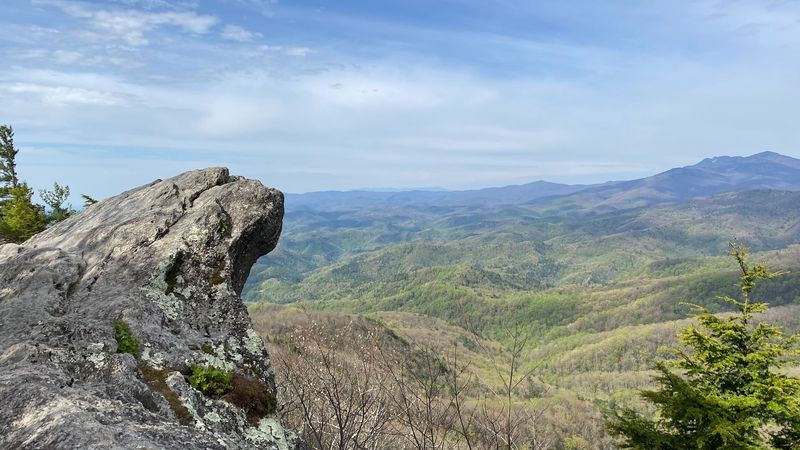
There is a rock here that reportedly blows objects back up when you throw them off the edge, and honestly, that alone makes it worth a stop.
The town of Blowing Rock, North Carolina, sits at 4,000 feet in the Blue Ridge Mountains and is one of those one of the most well known small towns in the Blue Ridge Mountains.
March strips away the leaf cover and reveals mountain vistas from Main Street that are simply not visible in summer.
The Blowing Rock attraction itself offers views into the Johns River Gorge and the surrounding peaks. The town’s shops and restaurants are open and welcoming in early spring, and the pace is relaxed.
Moses H. Cone Memorial Park, just minutes away on the Blue Ridge Parkway, offers flat carriage road walks perfect for a cool March morning.
Blowing Rock is located at the intersection of US-321 and US-221, Blowing Rock, NC 28605. The town is small enough to explore entirely on foot in a single afternoon.
15. Bath, North Carolina’s Oldest Town
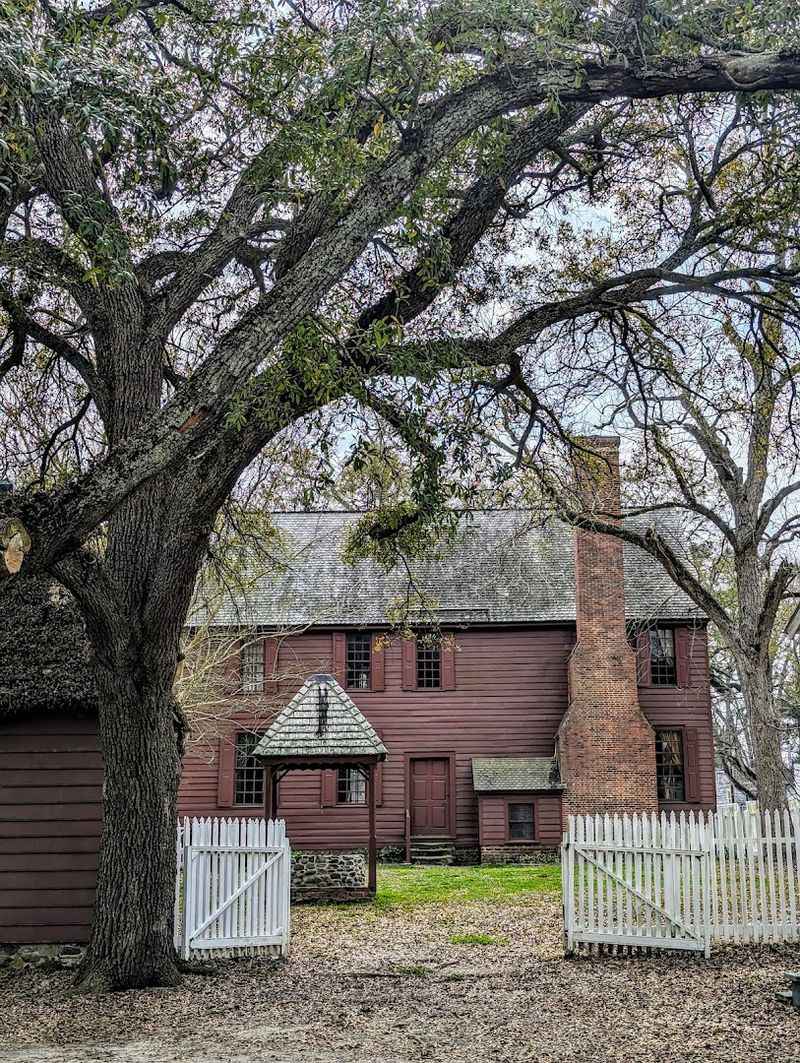
Founded in 1705, Bath holds the distinction of being North Carolina’s oldest incorporated town, and walking its quiet streets in March feels like time genuinely slows down.
Located along the Pamlico River in Beaufort County, this small waterfront community preserves several of the oldest structures in the state, including St. Thomas Church, built in 1734.
The town is tiny, with fewer than 200 residents, which makes it feel intimate and unhurried.
The Historic Bath State Historic Site at 100 Harding St, Bath, NC 27808 offers guided tours of the Palmer-Marsh House and the Bonner House, giving visitors a real sense of colonial life in North Carolina.
March is ideal because the site is rarely crowded and the staff have time to share stories in depth. The waterfront setting adds a peaceful backdrop to the whole experience.
The site charges a small admission fee and pairs well with a day trip to nearby Washington, NC, another underrated waterfront town.
16. Lake Lure & Chimney Rock State Park, Near Asheville

The rock formation at Chimney Rock is one of the most recognizable rock formations in North Carolina.
Located near Asheville in Rutherford County, North Carolina, Chimney Rock State Park offers elevator access to the top as well as hiking trails for those who want to earn the view.
March visits come with the bonus of waterfalls running at full force from winter snowmelt.
Hickory Nut Falls inside the park drops 404 feet and is one of the tallest waterfalls in the eastern United States. The trail to its base is manageable for most fitness levels and deeply rewarding.
Lake Lure itself is beautiful in March, calm, reflective, and largely free of summer boat traffic.
The park entrance is at 174 Main St, Chimney Rock, NC 28720. Admission is charged.
The village of Chimney Rock has small shops and cafes that are open in March and worth exploring after your hike.
17. Tryon Palace Gardens, New Bern
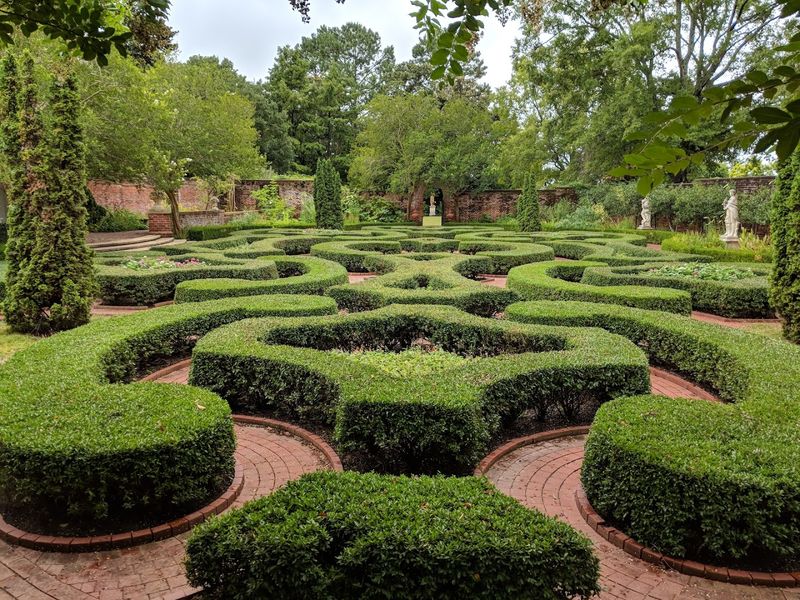
History and horticulture meet in an unexpected way at this remarkable site in eastern North Carolina.
Tryon Palace in New Bern served as the colonial capital of North Carolina, and its surrounding gardens have been meticulously restored to reflect 18th-century design principles.
March brings early spring blooms to the formal garden beds, and the contrast of structured plantings against the historic brick architecture is visually striking.
The palace offers guided tours that cover both the history of colonial governance and the architecture of the reconstructed building. The adjacent North Carolina History Center adds context about the broader state story.
New Bern itself is a lovely small city worth spending extra time exploring, it is also the birthplace of Pepsi-Cola, which is a fun footnote.
Tryon Palace is located at 529 S Front St, New Bern, NC 28562. Admission covers the palace, gardens, and history center.
March weekdays are particularly quiet, giving visitors a relaxed and thorough experience of the grounds.
18. Merchants Millpond State Park, Gates County
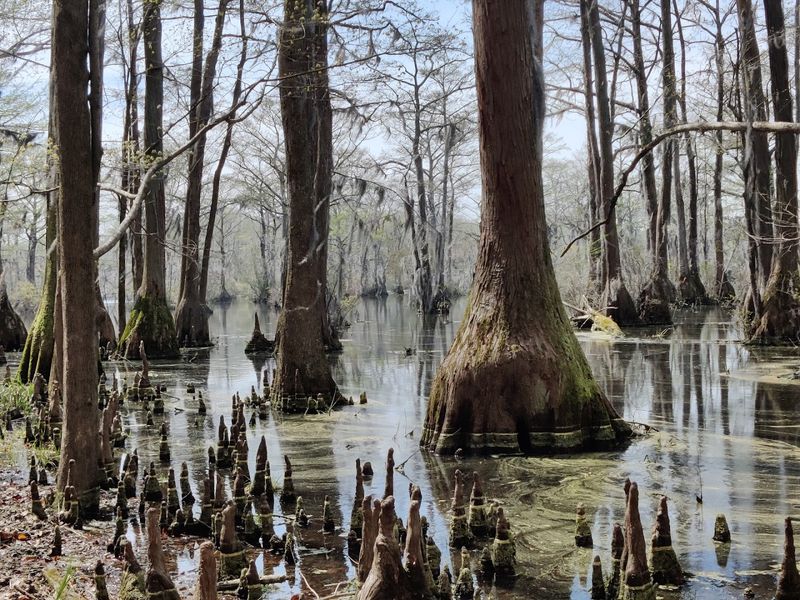
There are places in North Carolina that feel genuinely ancient, and Merchants Millpond State Park in Gates County is one of them.
The millpond has existed since the early 1800s and is surrounded by a swamp forest of tupelo gum and bald cypress trees that create a cathedral-like atmosphere on the water.
Paddling through in March, with the trees still bare and the mist sitting low on the dark water, is an experience unlike anything else in the state.
Canoe and kayak rentals are available at the park, and the stillness of early spring mornings makes for exceptional wildlife spotting. Great blue herons, wood ducks, and river otters are commonly seen.
The surrounding upland trails offer a different perspective of the ecosystem for those who prefer dry ground.
The park is located at 176 Millpond Rd, Gatesville, NC 27938. Camping is available for those wanting to extend the experience into a full weekend.
March is genuinely one of the best months to visit before summer insects arrive in force.