This California National Park Has Trees Older Than History
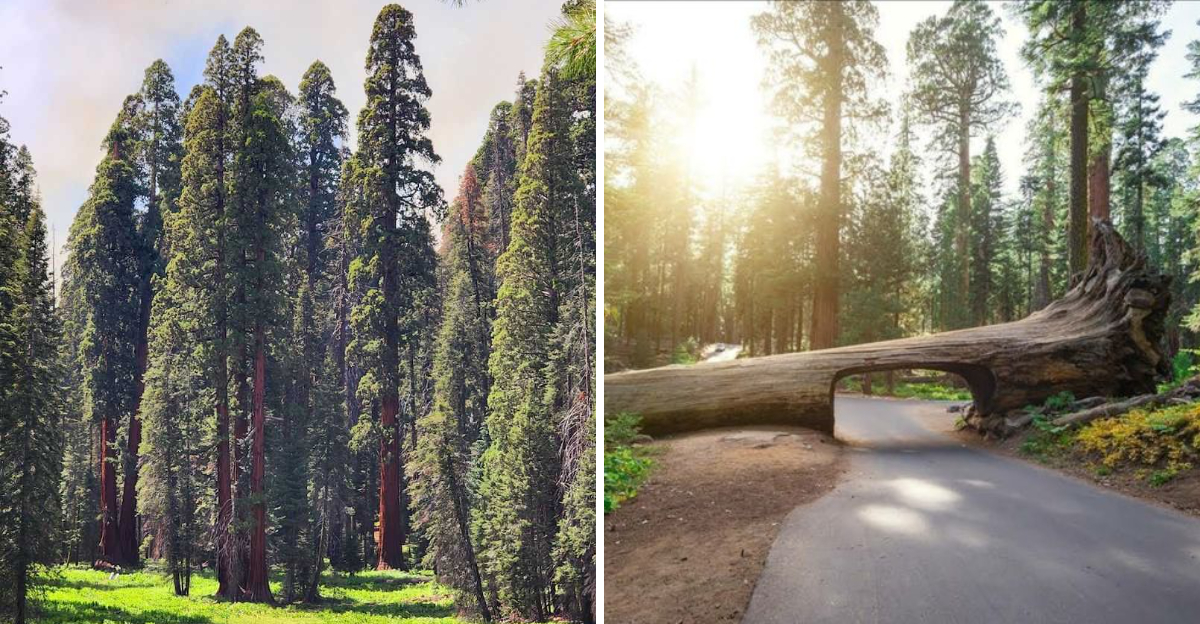
The first step into a forest like this changes the mood instantly. Towering trunks rise straight into the sky. The tops disappear somewhere high above the canopy.
Voices grow quieter. Phones come out for photos. Heads tilt back as visitors try to take in the full scale of what stands around them.
Some of these trees were already ancient when early civilizations were still learning how to build cities.
A single trunk can stretch wider than a small house. Standing beside one makes everything else feel suddenly smaller.
California has few sights that leave visitors this speechless.
The ground feels soft beneath the trees. Shafts of sunlight slip through the branches. Every path leads deeper into a forest filled with giants that have watched centuries pass without moving an inch.
Travelers searching for one of the most unforgettable landscapes in California eventually find their way here.
The towering groves inside Sequoia National Park hold some of the largest and oldest living trees anywhere on Earth.
1. The General Sherman Tree: World Record Holder
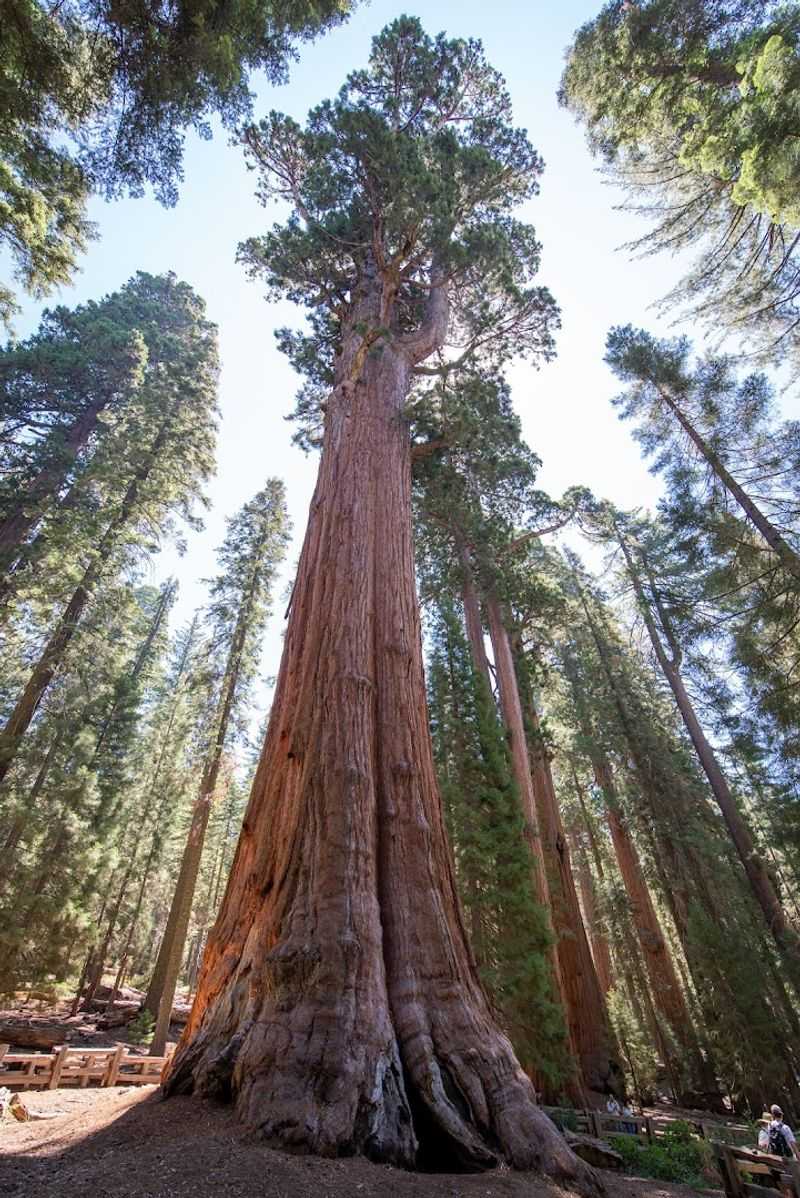
No tree on Earth takes up more space than the General Sherman Tree, and standing at its base makes that fact feel very real.
Located in the Giant Forest area of Sequoia National Park in California, the General Sherman Tree stands approximately 275 feet tall with a trunk diameter of over 36 feet at the base.
A short paved trail leads visitors directly to the tree, making it accessible for most fitness levels.
The volume of the trunk is estimated at 52,500 cubic feet, which is the measurement used to determine its title as the world’s largest living tree.
It does not hold the record for tallest or widest tree, but its total volume of living wood beats every other tree on the planet. The base alone is wider than many studio apartments.
Visitors tend to go quiet when they first see it, which says a lot. No photograph fully prepares a person for the scale of the General Sherman Tree.
Park rangers recommend arriving early in the morning to avoid the biggest crowds and to experience the peaceful light filtering through the canopy overhead.
2. Ancient Giants: Trees That Predate Written History

Some of the giant sequoias growing in Sequoia National Park were already over 1,000 years old when the Roman Empire was at its peak.
Scientists estimate that certain trees in the park are more than 3,000 years old, placing their birth around 1000 BCE.
That puts them firmly in the era of ancient civilizations, long before many of the world’s most famous historical events ever took place.
Giant sequoias belong to a species called Sequoiadendron giganteum and grow naturally only on the western slopes of California’s Sierra Nevada.
Their impressive age is partly due to their thick bark, which can grow up to two feet thick and resists insects, fire, and rot in ways that most other tree species cannot.
The bark contains tannins that act as natural preservatives. Walking among these trees feels genuinely different from any other forest experience.
The air tends to be cooler under the canopy, the ground is soft with centuries of fallen needles, and the scale of everything around a visitor shifts perspective in a lasting way.
Spending time in this grove tends to make even the busiest mind slow down considerably.
3. Sequoia National Park Was Established In 1890
Sequoia National Park holds an impressive place in American history as the second national park ever established in the United States.
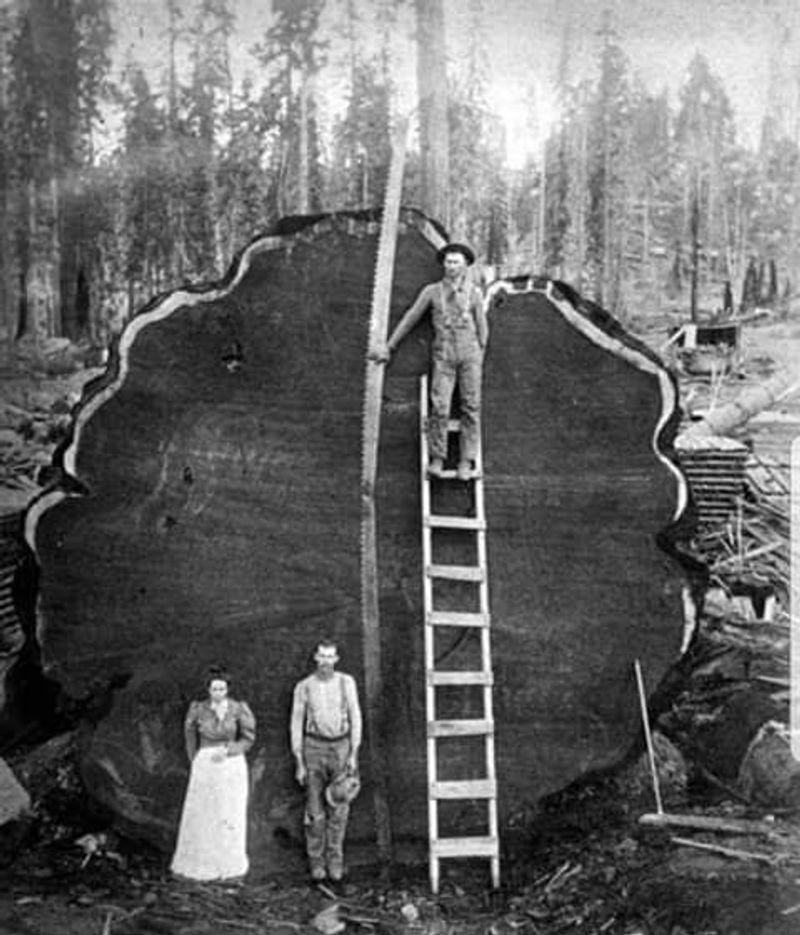
President Benjamin Harrison signed the legislation on September 25, 1890, protecting the giant sequoias from logging at a time when many old-growth forests were being rapidly cut down.
The park’s creation came just days before Yosemite National Park received the same protection.
The push to protect the sequoias came largely from concerned citizens and early conservationists who recognized that these trees could not be replaced within any human lifetime.
Logging companies had already begun targeting the groves before the park was created, and the wood was being used for fence posts and shingles despite the sequoia’s brittle nature making it poorly suited for construction.
The preservation effort came just in time for many of the largest groves. Today the park covers over 404,000 acres of land in California and is managed by the National Park Service.
Visiting during the week tends to offer a quieter experience compared to summer weekends, when the park sees its heaviest traffic.
The park is open year-round, though some roads close during winter due to heavy snowfall at higher elevations.
4. Mount Whitney Towers On The Park’s Borders

At 14,505 feet above sea level, Mount Whitney is the highest point in the contiguous United States, and it sits on the boundaries of Sequoia National Park in California.
The summit is reachable via a well-known trail that attracts thousands of hikers each year, though the journey requires a permit obtained through a lottery system managed by the National Park Service.
The trail covers approximately 22 miles round trip from Whitney Portal. The elevation gain is significant, and altitude sickness is a real concern for hikers who ascend too quickly without acclimatization.
Most experienced hikers recommend spending at least one night at a higher elevation before attempting the summit.
The views from the top stretch across the Great Basin to the east and deep into the Sierra Nevada range to the west.
Even visitors who do not plan to hike to the summit can appreciate Mount Whitney from lower vantage points in the park.
The peak is visible from several scenic overlooks and adds a dramatic backdrop to the already stunning landscape.
Checking current trail conditions and permit availability well in advance is strongly recommended for anyone planning a summit attempt during the popular summer season.
5. Fire Actually Helps Giant Sequoias Survive And Reproduce
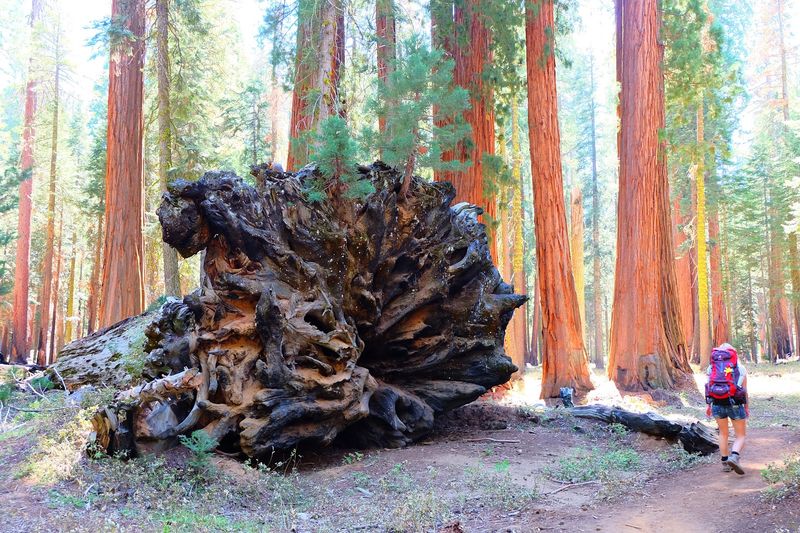
Giant sequoias have a remarkable relationship with fire that most people find surprising when they first learn about it.
The trees have developed thick, spongy bark that can reach up to two feet in thickness, which insulates the living wood beneath from the heat of low-intensity fires.
Rather than destroying the sequoias, these fires often help them by clearing competing vegetation and opening up the forest floor to sunlight.
Fire also plays a direct role in reproduction.
Sequoia cones can remain on the tree for up to 20 years before releasing their seeds, and the heat from a fire is one of the most effective triggers for opening those cones.
Once the cones open, tiny seeds fall onto the ash-covered mineral soil below, which turns out to be an ideal germination environment for young sequoias.
The National Park Service uses controlled burns as a management tool in Sequoia National Park to mimic the natural fire cycles that shaped these forests for thousands of years.
Visitors may occasionally see evidence of recent burns on the forest floor or even active prescribed fires in designated areas.
The blackened bases of many large sequoias are a normal and healthy part of their long history.
6. Native American Tribes Called This Land Home First
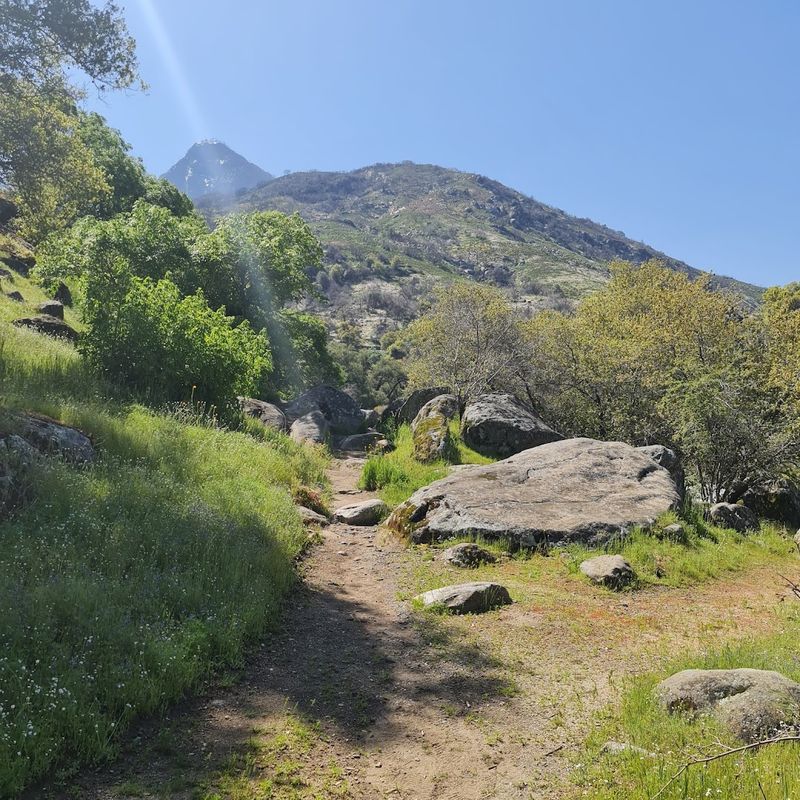
Long before the park received its official designation in 1890, the land that is now Sequoia National Park in California was home to Native American communities who had lived there for thousands of years.
The Monache people, also known as the Western Mono, were among the primary inhabitants of the Sierra Nevada foothills and the valleys surrounding the giant sequoia groves.
They used the land for hunting, gathering, and seasonal living in ways that sustained the ecosystem over generations.
The Monache gathered acorns, pine nuts, and various plants for food and medicine, and they moved between lower and higher elevations depending on the season.
Their deep knowledge of the landscape shaped how they interacted with the forests and rivers throughout the region.
Archaeological evidence of their presence can still be found within the park today. The park acknowledges this history and works to incorporate Indigenous perspectives into its interpretation programs.
Some visitor centers include exhibits about the cultural history of the land before European settlement.
Understanding this history adds meaningful depth to any visit and shifts the perspective from simply seeing nature to recognizing a landscape that has supported human life and culture for a very long time.
7. Diverse Ecosystems From Foothills To Alpine Tundra
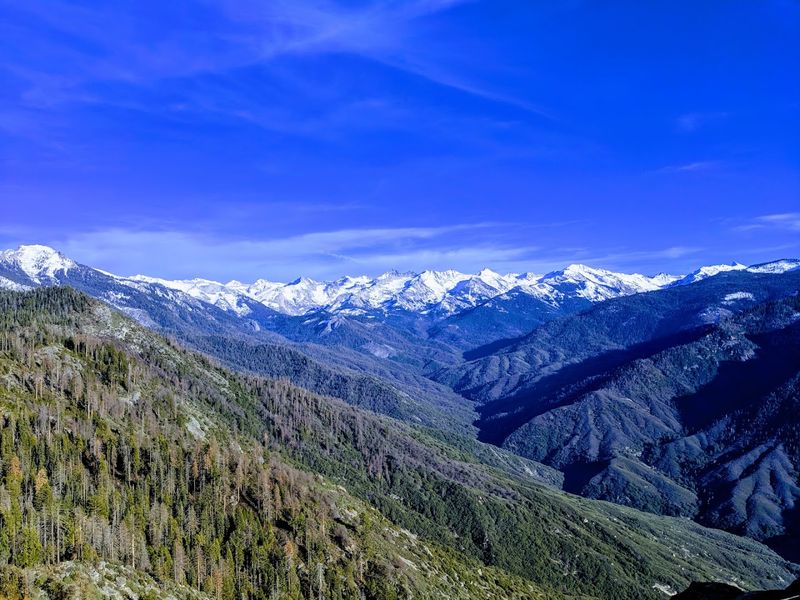
One of the less talked-about qualities of Sequoia National Park is just how many completely different environments a visitor can pass through in a single day.
The park spans a dramatic range of elevations, starting at around 1,700 feet in the foothill zone and climbing all the way to over 14,000 feet at the summit of Mount Whitney.
Each elevation band supports its own distinct plant and animal communities. The lower foothill zone is dry and shrubby, with chaparral plants adapted to hot summers and low rainfall.
Moving upward, the landscape shifts into mixed conifer forest and then into the dense groves of giant sequoias.
Above the sequoia belt, the terrain opens into subalpine meadows and eventually reaches rocky alpine tundra where only the hardiest plants can survive.
This range of ecosystems means that Sequoia National Park in California supports an unusually rich variety of plant species, from flowering shrubs in the foothills to delicate alpine wildflowers near the peaks.
Visitors planning to explore multiple elevation zones should pack layers since temperatures can shift dramatically between the lower entrances and higher areas of the park.
A 40-degree difference between the valley floor and the alpine zone is not uncommon on the same day.
8. The Giant Forest Museum Brings The Trees To Life
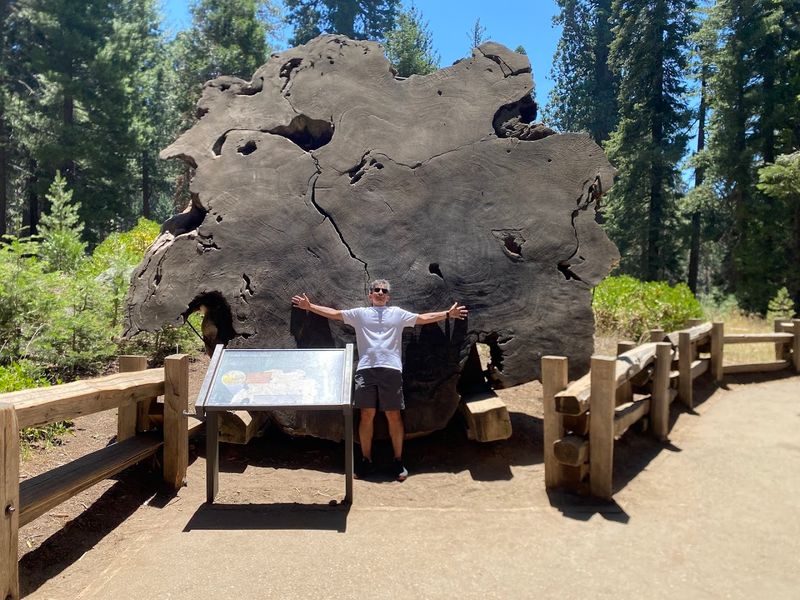
Right in the heart of the Giant Forest area sits a museum dedicated entirely to helping visitors understand the world around them.
The Giant Forest Museum is located within Sequoia National Park in California and serves as an educational hub for anyone wanting to learn more about giant sequoias before or after exploring the groves.
The building itself is a historic structure that fits naturally into the surrounding landscape.
Inside, exhibits cover the biology of giant sequoias, the role of fire in the forest ecosystem, and the human history connected to the park.
Interactive displays make the information accessible to younger visitors, and rangers are often on hand to answer questions or point out highlights.
The museum also offers maps and trail guides for those planning to explore the Giant Forest on foot.
The museum is a practical stop even for visitors who consider themselves more outdoors-focused than museum-oriented.
Understanding why the trees grow so large, why they live so long, and why fire is actually their friend makes the walk through the groves feel much more meaningful.
Admission to the museum is included with the park entrance fee, which makes it an easy and worthwhile addition to any visit.
9. The Tunnel Log Is A One-Of-A-Kind Roadside Attraction

Back in 1937, a giant sequoia fell across a road in Sequoia National Park and rather than removing the tree entirely, the National Park Service made a decision that turned it into one of the most photographed spots in the park.
Workers carved a tunnel directly through the base of the fallen log, wide enough for a standard-sized car to pass through.
The opening measures 17 feet wide and 8 feet tall. Driving through the Tunnel Log has been a beloved visitor experience for decades.
The fallen tree itself is enormous, and seeing the sheer thickness of the trunk up close from inside a vehicle gives a powerful sense of the sequoia’s scale.
A bypass trail exists for larger vehicles or RVs that cannot fit through the opening. The Tunnel Log sits along Crescent Meadow Road inside the park and is accessible during the warmer months when that road is open.
It tends to draw a steady stream of visitors throughout the day, so arriving early or later in the afternoon can help avoid the longest lines of cars waiting for their turn to pass through.
The stop takes only a few minutes but tends to leave a lasting impression on first-time visitors of all ages.
10. Black Bears And Hundreds Of Bird Species Share The Park
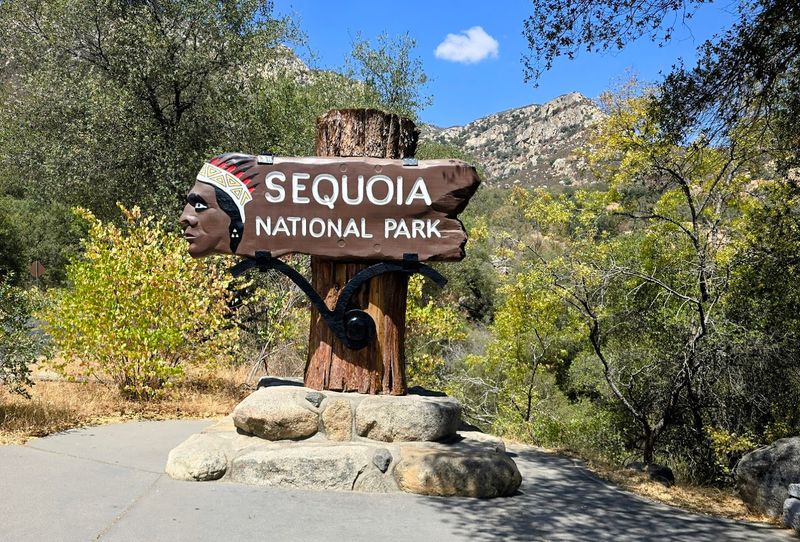
Sequoia National Park in California is not just about trees. The park supports a rich and active wildlife community that includes American black bears, mule deer, coyotes, mountain lions, and a remarkable variety of bird species.
Over 200 bird species have been recorded in the park, ranging from small songbirds in the lower foothills to large raptors soaring above the alpine ridges.
Black bears are the most talked-about wildlife in the park and sightings are not uncommon, particularly in the early morning and evening hours.
The park enforces strict food storage regulations to prevent bears from becoming habituated to human food, which would ultimately endanger the bears.
All food, scented items, and trash must be stored in bear-proof containers or the designated food storage boxes available at campsites.
Mule deer are frequently spotted grazing in meadows throughout the park and tend to be comfortable around people, though rangers remind visitors to keep a respectful distance from all wildlife.
The variety of animals in the park reflects the health of its diverse ecosystems, from the dry chaparral at lower elevations to the dense sequoia groves and alpine zones above.
Wildlife activity tends to be highest in the early morning hours.
11. Crystal Cave Hides A Marble World Underground
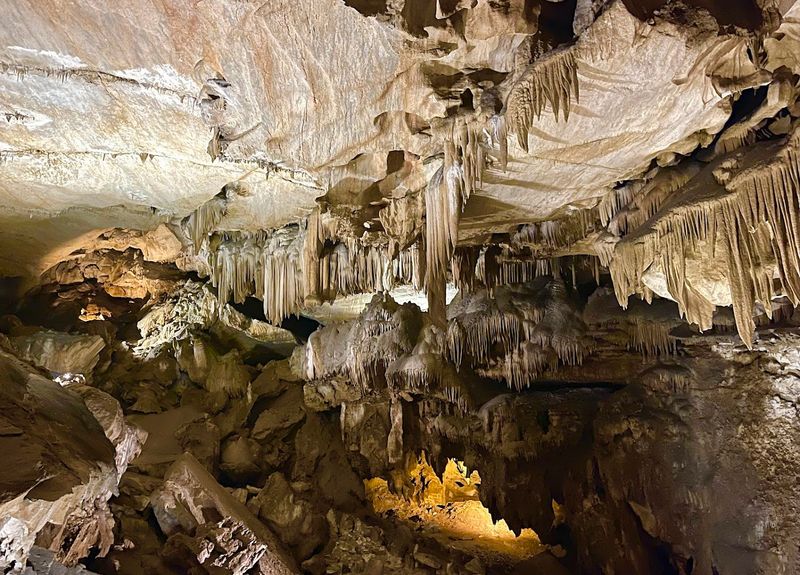
Beneath the forest floor of Sequoia National Park lies a completely different world made of marble.
Crystal Cave was formed from limestone that transformed into marble over millions of years through geological pressure and heat.
The cave is decorated with curtains of icicle-like stalactites hanging from the ceiling and mounds of stalagmites rising from the floor, creating a visually striking underground landscape.
The cave is located about 6 miles from the Giant Forest area and requires a separate ticket for a guided tour, which must be purchased in advance from the park’s official ticketing system.
Tours are typically available from late spring through early fall, though availability can vary by season and should be confirmed before visiting.
The cave maintains a constant temperature of about 48 degrees Fahrenheit year-round, so a light jacket is recommended even on warm summer days.
Crystal Cave offers a genuinely different experience from the rest of the park and appeals to visitors who enjoy geology as much as big trees.
The guided format ensures that visitors learn about the cave’s formation and ecology without disturbing the fragile formations.
Sturdy, closed-toe shoes are required for the tour since the cave floor can be slippery in places.
12. One-Third Of All Wild Sequoias Grow Here And In The Neighboring Park
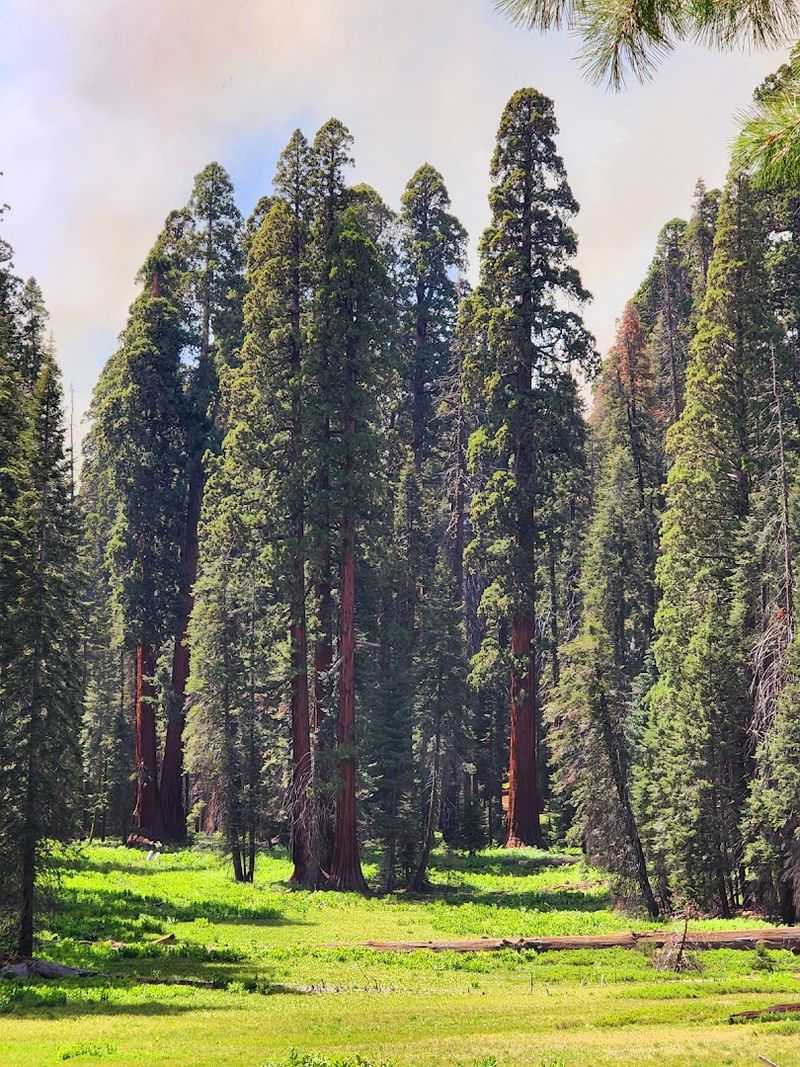
Giant sequoias do not grow just anywhere. A narrow stretch of mountains provides the only natural home for these massive trees.
The western slopes of the Sierra Nevada in California hold the conditions they need to survive. Even within that range the trees do not form one endless forest.
They grow in scattered groves that appear almost like hidden pockets across the mountains. One place holds an extraordinary share of them.
The groves protected within Sequoia National Park and neighboring Kings Canyon National Park contain a huge portion of the world’s remaining giant sequoias.
The National Park Service says roughly one third of all naturally occurring giant sequoias grow inside these two parks together.
The two parks together contain about 38 delineated groves. Giant Forest stands as the largest and most visited.
Roughly 8,000 giant sequoias grow within that single area including several of the largest trees on Earth by volume.
Very specific conditions allow these trees to thrive. The soil depth matters. The elevation matters. Moisture patterns matter too.
Attempts to grow giant sequoias outside their natural range rarely produce the same results. California holds one of the only landscapes on Earth where these giants can truly flourish.
13. UNESCO Recognized The Park As A Biosphere Reserve In 1976

In 1976, the United Nations Educational Scientific and Cultural Organization designated Sequoia and Kings Canyon National Parks together as a UNESCO Biosphere Reserve.
This designation recognizes the area as a globally significant ecosystem where conservation, scientific research, and sustainable development are actively supported.
The biosphere reserve status places these parks among a select group of protected areas around the world recognized for their ecological importance.
The biosphere reserve framework encourages long-term monitoring of the ecosystem and supports research into how the giant sequoias and surrounding habitats respond to changes in climate, fire frequency, and other environmental factors.
Scientists from universities and research institutions regularly conduct studies in the park, contributing to a growing body of knowledge about old-growth forests and their role in the broader environment.
For visitors, the UNESCO designation is a reminder that Sequoia National Park in California is not just a beautiful place to spend a weekend but a living laboratory of global significance.
The park’s protected status has allowed ecosystems that might otherwise have been heavily altered by human activity to remain largely intact.
Walking through a sequoia grove with that context in mind adds a layer of meaning that goes well beyond simply admiring the size of the trees.