One Short North Carolina Trail Leads To An Incredible Smoky Mountains View
If you have ever wanted a short hike that delivers a truly dramatic mountain panorama, this trail in North Carolina deserves a spot on your list. Despite being short, this trail delivers the same feeling of accomplishment as any other trail.
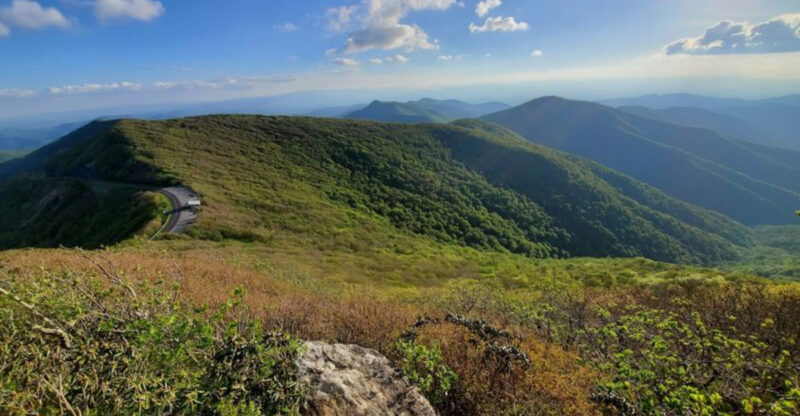
Perched along the Blue Ridge Parkway, this compact trail climbs quickly but remains manageable for most hikers. The path leads to one of the most impressive overlooks in the region, where wide views stretch across layer after layer of the Great Smoky Mountains.
On clear days, the horizon seems to roll endlessly through the ridges of western North Carolina.
What makes this trail stand out is how accessible the scenery is. A relatively short hike delivers views that many longer mountain routes struggle to match.
I can easily imagine travelers from across the country planning a stop here while exploring the Blue Ridge Parkway. It sounds like the kind of place where hikers reach the summit, pause for a moment, and simply take in the landscape.
The Trail That Surprises Everyone
Some trails make you work hard for a mediocre view. Water Rock Knob is not one of them. This short trail near Sylva, North Carolina, is widely considered one of the most rewarding hikes along the Blue Ridge Parkway.
The trail starts near the parkway visitor area at Road to Waterrock Knob, Sylva, NC 28779, which makes the starting point easy to locate.
The round-trip distance is about 1.4 miles. The elevation gain is noticeable but manageable for most hikers. In total, the climb gains roughly 400 feet on the way to the summit.
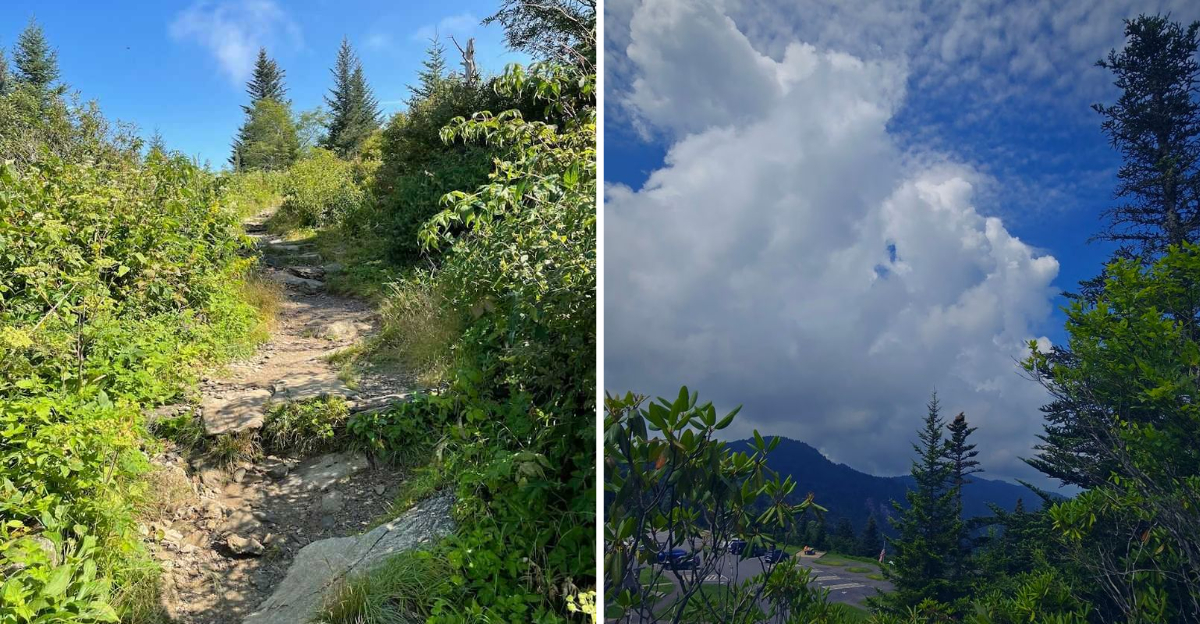
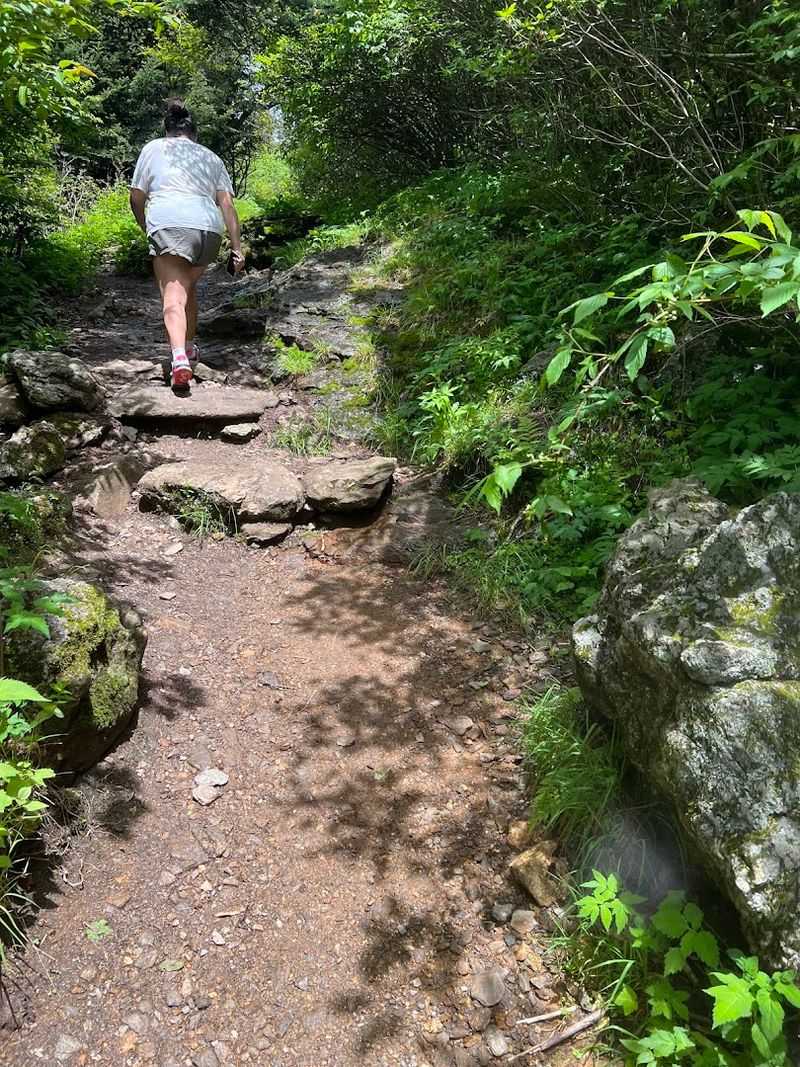
The path begins as a wide gravel path. As it climbs higher, the surface gradually becomes steeper and more rocky near the top. Stone steps and uneven sections appear during the final stretch.
I imagine the moment the trees begin to thin must feel dramatic. The surrounding ridgelines of the Smoky Mountains suddenly come into view.
Hikers often describe the overlook as a surprising payoff for such a short hike. On clear days, the summit offers sweeping views that stretch across parts of four states.
That kind of reward explains why this trail continues to attract visitors exploring the Blue Ridge Parkway. A relatively short climb delivers one of the most impressive mountain panoramas in the region.
Where Exactly You Are Standing
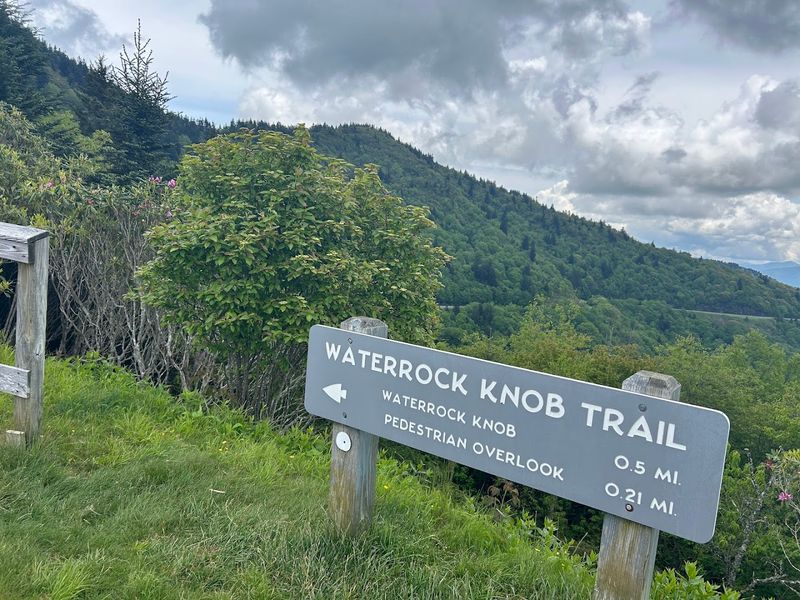
Geography plays a big role in why some mountain views feel so dramatic. Water Rock Knob is a perfect example.
The summit rises to about 6,292 feet above sea level. That elevation places it well above many nearby ridgelines. The result is an open, sky-level viewpoint that shorter trails rarely offer.
Water Rock Knob sits within the Plott Balsam Range of western North Carolina. This range forms part of the larger Appalachian highlands that shape the region’s landscape.
The Blue Ridge Parkway passes directly beside the summit area, which makes the trailhead surprisingly easy to reach.
Because of that location, many travelers discover the trail unexpectedly while driving the parkway. I can easily picture someone spotting the trail sign, pulling over, and deciding to try the hike.
That spontaneous stop often leads to one of the best views on the route. From the summit, the landscape stretches across portions of North Carolina, Tennessee, Georgia, and South Carolina.
Few hikes of this length offer such a wide geographic perspective. The elevation and positioning of the knob are what make the view feel so expansive.
What The View Actually Looks Like
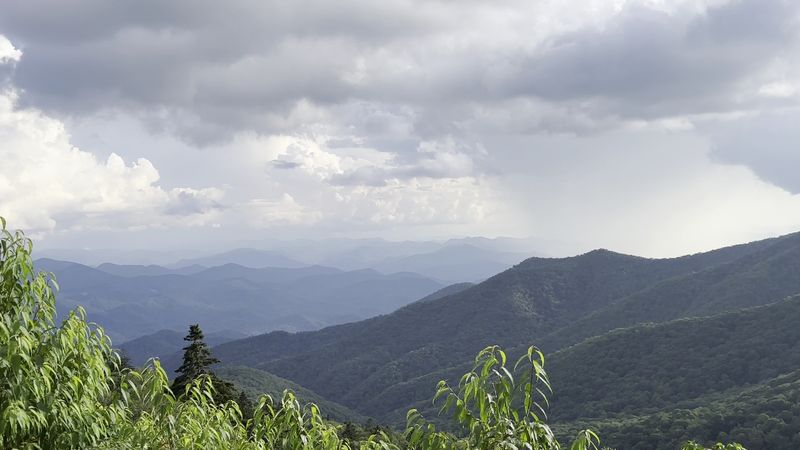
Words can describe a mountain view, but some landscapes are difficult to capture fully. The summit of Water Rock Knob often falls into that category.
From the top, the Great Smoky Mountains stretch outward in long layers of blue and green ridges. Each ridge appears slightly lighter than the one before it. This creates a sense of depth that feels almost painted across the horizon.
The blue haze that gives the Smokies their name is often visible from this elevation. It hangs gently over the valleys and distant peaks, softening the landscape.
Photographs show part of the effect, but the full scale is easier to understand when imagining the wide mountain sweep.
Ridge after ridge fills the horizon. Forested mountains dominate the view without roads or buildings breaking the scene.
Many travelers say the overlook changes their expectations of what a short hike can deliver. On clear days, the scenery feels expansive and surprisingly dramatic.
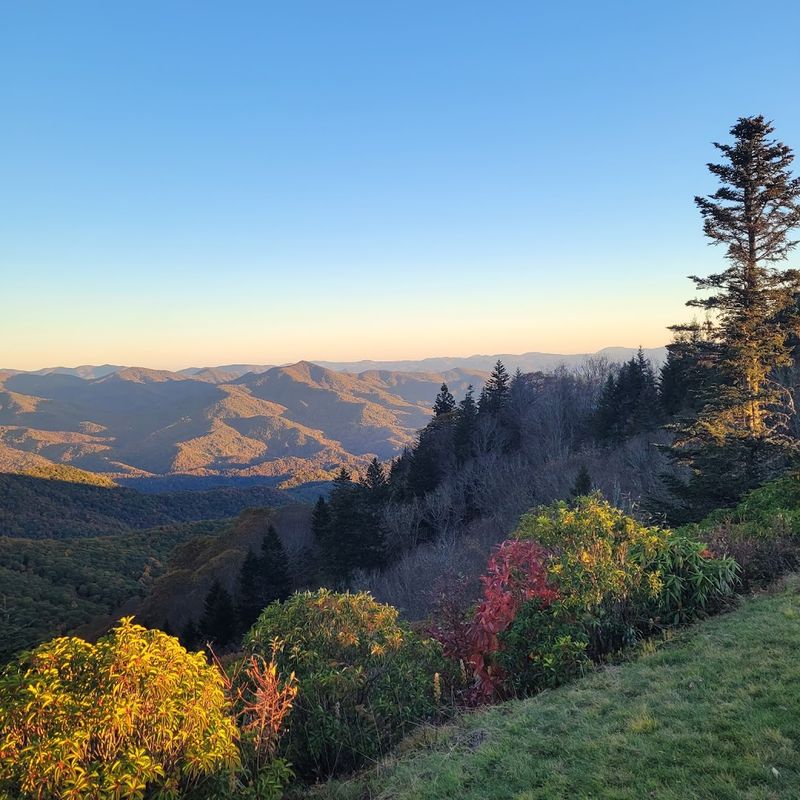
Sunrise and sunset add another layer to the view. The sky often shifts into deep oranges and soft pinks above the dark mountain silhouettes.
The Best Seasons To Make The Climb
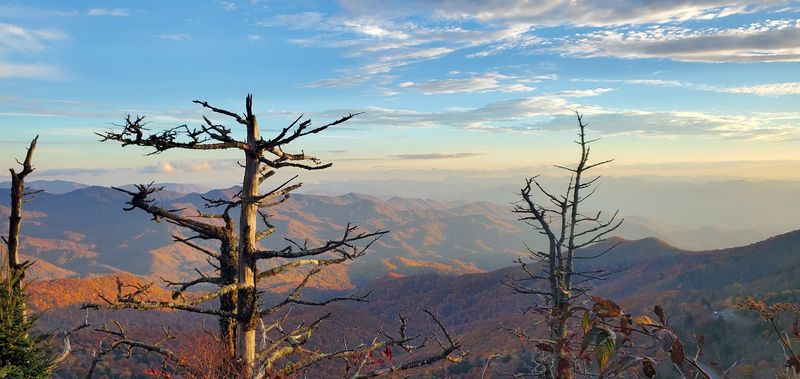
Timing a hike to Water Rock Knob can completely change the experience. Each season reveals a different side of the mountain.
Fall is easily the most popular time to visit. From mid-October through early November, surrounding forests explode with color. Hillsides turn deep orange, bright red, and golden yellow.
The colorful slopes frame the distant mountain ridges in dramatic fashion.
Spring offers a quieter atmosphere. Wildflowers begin appearing along the lower sections of the trail. Cool mountain air also makes the climb feel refreshing instead of exhausting.
Summer often delivers the clearest long-distance views. On dry days, ridge after ridge stretches across the Smoky Mountains horizon. Afternoon thunderstorms are common in the mountains, so earlier hikes are usually the safest option.
Winter is the wild card. Snow sometimes dusts the ridgelines while ice forms on exposed rocks. Trail conditions can become slippery and may require traction devices.
When snow settles across the Smoky Mountains, the view from the summit takes on an entirely different character.
Wildlife And Nature Along The Way
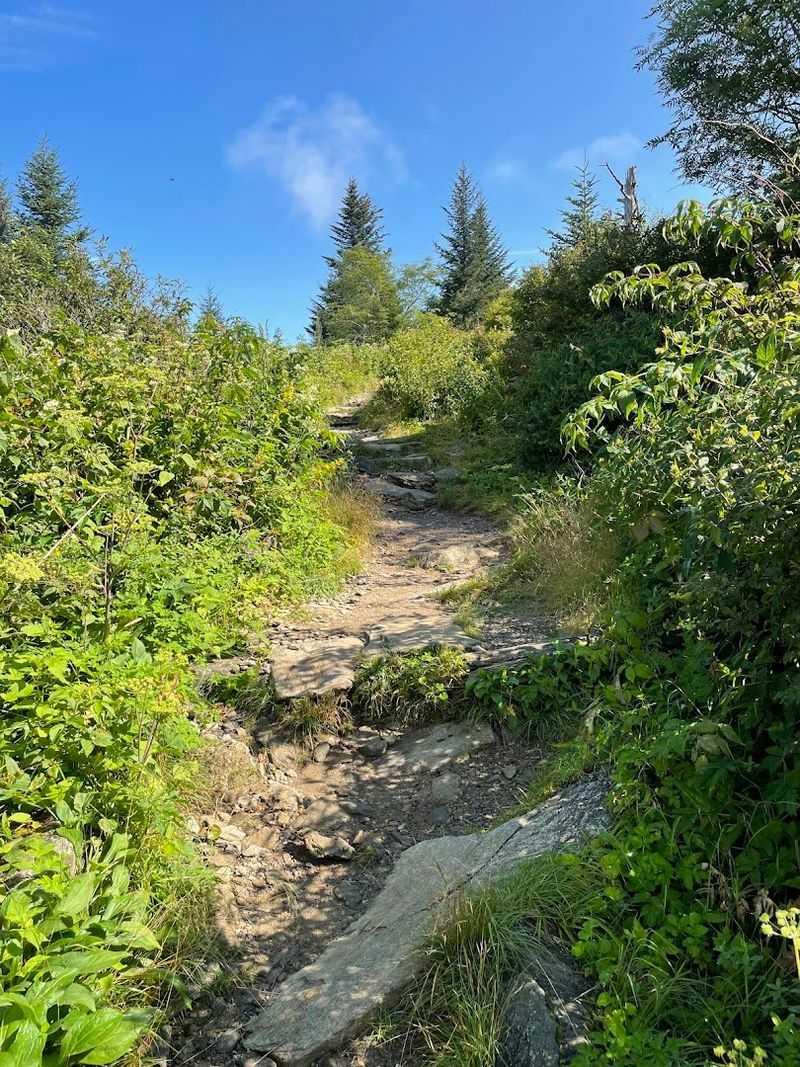
A short trail can still deliver an impressive range of natural detail, especially when the landscape changes quickly with elevation.
This route is only about 1.4 miles long, yet the variety of plant life and wildlife along the way makes it feel far richer than its distance might suggest.
The lower portion begins in a mixed hardwood forest where oak, maple, and birch form a broad canopy overhead. Sunlight filters through the leaves in shifting patterns, creating pockets of light and shade across the path.
As the trail gradually climbs, the forest begins to change. Higher elevations introduce a spruce-fir ecosystem, a cooler and more northern style of forest that is rarely seen this far south in the United States.
That ecological transition supports a surprisingly diverse mix of wildlife. White-tailed deer are often seen near the lower sections of the trail, especially in the early morning.
Overhead, hawks and ravens glide on rising air currents near the higher ridges. Songbirds remain active through much of the forest, their calls echoing through the trees on quiet days.
Spring and early summer bring another layer of life to the trail. Wildflowers appear along the path, including trillium, mountain laurel, and the vivid flame azalea.
When the azalea blooms, its bright orange blossoms stand out sharply against the deep greens of the surrounding forest.
It is easy to imagine someone arriving for a quick walk and ending up lingering far longer than planned. A trail like this encourages slower movement and curiosity, turning a short outing into a surprisingly rich exploration of the mountain landscape.
Practical Tips Before You Go
A little planning can make this short hike far more enjoyable. The distance may look modest on a map, but the mountain setting adds a few details worth considering.
Parking is available at the Waterrock Knob Visitor Center along the Blue Ridge Parkway. The lot is free and fairly spacious, though it can fill quickly during peak seasons.
Fall weekends and holiday mornings tend to bring the largest crowds. Arriving early in the day often makes the experience more relaxed.
The trail itself is not paved. Sections closer to the summit include uneven rocks and natural steps formed by the terrain. Footwear with reliable traction helps significantly here.
Hiking boots or sturdy trail runners are usually a better choice than casual sneakers, particularly if the ground is damp.
Even on a short hike, bringing water is wise. Higher elevations often feel cooler and drier than expected. The gradual climb can leave hikers thirstier than they anticipated.
A small snack can also make the stop at the summit more enjoyable. Wind conditions sometimes change quickly at the top, so a light jacket is another helpful addition.
Cell service across the Blue Ridge Parkway is limited in many places, including around Waterrock Knob.
Downloading maps or trail information before arriving tends to prevent confusion at the trailhead. Having directions ready beforehand makes the entire outing smoother.
The Blue Ridge Parkway Connection
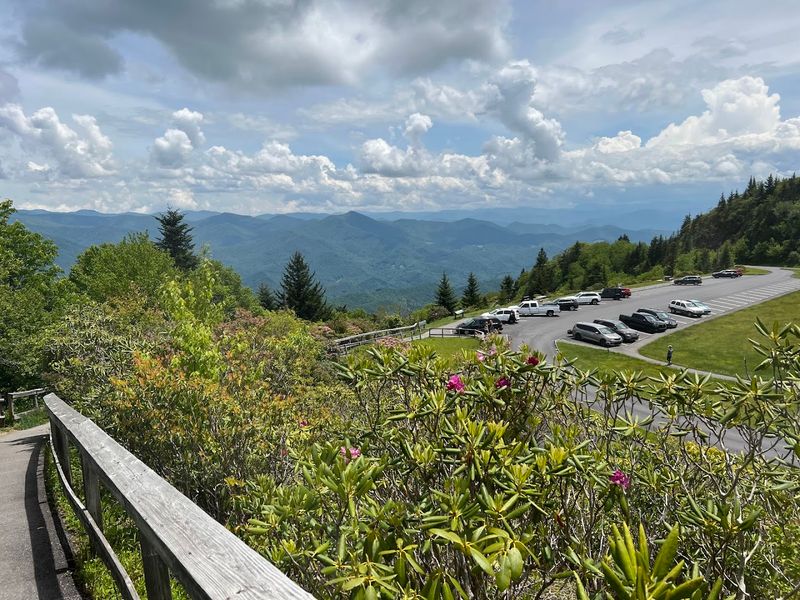
Waterrock Knob feels even more significant when viewed in the context of the road that leads to it. The summit sits along the Blue Ridge Parkway. It’s one of the most celebrated scenic drives in the United States.
It was designed specifically for slow travel through the Appalachian Mountains.
The parkway stretches roughly 469 miles from Shenandoah National Park in Virginia to Great Smoky Mountains National Park in North Carolina. Rather than functioning like a typical highway, the road was built for scenery.
The speed limit generally stays around 45 mph. Commercial trucks are not permitted, and frequent overlooks encourage drivers to pause and take in the landscape.
The stretch near Sylva and the southern Smokies is often described as one of the most dramatic portions of the entire drive.
Mountain ridges roll across the horizon in layered shades of blue. Each overlook reveals a slightly different angle on the surrounding valleys and peaks.
Waterrock Knob appears near the southern end of the route at Milepost 451.2 on the Blue Ridge Parkway.
Many road-trippers who drive the parkway over several days make a point of stopping here because of the viewpoint and short summit hike.
The combination works naturally. The scenic drive provides the sweeping context of the mountains, while the short climb to the top of Waterrock Knob offers a closer look. Together, they create a stop that rewards both the relaxed road traveler and the curious hiker.
Why This Trail Stays With You
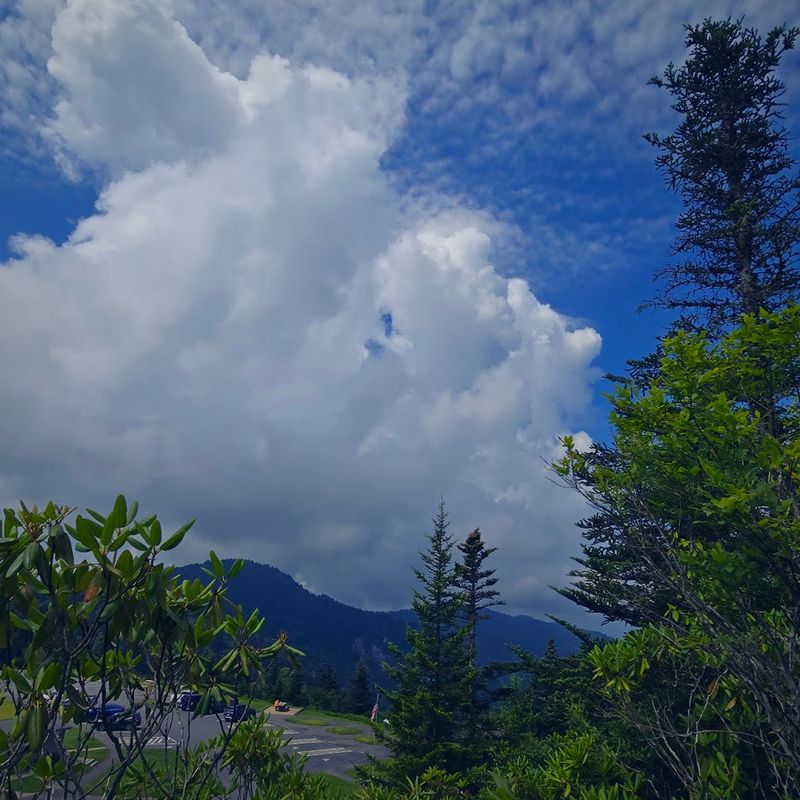
Some travel experiences stay memorable without needing much buildup. Waterrock Knob is one of those places.
The hike is short and manageable for most visitors, yet the summit view stretches across multiple layers of the Smoky Mountains.
From the top, the scale of the surrounding ridges becomes clear. Trails that combine such an easy climb with a wide mountain view are surprisingly uncommon.
Seasonal changes also keep the trail interesting. Spring brings fresh green foliage and blooming wildflowers. Summer adds dense forest and hazy blue mountain layers.
Fall turns the surrounding slopes into bright reds, oranges, and golds that attract photographers and leaf watchers from across the region.
Because the trail is short, many visitors return during different seasons. The same route can feel completely different depending on the time of year and the light across the mountains.
The summit itself has a noticeable quiet. Even when other hikers are present, the open space and steady wind tend to soften the noise. Most people linger for a few minutes, taking in the view before heading back down.
Waterrock Knob stands out for its balance of accessibility and scenery. A brief hike leads to one of the most impressive high-elevation viewpoints in western North Carolina.