Why Is This Forest In Buxton, North Carolina One Of The Best Getaway Spots
Forget the plastic boardwalks. Ignore the neon signs of typical beach towns.
There is a quiet corner in the North Carolina coast that stops being a map. It starts as an adventure.
This town sits at the sharpest elbow of the Outer Banks. Here, the Atlantic Ocean doesn’t just meet the sand.
It collides with the shore in a display of raw power. Most tourists drive right past the best part.
Just behind the giant dunes lies an ancient, emerald world. This is the maritime forest. The silence is heavy and deep, and it feels as if history is buried in every grain of sand.
You might hunt for the perfect wave at the jetty. Perhaps you prefer watching ghost crabs under a star-choked sky.
This place offers a rare, unshielded connection to the elements. There are no resort filters here.
This is the real Outer Banks, North Carolina. Welcome to the edge of the world.
1. Ancient Maritime Canopy
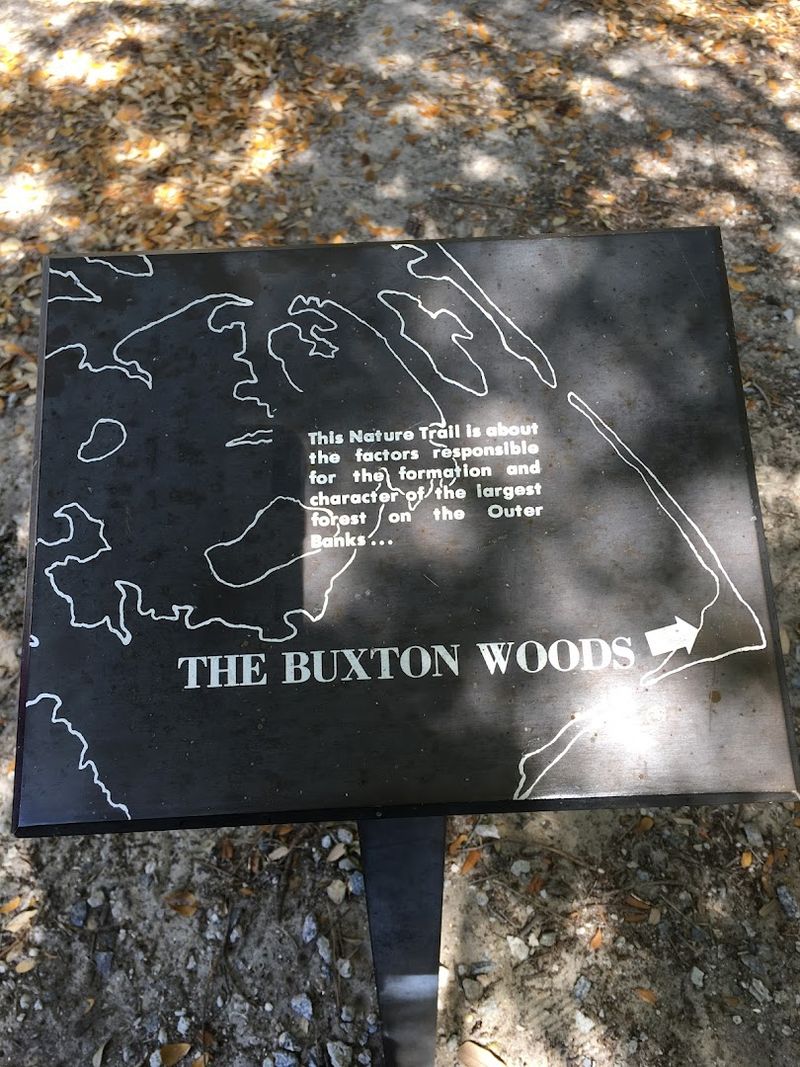
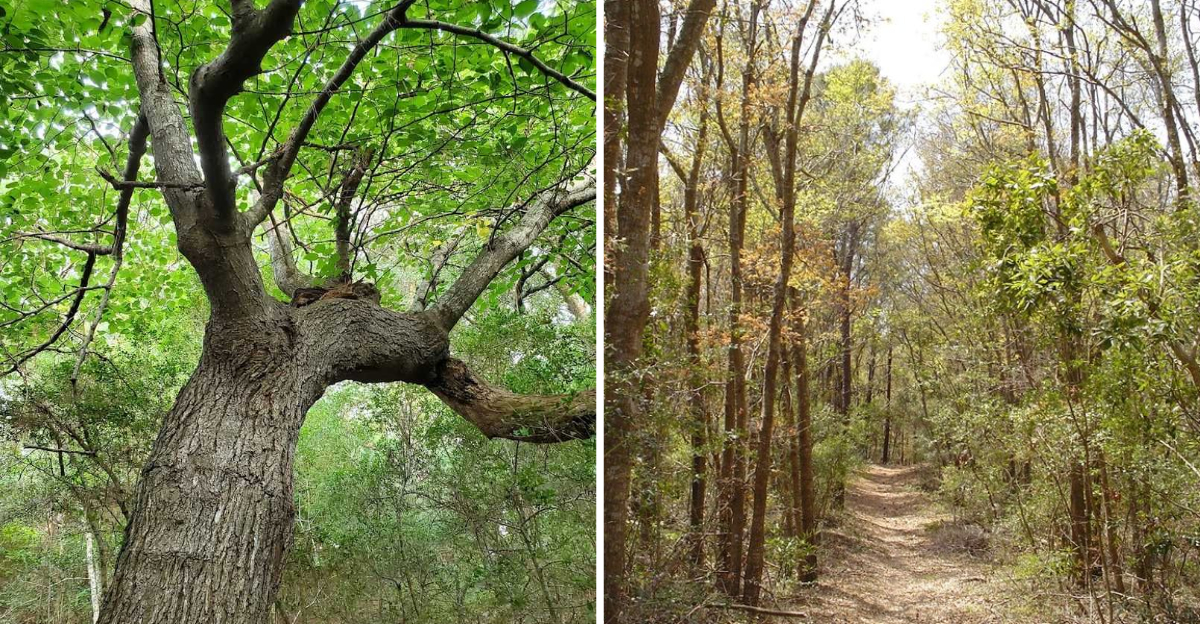
The woodland in Buxton stands as a physical defiance of coastal erosion and harsh Atlantic weather.
It offers a deep sanctuary that feels completely removed from the surrounding dunes. Live oaks and loblolly pines create a thick canopy that traps moisture and earth scents.
This landscape is accessible near the Cape Hatteras Lighthouse at 46375 Lighthouse Road, providing a direct gateway to the island’s interior. Finding this address is the first step toward leaving the modern beach world behind.
It is also accessible within Buxton Woods Coastal Reserve.
Visitors often find that the temperature drops significantly as soon as they step beneath the trees.
Every trail serves as a reminder of the island’s hidden interior strength. This ecosystem provides a vital barrier against the destructive forces of seasonal hurricanes.
The dense root systems anchor the sandy soil against the persistent movement of the tides. Local legends suggest that these woods once hid explorers seeking refuge from the open sea.
2. Freshwater Ponds And Marshes
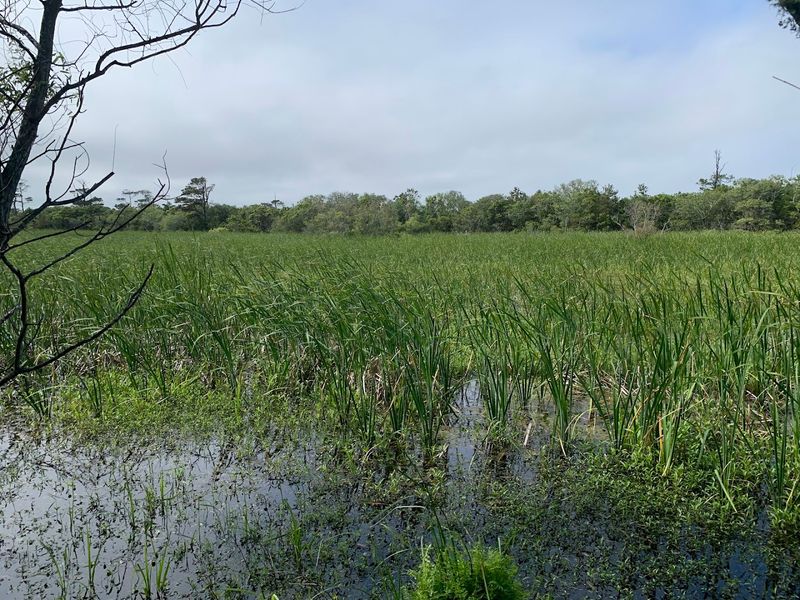
Did you know that a secret source of life is hidden right behind these salty dunes?
The Buxton Woods Coastal Reserve hides a complex freshwater system that most travelers never expect to find. Small ponds and marshes are between sandy ridges throughout the entire protected area.
These water sources allow for a diversity of life that is unheard of on most other islands. You can find these wetlands along the main hiking trails of the park.
The combination of freshwater and protective shade makes this a vital stop for migrating animals. Does the stillness of the forest help you reconnect with the natural world around you?
The water is often still and clear, reflecting the twisted branches of the oaks above. It is a meditative experience to sit by the pond while the ocean crashes nearby.
Nature here has found a way to balance the delicate needs of life against the salt. This freshwater lens is a geological marvel that sustains the entire village of Buxton.
The filtration through the deep sand ensures a purity that has supported residents for generations. You might notice the ripples on the surface caused by small fish darting beneath the lily pads.
These aquatic pockets are essential for the survival of the local deer population. The reflection of the towering pines in the dark water creates a perfect mirror of the sky.
3. Coastal Wildlife Habitat
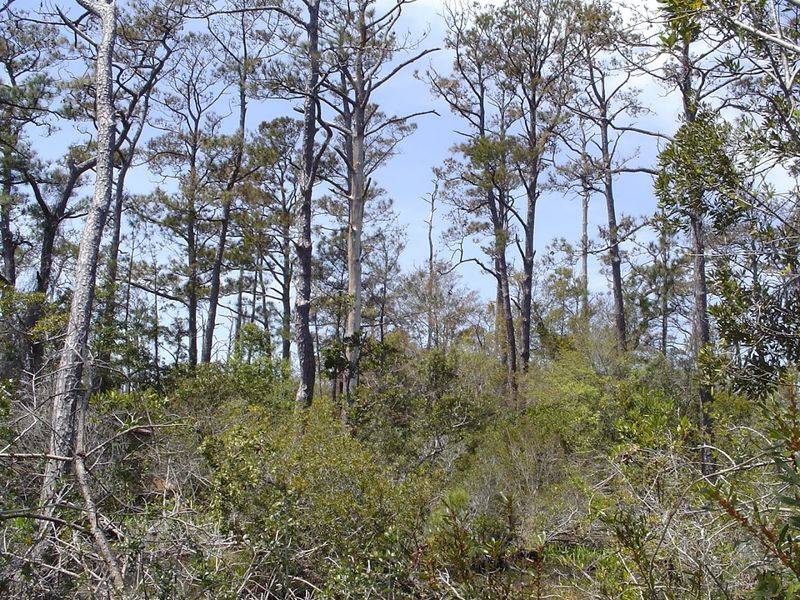
The forest supports wildlife including red-tailed foxes, marsh rabbits, and even majestic bald eagles.
Many people never expect to see such a variety of mammals on a narrow strip of land. This reserve provides a safe haven for these species within its protected boundaries.
Reptiles like the eastern box turtle are frequent residents on the forest floor. These creatures are often seen sunning themselves on the sandy ridges during the early morning hours.
The bird calls in the canopy create a constant soundtrack for your daily hike. It is a living classroom where the island’s ecological history is on full display.
Every rustle in the undergrowth tells a story of survival and adaptation. You might spot a gray squirrel gathering acorns beneath the branches of a century-old oak tree.
The diversity here is a result of the microclimate created by colliding currents. Predators and prey exist in a delicate balance within this narrow, green corridor.
Naturalists often visit this site to document the rare insects that thrive in the marsh air. The forest provides a safe nesting ground for hundreds of species throughout the year.
Every encounter with the local fauna reminds you of the wild spirit of the coast. This sanctuary remains a vital link in the regional chain of biodiversity.
Is your camera ready to capture a glimpse of the island’s true residents?
4. Natural Island Dunes And Hollows
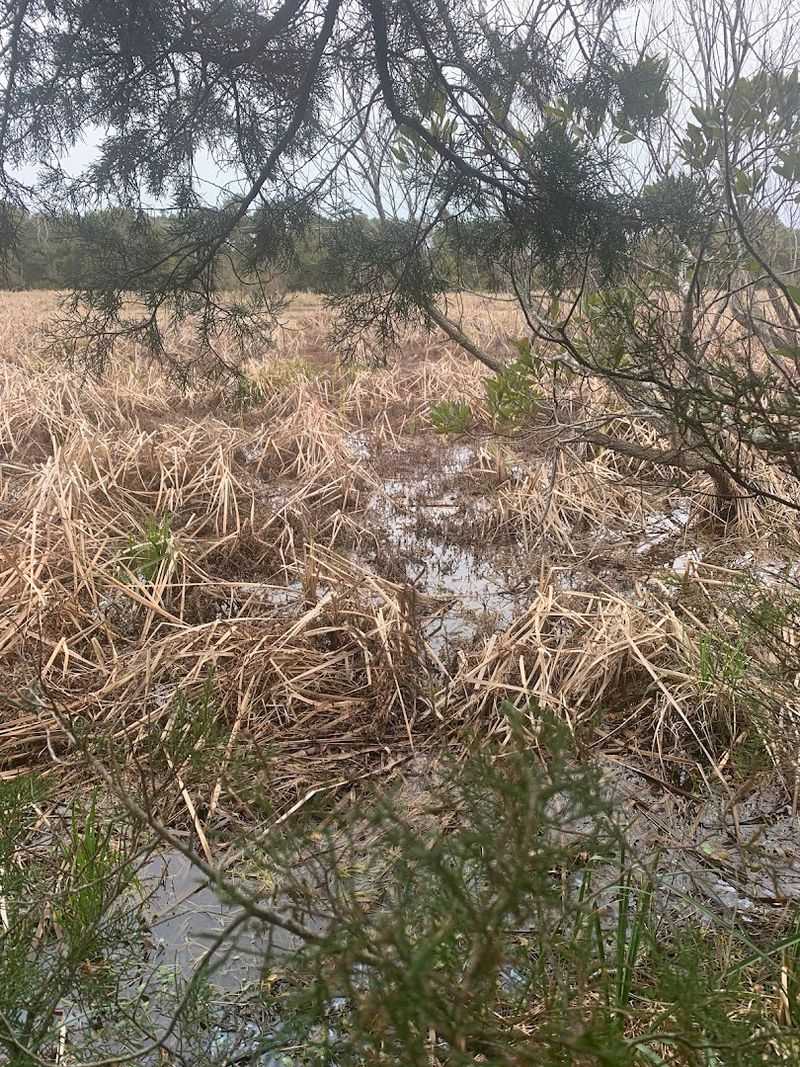
What if you could walk over a giant, green wave that has been frozen for a thousand years?
The topography of the Buxton woods consists of a ridge and swale system. Sandy dunes that were formed centuries ago now act as the high ground for oak trees.
The low-lying swales between them catch the rainfall and support the lush marsh grass. The loop trail offers the best perspective on this geological pattern.
The path rises and falls as it follows these old maritime formations. Walking here feels like navigating a giant, green wave that has been frozen in time.
The ridges provide a panoramic view of the forest interior that is both intimate and vast. It is a physical manifestation of how the island has grown over thousands of years.
The elevation changes are subtle but significant for the local vegetation. These ridges protected the interior of the island during the Great Storm of 1899.
The swales act as natural reservoirs that prevent the forest from drying out during droughts. This rhythmic landscape creates a variety of habitats within a small geographic area.
You can see the difference in plant life between the dry crests and the damp hollows. The soil composition varies depending on the proximity to the dune lines.
This complexity makes the woods a favorite subject for coastal geologists. Every step reveals a new layer of the island’s long structural history.
5. Shaded Live Oak Trails
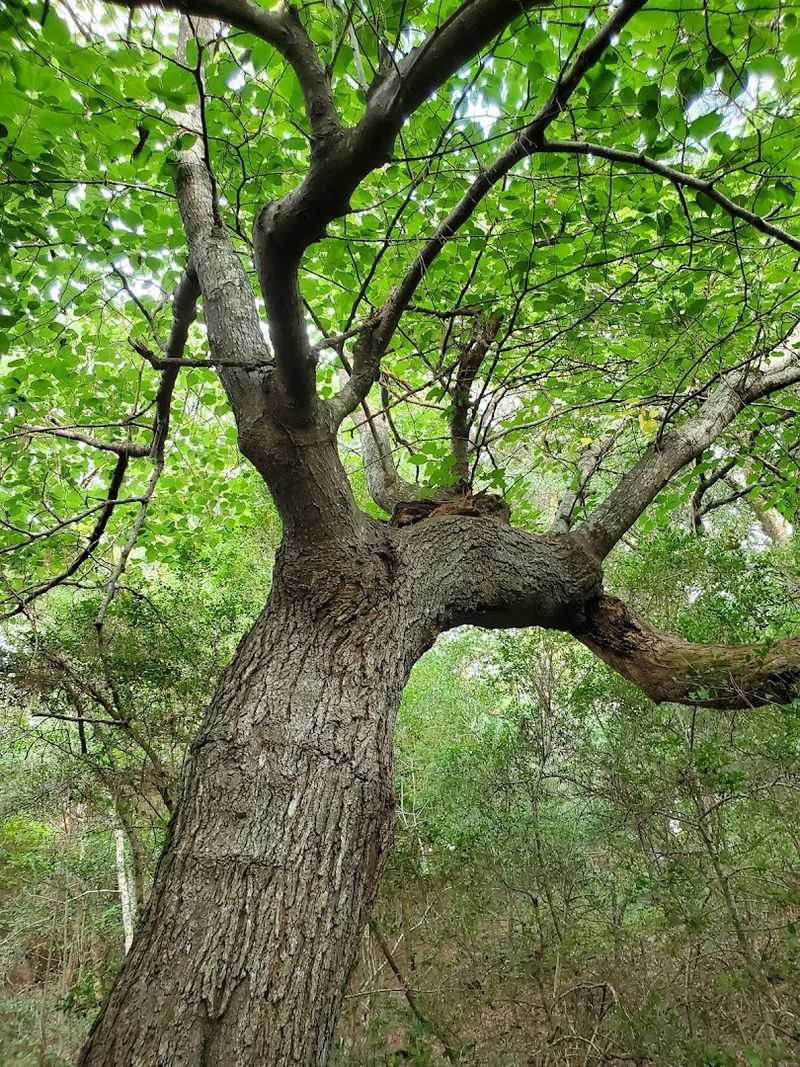
The maritime forest provides a sanctuary from the heat of the beach during summer.
Exploring the famous Buxton Woods Trail allows you to fully immerse yourself in this shaded wonderland. This specific path offers the most refreshing route through the twisted oaks and towering pines.
The thick leaves of the live oaks act as a natural umbrella, keeping the floor cool.
You can trade the sun for the soft, filtered light of the canopy. This environment encourages a slower pace and careful observation of the small details.
It is a rare example of a coastal town that has kept its original forested character. The contrast between the bright dunes and the dark woods is a sensory delight.
Sunlight trickles through the leaves in golden patches that dance on the sandy path. The humidity of the forest keeps the air feeling soft and rich with life.
Have you ever considered that a barrier island could offer a cool escape from the sun? The maritime forest provides a sanctuary from the heat of the beach during summer.
Local families often come here to enjoy a quiet picnic away from the wind. The silence is deep and restorative for those seeking a break from the modern world.
You will find that the sounds of the distant surf become a rhythmic hum. This shaded world offers a perspective on the Outer Banks that many tourists never see.
It is the perfect place to reflect on your journey through this landscape. The cool air is a gift from the trees to the weary traveler.
6. Migratory Bird Flyway
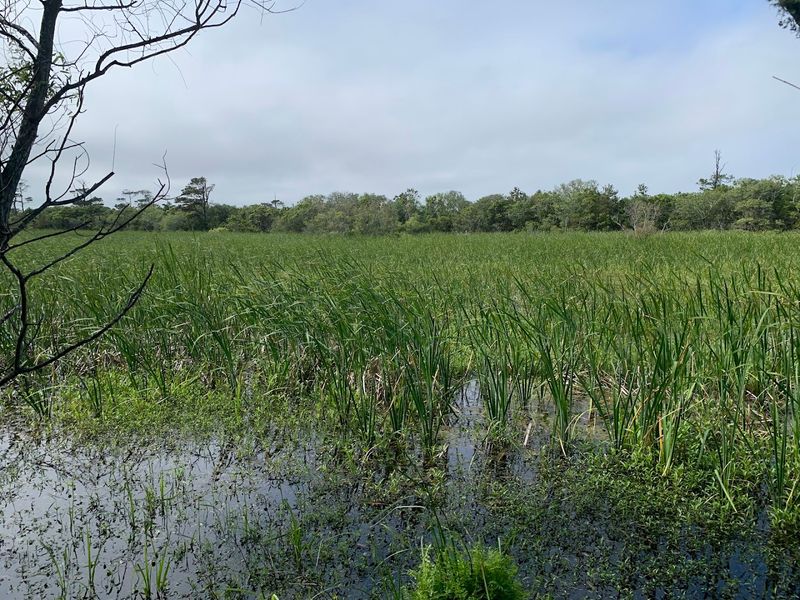
The Buxton woods act as a critical refueling station for birds navigating the Atlantic Flyway. During the spring and fall, the canopy is filled with warblers and hawks seeking rest.
The central observation points are located along the wooded ridges near the lighthouse. This makes the forest one of the best birdwatching spots in the entire region.
The availability of freshwater and insects ensures the survival of these weary travelers. You can often see binoculars pointed toward the sky at almost any hour.
Does the sight of a migrating hawk soaring above the pines inspire a sense of wonder? It is a global connection point hidden within a local treasure.
The forest provides the energy needed for their long journey over the open sea. Many species use the iconic lighthouse as a landmark to find this green oasis.
The sheer number of birds that pass through is a testament to its ecological importance. Ornithologists have recorded over a hundred different species within the boundaries of the reserve.
The dense undergrowth offers protection from predators while the birds recover their strength. This seasonal cycle has repeated for thousands of years without any interruption.
You might hear the complex songs of a painted bunting echoing through the pines. The arrival of the first migratory flocks marks the true beginning of the spring season.
Wouldn’t it be amazing to watch the sky come alive as thousands of wings find refuge in a single grove of trees?
7. Old-Growth Oak Heritage
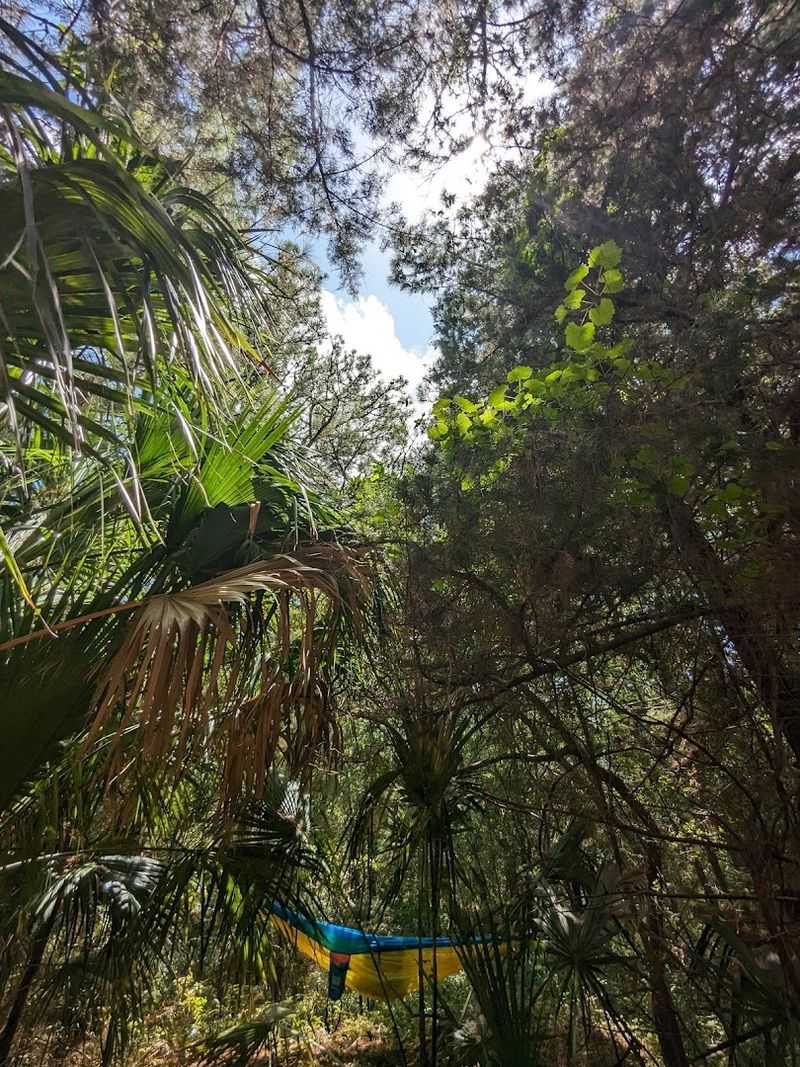
The legacy of local people is deeply intertwined with the timber found in these groves.
Shipbuilders once harvested the sturdy live oak limbs to create the frames of coastal schooners. This wood was known for its incredible strength and resistance to rot in the salty air.
The heritage of the woods is preserved within the protected landscape of the interior. It offers a connection to the elements that are difficult to find in our world.
The forest is a living museum of the island’s struggle against the sea.
These woods witnessed the transition from a fishing village to a popular travel destination. The local community remains committed to preserving this history for future generations.
Walking through the shadows feels like stepping back into a simpler era of life. The trees are the silent witnesses to the enduring spirit of the Hatteras people.
They stand as monuments to a past that still breathes within the leaves. This heritage is the anchor that holds the island’s story together.
Does the thought of these trees outlasting generations of sailors change how you see the woods?
8. Seasonal Forest Environment
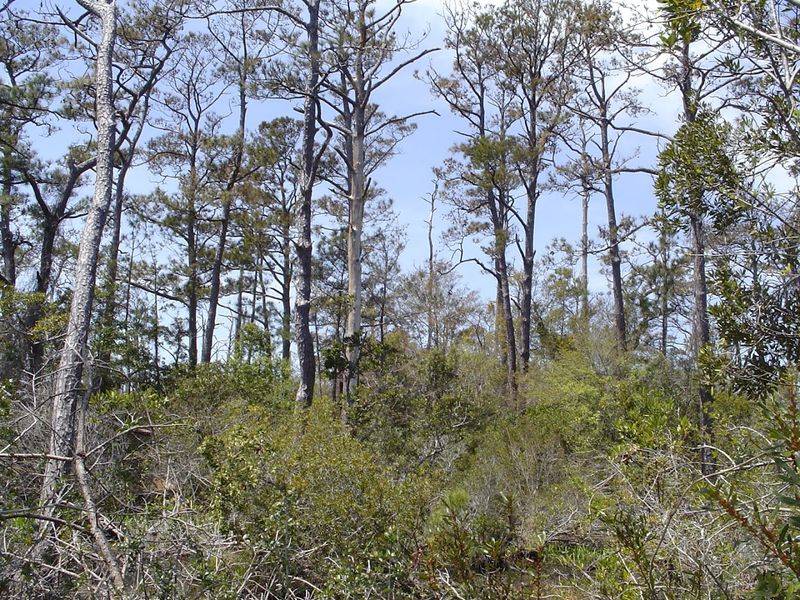
Is there ever a wrong time to visit a place that is constantly reinventing itself?
The forest changes its personality with the shifting of the coastal seasons throughout the year. In the late fall, the air becomes crisp and mosquitoes almost vanish, making it perfect for exploration.
The winter months reveal the intricate skeletal structures of the deciduous trees. The access points remain open for year-round discovery regardless of the coastal weather.
Spring brings a burst of new growth and a chorus of frogs in the ponds. The maritime forest is never the same place twice for those who visit often.
It is a dynamic landscape that rewards those who return to see the changes. Every month offers a new perspective on this resilient and diverse island ecosystem.
During the peak of summer, the forest is a buzzing hive of animal activity. The transition to the quiet of winter brings a sense of peace to the trails.
The colors of the foliage shift from deep emerald to shades of bronze and gold. Heavy rains in the autumn replenish the swales and prepare the plants for dormancy.
You might see the tracks of a fox in the frost-covered sand on a morning. The return of the ospreys in March signals the awakening of the coastal woods.
This constant state of flux keeps the environment healthy. The resilience of the plants is tested by the weather variations of the Atlantic coast.
Does the vastness of the woods make your daily worries feel small? Each season is a new chapter in a story that never truly ends.
9. Coastal Barrier Sentinel
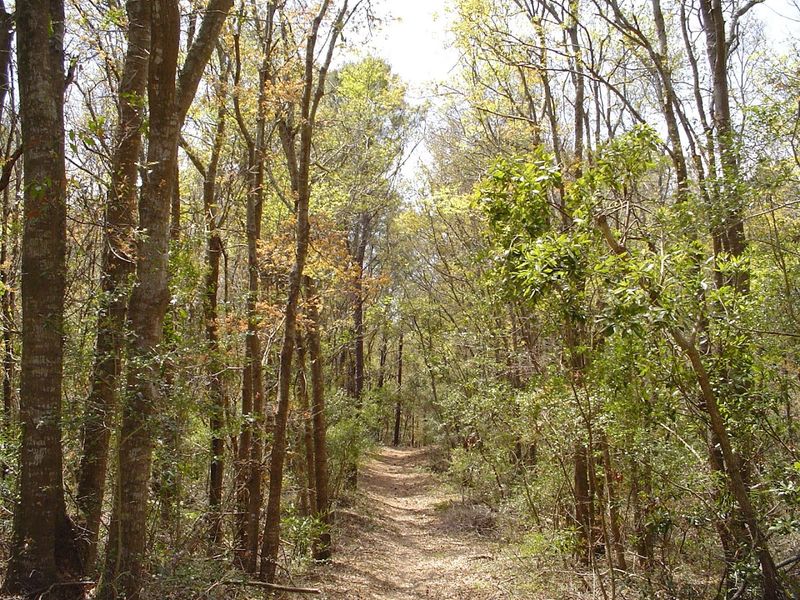
The maritime forest in Buxton acts as a final barrier protecting the island from sea.
It is a resilient ecosystem that has adapted to the harshest environments on earth. The boundary of the forest is visible near the light station at the edge.
This geographic feature is the reason the community has survived for a long time. It is a reminder of the physical forces that shape the island daily.
Every visitor leaves with a new appreciation for the strength of the maritime woods. The wilderness is calling for those who seek true adventure and discovery.
The roots of the trees form a dense mat that holds the island together. Without this green shield, the sands would have washed away into the ocean long ago.
The forest stands as a symbol of endurance in the face of constant change. You can see the salt-sheared leaves on the outer edges where the wind is strongest.
This natural pruning creates architectural shapes that define the coastal skyline. The beauty of the woods lies in their ability to thrive where others fail.
It is a testament to the power of adaptation and the tenacity of life. Every hike through this forest is a journey into the soul of the coast.
Will you be the next one to answer the call of the wild Hatteras coast?