This Historic California Restaurant Lets You Dine Inside A 200-Year-Old Building With An Original Jail Cell
Few dining experiences feel this memorable anymore.
You walk in expecting a good meal. You leave feeling like you just stepped through centuries of history.
The moment you pass through the doors, everything shifts. Thick adobe walls. Soft, ambient lighting. Rooms that carry a kind of character no modern restaurant can replicate. It does not feel curated. It feels lived in.
This California spot feels like stepping straight into another century while sitting down for dinner.
Every corner tells a story. A former jail cell tucked into the building. Spaces that have stood for generations. Even a table once favored by a United States president adds another layer you do not expect to find over dinner.
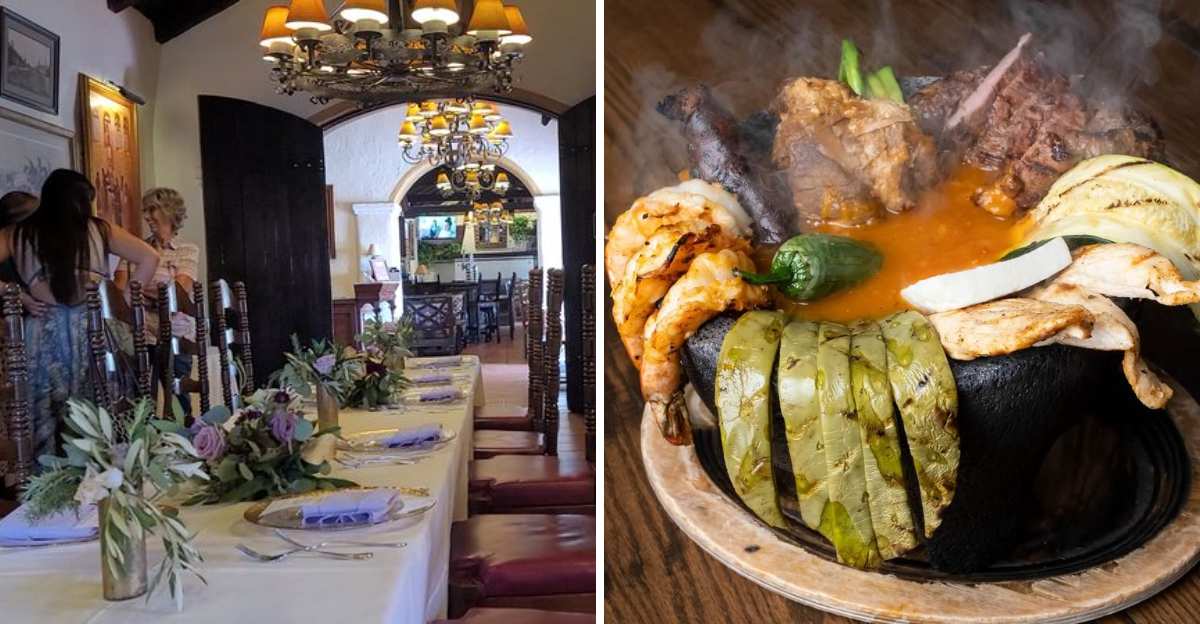
The food meets the moment. Rich, comforting Mexican dishes arrive with flavors that feel rooted in tradition, matching the setting in a way that feels natural rather than designed.
Time slows down here without asking permission. One course turns into another. Conversations stretch a little longer. The atmosphere pulls you in quietly and keeps you there.
1. The Building Dates Back To 1797
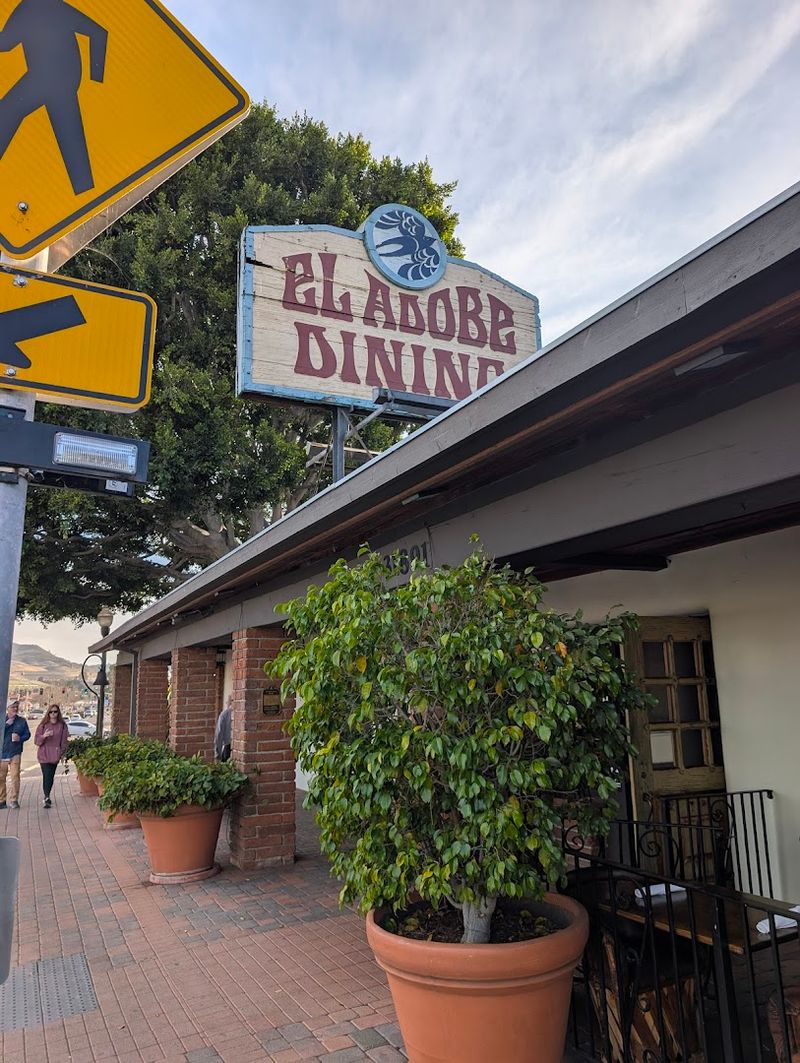
Not many restaurants can say their walls were built before the United States had its second president.
The northern section of El Adobe de Capistrano was constructed in 1797 as the private home of Miguel Yorba, a prominent figure in early California history.
That makes the structure well over 200 years old and still very much in use today.
El Adobe de Capistrano is located at 31891 Camino Capistrano, San Juan Capistrano, CA 92675, sitting close to the historic Mission San Juan Capistrano.
The thick adobe walls that Yorba once called home now surround dining tables, giving guests an unusually tangible connection to early California life.
The building has been carefully preserved over the decades so that its original character remains intact.
Walking through the space, it is easy to notice how different the architecture feels compared to modern restaurants.
The walls have a quiet solidity to them, and the aged materials carry a warmth that no amount of interior design can fully replicate.
Dining here means sharing space with more than two centuries of California history in a way that feels completely natural and unhurried.
2. The Southern Half Once Served As A Court And Jail
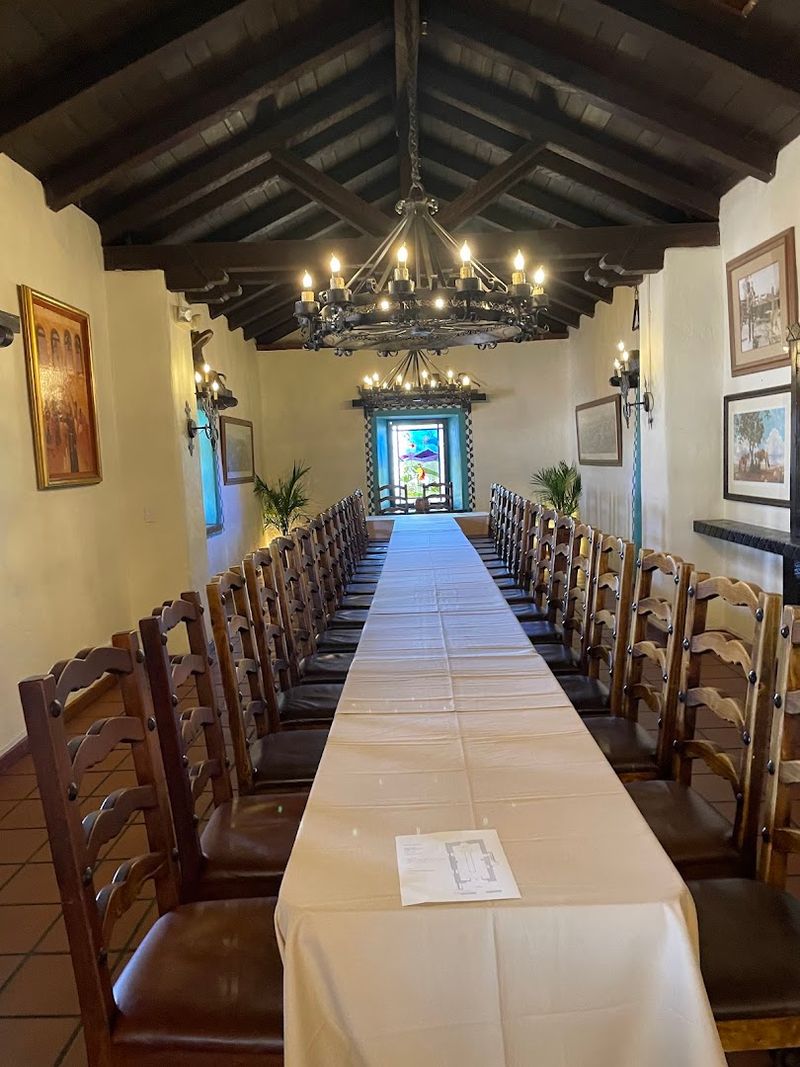
Built in 1812, the southern portion of the El Adobe de Capistrano building had a very different purpose than hosting dinner guests.
Known as the Juzgado, the structure functioned as a combination courthouse and jail during the Spanish and Mexican periods of California history.
It was a place where local disputes were settled and lawbreakers were held.
The word Juzgado translates roughly to court or tribunal in Spanish, and its role in early California governance was significant.
Decisions made within those walls shaped the lives of people living in the region during a time when California was still under Mexican rule.
The building witnessed arguments, verdicts, and consequences that modern diners can only begin to imagine while seated nearby.
Today the space feels far more welcoming than its original function might suggest.
The aged walls and low ceilings give this section of the restaurant a hushed and intimate atmosphere that sets it apart from more conventional dining rooms.
History tends to settle into the walls of old buildings, and the Juzgado section of El Adobe carries that weight in a way that feels genuinely atmospheric rather than staged.
3. An Original Iron-Barred Jail Cell Still Exists On The Property
One of the most striking features of El Adobe de Capistrano is the original iron-barred jail cell that still stands within the building.
Rather than being demolished or hidden away, the cell has been preserved and repurposed as part of the restaurant experience.
The iron bars remain in place, and graffiti carved into the walls by former inmates can still be seen today. The cell reportedly held some of California’s most notorious criminals during its active years.
Among them was Joaquin Murrieta, a legendary figure from the Gold Rush era who was known as a Mexican Robin Hood for his reputation of standing up against injustice.
Whether the stories surrounding him are entirely accurate or partly mythologized, his connection to this cell adds a layer of intrigue that few restaurants anywhere can match.
The preserved cell now functions as a unique visual centerpiece within the restaurant.
Seeing the actual bars and reading the faint markings left behind by people held there long ago creates a moment of quiet reflection that is hard to describe.
It is the kind of detail that makes a meal at El Adobe feel like more than just a dinner out.
4. The Restaurant Opened Its Doors On July 8, 1948
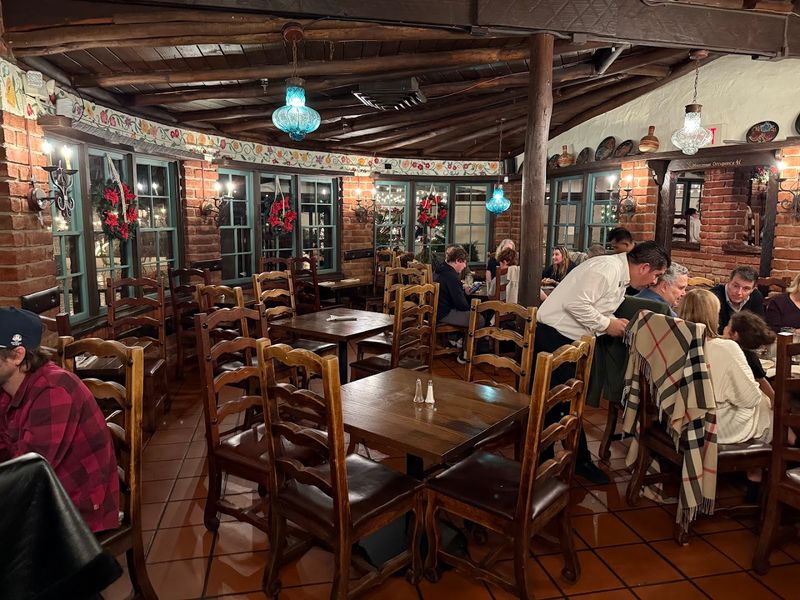
Clarence Brown acquired the historic Capistrano property in 1946 and transformed it into a full-service restaurant.
El Adobe de Capistrano officially opened on July 8, 1948, with a memorable occasion as its inaugural event: the wedding reception of General Fegan, the first Commandant of Camp Pendleton Marine Corps Base.
That kind of opening set a tone of significance that the restaurant has carried ever since.
From its earliest days, the restaurant drew guests who appreciated both good food and the weight of the surroundings.
The combination of an exceptional historic setting and genuine hospitality helped El Adobe build a loyal following across Orange County and beyond.
Decades of consistent operation have made it a genuine institution in Southern California dining culture.
Restaurants that survive for more than 75 years tend to do so because they offer something that cannot easily be replicated elsewhere.
At El Adobe, that something is a blend of authentic atmosphere, reliable food, and a sense of place that goes far deeper than decor.
The 1948 opening was just the beginning of a story that is still very much being written today.
5. President Richard Nixon Was A Regular Guest
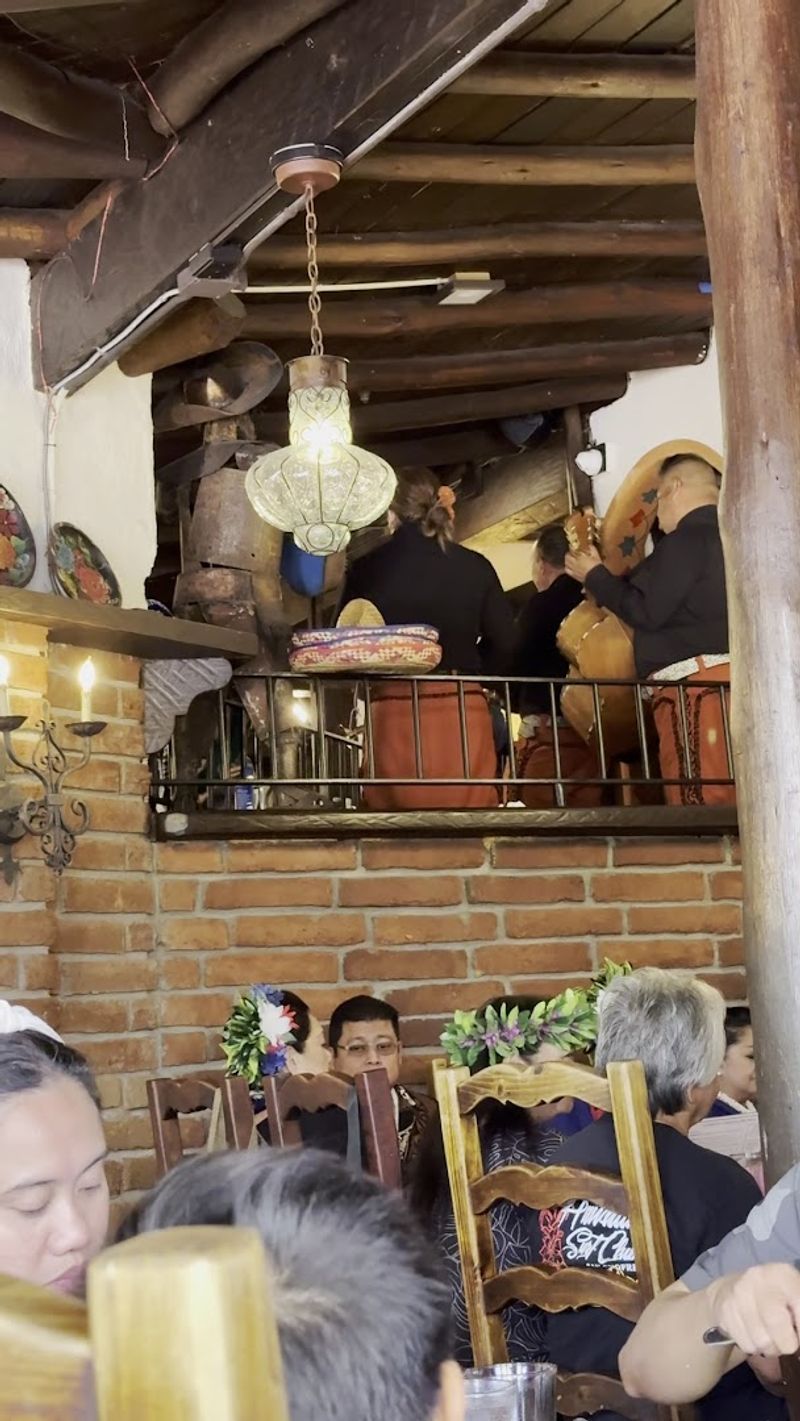
Richard Nixon, who lived in nearby San Clemente during and after his presidency, became one of El Adobe de Capistrano’s most well-known regulars.
His visits were frequent enough that the restaurant developed a personal connection to him that goes beyond a simple celebrity sighting.
A specific table inside the restaurant is decorated with photographs of Nixon and his wife, believed to have been their preferred spot.
Nixon’s influence on the restaurant extended beyond his seating preference.
The menu at El Adobe originally focused on continental cuisine, but his visits and his enthusiasm for Mexican food are credited with inspiring the shift toward the authentic Mexican fare the restaurant serves today.
That shift turned out to be a defining moment in the restaurant’s identity.
The restaurant still offers Nixon’s usual meal as a menu option, giving curious guests the chance to order exactly what the 37th president enjoyed during his visits.
Few dining experiences anywhere in the country offer that kind of personal historical thread.
For anyone with an interest in American political history or simply a good story behind their lunch, that detail alone makes El Adobe worth a visit.
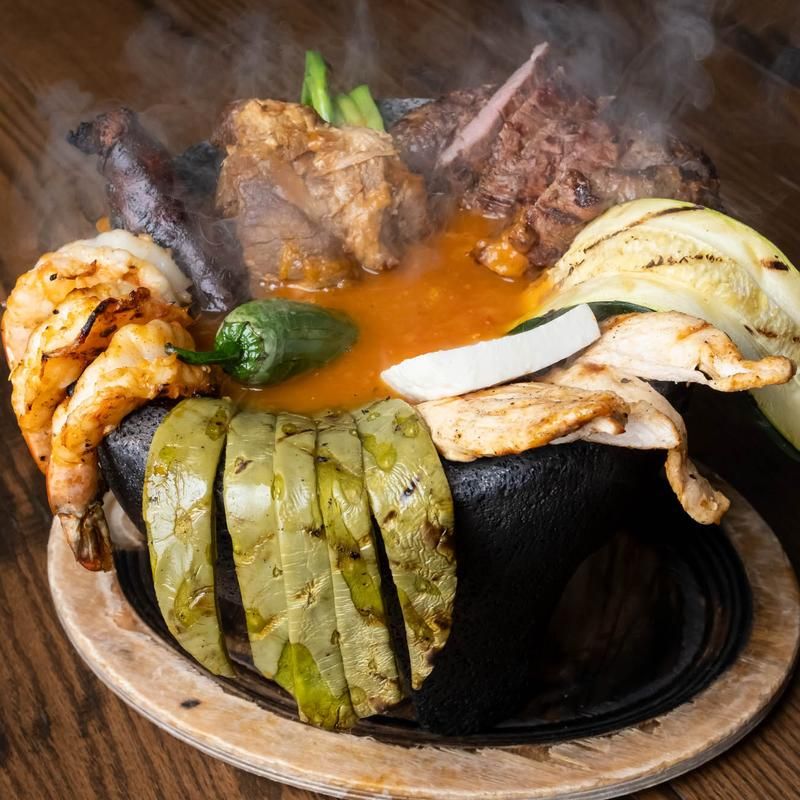
6. The Menu Centers On Authentic Mexican Cuisine With Mesquite Grilling
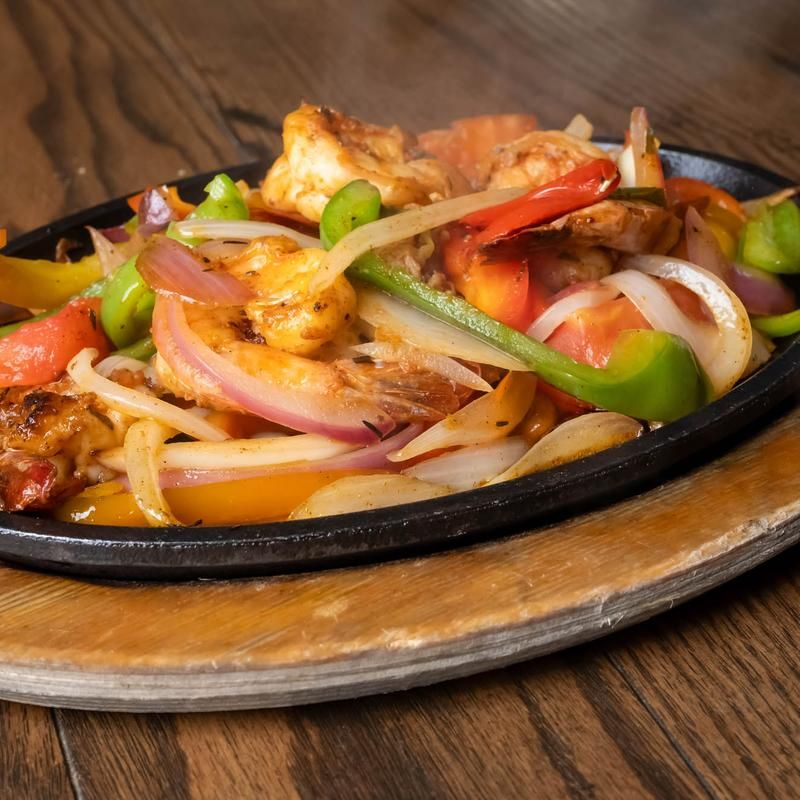
El Adobe de Capistrano serves a menu built around authentic Mexican flavors with a focus on mesquite-grilled preparations.
The cooking method gives meats and proteins a distinctly smoky character that sets the food apart from more generic Mexican restaurant fare.
Dishes like fajitas arrive at the table hot and sizzling, carrying the kind of aroma that makes nearby tables take notice.
Among the menu highlights that guests tend to enjoy are the tableside guacamole, which is prepared fresh to order and can be adjusted for heat preference.
The shrimp cocktail and lobster tacos have also earned attention for their generous portions and clean flavors.
A corn tamale and flan round out the experience for those looking to finish with something traditional and satisfying.
The Sunday brunch menu offers a broader selection of breakfast items that draw a different kind of crowd than the typical weekday lunch or dinner service.
Pricing at El Adobe sits in a moderate range for the quality and portion size offered, making it accessible without feeling casual.
The kitchen takes clear pride in using fresh ingredients, and that care shows up consistently across different dishes and different parts of the menu.
7. The Two Historic Adobes Were United By A Single Family In 1910
The northern and southern sections of the El Adobe building existed as separate properties for over a century before being brought together.
In 1910, Georgia Mott Vander Leck purchased both adobes and unified them into a single property.
She added wings to each structure, using the expanded space as their private residence and a general store.
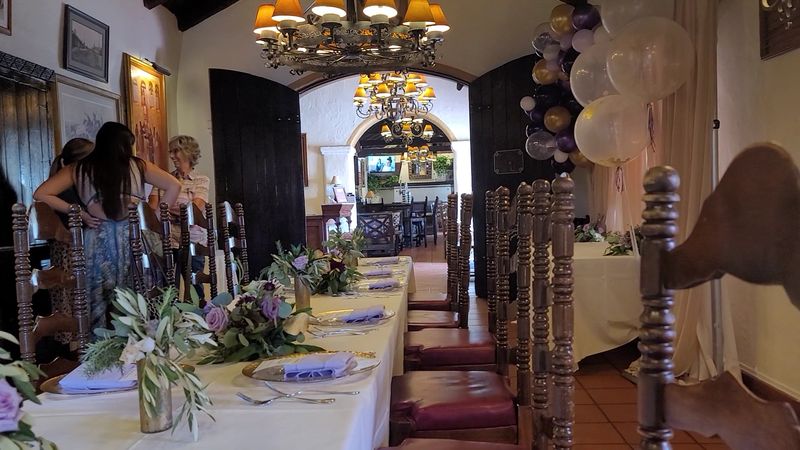
That decision to connect the two buildings created the sprawling layout that guests experience today when they move between different dining rooms and spaces inside the restaurant.
The flow of the interior feels organic rather than planned, which makes sense given that the building grew through additions over time rather than being designed as a single structure from the start.
The Vander Leck family’s stewardship of the property during the early 20th century helped preserve both adobes during a period when many historic California buildings were being demolished or significantly altered.
Their choice to maintain and expand rather than replace means that modern diners are sitting inside walls that have witnessed more than 200 years of California life.
That kind of continuity is genuinely rare and worth appreciating.
8. The Dining Space Includes Multiple Rooms, Patios, And Private Event Areas
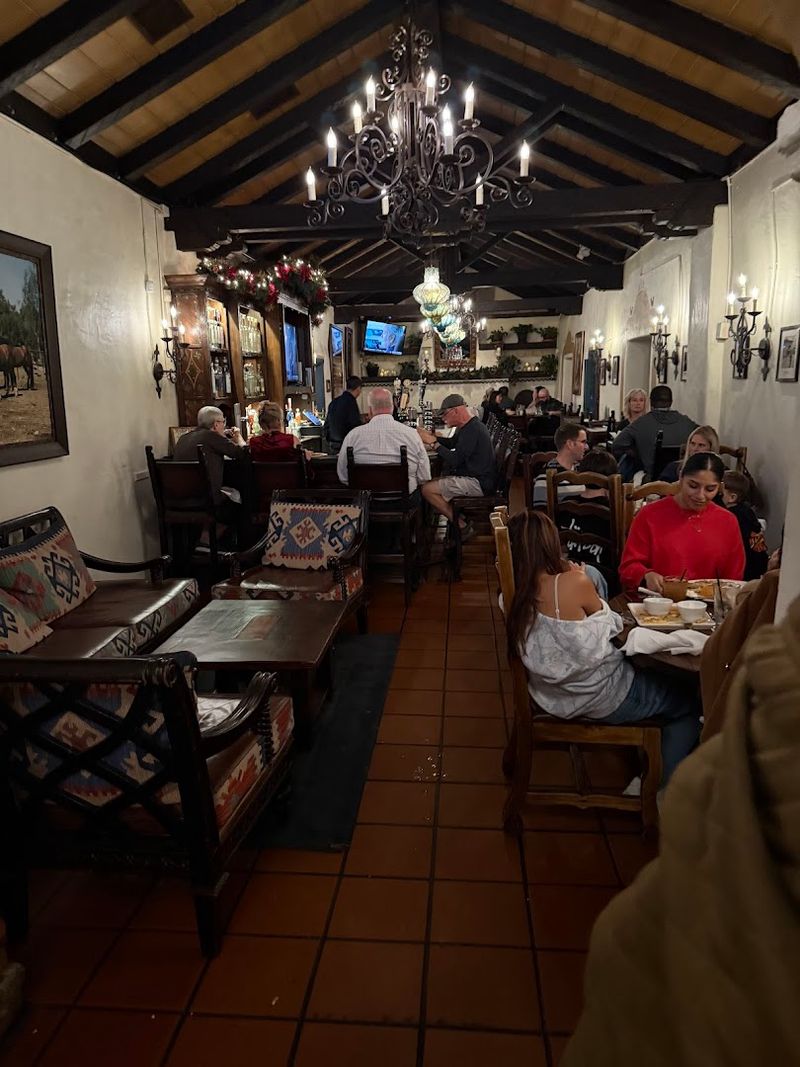
Variety is built into the physical layout of El Adobe de Capistrano in a way that makes each visit feel slightly different depending on where guests are seated.
The restaurant offers indoor dining rooms with distinct characters, an outdoor street-side covered patio, and private dining spaces that can accommodate larger gatherings.
A retractable roof in one section allows the space to shift between fully enclosed and open-air depending on the weather.
The covered patio is dog-friendly, which makes it a popular choice for guests who want to bring their pets along for a casual meal.
That kind of flexibility in seating options helps the restaurant serve a wide range of occasions without feeling like it is trying too hard to be everything at once.
Each space has its own texture and mood, from the intimate historic rooms inside to the more relaxed feel of the outdoor areas.
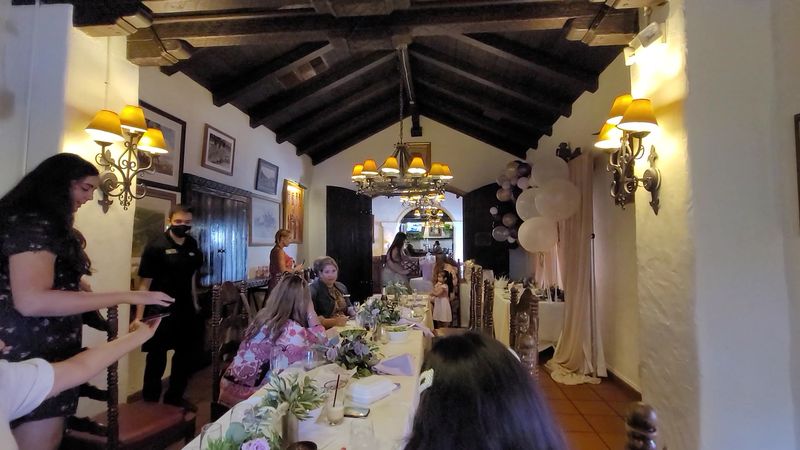
Private dining rooms are available for weddings, birthday celebrations, graduation parties, and corporate events.
The venue has hosted countless milestone occasions over the decades, and the event coordination team is known for being attentive and organized throughout the planning process.
Having that range of spaces within a single historic property gives El Adobe a versatility that most restaurants simply cannot offer.
9. The Restaurant Sits Steps Away From Mission San Juan Capistrano
Location plays a significant role in what makes a visit to El Adobe de Capistrano feel complete.
The restaurant sits directly along Camino Capistrano, placing it within easy walking distance of the famous Mission San Juan Capistrano, one of the most visited historic landmarks in California.
The proximity means guests can pair a meal with a walk through mission grounds on the same afternoon. San Juan Capistrano itself is a small historic town that rewards slow exploration on foot.
Antique shops, galleries, and historic storefronts line the streets near the restaurant, making the surrounding neighborhood a pleasant complement to the dining experience.
Stopping in for lunch after a morning of exploring the town feels like a natural and satisfying way to spend a day in the area.
Weekday visits tend to be quieter and more relaxed than weekend afternoons, when the combination of tourists visiting the mission and locals seeking a familiar table can make the restaurant noticeably busier.
Arriving early when the restaurant opens at 11 AM on weekdays tends to result in shorter waits and a calmer atmosphere overall.
The setting along Camino Capistrano adds a sense of arrival that sets the tone before guests even step inside.
10. El Adobe De Capistrano Hosts Weddings And Large Celebrations Regularly
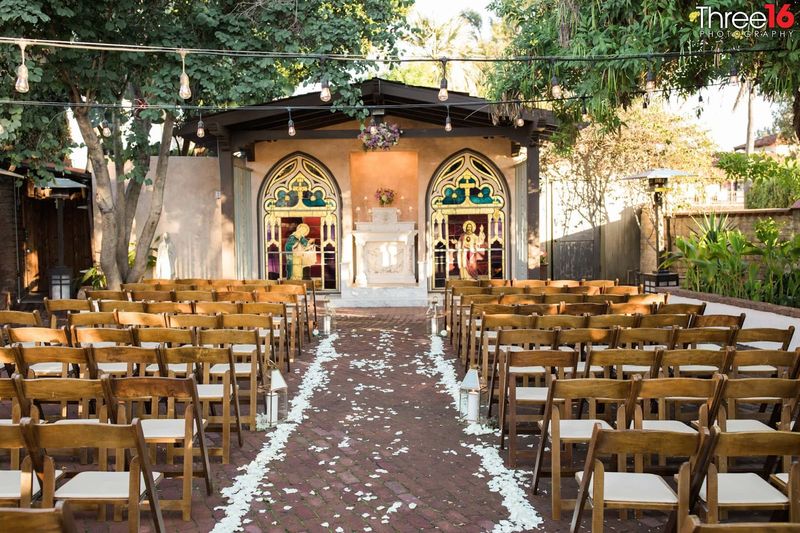
Beyond its role as a neighborhood restaurant, El Adobe de Capistrano has built a strong reputation as a wedding and event venue.
The combination of historic architecture, multiple event spaces, and an experienced coordination team makes it a sought-after choice for couples and families planning significant celebrations.
The outdoor patio works particularly well for ceremonies that call for an intimate and naturally beautiful setting.
Guests who have hosted weddings at El Adobe frequently mention the seamlessness of the transition between ceremony and reception, with the layout of the property allowing cocktail hours to flow naturally from one space into the next.
The kitchen is capable of accommodating large groups without the food quality dropping, which is a genuine challenge for many event venues.
Children’s meal options are also available for family-oriented events, which is a practical detail that makes a meaningful difference for hosts with younger guests.
The Casita on the property offers a private preparation space for wedding parties, giving the experience an added layer of comfort and organization on an already busy day.
Staff attentiveness during events is consistently noted as a highlight by those who have hosted gatherings there.
For anyone considering a milestone event in the San Juan Capistrano area, El Adobe de Capistrano offers a setting with few genuine rivals.