This Decades-Old California Flea Market Is Still One Of The Best Places To Find Hidden Gems
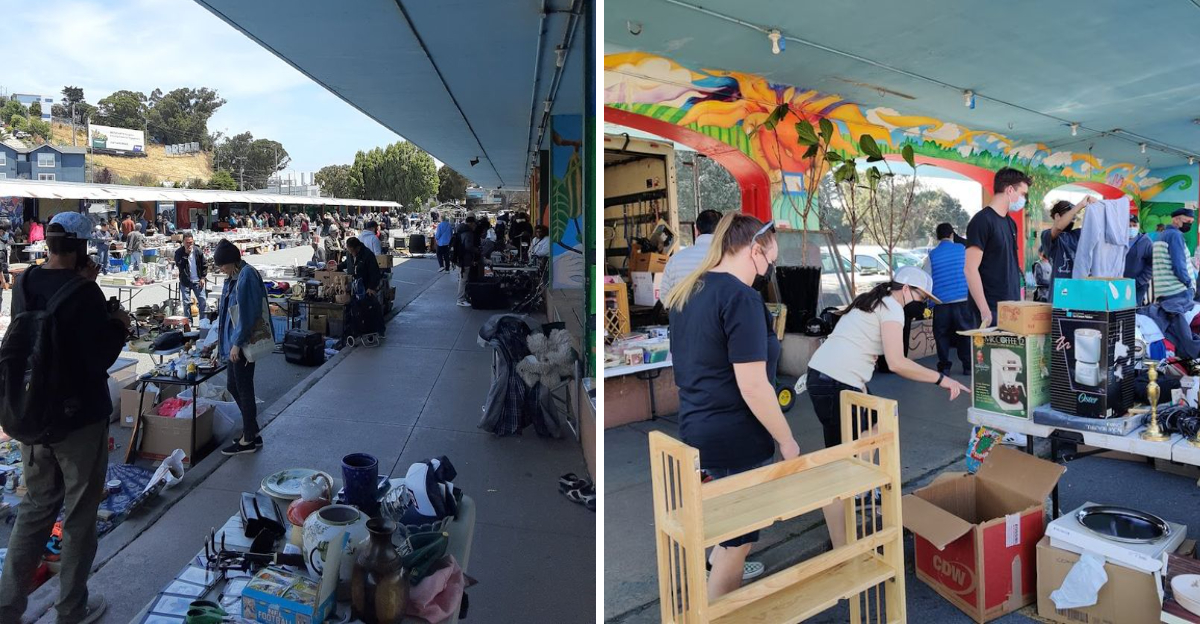
You never know what you are going to find. That is the whole point.
Rows of tables stretch out ahead. Boxes, racks, stacks of things with stories you have not heard yet. You start browsing, and suddenly time slips.
One item catches your eye. Then another. Then something you did not even know you were looking for.
Places like this still exist in California, and that alone makes it worth showing up early.
The atmosphere does the rest. Conversations between vendors and regulars. The quiet hum of people searching, comparing, negotiating. It feels personal in a way most shopping experiences no longer do.
Nothing is curated to perfection. That is what makes it work. Every table has its own mix of objects, its own history, its own chance at surprise.
You can walk in with a plan or none at all. Either way, you leave with something. Sometimes it is an item. Sometimes it is just the feeling of having stumbled onto something real.
It Is Run By The City Of San Francisco
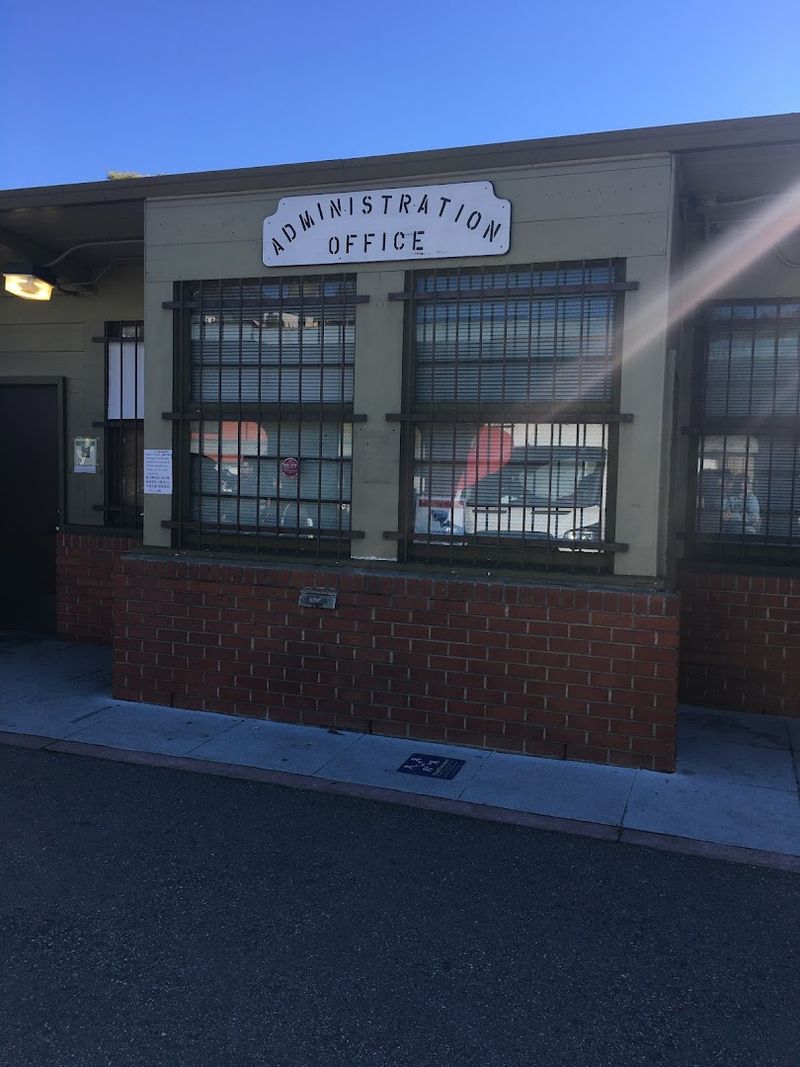
Municipal management gives Alemany a level of stability that privately run markets do not always have.
The market is officially operated by the City of San Francisco, which means it has institutional backing, consistent oversight, and a physical address at 100 Alemany Boulevard, San Francisco, CA 94110.
That civic connection has helped the market survive through challenges that have closed other similar venues.
City involvement also means that vendor conduct, stall organization, and overall market standards are subject to formal regulation rather than just informal community norms.
The market has a direct contact line at 415-647-2043 and an official city government webpage through sf.gov, which makes it straightforward to get current information about vendor fees, scheduling changes, or permit requirements.
For shoppers, the city-run structure means there is a reliable point of accountability if any concerns come up during a visit.
That sense of institutional permanence is part of what has allowed the market to build a loyal following over the years, drawing both longtime regulars and first-time visitors who want to experience one of San Francisco’s most authentic and enduring community spaces.
It Opens Early And Runs Every Single Sunday
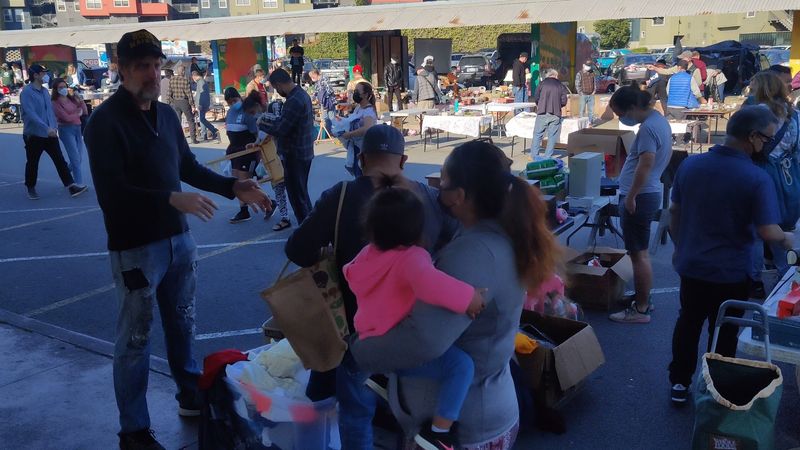
Early risers have a real advantage at the Alemany Flea Market.
Gates open at 7:00 AM every Sunday, and the most dedicated shoppers tend to arrive right at opening time to get first pick of whatever vendors have brought that week.
The market runs until 3:00 PM, giving visitors a solid window of time to browse at a comfortable pace without feeling rushed.
That consistent Sunday-only schedule has become a kind of weekly ritual for many San Francisco residents who treat the visit like a low-key morning outing.
Vendors are allowed to begin setting up their stalls as early as 5:00 AM, which means the market is already buzzing with activity well before most people have had their morning coffee.
Arriving closer to opening time also tends to mean a livelier atmosphere, with more vendors fully set up and ready to talk about their goods.
The predictable schedule makes it easy to plan around, and the relatively early closing time at 3:00 PM is a good reason not to sleep in too late if a visit is on the agenda.
Admission Is Free And So Is The Parking
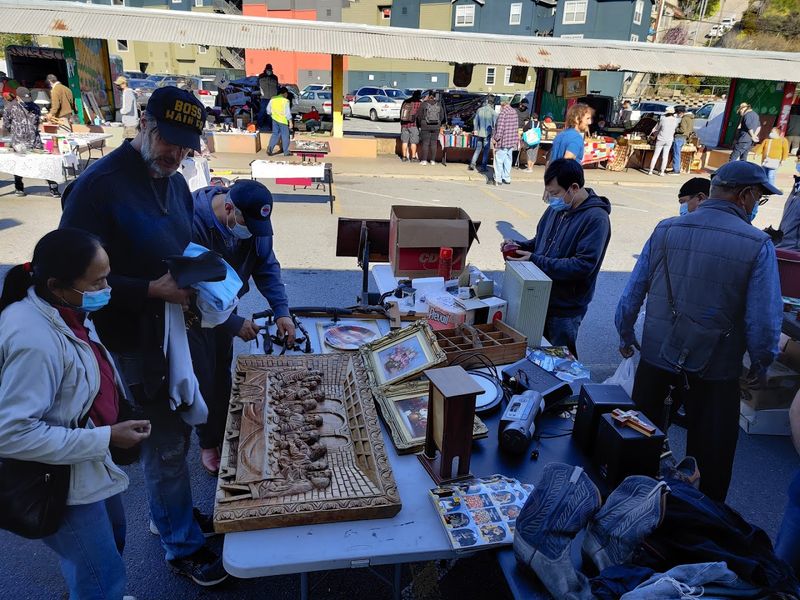
Getting through the gate at Alemany costs nothing.
Admission is completely free for all visitors, which makes it one of the more accessible weekend activities in San Francisco, a city not exactly known for low-cost outings.
On top of that, on-site parking is also free, which is a notable perk given how competitive parking tends to be across the city.
Having a dedicated lot attached to the market removes one of the most common logistical headaches that come with weekend plans in an urban area.
For those who prefer public transit, the closest BART station is Glen Park, and from there a MUNI bus can get visitors to the market without much trouble.
The combination of free admission and free parking lowers the barrier of entry significantly, making it just as appealing for someone who wants to browse casually as it is for a serious collector with a specific item in mind.
There are no hidden fees at the entrance, and the relaxed, no-pressure setup means visitors can leave without buying a single thing and still feel like the trip was worthwhile.
Vendor Rules Keep The Quality Surprisingly High
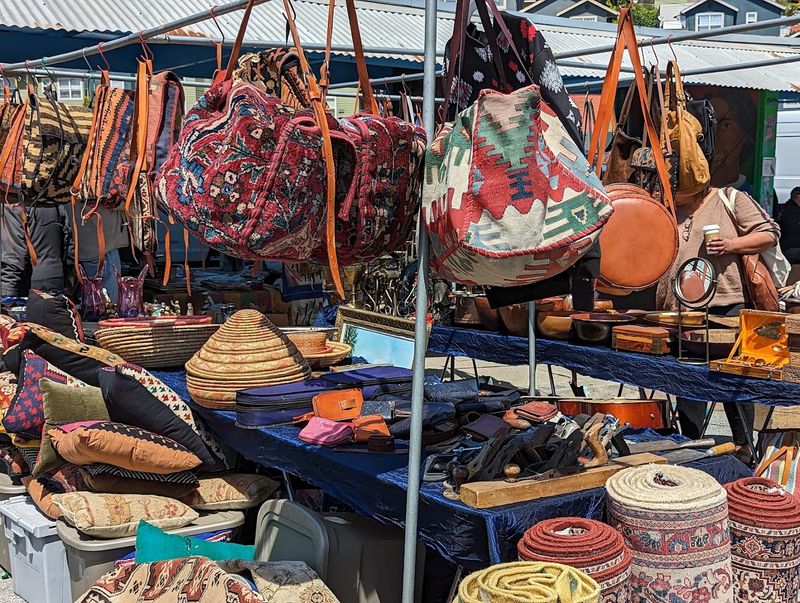
Not just anyone can show up and sell anything at Alemany.
Vendors are required to have at least 50% of their goods fall into specific categories including antiques, collectibles, handcrafted artisan work, or vintage items.
That rule makes a noticeable difference in the overall feel of the market.
Shoppers are far less likely to wade through piles of generic new merchandise and far more likely to find something with actual history or handmade character.
The regulation keeps the market aligned with its original identity as a place for genuine finds rather than a clearance-style sale.
Certain items are also outright prohibited from being sold, including tobacco products, firearms, and similar goods.
Vendors who want to participate on a regular basis need to obtain a seller’s permit through the city, which adds a layer of accountability to the whole operation.
The result is a market where the inventory tends to feel curated in a loose but meaningful way, and where the vendors themselves often have real knowledge about what they are selling.
That combination of rules and community investment is a big part of what keeps the Alemany Flea Market worth visiting year after year.
The First Sunday Of Every Month Has A Special Garage Sale Day
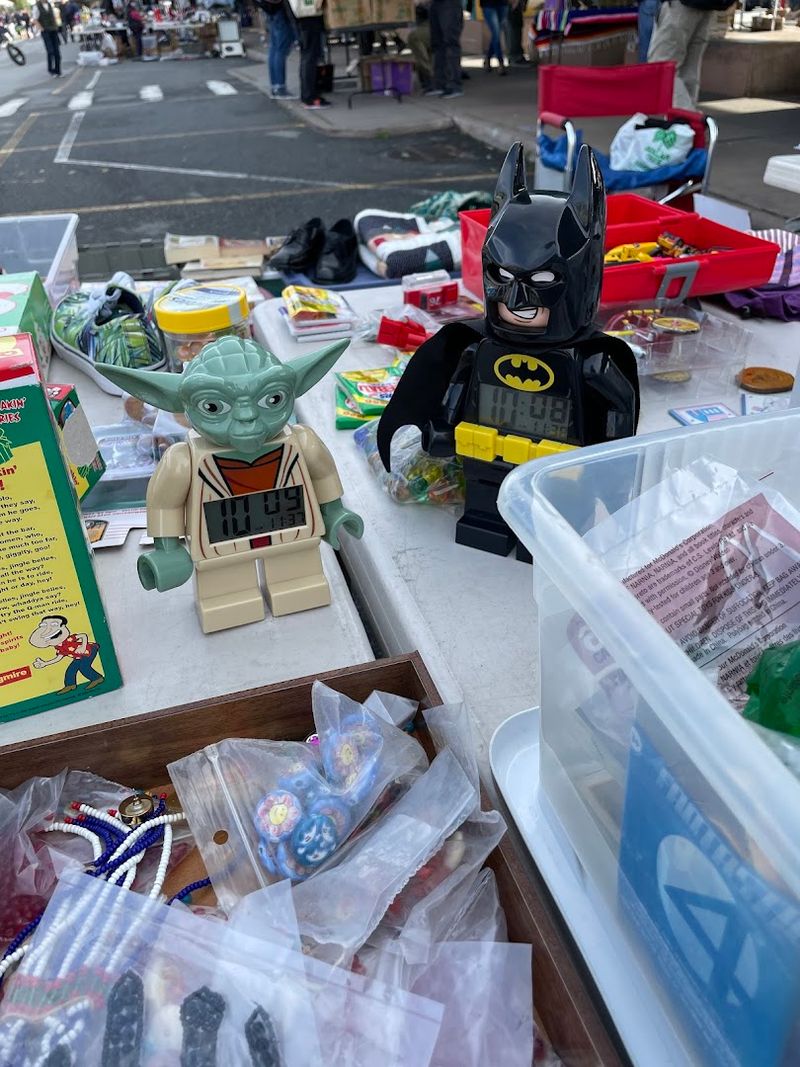
Once a month, the market shifts its format in a way that opens it up to a whole new group of sellers.
On the first Sunday of each month, Alemany hosts a Community Garage Sale day where anyone can rent a stall for $45 and sell off unwanted items in a casual, no-frills style.
That lower barrier to entry means the inventory on those particular Sundays tends to be more unpredictable and eclectic than usual.
Household items, tools, old electronics, clothing, and all sorts of random secondhand goods tend to show up alongside the regular vendor stalls, creating a more spontaneous browsing experience.
For shoppers who enjoy the thrill of not knowing what they might find, the first Sunday of the month could be the best time to visit.
The garage sale format also attracts sellers who are not professional vendors, which sometimes leads to more flexible pricing and a friendlier, more relaxed negotiating atmosphere.
It is worth checking the calendar before planning a trip if the goal is to catch that specific dynamic, since the regular Sundays and the garage sale Sundays can feel quite different from each other in terms of what is available.
The Range Of Items For Sale Is Genuinely Impressive
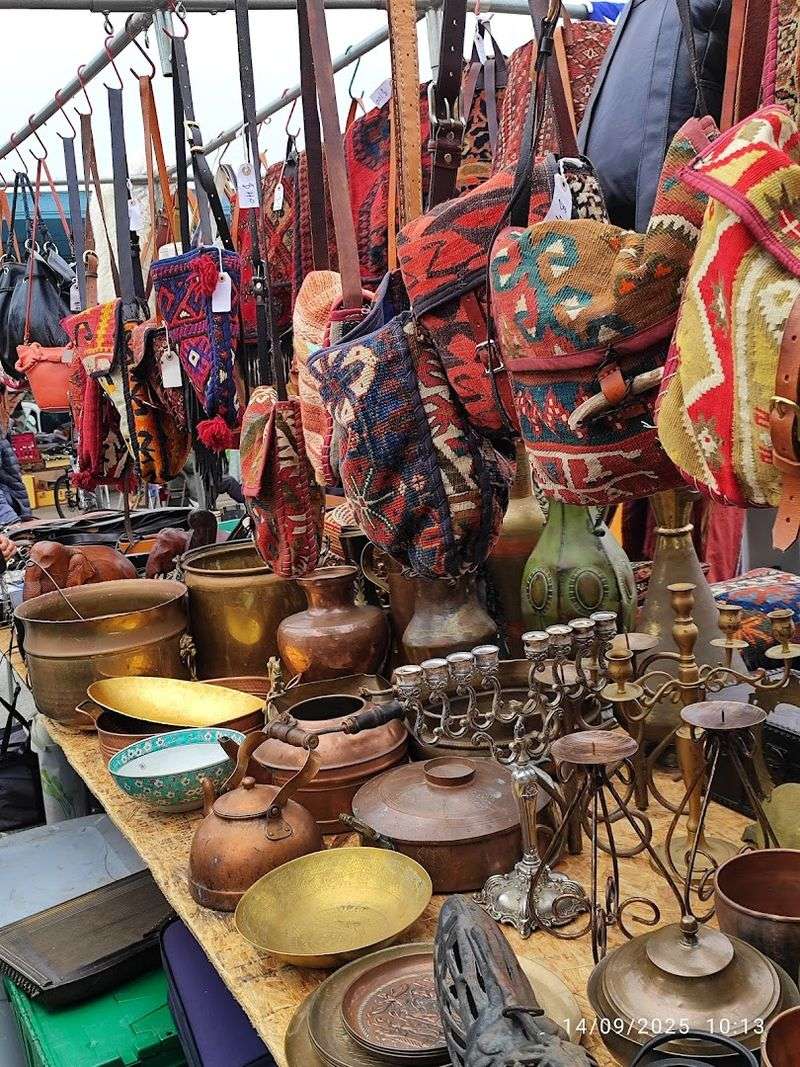
Browsing through the Alemany Flea Market can feel a bit like flipping through decades of American material culture all at once.
On any given Sunday, the inventory across different stalls could include antique furniture, vintage clothing, vinyl records, cassette tapes, DVDs, coins, stamps, jewelry, toys, leather bags, handmade rugs, tools, and small appliances.
The sheer variety means that almost any type of collector or casual shopper is likely to find something of interest.
Record collectors, vintage fashion enthusiasts, antique furniture hunters, and hardware hobbyists all tend to find reasons to keep coming back.
What makes the selection feel different from a typical thrift store is the vendor knowledge behind it.
Many sellers specialize in specific categories and can speak knowledgeably about the items they bring, which adds context and value to the shopping experience.
Fine jewelry, including silver and antique pieces, tends to appear alongside more everyday secondhand goods, and the contrast between high and low keeps the browsing interesting.
Prices vary widely depending on the vendor and the item, so doing a little research beforehand on specific categories can help shoppers feel more confident when it comes time to negotiate or decide on a purchase.
Vendors Bring Their Own Setup And Come Prepared
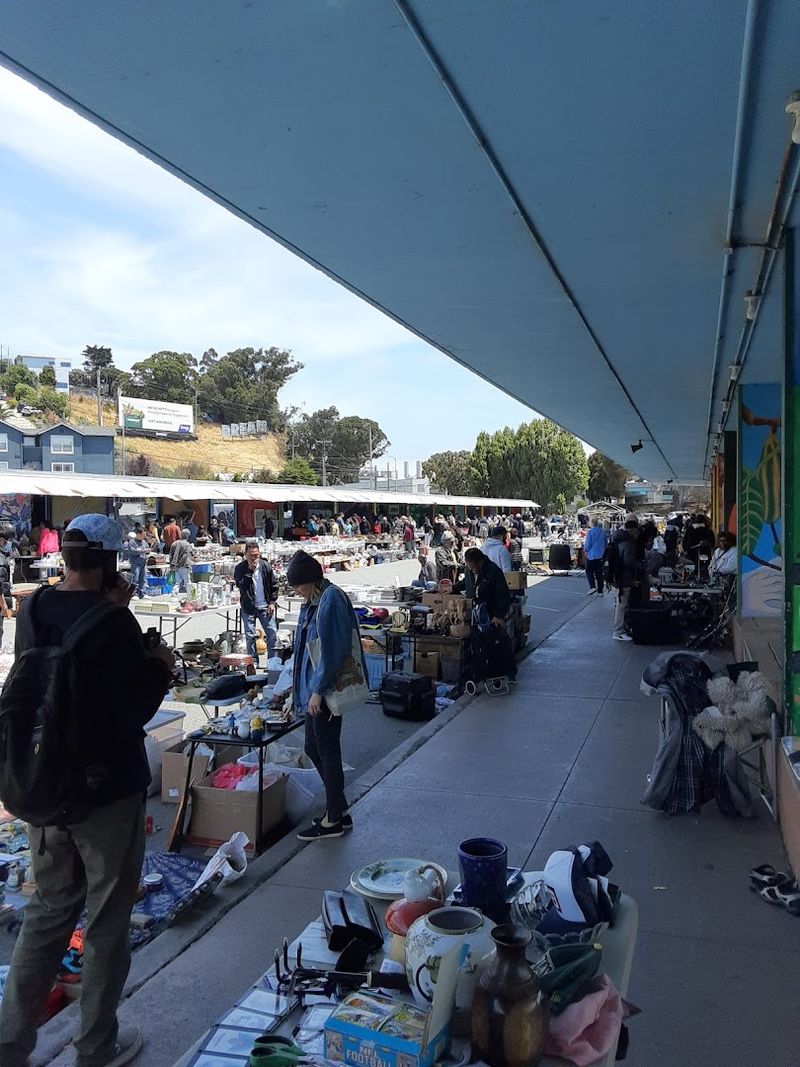
Behind every neatly arranged stall at Alemany is a vendor who did the heavy lifting before most people were awake.
Sellers are allowed to begin setting up between 5:00 AM and 7:00 AM on market days, and they are responsible for bringing their own tables, chairs, and display materials since the market does not supply any of that.
That self-sufficient approach means vendors tend to be invested in the quality of their presentation and the value of what they bring.
Showing up with a well-organized stall takes real effort, and that effort often shows in how vendors engage with customers and talk about their inventory.
For shoppers, knowing that vendors have put real work into their setup can shift the dynamic of browsing.
Asking questions about an item, its history, or its origin is usually welcomed and often leads to more interesting conversations than a typical retail transaction would allow.
Vendors who are knowledgeable about their goods and willing to negotiate tend to make the whole experience feel more personal and rewarding.
The market’s structure rewards preparation on both sides, and that mutual investment is a big part of what keeps the atmosphere at Alemany feeling genuine rather than transactional.
The Market Is Fully Wheelchair Accessible
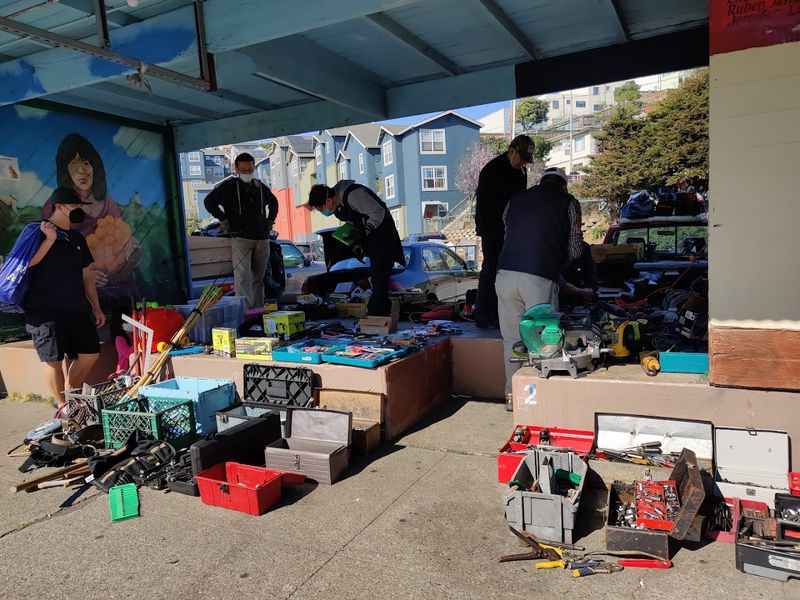
Accessibility at outdoor markets is not always a given, but Alemany takes it seriously.
The market is officially designated as wheelchair accessible, meaning the layout and surfaces are designed to accommodate visitors who use mobility aids or who need more navigable pathways between stalls.
That kind of inclusivity matters for a community space that draws such a wide range of visitors.
Families with strollers, older adults, and anyone with mobility considerations can browse the market without the frustration that uneven terrain or narrow aisles can create at other outdoor venues.
The paved lot setting helps in this regard, since the market operates on a surface that is more manageable than grass or gravel.
The overall layout tends to be spread out enough that there is room to move between stalls without feeling cramped, even on busier Sundays.
For visitors who want to plan ahead, reaching out to the market directly at 415-647-2043 or through the official sf.gov page can provide the most current information about layout and any accommodations that may be available.
Knowing that accessibility is built into the market’s design rather than treated as an afterthought adds to the welcoming atmosphere that regular visitors tend to mention.
Food Is Available On-Site During Market Hours
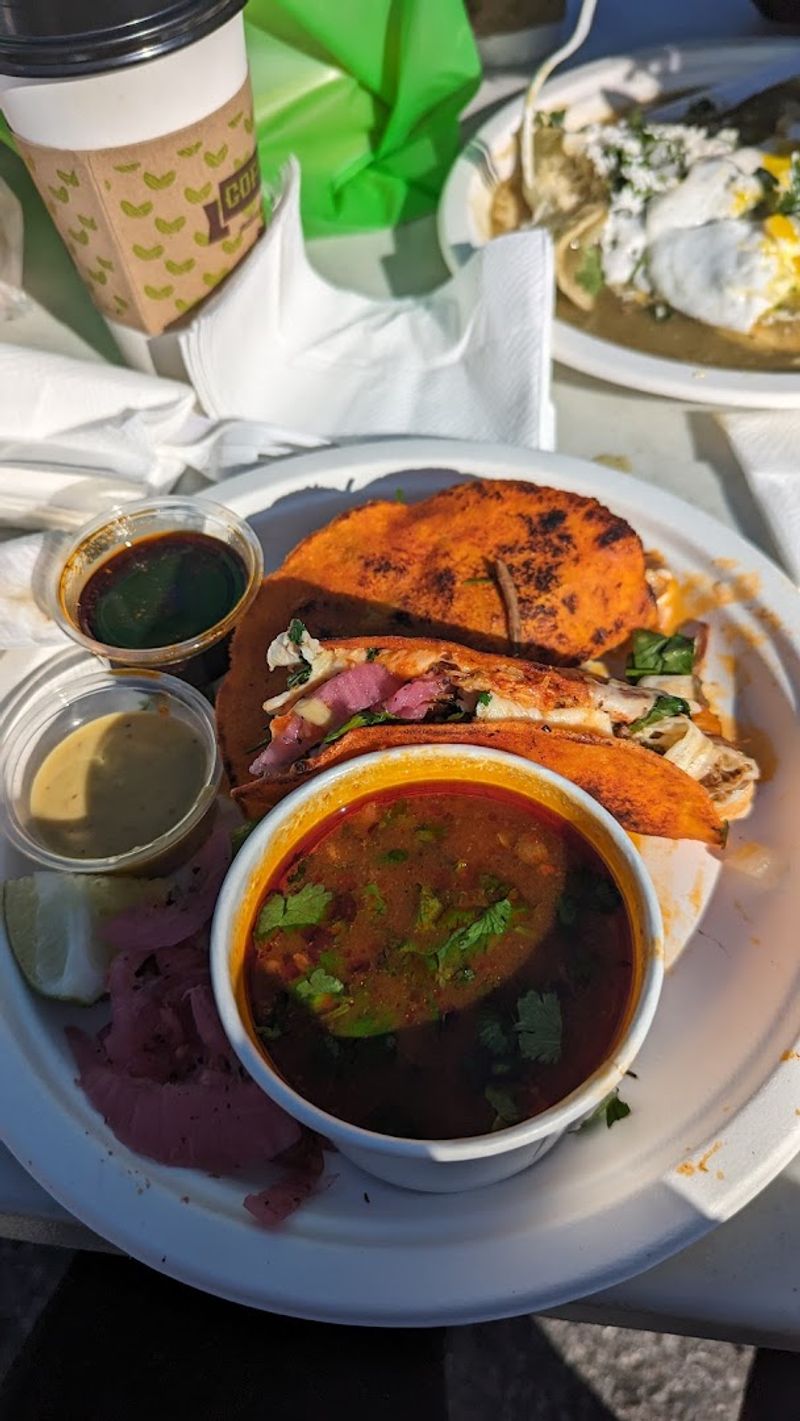
Spending a few hours browsing stalls tends to build up an appetite, and Alemany has that covered.
A food truck operates on-site during market hours, giving visitors a convenient option for a meal or snack without having to leave the grounds and lose their browsing momentum.
Having food available on-site changes the pace of a visit in a subtle but meaningful way.
Shoppers can take a break, grab something to eat, and then head back into the stalls feeling refreshed rather than having to cut the visit short because hunger set in.
The presence of food also contributes to the social atmosphere of the market, giving people a natural gathering point where conversations can start and the overall energy of the space feels more relaxed and communal.
The food truck offerings can vary, so arriving with flexible expectations is a reasonable approach.
For those who want to make a full morning of it, the combination of free admission, free parking, a wide range of vendor goods, and on-site food creates a self-contained experience that does not require much planning or spending beyond whatever catches the eye at a stall.
Restrooms are also available on the grounds, which makes longer visits more comfortable.
The Market Has Deep Roots In San Francisco Community Life
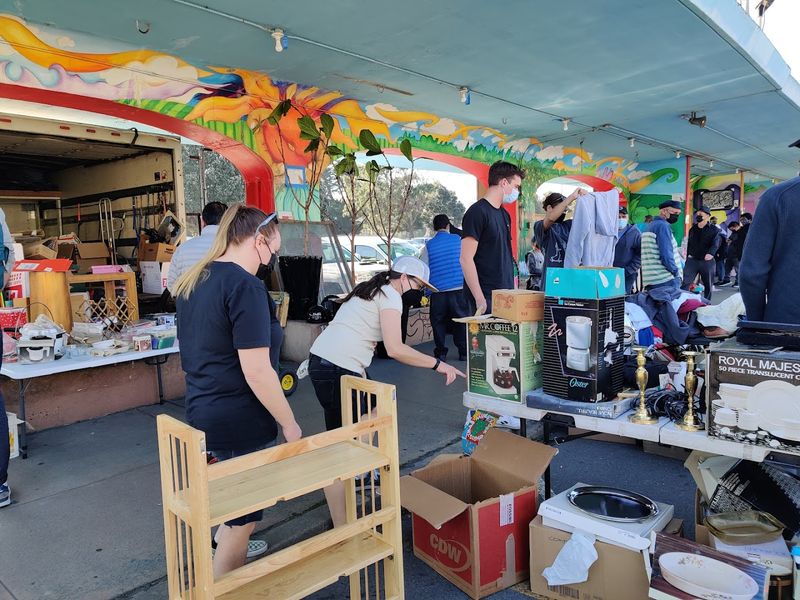
Some places earn their reputation over years of showing up consistently, and Alemany is one of them.
The market has operated in San Francisco’s Bernal Heights neighborhood for decades, building a community of regular vendors and loyal shoppers who return week after week not just for the goods but for the familiar rhythm of the place.
That long history gives the market a texture that newer pop-up markets tend to lack.
The mix of longtime vendors who know their regulars by name and first-time visitors stumbling in on a whim creates a dynamic that feels genuinely alive rather than curated for effect.
The market has also served as a meaningful platform for small business owners and independent collectors who might not have access to a traditional storefront.
Budget pressures and shifting city priorities have occasionally put the market’s future in question, but community support has consistently helped it hold its ground.
For visitors who care about supporting local, independent commerce, spending time and money at Alemany carries a weight beyond the individual transaction.
The market represents a kind of economic and cultural continuity that San Francisco, for all its changes, has managed to preserve in this particular corner of the city every Sunday morning.