California Stairway Trail Turns Into A Springtime Wonderland With Incredible City Views
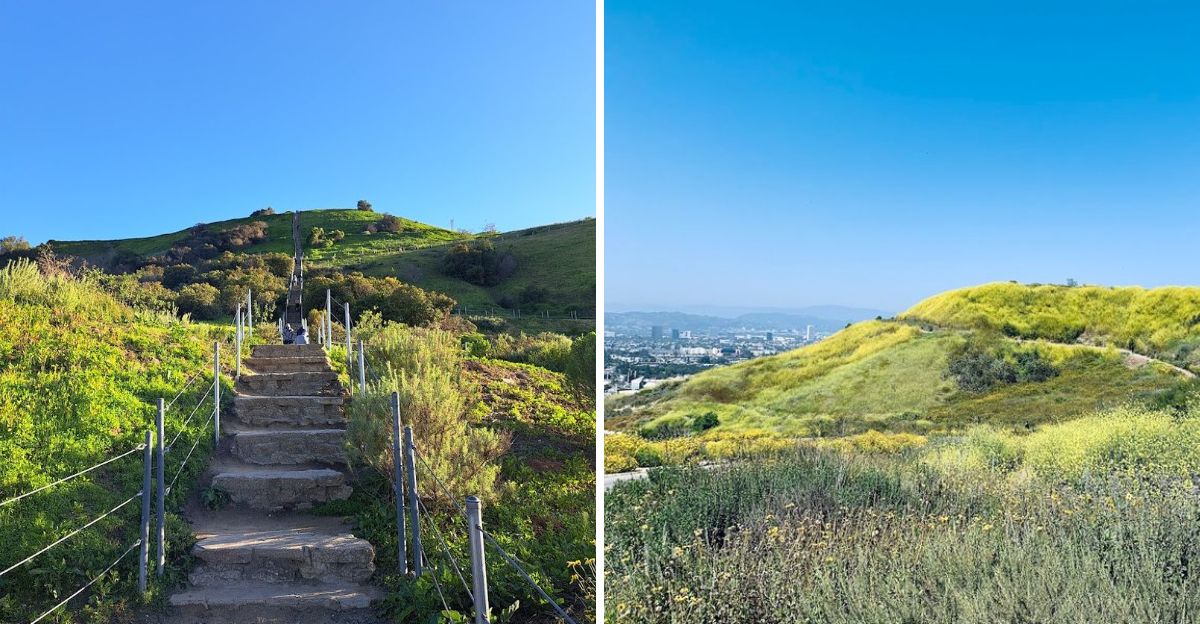
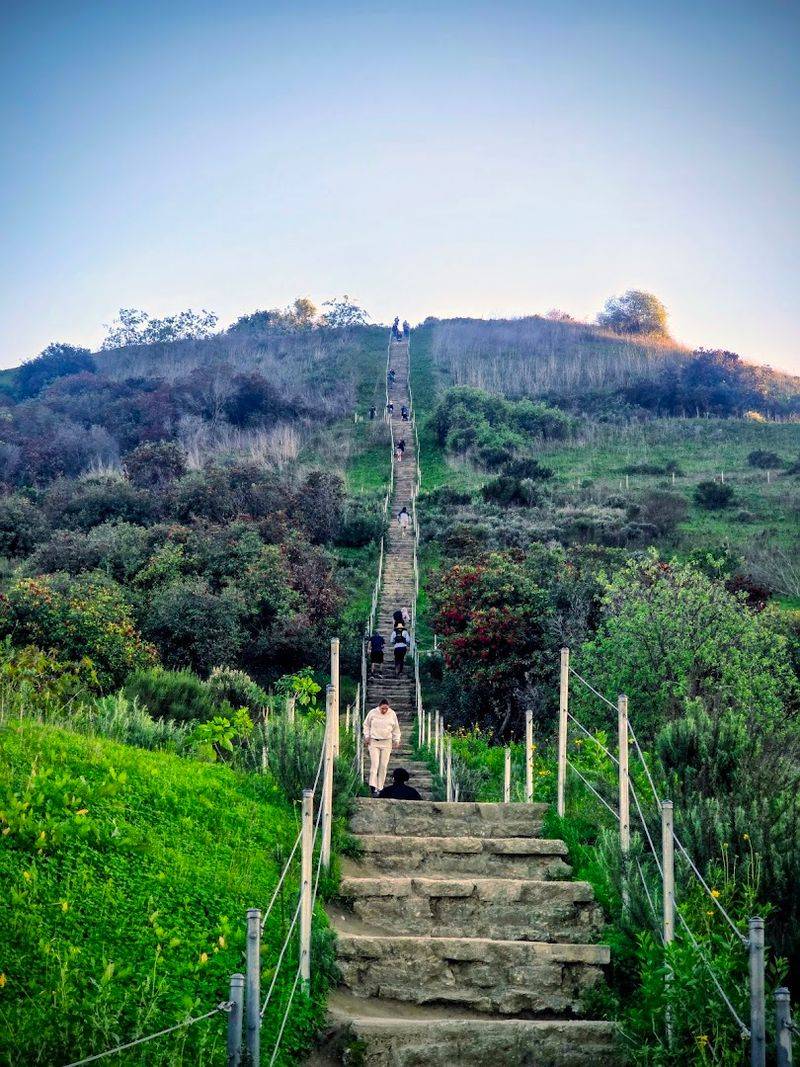
You see the steps before you really process how many there are. They go straight up. No curves, no breaks, just a steady climb that feels more intense the longer you look at it.
People start confidently. Then the pace changes.
Halfway up, the city already looks different. Quieter somehow, even though nothing below has actually slowed down.
Spring adds something extra to the whole experience. Small bursts of color appear along the hillside, softening the concrete and making the climb feel less harsh, more alive.
California has a way of turning even a staircase into something worth showing up for.
By the time you reach the top, the effort makes sense. The view stretches wide, the air feels lighter, and the entire climb turns into something you end up wanting to do again.
1. The Staircase Has 282 Steps And Every Single One Counts
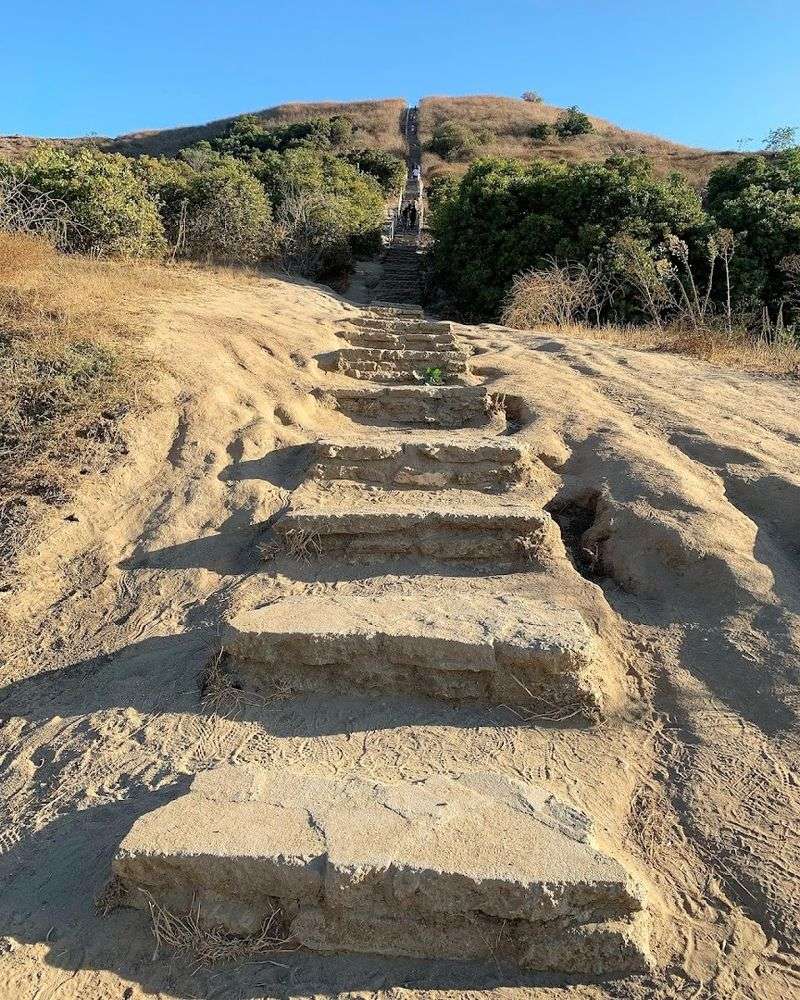
Not all staircases are created equal, and the Culver City Stairs make that very clear from the first step.
Each concrete slab sits higher than a typical stair, with some rising close to a full foot off the ground, which means the legs are working hard from the very beginning of the climb.
The total count lands at 282 steps, and the trail gains roughly 300 feet in elevation over a short but intense stretch.
That combination of height and steepness is what gives the stairs their reputation as one of the better urban cardio workouts in the Los Angeles area.
Hikers who are newer to the trail sometimes underestimate the climb because the distance looks short from the bottom.
Pacing matters here, and taking short breaks on the wider landings along the way is a smart and common strategy.
Bringing a full water bottle is strongly recommended since the exposed hillside can feel noticeably warm even on mild days, and the exertion level tends to catch first-timers off guard.
2. Spring Wildflowers Transform The Hillside Into A Colorful Scene
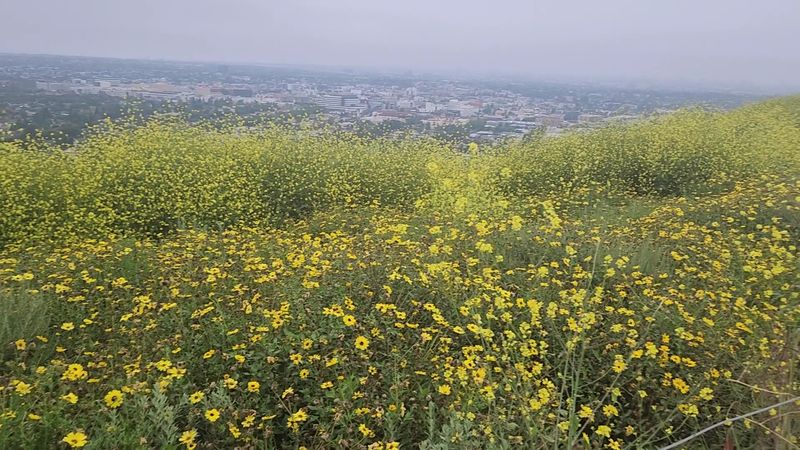
Something shifts on the hillside when spring arrives at the Culver City Stairs.
The surrounding slopes, which can look dry and golden for much of the year, soften into a patchwork of green with bursts of native wildflowers pushing through the soil and lining the edges of the trail.
The park has been actively restored with native California plant species, which means the seasonal blooms are not accidental but rather the result of ongoing conservation work.
Visitors who time a visit between late February and April tend to catch the most vibrant display, though the exact timing shifts depending on winter rainfall.
The contrast between the blooming hillside and the sprawling city below creates a visual that feels almost surprising for an urban park.
Hikers pausing on the stairs or along the switchback trail get natural framing on either side, with green slopes close up and the Los Angeles Basin stretching wide in the background.
Spring mornings tend to offer the clearest air and the freshest colors, making early visits especially worthwhile during this season.
3. The Panoramic View From The Top Stretches Across The Entire LA Basin

Reaching the top of the Culver City Stairs brings an immediate payoff.
The summit opens up to a sweeping panorama that includes downtown Los Angeles to the northeast, the Pacific Ocean to the west, and the Santa Monica Mountains rolling across the northern horizon.
On clear days, especially after rain has scrubbed the air clean, the view stretches far enough to make the effort feel genuinely worthwhile.
The city looks different from up here, quieter and more organized, with neighborhoods laid out in visible grids and the ocean catching light at the edge of everything.
Sunset visits are particularly popular because the western-facing vantage point puts the sky directly in front of the viewer as the sun drops toward the water.
The light changes quickly during golden hour, moving from warm yellow to deep orange and pink within minutes.
Arriving about 30 minutes before sunset gives enough time to catch the full transition without rushing the climb, and the cooler evening air makes the hike back down noticeably more comfortable than a midday descent.
4. Alternative Trail Routes Make The Park Accessible For Different Fitness Levels
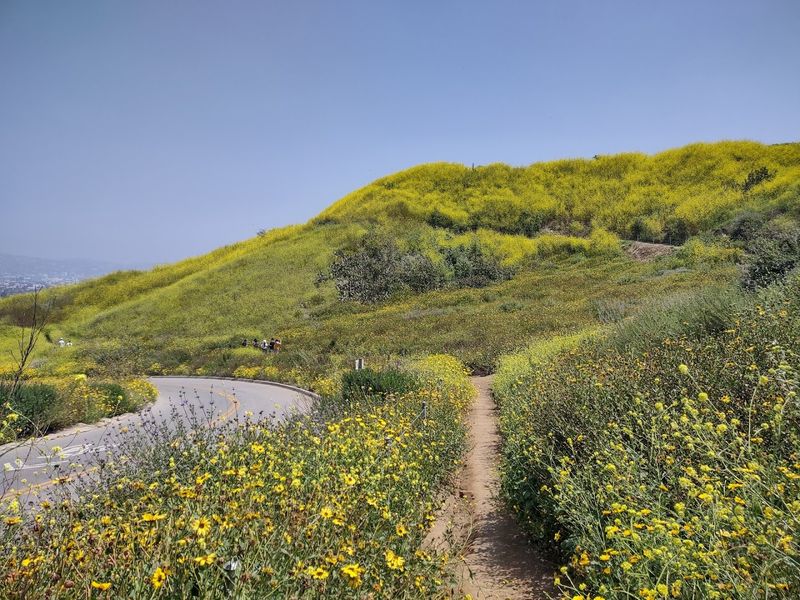
The concrete staircase gets most of the attention, but the park offers other ways to reach the summit that suit different energy levels and preferences.
A dirt switchback trail winds gradually up the hillside, covering more horizontal distance but with a gentler grade that feels more like a traditional hike.
A paved road also runs from the base area to the top, which is sometimes used by visitors who prefer a steady incline without loose terrain underfoot.
Each route eventually arrives at the same summit overlook, so the choice really comes down to personal preference and what kind of workout someone is looking for that day.
Mixing routes is a common approach, with many hikers taking the stairs on the way up and returning via the dirt switchback on the way down to give the knees a break.
The stairs can be particularly tough on the descent because the tall step height puts pressure on the joints with each drop.
Wearing shoes with solid grip and taking the downward steps slowly makes a real difference in comfort, especially for those who are visiting for the first time.
5. Wildlife Sightings Add A Genuine Nature Element To An Urban Hike

For a park surrounded by city streets and neighborhoods, the Culver City Stairs area supports a surprising range of wildlife.
Birds are the most commonly spotted, with various species using the native shrubs and open hillside as habitat throughout the year.
Small mammals move through the brush along the trail edges, and snakes have been documented in the park as well, which is worth keeping in mind when stepping off the paved path or moving through taller vegetation.
Staying on marked trails reduces the chance of surprising any wildlife and keeps both visitors and animals safer.
Spring tends to bring the most active wildlife period, with birds more vocal and visible during nesting season and the restored native plant areas providing better cover and food sources for small creatures.
A slow, observant pace on the switchback trail rather than the stairs gives more opportunity to notice what is moving in the brush.
Families with children often find the wildlife spotting aspect adds an extra layer of engagement to the hike beyond just the physical challenge of reaching the top.
6. The Visitor Center At The Summit Offers Educational Exhibits And Restrooms
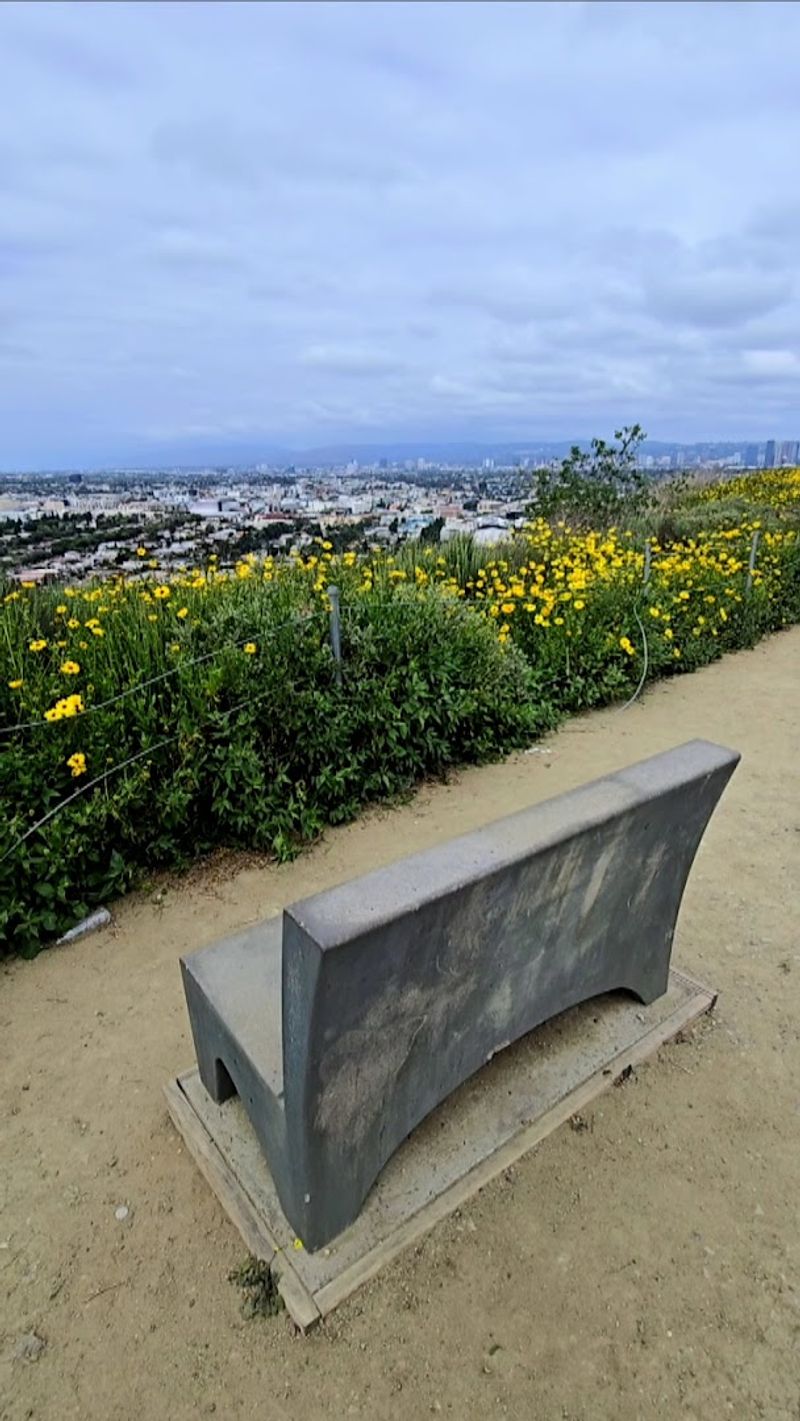
Arriving at the top of the stairs, hikers find more than just a view.
The summit is home to a visitor center designed by Safdie Rabines Architects, and the building itself reflects a thoughtful approach to blending architecture with the natural landscape around it.
Inside, educational exhibits cover the ecology of the Baldwin Hills area, the ongoing native plant restoration efforts, and the broader history of the park.
The center at 6300 Hetzler Road, Culver City, CA 90232 also provides restrooms, which is a practical detail that matters after a strenuous climb, especially for families with young children or anyone planning to stay at the summit for a while.
The visitor center tends to be open during regular park hours, though checking ahead for any schedule changes is always a good idea.
The building is positioned to take advantage of the surrounding views, so even the area just outside the entrance offers a comfortable place to rest and take in the scenery before heading back down.
The exhibits inside are accessible and informative without being overwhelming, making a short stop worthwhile for anyone curious about the land they just climbed.
7. Parking Options Exist Both At The Summit And Near The Trailhead
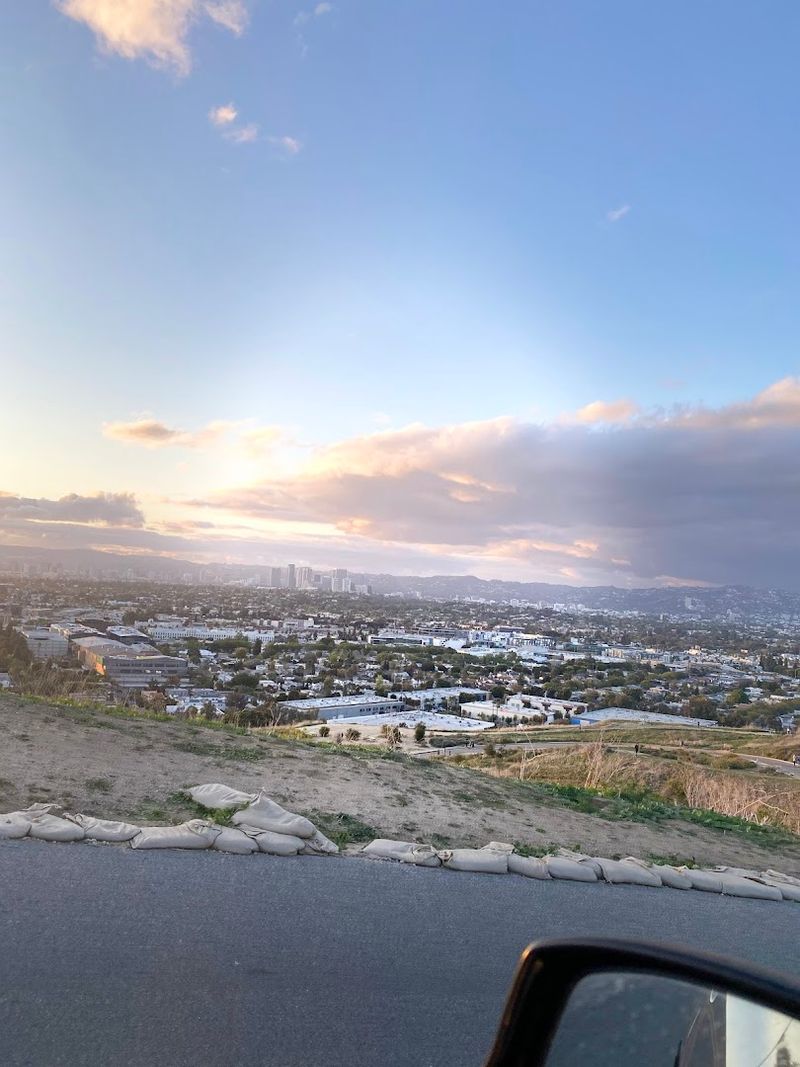
Getting to the Culver City Stairs involves a bit of planning when it comes to parking.
Paid parking is available at the top of Hetzler Road near the summit, which allows visitors to start their hike by descending to the base and then climbing back up, essentially reversing the typical experience.
Street parking along Jefferson Boulevard near Hetzler Road is another option, and it tends to be free, though availability can be limited on busy weekend mornings.
Arriving early on weekends significantly improves the chances of finding a street spot without circling the neighborhood.
Parking fees at the summit lot have historically been modest, with hourly rates and discounted all-day passes available for seniors.
Rates and policies can change over time, so checking current information before visiting is a reasonable step.
A large red and white tower near the summit parking area serves as a useful visual landmark for orienting within the park, and several visitors have noted it as a helpful reference point when navigating back to the lot after completing the trail loop.
The overall layout of the park makes it easy to understand once on-site.
8. The Park Connects To The Larger Park To Playa Trail System
The Culver City Stairs are part of something bigger than a single climb.
Baldwin Hills Scenic Overlook connects directly to the Park to Playa Trail, a regional trail system that links the Baldwin Hills parklands all the way to the beach in Playa del Rey.
That connection turns a single stair workout into a potential half-day or full-day adventure for hikers who want to cover more ground.
The Park to Playa Trail passes through multiple parks and open spaces, offering a rare chance to walk from an urban hillside overlook to the Pacific Ocean without ever getting in a car.
Most visitors to the Culver City Stairs stick to the immediate trail system around the overlook, but knowing the larger network exists adds interesting options for return visits.
Trail signage within the park helps orient hikers toward the connecting routes, and the terrain shifts in character as the path moves away from the hillside and into the flatter coastal lowlands.
Planning a longer outing along the full corridor works best on cooler days, with comfortable footwear and enough water to cover a multi-hour walk comfortably.
9. Morning Visits Offer Cooler Temperatures And A Quieter Trail Experience
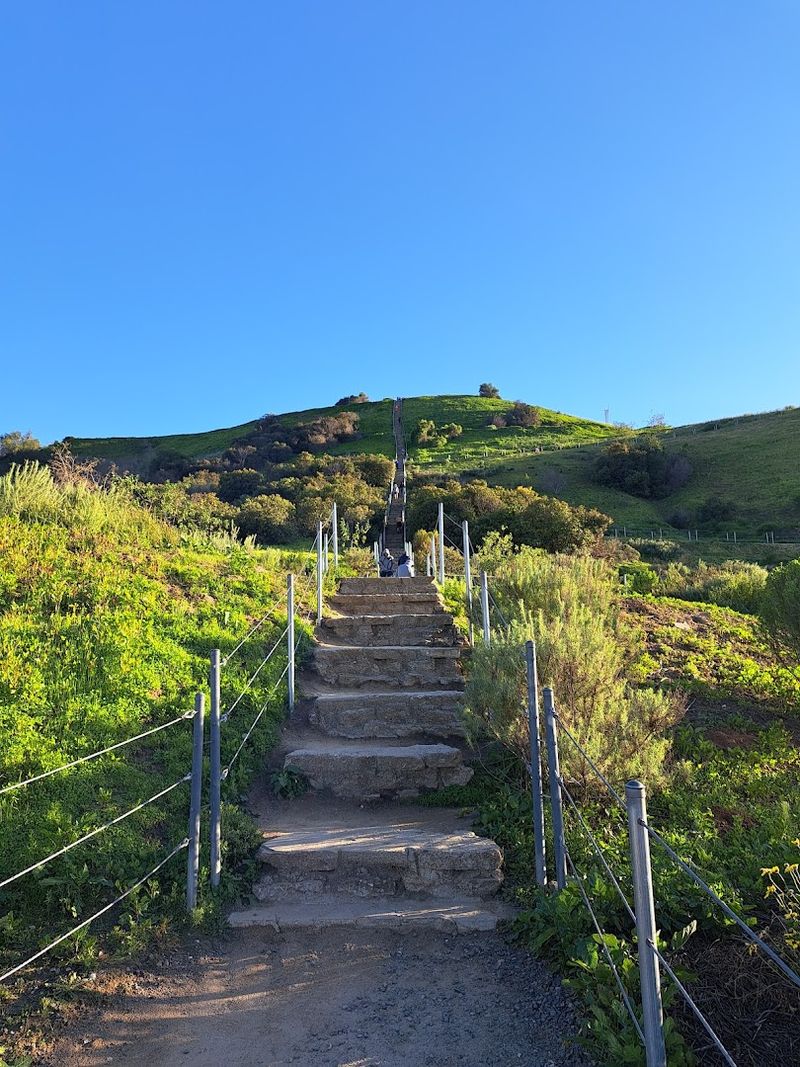
Timing a visit to the Culver City Stairs makes a noticeable difference in the overall experience.
The hillside is exposed with limited shade along the staircase itself, which means midday visits during warmer months can feel significantly more demanding than the same climb in the early morning.
Weekday mornings tend to bring the lightest crowds, with a mix of regular fitness-focused locals using the stairs as part of a workout routine.
Weekend mornings can get busy, particularly between 8 and 10 a.m., but the energy on weekends has a social and upbeat quality that many visitors enjoy.
The light during the first hour after sunrise hits the hillside at a low angle, casting long shadows across the steps and giving the surrounding landscape a warm, textured look that afternoon light rarely replicates.
For photographers or anyone who simply enjoys the sensory details of a good hike, that early window is worth setting an alarm for.
The park opens daily at 8 a.m. and stays open until sunset, giving visitors a generous range of hours to choose from depending on schedule and preference.
10. A Clear-Day Visit After Rain Delivers The Most Spectacular Views
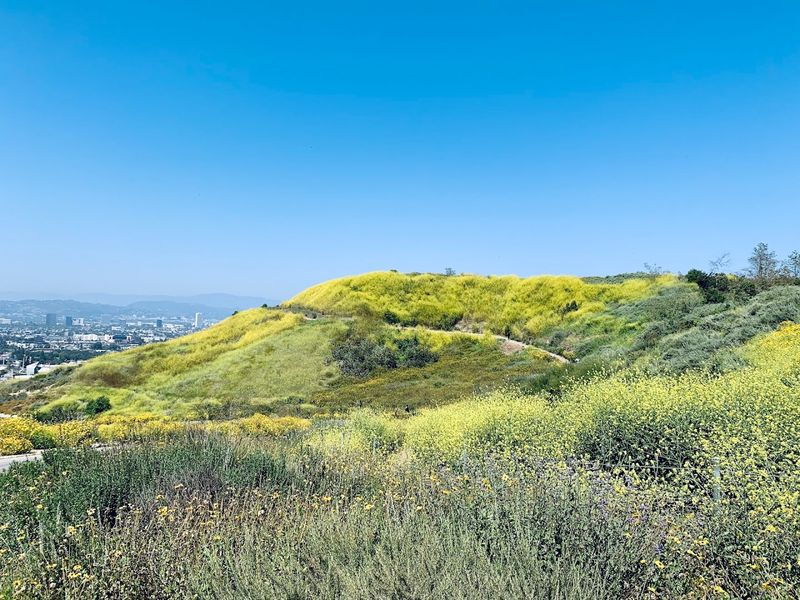
Rain does something useful in Los Angeles that locals know well.
A good storm clears the air of the haze that typically softens the horizon, and the day or two after rainfall tends to offer the sharpest, most detailed views from elevated spots around the city.
The summit of Baldwin Hills Scenic Overlook is one of the best places to take advantage of that post-rain clarity.
From the top of the Culver City Stairs, a clean-air day reveals layers of the landscape that are invisible most of the time, including the Santa Monica Mountains with distinct ridgelines, the downtown skyline with individual towers visible, and the Pacific Ocean as a clear blue band at the western edge of the basin.
Planning a hike around recent rainfall is a strategy worth adopting for anyone who wants to experience the view at its most impressive.
Weather apps that track air quality alongside rain forecasts can help identify those ideal windows.
The trail itself may have slightly muddy patches on the dirt switchback after heavy rain, so sticking to the concrete stairs immediately following a storm tends to be the more practical choice for footing and comfort.