These Small North Carolina Towns Turn Into Wildflower Heaven Every Spring
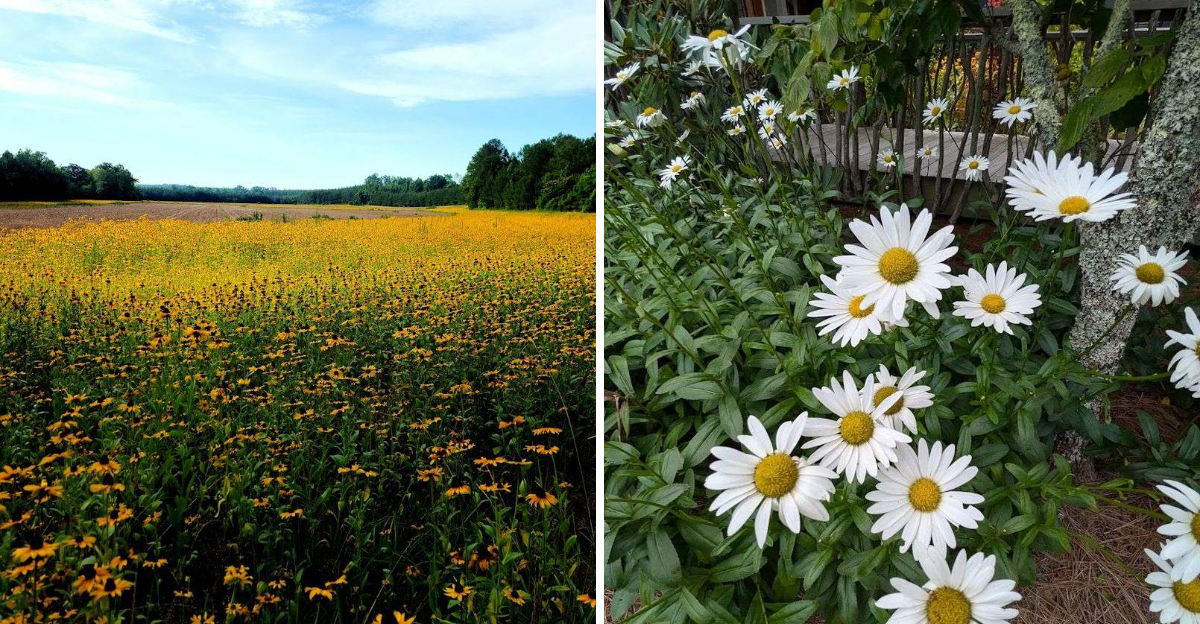
North Carolina does not ease into spring. One week the trees are bare and the roadsides look like they have given up, and then almost overnight, something shifts.
Wildflowers show up without announcement, covering trail edges, spilling onto roadsides, and turning the kind of drive you have done a hundred times into something worth pulling over for.
The mountain towns get it worst, or best, depending on how you feel about losing an afternoon to a meadow you did not plan to stop at. But it is not just the mountains.
Smaller towns across the state have their own quiet version of this every year, and most visitors drive straight past them without any idea what they are missing. This list exists to fix that.
Bring a camera, wear shoes you do not mind getting muddy, and clear your afternoon. North Carolina’s spring towns make plans less important than they were an hour ago.
1. Lake Lure
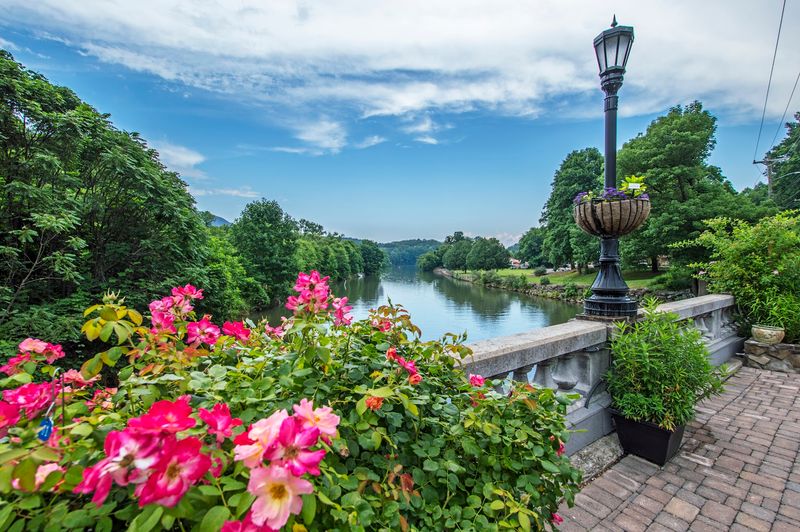
There is something almost theatrical about Lake Lure in April.
The lake mirrors the Blue Ridge Mountains while the surrounding banks light up with wild phlox, trillium, and fire pink. It feels like the landscape is showing off, and honestly, it has every right to.
The town sits in Rutherford County and draws wildflower fans who want scenery with their blooms.
I once stumbled on a patch of bloodroot there so dense it looked like snow had fallen in the wrong season.
Spring temperatures here are mild, usually between 50 and 65 degrees Fahrenheit, making long walks genuinely comfortable.
The peak bloom window runs roughly from late March through early May. Weekday visits are far less crowded than weekends, so you get the flowers mostly to yourself.
Bring sturdy shoes because the terrain around the lake gets rocky in spots. The reflection of pink and white blooms on the water surface is one of those views that stops conversation entirely.
A picnic along the shoreline during peak bloom is one of those simple ideas that ends up being the best part of the whole trip.
Lake Lure does not try to be dramatic, it just is, and spring is when that quality comes through most clearly.
2. Sapphire
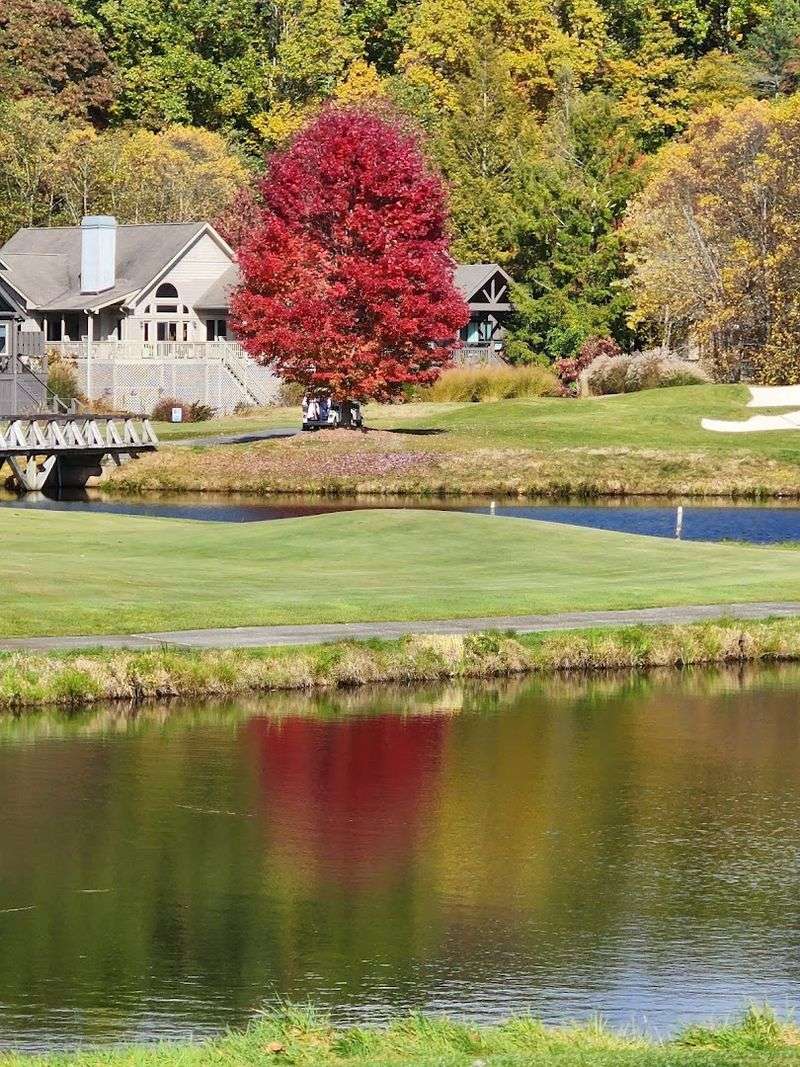
Sapphire sits at roughly 3,400 feet elevation in Jackson County, and that altitude changes everything about how spring arrives.
While lower towns are already deep into summer heat, Sapphire is just getting started with its wildflower season, sometimes as late as mid-May.
The Panthertown Valley area near Sapphire is often called the Yosemite of the East, and the wildflower displays there back up that nickname.
Wild geranium, Solomon’s seal, and Jack-in-the-pulpit line the trails in a way that rewards slow walkers over fast hikers. I once spent three hours covering less than two miles because I kept stopping to photograph things.
The Nantahala National Forest surrounds much of this area, and its protected land means the wildflowers grow undisturbed season after season.
Trout lilies appear early, followed by waves of other species through April and May. Cell service is limited out here, which is either a drawback or a feature depending on your personality.
The drive toward Sapphire is worth the trip on its own. Quiet, green, and genuinely beautiful.
There are pull-offs along the way that invite you to stop before you even reach your destination.
Sapphire is the kind of place that makes you wonder why you waited this long to visit, and then immediately start planning when you can come back.
3. Asheville
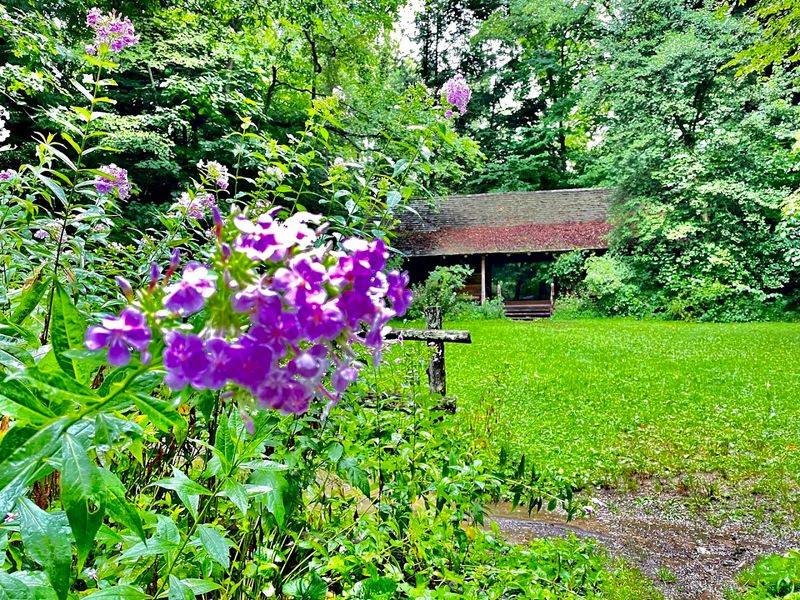
This town gets plenty of attention for its food scene and arts district, but the wildflower situation in Asheville deserves its own spotlight.
The Blue Ridge Parkway runs right through town, and the roadsides along it transform into long, winding galleries of color every spring.
The North Carolina Arboretum at 100 Frederick Law Olmsted Way offers curated wildflower trails that are genuinely stunning without requiring a strenuous hike.
Native species like bleeding heart, wild columbine, and mayapple thrive throughout the grounds. I visited on a Tuesday morning in late April and had entire sections of the trail almost completely to myself.
Beyond the Arboretum, Craggy Gardens on the Parkway around milepost 364 is famous for its Catawba rhododendron blooms in late May and early June.
The timing overlaps with late-season spring wildflowers lower on the mountain, creating a double bloom effect.
Asheville also hosts several spring plant sales and wildflower walks organized by local naturalist groups, making it easy to learn while you look.
The combination of accessibility, variety, and sheer beauty makes this one of the best wildflower destinations in the entire state.
Few places manage to make wildflower season feel both effortless and genuinely rewarding, and Asheville pulls that off without even trying very hard.
4. Tryon
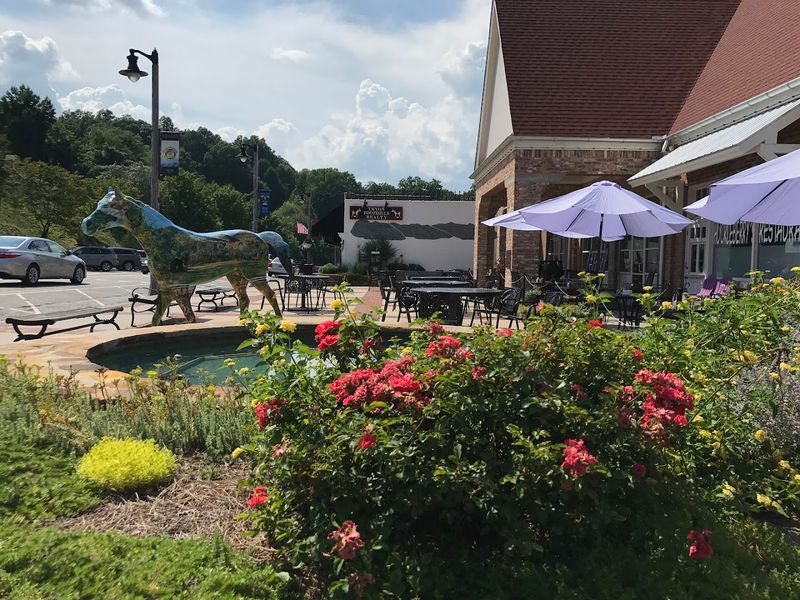
The thermal belt of Polk County is a geographic quirk that gives Tryon warmer winters and earlier springs than most surrounding areas.
That means wildflowers show up here before you might expect, sometimes as early as late February for the boldest early bloomers.
The Foothills Trail system around Tryon offers miles of paths where wild blue phlox and violet wood sorrel create thick, low-lying carpets of color.
Pearson’s Falls is a local treasure where the mist from the waterfall keeps the surrounding wildflowers lush and vivid well into the season.
The trail there is short, less than a mile roundtrip, but every step rewards you.
Tryon also has a strong equestrian culture, and the pastoral fields around the Tryon International Equestrian Center get dotted with wildflowers that spill over from adjacent woodlands.
The town itself is compact and easy to navigate on foot. Local shops and a small farmers market make it easy to extend your visit beyond the trails.
Spring here feels genuinely celebratory, like the whole landscape decided to dress up for the occasion.
Tryon is the kind of town where a single spring morning can turn into a full day without any apology.
5. Banner Elk
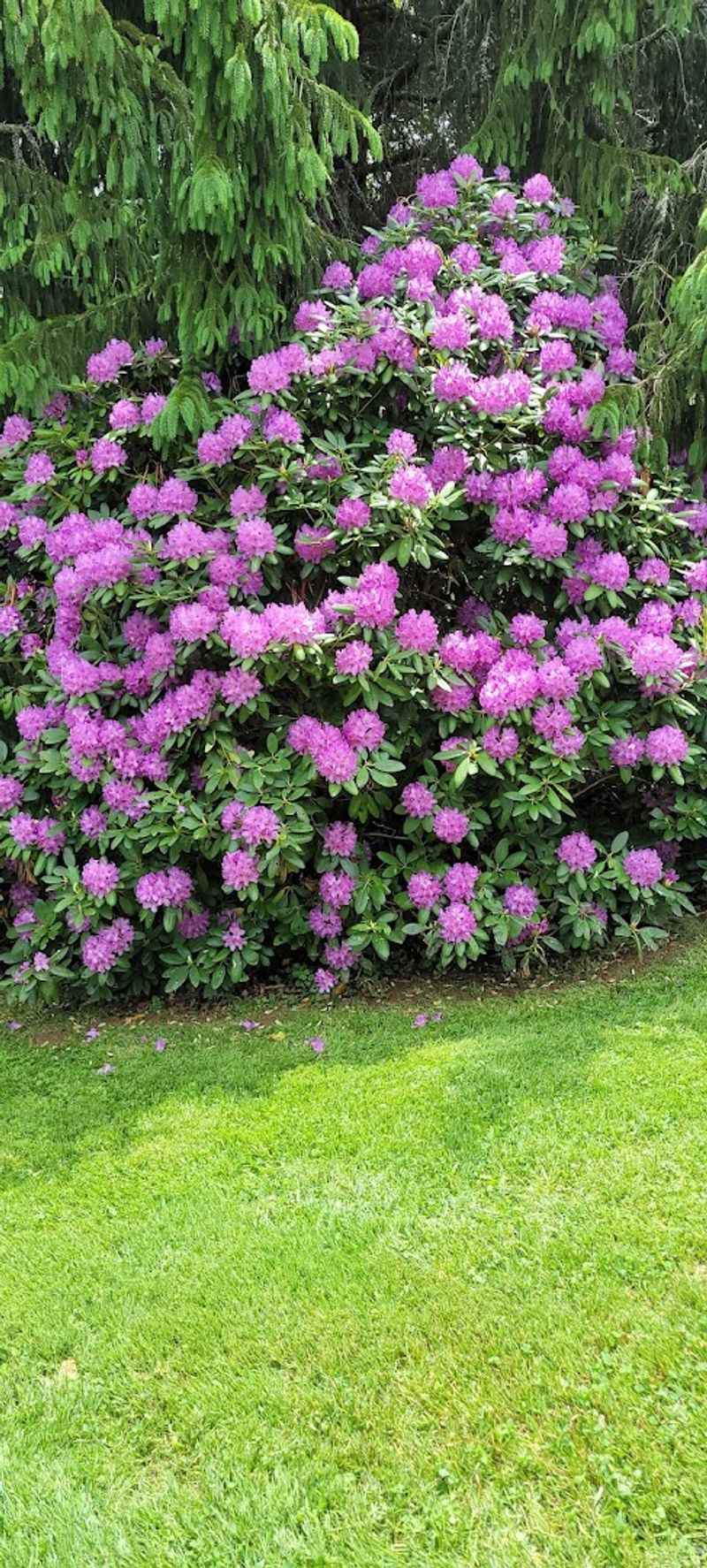
At nearly 3,740 feet above sea level, Banner Elk operates on its own seasonal schedule.
Spring arrives here fashionably late, which is actually a gift because you can chase blooms up the mountain after the lower elevations have already finished their show.
The area around Grandfather Mountain State Park is one of the best places in North Carolina to find rare high-elevation wildflowers.
Species like bluets and wild iris appear in habitats that simply do not exist at lower altitudes. The park’s nature museum and swinging bridge make it a destination even on cloudy days.
Lees-McRae College in Banner Elk has a small but well-maintained nature trail that passes through habitats where spring ephemerals pop up reliably each year.
The town itself has a cozy, unpretentious energy that suits a slow spring weekend perfectly. Elk River Road outside of town winds past farms and creek edges where wildflowers grow in happy, untended abundance.
Bring layers because even in May the mornings can be brisk up here. The cold air and the flowers together create a combination that feels genuinely invigorating.
Banner Elk belongs to the kind of traveler who is in no particular hurry, and spring gives you every reason to become that person for a weekend.
6. Bryson City
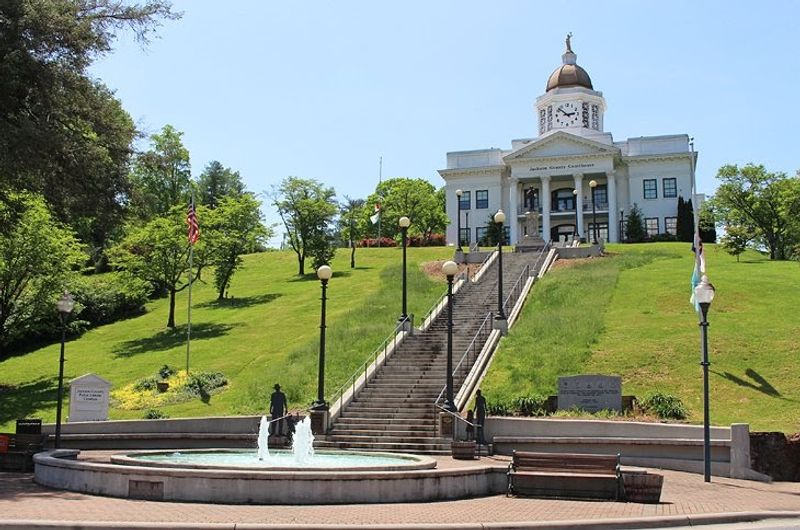
Bryson City is the kind of place where the wildflowers do not just appear alongside the trail, they take it over.
The town serves as the southern gateway to Great Smoky Mountains National Park, and the park’s biodiversity makes it one of the most spectacular spring wildflower destinations in the entire eastern United States.
The Deep Creek area, just north of downtown Bryson City, has trails that pass through dense wildflower zones where trillium, wild ginger, spring beauty, and toothwort bloom in overlapping waves.
The combination of stream moisture, rich soil, and forest canopy creates ideal conditions that are almost impossible to replicate elsewhere.
I have never walked the Deep Creek Loop in spring without stopping at least a dozen times.
The Great Smoky Mountains National Park runs guided wildflower walks each spring, led by botanists and naturalists who know exactly where to look.
The Nantahala Outdoor Center is a good landmark for getting your bearings around town.
Bryson City is one of those places that earns a permanent spot on your spring calendar after just one visit.
Come in the middle of the week if you can, because the trails are quieter and the whole experience feels more like a discovery than a field trip.
7. Boone
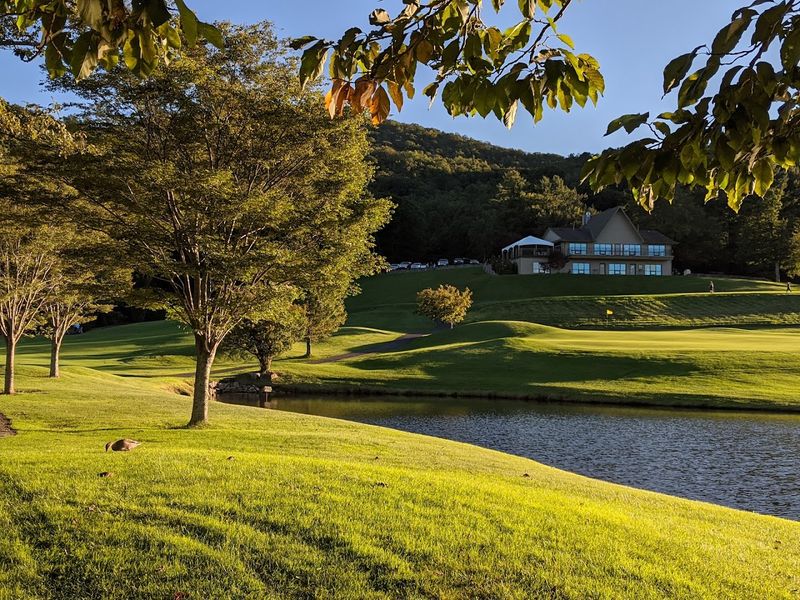
This university town sits at 3,300 feet in the High Country. Boone’s energy mixes surprisingly well with the surrounding natural landscape.
Appalachian State University’s campus borders several greenways where spring wildflowers show up reliably each year, almost like they have a standing appointment.
The Moses H. Cone Memorial Park, located along the Blue Ridge Parkway, has gentle carriage roads that pass through meadows and forest edges loaded with spring bloomers.
Virginia bluebells, trout lily, and wild columbine are among the regulars. The historic manor house at the park’s center gives the whole visit a slightly storybook quality that I find hard to explain but easy to enjoy.
Price Lake, also along the Parkway near Boone, adds a reflective water element to the wildflower experience that makes photography almost effortless.
The town itself has good coffee shops and bookstores that make rainy spring days equally worthwhile.
Boone’s farmers market, open seasonally on King Street, often features locally grown native plants for sale, so you can bring a piece of the spring display home with you.
It is one of those towns that rewards returning visitors more than first-timers.
8. Lillington
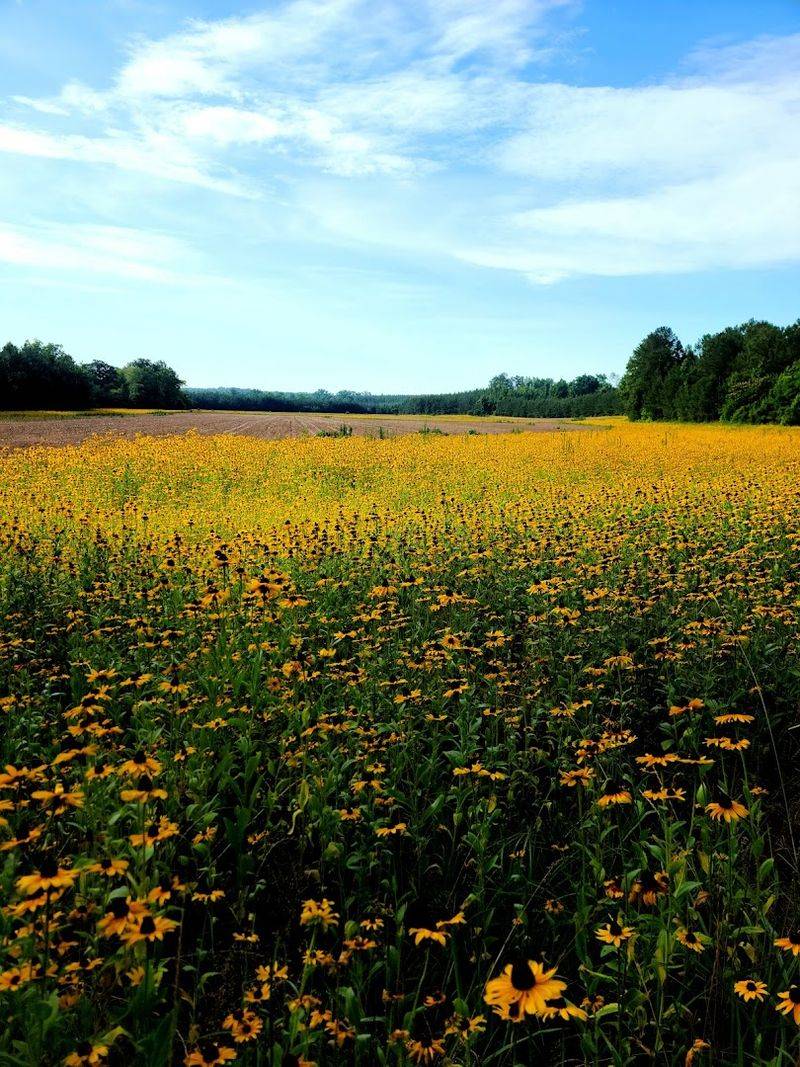
Most wildflower coverage in North Carolina focuses on the mountains, which means Lillington gets completely overlooked. That is a real mistake.
This small Harnett County town near Raven Rock State Park sits in the Sandhills region. The spring wildflower display there plays by entirely different rules than anything you will find in the western part of the state.
Raven Rock State Park protects a rare rocky outcrop ecosystem where species like Carolina lily, wild azalea, and yellow jessamine bloom against a backdrop of longleaf pine.
The park has over nine miles of trails, and the Campbell Creek Loop is especially rewarding in April.
The geology here is genuinely unusual, and it shapes which plants grow where in ways that make every turn feel like a discovery.
Lillington itself is a quiet town along the Cape Fear River, and the river corridor adds riparian wildflowers to the mix that you would not find on the upland trails.
Spring temperatures here are warmer than the mountains, so the season peaks earlier, usually in late March and early April. If you want the mountain crowds but not the mountain drive, Lillington is your answer.
Bring a wildflower field guide and plan to use it constantly.
9. Cashiers
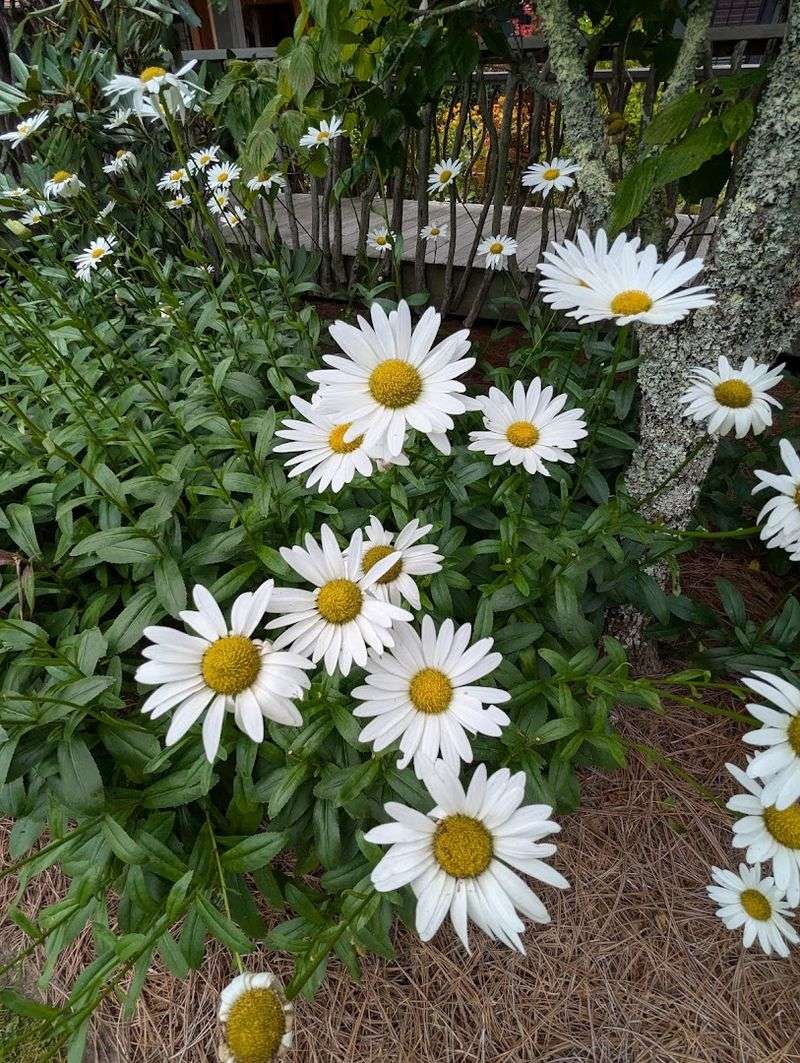
Cashiers sits at 3,500 feet in Jackson County, and the plateau it occupies creates a microclimate that wildflower enthusiasts genuinely travel for.
The combination of high rainfall, rich soil, and consistent cloud cover makes this one of the most botanically diverse corners of the entire Appalachian range.
Whiteside Mountain is one of the most dramatic hikes in the state and one of the best spring wildflower walks anywhere in North Carolina.
The loop trail passes through habitats ranging from rocky cliff edges to moist coves, and the variety of species reflects that range.
Flame azalea, wild trillium, and mountain laurel appear in sequences that stretch the bloom season from April well into June.
The Silver Run Falls trail near Cashiers is shorter and more accessible, making it ideal if you want big wildflower payoff without a strenuous effort.
The High Hampton area also has meadow edges where spring bloomers gather in loose, informal clusters that feel unplanned and therefore even more charming.
Cashiers has a small but well-stocked hardware and general store on the main crossroads, and locals there are genuinely happy to point you toward the best current blooms. Ask them.
They always know.