The Underrated North Carolina River Town Locals Are Quietly Protecting
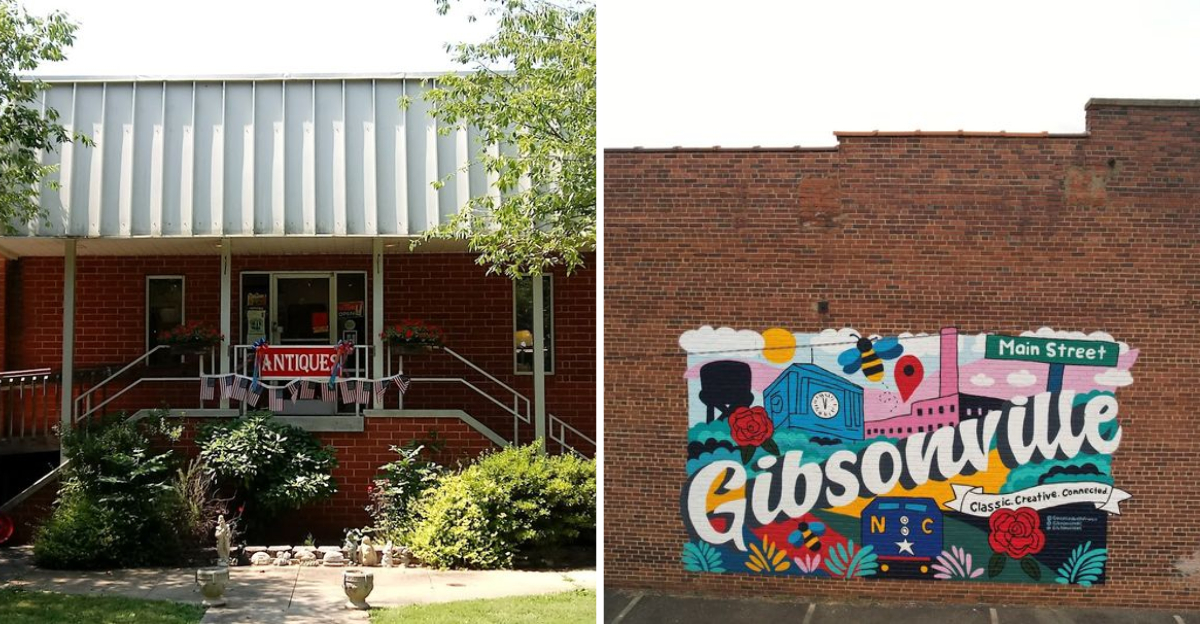
You won’t believe the soul of this place until you step off the main road. Most people just see a line on their GPS and blast past at high speeds, completely overlooking the best part.
Locals are not exactly rushing to put their quiet streets on a loud tourist map.
You quickly understand why they keep this peace entirely to themselves. Some of the best spots are the ones people quietly protect from the outside noise.
You honestly need to see why everyone keeps this North Carolina spot a total secret. This town proves that the most rewarding discoveries happen when you finally decide to slow down.
North Carolina finds its true heart in these silent and forgotten corners. Spend an afternoon wandering near the tracks and you might never want to leave.
The Strategic Two-County Location
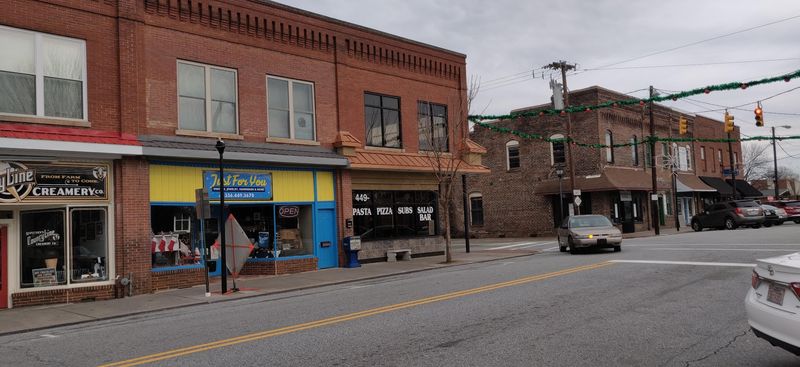
Most towns have one county to call home, but Gibsonville plays by its own rules. Straddling both Guilford and Alamance counties, this small North Carolina town enjoys a geographic sweet spot that most communities can only dream about.
You get the proximity to Greensboro on one side and Burlington on the other. Yet somehow the town itself feels untouched by the rush of either city.
That dual-county identity is more than just a quirky fact on a map. It shapes everything from school districts to municipal services, giving residents access to resources from two different county systems.
Families often find this surprisingly practical when it comes to choosing schools, healthcare, and local government representation.
Living here means you can enjoy a slow morning coffee on your porch before a quick commute to a major corporate office. Have you ever imagined living in a place where your children can benefit from the best resources of two separate regional systems at once?
Interstate 40 and Interstate 85 are both within reasonable reach, making the town an appealing base for working professionals. Real estate here tends to be more affordable than in Greensboro or Burlington proper.
This adds yet another layer of appeal if you’re someone who want spaces without sacrificing convenience.
The Legacy Of The City Of Roses
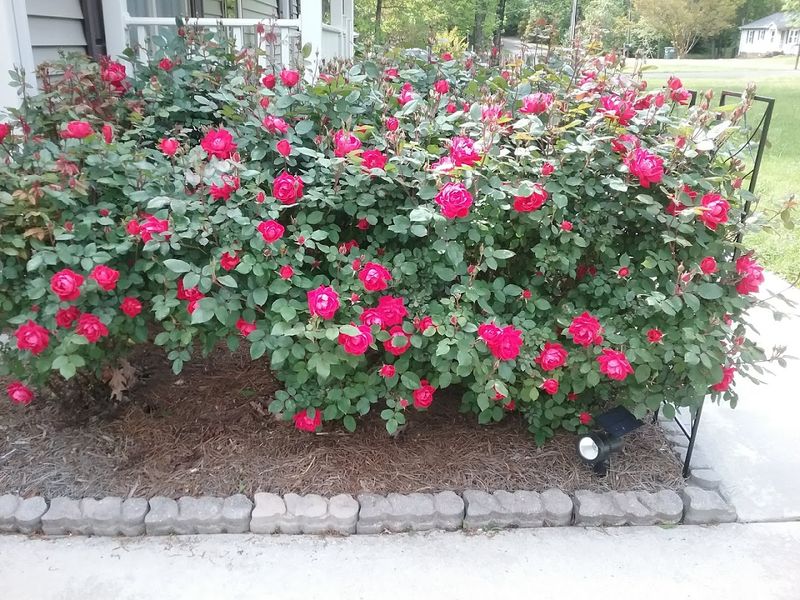
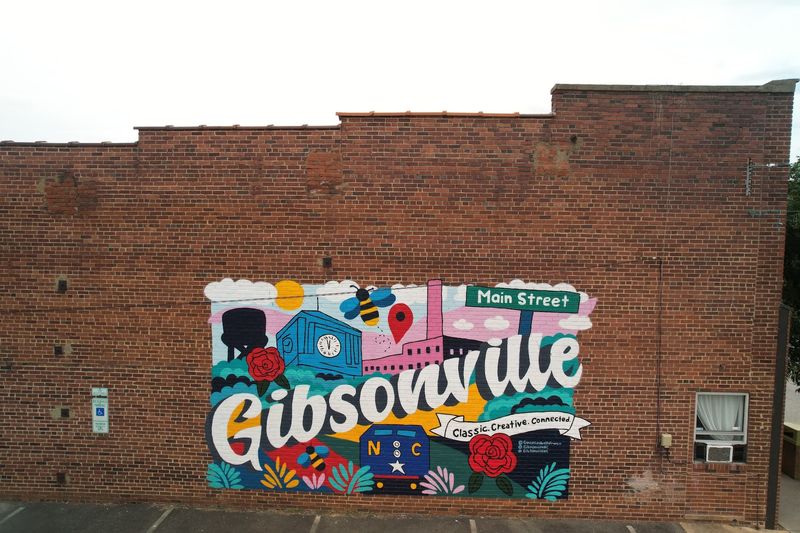
Every town needs a nickname worth bragging about, and Gibsonville earned its the old-fashioned way. Known as the City of Roses, this community has a long tradition of planting roses along railroad tracks and in public spaces.
The practice is so embedded in local culture that it has become a genuine point of civic pride. These roses are not just decorative, they represent a community that chose beauty as a form of identity.
Long before digital aesthetics became a common currency, Gibsonville residents were carefully tending blooms along the very tracks that built their town.
That kind of intentional charm is rare and moving when you see it in person. Visiting during peak bloom season is an experience that photography simply cannot do justice.
The contrast between iron rails and delicate petals creates a visual that feels almost poetic. Local gardening clubs and volunteers continue to maintain these plantings, ensuring the tradition carries forward to newer generations.
The City of Roses nickname is not just history here. It’s a living, breathing commitment that residents renew every single spring with fresh soil and fresh blooms.
This dedication ensures the town maintains its visual character despite the passing of many decades.
Railroad Roots And Historic Architecture
Before there was a Gibsonville worth talking about, there was a railroad. The North Carolina Railroad arrived in the mid-19th century and essentially drew the town into existence around it.
That industrial origin story is not forgotten here. A restored caboose sits proudly in town as a physical reminder that iron and steam once determined where communities would grow.
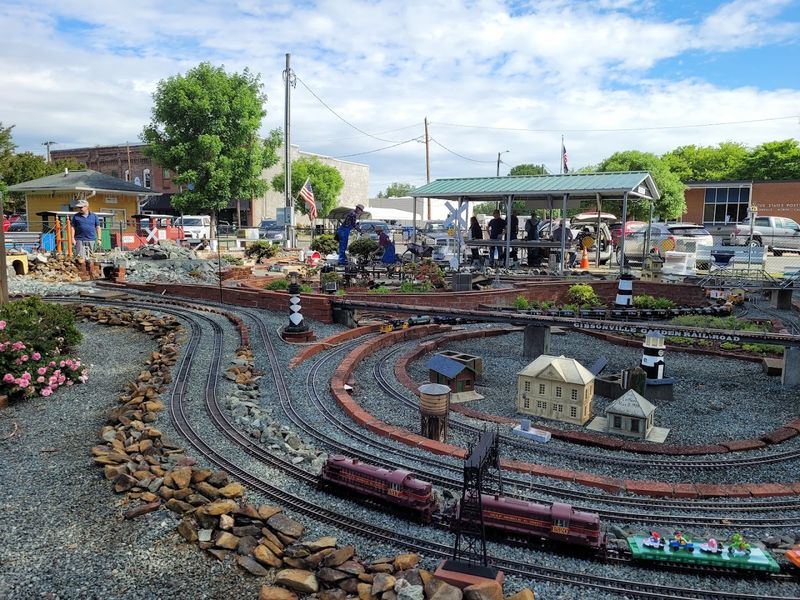
The small garden railroad exhibit that accompanies the caboose is a surprisingly delightful attraction. Miniature trains, carefully landscaped terrain, and historically inspired details make it a favorite stop for families and history enthusiasts alike.
It manages to be educational without feeling like homework, which is a harder balance to strike than most people realize. Beyond the railroad exhibits, the town’s historic architecture tells a quiet story of steady, unhurried growth.
Buildings from the late 19th and early 20th centuries still stand in recognizable form. This gives downtown Gibsonville a character that newer developments simply cannot replicate.
Walking through the older sections of town feels like flipping through a well-preserved scrapbook. The craftsmanship visible in older storefronts and homes reflects a time when buildings were designed to last for many generations.
Family-Centric Demographics And Education
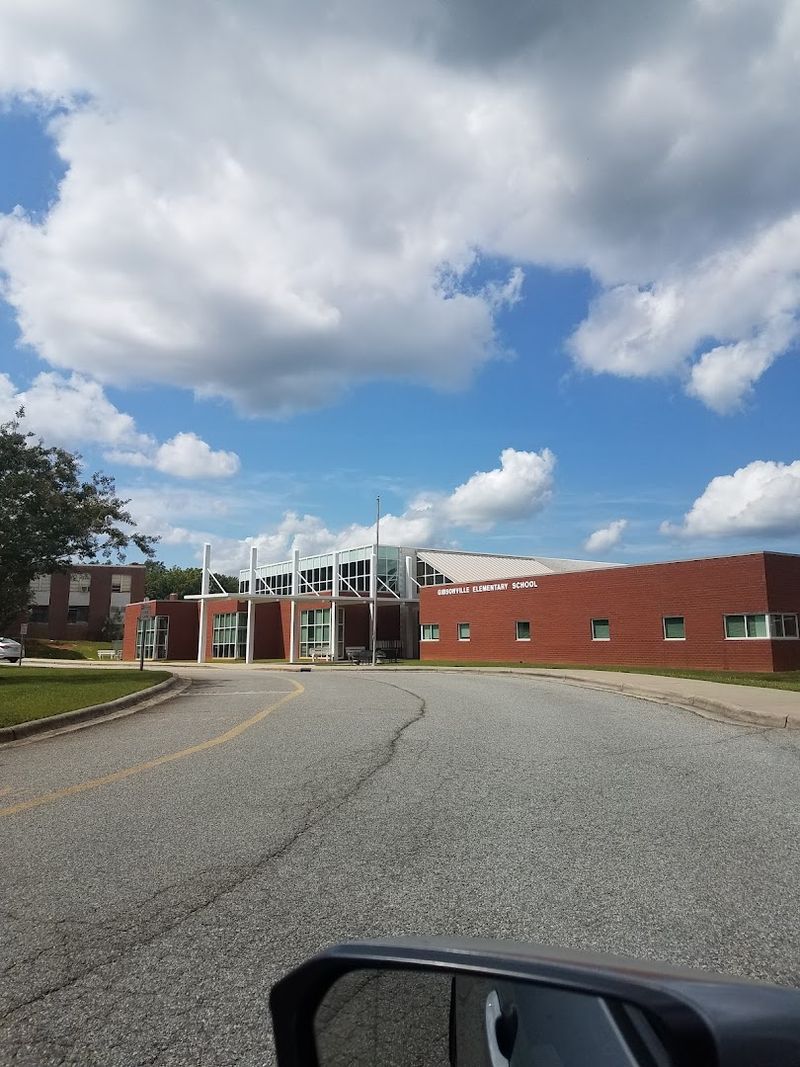
Gibsonville has quietly built a reputation as one of those towns where raising kids actually makes sense. The community is predominantly residential, with a demographic makeup that skews toward families rather than transient populations.
That stability creates a social environment where children grow up alongside the same neighbors. They attend the same schools and build friendships that often last well into adulthood.
Because the town straddles both Guilford and Alamance counties, students have access to public schools from two separate county systems. Guilford County Schools and Alamance-Burlington School System both serve portions of the community.
This dual access is unusual and can give families meaningful options when thinking about educational fit. They can consider specialized programs and extracurricular opportunities that might vary between the two systems.
Community stability and educational access tend to reinforce each other in towns like Gibsonville. When families feel settled and supported, they become more involved in schools, local organizations, and neighborhood improvement efforts.
That participation creates a positive feedback loop where community engagement leads to better resources. This in turn attracts more families who are looking for a supportive and stable place to live.
The Independent Main Street Economy
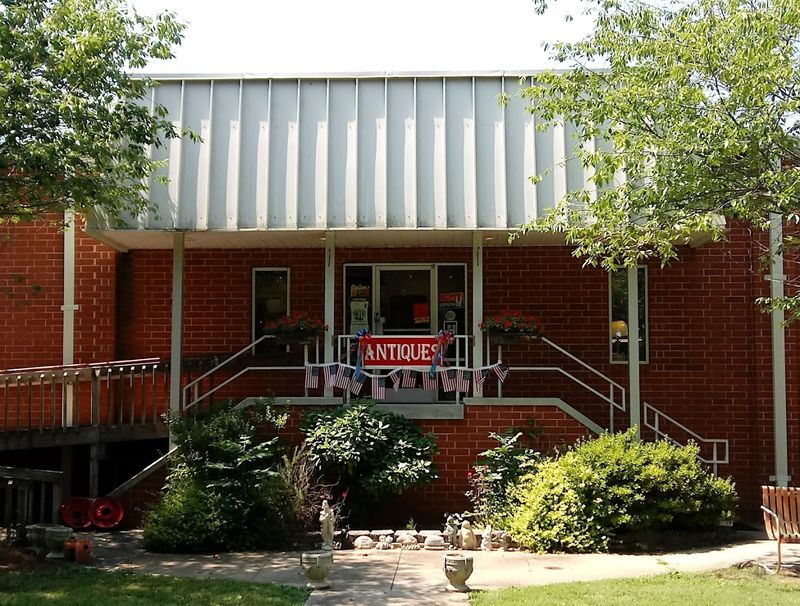
There is something quietly rebellious about a small-town main street that refuses to be replaced by a strip mall. Gibsonville’s downtown area maintains a collection of locally owned shops, services, and eateries that give the community identity.
This identity is rooted in individual enterprise rather than corporate chains. The scale is modest, but the character is distinctly its own.
Shopping locally in Gibsonville means your money is more likely to stay in the community. Small business owners here tend to live in the same neighborhoods as their customers.
They send their kids to the same schools and volunteer at the same events. That interconnectedness creates an economic ecosystem where commerce and community are genuinely inseparable rather than just adjacent.
The downtown eateries deserve special mention for delivering real, unpretentious food in settings that feel like actual dining. You are not going to find a celebrity chef or a trendy concept restaurant here.
That is entirely the point. What you will find are menus built on familiarity and portions that respect your appetite.
Staff often remember your order the second time you visit. For anyone exhausted by performative dining culture, Gibsonville’s Main Street economy is a satisfying alternative.
A Suburban Rural Lifestyle Blend
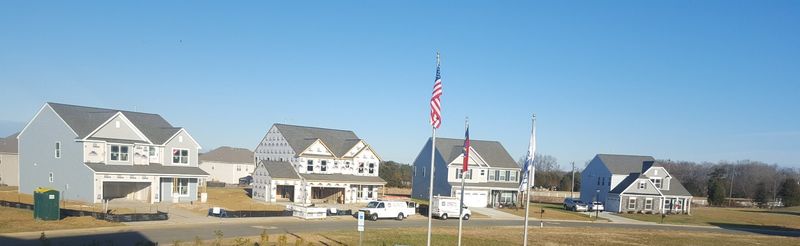
Gibsonville occupies a lifestyle category that urban planners often struggle to define cleanly. It is not quite suburban in the traditional sense, and it’s definitely not rural in the wide-open farmland sense.
Instead, it lands in that rare middle ground where homeowners have real yard space. Neighbors can still wave from their driveways, and the nearest big-box store is not actually next door.
Homeownership rates here are notably higher than in many comparable North Carolina communities. That statistic reflects something meaningful about the town’s character.
People who own their homes tend to invest in them, maintain them, and care about what happens on their street. That collective investment creates a neighborhood atmosphere that feels genuinely stable and welcoming rather than transient.
Open spaces throughout Gibsonville provide natural breathing room that residents clearly value. Undeveloped land and community parks allow the town to successfully preserve a sense of openness.
Many growing communities sacrifice this in the name of development. For families relocating from denser areas, that combination of space, affordability, and community connection is a powerful draw that is increasingly difficult to find.
Public Spaces And Recreational Facilities
Moricle Park is the kind of place that becomes the unofficial living room of a small town. Located in Gibsonville, this community park features walking trails that wind through green space and playground equipment that gets used.
On weekends, you will find families spreading out blankets and kids running between the swings. Older residents do their daily laps along the path.
The Gibsonville Garden Railroad exhibit adds a unique layer to the town’s recreational offerings. Miniature trains navigating carefully crafted landscapes may sound like a niche attraction, but it draws curious visitors of all ages.
There is something universally satisfying about watching a tiny locomotive wind its way through a miniature version of the world. It is charming in a way that is very hard to manufacture.
Public spaces like these do more than provide places to exercise or relax. They create the conditions for spontaneous community connection.
A parent meets another parent at the playground. Neighbors who have never spoken find themselves chatting along the walking trail.
These small interactions are the invisible infrastructure of community life, and Gibsonville has invested in the spaces that make them possible.
Community Traditions And Seasonal Spirit
Ask a Gibsonville resident what keeps people here, and somewhere in the answer you will hear about the events. Seasonal festivals, community parades, and local gatherings form the social calendar of this town in an organic way.
These are not events designed to attract outside attention. They exist because residents genuinely enjoy celebrating together, and that distinction matters.
Seasonal spirit runs deep in communities with strong traditions, and Gibsonville leans into that fully. Whether it is a spring festival celebrating the town’s beloved roses or a fall gathering, these events create shared memories.
A child who grows up attending the same annual parade eventually brings their own children to that same parade. The cycle of community identity continues without anyone having to force it.
Social cohesion is one of those things that sounds abstract until you see what a town looks like without it. Gibsonville has clearly prioritized the conditions that allow neighbors to become something closer to extended family.
The traditions here are not just fun. They are functional, serving as the connective tissue that holds a community together through change and growth.
They help the town face the inevitable challenges that every small town eventually faces.
Would you settle for a house in a city, or would you choose a home in a community that grows together like a garden?