15 North Carolina Towns And Villages That Burst Into Bloom Each Spring
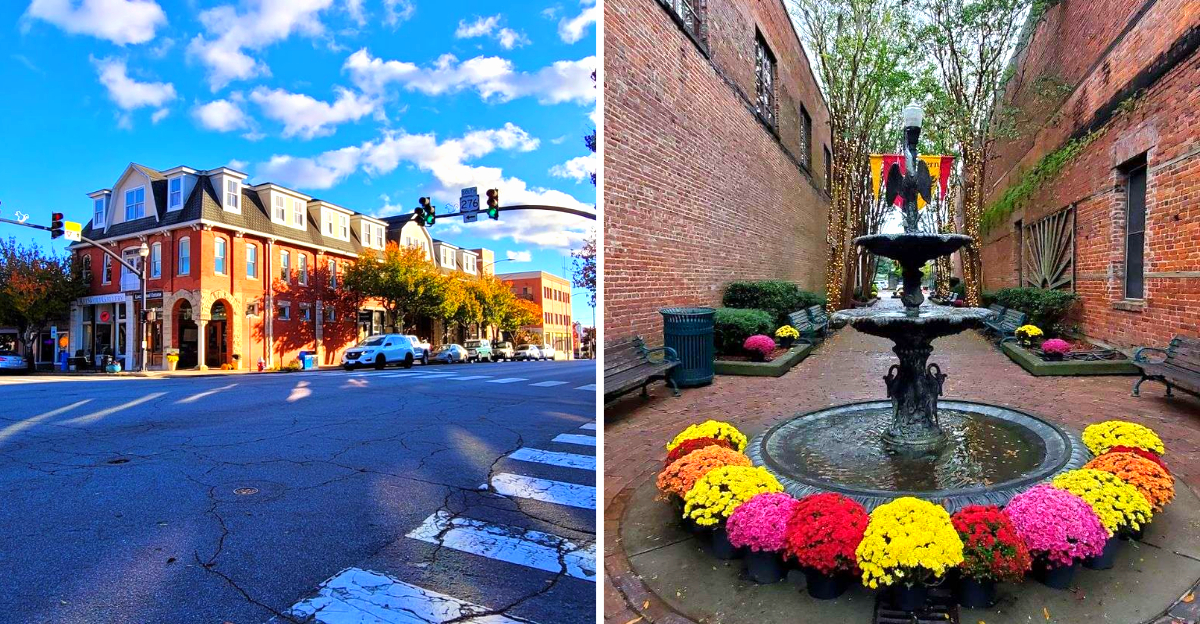
Spring does not arrive quietly here. It shows up all at once, changing the look and feel of entire towns in a matter of weeks.
Small communities begin to shift as the season settles in. Streets that felt still through winter take on new color.
Trees bloom, gardens fill out, and everyday places start to feel more alive again. The change is easy to notice, even during a short visit.
Each town moves at its own pace. Some lean into the season with festivals and public events.
Others stay simple and let the scenery do the work. That contrast is part of what makes exploring them feel varied and worthwhile.
North Carolina has its own spring destinations, but places like these show how much character smaller towns can hold onto. The experience feels less structured and more natural.
Spend a little time in one of these towns, and it becomes clear that spring here is not just a season. It is something people look forward to every year.
1. Hendersonville
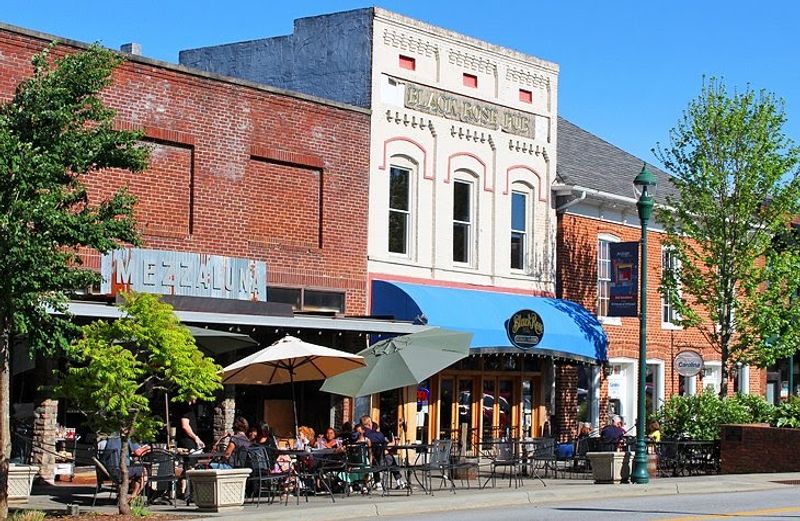
Spring shows up here with no interest in being subtle. One week the streets look ordinary, and the next they are lined with soft pink bloom.
Located in the Blue Ridge foothills, Hendersonville sits at an elevation that tends to delay blooms just long enough to feel special when they finally appear. The sidewalks are wide and walkable, making it easy to stroll without rushing.
Apple orchards on the outskirts begin showing their first blossoms around mid-April, adding a faint sweetness to the air that drifts into town on calm mornings.
Historic downtown buildings provide a warm backdrop to the seasonal color, and small shops often display potted flowers outside their doors. The overall pace here is unhurried, which suits the season perfectly.
Visitors tend to find Hendersonville most rewarding on weekday mornings when the streets are quiet and the light is soft.
2. Boone
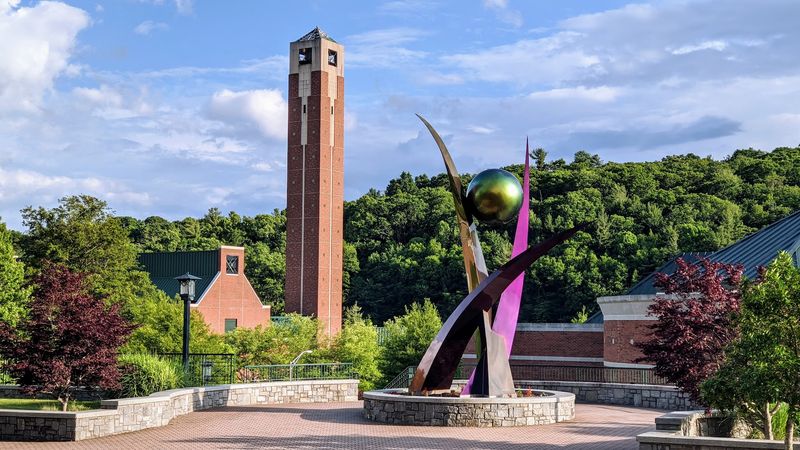
At a height of more than 3,000 feet in the Blue Ridge Mountains, spring takes its time here and makes a bigger entrance because of it.
When the dogwoods finally open and the redbud trees flush with color, the surrounding mountain views frame everything in a way that feels almost theatrical. The contrast between the rugged ridgelines and the delicate blooms is genuinely striking.
King Street, the town’s main corridor, fills with foot traffic as the weather warms, and local businesses often set up outdoor seating that makes lingering feel natural.
Appalachian State University adds a lively energy to the town during spring semester, so weekends can feel festive and a bit busier than usual.
For a quieter experience, weekday mornings offer a more relaxed pace with the same beautiful scenery and noticeably less crowd activity throughout the downtown area.
3. Blowing Rock
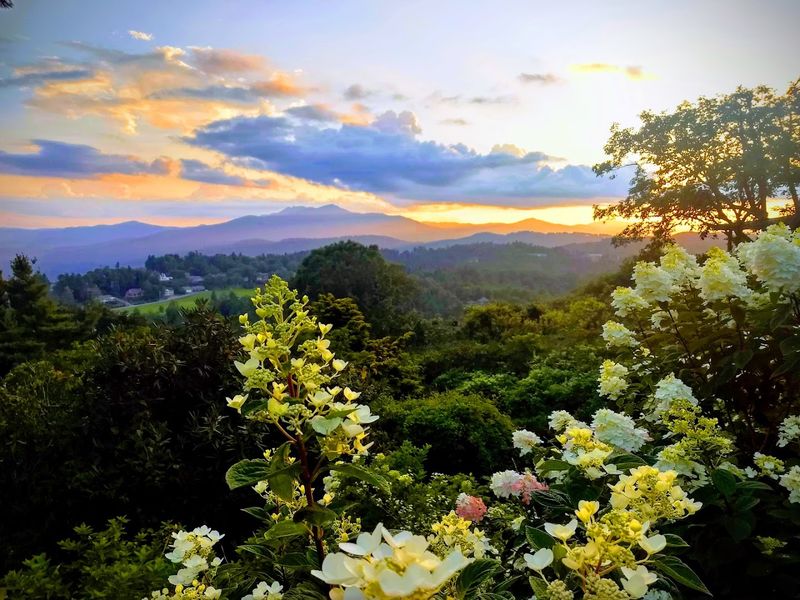
Its name comes from the mountain updrafts that keep the air noticeably cool, even in late spring.
That cooler air tends to slow down the bloom cycle just enough to extend the flowering season, so visitors who arrive in early May can still catch peak color when lower elevations have already moved on.
The village green at the center of town becomes a gathering point as wildflowers and planted beds begin to show off their spring colors.
Surrounding streets are lined with boutiques and cafes that open their windows wide to let in the mountain air. The overall atmosphere feels like a European village tucked into the Appalachians.
The famous Blowing Rock overlook offers sweeping views across Johns River Gorge that become especially scenic when the valley below is filled with fresh spring green.
4. Banner Elk
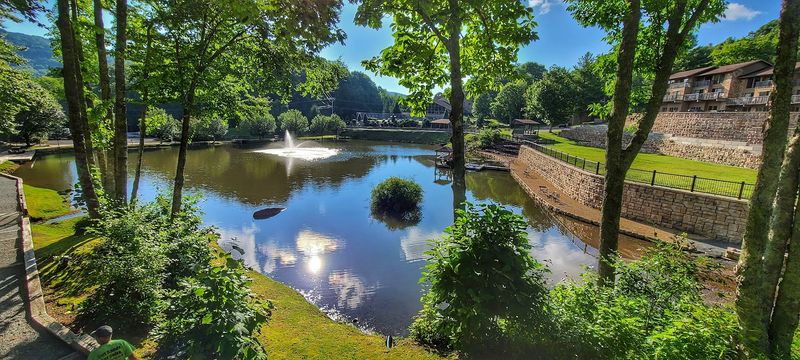
Spring does not drift in quietly here. Tucked between Grandfather Mountain and the Beech Mountain plateau, the town holds onto winter longer, so the season feels like a real arrival.
When the meadows finally green up and the wildflowers start pushing through, the whole valley takes on a freshness that feels almost startling after months of bare ridgelines.
The town itself is small and walkable, with a handful of local businesses clustered near the main road.
Spring hiking conditions in the surrounding area tend to be excellent, with trails offering views of blooming serviceberry trees and mountain laurel beginning to bud along the slopes. Elk River and other nearby waterways run full and clear after snowmelt.
Banner Elk rewards visitors who enjoy a slower, more nature-focused spring experience rather than festival crowds, making it a genuinely peaceful alternative to more popular mountain destinations nearby.
5. Highlands
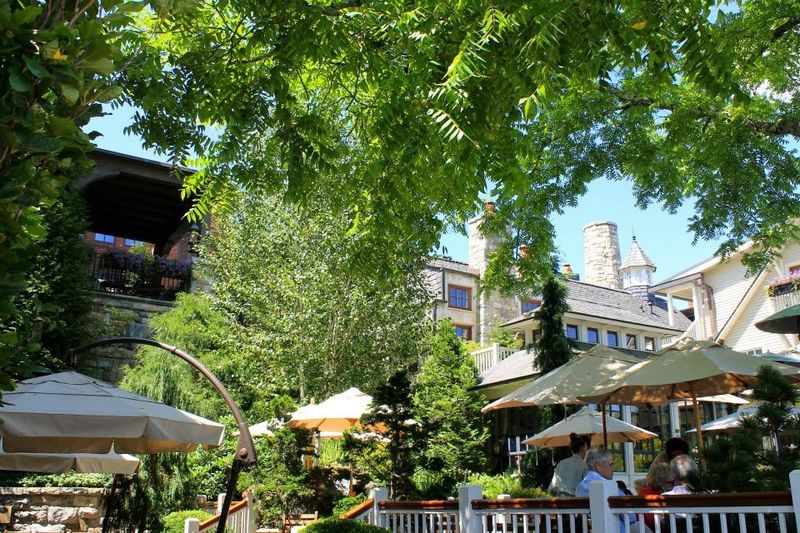
Its high elevation shapes this town’s identity, so much so that its name references it.
The rhododendrons and mountain laurel that blanket the surrounding Nantahala National Forest begin their bloom cycle in late spring, creating cascades of pink and white that spill down the hillsides toward town.
Main Street in Highlands has a refined, unhurried quality, with stone-fronted shops and galleries that feel like they have been part of the landscape for generations.
The air carries a noticeable coolness even on warm spring days, and the humidity that rolls in from the surrounding forest keeps everything lush and deeply green. Waterfalls in the area run at their fullest during spring, and several are accessible by short trail.
Dry Falls and Bridal Veil Falls are two well-known nearby waterfalls worth visiting during a spring trip to the Highlands area.
6. Brevard
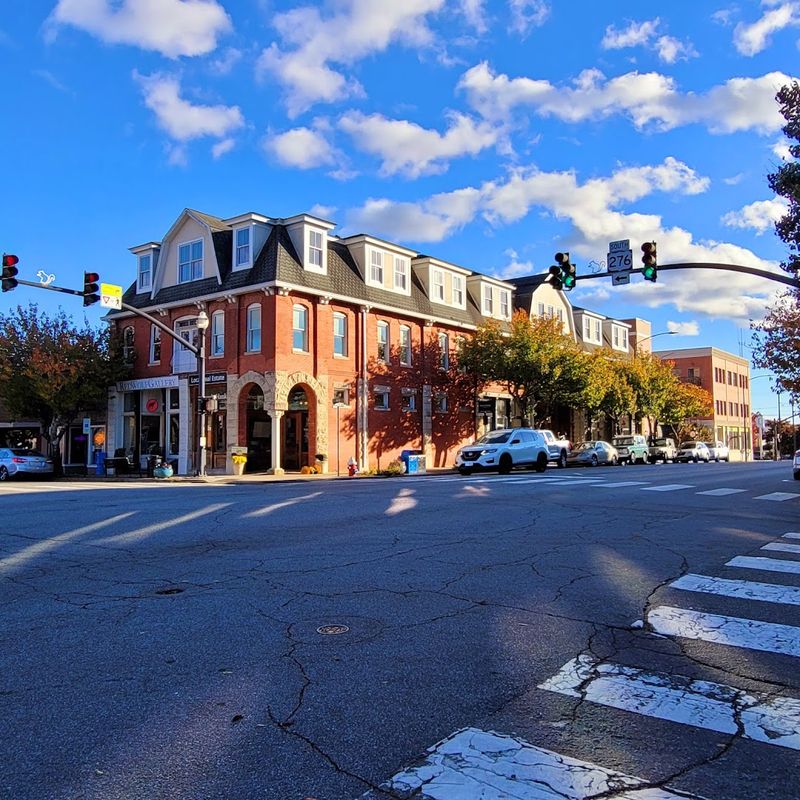
Cherry blossoms take over Main Street each spring and draw visitors from across the region. The pink canopy softens the light and changes the feel of the entire downtown.
The town sits at the entrance to Pisgah National Forest, so the natural setting amplifies every bit of seasonal color happening in the surrounding landscape.
Brevard has a creative, arts-friendly personality that shows up in its galleries, music venues, and independent shops, all of which tend to reopen or extend their hours as spring foot traffic picks up.
The famous white squirrels that live in and around Brevard’s Brevard College campus are often spotted near flowering trees and manicured lawns during the warmer months.
The proximity to hundreds of miles of hiking and mountain biking trails in Pisgah means that a spring visit can easily combine a stroll through the blooming downtown with a full afternoon outdoors.
7. Hillsborough
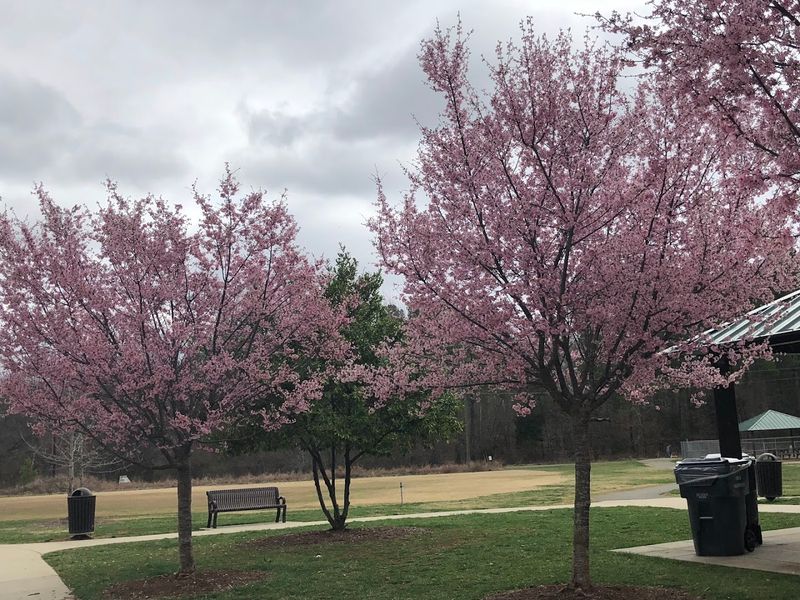
Few Piedmont towns carry as much historical weight as this one. It played a significant role during the colonial and Revolutionary War eras.
Spring adds a particularly layered quality to the experience of walking its streets, where dogwood trees bloom against the backdrop of eighteenth-century architecture and stone markers that have stood for centuries.
The Riverwalk along the Eno River comes alive in spring with wildflowers along the banks and birdsong in the canopy overhead.
Local art galleries and studios, which are plentiful for a town of Hillsborough’s size, often host spring openings and community events as the season shifts. The overall character of the town blends intellectual curiosity with a relaxed Southern pace.
Saturday mornings at the Hillsborough Farmers Market bring out local vendors selling seasonal produce and plants, making it a practical and enjoyable stop during a spring visit to the area.
8. Davidson
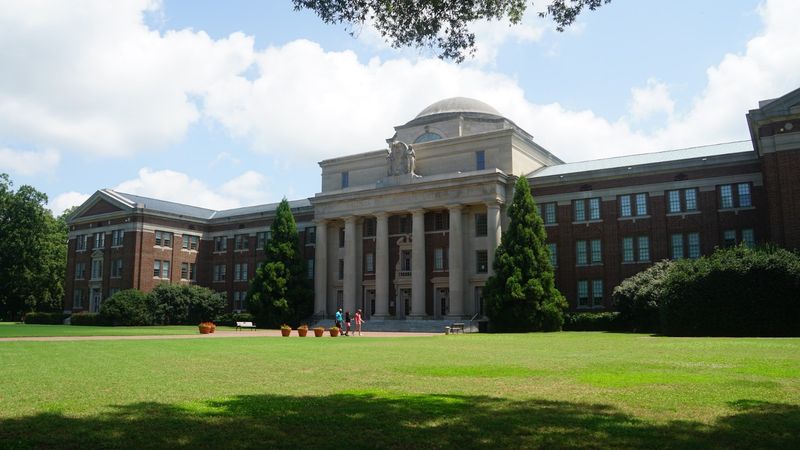
A prestigious liberal arts college and small-town charm come together here, giving spring a lively and welcoming feel.
When the campus flowering trees reach peak bloom, the grounds of Davidson College become one of the most photogenic spots in the entire region, with brick pathways cutting through canopies of white and pink.
The town’s compact downtown sits just steps from campus and includes locally owned shops, coffee spots, and restaurants that fill up pleasantly on mild spring afternoons.
Lake Norman, which borders Davidson to the east, offers waterfront access that becomes especially appealing once the weather warms and the shoreline vegetation greens up fully.
Spring also brings outdoor performances and community events to Davidson that reflect the town’s close relationship with its college community, making a visit feel culturally rich in a way that larger cities sometimes struggle to replicate.
9. Waxhaw
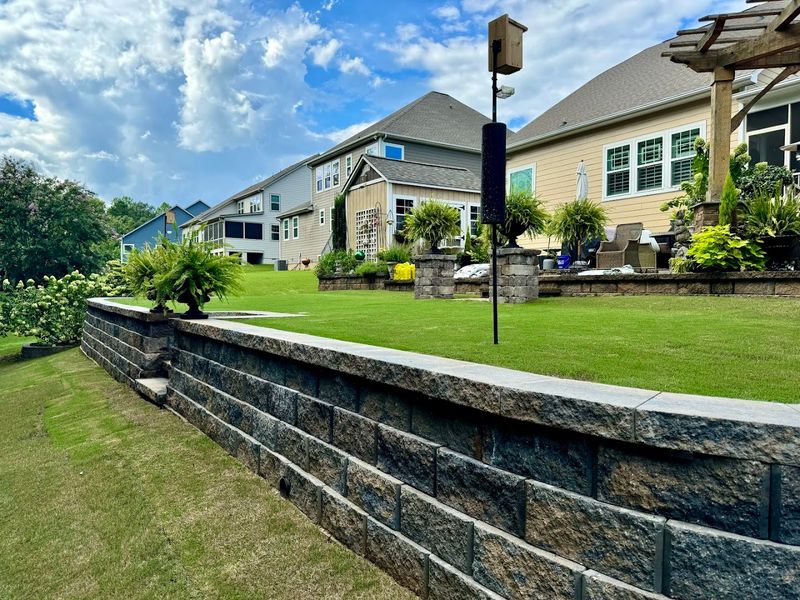
Known across the region for antiques, the downtown shifts in spring when flower boxes fill the historic streets with color.
The combination of old architecture and seasonal bloom gives the town a warmth that feels genuinely rooted rather than staged.
Spring weekends in Waxhaw tend to bring out shoppers and browsers who move at a leisurely pace through the antique shops and galleries lining the main corridor.
The town’s small scale makes it easy to see everything on foot without needing to plan much in advance. Nearby open land and rural roads offer pleasant drives through flowering fields and orchards as the season progresses.
Waxhaw also holds community events in spring that reflect its tight-knit character, and the relaxed schedule of the town makes it an easy half-day addition to a longer trip through the Charlotte region.
10. Southern Pines
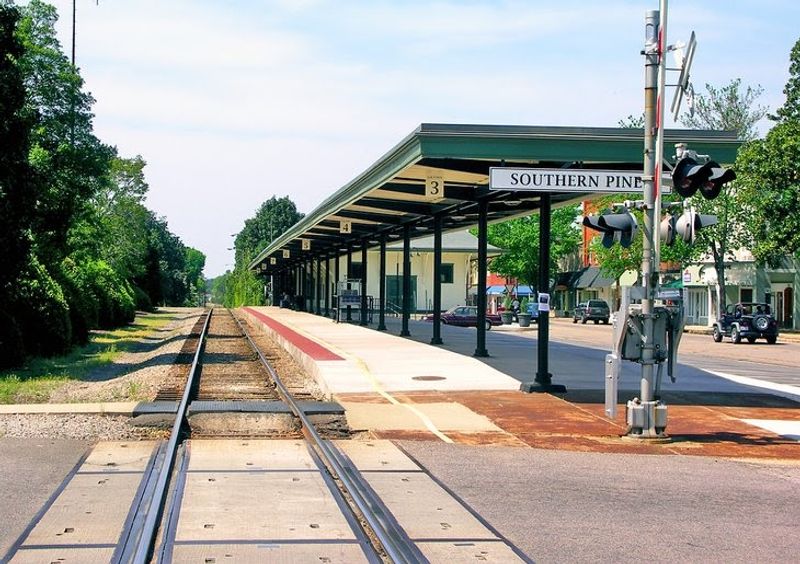
A place like this does not need to reinvent itself. Equestrian roots and an easy elegance give spring a natural fit here.
When the azaleas bloom along its wide, tree-lined streets, the effect is both colorful and somehow unhurried, as if the whole town agrees that nothing needs to move too fast right now.
The downtown area features a well-preserved collection of early twentieth-century buildings that draw a steady, appreciative crowd in the warmer months.
Weymouth Woods Sandhills Nature Preserve, located within the town limits, offers trails through longleaf pine habitat where spring wildflowers appear in surprising abundance.
Horse farms on the outskirts of town add an open, pastoral quality to the landscape that makes driving the back roads of Southern Pines in April a genuinely pleasant way to spend an afternoon.
11. Pinehurst
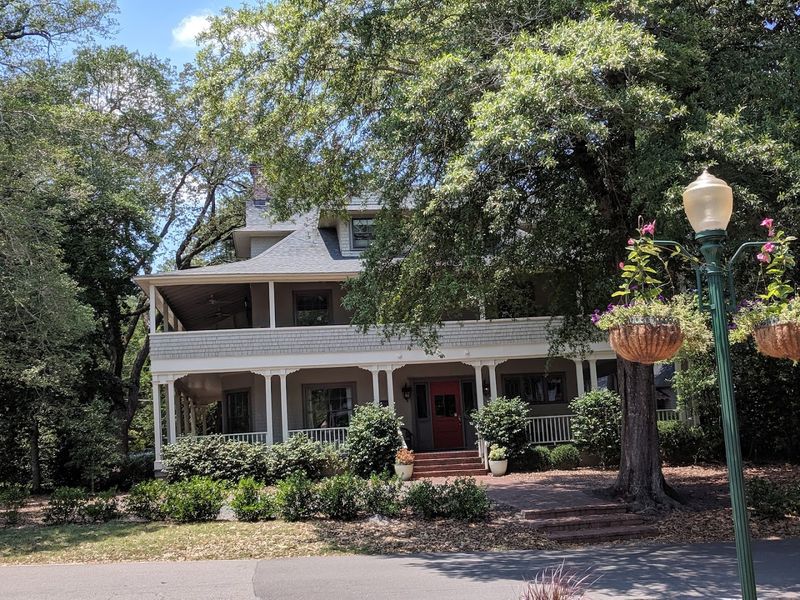
Azaleas were first planted here in the 1890s to mark course boundaries. Now fully grown, they transform the village with sprawling color.
The combination of manicured fairways, historic architecture, and masses of pink and white bloom gives the area a distinctive visual identity that is hard to match anywhere else in the state.
The village center, with its shaded pedestrian paths and well-maintained gardens, invites slow walking and quiet appreciation rather than hurried sightseeing.
Spring timing in Pinehurst tends to align well with the golf season, so the area has an active but civilized energy during peak bloom weeks.
Even visitors with no interest in golf tend to find the landscape around Pinehurst genuinely beautiful in spring, particularly in the early morning when the light is soft and the air carries the fragrance of flowering shrubs.
12. Beaufort
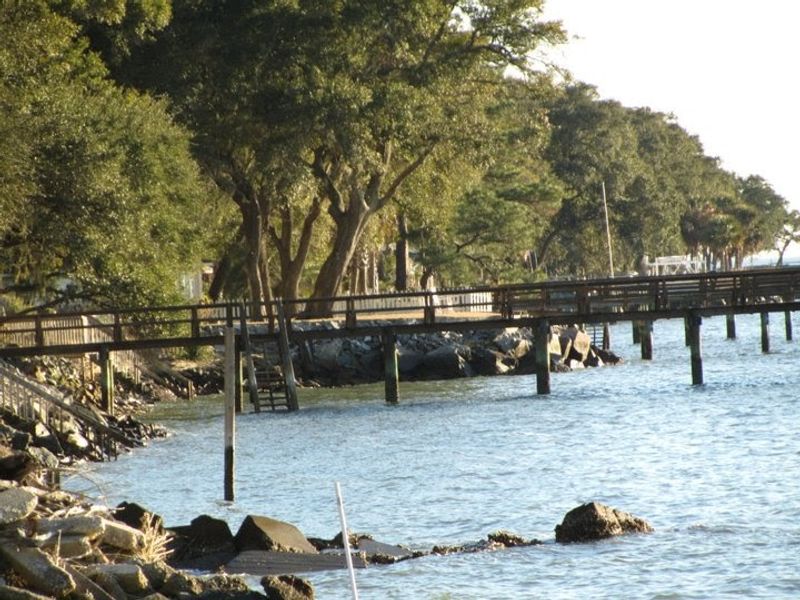
Spring arrives on the coastal breeze here, bringing warmer air and migratory birds back to Taylor Creek.
The town’s historic waterfront, lined with eighteenth and nineteenth-century homes, takes on a fresh energy as flowering trees and window boxes burst into color against the backdrop of the sound.
Beaufort’s Front Street is one of the most walkable stretches of any small coastal town in North Carolina. It possesses a mix of locally owned shops, seafood spots, and open-air viewing areas that make it easy to spend several hours without feeling rushed.
The pace here is distinctly coastal, meaning unhurried and open to whatever the day brings.
Spring also marks the beginning of the ferry season to Cape Lookout National Seashore. Turning Beaufort into a logical base for anyone wanting to combine a blooming town visit with a trip to one of the state’s most pristine barrier islands.
13. Southport
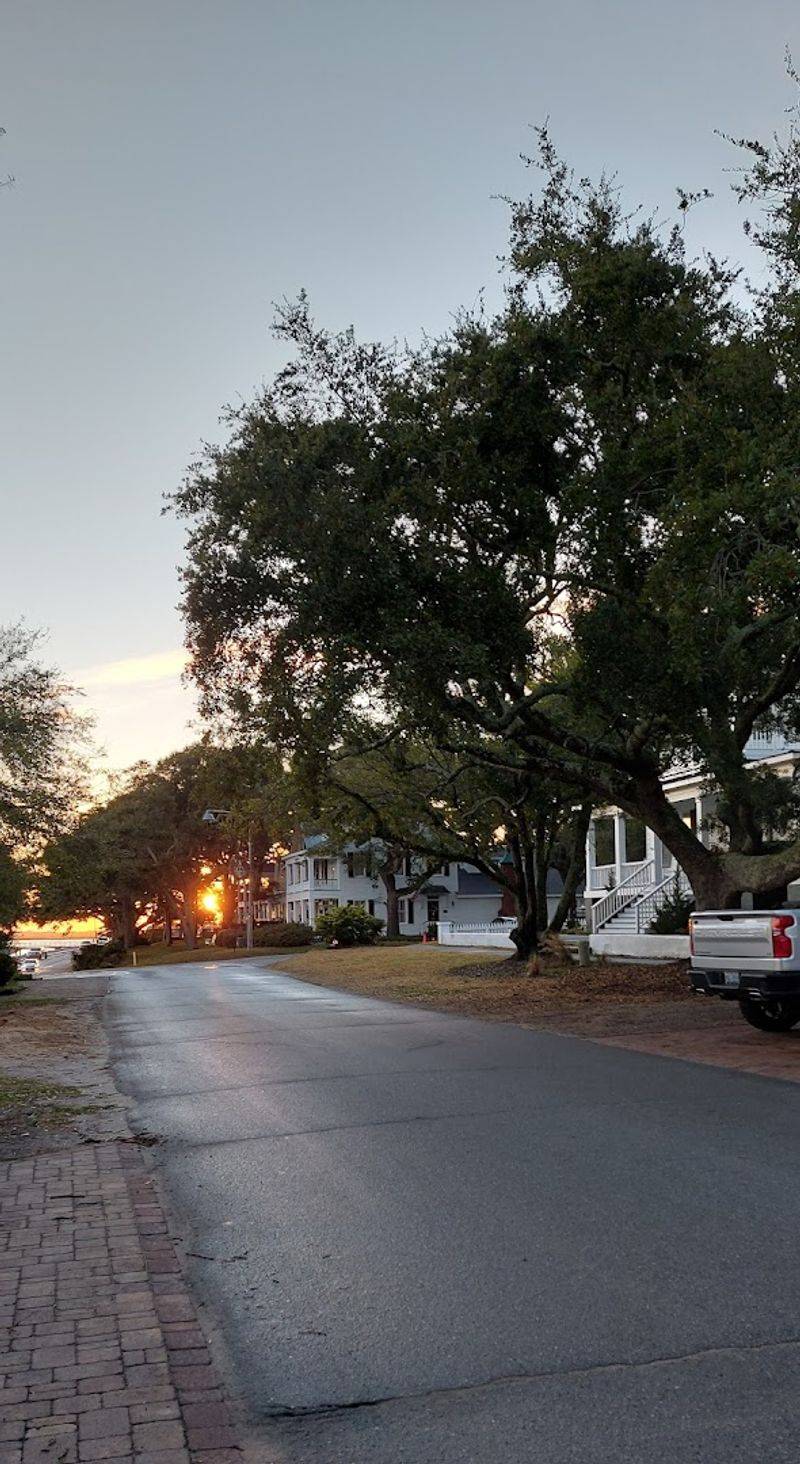
Massive live oaks draped with Spanish moss line the streets of Southport in a way that makes spring feel ancient and deeply Southern. It gives Southport a nostalgic and everlasting vibe.
When the azaleas bloom beneath those oaks and the salt air drifts in from the Cape Fear River, the town achieves a sensory combination that is genuinely difficult to describe.
The historic district is compact and easy to navigate on foot, with well-preserved homes and public spaces that reflect the town’s long history as a fishing and maritime community.
Spring brings increased boat traffic to the waterfront and a general brightening of the town’s already considerable charm.
The North Carolina Fourth of July Festival, which Southport has hosted for decades, is still months away during spring bloom season. It makes April and early May a quieter and arguably more enjoyable time to visit the area.
14. New Bern
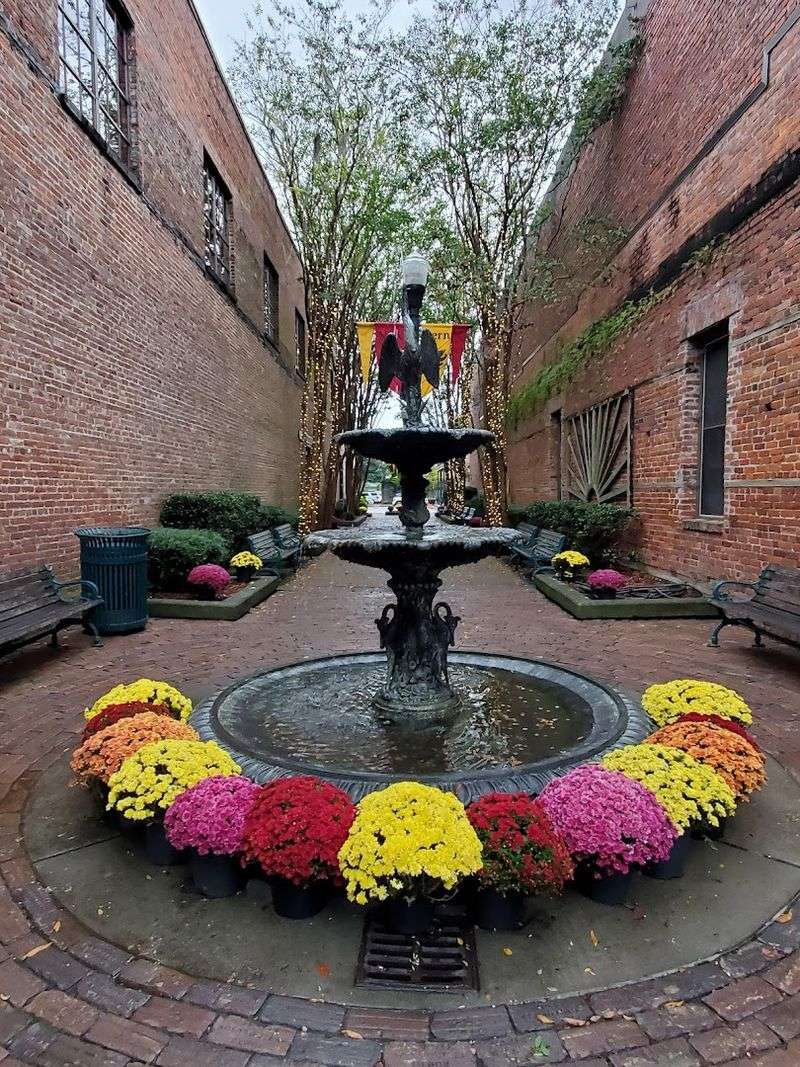
As the first colonial capital of North Carolina, the town carries a historical depth that makes its spring gardens feel even more meaningful.
The formal gardens at Tryon Palace, located at 610 Pollock St, bloom with azaleas, tulips, and ornamental plantings that have been cultivated and maintained with careful attention.
The surrounding historic district extends the spring experience well beyond the palace grounds, with residential streets shaded by mature trees and front yards full of seasonal color.
New Bern’s downtown waterfront, where the Neuse and Trent rivers meet, adds a scenic dimension to any spring visit and provides open views that feel spacious and calming.
The town also has a notable connection to Pepsi-Cola, which was invented here in 1898, and the Birthplace of Pepsi store on Middle Street is a fun stop for visitors exploring the downtown area during a spring visit.
15. Hot Springs
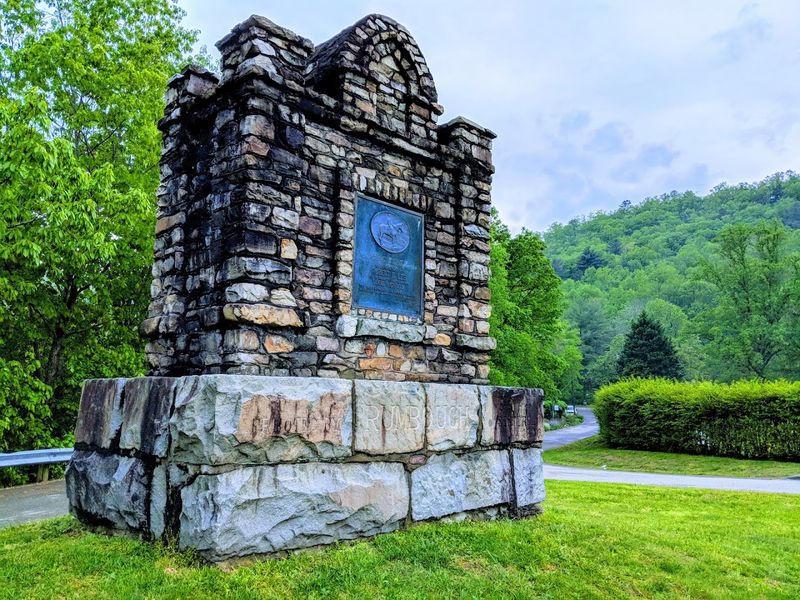
A place like this still feels like a discovery, even after more than one visit. It sits where the French Broad River cuts through the Appalachian Mountains near the Tennessee border.
Spring transforms the surrounding forest almost overnight, with trillium, bloodroot, and wild phlox appearing along the riverbanks and the Appalachian Trail corridor that passes directly through the center of town.
The town’s natural hot springs, which have been drawing visitors since the nineteenth century, remain a draw for those who want to soak in mineral-rich water while surrounded by the sounds of the river.
The overall scale of Hot Springs is intimate, with just a small cluster of local businesses and services.
Hikers passing through on the Appalachian Trail make up a meaningful part of the spring visitor community here, giving the town a transient but genuinely warm social energy.